
Reviewed · TRAIN EXPERIENCES
Snow Monkey Park and Miso Production Tour Bullet Train from Tokyo
Snow monkeys and a bullet train day? I’m in. This is a full-day escape from Tokyo that strings together big-ticket highlights: round-trip shinkansen to Nagano, a traditional miso production stop, and the Jigokudani hot-spring monkey park.
I also love how the day is led by an English-speaking National Government Licensed Guide Interpreter, so you’re not stuck translating your way through train platforms. The main drawback is physical: the monkey park visit includes a tough winter walk, and the path can be slippery if conditions are icy.
In This Review
- Key things I’d circle on your plan
- A one-day Nagano circuit that starts with the easiest train in Japan
- Getting tickets at KITTE: simple, but don’t treat it like an afterthought
- Stop 1: Salty-perfection miso making at 塩屋醸造
- Stop 2: Obuse-machi stroll for Hokusai’s twilight years and chestnuts
- Stop 3: Jigokudani Snow Monkey Park and the real winter walk
- Guide interpreter time: smoother than DIY, and less awkward than you’d expect
- Timing: when the day feels long (and when it doesn’t)
- Price of $289.91: where the value really comes from
- Who this tour suits best (and who should think twice)
- Should you book this snow monkey and miso day trip?
- FAQ
- What’s the tour duration and when does it end?
- What time do I start the day?
- Where do I meet the guide in Tokyo?
- How do I get my tickets for this tour?
- What’s included in the price?
- Is lunch included?
- Does the guide travel on the shinkansen train?
- How long do I spend at Jigokudani Snow Monkey Park?
- Can I feed or touch the monkeys?
- When can I most reliably see monkeys in the hot springs?
Key things I’d circle on your plan
- Shinkansen tickets round-trip from Tokyo save real time and stress
- English-speaking licensed guide keeps connections clear
- Miso production tour turns Japanese comfort food into a hands-on story
- Obuse-machi stroll for Hokusai’s former home area and chestnut time
- Jigokudani Monkey Park for wild macaques in hot springs (season and weather matter)
- Max 20 travelers makes it feel more manageable than big bus tours
Worth weighing up alongside this Tokyo pick:
- From Tokyo: Private Tour Snow Monkey Park & Zenko-ji Temple★ 4.7 · 184 reviews
- Nagano Snow Monkey 1 Day Tour with Beef Sukiyaki Lunch from Tokyo★ 4.5 · 123 reviews
- From Tokyo: Snow Monkey Private Customize Day Tour★ 5.0 · 54 reviews
A one-day Nagano circuit that starts with the easiest train in Japan
This tour is built around a simple premise: you get the shinkansen plan, you get reserved seating, and you don’t spend your morning figuring out which platform, which exit, and which ticket machine will ruin your day.
You start early in Tokyo (departure time listed as 7:20am), then ride the Hokuriku Shinkansen to Nagano. The train legs are about 1 hour 30 minutes each way. That timing matters. It means the day is structured around your destinations instead of around waiting.
Two practical notes to keep your expectations right:
- There is no accompanying guide on the train itself. You’re still covered for the key parts of the day, but you’ll handle the shinkansen ride and station transitions yourself.
- Shinkansen cars have limited room for luggage. You’ll be carrying your own bag, so pack smart and keep it manageable.
Getting tickets at KITTE: simple, but don’t treat it like an afterthought
The meeting point in Tokyo is Tokyo City i in KITTE JP Tower (KITTE B1F). You pick up your tickets there on your own. Ticket pickup is available starting 3 days before departure until the day prior, but not on the day you book and not the day after booking (business days only).
Why this matters: this tour starts early. If you show up at the last minute, or you assume the tickets will be waiting without you picking them up, you can run into avoidable chaos. It’s not hard to solve—just respect the clock and use the KITTE pickup window.
If you’re staying at a hotel, life tends to be easier for many organized tours. If you’re in an apartment rental, you’ll want to plan ticket pickup in advance so you’re not scrambling across Tokyo later.
Stop 1: Salty-perfection miso making at 塩屋醸造
The day’s first destination in Nagano-area programming is 塩屋醸造 (miso production). You get about 40 minutes here, and admission is free.
What you’ll get is the manufacturing process of miso. Miso is the backbone of a lot of Japanese home cooking, especially miso soup. The tour also frames miso as tied to washoku culture (Japanese cuisine) and notes it as an intangible cultural property—so you’re not just watching a factory. You’re learning why the ingredient matters.
And yes, you also sample the results. That’s a key part of why this stop works: it turns a word you’ve heard into something you can actually taste and connect to the rest of your day.
If you’re the type who likes food history but hates museum-stuffiness, this is a good middle ground. It’s practical. It’s sensory. It’s short enough that it won’t steal too much time from the main show.
Stop 2: Obuse-machi stroll for Hokusai’s twilight years and chestnuts
Next you’re off to Obuse-machi, where the pace changes. You get about 1 hour 20 minutes to stroll at your own speed. Admission is free.
This stop has two main pulls:
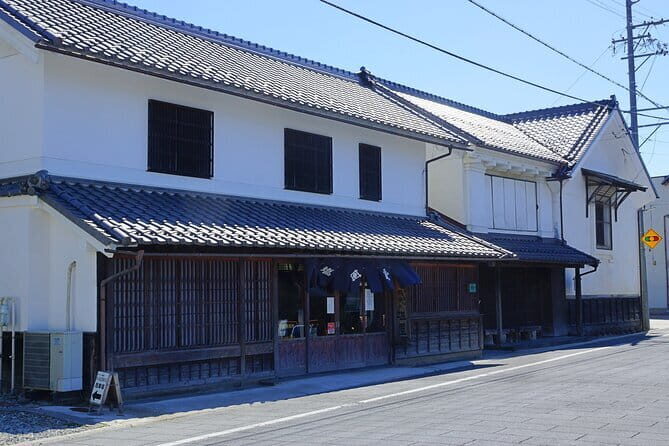
- Obuse-machi is associated with Katsushika Hokusai, who spent his twilight years here.
- The town is famous for chestnuts, and you’ll have a chance to sample them.
I like how Obuse gives you a breather between structured indoor time (miso) and the outdoors element (monkey park). It also keeps the cultural side from becoming one-note. Instead of only temples and big museums, you’re walking a traditional townscape where the visual style and the food identity both do the talking.
Lunch is not included here or elsewhere. The tour gives you time to stop for lunch on your own. That’s a minor downside if you’re trying to budget tightly, but it’s also a chance to eat where you actually want instead of eating whatever is scheduled for a group.





Stop 3: Jigokudani Snow Monkey Park and the real winter walk
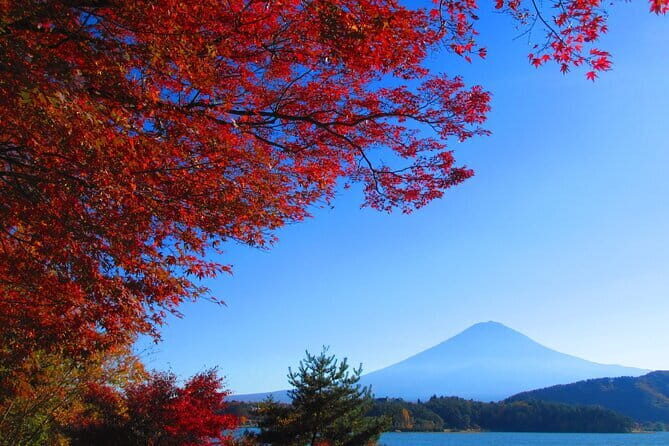
Now we get to the reason many people book this day: Jigokudani Snow Monkey Park.
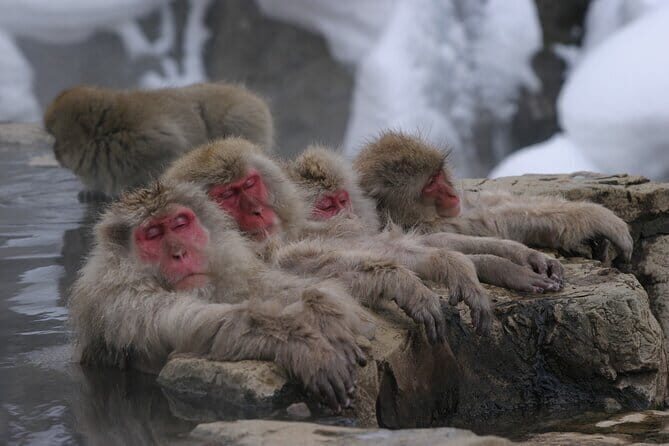
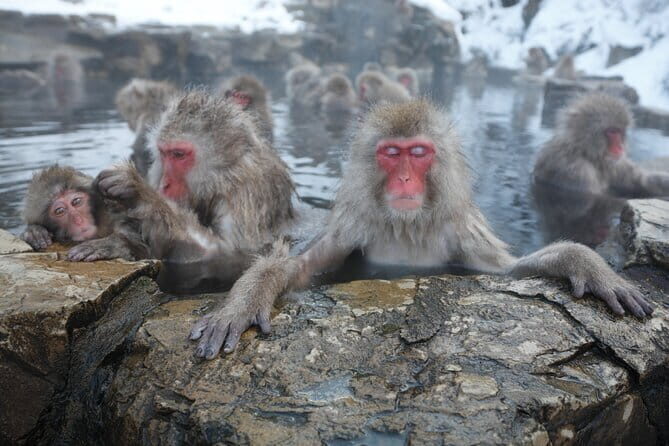
You get about 2 hours 30 minutes at the park area, and admission is included. The core experience is watching wild Japanese macaques—often called snow monkeys—in their hot spring baths. The park’s look changes by season, so the “same place” can feel different depending on when you go.
Here are the realities you should plan around:
- The monkeys soaking in hot springs can be seen until around March.
- Even in winter, the sight of monkeys can depend on weather and time, and if you miss the hot-spring moment, refunds aren’t issued for that reason.
- Monkeys are wild. You can’t feed or touch them. Their behavior can be unpredictable, and the park may even close suddenly due to weather or seasonal conditions.
The walk is also non-negotiable. The tour notes it as a hard walking tour with about 50 minutes of walking each way, including uphill sections and stairs. The path to the monkey hot springs is situated around 850 meters above sea level, so it’s cooler than Tokyo, and it can be frozen and slippery in winter.
If you’re thinking, I can just wear sneakers—please don’t. The guidance recommends winter boots or non-slip footwear. And if the guide decides your cold-weather measures are insufficient, you may be directed to rent equipment near the park (you pay for it).
One of the best bits of practical advice from the day’s chatter is simply this: take your time on the approach. The route is beautiful, but it’s not an easy stroll. If you move slow, keep your balance, and dress for cold, the whole thing becomes much more enjoyable.
Guide interpreter time: smoother than DIY, and less awkward than you’d expect
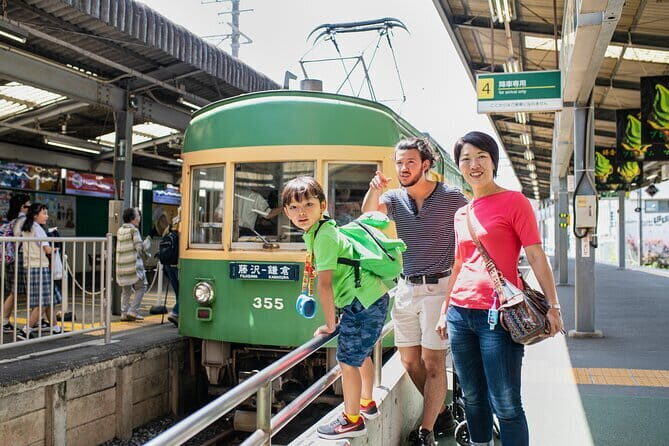
This is led by an English-speaking National Government Licensed Guide Interpreter, and that matters more than it sounds.
A good guide handles:
- where to stand and when,
- how to manage the flow between stations and destinations,
- and what to watch for during seasonal changes at Jigokudani.
Across reports, guides such as Mariko and Ken come up for being patient and helpful—keeping people on track without making it feel like school. That “low-key, informative” style helps on a day like this, where you’re bouncing between trains, food stops, and a cold outdoor trek.
Also, the tour notes that the order and arrival times can shift depending on road conditions and congestion. In real life, that happens a lot. A guide’s job is making sure you still end up at the right places on time, even if the clock bends a little.
Timing: when the day feels long (and when it doesn’t)

The tour runs about 12 hours and returns to Tokyo Station around 8:00pm.
That length isn’t because the stops are short. It’s because you’re doing two big logistics chunks:
- Tokyo ⇄ Nagano by shinkansen
- long winter walking for the monkey park
So yes, it’s a full day. But the timing also works. You’re not stuck waiting around in Nagano for hours. You’re moving, eating, walking, and then coming back.
The other timing point that can affect your expectations: you may not see monkeys at the exact moment you want. Hot spring scenes can be ongoing, but they also depend on conditions. Go in expecting a “wild animal patience test,” not a guaranteed show.
Price of $289.91: where the value really comes from
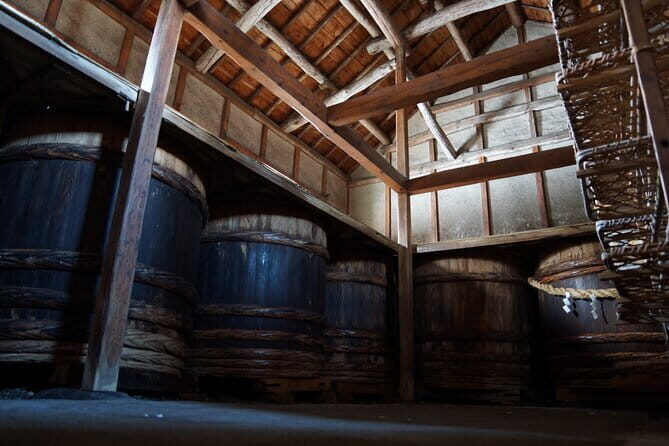
At $289.91 per person, this doesn’t look “cheap.” But it’s worth judging it by what’s included and how much hassle it removes.
What you get included:
- Round-trip shinkansen tickets from Tokyo
- Licensed English guide interpreter
- Monkey park admission
- Other listed admission fees and transportation costs tied to the tour
What you don’t get:
- Lunch
- Anything beyond the listed inclusions
The big value driver is the shinkansen. Buying and managing train tickets on your own isn’t hard for everyone, but it can be intimidating on a first Japan rail day—especially when you’re also trying to meet a schedule and manage station transfers.
Then you add admissions: monkey park entry plus the cultural stops. Finally, you add the human factor—an interpreter guide who keeps your day coherent.
The main “cost risk” isn’t the tour price. It’s the extra spending you may choose to do, like lunch on your own or renting winter gear if you need it.
So this is good value if:
- you want a guided structure,
- you want the shinkansen included,
- and you can handle the walking and cold.
It’s less of a bargain if you’re hoping for a low-effort day, or if you’re sure you won’t manage winter footing comfortably.
Who this tour suits best (and who should think twice)
This is for you if:
- you want to get out of Tokyo fast and see real Nagano scenery and culture in one go,
- you like animals and don’t mind that wildlife timing isn’t always predictable,
- you’re okay with a cold outdoor experience and the monkey park trek.
This is not the best match if:
- you have trouble walking or need special support. The tour states it can’t provide special support for those with trouble walking or for small children,
- you’re a senior traveler with limited stamina for stairs and steep inclines (this is a common stress point on the route),
- you don’t want to risk a slippery path situation in winter.
If you’re going with children, it’s especially important to think about mobility on the approach to the park and the sheer amount of walking. The tour also notes parental permission in writing for anyone under 18, and anyone under 15 (or not yet enrolled in middle school) must be joined by a parent or guardian on the tour.
Should you book this snow monkey and miso day trip?
I’d book it if you’re traveling in winter and your priority is a real, memorable experience outside Tokyo without building a complicated plan. The shinkansen inclusion alone can make this feel like a smart shortcut. And the combination of miso making + Obuse chestnuts + Jigokudani monkeys means the day isn’t just one animal moment. You get variety.
I’d pause before booking if you’re expecting guaranteed hot-spring monkey photos no matter what. Weather and time can affect what you see, and the tour notes refunds won’t cover the absence of the hot-spring moment. I’d also pause if you know icy walking is a problem for you. The day includes about 50 minutes each way of walking to the park area, and conditions can be slippery.
FAQ
What’s the tour duration and when does it end?
The tour runs about 12 hours and ends around 8:00pm when you arrive back at Tokyo Station.
What time do I start the day?
The start time is listed as 7:20am.
Where do I meet the guide in Tokyo?
You meet at Tokyo City i in KITTE JP Tower (KITTE B1F), located in Marunouchi.
How do I get my tickets for this tour?
You pick up the tickets yourself at Tokyo City i. Pickup starts 3 days before departure until the day prior (business days only). Pickup is not available on the day of booking or the day after booking.
What’s included in the price?
Included are round-trip shinkansen tickets from Tokyo, an English-speaking National Government Licensed Guide Interpreter, monkey park admission, and other listed admission fees and transportation costs.
Is lunch included?
No. Lunch is not included, and you’ll have time to stop for lunch on your own.
Does the guide travel on the shinkansen train?
No. There is no accompanying guide on the train ride between Tokyo and Nagano.
How long do I spend at Jigokudani Snow Monkey Park?
You have about 2 hours 30 minutes at Jigokudani Snow Monkey Park.
Can I feed or touch the monkeys?
No. Since they are wild animals, you cannot feed or touch them.
When can I most reliably see monkeys in the hot springs?
The sight of monkeys soaking in hot springs can be seen until around March, but it may still vary depending on weather and time. Refunds are not issued if they are not visible.
More Winter Activities in Tokyo
More Tours in Tokyo

More Tour Reviews in Tokyo



Fresh reviews from around Tokyo






Train Experiences, compared.
 ★ 4.0Mt Fuji & Hakone Cruise, Drum Show Bullet Train 1 Day from TokyoFrom $1497,413 reviews
 ★ 4.4Tokyo Mt Fuji 5th St & Hakone Cruise Bus Tour w/Bullet TrainFrom $1545,024 reviews
 ★ 4.2From Tokyo: Mt. Fuji & Hakone Tour w/ Return by Bullet TrainFrom $1171,278 reviews
 ★ 4.0From Tokyo 1-Day Kyoto English-guided Tour by Bullet TrainFrom $452376 reviews
 ★ 4.0Mt. Fuji and Hakone Day Trip From Tokyo with Bullet Train OptionFrom $97368 reviews
 ★ 4.5Mt. Fuji & Hakone Bus Tour Bullet Train Return & 28-Hotel Pick-upFrom $145107 reviews
 ★ 4.1Kamakura & Enoshima Day Tour with Pickup & Train RideFrom $1361 reviews
 ★ 5.0Mt Fuji & Hakone Private Tour from Tokyo: Return by Bullet TrainFrom $29522 reviews
Browse the lists this tour appears in