
Reviewed · WINTER ACTIVITIES
Nagano/Tokyo: Snow Monkey Private Day Tour At Lowest Rate
Your day gets real fast with monkeys and temples. This private Nagano outing strings together three big hits—Jigokudani Snow Monkey Park, Zenko-ji Temple, and Matsumoto—plus a sweet stop in Obuse. What makes it feel special is the flexibility: you can steer the day toward nature, samurai-era sites, or shrine-and-hike time, all with a driver doing the hard work.
I especially like the comfort and timing. The luxury Vellfire pickup and door-to-door routing makes the long day feel manageable, and you’re not stuck figuring out bus transfers in winter. I also like the human touch from guides I’ve seen mentioned by name, like Alex suggesting an earlier departure to beat traffic, and Cheema keeping things careful in tricky conditions.
One possible drawback: the day is tight. With a total of about 10 hours including commuting, you may feel more “see a lot” than “linger everywhere,” especially if you add extra stops like Togakushi or Matsushiro.
In This Review
- Quick hits before you go
- Why this Nagano-to-Tokyo Snow Monkey private day works
- Jigokudani Snow Monkey Park: the hot-spring magic plus the cold walk
- Shibu Onsen stop: quick atmosphere, not a full day
- Zenko-ji Temple: spiritual Japan with one memorable twist
- Matsumoto Castle: black exterior, real fortification story
- Obuse: Hokusai museum time and the sweet side of Nagano
- Custom swaps: Togakushi shrine and Matsushiro samurai areas
- Price and logistics: what $399 buys your group
- Comfort, safety, and winter-ready details
- Who should book this Snow Monkey private day
- Should you book it?
- FAQ
- How many people can join the private tour?
- How long is the day, including driving time?
- Where can pickup happen?
- Does the tour include meals?
- What’s included in the price?
- Are attraction entry fees included?
- What should I bring for the tour?
- Is cancellation free?
Quick hits before you go
- Jigokudani Snow Monkey Park in winter: you’re walking into snow-and-steam scenery to reach the hot-spring viewing area.
- Private Vellfire pickup: door-to-door in Tokyo’s 23 wards and Nagano/Hakuba/Obuse/Nozawaonsen area.
- Zenko-ji’s famous dark passage: a symbolic experience you can do at your own pace once you’re there.
- Obuse food culture: Hokusai Museum time plus chestnut sweets and apple-based treats.
- Driver-led timing: multiple guides suggest earlier pickup to reduce traffic stress.
More private options with your own guide
- Tokyo 6hr Private Tour with Government-Licensed Guide★ 5.0 · 3,902 reviews
- Private Tour to Mt. Fuji and Hakone (Fully Licenced Operator)★ 5.0 · 1,910 reviews
- Tokyo Customized Private Tour (Must See Places in 1 Day)★ 5.0 · 1,499 reviews
Why this Nagano-to-Tokyo Snow Monkey private day works
If you’re going to chase the Snow Monkeys, you want two things: the easiest logistics possible and enough time to actually enjoy the moment. This is built for that. You get a private car, hotel pickup, and a driver who handles highways, parking, and the constant “where do we go next” problem.
The itinerary is designed to stack different kinds of Japan in one day: wildlife, temple-spiritual time, and castle/samurai-era atmosphere. That’s a nice way to experience Nagano beyond just the monkeys. And because it’s private, you can adjust pacing. If you want more photo time at Matsumoto Castle or an extra stroll in Obuse, your driver can typically flex within the day.
For value, the key is the group rate. It’s $399 per group up to 6 people, so the cost per person drops fast once you split it with family or friends. Add in that it includes the private car (not shared shuttle), highway taxes, fuel, parking, Wi‑Fi in the car, and water/tea/coffee, and it stops looking like a luxury-only option and starts looking like smart planning—especially when winter routes and transfers would otherwise add extra time.
That said, you’ll still feel the math of distance. One guide noted the drive from Tokyo can be around 3.5 hours each way. If your lodging is farther out, plan for a long day and be flexible about how much you can cram into that final hour.
Jigokudani Snow Monkey Park: the hot-spring magic plus the cold walk
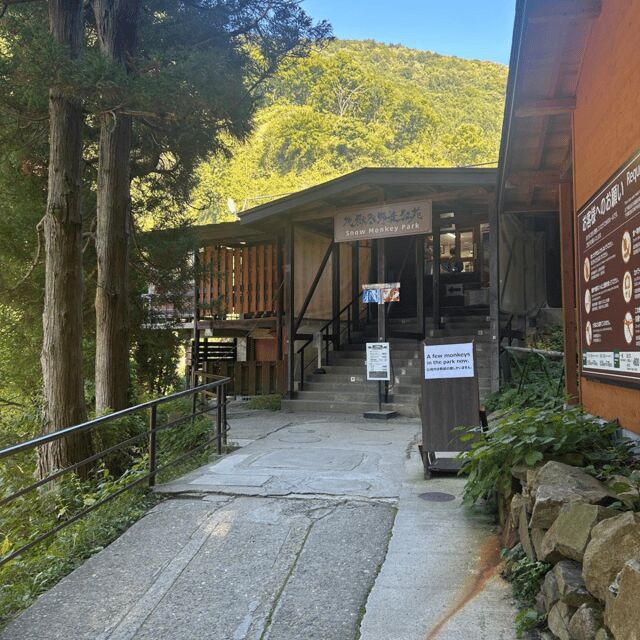
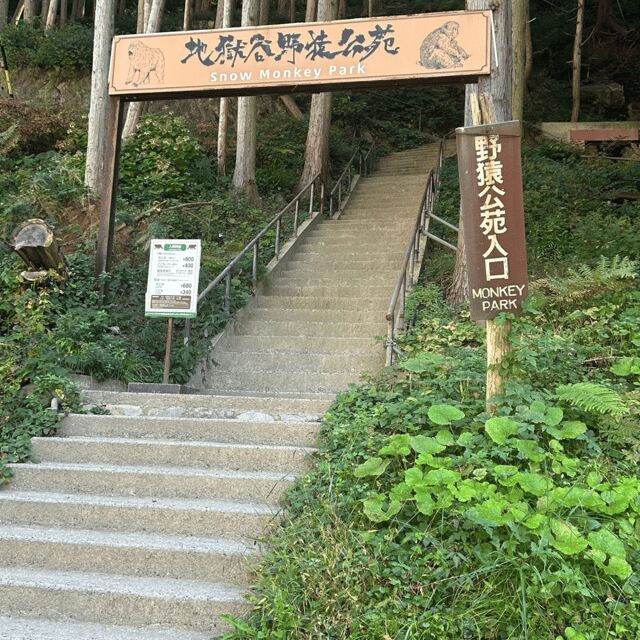
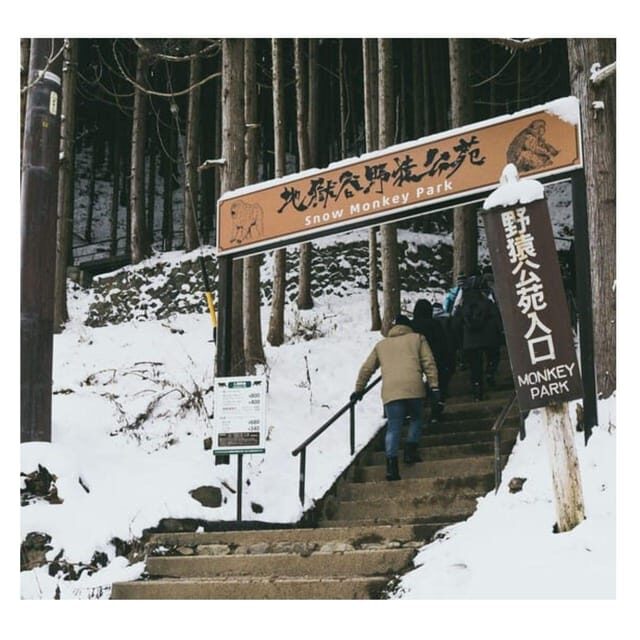
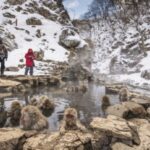
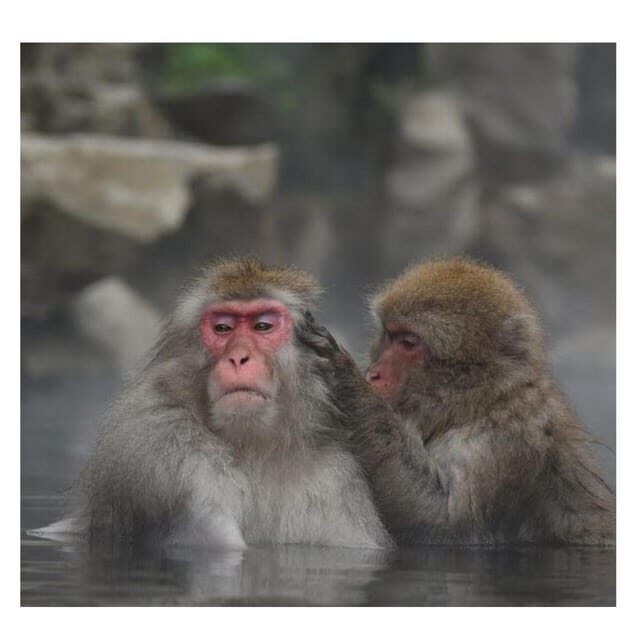
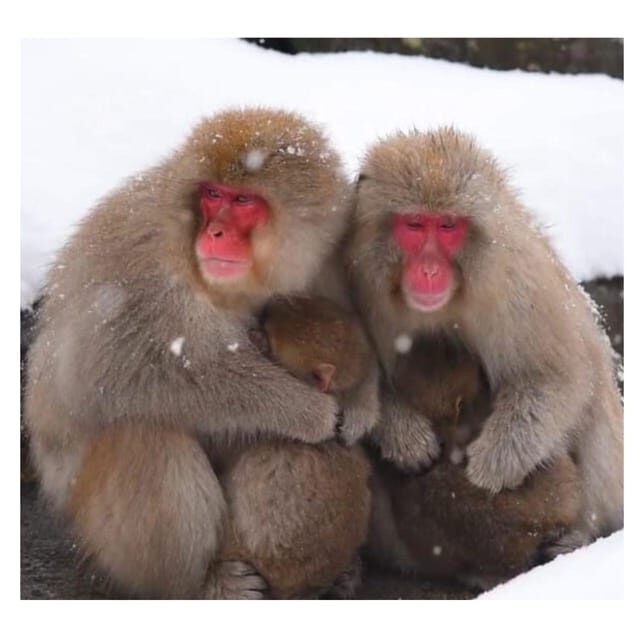
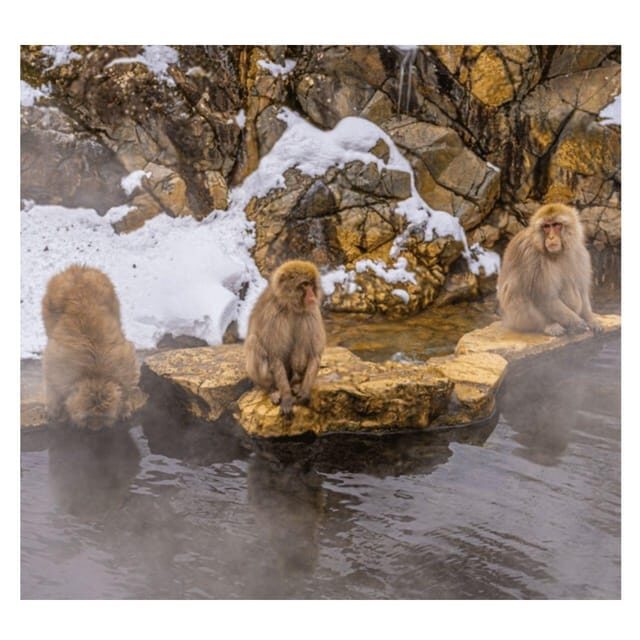
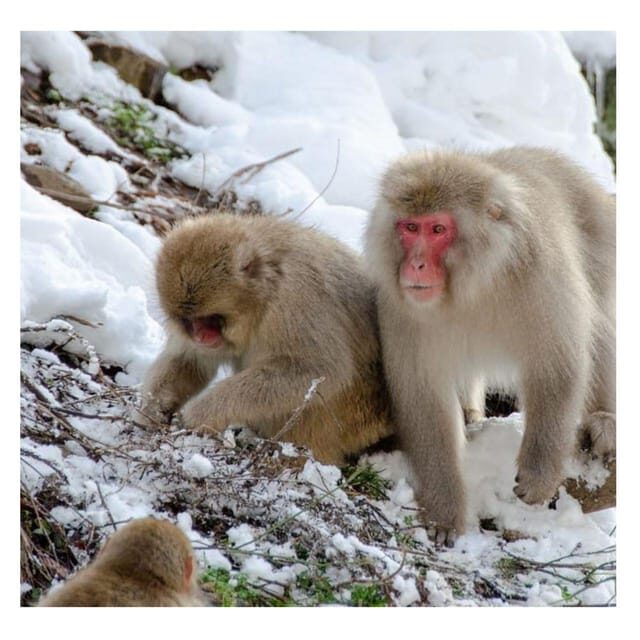
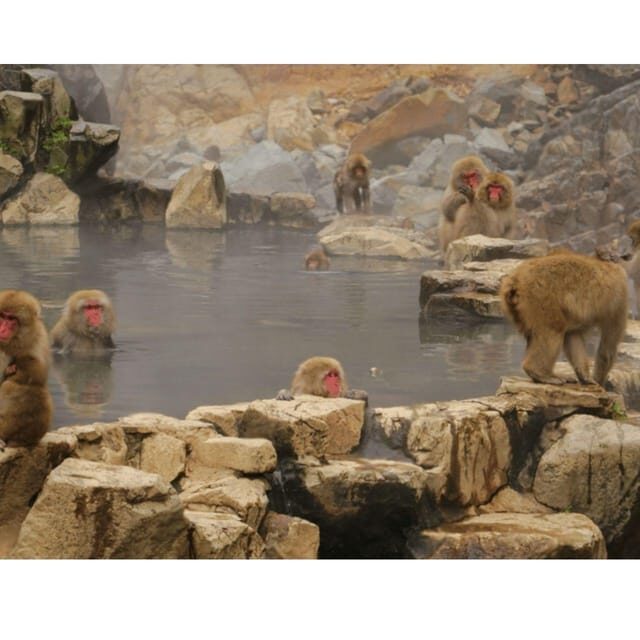
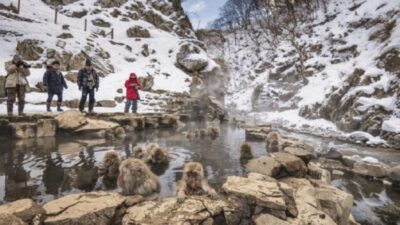
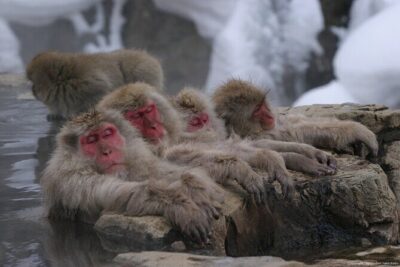
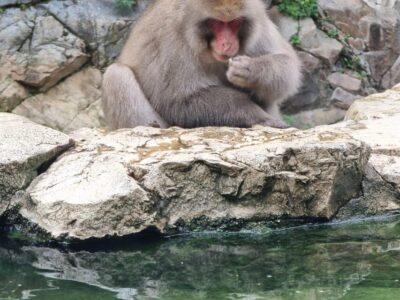
This is the star of the show, and it’s worth understanding what the experience really feels like. You’ll head to Jigokudani Snow Monkey Park in the Jigokudani Valley, where wild Japanese macaques hang out in natural hot springs. In winter, it looks like a postcard: steam, snow, forest, and monkeys doing monkey things.
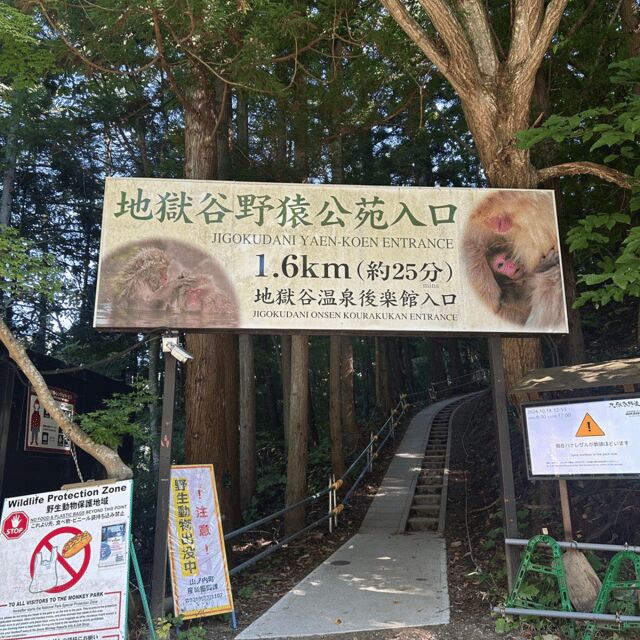
The walk is part of it. You’ll do a walk up toward the viewing area, and it can be uphill at the beginning and end. Some people describe it as a mountain path that’s manageable but definitely cold. One guide even talked about a 1.6 km stretch to the entrance, and another mentioned track uphill at first and last with flatter portions in between. Either way, comfortable shoes matter more than you’d think.
Also, don’t panic if you don’t see monkeys right away. One common reality: the live-feed or spotting near the right moment can make the difference between “only a couple” and “a lot of activity.” You may hear that the number of monkeys you see can vary by season and conditions. In plain terms: if it’s cold and you can see movement, hang around rather than leaving too quickly.
Practical tips:
- Wear layers and expect wind. Even with sunny breaks, the cold settles in near the viewing area.
- Bring a waterproof camera, since snow can mean wet gear and misty steam.
- If you want your photos sharp, slow down. Moving and freezing hands are a bad combo.
A fun bonus is the guides’ photo help. Several reviews mention drivers walking you to the entrance and taking pictures for you, then waiting while you scan the macaques’ live behavior and hot-spring zones.
Shibu Onsen stop: quick atmosphere, not a full day
This tour typically includes a shorter Shibu Onsen photo stop and a short walk segment. Think of it as a palate cleanser between major sights: you get a taste of onsen-town ambiance without burning the whole day there.
It’s also a useful moment for logistics. In longer winter days, a brief stop helps reset your legs before temples and castles. And if you’re trying to time things with monkeys and traffic, this kind of stop keeps the day moving without feeling rushed.
Don’t expect big shopping time or a full bath experience here. The tour format is built around key sights with limited time at each stop, so treat Shibu Onsen as a scenery break and a chance to stretch.
Zenko-ji Temple: spiritual Japan with one memorable twist
Next comes Zenko-ji, one of Japan’s best-known and oldest major Buddhist temples. What you’ll like is the mix of calm grounds and iconic structures—plus that signature experience inside the complex.
A big highlight is the symbolic passage beneath the main hall. The idea is that you walk through a pitch-dark corridor as part of a ritual linked with enlightenment. Even if you don’t speak Japanese, the setting communicates it. It’s one of those moments where your body understands the experience before your brain finishes translating.
Timing here matters. A full hour is usually enough to take photos in the right spots, walk at a human pace, and still have time to feel the atmosphere without turning it into a checklist.
Practical note: dress for walking and stairs. Temple ground can be slippery in snow or after rain. Your guide will help with timing, but your job is to keep your footing solid.
Several people mention this stop as a clear highlight after the drive and before the next castle-and-sweet stretch, which is exactly how it works best: you transition from nature intensity to quiet spiritual space.
Worth weighing up alongside this Tokyo pick:
Matsumoto Castle: black exterior, real fortification story
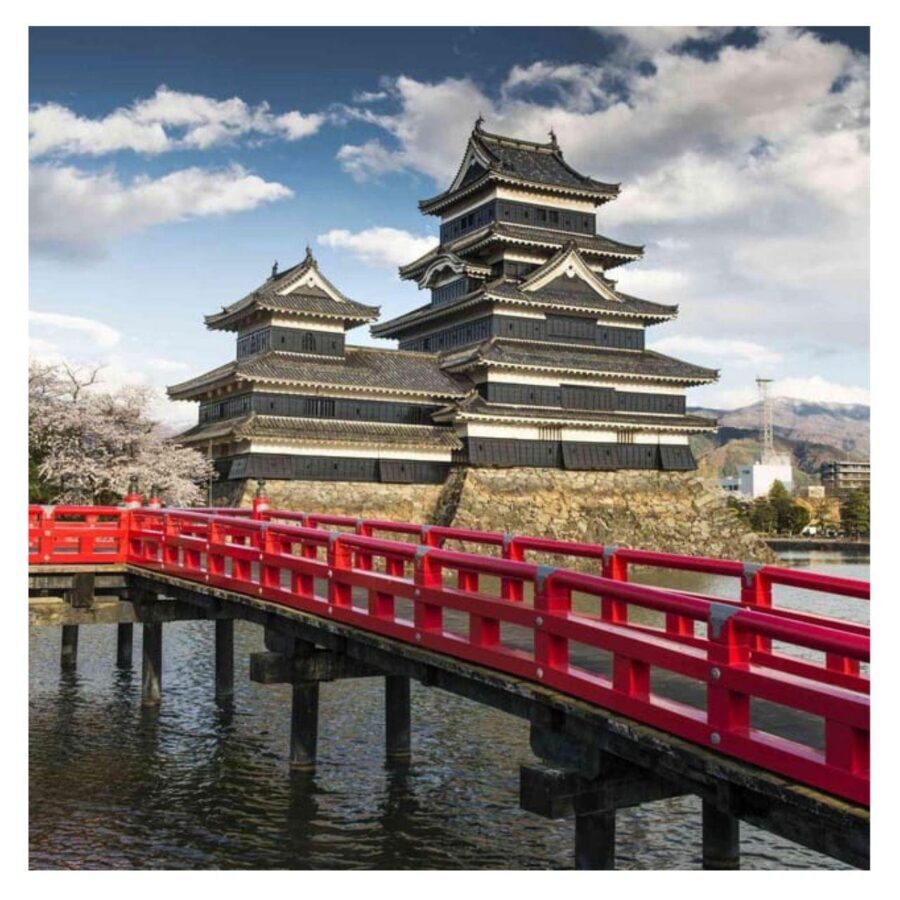
Matsumoto Castle is the castle stop on the day, and it’s not just “a pretty building.” You’ll visit Matsumoto Castle, also known as Crow Castle because of its dark exterior. It’s one of the oldest surviving castles in Japan, and inside you’ll get a sense of how feudal defense worked.
What I like about adding Matsumoto on a Snow Monkey day is variety. The macaque park is wild-life wonder and cold beauty. Zenko-ji is introspective and grounded. Matsumoto is practical history: walls, structures, and defensive design.
You’ll also have a chance at views from the castle top floors, which can be a nice payoff if the weather is clear. Even when it’s cloudy, the climb makes you feel like you’re inside the story rather than just outside taking pictures.
One thing to keep realistic: the castle visit can feel smaller than you’d expect if you’re used to huge European fortresses. Still, it’s a strong, memorable stop—especially when you time your photos right and don’t race through.
Obuse: Hokusai museum time and the sweet side of Nagano
Obuse is where the day gets softer and more local. You’ll have time for photo moments plus walking around the town, and you can fit in cultural stops like the Hokusai Museum if it’s part of your chosen plan. Obuse is also known for chestnut-based treats, and the tour description includes apple-based sweets too.
This is a place where you can slow your pace a bit. Browsing art-related items, grabbing a snack, and stepping away from the winter cold for a few minutes makes the whole day feel less like a sprint.
A helpful detail: guides often recommend good lunch options and can give you extra time to explore Obuse depending on how the day is running. That kind of flexibility matters here, because food breaks are when you actually recharge.
If you care about art history, Obuse’s connection to Hokusai fits nicely between a major temple and a major castle. It’s a shift from “ancient religion” to “Japanese art and craft culture,” all within a walkable town vibe.
Custom swaps: Togakushi shrine and Matsushiro samurai areas
One reason I like private format days is that Nagano isn’t one-note. If you’re interested in Shinto mythology and forest walking, you can often add or swap in Togakushi Shrine, set at the foot of Mount Togakushi with cedar trees and connected shrine paths.
If you’re leaning more history and samurai atmosphere, you can aim for Matsushiro Samurai District and related sites like Matsushiro Castle. Even when the original structure is gone, the reconstructed elements and surrounding context still give you that Edo-era feeling while you walk through the area.
Here’s the key caution: these are add-ons that take time. With a total day length of about 10 hours including commuting, you’ll need a guide who can judge the clock. The best moments happen when you choose fewer extras and enjoy them more.
So ask yourself: do you want your day to be wildlife-heavy, or do you want a mix of temple + castle + samurai + shrine walking? The private setup lets you tune that balance, rather than forcing you into a fixed “everything at once” route.
Price and logistics: what $399 buys your group
Let’s talk value without pretending it’s cheap or pretending it’s a bargain either. It’s $399 per group up to 6 for a 10-hour private day that includes:
- Luxury private transportation in a Vellfire
- Hotel pickup and drop-off
- Highway taxes, fuel, and parking fees
- An English-speaking license-holder expert driver
- Wi‑Fi hotspot in the car
- Water, tea, and coffee
Meals and attraction fees aren’t included, and that’s normal for private day tours. But if you’d otherwise spend money on multiple train tickets plus taxis plus time loss, the private car often starts making sense, especially for groups.
A few logistical realities you’ll want to plan for:
- Your driver waits no longer than 60 minutes after scheduled pickup time.
- It’s door-to-door pickup within Tokyo’s 23 wards and the Nagano/Hakuba/Obuse/Nozawaonsen region listed for the service area.
- The total time includes commuting, and traffic can be a big factor.
One reason reviews sound upbeat is timing. Drivers like Alex reportedly adjusted pickup earlier to reduce traffic stress. Another guide mention carefully timed rest stops and toilet breaks during the long drive, which is exactly the kind of practical service that prevents a day from turning cranky.
Also, this is private. You won’t be sharing your car or attention with strangers, which means you can talk through pace and photo priorities. That’s not just comfort. It’s time saved because nobody has to wait for a slow group somewhere else.
Comfort, safety, and winter-ready details
Winter in Nagano isn’t just cold. It’s cold plus slippery edges plus unpredictable weather. This tour gives you a professional driver and a clean, comfortable vehicle, which helps a lot.
A few safety and comfort notes that matter:
- The tour is wheelchair accessible.
- It is not suitable for people with back problems (plan accordingly).
- You’ll be walking at multiple stops, including the snowy walk to the monkey area.
- Not allowed: alcohol and drugs, and you also can’t make fires or use fireworks.
Your best move is simple: comfortable shoes and layers. If you’re doing the monkey park in snow, you don’t want fashion boots. You want grip and warmth.
Also, since Wi‑Fi hotspot is included, you can check maps or even monitor information like live spotting feeds if you choose to. Just don’t let your phone replace paying attention—this is a “look up” experience as much as a “read your feed” one.
Who should book this Snow Monkey private day
This tour is a great fit if:
- You want wild Japanese macaques in Jigokudani without dealing with transfer chaos.
- Your group is between 2 and 6 and you’d rather pay for comfort than time.
- You like mixing nature, temple visits, and a castle visit in one day.
- You want a plan that can bend slightly based on what you care about most.
It’s not ideal if:
- You hate winter walking. The monkey park walk is part of the payoff.
- You have back issues that make stairs or uneven paths tough.
- You want a slow vacation day. This is structured and time-aware, not lounging.
A small sanity check: one review pointed out that trying to do everything listed can stretch the day beyond a comfortable pace due to distance and traffic. The smart play is to pick your top 1–2 “musts” and let the rest be bonuses.
Should you book it?
If your heart is set on Snow Monkeys and you’re coming from Tokyo or the Nagano-area region, I think this is one of the cleaner ways to do it. You’re paying for private transportation, a driver who understands timing, and a day structured around the best-known places: Jigokudani, Zenko-ji, and Matsumoto, with Obuse as a rewarding sweet-and-art break.
Book it if you value comfort and want to spend energy looking at monkeys instead of planning buses. Don’t book it if you want a long, leisurely pace or if winter walking and long car hours don’t work for your body.
If you do book, bring strong shoes and dress warm. Then pick your priorities: monkey park first, temple next, castle and Obuse based on what you’d actually miss if the clock runs short.
FAQ
How many people can join the private tour?
The tour is priced for a group up to 6 people, and it’s a private group for your party only. A group of more than 6 can be facilitated at an additional cost.
How long is the day, including driving time?
The tour duration is approximately 10 hours including commuting time.
Where can pickup happen?
Pickup is available from accommodations in Tokyo’s 23 Wards and the Nagano/Hakuba/Obuse/Nozawaonsen surrounding area listed for the service, including areas like Chuo, Chiyoda, Shinjuku, Shibuya, and others.
Does the tour include meals?
No. Meals are not included.
What’s included in the price?
Included items are private transportation in a luxury Vellfire, hotel pickup and drop-off, a customizable itinerary and pickup time, an English-speaking license-holder expert driver, Wi‑Fi hotspot, highway taxes, fuel, parking fees, and water/tea/coffee.
Are attraction entry fees included?
No. Attraction fees are not included.
What should I bring for the tour?
Bring comfortable shoes, a camera, and a waterproof camera.
Is cancellation free?
You can cancel up to 24 hours in advance for a full refund.
Just Your Group: Private Options
More Tours in Tokyo



More Tour Reviews in Tokyo




Fresh reviews from around Tokyo






Winter Activities, compared.
 ★ 4.7From Tokyo: Private Tour Snow Monkey Park & Zenko-ji TempleFrom $445184 reviews
 ★ 4.5Nagano Snow Monkey 1 Day Tour with Beef Sukiyaki Lunch from TokyoFrom $151123 reviews
 ★ 5.0From Tokyo: Snow Monkey Private Customize Day TourFrom $49054 reviews
 ★ 4.5Snow Monkey Park & Zenkoji Temple Nagano Pvt. Full Day Tour.From $80053 reviews
 ★ 4.7From Tokyo: Snow Monkey Park and Miso Production Day TourFrom $45545 reviews
 ★ 4.6From Tokyo: Fujiyama Snow Resort Yeti Winter Ski Day TourFrom $4929 reviews
 ★ 5.0Winter Kimono Experience in AsakusaFrom $3129 reviews
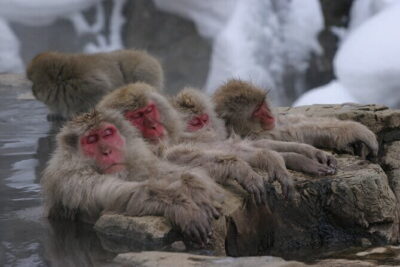 ★ 4.5Snow Monkey Park and Miso Production Tour Bullet Train from TokyoFrom $28926 reviews
Browse the lists this tour appears in