
Reviewed · SHINJUKU BAR HOPPING
Shinjuku Highlights Walking Tour
Shinjuku can be a maze. This walking tour turns that chaos into a clear route, with a guide helping you find the alleyways and side streets that make Shinjuku feel like two different cities at once. You’ll move through places like Omoide Yokocho, Kabukicho, and Shinjuku Golden Gai, then cool off at Hanazono Shrine.
Two things I really like about this experience are the small-group size and the way the guide connects the dots. With a maximum of 5 people, you’re not shouting across the street, and your guide can answer your questions in real time. In the reviews, one guide named Arata is described as prompt and interested in what you want to see, which makes the whole walk feel more personal.
One drawback to consider: this is a short 1 to 2 hour stroll, so the pace is efficient. You’ll hit highlights, but you won’t linger for long in the nightlife lanes, and Kabukicho includes a darker edge that may not feel comfortable for everyone.
In This Review
- Key highlights to look for
- Why This Shinjuku Walk Feels Like a Shortcut
- Price, Group Size, and Timing: Is It Good Value?
- Start-to-Finish Routing: From Omoide Yokocho to Hanazono Shrine
- Omoide Yokocho: The Showa-Era Alleyway Stroll
- Kabukicho: Nightlife Blocks With a Darker Side
- Shinjuku Golden Gai: Tiny Lanes and Subculture Meaning
- Hanazono Shrine Festival Finish: A Calm Reset in Shinjuku
- How the Guide Makes the Difference (Especially When You Ask Questions)
- Who This Tour Is For
- Should You Book This Shinjuku Highlights Walking Tour?
- FAQ
- How long is the Shinjuku Highlights Walking Tour?
- What does the tour cost?
- How many people are in the group?
- Where does the tour start and where does it end?
- What areas does the tour cover?
- Do I get a mobile ticket?
- Can I cancel and get a full refund?
Key highlights to look for

- Max 5 people means you can actually talk to your guide, not just follow their backpack
- Showa-era Omoide Yokocho gives you that older Tokyo street feel in a tight warren of alleys
- Kabukicho context helps you understand the nightlife scene beyond the neon
- Golden Gai subculture stories add meaning to tiny bar lanes and retro storefronts
- Hanazono Shrine finish is a calm cultural reset, with spacious grounds and nature around you
- Admission is free for the stops listed, so your money mostly goes to guidance and time
Different nights, same neon: more Shinjuku crawls
- Tokyo: Shinjuku Food Tour (13 Dishes at 4 Local Eateries)★ 5.0 · 6,603 reviews
- Tokyo Bar Hopping Tour in Shinjuku (All-You-Can-Drink + Dinner)★ 5.0 · 3,587 reviews
- Tokyo: Shinjuku Food Tour (15 Dishes and 4 Eateries)★ 4.9 · 2,033 reviews
Why This Shinjuku Walk Feels Like a Shortcut
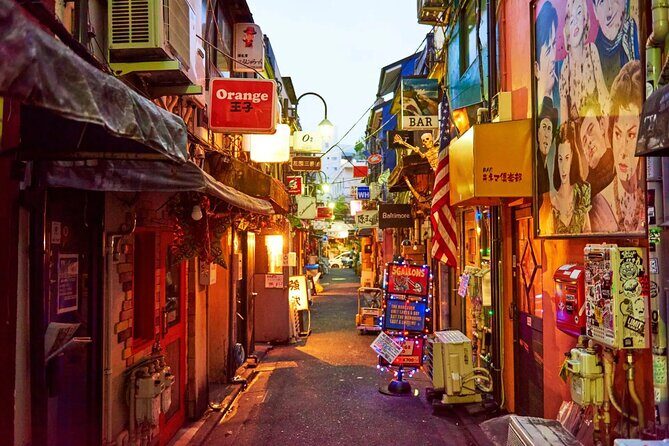
Shinjuku is famous for being busy, loud, and easy to get turned around. That’s exactly why a guided walk works so well here. Instead of guessing which side street is worth your time, you get a guided route through the areas people come to for very different reasons.
This tour also does something smart: it pairs nostalgia with modern street energy. You start with older, preserved-feeling alley streets, then you move into a nightlife district and a subculture pocket, and finally you end at a traditional shrine. The contrast keeps your brain awake, but it also helps you see Shinjuku as more than a single vibe.
And because it’s a small group, you’re more likely to ask questions that actually matter to you. Want a recommendation for your next stop? Curious about what you’re seeing in the lanes? You’ll have the chance to ask without feeling like a background character.
Price, Group Size, and Timing: Is It Good Value?
At $39.09 per person for about 1 to 2 hours, this is priced like a short, high-impact city experience. That’s not “cheap,” but it is fair if you think about what you’re buying: time saved, local context, and a guide who can keep you moving efficiently through confusing streets.
The maximum of 5 travelers is a big part of the value. In a bigger group, you’d get the route but miss the explanations. Here, the setup is built for conversation and quick adjustments. In one account, Arata is described as prompt and paying attention to what sights the person wanted, plus making sure they were at the right location for their next tour. That kind of coordination can save you from losing time later.
One more value point: the stops listed show admission as free, so you’re not stacking hidden entry fees on top of the ticket price. You’re paying primarily for guide time and direction through places that are hard to find on your own.
Timing tip: tours like this are often booked ahead. The average booking window is about 53 days in advance, so if your dates are fixed, it’s smart to reserve earlier rather than later.
Start-to-Finish Routing: From Omoide Yokocho to Hanazono Shrine
The walk is built around a clear start and finish, which matters in Shinjuku. It starts at Kitakata Ramen BAN NAI Shinjuku-Omoide yokocho, at 1-chōme-2-8 Nishishinjuku, Shinjuku City, Tokyo 160-0023. You end at Hanazono Shrine, at 5-chōme-17-3 Shinjuku, Shinjuku City, Tokyo 160-0022.
That shape is useful because it helps you plan the rest of your day. Starting near an area like Omoide Yokocho puts you in the older-street mood right away. Ending at Hanazono Shrine gives you a natural breather at the end, which is a nice reset after the nightlife blocks.
You also get a mobile ticket, and confirmation is received at booking. In other words, you’re not stuck hunting for paper vouchers while your shoes are already tired.
Omoide Yokocho: The Showa-Era Alleyway Stroll
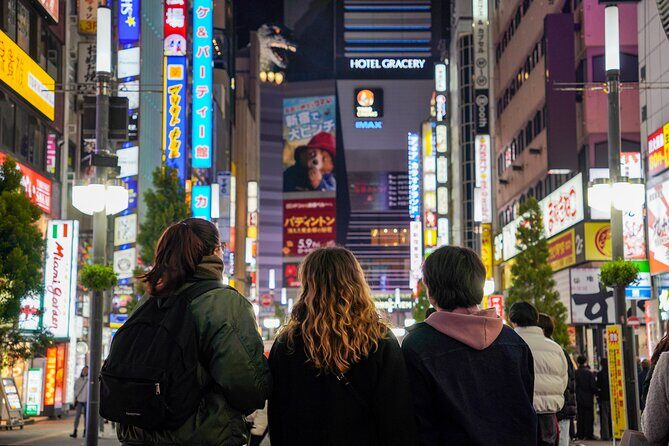
Omoide Yokocho is where the tour begins, and it sets the tone immediately. This is a retro alley that preserves a nostalgic streetscape from roughly 50 to 70 years ago, tied to Japan’s Showa era. In a city that feels like it never stops changing, that’s a big deal.
What you’ll enjoy most here is the feeling of narrow streets and old-style atmosphere. The tour approach helps because these alleyways can be hard to navigate if you’re just wandering. With a guide, you don’t lose time staring at confusing lanes trying to figure out what’s actually the right path.
A good way to think about this stop is as your “Tokyo context” chapter. You’re seeing how older Tokyo character still survives in pockets, even while the city around it keeps growing and updating. The guide’s commentary matters because it turns the scenery into something you understand, not just something you photograph.
Possible downside: this stop is short, about 20 minutes, so it’s best if you’re ready to move with purpose. If you love slow wandering and want to linger over every doorway, you may want extra time on your own after the tour ends or during a later return.
Tokyo at walking pace, a few more ways

Kabukicho: Nightlife Blocks With a Darker Side
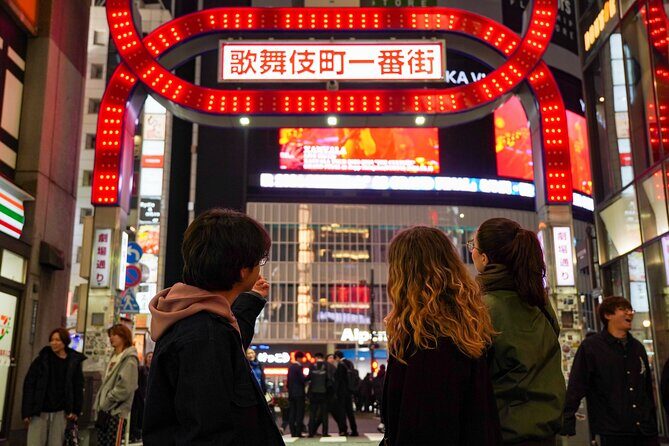
From Omoide Yokocho, the tour shifts gears to Kabukicho, Tokyo’s nightlife zone. This area is known for entertainment venues like hostess clubs and nightclubs, and the tour frames it as both exciting and complicated.
Here’s what a guide can do for you that you might miss alone: interpret the scene. Neon and crowds can be fun, but they can also blur together. When you have commentary, you start noticing patterns and roles in the neighborhood, not just the obvious storefronts and signage.
This stop also gives you a dose of realism. Kabukicho isn’t presented as a fairy-tale entertainment district. The tour wording points to a darker side, which is important. It’s the kind of context that helps you walk through without acting like you’re in a movie set.
Watch your expectations: this segment is also about 20 minutes, so it’s a quick guided pass, not an all-night experience. You’ll get oriented, you’ll understand the vibe, and you’ll likely come away with better judgment about where you’d want to spend time later.
If nightlife areas aren’t your thing, Kabukicho may feel intense. On the other hand, if you want to understand Shinjuku beyond postcard Tokyo, this is one of the most direct ways to do it.
Shinjuku Golden Gai: Tiny Lanes and Subculture Meaning
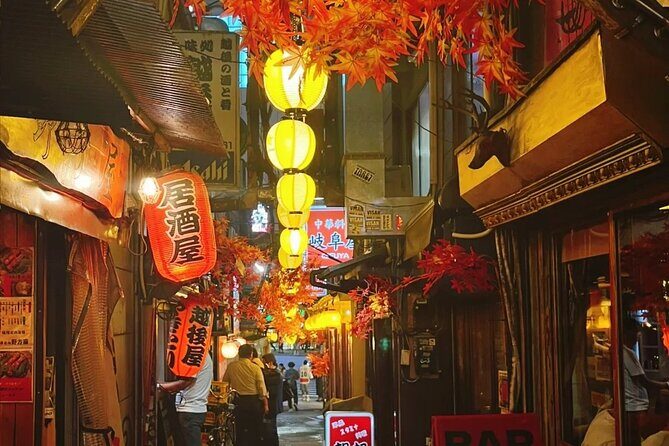
Next comes Shinjuku Golden Gai, another area shaped by older Tokyo energy. Unlike Omoide Yokocho, this place leans hard into a subcultural vibe. It’s also described as a hangout for actors, writers, and others—people drawn to the creative atmosphere and the small-scale bar lane layout.
Golden Gai is easy to misunderstand if you’re just walking through. The lanes look like a lot of tiny doors and narrow streets, so it can feel repetitive. With a guide, the stop becomes more than a photo walk. You get the background that makes the architecture and layout feel intentional.
What you’ll likely appreciate is how the guide’s stories connect to what you’re seeing. The tour preserves the retro feel, but the commentary helps you understand why different crowds gravitate here. It’s not only about the look. It’s about the way communities form in tight spaces.
This stop lasts about 20 minutes, so it’s built for orientation and context, not for a long bar hop. If you want to drink or snack, plan to extend your visit afterward. The tour helps you decide where your curiosity actually wants to go next.
Hanazono Shrine Festival Finish: A Calm Reset in Shinjuku
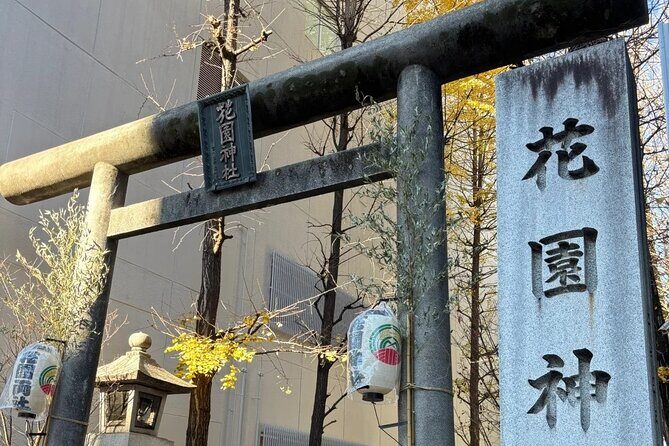
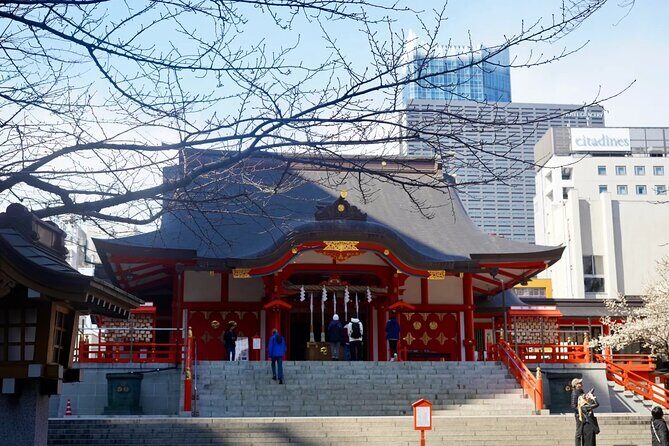
The ending is one of the best ideas in the whole experience: Hanazono Shrine. You finish at a traditional Japanese shrine, and the atmosphere shifts from city pressure to something quieter and more spacious.
The description points to a festival feel and a sense of Japanese culture, with spacious grounds and a peaceful retreat surrounded by nature. Ending at a shrine works well because it gives you a natural landing after the more intense neighborhoods earlier in the walk.
It also helps your day feel complete. Shinjuku can swallow time fast. A shrine stop gives you a moment to breathe, reflect, and notice details you might miss when you’re focused on neon and crowds.
This segment is shorter, about 10 minutes, so treat it as a tasting portion. If you want more time for photos, a slower loop through the grounds, or quiet observation, you can use this as your starting point and stay longer after the guided portion ends.
How the Guide Makes the Difference (Especially When You Ask Questions)
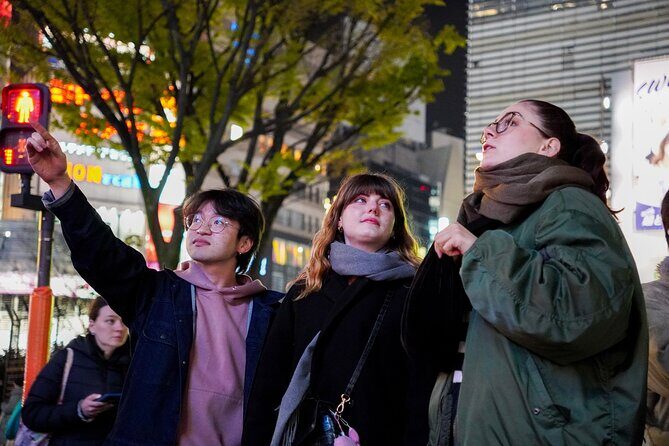
The tour sells a guide’s shortcut, and the biggest payoff is how the guide helps you interpret what you’re seeing. With small-group pacing, you can ask questions as you go, instead of saving them for later when you’re already tired and lost.
One guide name that comes up in the feedback is Arata. The notes describe him as prompt, interested in what the person wanted to see, and good at making sure they were in the correct spot for their next tour. That’s not a small thing. In a busy city, being guided properly includes the “where do I go next” part, not just the “what am I looking at” part.
Practical tip: come in with one or two priorities. If you care most about Omoide Yokocho’s Showa feel, say so. If Golden Gai is your main interest, let your guide know early. That helps the group pacing align with your curiosity, especially since the whole tour is only 1 to 2 hours.
Also, wear shoes you can move in. This is a walking tour through narrow alleyways and busy districts. You’ll be better off if you keep your steps simple and steady.
Who This Tour Is For
I’d point this tour at three types of travelers:
- You’re new to Tokyo and Shinjuku feels like a lot of decisions at once.
- You want to see nightlife-adjacent areas with context, not just random wandering.
- You like the contrast: older lanes, modern energy, and then a shrine reset.
It’s also a good fit if you’re short on time. One to two hours is enough to get your bearings across major Shinjuku zones, then you can branch out on your own with clearer instincts.
If you’re hoping for deep, hours-long neighborhood exploring, this won’t feel like that. It’s a highlights walk. The goal is quick orientation plus meaningful commentary.
Should You Book This Shinjuku Highlights Walking Tour?
Book it if you want structure in a confusing area and you like learning what you’re looking at, not just checking boxes. The max 5 setup, the free admissions at the stops listed, and the clear end at Hanazono Shrine all add up to good practical value for the money.
Skip it (or pair it with extra self-time) if you hate nightlife zones or you strongly prefer slow, linger-style sightseeing. Kabukicho can be intense, and the tour’s short duration means you’ll move on even if you’re still curious.
If your schedule is tight but you still want Shinjuku’s key contrasts—retro lanes, nightlife districts, subculture alleys, then a calm shrine finish—this one is a sensible choice.
FAQ
How long is the Shinjuku Highlights Walking Tour?
The tour lasts about 1 to 2 hours.
What does the tour cost?
The price is $39.09 per person.
How many people are in the group?
This is a small group tour with a maximum of 5 travelers.
Where does the tour start and where does it end?
It starts at Kitakata Ramen BAN NAI Shinjuku-Omoide yokocho (1-chōme-2-8 Nishishinjuku) and ends at Hanazono Shrine (5-chōme-17-3 Shinjuku).
What areas does the tour cover?
You’ll visit Omoide Yokocho, Kabukicho, Shinjuku Golden Gai, and finish at Hanazono Shrine Festival.
Do I get a mobile ticket?
Yes, it’s a mobile ticket experience.
Can I cancel and get a full refund?
Yes. You can cancel up to 24 hours in advance for a full refund.
More Tours in Tokyo





More Tour Reviews in Tokyo




Shinjuku After Hours: The Other Crawls


Fresh reviews from around Tokyo






Shinjuku Bar Hopping, compared.
 ★ 5.0Shinjuku Food Tour (13 Dishes at 4 Local Eateries)From $866,603 reviews
 ★ 5.0Tokyo Bar Hopping Tour in Shinjuku (All-You-Can-Drink + Dinner)From $1063,587 reviews
 ★ 4.9Shinjuku Food Tour (15 Dishes and 4 Eateries)From $852,033 reviews
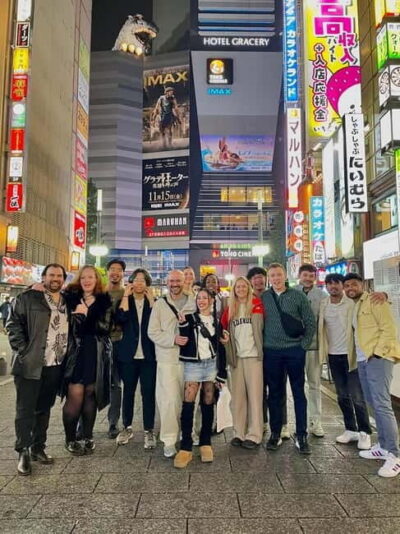 ★ 4.9Shinjuku Local Bar and Izakaya Guided Walking TourFrom $341,794 reviews
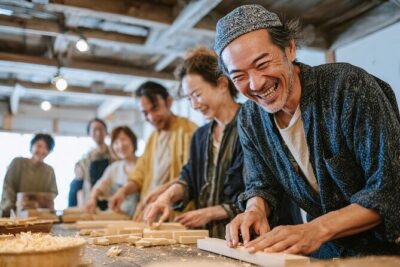 ★ 5.0Tokyo Shinjuku Chopsticks Making ClassFrom $201,763 reviews
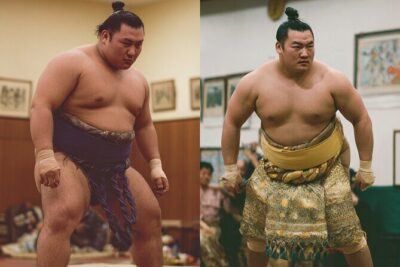 ★ 5.0Tokyo Shinjuku Sumo Show & Experience with PhotoFrom $791,750 reviews
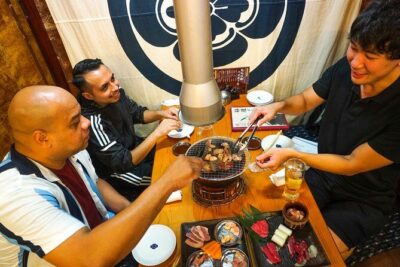 ★ 5.0Tokyo Night Foodie Tour in Shinjuku – Seasonal Sushi, Wagyu BeefFrom $1111,161 reviews
 ★ 4.8Sumo Show and Experience in ShinjukuFrom $691,001 reviews
Browse the lists this tour appears in