
Reviewed · WALKING TOURS
Shimbashi Hidden Gem Walking Tour
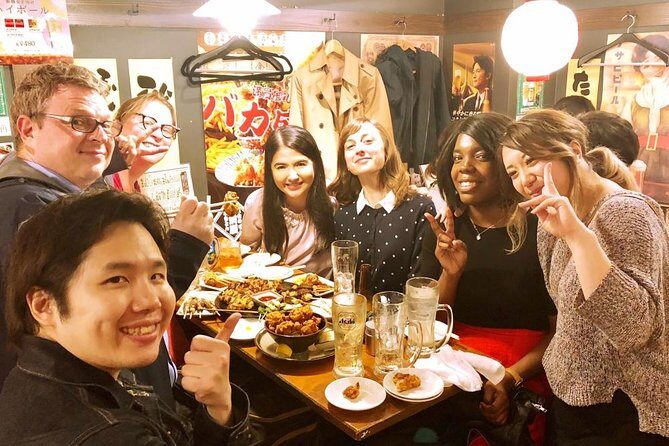
Salaryman hour starts here. Tokyo’s Shimbashi district comes alive after work, and this walk puts you right in that rhythm while you sample Japanese bar food. I like the straightforward format: 5 food stops with classic eats like yakitori, gyoza, and sashimi. I also like the social focus—this is built for people who want to eat, drink, and talk like the office crowd. One thing to plan around: it is not recommended for vegans and gluten-free diets.
The best part is how the guide helps you order and act like you belong. You may get a lively guide such as Asami (with assistant Lora) or Anne, and the vibe tends to include practical notes on Japanese eating and manners. With a maximum of 10 travelers, it stays easy to ask questions and adjust if you’re unsure about something on the menu.
You start at 4:30 pm at SL Square and finish at JR Shimbashi Station about 3 hours later. You’ll use a mobile ticket, walk at a moderate pace, and keep moving between food and sights like Karasumori Jinja and the Old Shimbashi Station Railway History Exhibition Hall.
In This Review
- Key highlights
- Why Shimbashi at 4:30 pm feels different from daytime Tokyo
- Price and what $217 really buys you in Tokyo
- Meeting at SL Square and keeping the 3-hour pace comfortable
- The route: from SL Square landmarks to Shimbashi’s after-work streets
- Stop start: SL Square and the first tastes
- Karasumori Jinja: a calm contrast before the izakaya
- New Shinbashi Building: modern Tokyo texture
- Advertising Museum Tokyo: the fun detour
- Old Shimbashi Station Railway History Exhibition Hall: the station soul
- Hamarikyu Gardens: an unexpected quiet moment
- The food lineup: yakitori, gyoza, sashimi, and the bar-food mindset
- What you should expect to feel in each tasting
- Drinks included: how to handle the izakaya flow like a local
- The guide and manners: where the experience earns its score
- Who should book this Shimbashi after-work food tour
- Common hiccups: schedules, weather, and the risk of a weak stop
- Karaoke after party: optional fun if you want it
- Should you book this tour?
- FAQ
- What time does the Shimbashi walking food tour start?
- How long is the tour?
- How many food stops and drinks are included?
- Where do I meet the tour guide?
- Where does the tour end?
- Is this tour for adults only?
- Is it vegetarian or pescetarian friendly?
- Is it suitable for vegans or gluten-free diets?
- Does the tour have a group size limit?
- FAQ
- What ticket method do I use?
- Is a karaoke after party included?
- What should I know about weather and changes?
- Are transportation costs included?
- What about additional food or drinks?
Key highlights
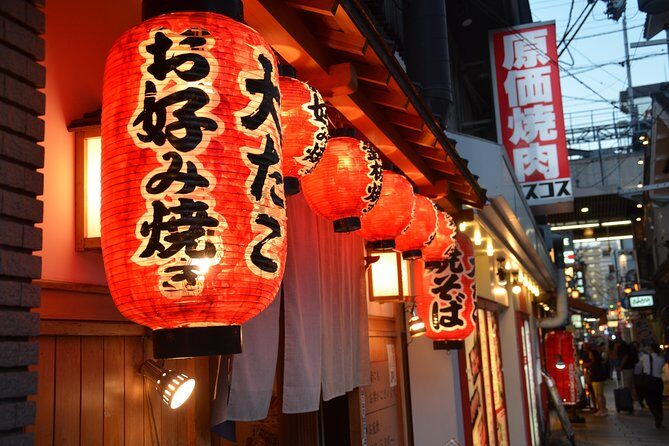
- After-work Shimbashi atmosphere that feels local, not staged for visitors
- Five tasting stops plus two drinks included, so you’re not calculating snacks all night
- Izakaya-style eating culture with guidance on customs and table manners
- Landmark-to-food walking route, including Karasumori Jinja and Hamarikyu Gardens
- Small group size (max 10) for a calmer, more conversational tour
- Diet limitations (not for vegans or gluten-free), so check your needs first
Tokyo at walking pace, a few more ways
- Tokyo Tsukiji Fish Market Food and Culture Walking Tour★ 5.0 · 3,184 reviews
- Tokyo: Shinjuku Local Bar and Izakaya Guided Walking Tour★ 4.9 · 1,794 reviews
- Tokyo: Tsukiji Fish Market Food and Walking tour★ 5.0 · 1,724 reviews
Why Shimbashi at 4:30 pm feels different from daytime Tokyo
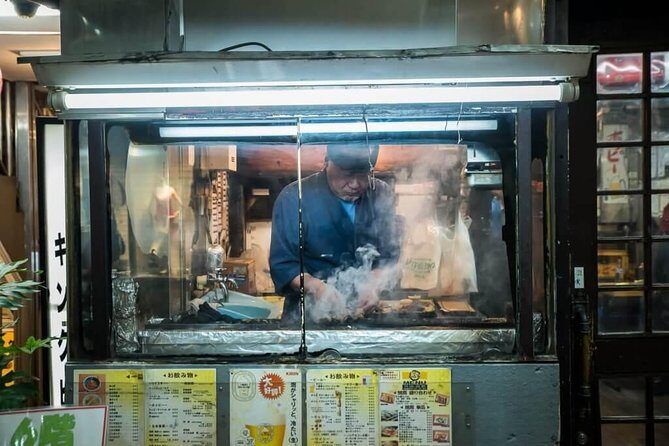
Tokyo has a daytime face and an evening face. In Shimbashi, the evening version is about quick plates, cold drinks, and the loosening of shoulders right when the workday ends. This tour leans into that hour—when places fill up and conversations get louder, even in small dining rooms.
What I like for you is that you’re not just walking past restaurants. You’re learning how people eat here: what to order, how to handle sharing, and how to fit into the pace without being stiff. That makes the experience feel more like joining a local routine than checking boxes.
And yes, you’ll hear plenty of office-worker energy. The goal is that you leave thinking, I could do this on my own next time—because the customs and ordering cues make it repeatable.
Price and what $217 really buys you in Tokyo
At $217 per person, this isn’t a budget snack crawl. But the cost starts to make sense when you look at what’s included: 5 food stops, two drinks, and a local English-speaking guide.
In practice, that bundle matters in Tokyo. Casual meals can add up fast, and “two drinks plus multiple tastings” is a clean way to sample more than you’d normally risk in one evening. Also, the guide saves you from guesswork—especially when menus are dense and portions are designed for bar-style sharing.
Where the price can feel less worthwhile is if you’re the type who only wants mild, familiar food. This tour is built for Japanese drinking food and casual izakaya meals, including some options that adventurous eaters tend to talk about more than picky eaters do. If you already know exactly what you want to eat and where to find it, you may pay a premium for someone else’s route.
Meeting at SL Square and keeping the 3-hour pace comfortable
The meeting point is SL Square, at the Shimbashi Station West Entrance Square area. The tour starts at 4:30 pm, and you end at JR Shimbashi Station (Shimbashi Station 2 Chome).
You’ll be on your feet for about 3 hours with a moderate walking requirement. That’s a good length for a first Tokyo evening outing: long enough to feel like a night out, not so long that you’re destroyed before dessert.
A small practical win: the group is limited to 10 people. In Tokyo, that’s a big deal for fitting through narrow lanes and getting timely service at restaurants. You should feel comfortable asking questions, not just following a leader through crowds.
Also, you’ll get a mobile ticket, so you can keep everything simple on your phone rather than managing paper vouchers while you’re walking.
The route: from SL Square landmarks to Shimbashi’s after-work streets
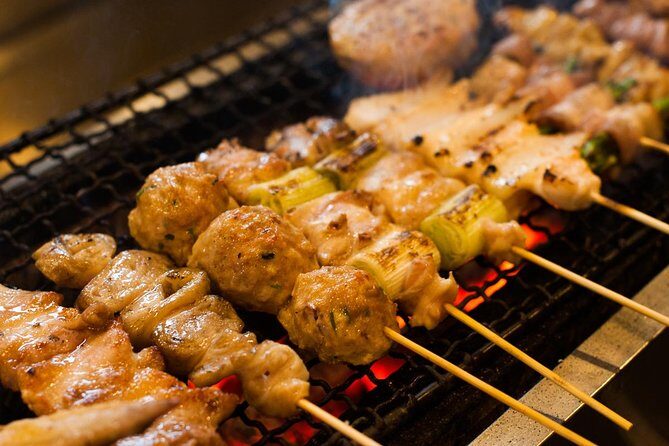
This isn’t only a food sequence. The walk uses a string of recognizable local spots so the eating feels grounded in the neighborhood.





Stop start: SL Square and the first tastes
You kick off at SL Square, near Shimbashi Station. The plan is to start quickly, then work from there with several seasonal Japanese dishes across the tour format. This is your warm-up: get oriented, learn how the guide handles ordering, and ease into the bar-food rhythm.
Karasumori Jinja: a calm contrast before the izakaya
Karasumori Jinja sits along the route as a quiet mood-shift from station energy. Seeing a shrine during an eating-focused walk is a reminder that this area is not just about nightlife—it’s part of everyday Tokyo life.
You may not spend a long time here, but it helps you connect with the neighborhood beyond the restaurants.
New Shinbashi Building: modern Tokyo texture
You’ll pass by the New Shinbashi Building area as part of the walking context. It’s one of those scenes that helps you understand why Shimbashi works: trains, offices, and city infrastructure right next to casual dining.
Even if you don’t stop long, you’ll feel the contrast between polished towers and tiny eateries.
Advertising Museum Tokyo: the fun detour
The Advertising Museum Tokyo stop adds a bit of visual pop. Tokyo loves design and branding, and this is a quick way to break up the “eat, walk, eat” loop without losing the night momentum.
Think of it as a short reset—so when you sit down for the next tasting, it feels like a treat, not a repeat.
Old Shimbashi Station Railway History Exhibition Hall: the station soul
The Old Shimbashi Station Railway History Exhibition Hall gives the walk a historical anchor. Shimbashi has long been a transport hub, and it shows in the built environment.
Even if history is not your thing, the point here is atmosphere: the area you’re eating in wasn’t created overnight, and the mix of old and new helps you understand why the neighborhood feels layered.
Hamarikyu Gardens: an unexpected quiet moment
Hamarikyu Gardens appears in the route mix, offering a change of pace. Gardens in Tokyo can be surprisingly restorative during an evening walk, and they make the later izakaya stops feel even more like the main event.
The potential drawback: if weather or timing tightens, you might not get the same level of sightseeing you imagined. This tour is weather-dependent, and plans can adjust due to restaurant schedules or public holidays.
The food lineup: yakitori, gyoza, sashimi, and the bar-food mindset
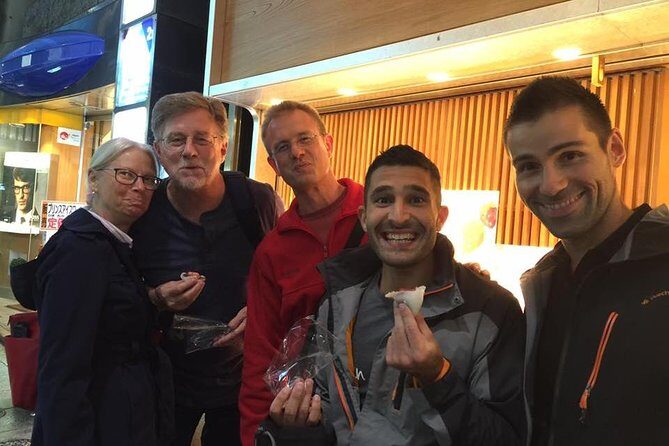
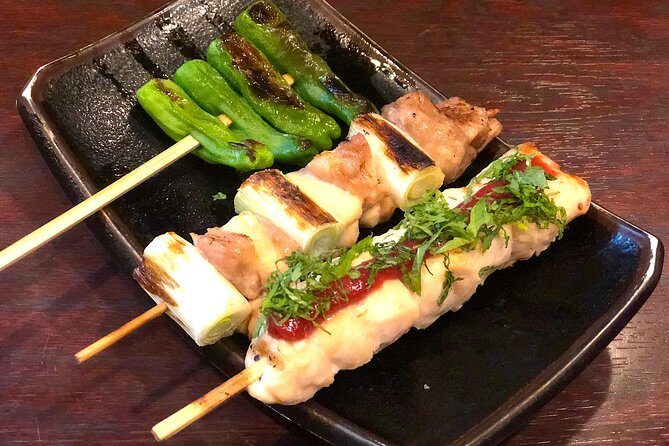
This tour is all about Japanese drinking food—dishes that pair with conversation and casual drinks. You’ll sample items that are common in izakayas, including dishes like yakitori (grilled skewers), gyoza (dumplings), sashimi, okonomiyaki (savory pancake), gyoza nabe (dumpling hot pot), and taiyaki (fish-shaped dessert).
That mix is smart. It covers hot and cold, crispy and saucy, and it gives you multiple “entry points” if you’re still learning what you like. Yakitori and gyoza handle the beginner-friendly side, while sashimi and other bar staples push you a bit beyond fried-food comfort.
One particularly memorable angle for people who enjoy trying new things is the possibility of adventurous bites—raw chicken was specifically called out in one highly positive experience. That doesn’t mean you’re guaranteed a specific item, but the overall theme is: you’ll be offered classic Japanese flavors that you might not pick on your own.
What you should expect to feel in each tasting
Each stop is set up as a quick, focused taste. The idea isn’t to sit for a full course meal, it’s to keep moving and building a picture of Shimbashi eating culture. The guide’s job is to keep you from ordering blind, and to explain what makes each dish worth your attention.
If you’re worried you’ll leave hungry, the 5 stops plus two drinks help a lot. This isn’t a dessert-only tour, and it’s not a single restaurant crawl either.
Drinks included: how to handle the izakaya flow like a local
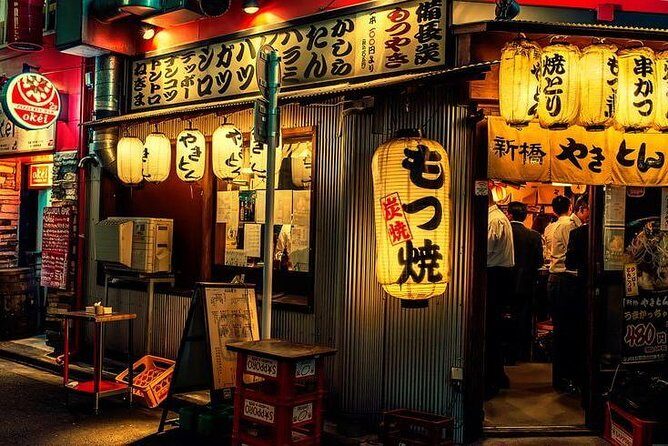
You get two drinks included during the tour. The tour style is classic: eat first, sip between bites, and treat the meal like part of the conversation.
What makes that valuable is pacing. Izakaya culture is built around rounds—when one plate lands, you talk and taste, then you order or drink again. Without guidance, you might spend the evening trying to decode what’s “next.” With a guide, you can follow the flow and enjoy the night.
Also, you’ll likely be around people who are already doing this after work. That changes your mindset fast. Instead of “tourist eating,” it becomes “we’re joining the after-work unwind.”
The guide and manners: where the experience earns its score
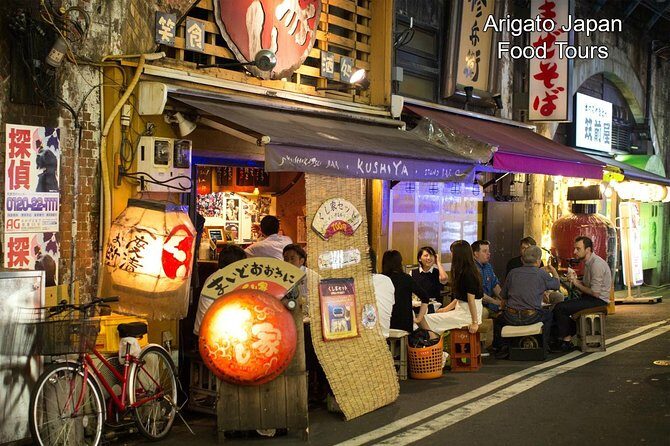
Food matters, but so does behavior. This tour includes a guide who speaks English and gives practical context on Japanese eating customs and manners.
That means you’ll learn how to behave at casual spots—things like how sharing works, when to pause, and what to expect from the service style. Guides who are strong in this area tend to make the whole evening feel smoother, and they also lower the stress for first-timers.
If you’re lucky with your guide, the night becomes more than a checklist. You’ll hear stories about the neighborhood and tips on how to order confidently later. In past experiences tied to this tour format, guides like Asami or Anne (with assistant Lora in one case) were described as lively and helpful, which fits perfectly with this kind of social evening.
Who should book this Shimbashi after-work food tour
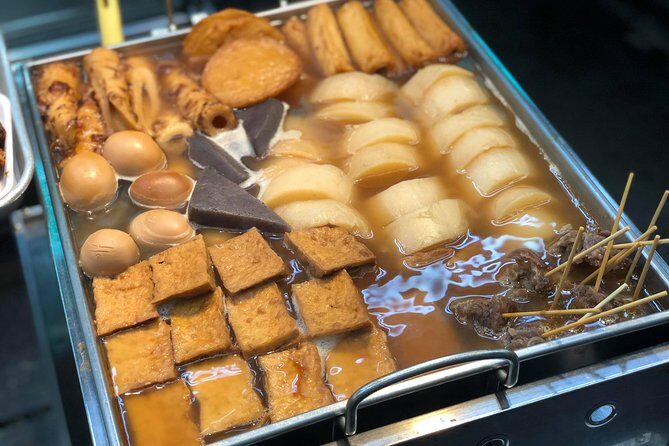
This tour is a good fit if you want a Tokyo evening that feels real and structured.
You’ll likely enjoy it if you:
- Want izakaya food rather than fancy dining
- Like trying several small plates instead of one big meal
- Are comfortable walking a bit in the late afternoon
- Want a guide to help with customs and ordering
It may not be ideal if you:
- Need a vegan or gluten-free setup (it’s not recommended for those needs)
- Prefer strict vegetarian-only options without fish or cross-contact concerns (it says pescetarian and vegetarian friendly, but it does not promise fully vegan handling)
- Expect a quiet, museum-like evening. This is social and designed for after-work energy.
It’s also adults only (20+), so it’s built for grown-up nightlife pacing, even though it ends at the station.
Common hiccups: schedules, weather, and the risk of a weak stop
Tokyo nights are real life. That means restaurant schedules and availability can shift, and the route can change due to weather or public holidays. The tour notes that substitutions may happen if something is unavailable.
That matters because the experience can hinge on restaurant fit. One experience praised the first stop but felt later stops were less satisfying. The takeaway for you: don’t think of every tasting as guaranteed to wow you equally. The guide can steer the evening, but the food scene is dynamic.
The weather factor is also important. This experience requires good weather. If rain shows up, you’ll either be offered a different date or a full refund, depending on the provider’s plan.
Karaoke after party: optional fun if you want it
A karaoke after party is available. That’s a nice add-on for people who want to keep the social energy going after the final restaurant stop.
If you prefer to call it a night early, you can treat it as optional rather than part of your must-do plan.
Should you book this tour?
If you want an after-work Tokyo food night that’s guided, social, and built around real izakaya habits, I think you should consider booking. The value is strongest when you like variety—yakitori, gyoza, sashimi, okonomiyaki, and dessert like taiyaki—and when you appreciate manners guidance so you can relax.
I’d skip it if your dietary needs are vegan or gluten-free, or if you hate walking around at 4:30 pm pace for about 3 hours. And if you’re someone who only cares about one specific dish, this tour’s structure may feel like it’s trying to do too much.
In your shoes, I’d book if you want a guided way to taste Shimbashi like the people who live there unwind—then use what you learn to order confidently on your own later.
FAQ
What time does the Shimbashi walking food tour start?
It starts at 4:30 pm.
How long is the tour?
It runs about 3 hours.
How many food stops and drinks are included?
You get 5 food stops and two drinks included.
Where do I meet the tour guide?
You meet at SL Square (Shimbashi Station West Entrance Square), near 2-chōme-7-1 Shinbashi, Minato City.
Where does the tour end?
It ends at Shimbashi Station, near the JR Shimbashi Station area (Shimbashi 2 Chome).
Is this tour for adults only?
Yes. It’s adults only, 20 years old and above.
Is it vegetarian or pescetarian friendly?
Yes, it’s noted as pescetarian and vegetarian friendly.
Is it suitable for vegans or gluten-free diets?
It is not recommended for vegans and gluten-free travelers.
Does the tour have a group size limit?
Yes, it has a maximum of 10 travelers.
FAQ
What ticket method do I use?
You’ll use a mobile ticket.
Is a karaoke after party included?
Karaoke after party is available, but the tour data doesn’t say it’s included in the main tasting portion.
What should I know about weather and changes?
Good weather is required. If weather forces a change or cancellation, you’ll be offered a different date or a full refund, and stops may be substituted based on schedules and conditions.
Are transportation costs included?
No. Hotel pickup/drop-off and transportation costs are not included.
What about additional food or drinks?
Additional drinks or food are not included beyond the tastings and the two drinks.
Tokyo on Foot: More Walks


More Tours in Tokyo



More Tour Reviews in Tokyo



Fresh reviews from around Tokyo






Walking Tours, compared.
 ★ 5.0Tokyo Tsukiji Fish Market Food and Culture Walking TourFrom $993,184 reviews
 ★ 4.9Shinjuku Local Bar and Izakaya Guided Walking TourFrom $341,794 reviews
 ★ 5.0Tsukiji Fish Market Food and Walking tourFrom $301,724 reviews
 ★ 4.8Asakusa Walking Tour with Sensoji Temple VisitFrom $221,583 reviews
 ★ 4.9Tsukiji Fish Market Guided Walking TourFrom $221,397 reviews
 ★ 4.7Tokyo Castle & Imperial PalaceーShogun Walking TourFrom $231,068 reviews
 ★ 4.9Imperial Palace Japanese History Walking TourFrom $32987 reviews
 ★ 4.7Dark Side of Tokyo Shinjuku Red Light Walking TourFrom $29862 reviews
Browse the lists this tour appears in