
Reviewed · COOKING CLASSES
Ramen & Dumpling Cooking in Tokyo with Chef/Vegan possible
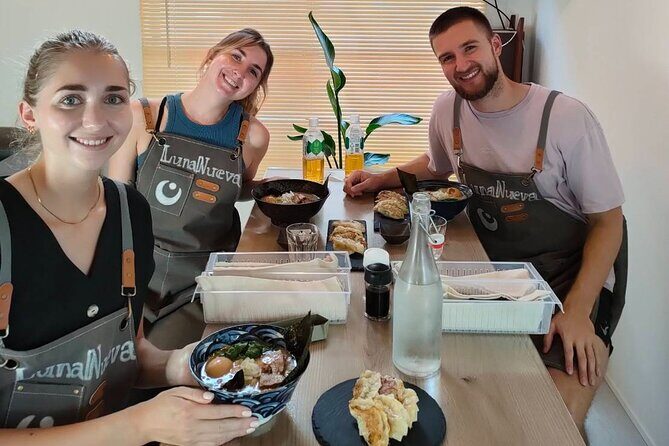
Ramen gets personal here. This hands-on Tokyo class teaches you how restaurant-style ramen comes together, plus how to fold and cook proper gyoza. You can go in the morning or at noon, and you’ll work through key steps like seasoned eggs, toppings, broth technique, and the final art of plating your own bowl with Yoshi and Amo guiding you in small group.
Two things I love: you get real technique coaching (not just a demo), and the class stays intimate with a maximum of 12 people, so you can ask questions and get feedback while you cook. One consideration is that the meeting point is in Ekoda/Nerima, so it’s a bit of a Tokyo local detour rather than a central landmark stop.
In This Review
- Quick hits
- Tokyo Ramen and Dumpling Class in Nerima: Ekoda to a Home Kitchen
- How the 2-Hour Ramen and Gyoza Plan Works (Morning or Noon)
- What You’re Really Learning: Restaurant Technique, Not Just Recipes
- Seasoned Eggs, Colorful Toppings, and the Art of Plating
- Gyoza Folding Done Like a Local Skill
- Vegan and Vegetarian Options: What’s Possible in This Class
- Small Group Size Means Real Feedback (Not Just a Tour)
- Getting There and Making It Feel Easy
- Value at $102.41: Why This Short Class Costs About What It Should
- Is It Family-Friendly? Yes, and It Works for Different Ages
- What to Expect From the Hosts (Yoshi and Amo)
- After the Class: Recipes and Recreating Ramen at Home
- Should You Book This Ramen and Dumpling Class?
- FAQ
- How long is the ramen and dumpling cooking class?
- Where does the experience start?
- What is the maximum group size?
- Can I choose a morning or noon class?
- What will I cook during the class?
- Is a vegetarian or vegan option available?
- How much does the experience cost?
- When will I receive confirmation after booking?
- What is the cancellation policy?
- Is the experience mobile-ticket based?
Quick hits
- Ekoda Station meet-up and a short walk into a residential neighborhood home
- Small-group ramen and gyoza teaching with lots of chances to ask questions
- Noodles, broth, and plating—you learn the full workflow behind a great bowl
- Seasoned eggs and colorful toppings to build your ramen like a pro
- Vegetarian and vegan-capable options, including no fish/seafood preferences when needed
- Eat what you make and leave comfortably full after a complete meal
Worth weighing up alongside this Tokyo pick:
- Tokyo: Shinjuku Food Tour (13 Dishes at 4 Local Eateries)★ 5.0 · 6,603 reviews
- Tokyo Tsukiji Fish Market Food and Culture Walking Tour★ 5.0 · 3,184 reviews
- Tokyo: Shinjuku Food Tour (15 Dishes and 4 Eateries)★ 4.9 · 2,033 reviews
Tokyo Ramen and Dumpling Class in Nerima: Ekoda to a Home Kitchen
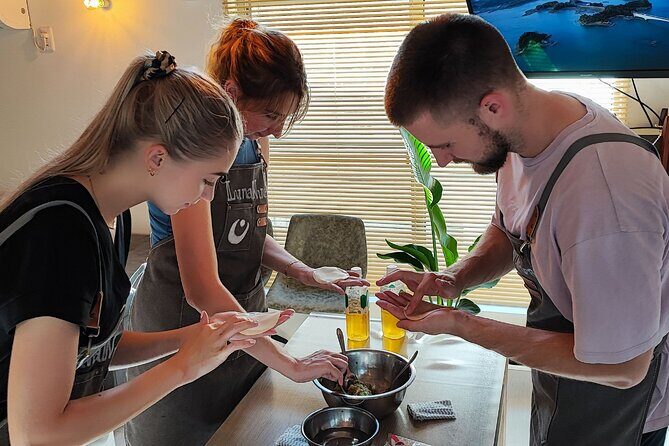
If you’re tired of food tours where you only eat bites, this is the opposite. You come to Tokyo to make ramen and gyoza with a chef, in a real home setting in Nerima, starting at Ekoda Station. The setting matters more than you’d think. A residential neighborhood makes the whole experience feel like you’re learning Japanese cooking from people who actually live it, not performing it for crowds.
Also, the start point is pretty practical. You’re near public transportation, and multiple reviews mention meeting the hosts right at the train station and walking over. That reduces the classic Tokyo worry of: Will I find this place?
How the 2-Hour Ramen and Gyoza Plan Works (Morning or Noon)
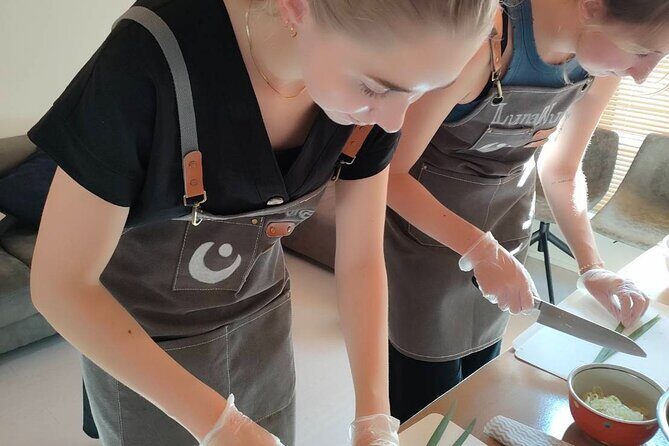
The class is about 2 hours, and it’s structured to keep you moving. You’re not stuck watching someone else cook while you wait for your turn. Instead, you’ll rotate through key ramen-and-gyoza steps that build on each other, from prep basics to the final plating moment.
Here’s the flow you should expect:
- You learn the ingredients and what matters for Japanese-style ramen and dumplings
- You make gyoza and practice folding technique so they cook up correctly
- You work with ramen components like broth process and toppings
- You finish with plating—no just-stir-a-bowl finishing. You assemble your bowl so it looks (and tastes) right.
Even though the class is short, it’s not “snack size.” You’ll typically leave having eaten a full, satisfying meal made from what you cooked.
What You’re Really Learning: Restaurant Technique, Not Just Recipes
A lot of cooking classes teach you a list of ingredients and call it a day. This one focuses on the technique that makes ramen work, especially the broth and the noodle side of the equation.
From the information you get during the session, you’ll understand why ramen tastes deep and layered. One review specifically noted how time-consuming broth (and meat prep) is, and that the hosts prepare ahead—then teach you the process so you know what you’re aiming for. That’s a big deal. In real life, ramen fails when people skip the timing and fundamentals.
You’ll also learn the practical ramen skills that home cooks usually struggle with:
- how to approach broth process rather than treating it as a mystery liquid
- how to time and build toppings so the bowl feels balanced
- how to fold gyoza so they come out right
And yes, you’ll get the fun extras along the way, like making seasoned egg components and putting together colorful toppings that make your bowl look like something you’d order at a ramen-ya.
Seasoned Eggs, Colorful Toppings, and the Art of Plating
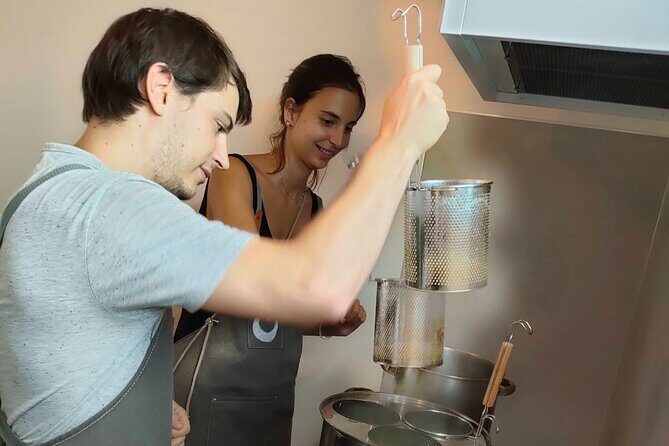
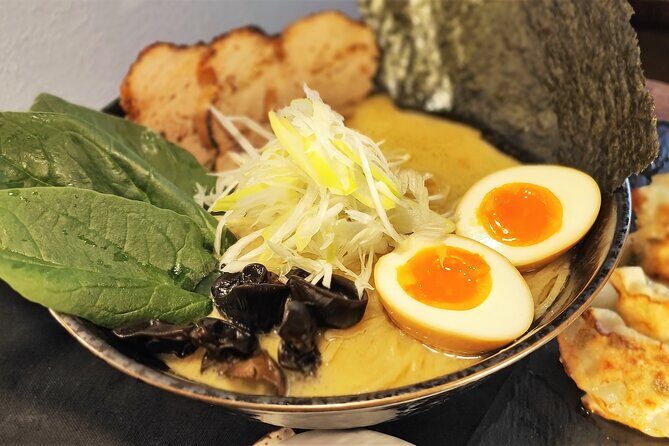
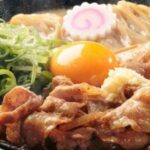
One of the quiet pleasures of this class is the way it teaches you to think like a ramen shop. You’re not just cooking—you’re assembling. You’ll create pieces like seasoned eggs and toppings that add color and texture, then learn how to present the bowl at the end.
The plating part is more than aesthetics. It’s how you learn the proportions and how each element should show up in your bite. That’s why the finished bowl tends to taste better at home later: you remember what went where and why.
And if you have picky eaters at your table, this approach helps. One review mentioned a family member customizing their bowl. When you know the building blocks, you can adjust without ruining the whole dish.
More aprons-on time in Tokyo kitchens

Gyoza Folding Done Like a Local Skill
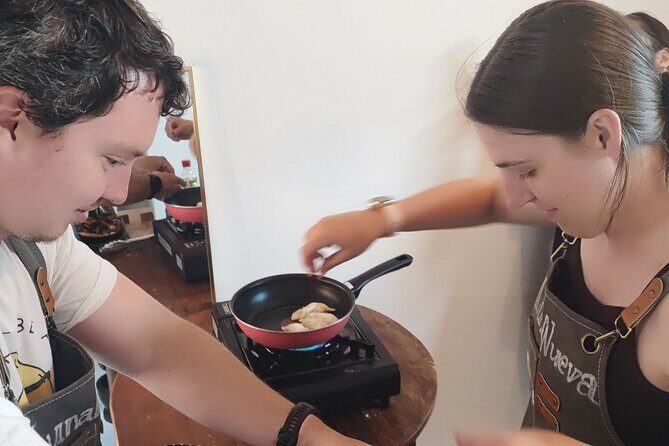
Gyoza looks simple until you try folding it. In this class, you get hands-on practice with the folding technique, and then you learn how everything comes together in cooking. That’s the difference between gyoza you can make and gyoza that feels like it came from Japan.
Also, because you’re cooking with a professional guiding you step by step, you’ll pick up small points that matter—things like how you handle the wrapper and how you shape the dumplings so they cook properly. In a small group, you’re not left guessing.
Vegan and Vegetarian Options: What’s Possible in This Class
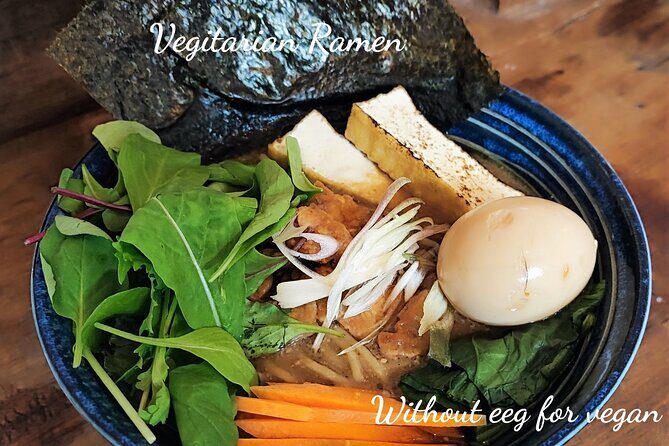
The class is designed so a Chef/Vegan approach is possible, and the most helpful detail is that the hosts will adapt for preferences and restrictions. Several reviews mention vegetarian options, including no fish/seafood needs.
So if you’re:
- vegan (or mostly plant-based),
- vegetarian,
- or avoiding fish/seafood,
you should feel comfortable asking for what you need. The teaching style also helps. When you understand the method, substitutions make more sense.
One practical tip: when you book, clearly state your dietary needs and preferences. You’ll get more accurate preparation and a calmer class day.
Small Group Size Means Real Feedback (Not Just a Tour)
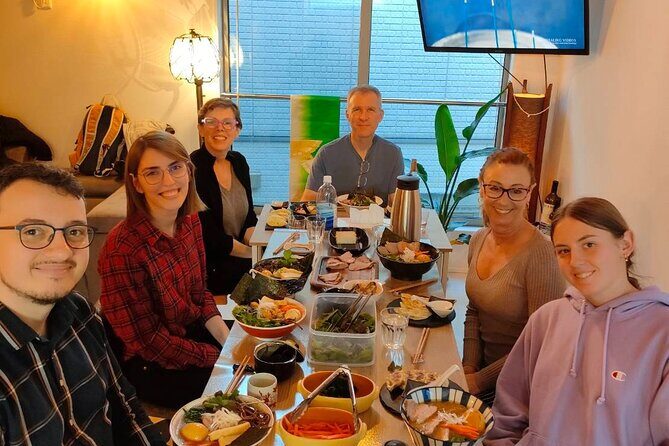
The maximum group size is 12 people, and the tone in the reviews is consistent: the experience feels personal, cozy, and friendly. When you’re in a smaller class, you get more time with the instructor while your hands are still messy and your questions are still fresh.
This matters because ramen and gyoza are detail-heavy. Small-group instruction helps you fix problems early—whether it’s technique in folding, timing, or how you’re building your bowl.
It also helps with confidence. If you’ve never made noodles or worked with broth before, the class pacing makes it easier to keep up. And you can chat with others during the downtime, which makes the experience feel social without getting chaotic.
Getting There and Making It Feel Easy
Meeting point is Ekoda Station (1 Chome-78 Asahigaoka, Nerima City). Reviews describe it as easy to handle by train, especially because a host meets you and then walks you to the class location.
My practical advice: treat it like a museum visit, not a casual dinner. Plan a little buffer time so you’re not sprinting when the class starts. Once you arrive, the home setting usually feels clean and ready, and that comfort helps you focus on the cooking.
As for timing, you can choose either morning or noon. If you’re touring Tokyo in other areas, noon can work well as a mid-day anchor—just remember it’s about 2 hours, and you’ll likely be eating the whole result.
Value at $102.41: Why This Short Class Costs About What It Should
At $102.41 per person, this isn’t the cheapest way to eat ramen in Tokyo. But it’s also not overpriced in the way that some cooking classes feel.
Here’s the value logic:
- You’re paying for hands-on instruction from a chef, not just a meal.
- You learn multiple skills in one sitting: gyoza folding, ramen components, and plating.
- Ingredients are provided, and you leave with a full cooked meal you made yourself.
- The class stays small, so you get feedback and attention.
If your goal is to “just eat good ramen,” Tokyo has plenty of options. If your goal is to take a real skill home—broth method basics, ramen assembly, and dumpling technique—this price starts to look fair.
Is It Family-Friendly? Yes, and It Works for Different Ages
Many reviews call out that it’s great for families. Why? Because it’s hands-on and it moves at a pace that keeps kids engaged. Also, the final result is rewarding—everyone eats what they made, and there’s room to customize bowls if needed.
If you’re traveling with teens or kids who get bored easily, this kind of class gives them something to do with their hands and a reason to taste and adjust as they learn.
What to Expect From the Hosts (Yoshi and Amo)
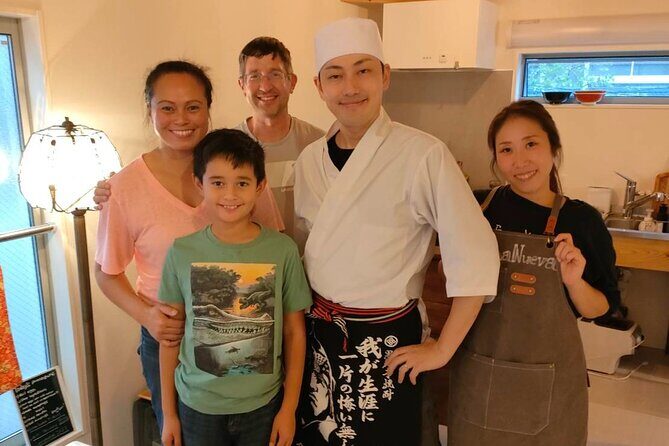
The hosts—commonly listed as Yoshi and Amo—come across as warm, welcoming, and patient. Reviews repeatedly mention a cozy, well-prepared space and a teaching style that’s step-by-step without being stiff.
You may even get fun personality flourishes along the way. One review mentioned a possible hip hop lesson and noted Yoshi has ramen-themed t-shirts. That kind of humor is often what turns a cooking class from educational into memorable.
And if you’re wondering whether you’ll feel comfortable as a non-expert: the teaching vibe in the reviews suggests yes. People describe learning as doable, practical, and supportive.
After the Class: Recipes and Recreating Ramen at Home
Part of the appeal is what you can repeat later. The class is built around technique, so your home results won’t depend only on following a single printed recipe.
One important note from a specific experience: there was a concern about not receiving recipes after class, and the host replied that recipes were sent on the day of the visit through Viator. That suggests recipe delivery is handled digitally and may be time-sensitive. If you don’t see anything after your session, check your email and messages around the day of the class.
Should You Book This Ramen and Dumpling Class?
I’d book it if you want a Tokyo food experience that turns into a real skill. This is especially worth it for you if:
- you like hands-on cooking and want technique coaching,
- you’re curious about how Japanese ramen shops build flavor,
- you want a small-group class instead of a crowded food stop,
- you need vegetarian or vegan-capable options.
Skip it only if you’re looking for a purely scenic, sightseeing-heavy outing or if you strongly prefer central Tokyo locations over residential neighborhoods.
If you’re on the fence, choose your schedule slot (morning or noon) and go hungry. You’ll work for your meal, and you’ll eat what you make.
FAQ
How long is the ramen and dumpling cooking class?
The class runs for about 2 hours.
Where does the experience start?
It starts at Ekoda Station, 1 Chome-78 Asahigaoka, Nerima City, Tokyo 176-0005, Japan.
What is the maximum group size?
The class has a maximum of 12 travelers.
Can I choose a morning or noon class?
Yes. You can choose from a morning or a noon class to fit your schedule.
What will I cook during the class?
You’ll make ramen and gyoza, including things like seasoned eggs, toppings, and practice folding gyoza. You also enjoy the final plated ramen bowl.
Is a vegetarian or vegan option available?
Chef/Vegan is possible, and the class has accommodated vegetarian preferences in the past, including no fish/seafood requests.
How much does the experience cost?
The price is $102.41 per person.
When will I receive confirmation after booking?
Confirmation is received within 48 hours of booking, subject to availability.
What is the cancellation policy?
You can cancel for a full refund up to 24 hours before the experience starts. Free cancellation is allowed as long as you meet that 24-hour window.
Is the experience mobile-ticket based?
Yes, the experience includes a mobile ticket.
Learn Another Dish: Tokyo Cooking Classes
More Good Eating in Tokyo


More Tour Reviews in Tokyo





Fresh reviews from around Tokyo






Cooking Classes, compared.
 ★ 5.0Ramen & Gyoza Cooking Class in Tokyo with Local Supermarket VisitFrom $122823 reviews
 ★ 4.6Easy Ramen Cooking Experience in Kabukicho, ShinjukuFrom $29321 reviews
 ★ 5.0Ramen and Sushi Cooking Class with Sake Pairing Set in TokyoFrom $79291 reviews
 ★ 4.9Wagyu and 7 Japanese Dishes Cooking ClassFrom $67273 reviews
 ★ 5.0Tokyo Washoku 4-hour Cooking Class: From Market to TableFrom $79253 reviews
 ★ 5.0Small-Group Wagyu Beef and 7 Japanese Dishes Tokyo Cooking ClassFrom $72190 reviews
 ★ 5.0Private Home Cooking in Yanaka – Local Flavors in a Warm SettingFrom $122173 reviews
 ★ 5.0Tokyo Sushi Making Experience & Japanese Cooking ClassFrom $59150 reviews
Browse the lists this tour appears in