
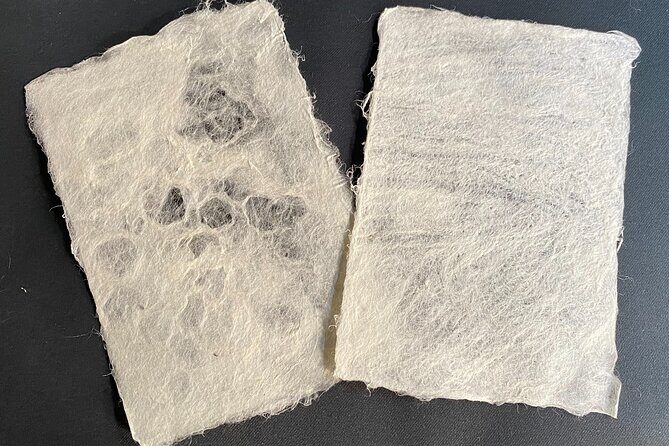
Reviewed · WORKSHOPS
Private Workshop to Create Paper Last for 1,000 years in Ueno
Paper made to last a thousand years.
This private washi workshop in Ueno (Taito City) walks you through the real, hands-on steps behind Japanese paper. You’ll start with kozo tree material and end with your own four paper creations, plus a drying-time break that includes kozo-leaf tea and local sweets.
I especially liked making the process tactile, not just watching it. You’ll do Hyouhitor (peeling off the outer bark) and Dakai (beating tree fibers) yourself, then shape pulp into sheet-form using a paper mold and deckle.
One important heads-up: there’s a cat in the workshop. If you have allergies, tell the team ahead of time.
In This Review
- Key things to know before you go
- Crafting Washi That Lasts for 1,000 Years in Taito City
- How the 2.5-Hour Workshop Flows From Start to Finish
- Hyouhitor and Dakai: The Tree-Fiber Work That Feels Like Real Craft
- Making Your Sheets: Mold, Deckle, and Sifting for Even Paper
- Your Drying Break: Kozo Leaf Japanese Paper Tea and Sweets
- What You Actually Take Home: Postcards, Rakusui, and A5
- Private Workshop Vibe: Why It Feels Less Like a Class
- The Cat Factor: Meet Kami, Plan for Allergies
- Price and Value: What $143.35 Buys You in Real Terms
- Getting There and Preparing: Small Steps That Make a Big Difference
- Should You Book This Ueno Washi Workshop?
- FAQ
- What do I make in this private workshop?
- How long does the workshop take?
- Is this a private experience?
- What is included during the drying time?
- What is Japanese paper tea made from?
- Is there anything to know about animals?
- Where do I meet for the workshop?
- What happens if weather is poor?
Key things to know before you go
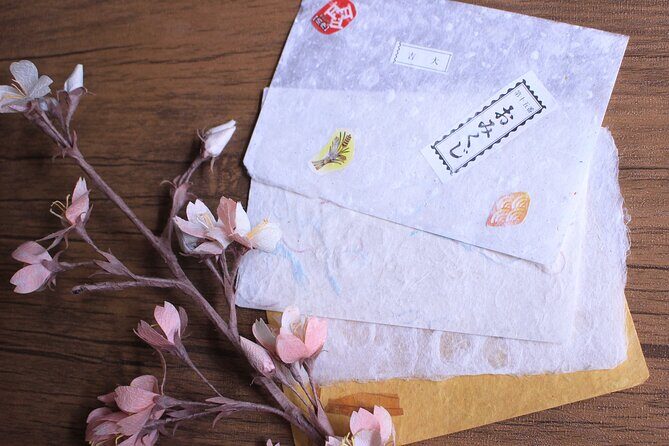
- You create four products: 2 postcard designs plus Rakusui paper and A5 paper.
- You’ll touch the full papermaking workflow, including Hyouhitor and Dakai.
- Shaping the sheet is hands-on: mold, deckle, and sifting to get an even layer.
- Tea is made from kozo leaves, the same raw material used for the paper.
- It’s a private workshop, so only your group participates.
- There’s a cat on-site, so plan if allergies are an issue.
More private options with your own guide
- Tokyo 6hr Private Tour with Government-Licensed Guide★ 5.0 · 3,902 reviews
- Private Tour to Mt. Fuji and Hakone (Fully Licenced Operator)★ 5.0 · 1,910 reviews
- Tokyo Customized Private Tour (Must See Places in 1 Day)★ 5.0 · 1,499 reviews
Crafting Washi That Lasts for 1,000 Years in Taito City
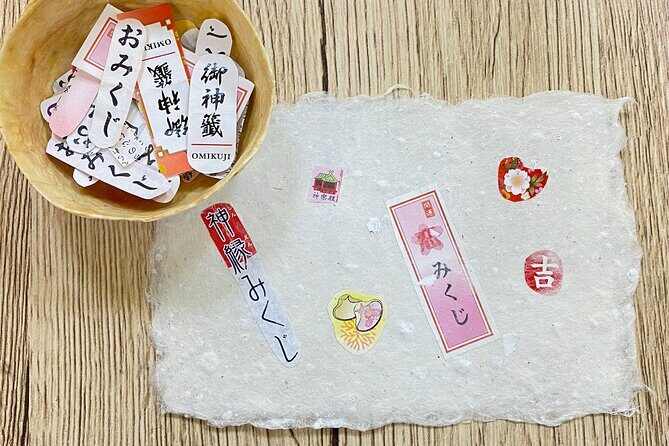
Japanese paper has a reputation for aging well. This workshop leans into that idea in a very practical way: you’re not just decorating paper, you’re making it from the tree fibers using traditional steps.
You meet at a city-center location in Taito City, Tokyo, and the session loops back to the start point when you’re finished. It runs about 2 hours 30 minutes, which is long enough to feel like you really did something, not just sampled an activity. Also, you’ll get a mobile ticket, so you won’t be hunting for printed papers on the day.
The “1,000 years” angle can sound like marketing, but here’s why it matters for you: when you understand how fibers become sheet and how drying changes the final result, you’re more likely to appreciate the quality of washi you buy later—or give as a gift—because you know what went into it.
How the 2.5-Hour Workshop Flows From Start to Finish
The pacing is straightforward: explain the method, do the process, then produce items while things dry. That structure is perfect if you’re the type who learns best by doing, not by listening.
You’ll begin with a general explanation of how traditional Japanese papermaking works from tree material. Then you move into the key manual stages—peeling the outer bark and preparing fibers through beating. After that, you handle the pulp workflow: forming sheets in a mold, using a deckle, and sifting to even things out.
When your paper starts drying, you get a break with Japanese paper tea and Japanese sweets. The tea is made from kozo leaves, and that detail is worth paying attention to because it ties the whole experience together: you’re sampling the raw-material story, not a random beverage.
Hyouhitor and Dakai: The Tree-Fiber Work That Feels Like Real Craft
This is the part I’d pick even if there were no postcards or tea. You get to do two of the process steps that define traditional washi making.
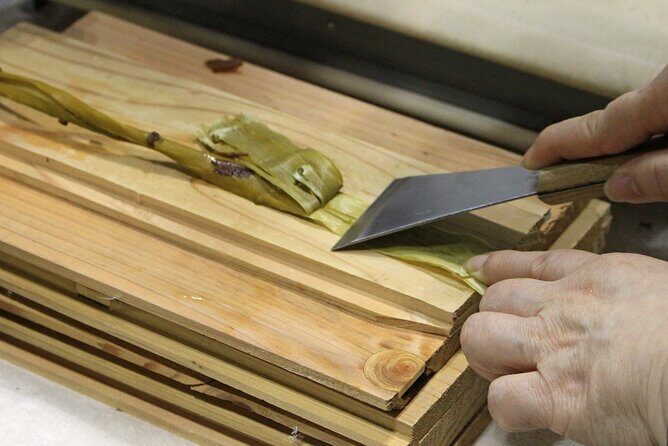
First comes Hyouhitor, peeling the outer bark. It’s messy in the way real craft can be: you’re handling natural material and paying attention to what you’re removing and what you’re keeping. That tactile moment helps you understand why washi isn’t “paper” in the modern, factory sense.
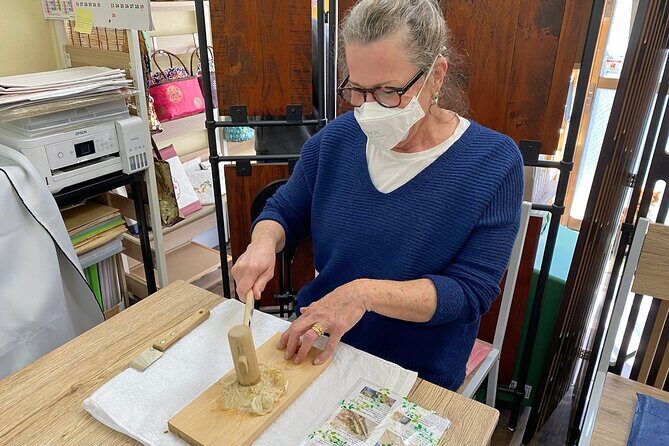
Then you do Dakai, beating the tree fibers. Think of this as turning plant material into workable pulp. Beating matters because it helps the fibers break down and blend so they can form a sheet. When you do it yourself, you stop seeing the final sheet as magic and start seeing it as controlled transformation.
A small caution: you should go in with the mindset that this is hands-on making. You’ll likely get a bit messy. If you’re sensitive about keeping clothes spotless, wear something you don’t mind getting fiber-dust or small splashes on.
Making Your Sheets: Mold, Deckle, and Sifting for Even Paper
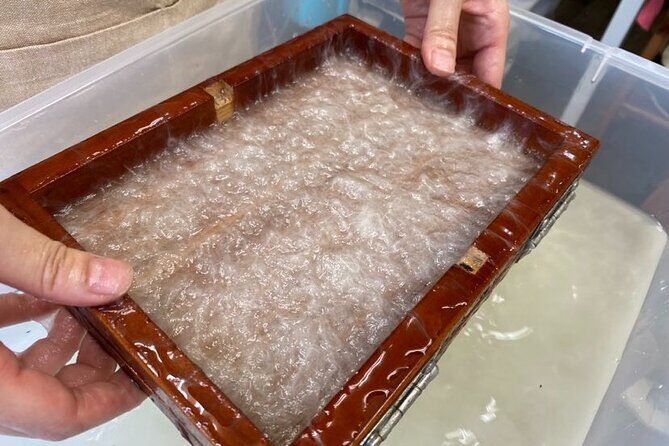
Once the fibers/pulp are ready, you move to the shaping stage: paper mold, deckle, and sifting.
Here’s what to focus on: consistency. Making an even sheet is not about artistic flair as much as it is about layering and leveling. When you sift the solution, you’re distributing fibers so the paper dries flat and uniform. If you’ve ever seen handmade paper with thicker edges or uneven patches, you already know why this step matters.
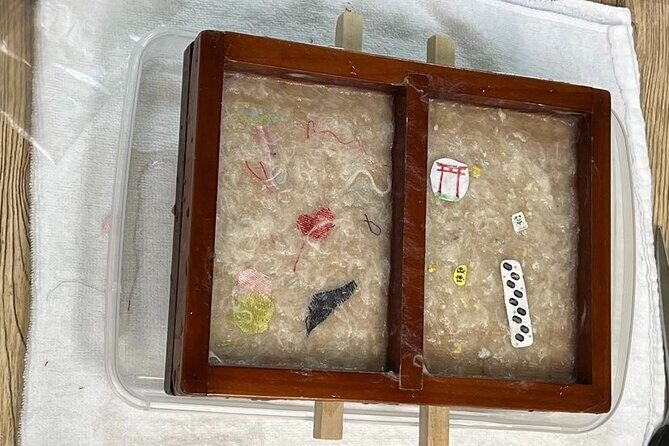
You’ll pour the raw material into a paper-making mold, add the deckle, and then sift the solution so it becomes an even, flat sheet. That’s a lot of hands-on responsibility for the time, and it’s also the reason this workshop feels like “real making” instead of a demonstration.
If you’re wondering what affects the outcome: your care in keeping the pulp layer even, and how you handle the sheet once it’s formed. The team will guide you through it, but you’ll still be the one making the choices during the manual steps.
More things to make with your own hands



Your Drying Break: Kozo Leaf Japanese Paper Tea and Sweets
This workshop smartly uses the drying time instead of leaving you to sit there.
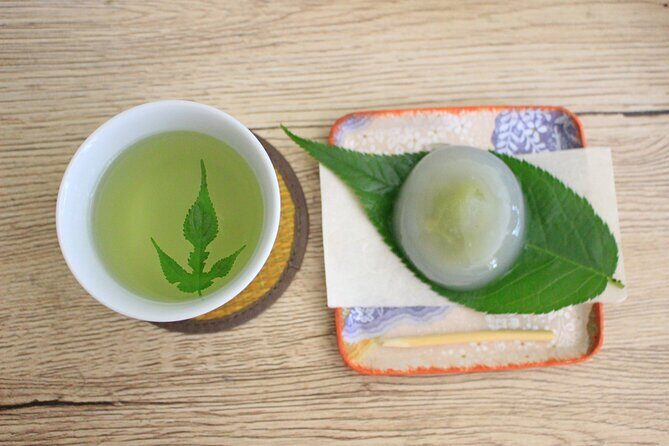
While your paper dries, you’ll get their original Japanese paper tea plus local Japanese sweets. The tea uses kozo leaves, the raw material for making paper. That’s not just a nice extra; it’s a clever way to connect what you’ve been doing to a taste.
The sweets come from a beloved local shop. You’re not stuck with generic snacks. It feels like the workshop is also trying to show you the local flavor of the craft, not only the technique.
Practical tip: plan to pause and actually taste. When you’re busy building something, it’s easy to rush the rest. This is the moment to slow down, sip the tea, and notice how the raw plant source shows up in the drink.
What You Actually Take Home: Postcards, Rakusui, and A5
You’ll create four paper products. That’s a big deal for value because it’s not one souvenir—it’s a set you can use or gift.
You’ll make:
- Two postcards with your own designs
- Rakusui paper
- A5 paper
The two postcards are especially satisfying because you can treat them like finished art. You’re not waiting until the end to see a result; the designs are part of your making experience, and you’ll have a ready-to-give format.
Rakusui paper and A5 paper are great for different uses. An A5 sheet feels like something you’d actually keep in a journal or sketch kit. Rakusui paper (a specific washi type in this experience) gives you a narrower, more “craft” item—ideal if you want something distinctive beyond standard notebook paper.
One more thing I’d consider: when you’ve made the sheet yourself, you’ll likely look at the texture differently. Handmade paper can have subtle unevenness that reads as character, not flaw. If you like gifts that feel personal and not mass-produced, this take-home set fits that goal well.
Private Workshop Vibe: Why It Feels Less Like a Class
This is a private tour/activity. That means only your group participates, so you’re not squeezing into a crowded schedule with strangers.
That format matters because papermaking is step-by-step, and some steps require attention. If you’re working hands-on (peeling, beating, forming sheets), you want the room to match your pace. A private setting generally helps with that.
Also, you’re not stuck interpreting instructions from a distance. The experience is built around you doing the work, guided through the sequence. The reviews highlight that the teacher is patient and kind—exactly what you want in a craft workshop where the steps are new and your hands are learning as you go.
The Cat Factor: Meet Kami, Plan for Allergies
There’s a cat in the workshop, and the mascot is named Kami. In small craft spaces, animals can be distracting—or comforting—depending on your comfort level.
If you have allergies, this is the one “consideration” you should not ignore. The organizer explicitly asks you to inform them if allergies are an issue. That’s a responsible heads-up, and it’s worth acting on early so the experience remains pleasant for everyone.
If you’re not allergic, expect Kami to be part of the atmosphere. It adds a warm, slightly whimsical touch that fits the handmade nature of the session.
Price and Value: What $143.35 Buys You in Real Terms
At $143.35 per person, this isn’t a cheap activity in Tokyo. So the real question is: do you feel like you got value?
Here’s why it can feel like good value:
- You make four take-home items, not just one small souvenir.
- You do the full papermaking workflow steps, including Hyouhitor and Dakai.
- You also get an original tea experience made from kozo leaves plus local sweets.
- It’s private, so you’re paying partly for a more focused, less rushed setup.
If you only want a quick photo, you might feel the price is high. But if you want a skill-based souvenir—a set of paper goods you made with your own hands—this price can make more sense.
Also, the booking trend (often reserved about a month in advance) suggests it’s popular. If you’re traveling in a busy season or want a specific time window, you’ll do yourself a favor by booking sooner rather than later.
Getting There and Preparing: Small Steps That Make a Big Difference
You’ll meet at: 3-chōme302 市川ビル, Taitō, Taito City, Tokyo 110-0016. It’s near public transportation, so you shouldn’t have to plan a long commute.
For prep, here’s what I’d do based on the nature of the work:
- Wear comfortable clothes you don’t mind getting a little messy.
- Bring a bag for your take-home items, especially for the postcard set and sheet pieces.
- Be ready to slow down and follow steps carefully. This is craft time, not sightseeing sprint time.
And remember the weather note: the experience requires good weather. The workshop itself may run indoors, but the operator still flags weather as a factor. If you’re visiting in rainy months, check your day-of plan and keep flexibility.
Should You Book This Ueno Washi Workshop?
Book it if you want a hands-on Tokyo activity with real craft steps, not just a viewing experience. This is best for people who enjoy making things, like texture and process, and want take-home items that feel personal.
Skip it or think twice if you need a very clean, low-mess activity, or if cat allergies are a concern and you can’t handle the risk. Also, if you want something purely passive, the manual papermaking stages may feel like work rather than fun.
If you’re on the fence, here’s the deciding question: do you want to understand how paper is made by actually doing the key steps? If yes, this workshop is a strong fit.
FAQ
What do I make in this private workshop?
You’ll make 4 paper products: 2 designs of postcards, Rakusui paper, and A5 paper.
How long does the workshop take?
It lasts about 2 hours 30 minutes.
Is this a private experience?
Yes. It’s private, and only your group will participate.
What is included during the drying time?
You’ll be served Japanese paper tea and Japanese sweets while your paper dries.
What is Japanese paper tea made from?
The tea is made from kozo leaves, which are the raw material used to make paper.
Is there anything to know about animals?
Yes. There is a cat in the workshop. Let the team know if you have any allergies.
Where do I meet for the workshop?
The meeting point is in Taito City at 3-chōme302 市川ビル, Taitō, Tokyo 110-0016, Japan.
What happens if weather is poor?
The experience requires good weather. If it’s canceled due to poor weather, you’ll be offered a different date or a full refund.
Make Something to Take Home

Just Your Group: Private Options



More Tour Reviews in Tokyo






Fresh reviews from around Tokyo






Workshops, compared.
 ★ 5.0Sushi Making Tokyo Roll and Authentic Japanese Sushi ClassFrom $593,971 reviews
 ★ 5.0Tokyo Shinjuku Chopsticks Making ClassFrom $201,763 reviews
 ★ 4.8Chopstick Making Workshop in GinzaFrom $251,366 reviews
 ★ 5.0Tokyo Sushi Making Class in Tsukiji with Professional ChefFrom $491,177 reviews
 ★ 5.0Ramen & Gyoza Cooking Class in Tokyo with Local Supermarket VisitFrom $122823 reviews
 ★ 5.0Matcha Making Class in Tokyo with Authentic Japanese Sweets SetFrom $21744 reviews
 ★ 5.0Samurai Sword & Archery Class from Samurai DescendantFrom $193603 reviews
 ★ 4.9Tsukiji Fish Market Sushi Making Class with Pro ChefFrom $63506 reviews
Browse the lists this tour appears in