
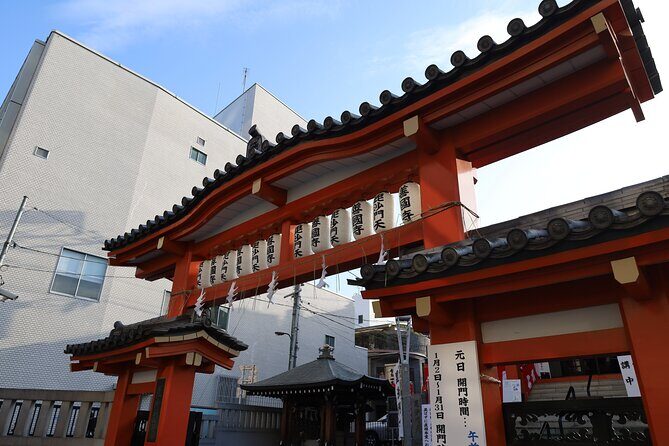
Reviewed · WALKING TOURS
Private Walking Tour: The Little Kyoto of Tokyo, Kagurazaka
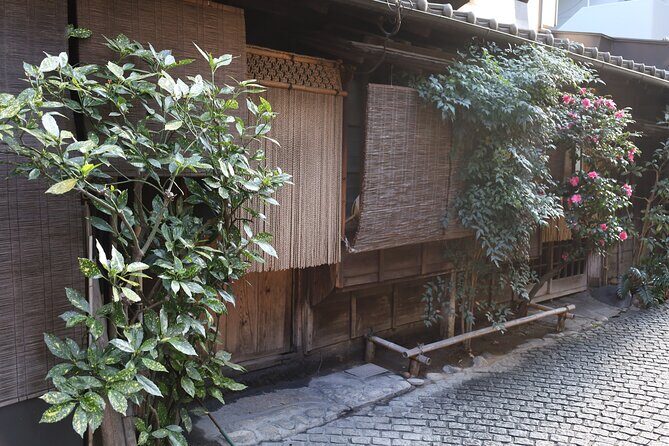
Kagurazaka makes Tokyo feel older. On this private walking tour, you’ll follow cobblestone lanes and black wooden fences through the neighborhood people call the Little Kyoto of Tokyo, with stories that connect Edo-period power to today’s street life. Expect a walk built around serendipity moments: small streets, sudden views, and details like heart-shaped stones that you’d miss on your own.
I especially like how the tour blends places you can see with culture you can recognize. You’re guided through a mix of samurai-era heritage, the geisha district atmosphere, shrines and temples, and even the feel of Japanese modern literature tied to this area. I also like that the tour is truly practical: free admission stops, a multilingual local guide (English, French, German, Spanish), and a private format where you can ask questions.
One thing to consider: this is a walking tour with historic streets, so comfortable shoes matter more than usual. Also, at $104.05 per person, it’s best when you’re going with at least one other person so the private-guide value feels obvious.
In This Review
- Key Things You’ll Notice on This Kagurazaka Walk
- Why Kagurazaka Feels Like Tokyo’s Old Town
- Private Walking Tour Logistics: 2 Hours at Your Group’s Pace
- AKOMEYA TOKYO in la kagū: Modern Design Meets Warehouse Life
- Akagi Shrine: A Migrant Origin Story You Can Understand
- Zenkoku-ji Temple: Edo Power and a Nation-Protecting Mission
- Tsukudo Hachiman Shrine: A 1200-Year Thread in Plain Sight
- Remains of Ushigome Gate: Reading Edo Castle in Stone Walls
- The Big Idea: Samurai, Geisha Streets, Shrines, and the Feel of Literature
- Price and Value: What $104.05 Buys You in Kagurazaka
- Food Breaks: What’s Not Included, and How to Plan Anyway
- Who Should Book This Kagurazaka Walk
- Quick Tips to Make the Most of the Walk
- Should You Book the Little Kyoto of Tokyo, Kagurazaka Tour?
- FAQ
- How long is the Kagurazaka walking tour?
- Where do I meet the guide, and where does the tour end?
- Is this tour private?
- What languages are the guides available in?
- Are tickets or admissions included?
- Is food included in the tour price?
Key Things You’ll Notice on This Kagurazaka Walk
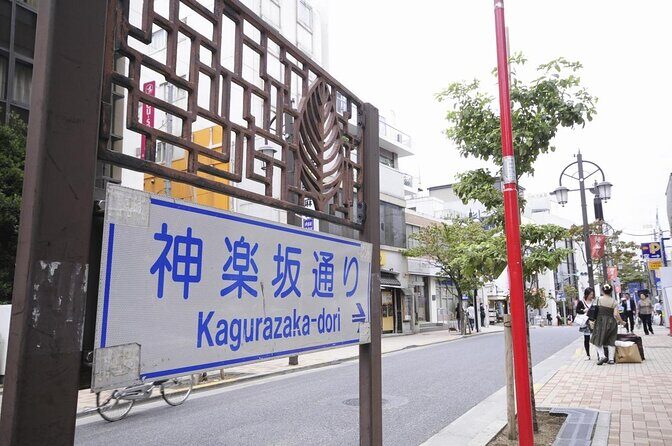
- Cobblestone streets and black fences: the streets themselves do half the storytelling.
- Edo-era planning you can trace on foot: Kagurazaka’s origins link back to Tokugawa Iemitsu.
- Free shrine and temple stops: Akagi Shrine, Zenkoku-ji Temple, and Tsukudo Hachiman Shrine are not paid entries.
- A modern design pause at AKOMEYA TOKYO: a warehouse setting renovated by architect Kengo Kuma.
- Historical remains you can actually look at: the stone remains of the Ushigome Gate help you picture what Edo Castle used to be.
- Multilingual private guidance: the guide is there for your questions, not a lecture for strangers.
Tokyo at walking pace, a few more ways
- Tokyo Tsukiji Fish Market Food and Culture Walking Tour★ 5.0 · 3,184 reviews
- Tokyo: Shinjuku Local Bar and Izakaya Guided Walking Tour★ 4.9 · 1,794 reviews
- Tokyo: Tsukiji Fish Market Food and Walking tour★ 5.0 · 1,724 reviews
Why Kagurazaka Feels Like Tokyo’s Old Town
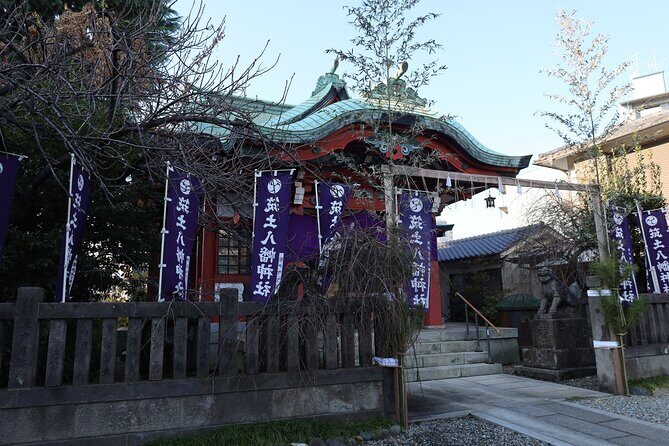
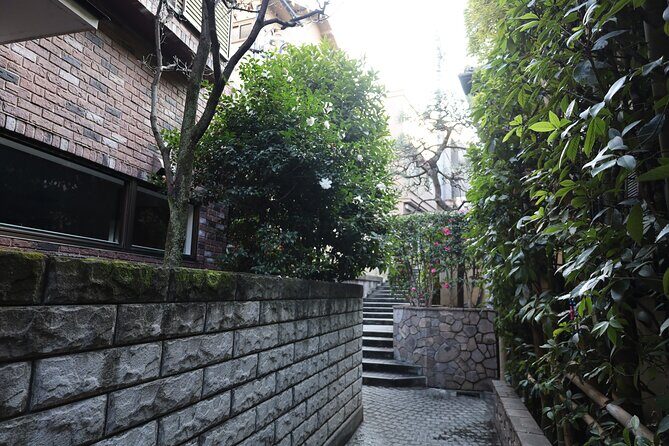
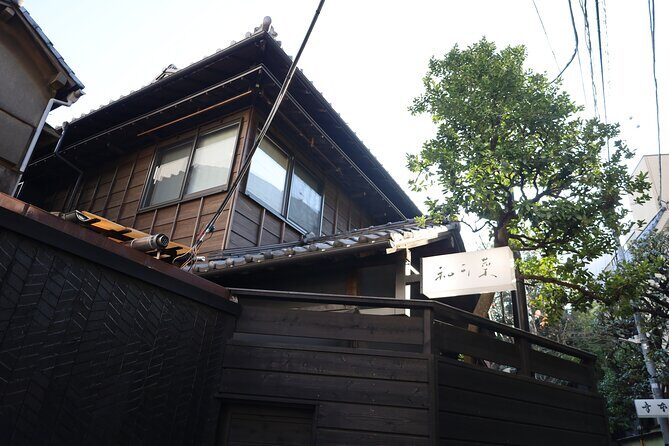
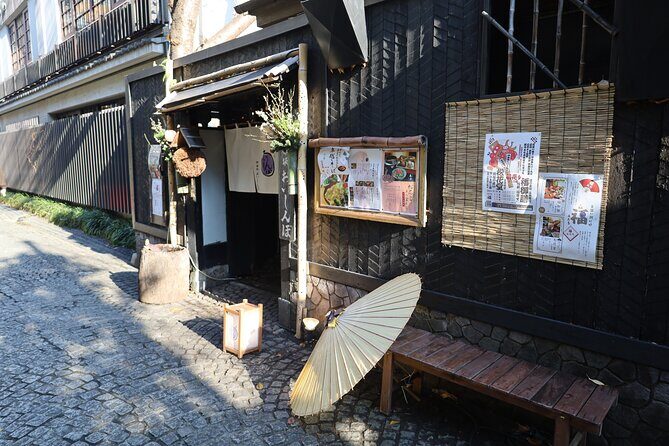
Kagurazaka is one of those neighborhoods where the vibe changes block by block. Instead of wide avenues and big signage, you get narrower lanes, quiet corners, and that specific look of Japanese historic residential edges—especially the black wooden fences and the cobblestones that slow you down in a good way.
The tour’s big promise is that Kagurazaka is more than pretty streets. The neighborhood was developed under Tokugawa Iemitsu, the 3rd shogun, and the walking route is designed to show you how that Edo-era past still shapes what you see today. You’ll connect samurai-era power, shrine and temple culture, and the geisha-district feel with modern Tokyo life.
I also like that the tour doesn’t lock you into one narrow theme. Even if you’re not a deep history person, the guide can point out the cultural patterns—how people worship, how neighborhoods evolved, and how places earn their reputation over time.
Private Walking Tour Logistics: 2 Hours at Your Group’s Pace
This is a private walking tour, so it’s only for your group. That changes everything: you can move at a comfortable speed, and you can ask practical questions as you go.
The time is about 2 hours, which is a sweet spot for Kagurazaka. You get enough walking to feel the neighborhood, but it doesn’t turn into a half-day commitment. It also makes timing easier—especially since the experience runs with wide daily hours (9:00 AM to 8:30 PM).
You’ll meet at Kagurazaka Sta. Yaraicho in Shinjuku City, then finish at JR Iidabashi Station, West Exit. That end point matters because it puts you back near another major transit hub, so you can keep moving without feeling stuck in one pocket of Tokyo.
Practical tip: the meeting area is a station-adjacent start, so build a little buffer in case your train-to-meeting walk takes longer than expected. Bring a charged phone too, since the experience uses a mobile ticket.
AKOMEYA TOKYO in la kagū: Modern Design Meets Warehouse Life
You start with a quick stop at AKOMEYA TOKYO in la kagū, a commercial space created by renovating a warehouse tied to Shinchosha Publishing Co. The design credit here is a big one: architect Kengo Kuma.
Why this stop is worth your attention on a walking tour: it’s a bridge. You begin in a place that feels contemporary, then the guide can steer you from modern-day shopping culture into the older neighborhood patterns outside. It’s a smart transition because Kagurazaka isn’t frozen in time—you’ll see modern retail nearby, right alongside shrines, temples, and historic street textures.
Even if you don’t plan to buy anything, you can treat this as a warm-up. Look around, reset your bearings, and let the guide set the cultural frame for what you’ll see next.
Akagi Shrine: A Migrant Origin Story You Can Understand
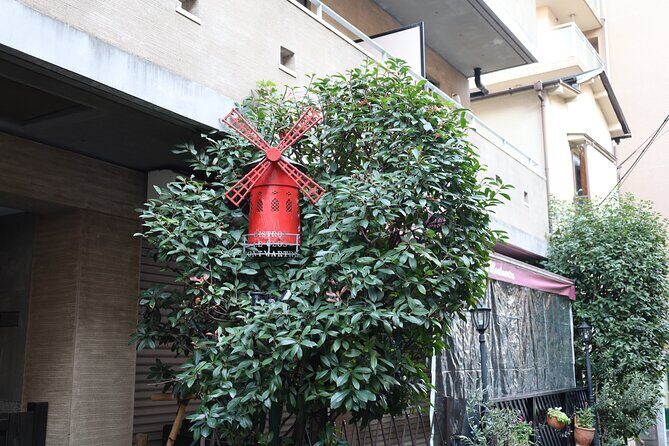
Next up is Akagi Shrine, and the details here are the kind of story that makes a shrine stop feel more human. The shrine is said to have been founded in Ushigome Waseda by Ohgoshi Hikotaro Shigeharu, after migrating from the foot of Mount Akagi in Gunma in 1300.
Then there’s the later move: the shrine relocated to its current location in 1555. Those two time markers—1300 and 1555—help you picture how people, power, and place-based devotion shifted over centuries.
This stop is free to enter, so think of it as a chance to pause without paying admission. Also, take a moment to notice how shrines anchor neighborhoods. Even when streets look busy, shrines often sit at the center of local routine and memory, and a guide can point out the quiet logic behind the layout.
More private options with your own guide



Zenkoku-ji Temple: Edo Power and a Nation-Protecting Mission
At Zenkoku-ji Temple (with Bishamonten), you’ll hear a story linked to national protection. The temple was established in 1595 in Nihonbashi Bakurocho under Tokugawa Ieyasu’s order, described as a measure to protect the nation.
As with many Japanese religious sites, fires and relocation are part of the longer narrative. The important part for you on the walk is that this stop connects Kagurazaka’s neighborhood atmosphere back to the Edo shogunate world.
Like the other shrine/temple stops, this one is free to enter, so you can spend your time simply absorbing the setting. Use this pause to ask questions if you’re the type who likes context: where was the site originally, how did people move, and what changed in daily life.
Tsukudo Hachiman Shrine: A 1200-Year Thread in Plain Sight
Tsukudo Hachiman Shrine is presented as an ancient shrine, believed to have been established about 1200 years ago. The tour information also points to a local connection to Saicho, who is associated with carving a statue of Amitabha Buddha enshrined in a small shrine here.
This is a good stop if you want the tour to feel more than decorative. Ancient shrines can sometimes feel abstract, but the moment you connect them to a named tradition and a time scale, they start to feel real.
You’ll likely notice this shrine in the middle of regular Tokyo life—another reminder that Kagurazaka doesn’t separate old and new very neatly. That’s part of why it feels like Tokyo’s Little Kyoto rather than just a themed walk.
Remains of Ushigome Gate: Reading Edo Castle in Stone Walls
The walk ends with history you can physically interpret: the remains of Ushigome Gate. The gate was constructed in 1636 as part of the outer moat area of Edo Castle, and the stone walls still give you a sense of how massive it once was.
This is the stop where the tour’s Edo narrative becomes concrete. Without a guide, you might just see old stones and move on. With one, you can better understand what kind of fortification it was, why such gates mattered, and how the Edo Castle system influenced nearby development.
Admission-free viewing and short time here (about 10 minutes) makes it easy to fit. It’s also the kind of location where a few extra minutes of careful looking pays off.
The Big Idea: Samurai, Geisha Streets, Shrines, and the Feel of Literature
Kagurazaka has a reputation that mixes official history with cultural mood. The walking tour is built to help you connect those dots: samurai culture influences the early story of the area, geisha-district vibes show up in street character, and shrines and temples keep turning the neighborhood’s past into something you can still sense.
One of the tour’s signature elements is the “town of serendipity” feeling. That comes through in small discoveries: cobblestone turns, charming details like heart-shaped stones, and the possibility of seeing geisha in passing (when it happens). It’s the kind of place where your route isn’t just a list—it’s a sequence of moments.
The tour also mentions Japanese modern literature. Even if you don’t know the authors in advance, a guide can point out how writers and artists found this area’s atmosphere useful. It’s a useful trick for travelers: literature references can sound fluffy until someone ties them to real streets you can see.
Price and Value: What $104.05 Buys You in Kagurazaka
At $104.05 per person, this tour isn’t an ultra-budget add-on. So the question for you is value: what do you get for that price?
Here’s what clearly supports the cost:
- It’s private, so the guide time is focused on your group rather than spread thin across strangers.
- The guide is multilingual (English/French/German/Spanish).
- The key stops listed are free to enter, so you’re not paying a chain of small admissions.
- You also get a 2-hour format that’s long enough to feel meaningful, but short enough to fit into a normal Tokyo day plan.
- There are group discounts available, which can make this much more attractive if you’re splitting cost with friends.
One practical note: the tour is booked on average about 5 days in advance. That doesn’t mean you can’t book later, but it suggests demand can be real. If Kagurazaka is a priority, don’t treat it like a last-minute whim.
Also, since it’s private, solo travelers should think carefully about whether the per-person price matches their style. Couples, small groups, or anyone who likes asking lots of questions usually get the best match.
Food Breaks: What’s Not Included, and How to Plan Anyway
Snacks are not included. That’s actually helpful, because Kagurazaka has options that can match your mood that day.
The tour info specifically points out local delicacies you can consider outside the walking time, including traditional Japanese sweets, doughnuts, tofu desserts, and butcher-shop items like croquettes. If you want this walk to feel like a full experience, treat it like this:
- Use the tour for culture and street orientation.
- Use your own time nearby for one treat you truly want, not whatever is quickest.
That way, you avoid turning a 2-hour walk into a food marathon.
Who Should Book This Kagurazaka Walk
This tour is a strong fit if you like:
- Neighborhood walking with a story you can actually follow.
- Tokyo areas that feel quieter than the major sights.
- Travelers who want context at each shrine/temple stop instead of just photos.
It’s also a good option if you’re going to Tokyo for the first time and already feel overwhelmed. Kagurazaka helps you slow down and see how different parts of Tokyo work.
On the other hand, if you hate walking, or if you want a highly structured museum-style schedule, this might feel too flexible. It’s a stroll with history stitched in.
Quick Tips to Make the Most of the Walk
- Wear shoes with grip. Cobblestones can be slippery when wet.
- Bring a small water bottle. The tour is short, but Tokyo heat and humidity can still surprise you.
- Plan your day so you’re not rushing at the end. You finish at Iidabashi, but your next stop should be easy to reach.
- Come ready to ask questions. The private format is there for that.
- If you care about photos, be patient. Kagurazaka’s best views often happen at street corners, not at obvious landmarks.
Should You Book the Little Kyoto of Tokyo, Kagurazaka Tour?
If you want an authentic-feeling Tokyo neighborhood walk with a guide who can connect the Edo past to what you see today, I’d book it. The mix of shrines/temples, Edo-era remnants, and a design-forward pause at AKOMEYA TOKYO gives the route a balanced rhythm.
I’d hesitate only if $104.05 per person feels steep for your budget, or if you’re uncomfortable with cobblestone walking. If either applies, you could still consider doing a self-guided Kagurazaka stroll—but you’d likely miss how the pieces connect.
One more practical note: the experience is non-refundable and cannot be changed, so lock in your date only when you’re pretty sure your schedule is solid.
FAQ
How long is the Kagurazaka walking tour?
It runs for about 2 hours.
Where do I meet the guide, and where does the tour end?
You start at Kagurazaka Sta. Yaraicho in Shinjuku City. The tour ends at JR Iidabashi Station, West Exit.
Is this tour private?
Yes. It’s a private tour/activity, and only your group participates.
What languages are the guides available in?
The local guide is available in English, French, German, and Spanish.
Are tickets or admissions included?
Admission for the listed stops is free (including AKOMEYA TOKYO in la kagū, Akagi Shrine, Zenkoku-ji Temple, Tsukudo Hachiman Shrine, and the Ushigome Gate remains).
Is food included in the tour price?
Snacks are not included. You can look for local treats like sweets, tofu desserts, doughnuts, and croquettes on your own.
Tokyo on Foot: More Walks




More Tours in Tokyo




More Tour Reviews in Tokyo




Fresh reviews from around Tokyo






Walking Tours, compared.
 ★ 5.0Tokyo Tsukiji Fish Market Food and Culture Walking TourFrom $993,184 reviews
 ★ 4.9Shinjuku Local Bar and Izakaya Guided Walking TourFrom $341,794 reviews
 ★ 5.0Tsukiji Fish Market Food and Walking tourFrom $301,724 reviews
 ★ 4.8Asakusa Walking Tour with Sensoji Temple VisitFrom $221,583 reviews
 ★ 4.9Tsukiji Fish Market Guided Walking TourFrom $221,397 reviews
 ★ 4.7Tokyo Castle & Imperial PalaceーShogun Walking TourFrom $231,068 reviews
 ★ 4.9Imperial Palace Japanese History Walking TourFrom $32987 reviews
 ★ 4.7Dark Side of Tokyo Shinjuku Red Light Walking TourFrom $29862 reviews
Browse the lists this tour appears in