
Reviewed · ASAKUSA TOURS
Private Japanese Sample Food Making and Asakusa History Tour
Tokyo has a tasty secret.
This small-group tour pairs hands-on sampuru making with real Asakusa sights. You’ll start by learning the craft behind Japan’s restaurant display food, then walk through Kappabashi Street, and finish at Senso-ji Temple and Nakamise Dori.
I love that you create a take-home sample food model, not just watch. I also like how the walk is built around the story of the craft, so you’ll know what you’re looking at when you see displays later. One thing to think about: you’ll put your hands into wax, so plan your manicure accordingly.
In This Review
- Key points at a glance
- Why Sampuru in Asakusa Makes a Great Tokyo Half-Day
- Workshop First: Making Tempura Sampuru with Wax
- Kappabashi Street Stops: Kitchen Town Tools and Sample Food
- Senso-ji Temple and Nakamise Dori: Asakusa’s Main Stage
- The Guides and the Small-Group Advantage
- Price and Value: What You’re Actually Paying For
- Timing, Weather, and the One Nail Warning
- Who This Tour Fits Best (and Who Might Skip It)
- Should You Book the Private Japanese Sample Food Making and Asakusa History Tour?
- FAQ
- How long is the Japanese Sample Food Making and Asakusa History Tour?
- Where do we meet, and where does the tour end?
- Is this tour suitable for kids?
- What’s included in the tour price?
- Is admission to Sensoji Temple included?
- Is the tour accessible for strollers and wheelchairs?
Key points at a glance
- Hands-on workshop with a take-home tempura sampuru you make yourself
- Small group capped at 15, guided in English with photo opportunities
- Kappabashi Street Kitchen Town walking time focused on sample food and tools
- Senso-ji Temple with admission included, plus Nakamise Dori shopping street
- Family-friendly from age 7, with stroller and wheelchair access
- Guides who can help with practical on-the-ground moments, like tax-free refund direction
More mornings around Senso-ji and the old town
- Tokyo: Japanese Dance Cabaret Theater Asakusa-Kaguwa Ticket★ 4.8 · 2,270 reviews
- Tokyo: Asakusa Walking Tour with Sensoji Temple Visit★ 4.8 · 1,583 reviews
- Tokyo Asakusa Rickshaw Tour★ 5.0 · 1,375 reviews
Why Sampuru in Asakusa Makes a Great Tokyo Half-Day
Asakusa is the kind of neighborhood where the streets make sense after you see a few key places in the right order. This tour does that with sampuru (Japanese sample food) first, then Kappabashi Street, then the classic Senso-ji area.
The goal isn’t just a fun souvenir. It’s learning the craft enough to interpret what you’re seeing. Once you understand how these models are made, Tokyo restaurant windows stop looking random and start looking like mini art projects with serious technique behind them.
It also helps that the tour runs in a tight time window—about 3 hours—with a start time of 10:00 AM and a meeting time of 9:45 AM. You get a solid chunk of Asakusa without losing your whole day to transit.
Workshop First: Making Tempura Sampuru with Wax
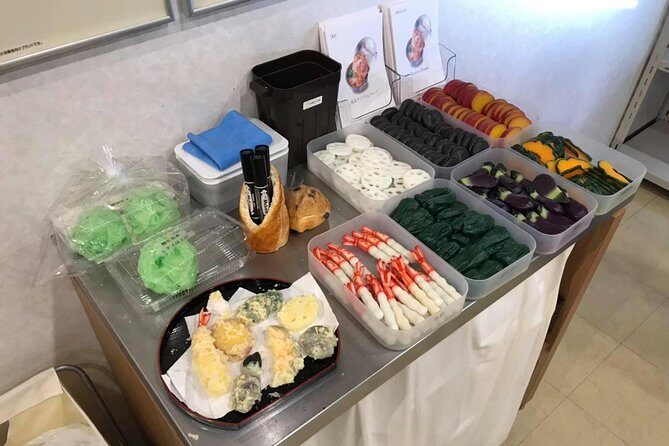
The day kicks off with a hands-on workshop where you’ll make your own Japanese sample food model. This experience is specifically built around making tempura sampuru, so you get a clear target instead of a vague craft demo.
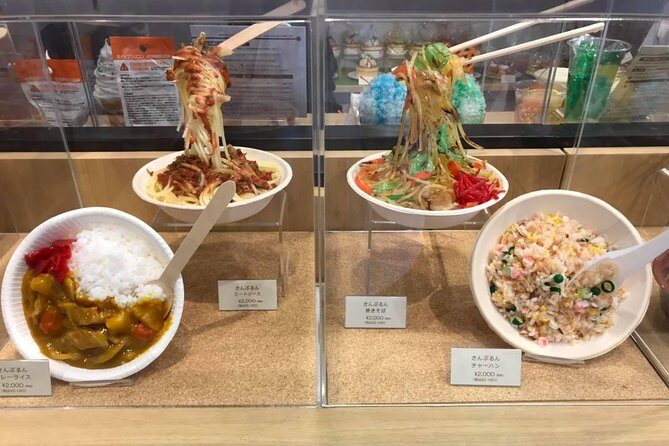
You’ll learn how sampuru displays are made and why they look so convincing. The tour also frames the craft as a long process. In Japan, these fake food models can take anywhere from a few hours to entire dishes that take up to a week, and artisans say it can take around 10 years to perfect the work. That’s why a display you thought was “just plastic” starts to feel like a real skill.
You’ll also have a take-home piece made in class. That matters because you can keep it as a souvenir that proves you did something hands-on, not just bought something in a shop.
Practical note: the workshop uses wax, and the tour recommends you avoid nail art or polish on your hands. Wax may remove some nail art or polish during the process. If you want clean looking nails for photos after, plan a quick nail wipe-down before the class or keep nails simple.
Kappabashi Street Stops: Kitchen Town Tools and Sample Food
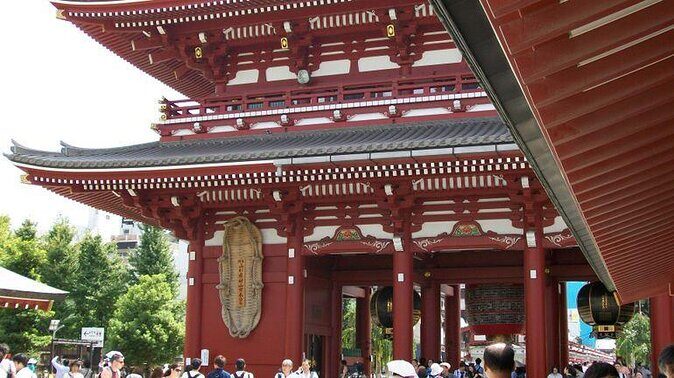
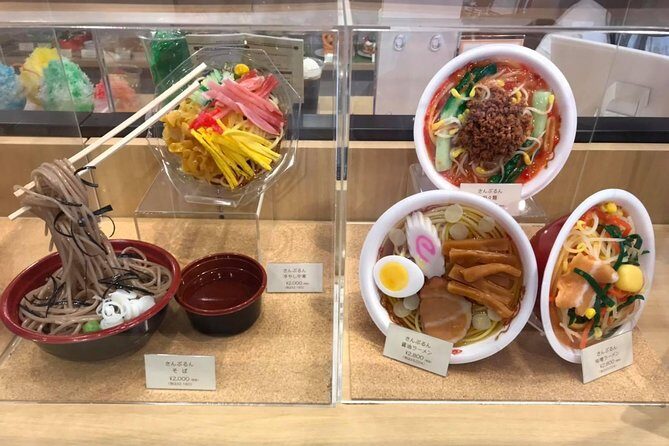
After the workshop, you head to Kappabashi Street, often called Kitchen Town. This is where Tokyo’s food display world becomes visible beyond your own hands-on model.
Kappabashi Street is famous for shops full of kitchen tools and sample food items. The walking part matters because you’re not just passing storefronts—you’re getting an explanation of the craft and its significance, then you’re seeing examples in the same neighborhood where those displays are bought and used.
This is also where you’ll start spotting details with fresh eyes. If you’ve ever seen those highly glossy fake dishes in restaurant windows and wondered why they look so real, this is the moment where it clicks. You’ll have the background to notice craftsmanship choices—shape, texture, and the kind of realism that makes people do the quick double-take.
The tour also includes photo opportunities, and this stretch is a smart place to use them. You’ll get pictures that connect your workshop work to the broader world of sampuru you’re seeing on the street.
If you’re traveling with kids, this section is often a win. It gives them something visual and interactive after the workshop. If you’re traveling solo or with foodie friends, it turns Kappabashi into more than shopping—it becomes an informal museum walk where your guide explains what you’re looking at.
Senso-ji Temple and Nakamise Dori: Asakusa’s Main Stage
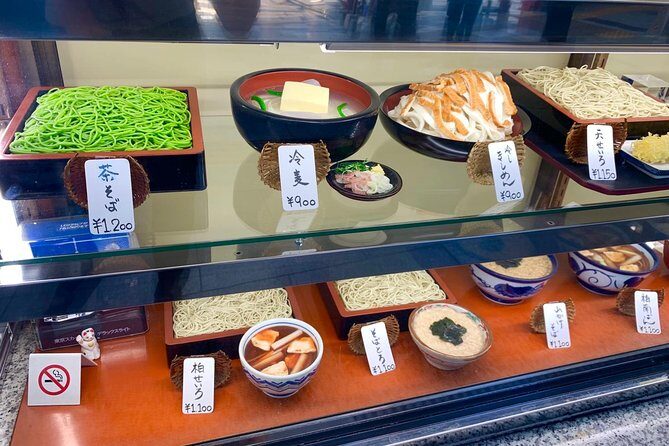
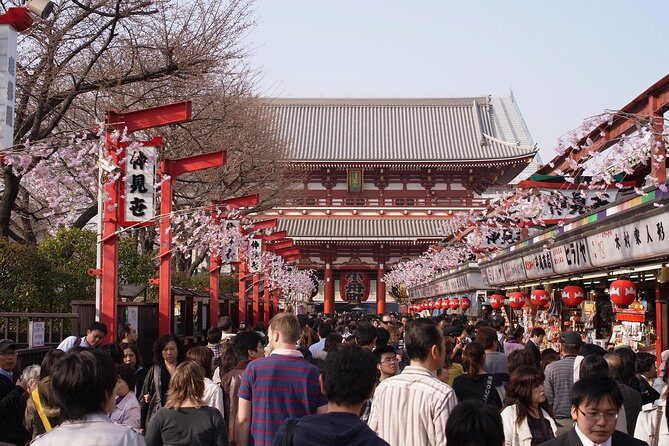
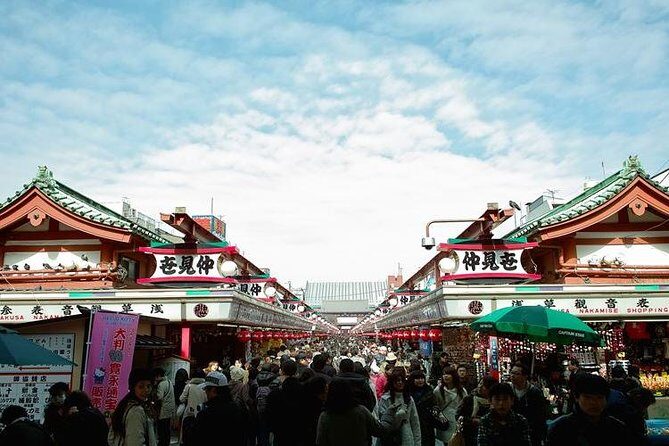
Then you move into the most iconic part of Asakusa: Senso-ji Temple and the shopping street that runs between the main gate and the main hall, Nakamise Dori.
Senso-ji is described as Tokyo’s most popular and oldest temple. That gives the stop extra weight—this isn’t a quick photo pull-and-go. The tour includes 30 minutes at the temple area, and admission is included.
You also get the classic temple-to-street rhythm: you see the temple approach, then you walk through the shopping corridor. Nakamise Dori is where the neighborhood energy becomes obvious—food smells, souvenirs, and people moving between the landmark and the street.
A useful way to think about this part: the sampuru story helps you understand the “food culture” thread in Japan, and then Asakusa shows you the public-facing side of tradition. The temple stop gives you the spiritual and historical reference point. The shopping street gives you the everyday texture.
One caution: Asakusa can get crowded, especially around temple areas. This tour is small-group guided, which helps you move with purpose and avoid feeling lost. Still, if you need extra space for strollers or wheelchairs, go slowly around the chokepoints and let your guide handle the pace.
Other plates worth crossing Tokyo for


The Guides and the Small-Group Advantage
This is an English-speaking guide tour, and it’s small—capped at 15. That size matters for two reasons.
First, you can ask questions without feeling like you’re shouting into a crowd. Second, your guide can keep the pacing realistic while still covering the workshop, the Kappabashi walking segment, and the Senso-ji area.
Two guide names came up in past experiences: Hitomi and Mami. The common theme in those comments is friendly, clear guidance plus useful detail about both the area and sample food making. One helpful example: Mami was described as kind and gave practical help like directing people to their next stop, including support with tax-free refund steps.
That kind of practical help is underrated. It’s not about changing your itinerary—it’s about saving time so you can keep exploring after the tour ends.
Also, the tour includes photo opportunities, which means the guide is actively helping you get pictures instead of just walking and hoping you catch the right moment.
Price and Value: What You’re Actually Paying For
The tour price is $172.66 per person for about 3 hours in Tokyo. That sounds specific because the structure is specific: you’re paying for a guided experience plus a hands-on class plus temple admission.
What’s included is not just talk time:
- English-speaking guide
- Sample food making workshop
- Take-home sampuru made in class
- Walking tour on Kappabashi Street
- Visit to Senso-ji Temple
- Admission ticket included
- Photo opportunities and craft/history insights
What isn’t included is also clear: meals, food, and drinks (so you’ll want to plan on eating before or after). The tour ends back at the meeting point, so you’re not committing yourself to another long segment.
Here’s the value logic I’d use: if you’re the type who enjoys activities where your hands make something, this is a more personal souvenir than buying a display model in a shop. You leave with an item you created, plus you learn why those models look the way they do.
If you prefer only passive sightseeing—temples, streets, photos, no workshops—then the value math might feel different. But if you like craft, food culture, or hands-on experiences, the price starts to feel reasonable for what you get.
Timing, Weather, and the One Nail Warning
This runs on Tuesdays, Thursdays, and Sundays from 10:00 AM to 12 PM (with some holiday exceptions). You meet at 9:45 AM, and the scheduled tour time is about 3 hours.
The tour operates in all weather conditions except typhoons or extreme situations, and they note the tour may change slightly to accommodate weather. That means you should dress like you’re going to walk and stand. Bring a light layer, and if rain is possible, plan for damp sidewalks and slick stone steps near busy areas.
The big hands-on detail is nail care. The tour recommends you do not have nail art or polish on your hands since wax can remove some of it. That’s not a small detail—it’s the one thing that can affect how you feel during the workshop.
If you’re traveling with kids, aim for comfort too. The workshop requires hand contact, so you’ll want short sleeves or something you can adjust easily. Strollers and wheelchairs are accessible, but you’ll still want to keep your group moving steadily around tight shop fronts.
Who This Tour Fits Best (and Who Might Skip It)
This experience is suitable for ages 7 and up, and children from 7 to 14 must be accompanied by a guardian age 20 or older.
You’ll likely love it if:
- you like food culture and Japan’s visual restaurant world
- you want a hands-on activity with a take-home result
- you’re traveling with kids who enjoy making something
- you want a focused intro to Asakusa beyond just walking randomly
You might want to skip or swap this for a temple-and-street-only tour if you:
- dislike workshops or crafts
- only want large, “big ticket” landmarks with minimal time in small lanes
- feel uncomfortable with a wax-based hands-on activity
There’s also an add-on option for extra Tokyo touring—4-hour or 6-hour add-ons are available at checkout, and an add-on lunch at an oldest tempura restaurant in Japan is listed as an option. Optional costs for additional activities aren’t included, so treat those as extras, not part of this 3-hour core experience.
Should You Book the Private Japanese Sample Food Making and Asakusa History Tour?
I’d book this if you want Asakusa with a brain and a hands-on souvenir. The mix of tempura sampuru making, Kappabashi Street walking, and the Senso-ji visit is a smart way to turn “fake food” into real understanding.
If your travel style is action-based—hands, learning, and then seeing what you learned in the streets—this tour fits cleanly. If you’re just chasing photos and don’t care about the craft, you might feel like the workshop is one more stop.
My practical rule: if you can picture yourself enjoying a short class where you leave with something you made, this is an easy yes. It’s a small-group, English-guided Tokyo afternoon with a souvenir that tells the story.
FAQ
How long is the Japanese Sample Food Making and Asakusa History Tour?
The tour lasts about 3 hours.
Where do we meet, and where does the tour end?
You meet at APA Hotel Asakusa Tawaramachi Station Mae, 1-chōme-2-3 Nishiasakusa, Taito City, Tokyo 111-0035, Japan. The tour ends back at the meeting point.
Is this tour suitable for kids?
Yes. It’s suitable for ages 7 and up. Children aged 7 to 14 must be accompanied by a guardian age 20 or older.
What’s included in the tour price?
Included items are an English-speaking guide, the hands-on sample food making workshop, a take-home sampuru made in class, walking tour of Kappabashi Street, a visit to Sensoji Temple, photo opportunities, and insight into the history and craft of sampuru food displays. Admission to Sensoji Temple is included.
Is admission to Sensoji Temple included?
Yes. The Senso-ji Temple stop includes an admission ticket.
Is the tour accessible for strollers and wheelchairs?
Yes. The tour notes that wheelchairs and strollers are accessible for participants, and it is capped at 15.
More Tours in Tokyo




More Tour Reviews in Tokyo




Around Senso-ji: More Asakusa Picks

Fresh reviews from around Tokyo






Asakusa Tours, compared.
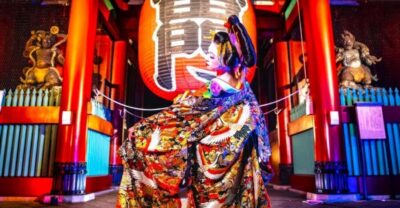 ★ 4.8Japanese Dance Cabaret Theater Asakusa-Kaguwa TicketFrom $492,270 reviews
 ★ 4.7Meiji Shrine, Asakusa, Skytree Bus Tour and CruiseFrom $1221,986 reviews
 ★ 4.8Asakusa Walking Tour with Sensoji Temple VisitFrom $221,583 reviews
 ★ 5.0Tokyo Asakusa Rickshaw TourFrom $421,375 reviews
 ★ 4.5Tokyo Panoramic 1 Day: Meiji Shrine, Asakusa, Odaiba and SKYTREE®From $851,222 reviews
 ★ 4.8Samurai Ninja Museum Asakusa: Samurai Sword Lesson & TourFrom $63306 reviews
Asakusa Sightseeing Tour by RickshawFrom $35195 reviews
Asakusa Kimono Dressing and Matcha ExperienceFrom $56173 reviews
★ 4.8Samurai Ninja Museum Asakusa: Samurai Sword Lesson & TourFrom $63306 reviews
Asakusa Sightseeing Tour by RickshawFrom $35195 reviews
Asakusa Kimono Dressing and Matcha ExperienceFrom $56173 reviews
Browse the lists this tour appears in