
Reviewed · COOKING CLASSES
Private Gluten-Free Japanese Cooking Class in Tokyo Japan
Tokyo has a lot of gluten traps.
This private gluten-free Japanese cooking class focuses on the real issue: Japanese food can look rice-and-fish simple, but common sauces and processed items often hide wheat. You’ll learn how to check ingredient labels for soy sauce, miso, and mirin, and you’ll cook classic dishes that can fit a gluten-free diet. The best part is that you don’t just memorize recipes—you learn the why behind the substitutions and prep choices, then taste what you made.
What I like most is that the class is built around full menus (not random snacks). You can pick a Basic-course, Tofu-course, or Sushi-course, and each one ends in a spread you’ll actually eat for lunch. My second favorite thing: you get recipes to take home, which makes it easier to cook safely later instead of starting over from scratch.
One consideration: Japanese gluten-free often comes down to the brand and ingredient list. Even with expert guidance, you’ll still want to be careful at home about what you buy, especially with seasonings and any fried or processed components.
In This Review
- Key points at a glance
- Gluten-free Japanese food: where the risk really hides
- Choosing between the Basic, Tofu, and Sushi courses
- Basic-course: the classic variety meal
- Tofu-course: comfort food with a gluten-free backbone
- Sushi-course: temari and oshi sushi for a hands-on finish
- Ingredient label checks you’ll actually use later
- What happens during the 3 hours (and why the flow matters)
- Seasonal sweets: optional, small, and very Japanese
- Price and value: $84.54 can make sense fast
- Getting to Meidaimae Station without losing time
- Instructor experience: Morimi’s Home Kitchen approach
- Who should book this class (and who might want alternatives)
- Should you book this private gluten-free Japanese cooking class?
- FAQ
- FAQ
- What is the duration of the gluten-free Japanese cooking class in Tokyo?
- How much does the class cost per person?
- Where do we meet for the class?
- Is pickup available?
- What’s included in the price?
- What are the course options?
- Are seasonal Japanese sweets included?
Key points at a glance
- Three course styles let you choose rice balls and mains, tofu-focused dishes, or sushi variety
- Label-check training for gluten risk items like soy sauce, miso, mirin, and wheat-based seasonings
- Hands-on cooking plus tasting gives you real practice in both prep and plating
- Lunch included with a lot of food, not just a small demo
- Seasonal gluten-free sweets can be added based on the time of year
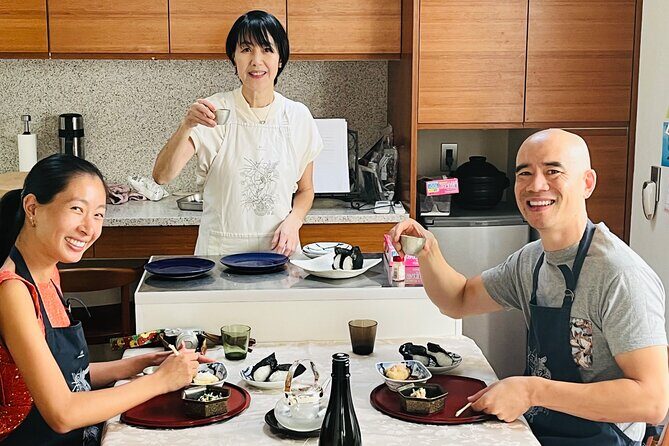
- Morimi’s Home Kitchen runs a private class, so your group gets attention
More private options with your own guide
- Tokyo 6hr Private Tour with Government-Licensed Guide★ 5.0 · 3,902 reviews
- Private Tour to Mt. Fuji and Hakone (Fully Licenced Operator)★ 5.0 · 1,910 reviews
- Tokyo Customized Private Tour (Must See Places in 1 Day)★ 5.0 · 1,499 reviews
Gluten-free Japanese food: where the risk really hides
Japanese cuisine is often a smart match for gluten-free eating—lots of meals are built on rice, fish, vegetables, tofu, and seaweed. The catch is that the flavor base frequently comes from seasonings and processed items that may contain wheat-derived ingredients.
In this class, you get practical guidance on how to spot trouble before you start cooking. You’ll learn how to look at ingredient labels with a gluten-free lens, rather than assuming that Japanese equals gluten-free. That mindset is the difference between feeling safe and just hoping.
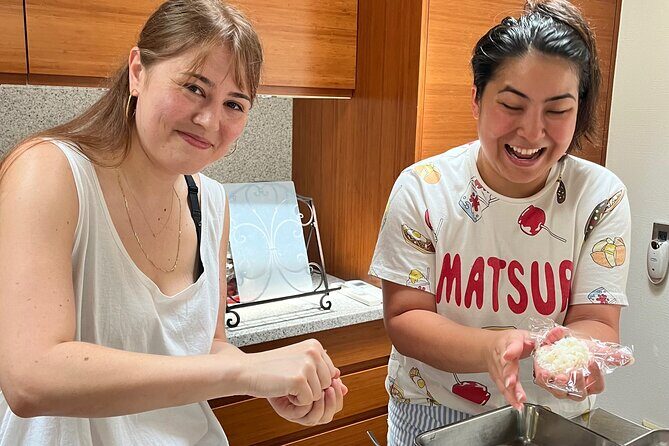
It also helps that the cooking plan is structured around dishes that naturally support gluten-free adjustments. For example, you’ll still get onigiri (rice balls), miso soup, tofu dishes, and sushi styles—but the class teaches you how to keep the ingredients in bounds.
Choosing between the Basic, Tofu, and Sushi courses
You’re offered three separate menu tracks, each designed around a gluten-free Japanese meal structure. You’ll cook and taste what your course includes, and you’ll learn techniques you can reuse.
Basic-course: the classic variety meal
The Basic-course leans into a well-rounded Japanese plate. You’ll make and eat:
- Onigiri (2 rice balls)
- Chicken karaage (Japanese fried chicken)
- Dashimaki tamago (Japanese rolled omelet)
- Shiraae (tofu and vegetable salad)
- Kinpira (stir-fried potatoes and carrots)
- Miso-soup
This course is a great fit if you want a broad introduction. You get rice, a savory fried main, a springy egg dish, tofu salad, and vegetable sides. You’ll also see how the same flavor style—savory, umami, balanced—works across different ingredient types.
A small practical consideration: karaage is fried food. The class is gluten-aware, but at home you’ll need to replicate the exact gluten-free approach used in class (especially for coatings and any packaged items).
Tofu-course: comfort food with a gluten-free backbone
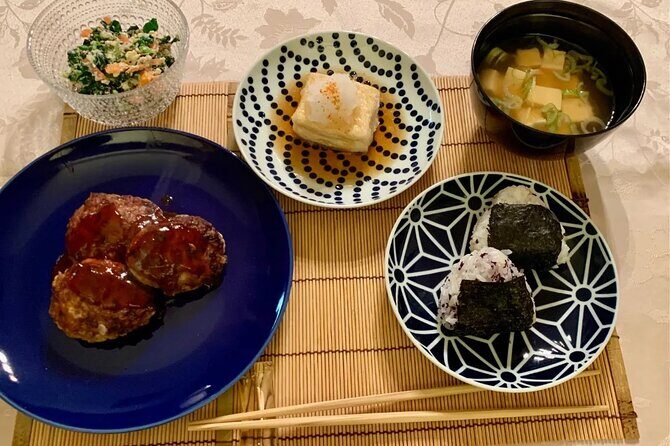
If you want a softer, more tofu-forward meal, the Tofu-course is the one. You’ll make and eat:
- Onigiri (2 rice balls)
- Tofu hamburger steak
- Shiraae (tofu and vegetable salad)
- Agedashi tofu (deep-fried tofu in broth)
- Tofu miso soup or clear soup
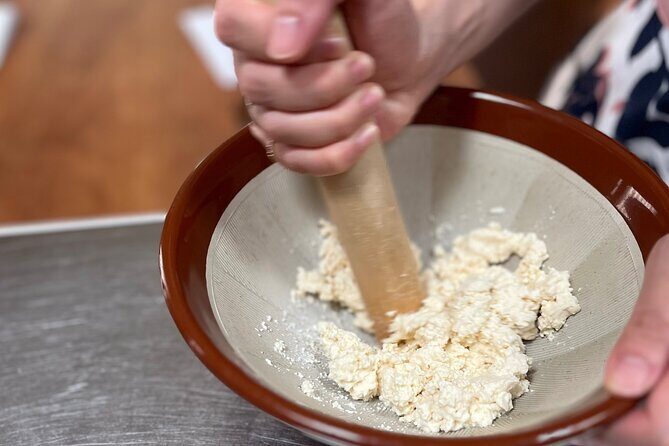
- Oboro-tofu (freshly made soft tofu)
This menu is quietly brilliant for gluten-free cooks because tofu can take on multiple textures: you’ll go from tender to crisp to spoonable. You’ll also get both a soup and a salad-like component, so the meal feels complete without needing wheat-based add-ins.
Again, agedashi tofu involves deep-frying. The class approach is tailored for gluten-free cooking, but it’s a reminder that fried dishes still need careful ingredient choices—not just a gluten-free label at the top of the recipe.
More aprons-on time in Tokyo kitchens

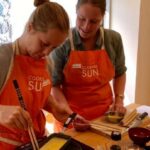
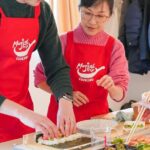
Sushi-course: temari and oshi sushi for a hands-on finish
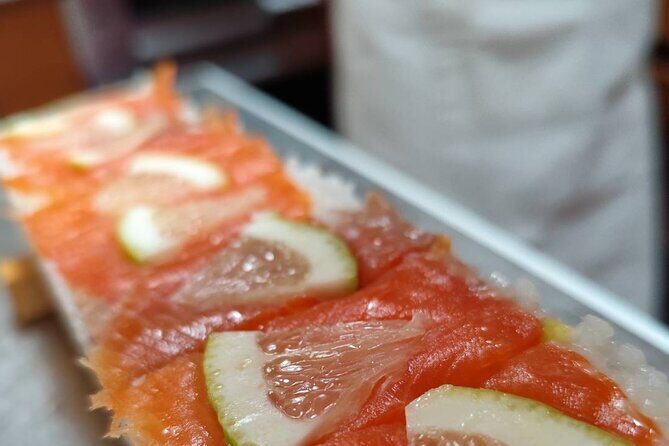
The Sushi-course gives you a satisfying sushi lesson without forcing you into the tricky world of store-bought gluten-containing fillers. You’ll make:
- 6 pieces of temari-ball sushi
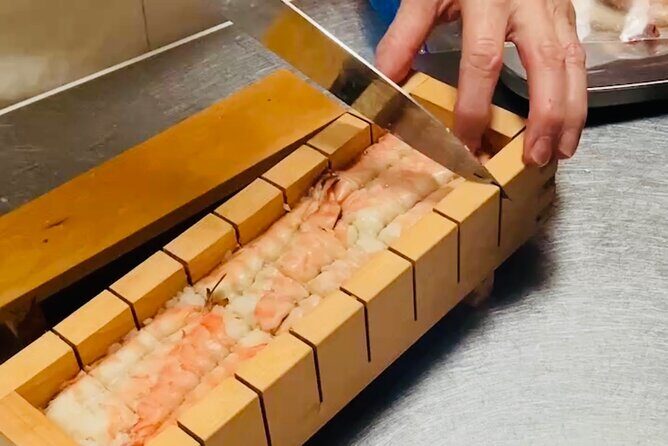
- Oshi (pressed)-sushi
- Tofu miso soup or clear soup
This is ideal if you want a centerpiece that feels special at the table. Temari is the round, bite-sized style, and oshi is pressed sushi—different techniques, different textures, both very doable once you’ve practiced the steps in class.
If you’re new to sushi at home, this course is especially useful because you’ll learn form and assembly, not just flavor ideas.
Ingredient label checks you’ll actually use later
Here’s the part that makes the class worth more than a simple cooking demo: you’ll learn how to check ingredients. The instructor covers why certain Japanese staples can be a problem even when the dish looks gluten-free.
Common gluten risk items you’ll want to know about include:
- Seasonings such as soy sauce, miso, and mirin
- Coatings and fried elements (think tempura and other fried foods)
- Processed items such as fish cakes and noodles
You don’t just hear the warnings—you learn how to translate them into action. That means you can walk into a shop later and decide what’s usable, what needs a different brand, and what should be avoided for your level of gluten sensitivity.
This kind of training is the real “take-home” value. Recipes matter, but safe decisions at the grocery store matter more.
What happens during the 3 hours (and why the flow matters)
The class runs about 3 hours, starting at 11:00 am. It’s a private experience, so only your group participates. If you’re a family with celiac needs (or you’re cooking with a friend who has a gluten allergy), that privacy matters because you can ask direct questions without feeling rushed.
Cooking classes can sometimes feel like chaos in a small kitchen. What I like here is that the menu design creates a logical rhythm:
- Rice-based starters early (onigiri is the anchor in the first two courses, and sushi builds around rice for the last)
- Then a main dish or tofu-based feature
- Then sides and soup to round out flavor and balance
- Finally, tasting together so you can connect the ingredients to the final result
Lunch is included. That’s not just a perk—it affects how you plan your day. You’re not paying to sit through food you won’t eat. You leave with the satisfying feeling of having made a full meal, not just sampled a few bites.
Also, the class uses a mobile ticket, and pickup is offered. For Tokyo, where transit is great but timing can get tricky, those details help.
Seasonal sweets: optional, small, and very Japanese
You can add optional Japanese sweets, and the choices are tied to the season:
- Spring: strawberry daifuku (mochi with sweet red bean paste and strawberry)
- Summer: chilled sweet red bean soup with shiratama dumplings
- Autumn: chestnut yokan (sweet bean jelly)
- Winter: shiratama zenzai (sweet red bean soup with rice flour dumplings)
This is a nice way to round out the experience. Daifuku and yokan are familiar to many people, but the key for gluten-free cooks is that you’re learning how these desserts are built in a way that fits the class’s overall gluten-free approach.
Even if you skip sweets, you’ll still learn useful dessert-adjacent ideas like how mochi-style textures come from specific ingredients (rather than wheat-based shortcuts).
Price and value: $84.54 can make sense fast
At $84.54 per person, this isn’t the cheapest activity in Tokyo. But it’s positioned more like a skill-building meal than a simple attraction.
Here’s why the price can feel fair:
- You get a private class for your group
- The session runs about 3 hours
- Lunch is included
- You learn multiple dishes (not just one recipe)
- You receive recipes to recreate at home later
In practice, that “recipes included” piece is where value shows up. A lot of cooking classes end with a great meal and then you forget half of it. Having recipes gives you a starting point, and the label-check mindset helps you avoid repeating mistakes with gluten.
If you’re traveling with celiac needs or a real gluten allergy, this also becomes cost-effective compared to constantly eating at places you don’t fully trust. A reliable plan—especially one taught by someone who’s comfortable with gluten-free constraints—can save both stress and money.
Getting to Meidaimae Station without losing time
The meeting point is near Meidaimae Station, and the address listed is 2 Chome-45 Matsubara, Setagaya City, Tokyo 156-0043, Japan. The activity ends back at the meeting point.
In Tokyo terms, that’s a solid setup. You’re near public transportation, and pickup is available. If you hate doing last-mile navigation right before lunch, consider using the offered pickup option.
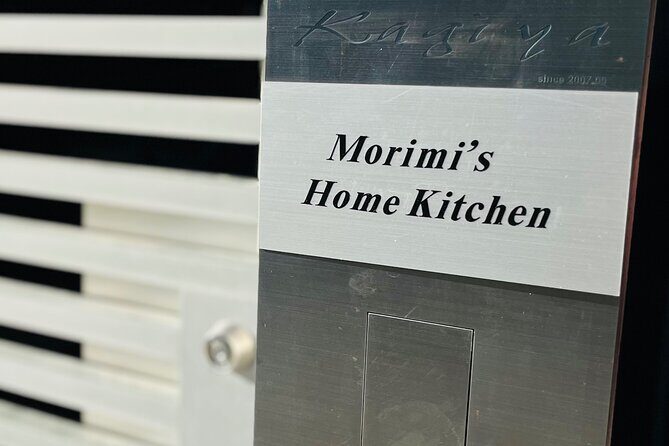
Also note: this is a home-kitchen style class (Morimi’s Home Kitchen). That usually means a quieter setting than a big public venue, which can be a win when you have dietary restrictions and want focused attention.
Instructor experience: Morimi’s Home Kitchen approach
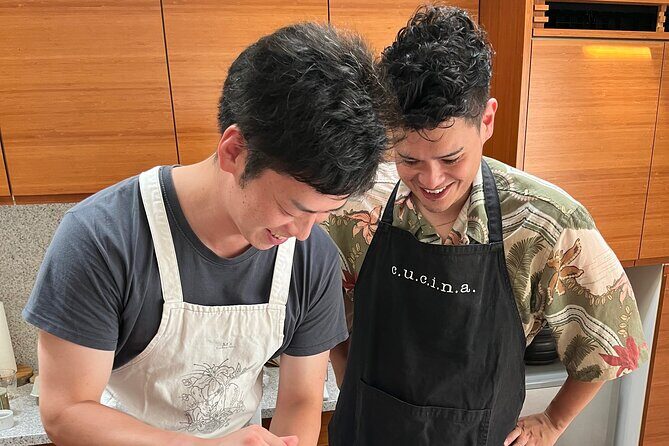
The instructor is Morimi-san. From the way the class is described and the way her approach comes through in feedback, you can expect a warm, organized experience with clear English support. She’s said to have very good English, and she still tries to make sure communication is comfortable.
Most important for gluten-free cooking: she teaches you how to think like a label checker. That gives you confidence during the class and afterward.
And yes, the food is described as coming in generous portions. For a cooking class, that matters. You want enough to feel satisfied, not finishing class still hungry.
Who should book this class (and who might want alternatives)
This class is a strong match if:
- You need gluten-free Japanese options that go beyond guesswork
- You want hands-on practice with real Japanese dishes
- You’re cooking with family or friends and need dietary accommodations
- You want recipes you can reuse at home
It might be less ideal if:
- You only want a quick tasting with minimal cooking (this is hands-on)
- You’re not interested in label checking and want a purely recipe-following experience
If you’re the type who likes practical travel skills—how to read labels, how to adapt sauces and fried foods, how to build a balanced meal—this will feel like a win.
Should you book this private gluten-free Japanese cooking class?
If gluten-free eating is stressful for you in Japan, I think this is worth serious consideration. It’s private, it’s built around full dishes (not tiny samples), and it teaches the exact thinking you need: label checks for common risk ingredients like soy sauce, miso, and mirin.
I’d book it if you want a confident path from grocery shopping to a finished meal, plus recipes for later. Skip it only if you’re looking for a casual, no-structure food crawl. This is structured cooking that leaves you with skills you can use at home—and in Tokyo, that’s the best kind of souvenir.
FAQ
FAQ
What is the duration of the gluten-free Japanese cooking class in Tokyo?
It runs for about 3 hours.
How much does the class cost per person?
The price is $84.54 per person.
Where do we meet for the class?
You meet at Meidaimae Station area, with the address listed as 2 Chome-45 Matsubara, Setagaya City, Tokyo 156-0043, Japan.
Is pickup available?
Pickup is offered, and the activity also lists that it’s near public transportation.
What’s included in the price?
Lunch is included.
What are the course options?
You can choose one of three gluten-free courses: Basic-course, Tofu-course, or Sushi-course.
Are seasonal Japanese sweets included?
Optional Japanese sweets are available, and the options vary by season (strawberry daifuku, chilled sweet red bean soup with shiratama, chestnut yokan, or shiratama zenzai).
Learn Another Dish: Tokyo Cooking Classes
Just Your Group: Private Options



More Tour Reviews in Tokyo






Fresh reviews from around Tokyo






Cooking Classes, compared.
 ★ 5.0Ramen & Gyoza Cooking Class in Tokyo with Local Supermarket VisitFrom $122823 reviews
 ★ 4.6Easy Ramen Cooking Experience in Kabukicho, ShinjukuFrom $29321 reviews
 ★ 5.0Ramen and Sushi Cooking Class with Sake Pairing Set in TokyoFrom $79291 reviews
 ★ 4.9Wagyu and 7 Japanese Dishes Cooking ClassFrom $67273 reviews
 ★ 5.0Tokyo Washoku 4-hour Cooking Class: From Market to TableFrom $79253 reviews
 ★ 5.0Small-Group Wagyu Beef and 7 Japanese Dishes Tokyo Cooking ClassFrom $72190 reviews
 ★ 5.0Private Home Cooking in Yanaka – Local Flavors in a Warm SettingFrom $122173 reviews
 ★ 5.0Tokyo Sushi Making Experience & Japanese Cooking ClassFrom $59150 reviews
Browse the lists this tour appears in