
Reviewed · WALKING TOURS
Private Customizable Walking Tour of Tokyo
Tokyo in one day, without the herd.
This private, customizable walking tour is built for flexibility: you choose a half-day or full-day plan, set your start time, and your guide shapes the route around what you actually care about. I like the hotel pickup and drop-off approach because it turns your first hours in Tokyo into a smooth, low-stress start, not a subway guessing game.
Two more big wins: your guide helps with logistics (including a travel pass for the day), and you’re not stuck inside a fixed group itinerary. One thing to think about: it’s a walking tour even with pickup, and the subway rides are not included—plus the top-ticket views (like Skytree, Tokyo Tower, or Shibuya Sky) cost extra if you add them.
In This Review
- Key Things I’d Plan Around
- Why This Private Walking Tour Works in Tokyo
- Price and Value: What You’re Really Paying For
- Starting Point, Pace, and the Subway Reality
- Shibuya Crossing and Hachikō: Modern Tokyo in 30 Minutes
- Harajuku Backstreets and Meiji Shrine Forest Breathing Space
- Shinjuku Neon and the 45th-Floor View
- Asakusa and Senso-ji: Where Old Tokyo Feels Real
- Akihabara: Anime, Manga, Electronics, and Loud Fun
- Marunouchi, Tokyo Station Area, and Imperial Views
- Imperial Palace East Gardens and Edo Castle Ruins
- Nihonbashi to Tsukiji: Trade History and Market Energy
- Yanaka: Old-Style Streets, Temples, and Tea Ceremony Time
- Optional Big Views: Skytree, Tokyo Tower, or Shibuya Sky
- Extras You Might Want to Ask Your Guide About
- What This Tour Is Best At (and Who It Suits)
- Should You Book This Private Customizable Walking Tour?
- FAQ
- How long is the private customizable walking tour in Tokyo?
- Is this tour private?
- Do you get hotel pickup and drop-off?
- Are subway or train costs included?
- Does the guide help with the travel pass?
- Are tickets for observation decks included?
- Is food included?
- Is it really a walking tour?
- Are kids allowed, and do they pay?
Key Things I’d Plan Around
- Private means your pace, your priorities: you can linger or speed up without asking permission.
- Subway savvy with a day pass plan: your guide can help you buy the right transit option.
- You can mix old Tokyo and new Tokyo: from Meiji Jingu and Senso-ji to Shibuya crossing and Akihabara.
- Optional observation decks: save money by picking only one big skyline stop.
- Family-friendly energy: children age 11 and under are free, if you bring them along.
- Weather matters: the tour notes good-weather expectations.
Tokyo at walking pace, a few more ways
- Tokyo Tsukiji Fish Market Food and Culture Walking Tour★ 5.0 · 3,184 reviews
- Tokyo: Shinjuku Local Bar and Izakaya Guided Walking Tour★ 4.9 · 1,794 reviews
- Tokyo: Tsukiji Fish Market Food and Walking tour★ 5.0 · 1,724 reviews
Why This Private Walking Tour Works in Tokyo
Tokyo can feel like two cities at once: calm shrines and chaos intersections, quiet backstreets and neon everywhere. This tour’s strength is that it lets you choose which Tokyo you want more of, without forcing you into a cookie-cutter route.
The “private + customizable” setup matters because Tokyo is busy at the times that matter for photos, temple visits, and market wandering. When you’re not tied to a group schedule, you can time your walking around your own comfort level—especially on days when you’re jet-lagged, traveling with kids, or just want slower, more human pacing.
Also, the tour includes hotel meet-up and drop-off. That doesn’t mean you’re riding around in a van like a city bus day. It means you’re starting and ending cleanly, then moving on foot and by subway. That combo saves effort, and it helps you spend your energy on the places you came for.
Price and Value: What You’re Really Paying For
The price is $202.18 per person, with tours lasting about 4 to 8 hours. That looks pricey on paper until you match it to what’s included: a professional guide, and hotel pickup/drop-off. The big value is the guide time—about a half-day or full-day—used to build a route around your interests.
What’s not included is equally important: public transportation costs (subway) are excluded, food and drinks aren’t included, and some observation deck tickets are extra. So the smart way to think about this tour is as a guided “Tokyo plan” plus access to key neighborhoods, not as an all-in ticket package.
If you’re deciding between a group tour and this one, this option tends to win if:
- you want multiple Tokyo “moods” in one day (old + modern),
- you care about route flexibility,
- you value not figuring out train lines while you’re still adjusting to Tokyo.
Starting Point, Pace, and the Subway Reality
Here’s the practical truth: you’ll walk. The listing is clear that pickup doesn’t remove the walking part; travel is done via subway. That’s normal for Tokyo, but it changes how you should pack.
Bring comfortable shoes, a light layer (Tokyo weather can swing), and a plan for hydration. Your guide can help you navigate the transit system and can support you with purchasing a travel pass for the day. That’s a big deal. A single wrong fare or wrong station exit can eat up the time you’d rather spend at Senso-ji or wandering Tsukiji’s outer market.
Your tour length is flexible—half-day or full-day—so you can also choose how ambitious you want to be. Trying to “collect” every stop can turn into a sprint. With a private guide, you can steer toward the top 4–7 stops that match your interests and skip the rest.
Shibuya Crossing and Hachikō: Modern Tokyo in 30 Minutes
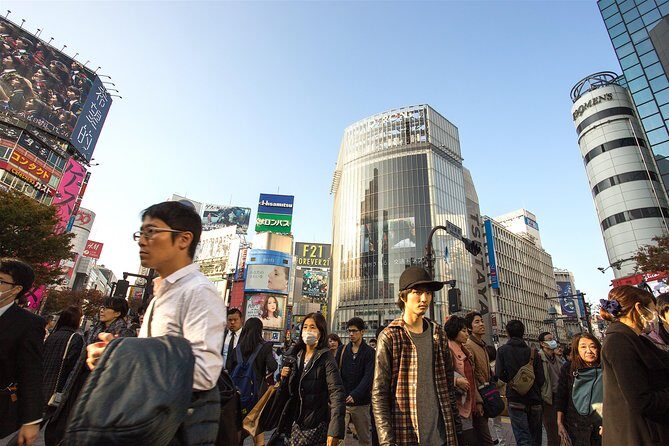
Most first-time Tokyo days start with Shibuya for a reason. It’s loud, visual, and instantly recognizable. You’ll head into the area tied to modern fashion and youth culture, then make your way across Shibuya Crossing, widely famous as one of the world’s busiest pedestrian crossings.
You’ll also see the bronze statue of Hachikō. This is one of those Tokyo moments where the city’s everyday life overlaps with a story people still care about.
How to enjoy this stop more: wear shoes you can stand in comfortably, and don’t rush your crossing photos. The best shots often come from watching people flow, not from sprinting into a single perfect frame.
Watch-outs: Shibuya can be crowded. If you’re sensitive to noise, plan a little extra time and let the guide decide the best rhythm for entering and exiting.
More private options with your own guide


Harajuku Backstreets and Meiji Shrine Forest Breathing Space
From Shibuya, you shift into Harajuku Street near Meiji Shrine. Harajuku is a youth fashion center, but the best part is the side streets: street art, quirky youth fashion, and lots of people-watching energy.
Then comes a mood reset: Meiji Jingu Shrine. You enter a massive forest-like space (listed as 700,000 m²), which changes the sound level immediately. The guide explains Shintoism and the significance of the shrine. Even if you don’t go deep into religion, the experience is still about slowing down and seeing how Tokyo makes room for quiet.
Why this pairing is smart: Harajuku gives you the modern edge. Meiji Jingu gives you a breath of space. Together, they show Tokyo’s contrast without feeling like whiplash.
Possible drawback: if you’re short on time, you may want to shorten Harajuku so the shrine visit feels calm rather than hurried.
Shinjuku Neon and the 45th-Floor View
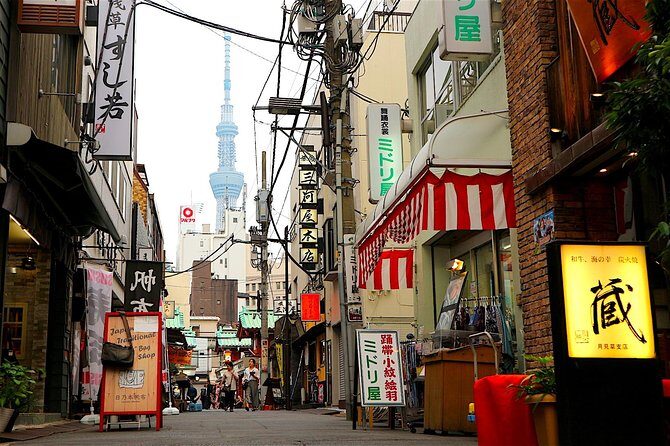
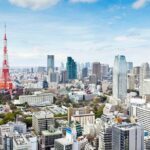
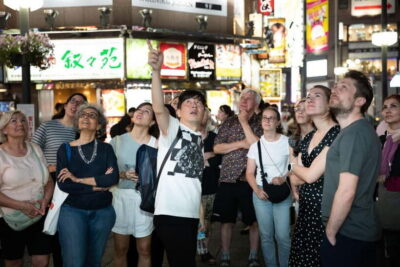
Shinjuku is where Tokyo’s entertainment district energy peaks: tall buildings, neon, and constant motion. The highlight here is a view from an observatory on the 45th floor of the Tokyo Metropolitan Government Building, which is listed as free admission.
This is a classic “Tokyo orientation” move. From up there, Tokyo stops looking like a random set of neighborhoods and starts looking like a navigable map. That matters later when you try to understand how areas connect.
Tip: if your legs are feeling it, Shinjuku is a good place to build in rest. The view helps justify the walking, even if you’re not shopping or club-hopping.
Asakusa and Senso-ji: Where Old Tokyo Feels Real
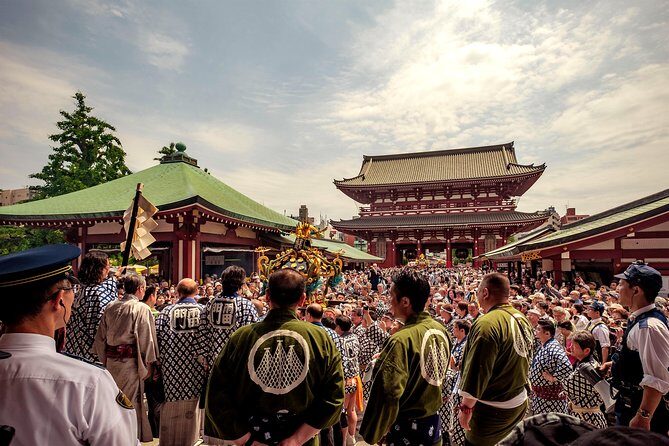
Next up is Asakusa, the historic center of Tokyo with traditional craft shops and the approach to Senso-ji. The area is known for Nakamise Shopping Street, a short stretch (listed as 250 meters) packed with stalls leading toward the temple.
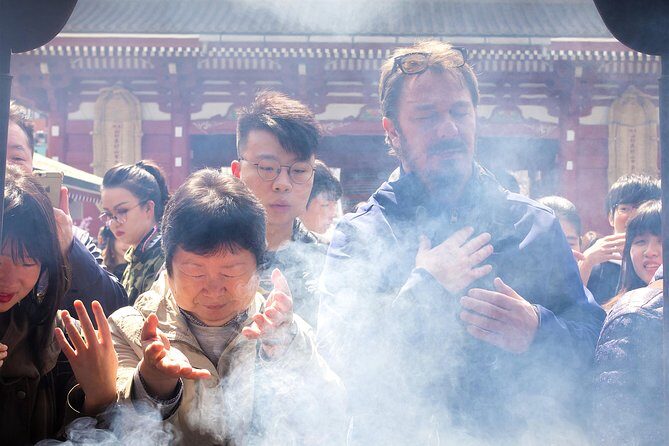
Senso-ji is Tokyo’s oldest temple, dating back to 628, and it’s central to Buddhist practice. If you like cultural basics—how people actually worship, what the spaces look like, how the city’s heritage shows up in everyday movement—this stop delivers.
What makes it special: the sensory mix. You get temple ritual, souvenir browsing, and the feeling that this area has been doing the same welcoming for generations.
Trade-off: it can also be busy. Go in with flexible expectations. Your guide can help you manage timing so you’re not stuck in the thickest crowd moments.
Akihabara: Anime, Manga, Electronics, and Loud Fun
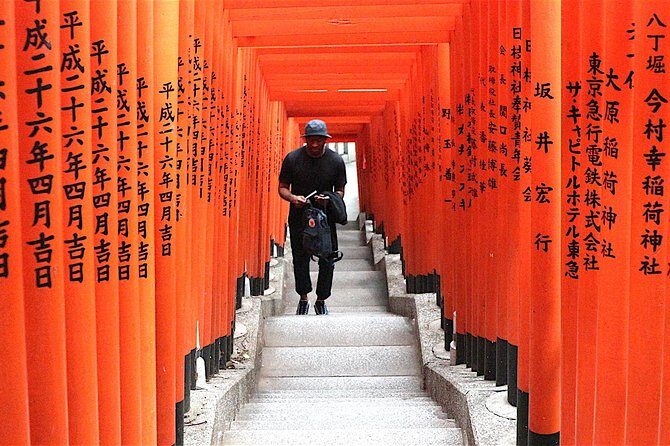
Akihabara is Tokyo’s electronics and pop-culture hub. You’ll stroll around areas known for anime, manga, video games, and gadgets. It’s sensory overload in the best way—bright storefronts, deep fandom culture, and lots to look at even if you’re not buying anything.
Why it’s worth a stop: it’s not just shopping. It’s a snapshot of modern Japanese creativity and the way technology and entertainment overlap.
Drawback to plan for: this stop can tempt you into longer detours. If you want to protect time for the Imperial Palace area or Tsukiji, tell your guide up front that Akihabara is a set amount of time.
Marunouchi, Tokyo Station Area, and Imperial Views
Marunouchi is the sleek business district around the Imperial Palace area. It’s a nice contrast after Asakusa and Akihabara—cleaner lines, impressive architecture, and plenty of great photo angles.
The tour also mentions key sights nearby, including Tokyo International Forum and Tokyo Station. It’s a good area to reset your eyes and appreciate how Tokyo builds modern infrastructure right next to traditional symbolism.
If you’re the type who likes architecture and structure, you’ll probably enjoy this segment more than you expect. If you don’t care about office towers, you can treat it as a quick transition zone—still worth the views, but you can keep your time efficient.
Imperial Palace East Gardens and Edo Castle Ruins
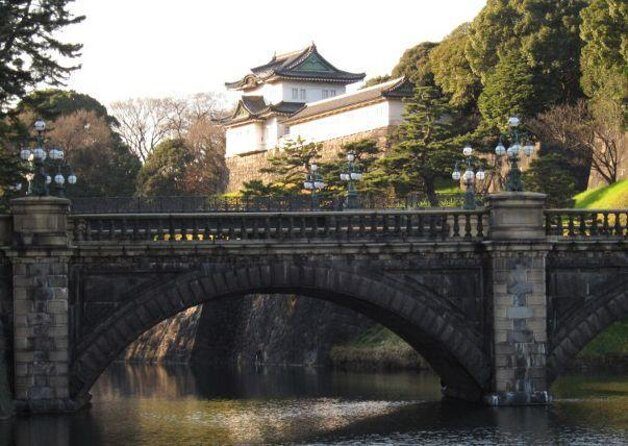
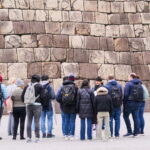
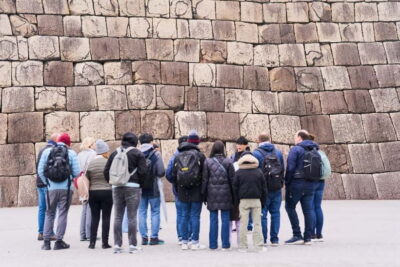
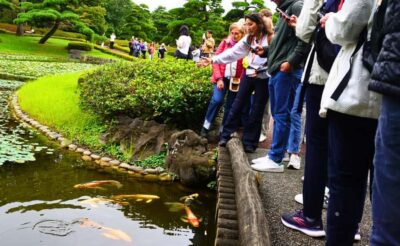
The East Gardens area brings you closer to remnants of Edo Castle, including moat walls. You’ll see parts of the Imperial Palace East Garden area and get context for how older Tokyo’s layout shaped today’s city.
This is where the tour’s guiding strength really shows. Without a guide, you can wander and miss the meaning of what you’re seeing. With one, you get a clearer picture of why the geography matters—where power sat, where boundaries formed, and how Tokyo evolved.
Practical note: it’s a lot of walking in a structured environment. Wear shoes that won’t punish you.
Nihonbashi to Tsukiji: Trade History and Market Energy
Nihonbashi is described as the original center of trade and commerce from the Edo period (1603 to 1868). It’s also a place with traditional food and craft shops, which makes it more than just a history stop. You can taste the idea of Japan’s food culture taking form over time.
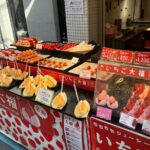
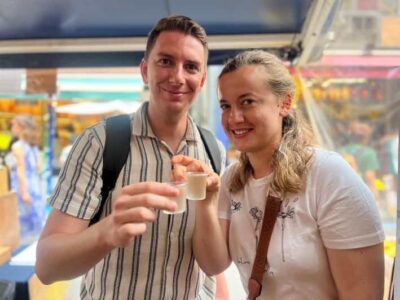
Then comes Tsukiji Fish Market’s outer market area. Even though the auction has moved to Toyosu, the outer market remains. That means you can still eat and shop around the fish-market vibe, and you can still feel how important seafood is to Tokyo’s daily life.
Best way to enjoy Tsukiji: treat it as wandering + sampling, not as a strict timeline. Your guide can steer you toward areas that fit your appetite and help keep you moving without losing the fun.
Possible drawback: market areas are crowded and can get chaotic quickly. If you don’t like tight spaces, tell your guide early and keep your route flexible.
Yanaka: Old-Style Streets, Temples, and Tea Ceremony Time
Yanaka is the slower, more nostalgic side of Tokyo. It’s known for temples, sweets, and a traditional tea house where you can experience a tea ceremony. The stop also includes time around the cemetery area to learn about Japanese traditions.
This is a great penultimate stop because it cools your day down. After neon and markets, Yanaka feels like walking through a chapter of old neighborhood life.
Why it works late in the day: it’s less about rushing to sights and more about noticing details—small streets, everyday rituals, and the kind of place you remember long after the photos.
Optional Big Views: Skytree, Tokyo Tower, or Shibuya Sky
The tour includes optional add-ons for major observation decks:
- Tokyo Skytree (tickets not included)
- Tokyo Tower (tickets not included)
- Shibuya Sky (tickets not included)
These are the money stops—again, not included in the base tour. But they can be worth it because you’re buying something very specific: height, scale, and that last “I finally get Tokyo” perspective.
How to choose one: if you only want one skyline view, pick based on your route. If you want the iconic Shibuya area look, Shibuya Sky is the natural pick. If you want the tallest tower experience, Skytree makes sense. If you want the classic symbol of post-war Japan, Tokyo Tower fits.
Practical tip: observation decks cost time. Decide early whether you want the ticket added before the day gets packed.
Extras You Might Want to Ask Your Guide About
The tour is designed to be customizable, and your guide can adjust the day to your interests. Based on the style of past experiences, it’s smart to ask about any add-ons that fit your pacing—especially if you want a break from walking.
For example, some guidance has included additional experiences like a boat ride and tea service when the schedule allowed. If those sound fun to you, ask your guide whether it can work with your route and the time you’re choosing.
What This Tour Is Best At (and Who It Suits)
This tour is especially good for:
- first-time visitors who want quick city orientation without stress,
- couples who want a plan that feels tailored, not scripted,
- families who need a guide to keep kids engaged and moving at the right pace,
- people who hate crowd herding but still want to see the big names.
If you’re the kind of traveler who plans every minute alone and doesn’t want any guidance, this may feel like you’re paying for someone to manage logistics you could handle. But if you want help turning Tokyo into a coherent day, that guide time is the point.
Should You Book This Private Customizable Walking Tour?
Yes—if you want Tokyo without the fixed-route trap. The private format, hotel pickup/drop-off, and guide support for subway and daily logistics make this a strong value for the hours you buy.
Book it if your goal is to hit major neighborhoods like Shibuya, Meiji Jingu, Asakusa, Akihabara, and the Imperial Palace area, while still having room to adjust. Pick one big observation deck add-on if you care about skyline views, and keep the rest flexible.
Skip it (or shorten the plan) if you dislike walking, you want a totally ticketed attraction day with no extra costs, or you’re traveling on days where weather could derail outdoor segments. Tokyo is gorgeous, but this experience needs decent conditions to feel comfortable.
FAQ
How long is the private customizable walking tour in Tokyo?
It runs about 4 to 8 hours, and you can choose a full-day or half-day option.
Is this tour private?
Yes. It’s a private tour/activity, so only your group participates.
Do you get hotel pickup and drop-off?
Yes. The guide comes to your hotel for convenience and there is hotel drop-off included.
Are subway or train costs included?
No. Public transportation (subway) costs are excluded, and you’ll need to purchase a travel pass.
Does the guide help with the travel pass?
Yes. The guide can help you purchase a travel pass for the day.
Are tickets for observation decks included?
Tickets for Tokyo Skytree, Tokyo Tower, and Shibuya Sky are not included, but they can be added on.
Is food included?
No. Food and drinks are not included.
Is it really a walking tour?
Yes. Even with hotel pickup, it’s still a walking tour. You’ll travel by subway between areas.
Are kids allowed, and do they pay?
Children aged 11 years and under are free of charge if you tell the provider they are coming.
Tokyo on Foot: More Walks


More Tours in Tokyo




More Tour Reviews in Tokyo




Fresh reviews from around Tokyo






Walking Tours, compared.
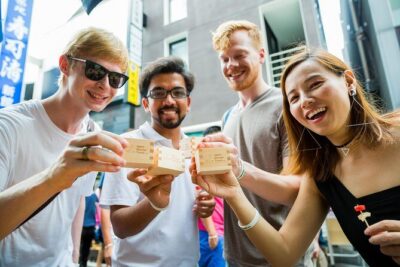 ★ 5.0Tokyo Tsukiji Fish Market Food and Culture Walking TourFrom $993,184 reviews
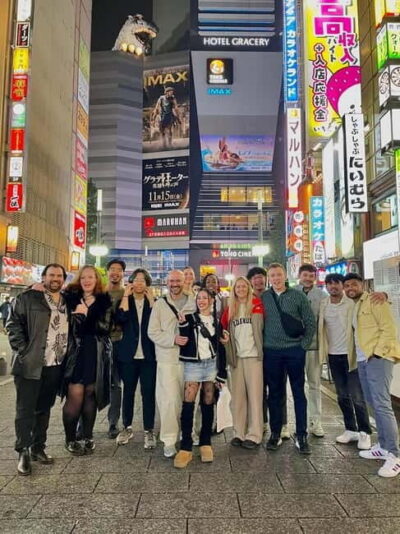 ★ 4.9Shinjuku Local Bar and Izakaya Guided Walking TourFrom $341,794 reviews
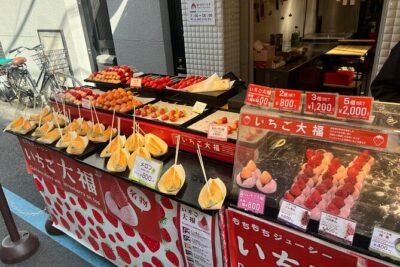 ★ 5.0Tsukiji Fish Market Food and Walking tourFrom $301,724 reviews
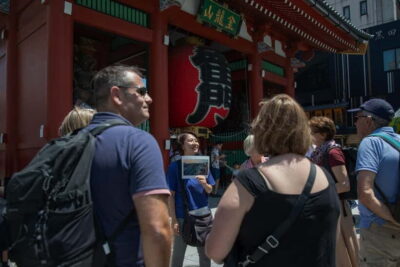 ★ 4.8Asakusa Walking Tour with Sensoji Temple VisitFrom $221,583 reviews
 ★ 4.9Tsukiji Fish Market Guided Walking TourFrom $221,397 reviews
 ★ 4.7Tokyo Castle & Imperial PalaceーShogun Walking TourFrom $231,068 reviews
 ★ 4.9Imperial Palace Japanese History Walking TourFrom $32987 reviews
 ★ 4.7Dark Side of Tokyo Shinjuku Red Light Walking TourFrom $29862 reviews
Browse the lists this tour appears in