
Reviewed · TOKYO
Osaka: Kyoto By The Sea with Amanohashidate & Ine no Funaya
Sandbar views and floating houses, in one morning. This day trip pairs Amanohashidate’s pine-lined Bridge to Heaven with Ine no Funaya’s boat-house village on the water. I love the slow, photo-friendly pacing that gives you real time to wander. I also like the cultural detail at Chionji Temple, where you draw a fan-shaped fortune slip. The main tradeoff: the best add-ons cost extra, like the chairlift/monorail at Amanohashidate and an optional boat ride at Ine.
You start with a no-stress pickup in Osaka at Tsurutontan Soemoncho, then ride by coach with an English-and-Korean guide. I’ve seen guides such as Yuri, Jun, and Jo keep things calm and organized, and even help with photos, with some departures printing a Polaroid as a souvenir. Plan for weather and traffic, since the schedule can adjust on the day.
The route works well if you want to get out of Kyoto-city bustle without handling trains and transfers on your own. Chionji Temple and Kaisen Bridge add variety beyond the scenery. One consideration: the walking isn’t set up for wheelchair access, so bring good mobility, and tell the operator if you’re using a stroller.
In This Review
- Key Things I’d Prioritize on This Trip
- Value for Money: What $55 Gets You
- Getting There: The Osaka-to-Coast Flow You’ll Appreciate
- Amanohashidate: Japan’s Bridge to Heaven Sandbar, Up Close
- Amanohashidate View Land: Chairlift/Monorail and the Sky Bicycle Moment
- Chionji Temple: Fan-Shaped Fortune Slips and a Quiet Reset
- Kaisen Bridge and Amanohashidate Beach: From Rotating Bridge to Sea Air
- Lunch at Your Own Expense: Keep It Easy
- Ine no Funaya: The Floating Fishing Village You Understand Instantly
- Optional Boat Ride in Ine: Getting Closer to the Funaya
- Photo and Pace Tips: How to Get Great Shots Without Stress
- When This Tour Fits Best (and When It Doesn’t)
- Should You Book This Tour?
- FAQ
- Where is the meeting point, and when should I arrive?
- How long is the experience?
- What’s included in the price?
- Are meals included?
- What optional activities cost extra?
- Do I get free time at each place?
- Is the tour stroller-friendly?
- Is this tour wheelchair-accessible?
- What languages will the guide speak?
- What’s the cancellation window?
Key Things I’d Prioritize on This Trip
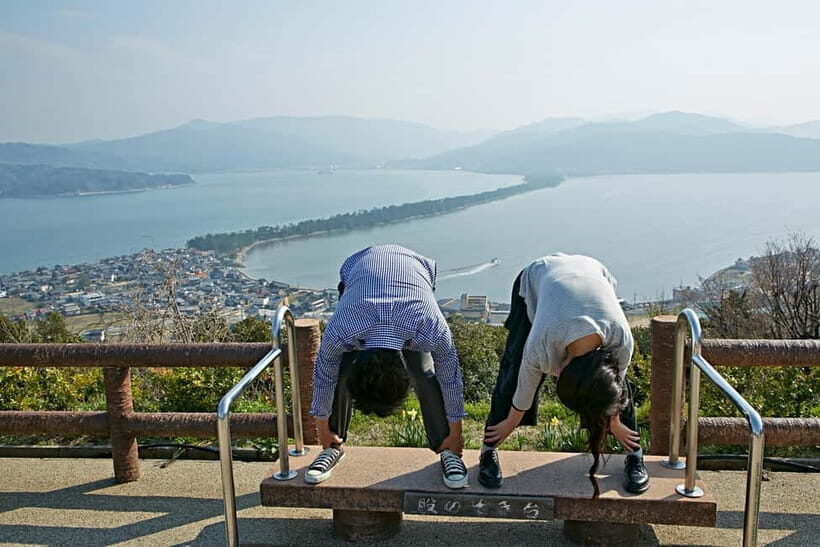
- Amanohashidate’s Bridge to Heaven: a long sandbar lined with 5,000+ pines, plus viewpoints for that classic upside-down perspective.
- Chionji Temple fan fortunes: a simple stop with a memorable ritual—draw a fan-shaped fortune slip.
- Kaisen Bridge with boat traffic: a rotating bridge experience that adds motion to your photo stops.
- A pine-lined coastal break at Amanohashidate Beach: sea air, walking, and a calmer pace than the temple area.
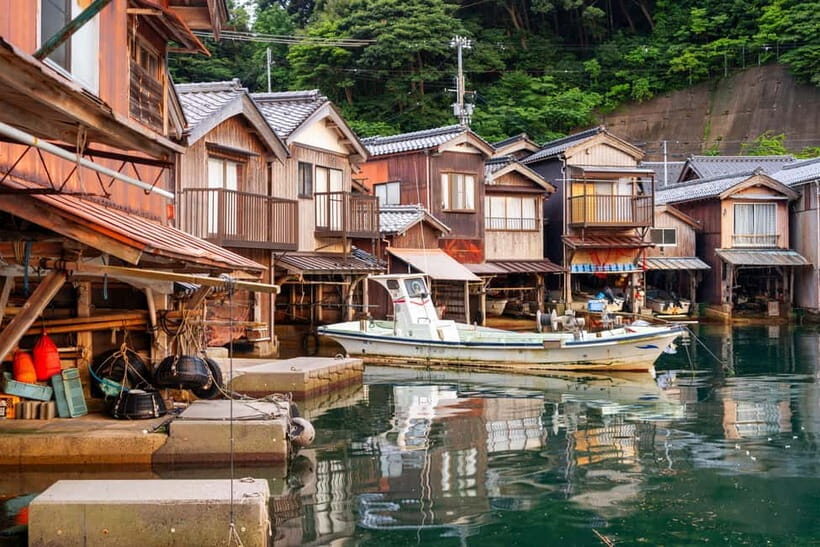
- Ine no Funaya’s floating funaya: boat houses over the water—one of Japan’s easiest places to understand by just looking.
- Optional boat ride at Ine: the closer look you’ll want, with some departures including bird-feeding moments.
Before you commit, see how this one stacks up against a few Tokyo favourites:
- Mt Fuji and Hakone 1-Day Bus Tour Return by Bullet Train★ 5.0 · 26,383 reviews
- 1-Day Tokyo Bus Tour★ 5.0 · 14,250 reviews
- Tokyo: teamLab Planets TOKYO Digital Art Museum Entry Ticket★ 4.6 · 9,779 reviews
Value for Money: What $55 Gets You
At $55 per person, you’re mostly paying for the convenience: round-trip transportation and a guide who works in English and Korean. Since meals and most upgrades are extra, your biggest cost control lever is choosing whether to add the chairlift/monorail and the boat ride.
Where this really feels like good value is the pairing. You’re getting two top coastal stops in one run—Amanohashidate (the famous sandbar views) and Ine no Funaya (the floating house village). Doing that on your own usually means more time spent figuring out connections, and less time actually enjoying the sights.
Getting There: The Osaka-to-Coast Flow You’ll Appreciate
This trip starts early from Tsurutontan Soemoncho, with staff there before 7:50 AM so you can get situated without stress. After pickup, you’ll ride by coach toward the coast and make a break around a rest area where street food and free time are part of the plan.
That break matters more than you think. When your day is mostly scenic stops, you want time to reset, grab something small, and avoid arriving at the first big viewpoint cranky. It also helps you pace your energy before the most walk-and-photo time begins.
The other thing to know: the guide may adjust timing due to traffic and weather, so stay flexible. This kind of coastal day can change quickly if visibility is poor or conditions are rough.
Amanohashidate: Japan’s Bridge to Heaven Sandbar, Up Close
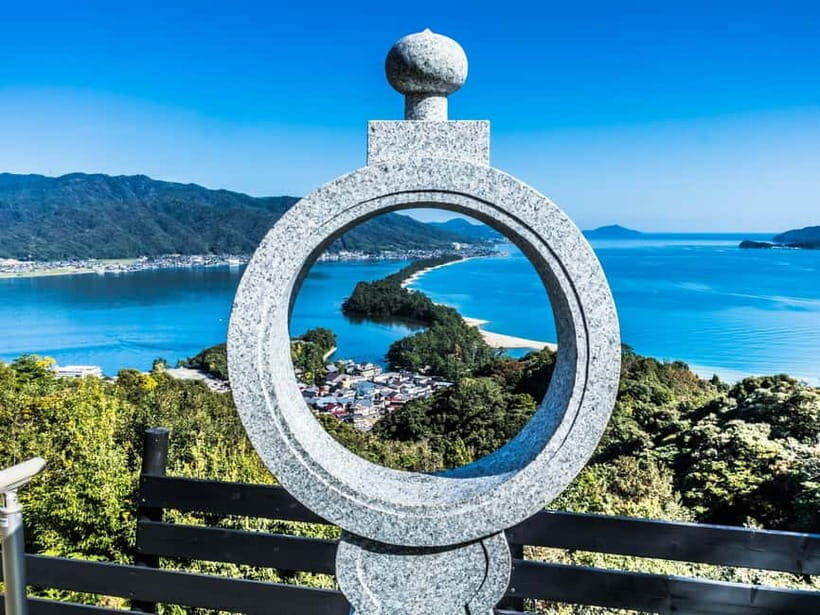
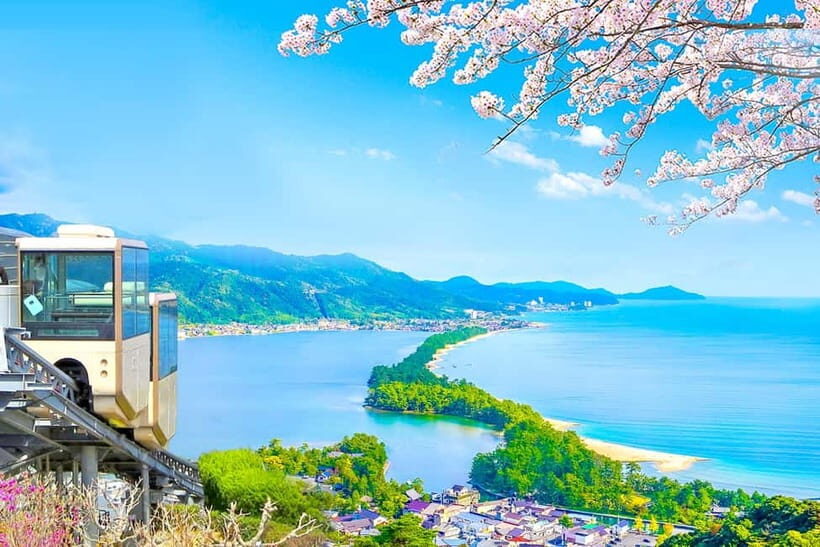
When you arrive at Amanohashidate, you’re stepping onto one of Japan’s most recognizable scenic silhouettes. The sandbar stretches across Miyazu Bay and is lined with 5,000+ pine trees, creating that famous feeling of a natural walkway.
I like that this stop isn’t just one viewpoint. You can move along the area, take photos from different angles, and soak in the scale. The classic upside-down perspective is part of what makes people remember Amanohashidate, but you don’t need to chase it perfectly—just enjoy the pine-lined rhythm as you walk.
A practical tip: wear shoes you can walk in confidently. Even when it’s “just strolling,” you’re on a coastal route with uneven bits and lots of photo stops. Your feet will notice if your footwear is wrong.
Amanohashidate View Land: Chairlift/Monorail and the Sky Bicycle Moment
After the main sandbar time, you’ll head toward Amanohashidate View Land. This is where you trade ground-level views for a wider, hilltop look over the bay.
There’s an optional chairlift or monorail (850 yen, not included). If you want maximum panorama with less walking, this is the upgrade to consider.
The highlight here is the sky bicycle. It’s described as a pedal ride on a high-altitude track with big scenery payoff. If you’re the type who likes doing one “action” activity on a sightseeing day, this is your moment.





Chionji Temple: Fan-Shaped Fortune Slips and a Quiet Reset
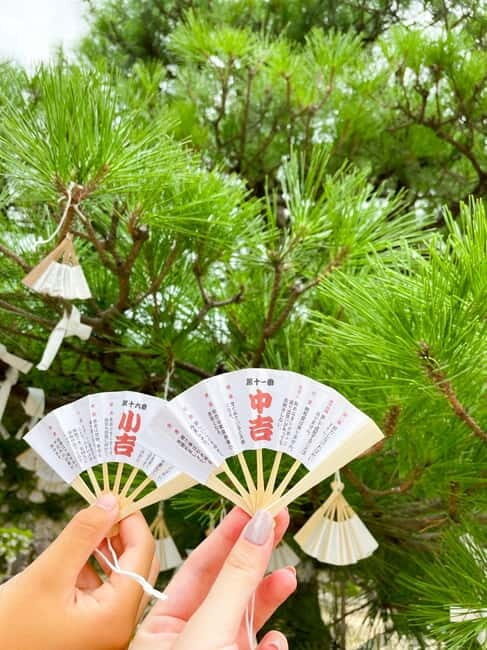
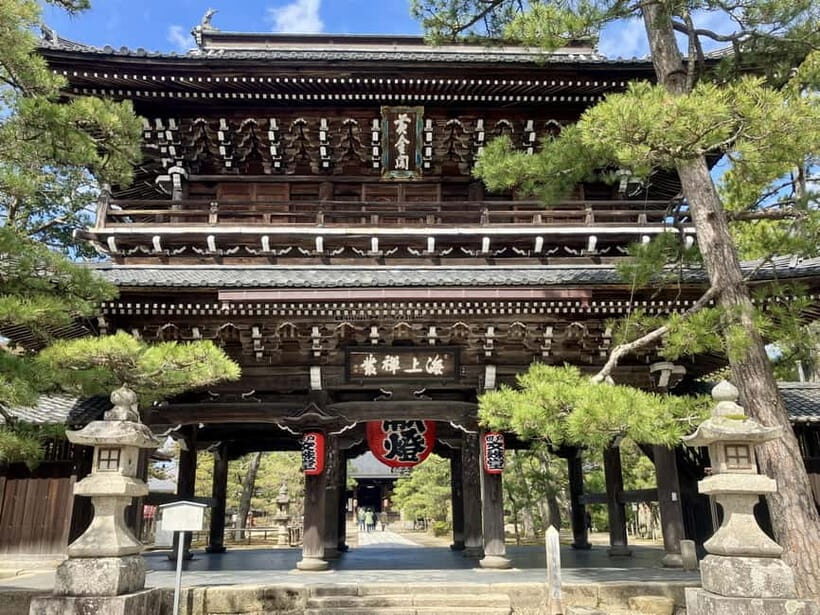
Next comes Chionji Temple, a calmer stop that gives your day a cultural beat without being heavy. The standout tradition is the giant folding fan-shaped fortune slips, where visitors draw one and pray for wisdom and success.
I like this kind of pause because it changes your pace. Amanohashidate and Ine are visual in a big way, but Chionji gives you something tactile and simple—paper, prayer, and a moment to slow down before the day turns more coastal-windy.
There’s also a photo-stop feel here, so you can snap pictures quickly and then take your time with the temple atmosphere. Don’t rush it; the value is in that small ritual.
Kaisen Bridge and Amanohashidate Beach: From Rotating Bridge to Sea Air
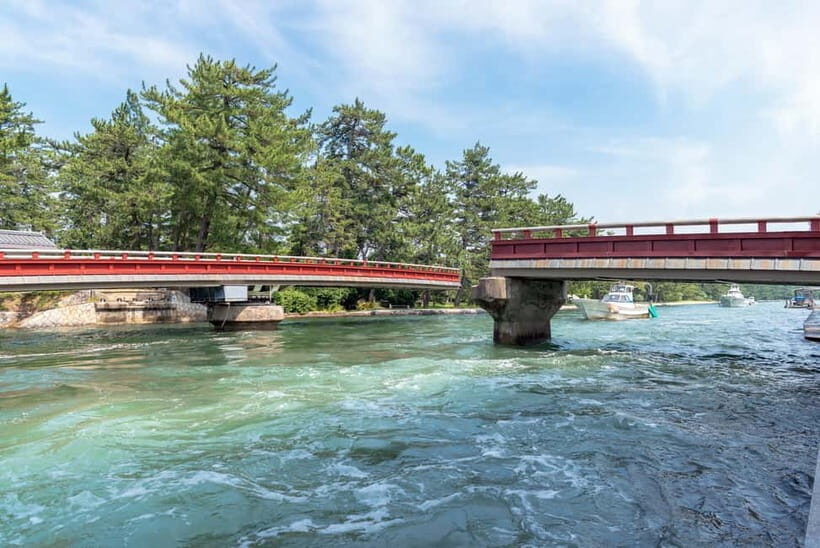
Kaisen Bridge is one of those spots that feels like a bonus because it adds movement. It’s a rotating bridge that opens for passing boats, so you get the rare chance to see infrastructure in action instead of only seeing it as a static landmark.
After that, you’ll have time around Amanohashidate Beach. This is your sea-air break, a good place to step away from the densest photo zones and just enjoy the walk.
The day is designed so you’re not stuck in one mode. First you’re dealing with views, then with temple details, then with a bridge moment, then with beach time. That variety is part of why this trip feels relaxing rather than checklist-y.
If you want something extra, a bicycle rental is mentioned for riding along the pine-lined path near the beach area. It’s a nice way to stretch your legs without turning the day into a long grind.
Lunch at Your Own Expense: Keep It Easy
Lunch is not included, and you’ll have time to eat at your own pace during the Amanohashidate portion. There should be local options nearby, but the key is this: plan for a quick meal so you don’t steal time from viewpoints.
I recommend you treat lunch like fuel, not a long sit-down. This tour is built around scenery flow—if you book yourself into a two-hour lunch, you’ll feel rushed at the next stop. If you’re with picky eaters, pick a flexible place that doesn’t require a long wait.
Ine no Funaya: The Floating Fishing Village You Understand Instantly
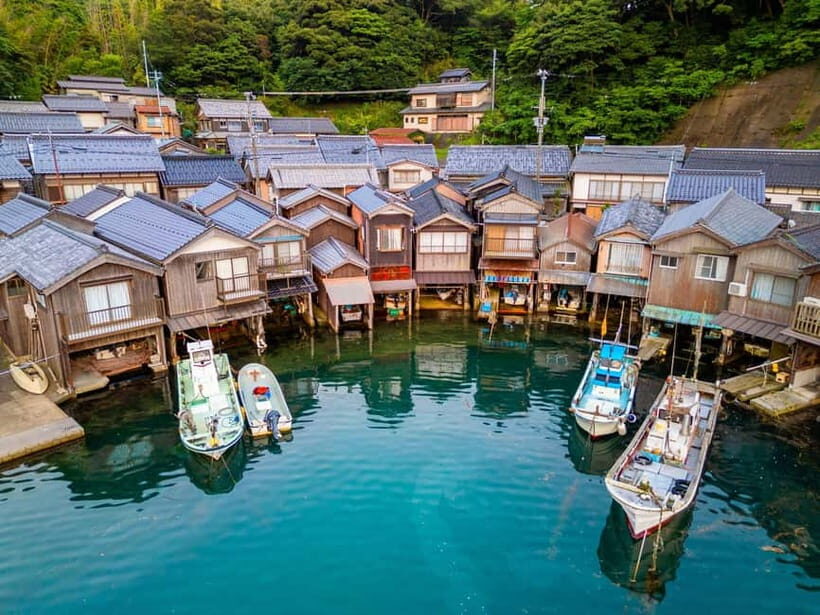
Now for the part that often surprises people: Ine no Funaya. This seaside village is known for over 200 traditional funaya—boat houses built right on the water, with a boat garage below and living space above.
What makes it special is how quickly you understand it. You don’t need background knowledge to get why the village looks the way it does. You see the structure, you see the water, and the scene clicks.
You’ll have a block of time at Road Station Funaya no Sato Ine, which is a practical base for visiting. Think of this as where you can walk around for angles, check out the waterline views, and get your bearings before any optional upgrade.
And yes, the “postcard moments” really are everywhere here. The reflections on the water are the big reason—light + still water + wooden lines = easy photos without overthinking.
Optional Boat Ride in Ine: Getting Closer to the Funaya
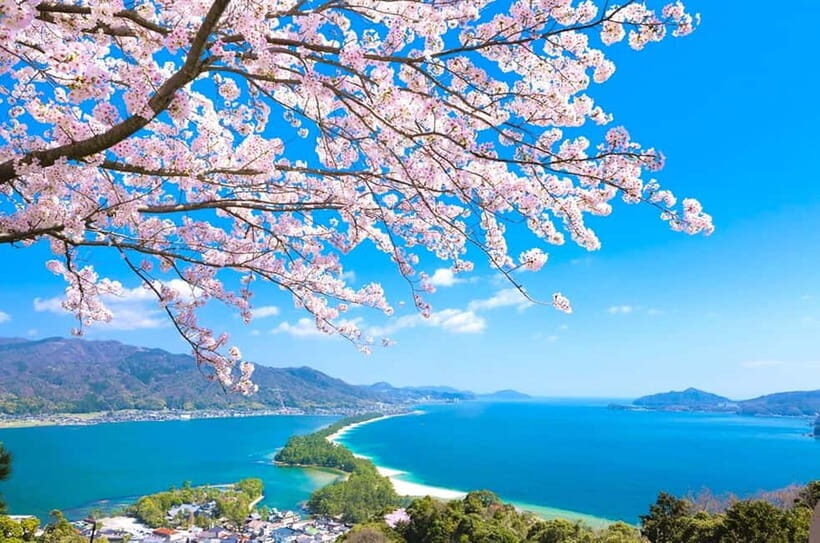
If you want the best perspective, choose the optional sightseeing boat ride (1,000 yen, not included). This is your chance to cruise along the bay and see the funaya up close from the water.
Some departures have included extra moments like bird-feeding with hawks during the boat experience. That kind of detail can turn an already pretty scene into a memory you’ll keep.
Practical note: this is an “add-on” choice. If the weather is poor or you prefer land-based walking, you can still enjoy Ine without the boat. But if you want the closest look at reflections and the house layout, the boat ride is the most meaningful upgrade on this side of the trip.
Photo and Pace Tips: How to Get Great Shots Without Stress
This trip is built for photo stops with free time, which means you’re not just marched from gate to gate. Guides also play a role here. I’ve seen reports of guides like Jun taking time to help with group photos and even providing printed Polaroids at the end.
Here’s how I’d handle photos without slowing you down too much:
- First, grab one wide shot at each main viewpoint.
- Then take a few minutes for the details—pine lines, temple fans, and the reflections at Ine.
- Save your “serious photos” for Amanohashidate View Land and the Ine waterfront, since those areas give you the clearest variety of angles.
Also, expect that the day’s pace can shift a bit with season and on-site situation. When that happens, your best move is to keep your schedule flexible rather than chasing a photo spot at an exact minute.
When This Tour Fits Best (and When It Doesn’t)
This is a great match if you want a coastal break from Osaka and Kyoto without planning transportation. You’ll see two major scenery hits in one run, with enough free time to make the day feel personal.
It also works well if you like short cultural moments. Chionji Temple is brief, but the fan fortune ritual gives your day meaning beyond photos.
Consider skipping or adjusting expectations if:
- You need wheelchair access, because the tour is not wheelchair-accessible.
- You hate optional fees, since the chairlift/monorail and boat ride are both extra costs.
- You’re expecting all meals included, because lunch is on your own.
Good news: it’s stroller-friendly, as long as you let the operator know in advance. For infants, it’s stated that infants are free, but there is no seat available.
Should You Book This Tour?
Yes, I think you should book it if your goal is a relaxed day trip that actually changes scenery—sandbar pines, temple fortune slips, rotating bridge moments, and floating funaya over the water. The structure gives you time to wander, and the guide support can turn photos from awkward to smooth.
If you’re cost-sensitive, decide early whether the optional upgrades matter to you. The chairlift/monorail helps with viewpoints, and the boat ride is the most direct way to see Ine no Funaya from the water.
FAQ
Where is the meeting point, and when should I arrive?
You meet in front of Tsurutontan Soemoncho before 7:50 AM. JTOURSTORY staff will be there for you.
How long is the experience?
The duration is listed as 3 hours. Your exact timing can still be influenced by traffic and on-site conditions.
What’s included in the price?
Transportation is included, along with an English & Korean speaking guide.
Are meals included?
No. Meals are not included, so you’ll need to pay for lunch and any food on your own.
What optional activities cost extra?
There are optional fees for Amanohashidate chairlift/monorail (850 Yen) and an Ine no Funaya boat ride (1,000 Yen).
Do I get free time at each place?
Yes. The plan includes free time at multiple stops, including Amanohashidate, Chionji Temple, Amanohashidate Beach, and Road Station Funaya no Sato Ine.
Is the tour stroller-friendly?
Yes, it is stroller-friendly. You should inform the staff if you’re bringing a baby stroller.
Is this tour wheelchair-accessible?
No. The tour is not wheelchair-accessible.
What languages will the guide speak?
The guide provides Korean and English.
What’s the cancellation window?
You can cancel up to 24 hours in advance for a full refund.
More Tour Reviews in Tokyo



Fresh reviews from around Tokyo






Tokyo, compared.
 ★ 5.0Mt Fuji and Hakone 1-Day Bus Tour Return by Bullet TrainFrom $16326,383 reviews
 ★ 5.01-Day Tokyo Bus TourFrom $12914,250 reviews
 ★ 4.6teamLab Planets TOKYO Digital Art Museum Entry TicketFrom $259,779 reviews
 ★ 4.0Mt Fuji & Hakone Cruise, Drum Show Bullet Train 1 Day from TokyoFrom $1497,413 reviews
 ★ 5.0Shinjuku Food Tour (13 Dishes at 4 Local Eateries)From $866,603 reviews
 ★ 4.4Tokyo Mt Fuji 5th St & Hakone Cruise Bus Tour w/Bullet TrainFrom $1545,024 reviews
 ★ 5.0Flagship 2-Hours Official Street Go-Kart Tour – Tokyo Bay ShopFrom $644,974 reviews
 ★ 4.5From Tokyo: Mount Fuji Full-Day Sightseeing TripFrom $684,970 reviews