
Reviewed · MT FUJI DAY TRIPS
Mount Fuji, Hakone and Owakudani One Day Bus Tour from Tokyo
This is the kind of trip that treats Tokyo as a launch pad, then throws you into Japan’s volcanic and coastal scenery for one long day. You’ll ride across Lake Ashi, hop over to Owakudani, and finish on Enoshima Island, all with a guide steering the schedule.
I especially like the tight pairing of views and experiences: the Hakone ropeway gondolas and the volcanic stops make the day feel more than just a bus ride. I also like that the day includes small “instant wow” moments, like the Lake Ashi cruise and the chance to eat the famous black eggs cooked in hot springs.
One big consideration: Mt. Fuji isn’t guaranteed. Visibility depends on weather and traffic can affect timing, so expect a best-case view day, not a guaranteed postcard.
In This Review
- Key things that make this tour tick
- One day, three different moods: Fuji, volcanoes, and seaside shrine life
- The route makes sense: how your day moves stop to stop
- Lake Ashinoko and the cruise: get your Fuji bearings fast
- Owakudani: sulfur steam, volcanic drama, and the black egg tradition
- The Hakone Ropeway: panoramic views without the long hike
- Enoshima Island: shrine stops, sea views, and a shopping street break
- Time management, bus comfort, and why the long day can work
- Price breakdown: what you’re paying for and what costs extra
- Fuji odds: how to tilt the chances in your favor
- Who this tour suits best (and who should rethink it)
- Should you book this Mount Fuji, Hakone and Owakudani day trip?
- FAQ
- How long is the Mt. Fuji, Hakone and Owakudani one-day bus tour?
- What’s included in the price?
- What extra tickets cost money during the day?
- Does the tour definitely include views of Mount Fuji?
- Where does the tour depart from?
- How large is the group?
Key things that make this tour tick
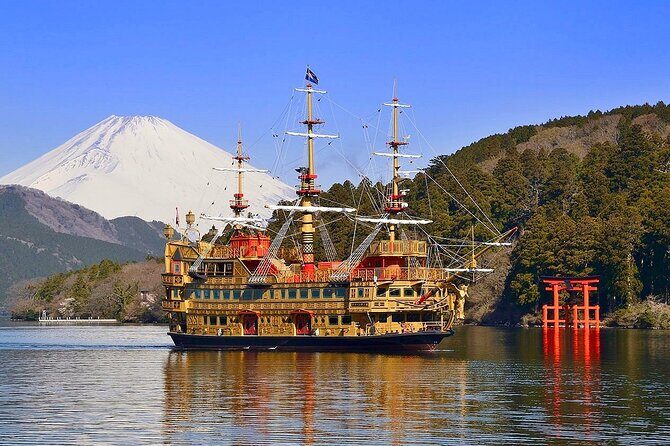
- Pirate-ship-style cruise on Lake Ashi: short, scenic, and set up for Fuji views when skies cooperate.
- Owakudani sulfur valley: volcanic steam and geothermal sights, plus the chance to try black eggs.
- Hakone Ropeway ride through the volcanic zone: dramatic panoramas over Lake Ashi and the Hakone area.
- Enoshima Island in the same day: shrine atmosphere and sea views, capped with a walk through Benzaiten shopping street.
- Guide-led timing: multiple stops that matter, with an itinerary that may shift order depending on conditions.
- Small-group feel (max 45): enough structure to stay on track without turning into a cattle drive.
Other routes to the mountain, compared
- Mt Fuji & Hakone Cruise, Drum Show Bullet Train 1 Day from Tokyo★ 4.0 · 7,413 reviews
- Tokyo Mt Fuji 5th St & Hakone Cruise Bus Tour w/Bullet Train★ 4.4 · 5,024 reviews
- From Tokyo: Mount Fuji Full-Day Sightseeing Trip★ 4.5 · 4,970 reviews
One day, three different moods: Fuji, volcanoes, and seaside shrine life
If you’re thinking about doing Hakone and Enoshima but don’t want to spend a night outside Tokyo, this is built for you. The route strings together two of Hakone’s signature experiences—Lake Ashi and Owakudani—with a separate coastal world at Enoshima.
The value here is not just “seeing places.” It’s the mix: water views, geothermal weirdness, then salt-air walking and shrine stops. Even with a packed day, the different settings keep the scenery from feeling repetitive.
You should also know what “Mt. Fuji tour” really means on this kind of schedule. You’re positioned for views on clear days, not promised a full-on mountain close-up from every stop.
The route makes sense: how your day moves stop to stop
Your day starts at Lake Ashinoko (Lake Ashi), then goes into Hakone’s volcanic core at Owakudani, followed by the Hakone Ropeway. After that, you shift gears to Enoshima Island near Kamakura for shrine sightseeing and an old-school shopping street.
The order can change if traffic is messy. That’s not unusual in the Tokyo area. The key thing is that the tour keeps the same total number of spots, even if the sequence tweaks.
Also plan on a long day. The duration is about 10 hours (approx.), but in practice, road conditions can stretch it.
Lake Ashinoko and the cruise: get your Fuji bearings fast
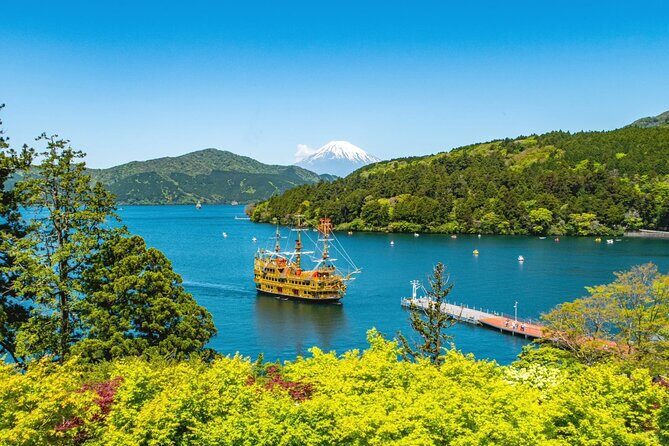
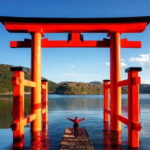
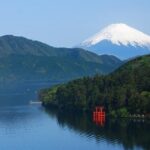
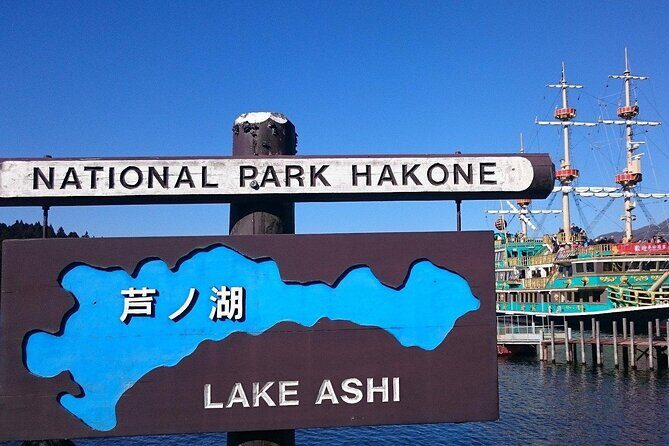
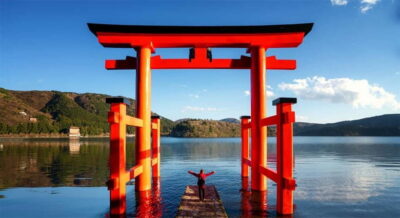
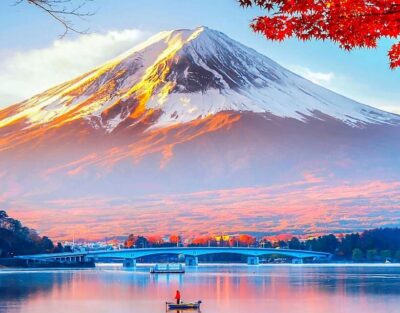
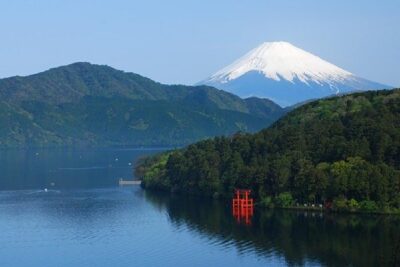
Lake Ashi is the visual anchor of Hakone. The water sits in a caldera area, and it’s famous for the way it frames Mount Fuji on good-weather days.
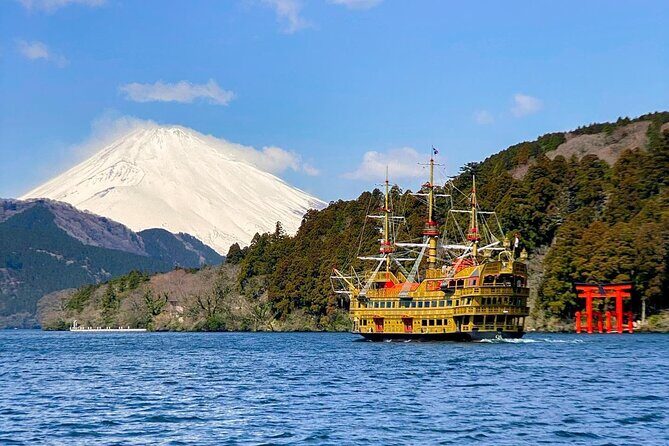
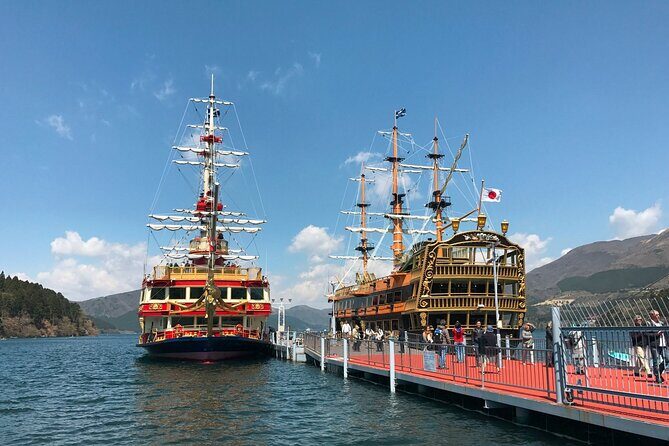
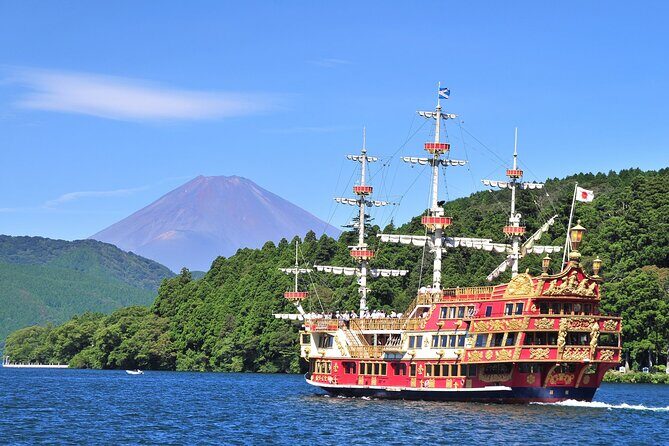
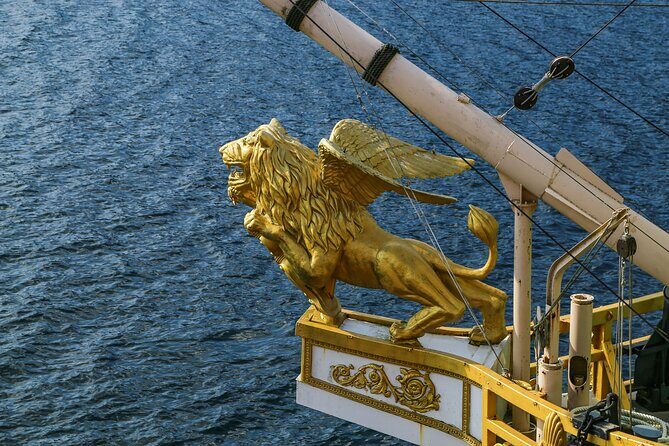
You’ll start with around 20 minutes at Lake Ashinoko (admission free), then move to the cruise portion (about 25 minutes). The boat is described as inspired by European battleships, which is a fun touch, but the real payoff is the shoreline views and that classic “Fuji reflected on water” vibe—when the sky cooperates.
From a practical standpoint, this is a good way to break up the day early. You get a scenic reset before you head toward the more intense volcanic sights.
What to watch for: if the weather is cloudy or rainy, don’t expect the mountain to magically appear. Still, the lake is worth it for the views and atmosphere.
Owakudani: sulfur steam, volcanic drama, and the black egg tradition
Owakudani Valley is the star for anyone who likes Japan’s geology. It’s a volcanic area formed roughly 3,000 years ago, and it’s known for continuous volcanic activity—so you’ll likely notice steam and sulfur smells.
You get about 30 minutes here. This is enough time to walk the viewpoints and soak in the geothermal atmosphere without feeling like you need to race.
Then there’s the most famous edible souvenir: black eggs, cooked in hot spring waters. The tour includes the chance to try them, and this is one of those “only in Japan” moments that doesn’t require extra planning.
Small reality check: Owakudani is active and can feel warm or smelly. Bring patience, and wear shoes you’re comfortable walking in.
More Hakone loops, ropeways and lake crossings
The Hakone Ropeway: panoramic views without the long hike
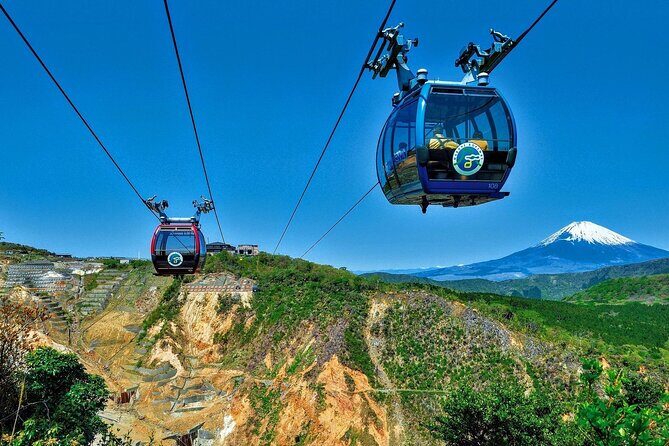
After Owakudani, you’ll ride the Hakone Ropeway (about 25 minutes). Ropeways are perfect in places like this because they give you altitude and wide angles without a full-on trek.
The route passes through the Owakudani region, which is why the views can be so dramatic: you’re looking across Lake Ashi and toward Mount Fuji on clear days, with the volcanic landscape below.
This is one of the parts that tends to feel most “worth it” in a one-day schedule, because it turns the scenery into something you can actually see, quickly.
Cost note: the ropeway ticket is listed as not included (1,500 yen), so budget for it separately.
Enoshima Island: shrine stops, sea views, and a shopping street break
Enoshima gives you a completely different tone from Hakone. Instead of geothermal steam, you get sea air, island walking, and a more historical, shrine-and-street rhythm.
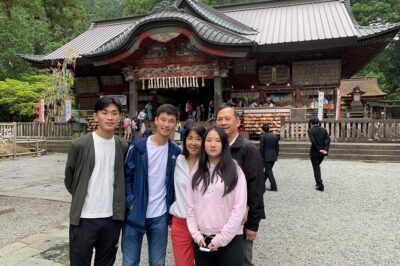
You’ll spend about 30 minutes on Enoshima Island (admission free), then head to Enoshima Shrine (about 50 minutes, also free). The shrine complex includes three main shrines: Hetsumiya, Nakatsumiya, and Okutsumiya, originally associated with deities of fishing and maritime transport. If you like seeing how Japanese spirituality connects to everyday life, this is a solid stop.
Next is Enoshima Benzaiten Shopping Street (about 40 minutes, free). This is an old-fashioned alley you pass under a bronze torii gate to reach. It’s a good place to snack, browse, and slow down after the volcanic intensity.
Why I like this pairing: in one day, you go from steam and sulfur to sea and temples. It keeps your day from feeling like repeating the same photo angle.
Time management, bus comfort, and why the long day can work
This is a 10-hour trip in an air-conditioned vehicle with a guide. The max group size is 45, so it’s not private-car territory, but it’s not huge either.
Most reviews praise the comfort and professionalism of the driver and the way the guide keeps the group moving. Names that came up include Sandy, Augustine, Brewster Chisei, Winnie, Pin, Lucy, Nakajima, Terri, Jimmy, Jimmylin, Jackson, and Nskajima, with frequent mentions of friendly help and clear guidance.
Still, there are a couple of real drawbacks you should take seriously:
- If your guide’s English is difficult to follow, the context for each stop can get lost.
- Some people feel the day becomes too much bus travel, especially when traffic slows things down.
- Comfort can vary depending on the vehicle assigned to your group.
If you’re sensitive to cramped seating or you don’t handle long road stretches well, this is the area where you’ll want to manage expectations.
Price breakdown: what you’re paying for and what costs extra
The tour price is listed at $59 per person, with air-conditioned vehicle and a guide included. That sounds like a steal until you remember two major attractions still cost extra:
- Hakone Sightseeing Cruise: 1,200 yen
- Hakone Ropeway: 1,500 yen
Lunch is also not included.
So what are you really getting for $59? Mainly the structure:
- the guided routing through multiple stops,
- the bus transport between regions, and
- inclusion of key “platform moments” like the cruise and ropeway schedule slots.
If you already planned on doing Hakone’s lake cruise and ropeway anyway, the guide + one-day organization can be good value. If you only care about one or two of these areas, you might compare costs to doing it independently—especially if you’re comfortable navigating trains and local transit.
Fuji odds: how to tilt the chances in your favor
You’re aiming for Mt. Fuji views, but weather controls visibility. Clear days are the key. Rain and heavy cloud can still make the day enjoyable, but don’t count on the mountain being dramatic.
Here’s how I’d play it:
- Bring a light rain layer anyway.
- Be ready to enjoy the stops even if Fuji is faint.
- Keep your schedule flexible in your mind. If traffic causes reshuffling, the tour still hits the main spots, but the exact timing of a “Fuji photo moment” might shift.
In other words: set your plan to see the volcanic and coastal highlights first, and treat Fuji as the bonus.
Who this tour suits best (and who should rethink it)
This tour is a great fit if you:
- want a high-efficiency day out of Tokyo,
- like mixing Hakone’s volcanic scenes with Enoshima’s seaside vibe,
- enjoy guided interpretation (especially with a friendly guide),
- don’t want to plan transit between multiple areas yourself.
It may be less ideal if you:
- require a guaranteed Mount Fuji view for photos,
- hate long bus days or worry about cramped seating,
- get frustrated when guides can’t communicate clearly in English.
Should you book this Mount Fuji, Hakone and Owakudani day trip?
I’d book it if you want a structured one-day hit of Hakone and Enoshima without the hassle of building your own route. The cruise + ropeway combo is a smart use of limited time, and Owakudani delivers the kind of geothermal “only-in-Japan” experience that’s hard to replicate.
I’d hesitate if Fuji is your one non-negotiable goal. On any given day, you’re betting on visibility. If you can accept that you might see Mount Fuji only in partial glimpses—or not at all—then you’ll likely come away satisfied.
FAQ
How long is the Mt. Fuji, Hakone and Owakudani one-day bus tour?
The tour is about 10 hours (approx.) from start to finish.
What’s included in the price?
Air-conditioned vehicle transportation and a guide are included. A mobile ticket is also provided.
What extra tickets cost money during the day?
Lunch is not included. You also need to pay separately for the Hakone Sightseeing Cruise (1,200 yen) and the Hakone Ropeway (1,500 yen).
Does the tour definitely include views of Mount Fuji?
Mount Fuji views depend on weather conditions. The tour is designed for views on clear days, but visibility is not guaranteed.
Where does the tour depart from?
It departs from Tokyo or Shinjuku.
How large is the group?
The tour has a maximum of 45 travelers.
More Tour Reviews in Tokyo






Hakone, Three More Ways
The Fuji Shortlist: Other Days Out to the Mountain

Fresh reviews from around Tokyo






Mt Fuji Day Trips, compared.
 ★ 4.0Mt Fuji & Hakone Cruise, Drum Show Bullet Train 1 Day from TokyoFrom $1497,413 reviews
 ★ 4.4Tokyo Mt Fuji 5th St & Hakone Cruise Bus Tour w/Bullet TrainFrom $1545,024 reviews
 ★ 4.5From Tokyo: Mount Fuji Full-Day Sightseeing TripFrom $684,970 reviews
 ★ 4.7Mt. Fuji Tour, Hakone Ropeway, Owakudani, Lake AshiFrom $544,002 reviews
 ★ 5.0Private Tour to Mt. Fuji and Hakone (Fully Licenced Operator)From $4971,910 reviews
 ★ 4.9Mount Fuji Full-Day Private Tour from Tokyo (Customizable)From $3931,470 reviews
 ★ 4.0Mt Fuji & Hakone Cruise, Drum Show Bus 1 Day from TokyoFrom $1221,287 reviews
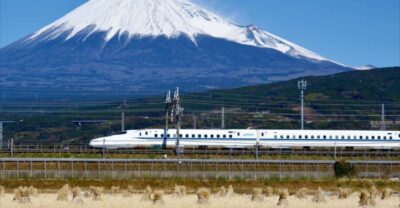 ★ 4.2From Tokyo: Mt. Fuji & Hakone Tour w/ Return by Bullet TrainFrom $1171,278 reviews
Browse the lists this tour appears in