
Reviewed · SUMO SHOWS
Tokyo: Grand Sumo May Tournament
Sumo in Tokyo is theater with rules. This tour turns the Grand Sumo May Tournament into a day you can actually follow, with a walk around Ryogoku and live guidance inside Ryogoku Kokugikan.
What I like most is the structure: live commentary through personal earphones so you catch the meaning of the rituals, not just the hits. And I also like that the day isn’t only the match—you get context first, then fuel with chanko-nabe after.
One thing to think about: some parts are optional, and the experience depends a lot on your guide’s style and how many questions you ask. If you’re the type who just wants to show up and watch without much explanation, you may feel the added value depends on that guidance.
In This Review
- Key moments that make this tour work
- Why Ryogoku Kokugikan feels different from other Tokyo attractions
- What you’ll see during the tournament day (and how to not miss the point)
- Stop 1 in Ryogoku (13:00 to 15:00): history landmarks that make the ring make sense
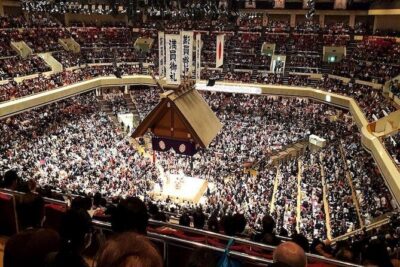
- Stop 2 at Ryogoku Kokugikan (15:00 to 18:00): the arena tour plus live bouts
- The arena walkthrough: what you’ll look at
- Seating and comfort: chair option vs first-floor floor seating
- During the bouts: why the earphones matter
- Stop 3: optional chanko-nabe dinner near the arena (18:00)
- What to watch for with the food
- Why dinner is a smart add-on
- Price and value: what $198.20 includes and where the value can swing
- The fair warning: price feelings can differ
- Pacing, group size, and practical logistics you’ll feel on the day
- What to bring
- Who this tour is best for (and who might skip it)
- Should you book the Grand Sumo May Tournament tour?
- FAQ
- FAQ
- Is the tournament viewing ticket included?
- How long is the tour?
- Do we get help hearing the guide during the bouts?
- What seating options are available inside the arena?
- Is the chanko-nabe dinner included in the price?
- Is it hard to get to the meeting point?
- What if my plans change—can I cancel?
Key moments that make this tour work
- Ryogoku walking culture time that sets up what you’ll see later in the ring-entering ceremonies
- A Kokugikan inside-arena walkthrough covering murals, prizes, and a short museum stop
- Real-time guide commentary via earphones during bouts, even from a distance
- Chair seating option for easier viewing if you prefer not to sit on the floor
- Optional chanko-nabe dinner near the arena, sumo-style hot-pot tradition
- Small-group feel with a cap of 35 and prepped tournament info + wrestler profiles
More chances to sit ringside
- Tokyo: Sumo Show and Dining Experience★ 4.8 · 2,742 reviews
- the SUMO show★ 5.0 · 1,960 reviews
- Tokyo Shinjuku Sumo Show & Experience with Photo★ 5.0 · 1,750 reviews
Why Ryogoku Kokugikan feels different from other Tokyo attractions
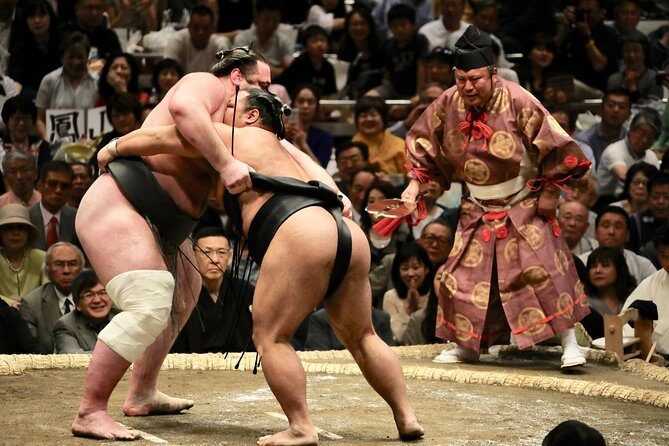
Ryogoku is Tokyo’s sumo neighborhood, and that matters. This tour puts you in the right place at the right time, before the arena chaos hits. You start with a neighborhood and landmark walk, then transition into the stadium like you’re stepping through a story.
The big payoff is that you’re not watching sumo as random sport moves. You’re watching it with context—rituals, ranking, and the flow of bouts explained in plain language by an English-speaking guide. That makes the match time far more readable.
And yes, you still get the raw drama. Grand Sumo has that mix of pageantry and intensity: ring-entering ceremonies by the top wrestlers, then the bouts themselves. The day is built to help you notice both.
What you’ll see during the tournament day (and how to not miss the point)
Inside the Kokugikan, the tour is designed around how sumo actually plays out for first-timers. Your guide leads you through the arena area first, then you settle in to watch bouts with commentary.
Two details help you get more out of the day:
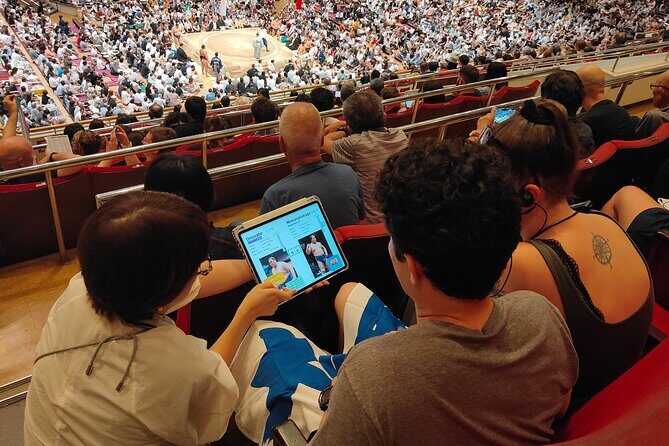
- Commentary while the bouts happen. You use personal earphones to hear the guide’s explanation in real time. That’s huge in sumo, because so much is happening fast: positioning, timing, and even what looks like a small pause often has meaning.
- Rituals and flow. The tour is timed to include the grand-champion and top-division bouts alongside the ring-entering ceremonies. Those ceremonies are part of the sport, not just decoration, and you’ll understand why.
There’s also a scheduling option noted as the Oct. 7 add-on, described as giving you a chance to view sumo from different angles, including its inception. If your tournament dates match that option, it’s worth considering since the tour is already focused on helping you see more than just the final result.
Stop 1 in Ryogoku (13:00 to 15:00): history landmarks that make the ring make sense
This first block is optional in the sense that it’s an add-on style of learning time—but it’s one of the best parts if you want to enjoy sumo more. You walk around Ryogoku’s sumo-town streets, guided through landmarks tied to the sport.
What makes this stop valuable is the sequencing. You learn the story first, so the arena feels less like a dark box where you try to guess what’s going on. You walk away with a framework for what you’re seeing next.
From the details in guides and past tour descriptions, this history time may include sights like a Yokozuna Shrine and sumo-related stops such as stable areas (often exterior viewpoints) and ceremonial song moments near the Kokugikan area. You might hear about how stables, ranks, and local traditions shape the whole tournament culture.
One practical note: this is a walking segment. If you’re sensitive to standing or walking for stretches, pace yourself at the start. Bring water when you can, and plan your energy so the arena seats don’t feel like a marathon punishment.
Stop 2 at Ryogoku Kokugikan (15:00 to 18:00): the arena tour plus live bouts
This is the core of the day. You don’t just enter the arena and sit down. You get an inside walkthrough that helps you understand what you’re surrounded by.




The arena walkthrough: what you’ll look at
Your guide leads you through the Kokugikan to point out things you might otherwise miss:
- Murals (noted at around 10 meters)
- Championship prizes
- A sumo museum stop (about 15 minutes)
- Paintings and photos of successive Yokozuna (top-tier wrestlers)
That matters because sumo is built on heritage. When you see what honors look like and how the greatest names are displayed, the bouts don’t feel random. They feel like one chapter in a longer competition.
Seating and comfort: chair option vs first-floor floor seating
The tour also includes seating choices. There’s a chair option for balcony seats. If you pick the first-floor option, you would sit on a flat floor rather than cushions on a small square. The tour notes that you can sit comfortably in a chair all the time with the chair seating, and that you’ll be assigned to chair B or C based on the seating map.
If you’re someone who gets uncomfortable easily—or you just prefer not to fuss mid-match—choose the chair option when it’s available. It’s a small decision that can change your whole experience.
During the bouts: why the earphones matter
In the arena, sound can be chaotic. Even if you can hear the crowd, crowd noise doesn’t tell you what you need to know. The earphones solve that, letting your guide explain what’s happening as it happens.
This is where guide style shows up most. In past days, guides like Aki, Ken, Yoko, Ichirio, Ali, and Yasu have been praised for being informative and for answering questions. Even when a guide is quieter, the structure gives you a way to follow the action without guessing.
Stop 3: optional chanko-nabe dinner near the arena (18:00)
After the match, the tour offers an optional chanko-nabe dinner. This is the hot-pot dish favored by sumo wrestlers for building strength. So it fits the theme: sport, tradition, then the food that supports it.
The dinner is described as ready quickly after the match, with no long wait noted in one account. You eat at a restaurant near the arena guided by your host.
What to watch for with the food
Chanko-nabe often has seafood flavors. One caution from a past guest: there can be a lot of fish mixed into the hot pot, so if you don’t eat fish, plan accordingly. The tour data doesn’t list ingredients in detail, so it’s smart to ask at the restaurant if you have dietary limits.
Also, drinks aren’t included with the dinner option. If you want tea or soda with your meal, budget for it separately.
Why dinner is a smart add-on
This isn’t just about eating. It’s about keeping the story going. You’re still in sumo-world right after the bouts, so the day doesn’t end abruptly when the match ends. Plus, dinner gives you an easy time to ask questions and process what you saw in the ring.
Price and value: what $198.20 includes and where the value can swing
The tour price is $198.20 per person, and on average it’s booked about 41 days in advance. That’s not random; these sumo seats can be hard to secure, and this experience includes the arena admission.
What you actually get for the money:
- Guiding in English by a sumo expert guide
- An information package with tournament info, sumo rankings, and wrestler profiles
- Live commentary via personal earphones for groups of 3 or more
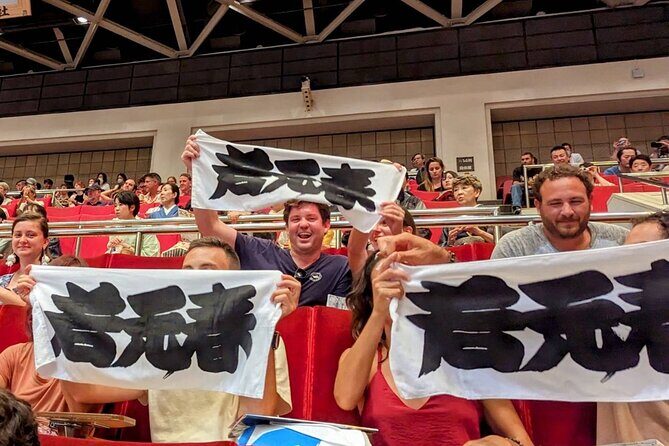
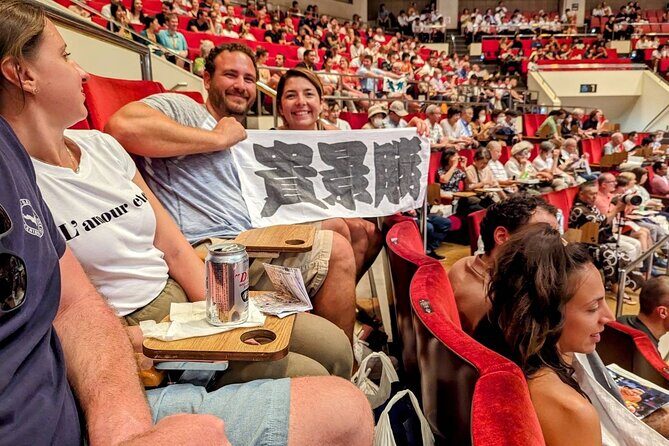
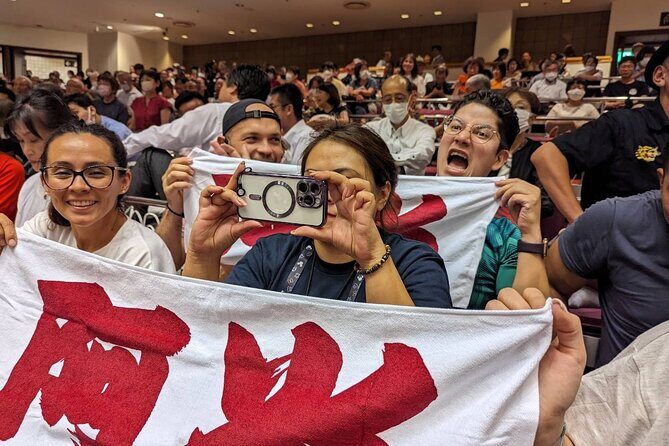
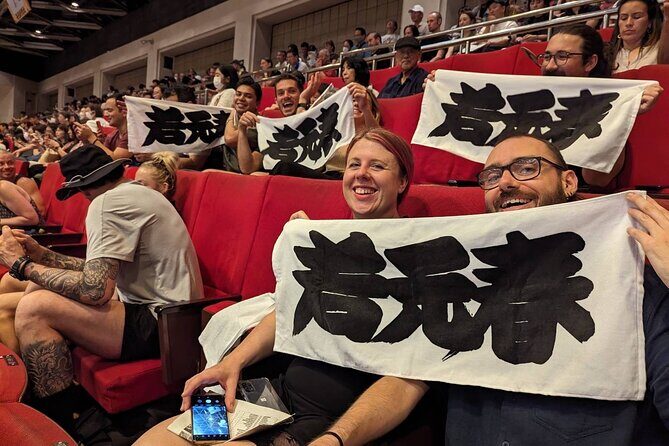
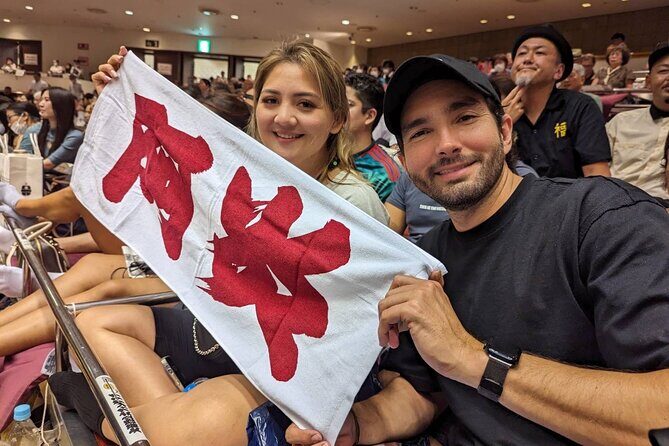
- Cheer-up goods to support a wrestler
- All fees and taxes
- Mobile ticket access
- Arena admission included for the viewing portion
And you may also add:
- The Ryogoku history walking segment
- The optional chanko-nabe dinner
- The chair seating option, depending on what’s offered for your date/session
The fair warning: price feelings can differ
At least one review had a complaint about markup compared to a standalone ticket price. That’s a real possibility for any guided-ticket bundled product. If you’re the kind of person who can already read the match without help, you might feel the guide premium doesn’t justify itself.
But if you’re new to sumo, or you want to understand the rituals, the commentary changes the value equation. The tour isn’t just a ticket. It’s a translation layer plus context.
In short: the pricing feels more justified when you’ll use the guide time and earphones. If you’ll mostly sit and watch, you’ll get less extra value from the guidance.
Pacing, group size, and practical logistics you’ll feel on the day
This experience runs about 6 hours. The tour has a maximum group size of 35 travelers, which keeps things from becoming chaos, but it also means it’s not a true one-to-one experience for everyone.
You’ll meet your guide in a convenient place in Ryogoku. The experience also notes it’s near public transportation, so getting to the start point should be straightforward.
Because the schedule includes an arena portion and optional dinner, build your day around that. Don’t plan a tight dinner reservation across town right after the match. Let the tour do what it’s designed to do: move you from neighborhood learning to arena viewing to food nearby.
What to bring
The data doesn’t spell out a dress code. For comfort, plan like you’re spending a few hours on your feet and then sitting for a while. If you choose the chair option, you’ll still want comfortable clothes for long sitting.
Who this tour is best for (and who might skip it)
This tour is especially strong for:
- First-time sumo fans who want the sport’s meaning, not just its outcomes
- Sports enthusiasts who like structure and explanations
- Culture-minded visitors who enjoy understanding traditions before they watch the performance
- People who value comfort choices like chair seating
It may be less satisfying if:
- You’re very price-focused and already know how sumo works
- You prefer learning only by yourself once you’re at the arena
- You don’t plan to ask questions or engage with the guide during the match
A good tell: if you think the difference between understanding and not understanding will matter to you, this tour likely pays off.
Should you book the Grand Sumo May Tournament tour?
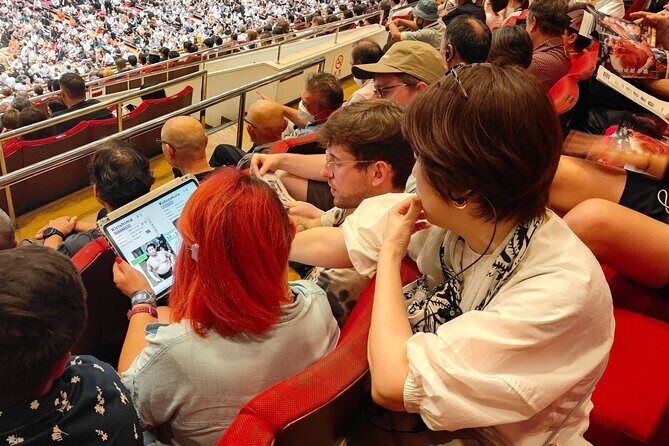
If you’re excited about sumo but don’t want to spend your first tournament trip playing match translator in your head, I’d book it. The combination of a Ryogoku warm-up walk, an arena walkthrough, and earphone commentary during bouts is the kind of setup that turns a one-day ticket into a real learning experience.
Book it even earlier if your trip timing is firm. The experience is built for tournaments where seating gets tight fast, and the average booking lead time is about 41 days.
Skip it only if your goal is purely to watch with zero added context, or if you strongly dislike paying for bundled guidance. Even then, the arena admission and the in-arena explanation still may be worth it—just be honest about how much you’ll use the guide.
FAQ
FAQ
Is the tournament viewing ticket included?
Yes. Admission for the Ryogoku Kokugikan viewing bouts is included. The walking history portion lists admission as free.
How long is the tour?
The tour is about 6 hours total, with the main schedule split between the Ryogoku walk (13:00–15:00) and the arena viewing period (15:00–18:00), plus an optional chanko-nabe dinner after.
Do we get help hearing the guide during the bouts?
Yes. For groups of 3 or more, headsets/earphones are provided so you can hear the guide clearly even from a distance.
What seating options are available inside the arena?
There is a chair seating option on the balcony. If you choose the first-floor option, you would sit on a flat floor rather than cushioned seating on a small square. Chair seats are assigned as chair B or C based on the seating map.
Is the chanko-nabe dinner included in the price?
Chanko-nabe dinner is optional. The dinner option is described as being near the arena, and drinks for the meal are not included.
Is it hard to get to the meeting point?
No. The tour notes it’s near public transportation, and you meet the guide in a convenient place in Ryogoku.
What if my plans change—can I cancel?
Free cancellation is available up to 24 hours before the experience starts for a full refund. If you cancel less than 24 hours before, the amount paid is not refunded.
More Tour Reviews in Tokyo



More Mornings with the Wrestlers
Fresh reviews from around Tokyo






Sumo Shows, compared.
 ★ 4.8Sumo Show Experience with Chicken Hot Pot and a PhotoFrom $1036,678 reviews
 ★ 4.8Sumo Show and Dining ExperienceFrom $792,742 reviews
 ★ 5.0the SUMO showFrom $891,960 reviews
 ★ 5.0Tokyo Shinjuku Sumo Show & Experience with PhotoFrom $791,750 reviews
 ★ 4.8Sumo Show and Experience in ShinjukuFrom $691,001 reviews
 ★ 5.0Authentic Sumo Experience in Tokyo: Enter the SanctuaryFrom $171603 reviews
 ★ 4.8Tokyo Sumo Experience: Chanko & Mochi with a Former ProFrom $103567 reviews
 ★ 5.0Ultimate Sumo Tournament: Tokyo, Osaka, Nagoya, FukuokaFrom $184468 reviews
Browse the lists this tour appears in