
Reviewed · WALKING TOURS
Licensed Guide Tokyo Meguro Cherry Blossom Walking Tour
One river, two temples, and a show. That’s the rhythm here. The big draw is Meguro River in peak cherry-blossom season, tied together with stop-ins that explain why these places matter in Tokyo culture. I also like that the pace is short enough to feel like a focused stroll instead of a full-day tour.
You’ll also get a look at Daienji, tied to the Edo-era fire story and its reputation among the seven luckiest temples. Then there’s Gajoen at Hotel Gajoen Tokyo, where the interior is known for dignified, historic banquet-hall styling.
One possible drawback: timing is everything. If blossoms are late or over, the views can be less dramatic, so you should be ready for the guide to adapt the plan on the ground.
In This Review
- Key things you’ll notice on this Tokyo cherry blossom walk
- Starting at a famous café: your first job is finding the guide
- Meguro River cherry blossoms: why this stretch hits differently
- Daienji Temple: Edo-era tragedy turned into a luck-and-memory stop
- Gajoen at Hotel Gajoen Tokyo: the wedding-hall story behind the elegance
- Shinjuku by bus plus a performance show: Tokyo energy after the quiet
- Price and value: what $22 buys in a 90-minute Tokyo plan
- Who should book this (and who should skip it)
- How to get the most out of it (even if conditions aren’t perfect)
- Should you book this Tokyo Meguro cherry blossom tour?
- FAQ
- How long is the Tokyo Meguro cherry blossom walking tour?
- Where does the tour start and what should I look for?
- Where does the tour end?
- Is the tour available in English?
- When is the best season for cherry blossoms on this route?
- What should I bring for the walking parts?
Key things you’ll notice on this Tokyo cherry blossom walk
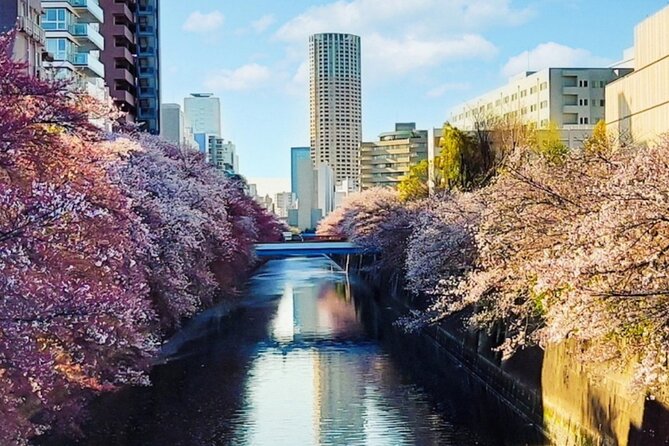
- Meguro River scenery in late March to early April is the star of the outing
- Daienji’s Edo-era fire history gives the temple stop real context, not just photos
- Gajoen’s general wedding hall story connects Showa-era glamour with everyday visitors
- Hotel Gajoen Tokyo photo stop + interior glimpses help you understand the place
- Shinjuku bus time and a performance add energy beyond the walking
- English licensed guide means fewer guesswork moments as you move between sights
Tokyo at walking pace, a few more ways
- Tokyo Tsukiji Fish Market Food and Culture Walking Tour★ 5.0 · 3,184 reviews
- Tokyo: Shinjuku Local Bar and Izakaya Guided Walking Tour★ 4.9 · 1,794 reviews
- Tokyo: Tsukiji Fish Market Food and Walking tour★ 5.0 · 1,724 reviews
Starting at a famous café: your first job is finding the guide
This tour starts at Starbucks across from Naka-Meguro Station, on the Hibiya line side. The meeting pin you want is Starbucks Coffee – Naka-Meguro Tsutaya Books (coordinates: 35.644621, 139.6993005). That sounds simple, but in Tokyo stations, a few steps can feel like a different planet.
I recommend you do two things before you head out:
- Get to the area a bit early so you’re not hunting while the group gathers.
- Take a screenshot of your meeting point so you can confirm you’re in the right pocket of street and storefronts.
The tour is private-group style, and you’ll have an English licensed guide holding company materials (a brochure and license certificate). In practice, that helps a lot—until you’re stressed and scanning faces. So keep it calm: be early, look for the brochure/license, and ask staff or check around the Starbucks frontage if you’re unsure.
Meguro River cherry blossoms: why this stretch hits differently
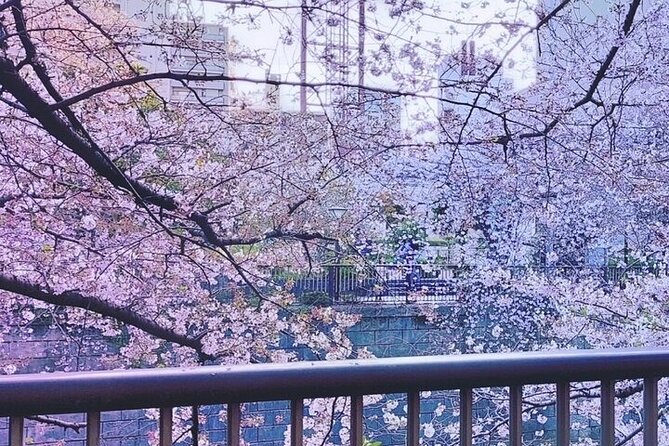
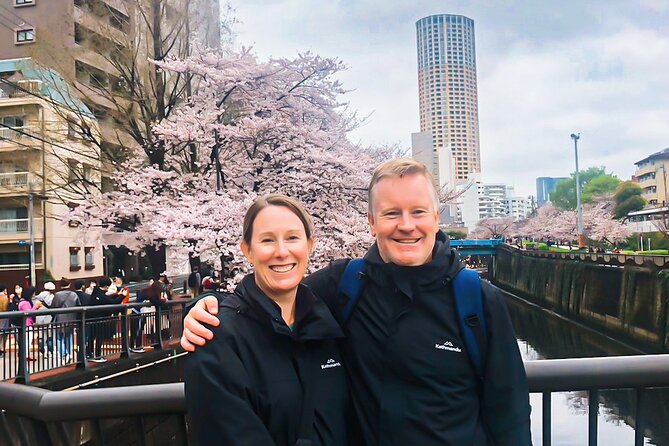
The main walk portion runs along Meguro River, with about 45 minutes for viewing while you pass along the water. This is one of Japan’s signature cherry blossom scenes, and the reason it works as a guided experience is simple: you’re not just looking at petals. You’re learning where to look, when to slow down, and how the viewing rhythm changes along the river.
Season-wise, the sweet spot is late March to early April. That’s when you can usually catch the classic bloom-and-reflection look people travel for. But Tokyo weather can move things around, and even within those dates, blossoms might be less than perfect.
Here’s the practical way to handle that: if the blossoms aren’t at their best, don’t treat the tour as a loss. You’re still walking in a scenic, famous corridor, and a good guide can keep the experience meaningful. One reported moment from this kind of season-swing is a switch toward a traditional house-style stop when blossoms aren’t out—so you should expect the guide to protect the sightseeing value, not just the cherry-blossom postcard.
Wear comfortable shoes. This is a walking tour, and the river time is long enough that blisters will ruin your mood faster than any weather.
Daienji Temple: Edo-era tragedy turned into a luck-and-memory stop
After the river viewing, the tour goes to Daienji temple. This is where the experience starts to feel more “Tokyo” and less “generic sightseeing.”
What makes Daienji special on this tour is the story you’ll hear: in the mid-18th century, a fire broke out from this temple, and Edo became a sea of fire. After that, rebuilding wasn’t allowed until the end of the Edo period. The temple was then newly built as a tribute to those who died in the Edo fire.
That history matters because it changes how you see the site. You’re not just ticking a temple box. You’re standing in a place shaped by catastrophe and delayed reconstruction, then tied into a long-running reputation connected to the seven luckiest temples. Even if you’re not a temple-history person, this kind of context gives the grounds weight.
Practical note: temples can be quieter, which is great for photos and pacing. But it also means you’ll want to listen. The value here is in the explanation that connects past events to the feeling of the place today.
Gajoen at Hotel Gajoen Tokyo: the wedding-hall story behind the elegance
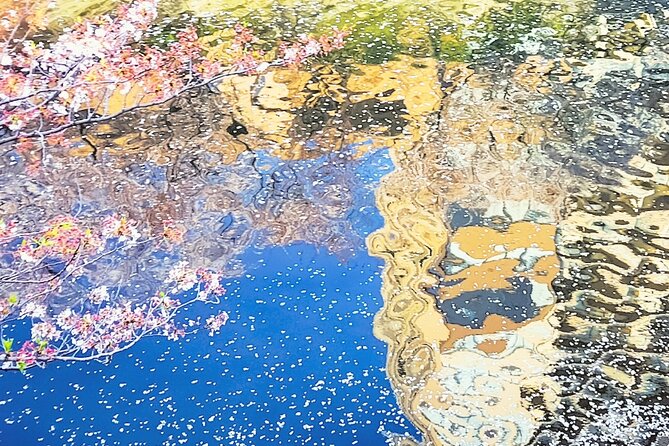
Next comes Gajoen at Hotel Gajoen Tokyo. You’ll get a photo stop, guided tour time, and scenic pass-by viewing—about 30 minutes devoted to this area.
Gajoen matters because it was opened in 1931 as a restaurant named after Meguro, and it’s described as the first general wedding hall in Japan. What I like about that is the “everyday through elegance” angle: it wasn’t only for the top tier. The story includes that it served authentic Beijing and Japanese cuisine and used clear pricing on the menu and other smart ideas. That approach helped bring in ordinary people along with politicians and high-class guests.
The interior is also known for dignified decoration, sometimes described with a nickname like a Ryukyu Castle in Showa style. On this tour, you’re not just looking from the outside. You’re given the guided understanding that helps you appreciate what you’re seeing inside and why it’s remembered.
A timing reality to keep in mind: this is part of a 90-minute tour, so you’re not wandering slowly for hours. You get enough time to see the highlights, learn the meaning, and take solid photos—then move on.
More days made easy by a guide



Shinjuku by bus plus a performance show: Tokyo energy after the quiet
Your tour also includes a bus tour around Shinjuku with a national government-licensed guide, plus a performance show featuring cartwheeling samurai, breakdancing ghosts, and taiko drums.
This is the part that turns the outing from “calm spring stroll” into “Tokyo night-slapstick-culture.” Even if you’re not sure you’ll enjoy the specific act, taiko drums are a strong sensory anchor: sound and rhythm land immediately, and they’re hard to fake or misunderstand.
The Shinjuku bus time also helps you see that the tour isn’t only about slow walking. You get a broader Tokyo snapshot without adding more planning. And if you came for blossoms but your timing is imperfect, this segment protects the overall value: your day still has spectacle.
Because exact timing for the bus and show isn’t laid out in minute-by-minute form, think of this as the “get your energy back” block that helps the tour feel complete.
Price and value: what $22 buys in a 90-minute Tokyo plan

At about $22 per person for roughly 90 minutes, this tour is priced like a practical, short orientation to several iconic spots. You’re paying for three things that add up fast in Tokyo:
- an English licensed guide (so you don’t waste time figuring out what’s worth your attention)
- multiple stops that would take extra planning if you DIY
- a performance and Shinjuku bus time that extends the experience beyond river photos
If your goal is a quick “see the main scene, learn the story, get a taste of showmanship” outing, this is good value. If your goal is maximum time in one spot—say, only Meguro River for lingering photos—then you might wish you had a longer tour option. The design here is efficient.
One more value angle: free cancellation up to 24 hours before start and the reserve now, pay later approach makes it easier to handle cherry-blossom uncertainty. Spring planning is always a bit of a gamble, and that flexibility matters.
Who should book this (and who should skip it)
This tour fits best if you want:
- a short, structured walk instead of a half-day DIY plan
- English guidance at each key cultural stop
- a mix of peaceful viewing (river/temple) and high-energy entertainment (show + Shinjuku)
It may not fit if:
- you need a very long time to linger at one location
- you have trouble walking comfortably for a sustained period (bring comfortable shoes)
- you fall into the stated limits: children under 3, babies under 1, people over 95, or anyone with altitude sickness concerns
Age and mobility limits are listed plainly for a reason: short tours can still have stretches that feel long when you’re not used to moving between sites.
How to get the most out of it (even if conditions aren’t perfect)
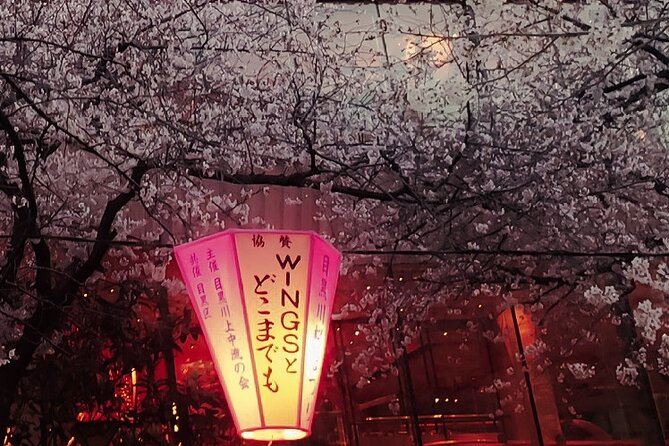
Cherry blossom season is dramatic, but it’s also fragile. Here’s how to protect your experience:
- Arrive early at Starbucks opposite Naka-Meguro Station. This is where good outcomes start.
- Keep your eyes up for the guide’s materials. The guide should carry the company logo brochure and a licensed guide certificate. If you don’t see that within the first few minutes, don’t just wait.
- Don’t assume blossoms will be peak. If they’re not out, you’ll still get the river route and other stops, and a guide may adjust to keep the experience enjoyable.
- Plan for photos, not a marathon. You’ll have photo stops and guided time, but it’s still a moving schedule. Pick your photo moments.
Also, if your navigation app tends to be off around stations, use your confirmation details and look at street-level landmarks. One reported issue tied to maps was disappointing and can easily be avoided with a quick “am I at the right Starbucks?” check before the start.
Should you book this Tokyo Meguro cherry blossom tour?
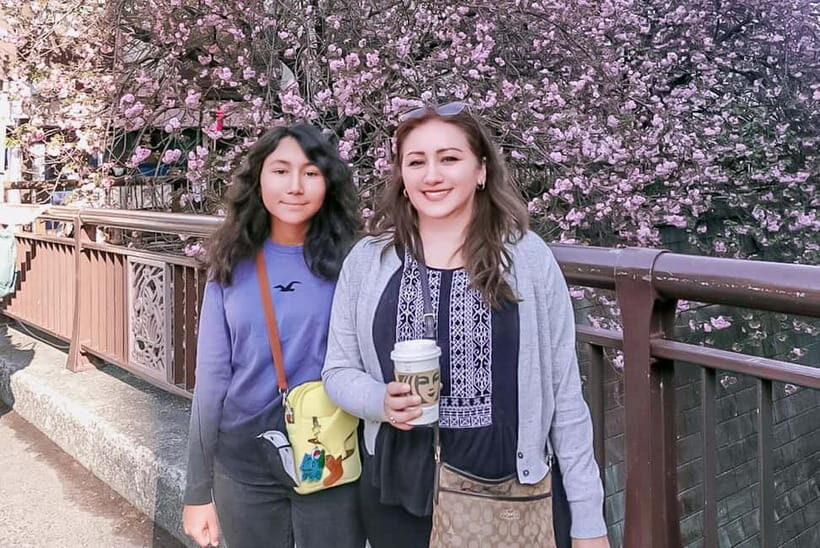
I’d book this if you want a tight, English-led spring sampler: Meguro River at its best (late March to early April), plus a temple with a serious Edo story, plus Gajoen’s wedding-hall legacy, ending with Shinjuku bus energy and a performance.
I’d hesitate if you’re the type who needs cherry blossoms to be perfect or who gets anxious about meeting-point precision. A negative experience has been reported when the guide couldn’t be found at the start, and in that situation it’s stressful for everyone. Your best protection is simple: arrive early, confirm you’re at the correct Starbucks, and verify you’ve found the guide promptly.
If you do those things, this tour is a solid way to spend 90 minutes in Tokyo—seeing the iconic sights, learning why they matter, and ending with something loud, rhythmic, and fun.
FAQ
How long is the Tokyo Meguro cherry blossom walking tour?
The tour lasts 90 minutes.
Where does the tour start and what should I look for?
Meet at Starbucks opposite Naka-Meguro Station, at Starbucks Coffee – Naka-Meguro Tsutaya Books. Your English licensed guide is waiting there with the company logo brochure and a licensed guide certificate.
Where does the tour end?
The tour ends at JR Meguro Station.
Is the tour available in English?
Yes, the live tour guide is English.
When is the best season for cherry blossoms on this route?
The cherry blossom season is usually between late March and early April.
What should I bring for the walking parts?
Bring comfortable shoes.
Tokyo on Foot: More Walks

More Tours in Tokyo




More Tour Reviews in Tokyo




Fresh reviews from around Tokyo






Walking Tours, compared.
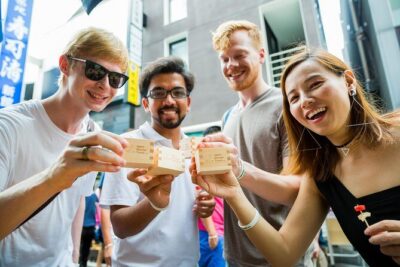 ★ 5.0Tokyo Tsukiji Fish Market Food and Culture Walking TourFrom $993,184 reviews
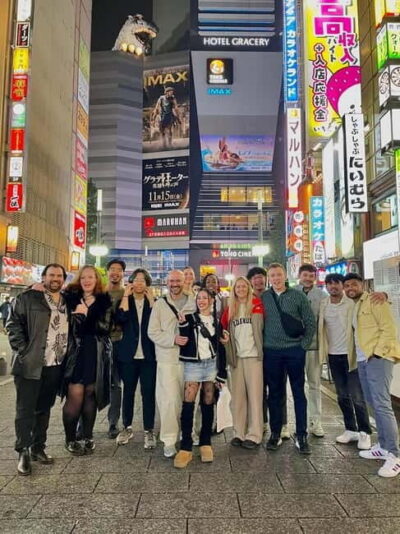 ★ 4.9Shinjuku Local Bar and Izakaya Guided Walking TourFrom $341,794 reviews
 ★ 5.0Tsukiji Fish Market Food and Walking tourFrom $301,724 reviews
 ★ 4.8Asakusa Walking Tour with Sensoji Temple VisitFrom $221,583 reviews
 ★ 4.9Tsukiji Fish Market Guided Walking TourFrom $221,397 reviews
 ★ 4.7Tokyo Castle & Imperial PalaceーShogun Walking TourFrom $231,068 reviews
 ★ 4.9Imperial Palace Japanese History Walking TourFrom $32987 reviews
 ★ 4.7Dark Side of Tokyo Shinjuku Red Light Walking TourFrom $29862 reviews
Browse the lists this tour appears in