
Reviewed · KAMAKURA DAY TRIPS
Kamakura Temples Private Guided Tour from Tokyo
Kamakura feels like a day-trip from another age. You’re trading Tokyo hustle for a focused circuit of temples and shrines with a private, English-speaking licensed guide. I like how this tour gives you structure for a long day, so you’re not stuck figuring out logistics while your time runs out.
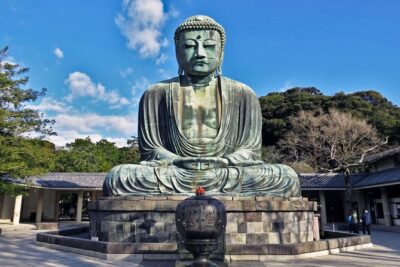
I especially like the stop at Hase-dera, where you’ll see the Hase Kannon statue and wander gardens before heading into the Jizo-do Hall with its many small stone figures. My other favorite is the sheer scale of the 13-meter Great Buddha at Kotokuin—historic, iconic, and impossible to ignore. The one consideration: the $145 price doesn’t include transit for you and your guide, entrance fees, or lunch, so your total day cost can climb once you’re there.
In This Review
- Key highlights
- From Tokyo to Kamakura: how the day flows
- Hase-dera and Hase Kannon: the Temple of Flowers experience
- Kotokuin Temple and the 13-meter Great Buddha: why it stops people
- Lunch on Komachi Street: fuel and flexibility
- Tsurugaoka Hachimangu Shrine: the Shinto center of Kamakura
- Price and logistics: what $145 covers, and what you pay on the day
- Crowd management, walking, and comfort tips
- What kind of traveler should book this tour?
- Should you book this Kamakura Temples Private Guided Tour?
- FAQ
- What is included in the tour price?
- What extra costs should I plan for?
- How much walking is involved?
- Is this tour private and available in English?
- How long is the tour, and when do I get back to Tokyo?
- Where does pickup and drop-off happen?
Key highlights
- Private, English live guide that helps you understand what you’re seeing, not just where to stand for photos
- Hase-dera’s Hase Kannon with the eleven-faced Goddess of Mercy and time for gardens and the Jizo-do Hall
- Kotokuin’s Great Buddha with a 13-meter presence and a guided look at why it matters
- Tsurugaoka Hachimangu Shrine built in 1063, dedicated to Emperor Ojin
- Komachi Street break for lunch and shopping time in the heart of the action
- Crowd-smart pacing so you can still move efficiently even when Kamakura is busy
More escapes to the Great Buddha and the coast
- Kamakura 8 hr Private Walking Tour with Licensed Guide from Tokyo★ 5.0 · 80 reviews
- Tokyo: Kamakura & Enoshima Day Tour with Pickup & Train Ride★ 4.1 · 61 reviews
- Kamakura Private & Customizable Tour – All-in-One Experience★ 5.0 · 49 reviews
From Tokyo to Kamakura: how the day flows
This is a full-day private tour, designed around one simple idea: get you out of Tokyo and into Kamakura efficiently, with someone guiding the order of stops. You start with hotel pickup in Tokyo, then travel by train to Kamakura (about 70 minutes one way). The tour is scheduled to return to Tokyo around 4 to 5 pm, depending on the pace and your pickup/drop-off location.
One detail worth noting: pickup and drop-off are on foot. That means you’ll need to be able to walk from your hotel area to the pickup point your guide uses, or meet them nearby without expecting a vehicle transfer.
You’ll also get train transfers during the day, including short hops between stops. The key benefit here is rhythm—you spend less time searching, and you spend more time looking at what you came for.
Hase-dera and Hase Kannon: the Temple of Flowers experience
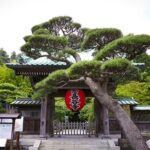
Hase-dera is often called the Temple of Flowers, and you’ll feel that name in the way the grounds are laid out. You’ll get a photo stop and guided time here, with about 30 minutes built into the plan for the main sights.
Inside this stop, the big draw is the Hase Kannon statue—the Goddess of Mercy described as an eleven-faced presence representing different phases in the search for enlightenment. Your guide should be able to translate what that means in plain language, and help connect the religious symbolism to what you’re seeing in the hall.
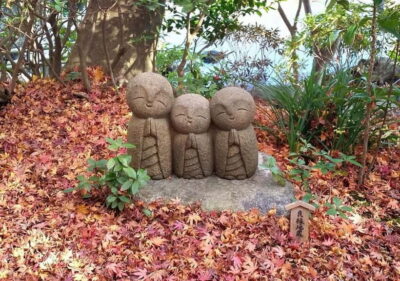
After the indoor focus, you’ll have time to wander outdoors through the gardens. Then there’s the Jizo-do Hall, which features hundreds of small Jizo Bodhisattva statues. Even if you’re not a religious-history specialist, this hall has a “slow down” effect. You’ll want comfortable shoes here, because the day is about walking through the atmosphere as much as checking a list of landmarks.
One practical tip: because Hase-dera is a popular stop, arrive mentally ready for other visitors. A good guide can help you keep moving at a steady pace, so you’re not losing your momentum to bottlenecks.
Kotokuin Temple and the 13-meter Great Buddha: why it stops people
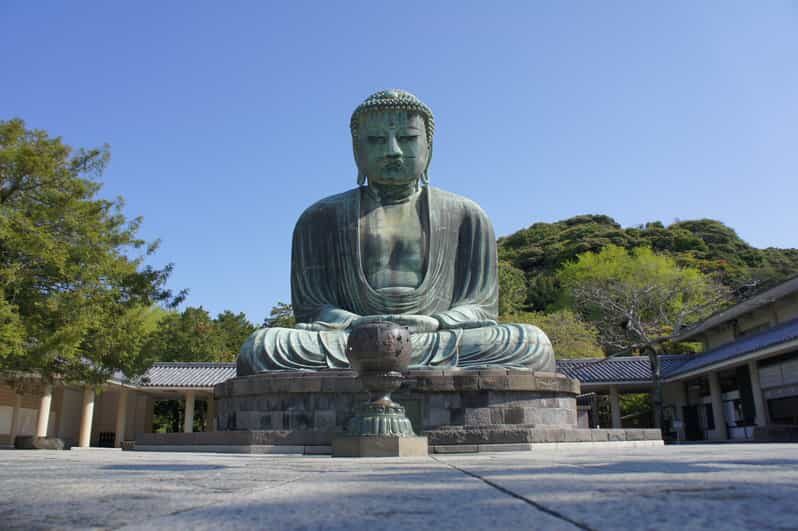
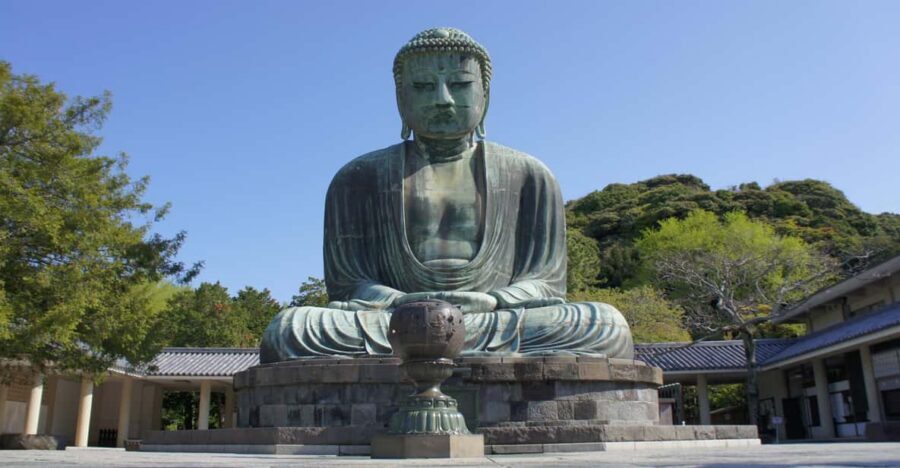
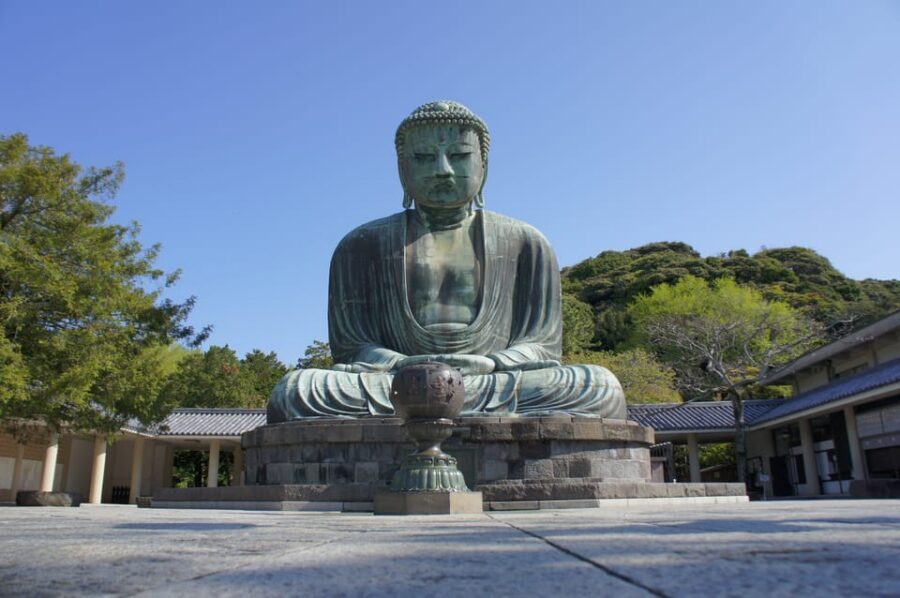
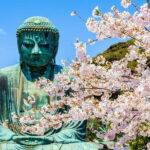
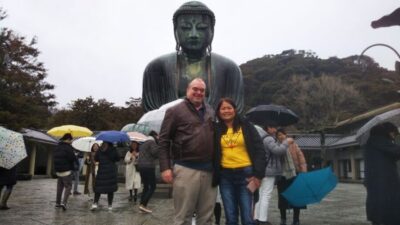
Next up is Kotokuin Temple, where you’ll face one of Japan’s most famous oversized icons: the Great Buddha. The plan includes another photo stop plus guided time, roughly 30 minutes to take it in.
This is a statue you experience differently than most temple art. At around 13 meters high, it’s not just “a sight,” it’s the main feature of the space. The historical timing matters too: the Great Buddha’s significance is traced back to 1292, which gives your visit extra weight beyond the postcard look.
For me, the best value of a private guide here is context. You’re not just looking at scale—you’re learning what the statue meant, how it held relevance over time, and how it fits into Kamakura’s religious landscape. That’s also where the best guides in this tour style tend to shine. People have had guides such as Mizuma-san, who’s described as strong on Japanese history and culture, and others like Take and Steve, who use maps and practical explanations to help you make sense of the route and the stories behind each site.
There’s also a realistic rhythm point: by the time you finish Kotokuin, you’ll probably be ready for a break. That’s intentional, because you’ll head to lunch soon after.
Lunch on Komachi Street: fuel and flexibility
Lunch isn’t included, but you do get scheduled time for it. After Kotokuin, you’ll head to Komachi Street, where the plan gives you about 1.5 hours for lunch, guided context, and free time for shopping.
This part of the day is smart because it gives you options. Komachi Street is the kind of place where you can choose what feels right—something quick if you want to move fast, or a sit-down meal if you want recovery time. Your guide can steer you toward practical picks based on what you’re craving, but you still get control over the cost and the style of lunch.
If you enjoy browsing small shops, snack stands, or traditional souvenirs, this is the window to do it without feeling rushed. If shopping isn’t your thing, you can treat Komachi Street as a recharge break and focus on eating well.
More days made easy by a guide


Tsurugaoka Hachimangu Shrine: the Shinto center of Kamakura
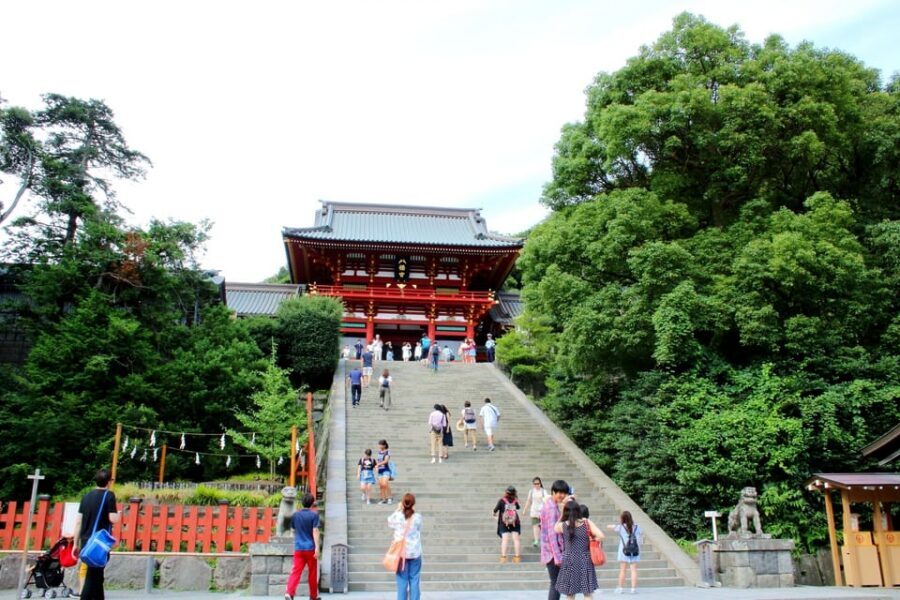
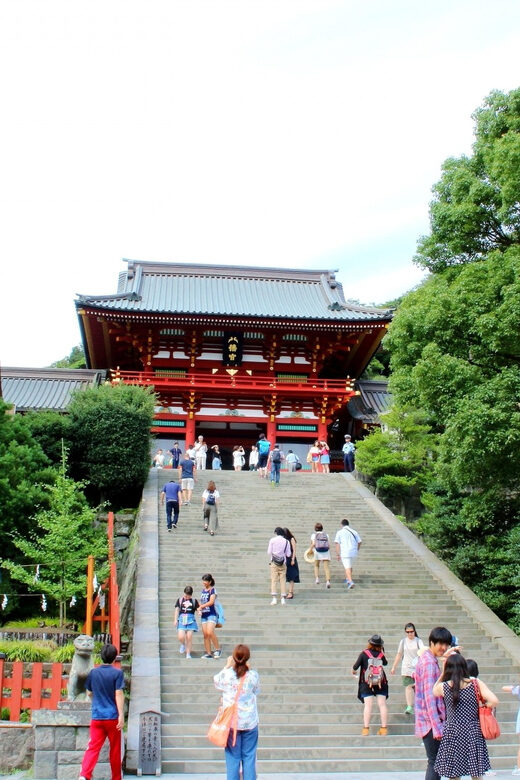
After lunch, you’ll go to Tsurugaoka Hachimangu, the main Shinto shrine in Kamakura. You’ll get photo time and guided sightseeing here too, again with about 30 minutes on the ground.
This shrine is dedicated to Emperor Ojin, also known as the God of War. It was built in 1063, which means your visit is tied to a long timeline rather than a recent landmark. The shrine’s placement also matters: it sits at the geographical center of Kamakura, so it functions like a focal point for the whole town.
What I like about guided time at a shrine is that it helps you read the design. You’ll likely learn how the complex is laid out and what to look for as you walk through. Even in a short visit, that guidance can turn a crowded shrine area into something you actually understand.
Also, this stop can get busy. If crowds are heavy, a strong guide helps you keep your path moving so you’re not stuck waiting for people to clear the way. Some guides associated with this tour—like Take and Steve—have been described as managing crowd flow effectively while still making sure you reach the main viewpoints.
Price and logistics: what $145 covers, and what you pay on the day
Here’s the money reality check, because it affects value.
The tour price is $145 per person for an 8-hour private experience with a licensed English interpreter and hotel pickup/drop-off on foot. But several costs are listed as not included:
- Public transportation for you and the guide: around 2000 yen per person
- Entrance fees: Hase-dera 400 yen and the Great Buddha at Kotokuin 300 yen
- Lunch and drinks (for both you and the guide)
The itinerary also indicates one-way train tickets cost around 1200 yen, which lines up with the transportation-not-included approach. So you should plan on adding transit and site entry charges to your base price.
Is it still good value? For many people, yes—because you’re paying for time-saving and interpretation. You’re spending a full day covering multiple major sights with a private guide, rather than piecing it together yourself and risking lost time on trains, ticket lines, and figuring out what’s important at each stop.
But if you’re trying to travel super-budget, this is where the math can get annoying. One booking experience described paying a lot extra relative to expectations, so I’d treat this as a tour that’s priced for comfort and guidance, not just sightseeing for cheap.
Crowd management, walking, and comfort tips
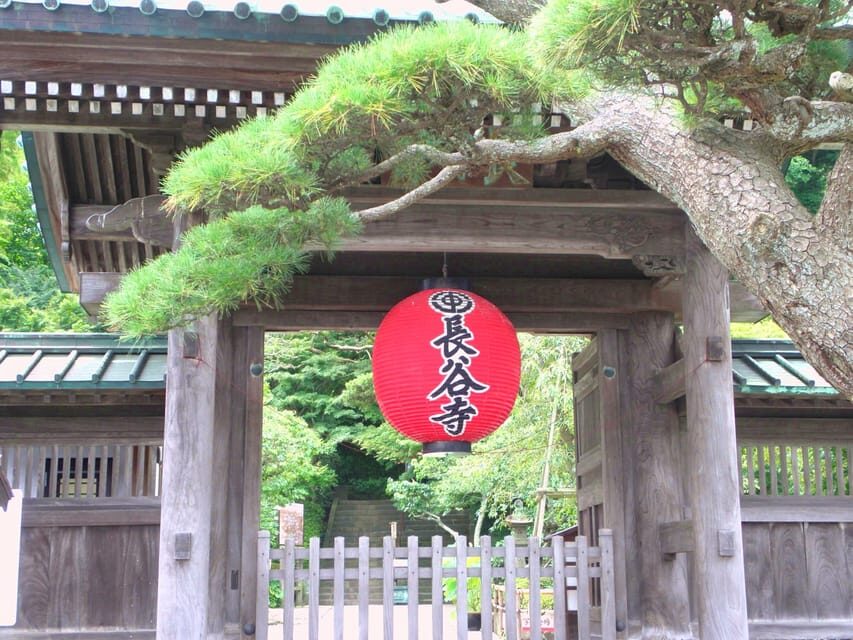
This tour includes 3 to 4 km of walking, plus steps and foot traffic at temple and shrine areas. Wear comfortable shoes—seriously. You’re on your feet through multiple locations, and Kamakura can be surprisingly tiring even without steep climbs.
Timing matters too. The day includes train travel between stops and built-in guided sightseeing chunks. That helps, but it doesn’t eliminate crowd pressure. Popular sites like Hase-dera and Tsurugaoka Hachimangu can get busy, and you’ll want to keep moving with the group rather than wandering off to hunt for quiet corners.
If you’re traveling with family or a small group and you want someone to keep the day organized, the private format helps a lot. You can also benefit from your guide tailoring the pace based on what you’re interested in, as long as it stays within the time plan.
What kind of traveler should book this tour?
I’d point this tour at travelers who want a guided day in Kamakura without the stress of planning every turn. It’s a great fit if:
- You’re short on time in Japan and want a best-of temple-and-shrine day
- You care about meaning behind symbols, not just photos
- You prefer structured pacing over going solo and guessing
- You want someone to help you navigate crowds efficiently
It might be less ideal if you love being totally independent and you’re comfortable managing train routes, ticket machines, and interpretation yourself. In that case, you may find a self-guided plan cheaper, though you’ll trade away the added context that a good guide brings.
From the guide perspective, there’s a pattern of strong performance described by past guests. People have referenced guides like Mizuma-san for history and culture explanations, Steve for organization and a friendly flow through the day, Take for using maps and keeping the group moving in crowded conditions, and Richie for being helpful and responsive. Your exact guide may vary, but the tour is clearly built around interpretation and practical support.
Should you book this Kamakura Temples Private Guided Tour?
If you want Kamakura’s top spiritual landmarks plus clear guidance, I’d say this is an easy yes—as long as you budget for the extras. The base price buys a private day with a licensed English guide and an efficient route. You’re still responsible for transit, entrance fees, and lunch, so your final spend won’t be exactly what you see up front.
Book it if you value:
- A guided story behind Hase-dera, Kotokuin’s Great Buddha, and Tsurugaoka Hachimangu
- Less stress in getting around and managing timing
- A comfortable pace with time for Komachi Street food and browsing
Skip or reconsider if:
- You’re trying to keep costs to the bare minimum
- You dislike guided structure and prefer to roam freely
- You don’t want to think about additional payments on the day
FAQ
What is included in the tour price?
The tour includes a National Government Licensed Guide Interpreter and hotel pickup and drop-off on foot. Entrance fees, transportation for you and the guide, and lunch and drinks are not included.
What extra costs should I plan for?
You should budget for public transportation for you and the guide (around 2000 yen per person), plus entrance fees for Hase-dera (400 yen) and the Great Buddha (300 yen). Lunch and drinks are also on you.
How much walking is involved?
The tour includes 3 to 4 km of walking. Comfortable shoes are strongly recommended.
Is this tour private and available in English?
Yes. It’s a private group tour with a live English guide.
How long is the tour, and when do I get back to Tokyo?
The tour duration is 8 hours. You’ll generally return to Tokyo around 4 to 5 pm.
Where does pickup and drop-off happen?
You can arrange pickup at Tokyo Station, Tokyo, Shinjuku City, or Shinjuku Station, and drop-off matches those areas. Pickup and drop-off are described as on foot, and you should share your hotel when booking so the guide can coordinate nearby pickup.
More Tours in Tokyo




More Tour Reviews in Tokyo




More Days by the Great Buddha

Fresh reviews from around Tokyo






Kamakura Day Trips, compared.
 ★ 4.5Kamakura & Enoshima Day Trip including Temple TicketsFrom $581,375 reviews
 ★ 4.5From Tokyo: Kamakura & Enoshima 1-Day Bus TourFrom $66189 reviews
 ★ 5.0Kamakura Historical Walking Tour with the Great BuddhaFrom $98129 reviews
Kamakura Private Tour: Temples, Nature, and the Great BuddhaFrom $98121 reviews
Kamakura Walking Tour – The City of ShogunFrom $35100 reviews
★ 5.0Kamakura Historical Walking Tour with the Great BuddhaFrom $98129 reviews
Kamakura Private Tour: Temples, Nature, and the Great BuddhaFrom $98121 reviews
Kamakura Walking Tour – The City of ShogunFrom $35100 reviews
 ★ 5.0Kamakura 8 hr Private Walking Tour with Licensed Guide from TokyoFrom $20180 reviews
 ★ 4.1Kamakura & Enoshima Day Tour with Pickup & Train RideFrom $1361 reviews
 ★ 4.8Kamakura: Private Guided Walking Tour with Local GuideFrom $10660 reviews
Browse the lists this tour appears in