
Reviewed · TOKYO
Private Tokyo Tour with Licensed Guide & Vehicle (Max 15 persons)
Tokyo in one efficient day.
This private tour is built for easy sightseeing: hotel pickup and drop-off, plus a licensed English-speaking guide who helps you choose what matters. I love that you don’t have to fight Tokyo’s metro maze, and I also love that you can focus your time on only 3–4 stops instead of doing the usual hit-or-miss shuffle. One consideration: with just six hours, even a great plan can feel a little rushed if you try to do too much or overpack the schedule with shopping.
You get a car, not a puzzle. The day works best when you go in with priorities (history, food, anime/tech, fashion, temples, or a mix) and let the guide shape the order and pacing. In practice, that flexibility is what turns a list of famous places into a smooth, memorable route.
In This Review
- Key points before you go
- Private car beats the metro maze in Tokyo
- Pricing that actually makes sense for a family day
- How the 3–4 stop format keeps your day from collapsing
- Imperial Palace: quick step into Edo-era Tokyo
- Takeshita Street: fashion photos and souvenir hunting in Harajuku
- Senso-ji Temple and Asakusa food: the classic old-Tokyo experience
- Kappabashi (Kappabashi Dogugai): plastic food models and kitchen-store souvenirs
- Meiji Jingu Shrine: trees, calm, and a reset for the day
- Tsukishima Monjya Street: a taste that feels distinctly Tokyo
- Ginza: department-store shopping and upscale Tokyo culture
- Shibuya Crossing and Hachiko: instant Tokyo energy (and a photo moment)
- Akihabara: tech, anime, and gacha culture in one compact area
- Yanaka Ginza: retro shopping street, cats, and comfort-food snacks
- Ueno Park: quick hits across museums, shrines, and pond views
- Tokyo Tower: main-deck views with a clear scope
- Tsukiji Fish Market: old-school food energy and a smart snack strategy
- What the best guides add: pacing, explanations, and practical help
- Who should book this tour (and who should not)
- Should you book this private Tokyo tour?
- FAQ
- How long is the tour, and how many places will I visit?
- Is this tour private?
- Does the tour include hotel pickup and drop-off?
- Are entrance fees included for all stops?
- Can I cancel for a full refund?
- Do you provide car seats or booster seats?
Key points before you go
- Hotel pickup and drop-off means less commuting stress and shorter walking between stops
- Licensed English-speaking guide who can explain what you’re seeing and help with photo timing
- Choose 3–4 sites from a set list, so the day matches your interests, not a fixed script
- Vehicle for groups up to 15 makes this work well for families and mixed ages
- Most stops are quick (often 30 minutes), so you’ll cover multiple neighborhoods without burning the day on transit
Private car beats the metro maze in Tokyo
Tokyo is amazing, but it can be exhausting. Stations are huge. Transfers take time. And once you’re juggling directions, lines, and schedules, your “quick stop” can turn into a long detour.
This is the tour answer. You’re picked up and dropped off at your hotel, and you’re driven between areas so your day stays simple. That matters most if it’s your first trip to Tokyo, you’re traveling with kids or older family members, or you just want your feet to stay unbothered.
Pricing that actually makes sense for a family day
The listed price is $553.58 per group (up to 4) for about 6 hours with a private vehicle and a licensed local English-speaking guide.
Here’s the value math. If you’re traveling as a group of 4, you’re essentially paying roughly $140 per person for guide + car + hotel pickup for the day. If it’s just 2 people, it’s more per person—but you still get something you can’t easily recreate on your own: a guide who helps you pick, pace, and understand what you’re walking into, while the driver handles the driving and logistics.
Also, this isn’t a “sit and watch” tour. Your guide is there to answer questions, recommend what to do inside each area, and help you spend your limited time on the right things.
How the 3–4 stop format keeps your day from collapsing
Your itinerary is customizable, and you select 3–4 sites from the options. That’s an important design choice. Six hours in Tokyo can disappear fast once you factor in driving time, parking, and the time it takes to actually enjoy a neighborhood.
The tour’s typical stop length is short and focused (many are 30 minutes). That means each chosen stop should be something you really want—because you’re there to get the key experience, grab photos, and understand the context, not because you’re going to spend half a day exploring like you would on a self-guided day.
Imperial Palace: quick step into Edo-era Tokyo
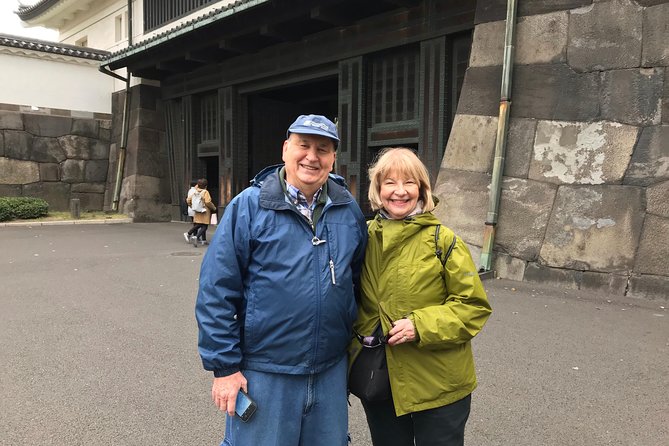
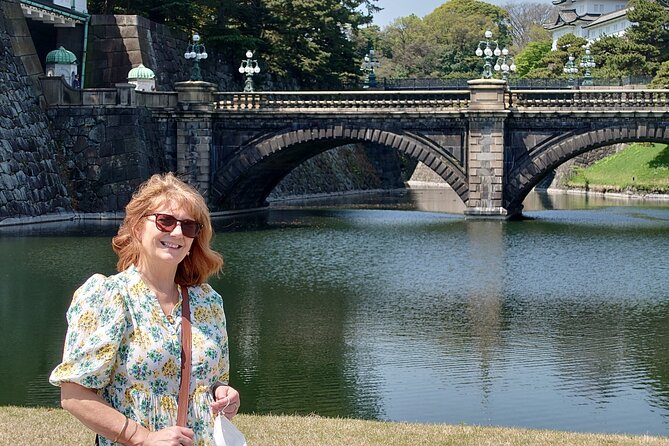
Imperial Palace is the kind of stop that makes Tokyo feel historical without requiring a long museum visit. You get historic relics, a sense of atmosphere, and the chance to look at the grounds in the center of the city.
The big practical win is timing. It’s a calm start that helps you ease into the day before heading to busier neighborhoods. Admission here is listed as free, and the stop is about 30 minutes, so it’s a good “anchor” location if your itinerary includes temples later.
Takeshita Street: fashion photos and souvenir hunting in Harajuku
If your Tokyo wish list includes street fashion, candy-colored stores, and that hyper-energetic Harajuku vibe, Takeshita Street is one of the easiest ways to get it.
You’ll have about 30 minutes here, with admission listed as free. This stop works best if you set a simple target beforehand:
- pick one or two specialty shops you actually want to visit
- focus on items you can’t easily buy elsewhere
- use the time for photos and browsing, not for deep shopping marathons
Also, it helps to plan for crowds. A private car reduces travel hassle, but Takeshita Street itself is popular.
Senso-ji Temple and Asakusa food: the classic old-Tokyo experience
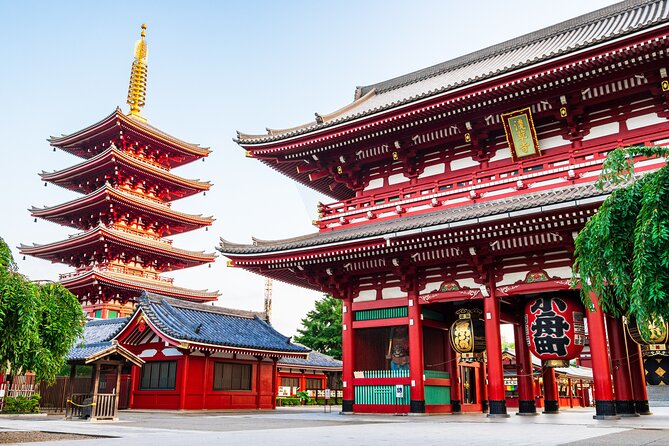
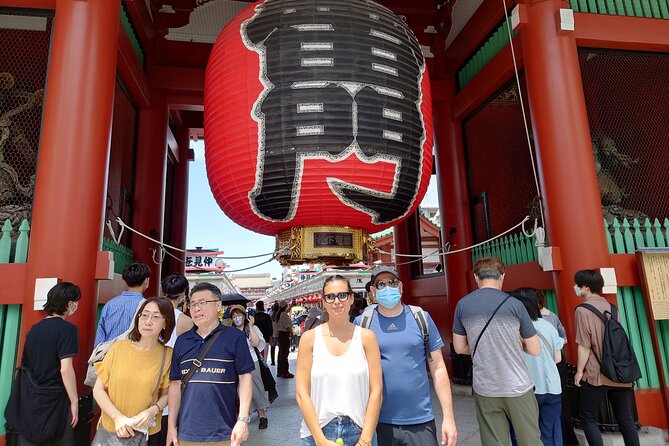
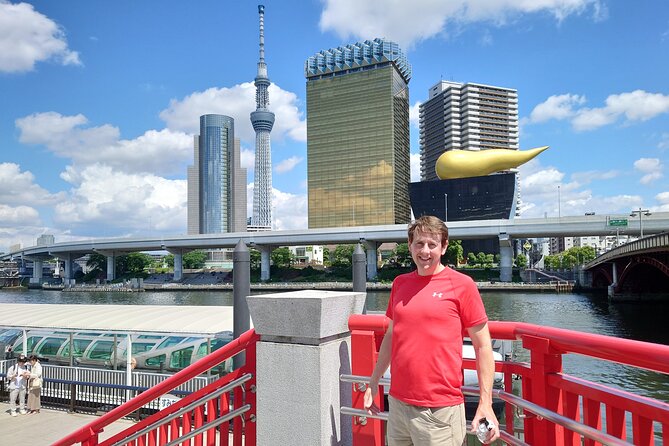
Senso-ji is one of Tokyo’s most famous temples, and you can feel why the area draws people. You get “old Tokyo” atmosphere, plus shopping and snacks right around the temple approach.
Admission is listed as free, and the stop is about 30 minutes. This is where food choices really matter in a short visit. The description highlights street snacks like dango and agemanju (fried sweet bean mochi). If you only get time for one or two things, choose early, eat while walking, and save your last minutes for photos and souvenirs.
One note: if you care about crowd levels, go early. A guide strategy that comes up in real-world use is picking an earlier tour time to experience Asakusa before it turns into a sea of people.
Kappabashi (Kappabashi Dogugai): plastic food models and kitchen-store souvenirs
Kappabashi is a shopping stop that feels oddly fun—even if you’re not a serious cook. You’ll see Japanese cooking utensils, the famous plastic sample food models, and lots of small gifts.
Admission is listed as free and the stop is about 30 minutes. The most “Tokyo” souvenir here is the miniature model food keychain. It’s small, easy to pack, and it’s exactly the sort of detail you’d miss if you skipped this neighborhood.
If you’re traveling with food lovers, this stop is a surprisingly strong match for couples and families.
Meiji Jingu Shrine: trees, calm, and a reset for the day
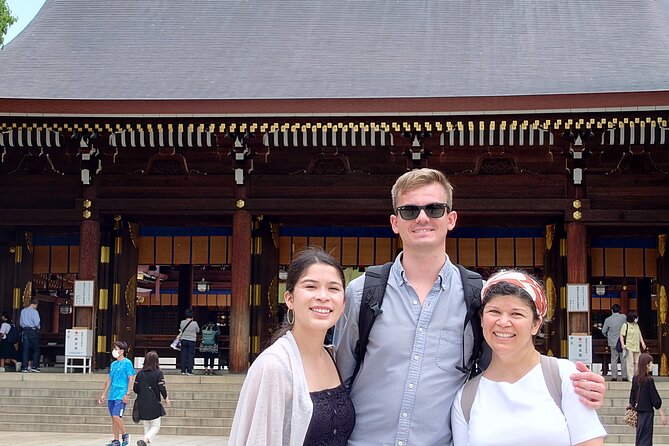
After shopping and city energy, Meiji Jingu Shrine is your breathing space. The focus here is nature and peaceful shrine atmosphere, with ancient trees that cool the mood immediately.
Admission is listed as not included, and the stop is about 30 minutes. Plan for a slower pace here. This is a good place to slow down, take photos, and ask your guide what to notice—like shrine layout basics or the meaning behind certain elements—so your visit feels more than just sightseeing.
Tsukishima Monjya Street: a taste that feels distinctly Tokyo
If you want food that’s local, Tsukishima Monjya Street is a smart pick. You’ll get a short stop (about 30 minutes) to experience the area and find a monja restaurant atmosphere.
Admission is listed as free, which helps. The practical approach is to treat this as a “taste and explore” segment. If your group wants a full sit-down meal, you may want to keep the rest of your itinerary lighter on shopping stops to avoid rushing.
Ginza: department-store shopping and upscale Tokyo culture
Ginza is for high-end shopping and polished city vibes. If you like department stores, brands, and elegant streets, you’ll enjoy the feel here.
This stop is about 30 minutes with admission listed as free. The description even points to Mikimoto for pearls, which is the kind of place you can window-shop for ideas even if you’re not buying.
This is also a good stop for people who want a “modern Tokyo” counterweight to temples and traditional streets. The trade-off is that Ginza can be pricier, so set a budget you’re comfortable with.
Shibuya Crossing and Hachiko: instant Tokyo energy (and a photo moment)
Shibuya Crossing is famous for a reason: organized chaos. People stream in all directions, and watching it happens faster than trying to describe it.
You’ll also get the Hachiko connection, with the statue of the loyal shiba dog. It’s one of those landmarks that gives you an easy photo stop and a story people recognize.
Admission is listed as free, and the stop is about 30 minutes. This is a great place for your guide to help with photo timing—like where to stand for better angles or how to time your crossing watch without spending the whole stop stuck in random foot traffic.
Akihabara: tech, anime, and gacha culture in one compact area
Akihabara is a playground for anime, tech, games, and the bright world of Japanese pop culture. Even if you’re not a super fan, you’ll recognize it instantly: electronics stores, character goods, and colorful displays.
This is about 30 minutes and admission is listed as free. If you have a list (a specific game, a collectible type, or a shop you’ve heard about), tell your guide early. With only a short stop, you want a smart route inside the neighborhood so you don’t waste time wandering.
Yanaka Ginza: retro shopping street, cats, and comfort-food snacks
Yanaka Ginza offers a different side of Tokyo. It’s more retro and slower paced than the biggest hotspots, and it has lots of character—even the stray cat vibe is part of the atmosphere.
Admission is listed as free, and the stop is about 30 minutes. The description calls out famous croquettes. If you’re building a “Tokyo food sampling” itinerary, this is an easy win: snack first, stroll second, shop last.
Ueno Park: quick hits across museums, shrines, and pond views
Ueno Park gives you options, but the tour stop here is short—about 10 minutes, and admission is listed as not included.
Because the time is limited, I’d treat Ueno as an exterior “orientation” stop unless your group is specifically aiming for a particular museum or shrine experience (and even then, you’d likely need more time than the tour gives). It can still work well if you want a sense of the park layout or a photo opportunity at the Shinobazu Pond area.
The description also notes Ueno as a cherry blossom party spot. If you’re visiting in season, this stop can feel especially meaningful.
Tokyo Tower: main-deck views with a clear scope
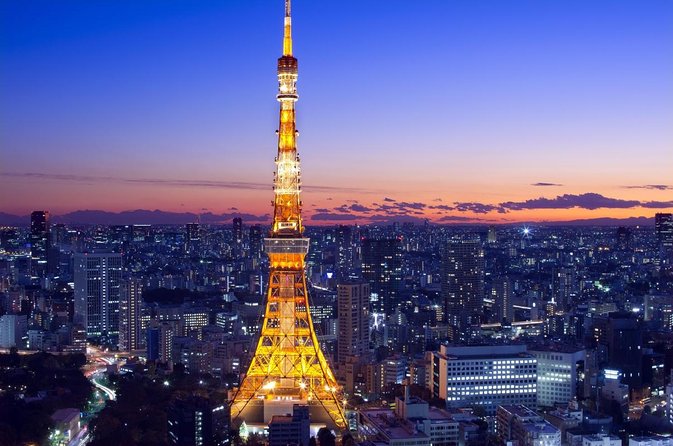
Tokyo Tower is a classic observation stop. The important detail here: the tour includes up to the main deck, and the top deck is not included.
Admission is listed as not included. You’ll have about 30 minutes. That limited time is enough for the main-deck viewpoint and photos, but it’s not a long “stay and relax” experience.
If views are your goal, go with the main deck. Save the long observation time for another day if you decide to return.
Tsukiji Fish Market: old-school food energy and a smart snack strategy
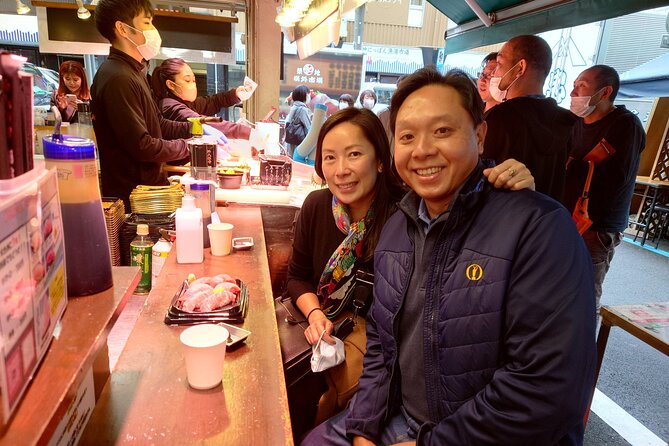
Tsukiji is described as the old fish market of Japan, with a strong mix of food options. The best way to do Tsukiji in a short stop is to plan snack-style sampling rather than expecting a full meal plus shopping plus photos.
Admission is listed as free and the stop is about 30 minutes. The description suggests buying something to support local operations, which is a good mindset here. If you want to bring food home, choose items that travel well and eat quickly after purchase.
What the best guides add: pacing, explanations, and practical help
A private tour lives or dies on the guide. And the standout pattern here is preparation and communication.
In real use, guides have shown up with extra tools—like flip charts and visual materials—and they’ve explained Japan’s history and culture in ways that stick. Some guides also map out the day with clear timing, then adjust on the fly if your group wants a little more time at a specific spot.
The other big win is logistics comfort. A good driver keeps you from wasting minutes on parking confusion and slow drop-off zigzags. Several named guides mentioned in the experience include Yoshi, Mura-san, Koji, Hideki, Taka, Kazu, Lily, Noropi, Fumiko, Ted, Taku-san, and Kyoko. The names matter less than the service style: timely pickup, clear explanations, and smooth transitions.
Who should book this tour (and who should not)
This tour fits you if:
- you want a first-timer overview of Tokyo without navigating trains all day
- you’re juggling multiple interests and want a guide to help prioritize
- you’re traveling with kids or older family members who need shorter, planned stops
- you hate wasting time searching for the “right entrance” or best photo spots
You might think twice if:
- you want a slow, deep-dive day where you spend an hour or two at each landmark
- you already know Tokyo well and prefer total DIY control
- your schedule depends on a lot of ticketed attractions that aren’t included and you want everything wrapped up perfectly
Should you book this private Tokyo tour?
I’d book it if you want Tokyo to feel manageable. Six hours with hotel pickup, a licensed guide, and a private vehicle is one of the simplest ways to get lots of key areas—temples, shopping streets, food stops, and city icons—without losing your afternoon to transit.
Book it with intent. Pick your 3–4 must-sees, then let your guide help you decide the order and how to spend each stop. If you do that, this becomes an efficient day that still feels personal.
FAQ
How long is the tour, and how many places will I visit?
The tour is about 6 hours. You’ll visit 3–4 sites chosen from the available options.
Is this tour private?
Yes. It’s private, and only your group will participate. The vehicle supports groups up to 15 persons, and the published price is listed per group up to 4.
Does the tour include hotel pickup and drop-off?
Yes. Hotel pickup and drop-off are offered as part of the experience.
Are entrance fees included for all stops?
Not all of them. Imperial Palace, Takeshita Street, Senso-ji Temple, Kappabashi, Tsukishima Monjya Street, Ginza, Shibuya Crossing area (Hachiko), Akihabara, Yanaka Ginza Shopping Street, and Tsukiji Fish Market are listed with free admission tickets. Meiji Jingu Shrine, Ueno Park, and Tokyo Tower are listed as admission not included. Tokyo Tower access is up to the main deck (top deck not included).
Can I cancel for a full refund?
Yes. You can cancel up to 24 hours in advance for a full refund. If you cancel less than 24 hours before the start time, the amount paid isn’t refunded.
Do you provide car seats or booster seats?
There are only a limited number of car seats and booster seats available. Rear-facing car seats are not available. If you need them, you should contact the provider directly. Service animals are allowed.
Tokyo, compared.
 ★ 5.0Mt Fuji and Hakone 1-Day Bus Tour Return by Bullet TrainFrom $16326,383 reviews
 ★ 5.01-Day Tokyo Bus TourFrom $12914,250 reviews
 ★ 4.6teamLab Planets TOKYO Digital Art Museum Entry TicketFrom $259,779 reviews
 ★ 4.0Mt Fuji & Hakone Cruise, Drum Show Bullet Train 1 Day from TokyoFrom $1497,413 reviews
 ★ 5.0Shinjuku Food Tour (13 Dishes at 4 Local Eateries)From $866,603 reviews
 ★ 4.4Tokyo Mt Fuji 5th St & Hakone Cruise Bus Tour w/Bullet TrainFrom $1545,024 reviews
 ★ 5.0Flagship 2-Hours Official Street Go-Kart Tour – Tokyo Bay ShopFrom $644,974 reviews
 ★ 4.5From Tokyo: Mount Fuji Full-Day Sightseeing TripFrom $684,970 reviews