
Reviewed · ASAKUSA TOURS
Japanese Food Cooking Class in Asakusa, Tokyo
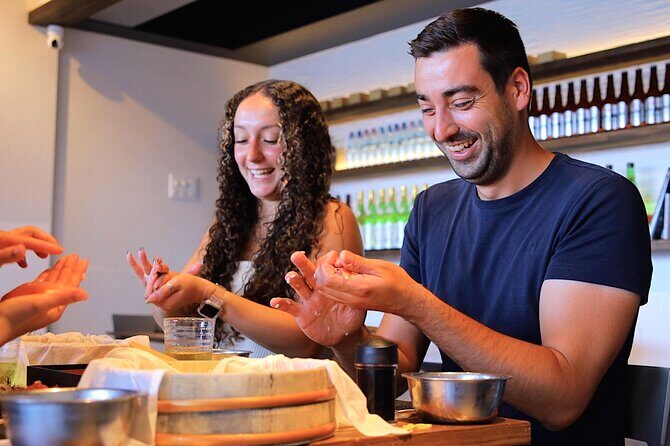
Sensoji smells like seaweed and tea. This Asakusa Japanese cooking class pairs two hits in one session: matcha whisking and sushi making, taught in English right near the famous temple area. You’ll get hands-on guidance to roll sushi and shape nigiri-style bites, plus learn how matcha is prepared the traditional way with the right whisking approach.
What I like most is the focus on doing the work yourself: you’re not just watching. You’ll also leave with a meal you made, not a snack-sized demo, which makes the $85.87 group price feel more “real” for Tokyo. One drawback to plan around: there’s no hotel pickup, so you’ll need to get to the meeting point on your own.
In This Review
- Key things to know before you go
- Why Asakusa works for matcha and sushi in Tokyo
- Stop 1: Matcha making for that clean, frothy whisk
- Stop 2: Sushi rolling and nigiri with step-by-step guidance
- Instructor energy: why names like Jun and Kazu matter
- Timing and group size: how the 3 hours actually feel
- What’s included (and what you should mentally budget)
- Meeting point near Kaminarimon: the practical way to plan your day
- What you’ll actually eat: your sushi plus matcha
- Who this sushi and matcha class is best for
- Practical tips: what to wear and how to make the day easier
- Price and value: why $85.87 makes sense in Tokyo
- Should you book this Asakusa matcha and sushi class?
- FAQ
- How long is the Japanese food cooking class in Asakusa?
- Where does the class meet?
- Is the class taught in English?
- What does the class include?
- Do I need prior cooking experience?
- Is hotel pickup included?
- How many people are in the group?
- How do I get the ticket?
- What is the cancellation policy?
Key things to know before you go
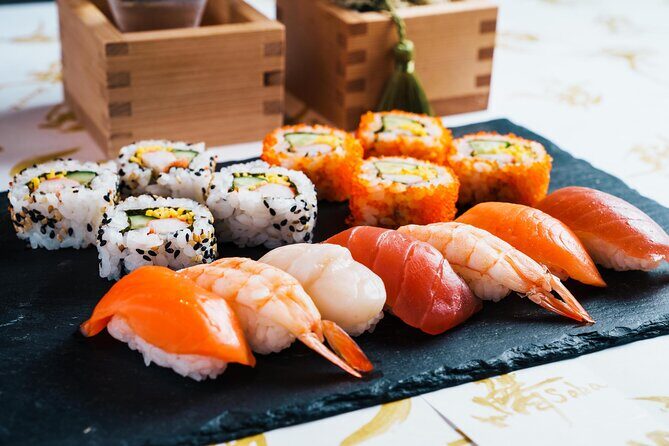
- Two iconic skills in one class: matcha making followed by sushi rolling
- English-speaking instruction: step-by-step help for beginners
- Small group size: up to 15 people, so questions don’t get lost
- Near Sensoji Temple: easy to pair with temple wandering before or after
- Mobile ticket: simpler check-in day-of
More mornings around Senso-ji and the old town
- Tokyo: Japanese Dance Cabaret Theater Asakusa-Kaguwa Ticket★ 4.8 · 2,270 reviews
- Tokyo: Asakusa Walking Tour with Sensoji Temple Visit★ 4.8 · 1,583 reviews
- Tokyo Asakusa Rickshaw Tour★ 5.0 · 1,375 reviews
Why Asakusa works for matcha and sushi in Tokyo
Asakusa is the part of Tokyo where old-meets-everyday feels tangible. You’re in walking distance of Sensoji Temple, so this class fits neatly into a classic morning or afternoon circuit: temple first, then food work. That matters because sushi and matcha aren’t just “Japanese food.” They’re cultural routines. Learning them in the neighborhood where people actually live their daily life gives the instructions context.
Also, you’re not competing with a loud restaurant for your attention. Cooking classes are built for quiet focus and repetition. When you’re learning rice handling, rolling technique, and matcha whisking, you want time with the process—not a rushed table service.
Finally, the class is designed for regular visitors, not culinary pros. The format is beginner-friendly, and the staff guides you in English so you’re not decoding hand gestures while trying to keep rice from sticking to everything.
Stop 1: Matcha making for that clean, frothy whisk
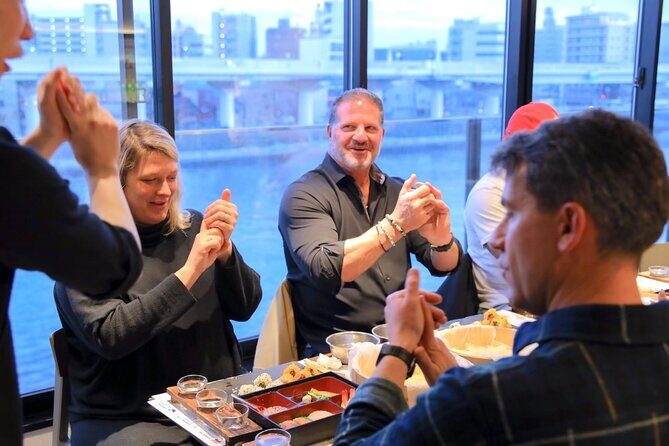
The first hour centers on matcha—and not just “stir it and drink it.” You’ll learn the traditional way of whisking matcha using the tools and technique that help it turn smooth instead of chalky. The big practical value here is muscle memory. Matcha is one of those things where small technique changes matter a lot.
In a short class like this, you’ll also get the cultural meaning behind it. Matcha in Japan is often treated with care: the temperature, the method, and the expectation of a certain texture. Even if you never become a tea obsessive, understanding what “good” looks like helps you recreate it later at home.
One more plus: matcha prepares you for the rest of the class. If you’re nervous about cooking, learning the tea first gives you a win early. It also settles you into the rhythm of Japanese food craft: precise steps, small adjustments, then payoff.
Stop 2: Sushi rolling and nigiri with step-by-step guidance
The sushi part runs about 1 hour 40 minutes, which is plenty of time to actually make multiple pieces and get comfortable with handling rice and fillings. The class covers two main styles: sushi rolls and nigiri-style bites. That combination is smart because rolling teaches structure, while nigiri teaches shaping and the way rice and topping work together.
The key is that you’re doing the steps yourself, not just assembling your final platter. You’re guided through things like:
- rice handling and seasoning (so it sticks just enough, not too much)
- placing fillings and rolling evenly
- shaping and topping for nigiri-style results
This is where a lot of cooking classes either make or break the experience. If you’re left alone, sushi is frustrating fast. If the instructor keeps checking your technique, you improve quickly. The class is built around that check-and-correct approach, and the English instruction keeps you from guessing what to change.
You’ll also appreciate the fresh-ingredient angle. Sushi tastes better when you can trace what’s happening in the process, from the rice base to the roll components. By the time you sit down with what you made, it’s not “food you bought.” It’s the ending to your own work.
Instructor energy: why names like Jun and Kazu matter
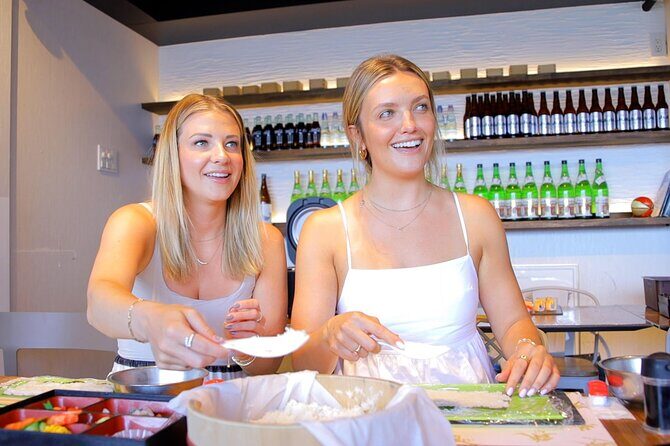
The staff teaching the class are approachable and patient. In particular, instructors Jun and Kazu come up in the kind of feedback that matters: people felt they could ask questions, and the instruction stayed clear and friendly.
That’s not just nice. It changes how a class feels when you’re a first-timer. Sushi and matcha both have small rules that are hard to learn from a brochure. When the instructor’s communication is calm and step-by-step, you don’t panic. You adjust.
It also helps that the vibe is light. Cooking is technical, but the process doesn’t have to be stiff. A fun tone makes you more willing to try again if your first roll looks like a rectangle with opinions.
Other plates worth crossing Tokyo for


Timing and group size: how the 3 hours actually feel
This experience is about 3 hours total, split into two focused blocks: roughly 1 hour for matcha and about 1 hour 40 minutes for sushi, with a little time for transitions and eating.
The group cap is 15 travelers, which is a sweet spot for a hands-on class. You get enough attention that questions land, but it still feels social. If you’re coming solo, it won’t feel like a private cooking show. If you’re traveling with family or friends, it still feels organized rather than crowded.
Also, there’s a simple reality: you’ll be standing at workstations for a good chunk of the class. Wear comfortable shoes and plan to spend the whole session engaged. If you’re the type who likes to take photos every 10 seconds, you can, but try not to turn it into a distraction. Sushi rewards attention.
What’s included (and what you should mentally budget)
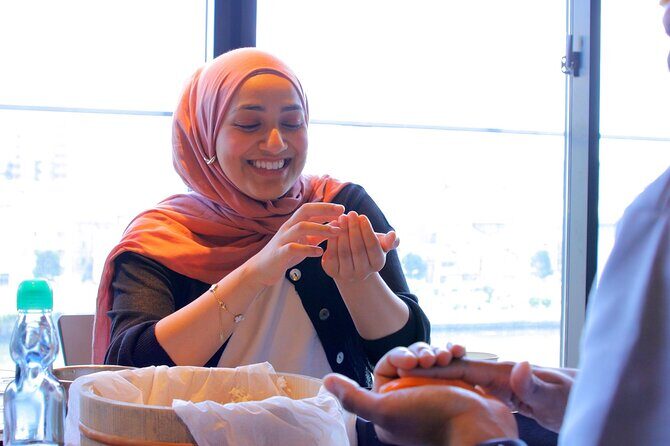
You’re paying for a specific package: English speaking instructor, ingredients for the cooking, and the meal. That’s why the value works out well. In Tokyo, a “cooking class” can sometimes mean a short prep demonstration and a small tasting. Here, the structure supports actual production: you’re making sushi you’ll eat.
The price is $85.87 per group (up to 1), which is clearer than the usual “per person” confusion. If you’re traveling solo, it’s straightforward. If you’re traveling as a couple or small group, you’ll want to check how the booking handles each person/group slot so you’re not accidentally assuming a lower total.
What’s not included is hotel pickup and drop-off, so you should budget time to travel to the meeting point yourself. The good news is it’s near public transportation, so you won’t need a taxi for every segment of your day.
Meeting point near Kaminarimon: the practical way to plan your day
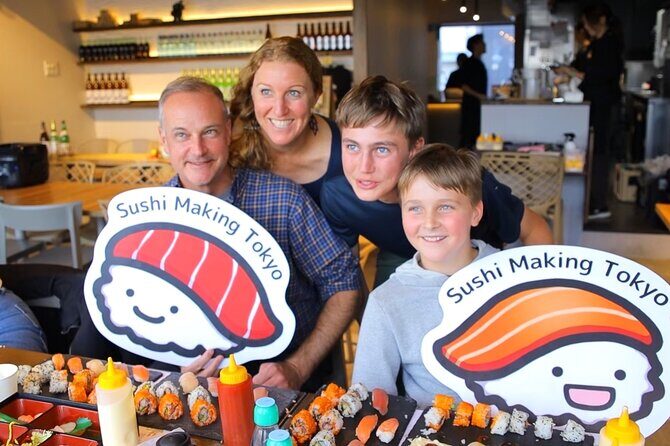
The class meets at 2-chōme-17-9 Kaminarimon, Taito City, Tokyo 111-0034, Japan, and it ends back at the same meeting point.
Because there’s no pickup, I recommend treating the meeting point like a fixed anchor in your day. If you’re visiting Sensoji Temple first, you’ll be able to walk over without scrambling, but don’t push your temple timeline right up to the start time. Tokyo trains are reliable, yet walking in the temple streets can slow you down.
Also, since the ticket is a mobile ticket, have your phone ready and your screen brightness manageable. You’ll want your check-in info fast, without digging through apps right as you arrive.
What you’ll actually eat: your sushi plus matcha
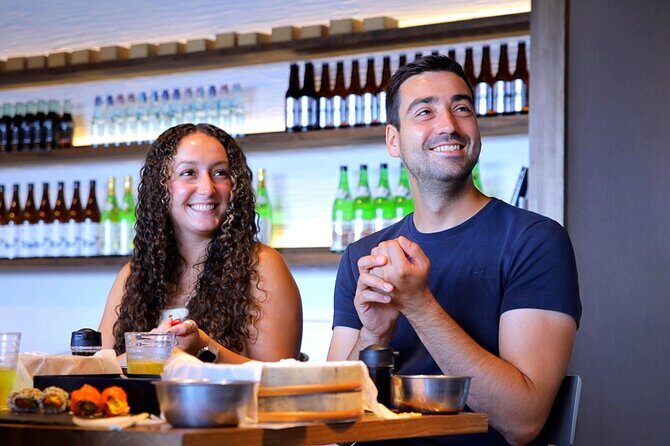
This is one of those experiences where the “meal included” line is more meaningful than it sounds. Since you’re making sushi during the class, the food you eat at the end is tied to the cooking you did.
Matcha also matters here. If you’ve only ever had sweetened bottled versions, you’ll likely notice the difference right away. The class helps you whisk matcha properly, so you’re tasting something closer to the real method—not just the ingredient.
As for how much sushi you’ll get to make: the class is structured to create enough output that you leave satisfied, not empty. The time devoted to sushi rolling and nigiri gives you real practice, and the meal ends up being your reward for that practice.
Who this sushi and matcha class is best for
This works especially well if you fall into one of these buckets:
- First-timers who want guided technique. If you want to learn how to roll sushi without turning it into a sticky rice disaster, this class format is a good fit.
- Food travelers who like “do it yourself” experiences. You’ll go home with skills you can repeat, not just photos.
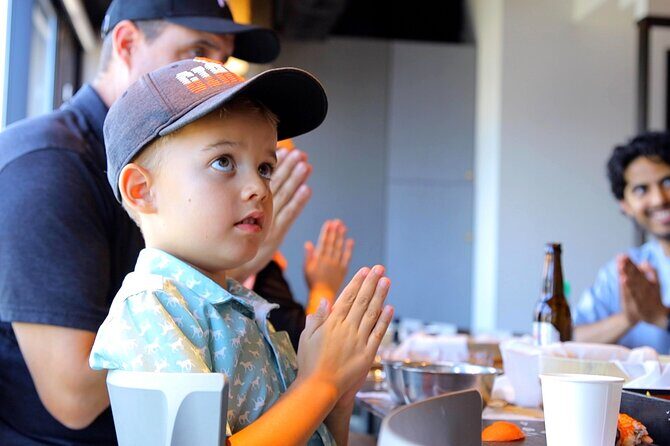
- Families with school-age kids. One family experience shared a great result with kids around ages 7 and 9, with step-by-step support that kept the mood fun. If your kids can follow simple instructions and sit through a 3-hour activity, this is a strong choice.
- People who want a cultural stop that isn’t a museum. Matcha and sushi are cultural routines. Learning them in Asakusa hits differently than grabbing dinner somewhere random.
Practical tips: what to wear and how to make the day easier
You don’t need special cooking gear, but you do want comfort. You’ll be working and standing for most of the class, then eating what you made.
Bring:
- Comfortable shoes for walking in Asakusa
- A phone charged for mobile ticket check-in
- An appetite and a little patience with sticky rice in the learning phase
Wear:
- Something you can move in. If you choose long sleeves, avoid anything that will drag into your workspace.
And here’s a small mental trick: sushi learning isn’t about perfection. Your first roll is supposed to be a first roll. If you treat it like a practice session, you enjoy it more and your confidence grows faster.
Price and value: why $85.87 makes sense in Tokyo
At first glance, the number might feel like “one meal plus a workshop.” In Tokyo, that’s not always a great deal. The value here comes from the full package: two distinct skill blocks, a guided instructor-led process, ingredients included, and a meal you actually eat.
You’re getting:
- Matcha instruction plus a prepared drink
- Sushi instruction plus sushi you make
- English support for step clarity
- A small group cap that helps the class stay interactive
If you’re comparing against doing sushi in a restaurant and then searching for a tea activity later, this combo can be more efficient. It compresses two cultural experiences into one organized session near Sensoji Temple, so you’re not spending extra time hunting down separate activities.
Should you book this Asakusa matcha and sushi class?
Book it if you want hands-on learning with a clear structure and you’ll actually use the skills later. It’s also a smart pick if you’re already planning a Sensoji/Tokyo Asakusa day and want something more personal than just walking and shopping.
Skip it only if you strongly prefer passive sightseeing over doing tasks, or if you absolutely need hotel pickup to keep your schedule calm. Since there’s no pickup, you’ll want to feel confident getting to the meeting point on your own.
If you like food work that’s beginner-friendly but still teaches real technique, this is an easy yes. The matcha start lowers the stress, the sushi portion gives you real practice, and the result is a meal that feels like part of your Tokyo story.
FAQ
How long is the Japanese food cooking class in Asakusa?
The class is about 3 hours total, with matcha taking about 1 hour and sushi taking about 1 hour 40 minutes.
Where does the class meet?
The meeting point is 2-chōme-17-9 Kaminarimon, Taito City, Tokyo 111-0034, Japan. The activity ends back at the same meeting point.
Is the class taught in English?
Yes. The experience includes an English speaking instructor.
What does the class include?
It includes the instructor, ingredients for the cooking class, and the meal. Admission tickets are also included for each part.
Do I need prior cooking experience?
No experience is needed. The instructors guide you step by step.
Is hotel pickup included?
No, hotel pickup and drop-off are not included.
How many people are in the group?
The class has a maximum of 15 travelers.
How do I get the ticket?
You receive a mobile ticket.
What is the cancellation policy?
Free cancellation is available up to 24 hours in advance for a full refund. If you cancel less than 24 hours before the start time, the amount paid is not refunded.
Eat Your Way Round Tokyo
More Tour Reviews in Tokyo





Around Senso-ji: More Asakusa Picks
Fresh reviews from around Tokyo






Asakusa Tours, compared.
 ★ 4.8Japanese Dance Cabaret Theater Asakusa-Kaguwa TicketFrom $492,270 reviews
 ★ 4.7Meiji Shrine, Asakusa, Skytree Bus Tour and CruiseFrom $1221,986 reviews
 ★ 4.8Asakusa Walking Tour with Sensoji Temple VisitFrom $221,583 reviews
 ★ 5.0Tokyo Asakusa Rickshaw TourFrom $421,375 reviews
 ★ 4.5Tokyo Panoramic 1 Day: Meiji Shrine, Asakusa, Odaiba and SKYTREE®From $851,222 reviews
 ★ 4.8Samurai Ninja Museum Asakusa: Samurai Sword Lesson & TourFrom $63306 reviews
Asakusa Sightseeing Tour by RickshawFrom $35195 reviews
Asakusa Kimono Dressing and Matcha ExperienceFrom $56173 reviews
★ 4.8Samurai Ninja Museum Asakusa: Samurai Sword Lesson & TourFrom $63306 reviews
Asakusa Sightseeing Tour by RickshawFrom $35195 reviews
Asakusa Kimono Dressing and Matcha ExperienceFrom $56173 reviews
Browse the lists this tour appears in