
Reviewed · TOKYO
Tokyo: Kintsugi Workshop to Learn the Art of Golden Joinery
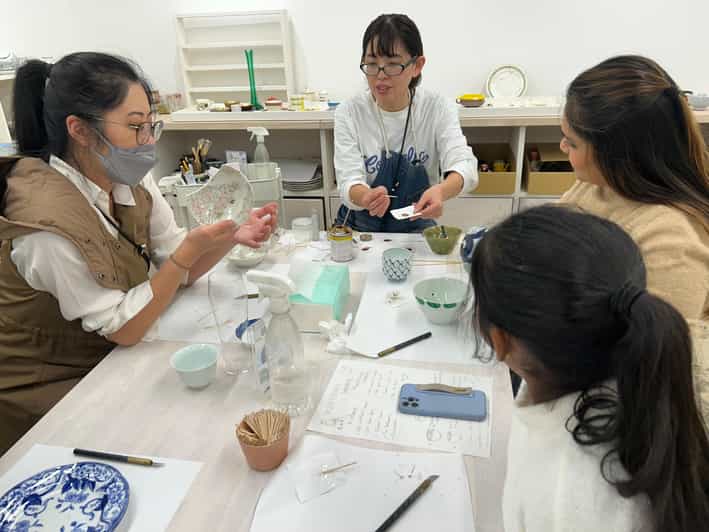
Cracks become something beautiful. That’s the heart of this Tokyo workshop, where you learn Kintsugi (golden joinery) and leave with a repaired piece that carries meaning instead of hiding damage. I like that the class is more than craft work—it comes with the philosophy behind the technique, tied to embracing imperfection. I also like the hands-on pace: it’s structured, calm, and long enough for you to actually do the steps. One possible drawback: the repair you end up making may feel small if you expected to fix a whole big item, since the session is built around repairing a provided broken pottery piece.
Over two hours, you’ll work through the classic idea of turning a break into a feature. You’ll learn how lacquer and powdered precious metal—gold (and in the materials description, also silver or platinum)—are used to create those famous golden seams. You’ll also take home your finished piece as a personal keepsake, which is a big part of the value here: you’re not just learning, you’re producing something you can live with.
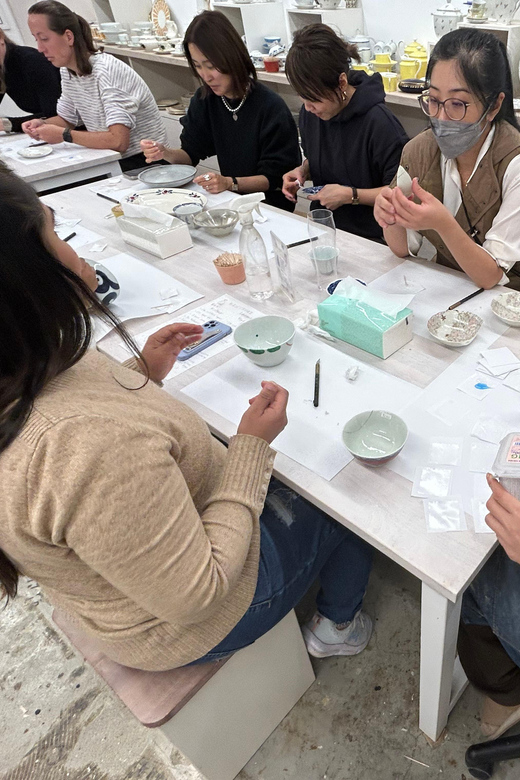
Logistics are refreshingly simple. You meet the guide at Gakugei Daigaku station, and the guide messages a picture beforehand so you can spot them. The group stays small (up to 6), and the instruction is in English, so you can ask questions and keep up without feeling rushed. One more thing to consider: the workshop is described in ways that conflict about wheelchair use, so it’s smart to check directly if accessibility is a concern.
In This Review
- Key points I’d bookmark before you go
- Kintsugi in plain terms: golden seams and wabi-sabi
- The 2-hour workshop: what your session likely looks like
- Where the work really happens: seams, filing, and precision
- Japanese aesthetics made personal: why the philosophy isn’t just a lecture
- Materials and what’s included: you’ll save money and time on supplies
- Price and value in Tokyo: is $63 fair for 2 hours?
- Getting there: meeting at Gakugei Daigaku without drama
- Who this workshop fits (and who might want another option)
- Should you book this Kintsugi workshop?
- FAQ
- What is the main focus of the Kintsugi workshop?
- How long is the workshop?
- How much does it cost?
- What materials are included?
- Do I need to bring a plate?
- Where do I meet the guide?
- Is it suitable for wheelchairs or young babies?
Key points I’d bookmark before you go
- Gold joinery with philosophy: you repair broken pottery while learning why Japanese aesthetics value flaws.
- Two-hour, hands-on format: you get enough time to slow down and actually do each step.
- Take home what you mend: your finished piece becomes a real souvenir, not just photos.
- Small group size: limited to 6 participants, which helps you get personal attention.
- Materials are provided: lacquer and gold powder are included, plus the broken pottery used in class.
- Bring or source a plate if needed: a plate to work with isn’t included, and the suggested cost is ¥1,000–2,000.
Before you commit, see how this one stacks up against a few Tokyo favourites:
- Mt Fuji and Hakone 1-Day Bus Tour Return by Bullet Train★ 5.0 · 26,383 reviews
- 1-Day Tokyo Bus Tour★ 5.0 · 14,250 reviews
- Tokyo: teamLab Planets TOKYO Digital Art Museum Entry Ticket★ 4.6 · 9,779 reviews
Kintsugi in plain terms: golden seams and wabi-sabi
Let’s translate the big idea before the tools come out. Kintsugi literally means golden joinery, and it’s built on a simple shift in mindset: when something breaks, you don’t pretend it never happened. You repair it in a way that highlights the story of the damage.
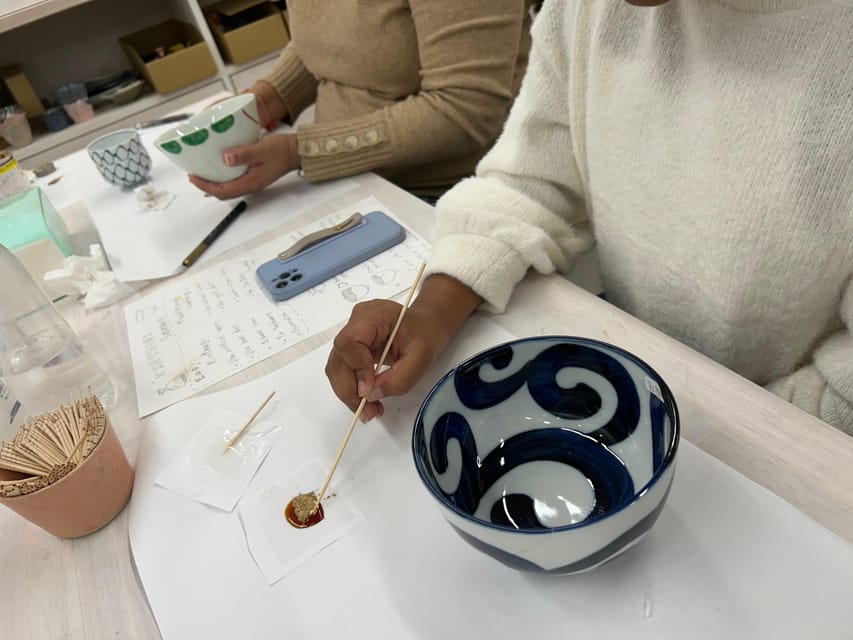
This workshop frames Kintsugi as both craft and philosophy. The craft part is the visible work—using lacquer and powdered metal so cracks and breaks become those signature metallic lines. The philosophy part is where it gets interesting for modern travelers. You’ll connect it to wabi-sabi, the Japanese appreciation of imperfection and impermanence. Instead of seeing a crack as a failure, you’re learning to see it as part of an object’s life.
If you’ve ever felt that museum souvenirs are too tidy, too identical, too polished, this is the opposite. The repaired seams don’t erase the break. They re-write it into something intentional—almost like making a visible timeline on the object.
And that’s why the class can feel calming. It’s not about speed, competition, or perfection. It’s about patience. You’re guided through a process that asks you to slow down and observe what you’re working on, then treat the damage with respect.
The 2-hour workshop: what your session likely looks like
The schedule is simple: you’ll have 2 hours of structured instruction, taught in English, in a small group of up to 6. That time box matters. It keeps the class focused, but it also gives you room to do the steps yourself rather than watching most of the time.
Here’s what you can expect conceptually, from the way the workshop is described:
- Introduction to Kintsugi and the materials. You’ll get a brief intro to the art and philosophy, then you’ll learn how the lacquer and gold powder work together.
- Repair preparation and seam making. You’ll follow the steps to handle the broken area and set up for the lacquer.
- Applying lacquer and powdered metal. This is the moment you’ll recognize from photos: metallic seams that turn damage into design.
- Your hands-on finish. You do the work, while the instructor and any support step in when needed.
In real sessions, instructors can be very supportive about pacing and technique. Some classes are led by teachers such as Anne, and the teaching style described in that context is careful and well explained, including discussion of how glue and materials were made in older times. Other sessions include instructors such as Chiara, where instruction is also described as step-by-step and practical, and sometimes there’s translation support from someone who also knows the craft.
That matters because Kintsugi has details. If you miss one small step in preparation, your final result may not look as clean. If you get the steps clearly, you can feel confident while you work.
Also, the class is hands-on in a way that surprised a lot of people in a good way. One participant specifically liked having time to relax through each part and interact with the guide, which is exactly what a small group helps with.
Where the work really happens: seams, filing, and precision
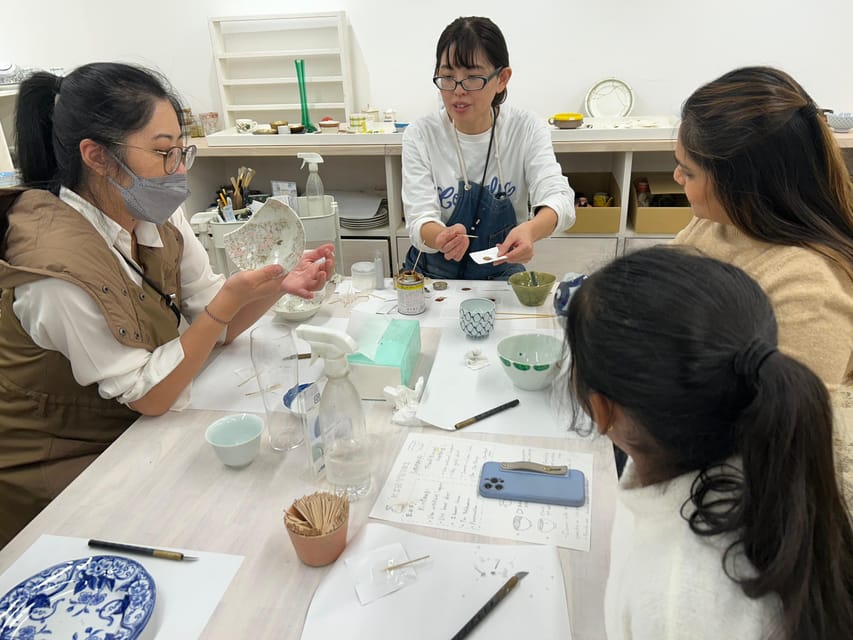
The biggest “craft reality check” in Kintsugi is that it’s not just painting gold over cracks. You’re working with broken pottery, so you need preparation. The process described for one class includes a stretch where you may file the pottery for about half an hour.
That filing step is important for two reasons:
- It helps shape and refine where the seam will be created.
- It gives you a more controlled surface so the lacquer and metal powder adhere where they should.
So if you’re thinking this is like a quick DIY craft, it’s not. It’s a real repair process with real physical steps. That’s also why it can be such a satisfying experience: you feel the transformation from rough break to intentional seam.
For your expectations, this is the point to be honest with yourself. The finished look depends on the condition of the broken piece you’re given. And the workshop description says the materials include the broken pottery itself, along with artificial lacquer and gold powder.
One review note that’s worth taking seriously: a participant felt the class was expensive and disappointing because they only got to fix a tiny part, while they thought they’d be repairing something larger as the main event. That doesn’t mean the workshop is bad—it means your personal outcome may depend on what the workshop provides that day and which portion they have you repair.
So here’s the practical advice: if you want maximum impact on your final souvenir, ask ahead of time what size of damage you’ll likely be repairing and whether the whole item is part of the lesson or just the crack area. You’ll avoid that mismatch and enjoy the class for what it is: careful repair art.
Japanese aesthetics made personal: why the philosophy isn’t just a lecture
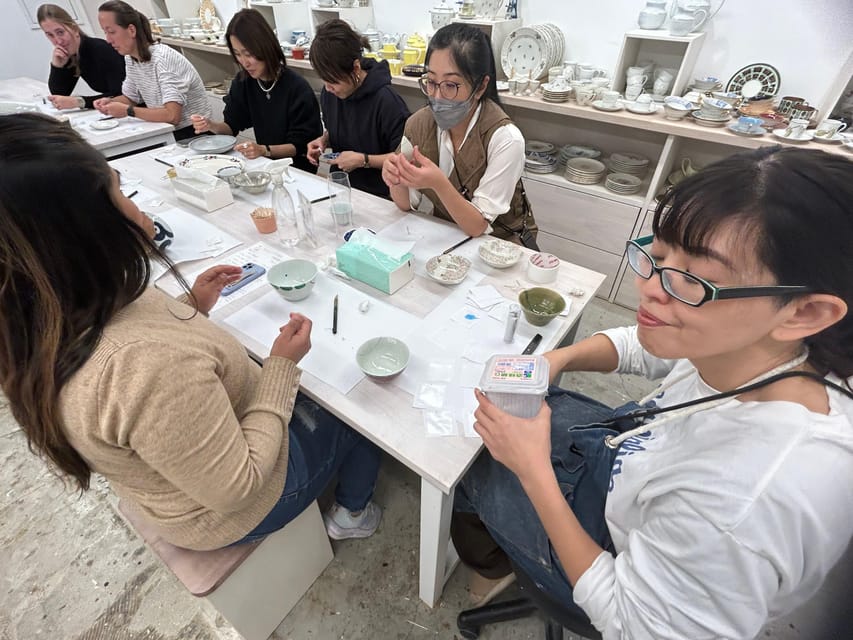
What you learn in this workshop isn’t only how to apply lacquer and gold powder. You’re also learning the aesthetic logic behind it, and it shows up in how you’re guided through the work.
Kintsugi is described as embracing flaws and imperfections, turning the break into a beautiful seam instead of hiding it. That’s easy to understand intellectually, but it lands differently when you’re the one creating the seam with your hands.
You’ll likely spend time thinking about the object as something with a past, not just an item with a future. The workshop frames the technique as born out of a tradition of cherishing what’s broken rather than discarding it. That idea connects directly to wabi-sabi: the appreciation of impermanence and unevenness.
When the instructor explains steps and meaning together, it can change how you experience the activity. Instead of chasing a perfect final surface, you start looking at cracks as texture and history. Even the metallic seam becomes part of that story.
One more note that helps you understand what you’re buying: the calm tone isn’t incidental. Kintsugi is naturally reflective because the process takes attention and restraint. You’re not trying to cover something up—you’re making a respectful repair. That emotional shift is what many people remember long after the gold dries.





Materials and what’s included: you’ll save money and time on supplies
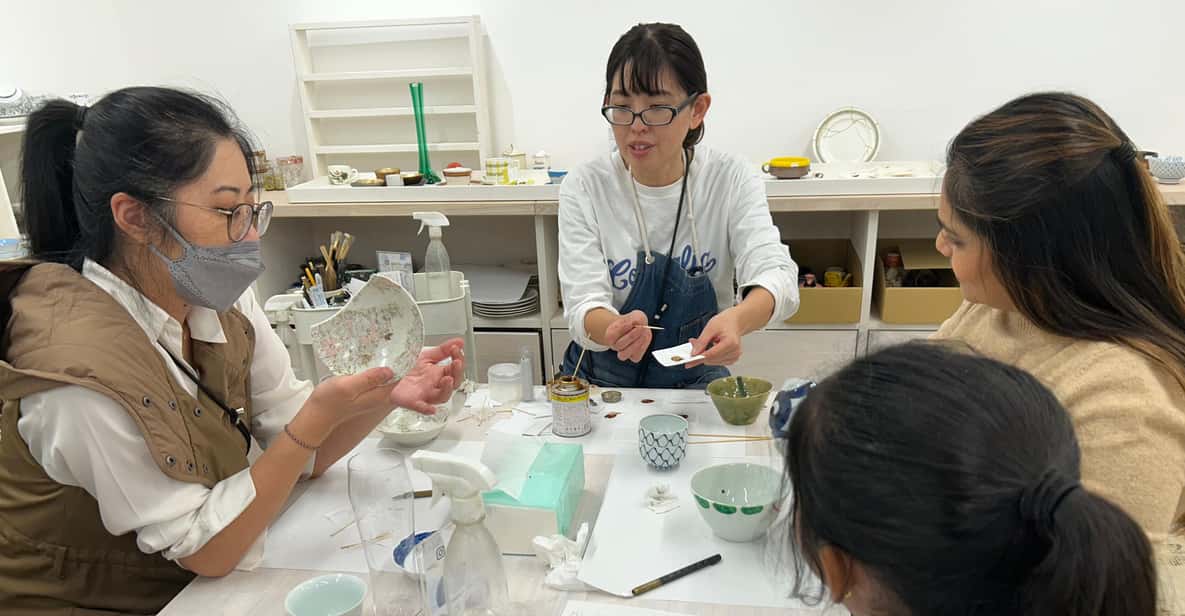
Good news: you won’t need to show up hunting for specialized tools. The workshop includes key supplies such as lacquer and gold powder, and it also provides the main items you’ll work with, including broken pottery and the materials for the process.
The “not included” part is a bit different: you may need to source a plate to work with, suggested at ¥1,000–2,000. That line matters, because it affects the final cost and what you’ll actually be repairing.
Here’s how to approach that without stress:
- If the workshop provides the broken pottery you’ll work on (as described), then you may not need extra items beyond what they supply.
- If the activity expects you to bring or purchase a plate, plan for the extra yen and bring the right kind of item they’re asking for.
If you’re unsure, message the provider or confirm before you arrive. With Kintsugi, the “what you work on” part changes everything—both the experience and the final look.
Also, the class is described as wheelchair accessible, but another line says it’s not suitable for wheelchair users. If you or someone in your group uses a wheelchair, don’t rely on the wording alone. Confirm what the real setup is like and whether the “hands-on repair” steps can be done comfortably in your situation.
Price and value in Tokyo: is $63 fair for 2 hours?
$63 for about 2 hours can look high if you compare it to a typical craft class where you make something new from scratch. But Kintsugi can justify the price in a few important ways—especially if your priority is a meaningful take-home piece.
Here’s what you’re getting for the money, based on the provided details:
- The workshop focuses on a centuries-old technique and its philosophy.
- Instruction is in English and is delivered to a small group (up to 6).
- Materials like lacquer and gold powder are included.
- You take home a repaired piece, which acts as a lasting souvenir.
The “take home” factor is big. If you usually end up buying small trinkets that don’t get used, this is different. You’ll likely display your repaired item, or at least keep it, because it reflects a process you actually did.
Still, price has to match your expectations. That’s where the earlier drawback becomes important: if you’re expecting to fix a large item, or to have a major transformation, you may feel less satisfied if the repair portion is smaller than you thought.
If you want a high-value experience for your money:
- choose a session where you understand what you’ll repair,
- plan for the possibility of sourcing a plate if required,
- and approach it as a careful repair class, not a quick “golden makeover” for a whole bowl.
Getting there: meeting at Gakugei Daigaku without drama
Tokyo can be smooth when a meeting point is clear. Here, you meet your guide at Gakugei Daigaku station. The guide is also described as messaging a picture of themselves before the meeting time, which is a small detail that can save you a lot of wandering.
The small group size helps too. You’re not trying to track down a crowd at a giant station. You just match faces and get started.
If you arrive a few minutes early, you’ll have time to get your bearings, check the station exit you plan to use, and settle your head before you sit down to work with delicate materials.
Who this workshop fits (and who might want another option)
This Kintsugi workshop fits best if you want:
- a meaningful craft with philosophy, not just a photo-op,
- a relaxing, reflective activity that slows your day down,
- a souvenir you’ll keep because you made it.
It can also be great for solo travelers. The hands-on format and small group structure make it easy to interact with the guide and others, without the pressure of doing everything in front of a large class.
Families can work too, but pay attention to physical steps. One participant noted you might have to file the pottery for about half an hour, which could be challenging for younger kids. The workshop is also marked not suitable for babies under 1 year, so you’ll want to check age fit carefully.
Skip or reconsider if:
- you want a very large repair outcome and prefer to work on an item of your choosing rather than a provided one,
- you need guaranteed wheelchair practicality, given the conflicting accessibility notes,
- you’re short on time beyond the strict 2-hour window.
Should you book this Kintsugi workshop?
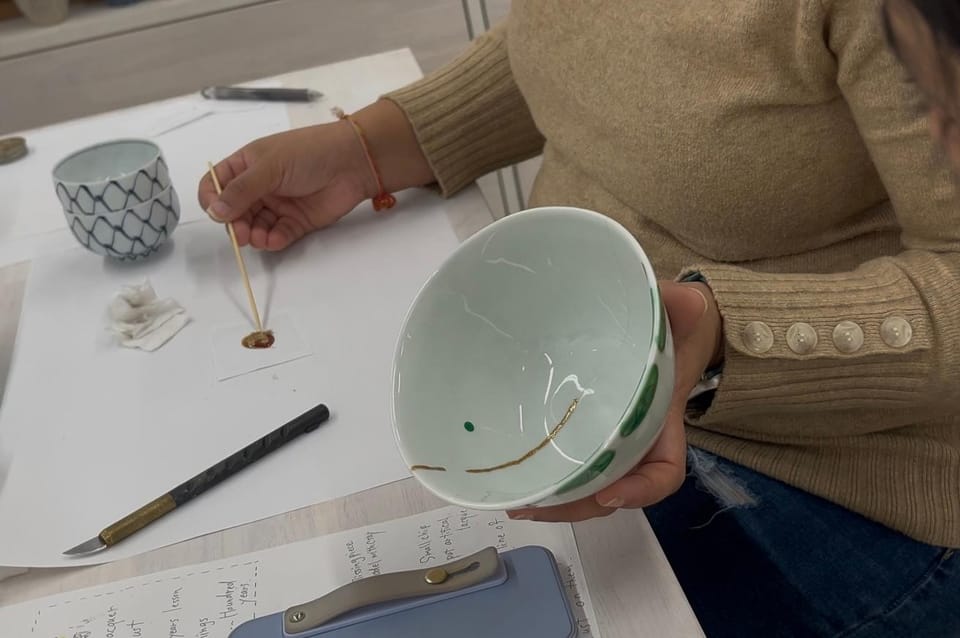
If you like crafts with meaning, this is an easy yes. For $63, you get English instruction, a small-group setting, practical hands-on time, and a real take-home piece made through a technique that treats damage as part of life. The philosophy is not decorative—it shapes how you work.
Just book with the right expectations. Ask what portion of the object you’ll actually repair, because that’s the main reason someone might leave disappointed. And if accessibility or needing a plate is part of your situation, confirm those details before you go.
If you want a calmer Tokyo activity that feels personal, Kintsugi fits the bill.
FAQ
What is the main focus of the Kintsugi workshop?
You’ll learn the Japanese art of repairing broken pottery using lacquer and powdered precious metals like gold. You’ll also learn the philosophy behind Kintsugi, including the idea of embracing imperfections.
How long is the workshop?
The workshop lasts 2 hours.
How much does it cost?
The price is $63 per person.
What materials are included?
Materials included are lacquer and gold powder, plus the workshop provides the broken pottery and a brief introduction to the art and philosophy.
Do I need to bring a plate?
A plate to work with is not included, and you may need to arrange one in the range of ¥1,000–2,000.
Where do I meet the guide?
You meet the guide at Gakugei Daigaku station. The guide will message you a picture of themselves before the meeting time.
Is it suitable for wheelchairs or young babies?
The information provided includes both wheelchair-accessible wording and a note that it’s not suitable for wheelchair users, so you should check directly. It’s also not suitable for babies under 1 year.
More Tour Reviews in Tokyo



Fresh reviews from around Tokyo






Tokyo, compared.
 ★ 5.0Mt Fuji and Hakone 1-Day Bus Tour Return by Bullet TrainFrom $16326,383 reviews
 ★ 5.01-Day Tokyo Bus TourFrom $12914,250 reviews
 ★ 4.6teamLab Planets TOKYO Digital Art Museum Entry TicketFrom $259,779 reviews
 ★ 4.0Mt Fuji & Hakone Cruise, Drum Show Bullet Train 1 Day from TokyoFrom $1497,413 reviews
 ★ 5.0Shinjuku Food Tour (13 Dishes at 4 Local Eateries)From $866,603 reviews
 ★ 4.4Tokyo Mt Fuji 5th St & Hakone Cruise Bus Tour w/Bullet TrainFrom $1545,024 reviews
 ★ 5.0Flagship 2-Hours Official Street Go-Kart Tour – Tokyo Bay ShopFrom $644,974 reviews
 ★ 4.5From Tokyo: Mount Fuji Full-Day Sightseeing TripFrom $684,970 reviews