
Reviewed · ASAKUSA TOURS
Explore Asakusa’s historic landmarks
Asakusa hits fast. This is a smart, small-group walk that turns the big sights into something you can actually understand, from Kaminarimon Gate to Senso-ji Temple and the side streets where everyday Tokyo still hangs around. You’ll get straight answers and great photo positions without needing to research every turn.
I love how the guide talks through worship etiquette at Senso-ji in a practical way, including how to pray and even get fortunes, with guides like Kayoko and Yoshiko san standing out for clarity and kindness. I also like the payoff of adding Hoppy Street after the main temple area, so the trip feels like more than just postcard moments. One possible drawback: you’re on your feet for a while (about 1.5 to 3.5 hours) and the temple area can be crowded, so comfy shoes and a calm pace matter.
In This Review
- Key things to know before you go
- Why this Asakusa walk works for first-time Tokyo days
- Entering Asakusa through Kaminarimon Gate
- Nakamise-dori: the snack street you’ll understand (not just walk through)
- Senso-ji Temple: learning etiquette changes everything
- Hanayashikidori: the nostalgic side street near the temple
- Hoppy Street: where Asakusa gets more local
- Optional sushi making class: when the add-on is worth it
- Price and what you’re really paying for
- Who should book this Asakusa experience
- Should you book this Asakusa experience?
- FAQ
- Where does the tour start and end?
- How long is the experience?
- Is there an optional sushi making class?
- How much does it cost?
- Do I need tickets in advance?
- What fitness level do I need?
- Is free cancellation available?
Key things to know before you go
- Small group size (max 8): easier questions and more personal pacing as you move between stops
- Temple etiquette explained: you’re not just watching worship—you learn how to participate correctly
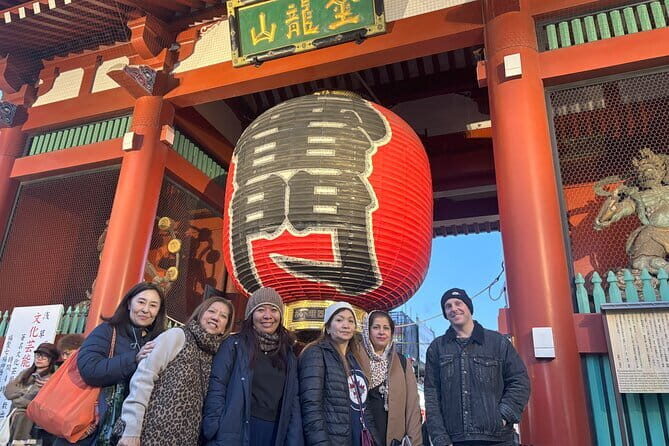
- Great photo timing beats guessing: Kaminarimon’s lantern view is a set-piece, and you’ll know where to stand
- You get beyond the main street: Hanayashikidori and Hoppy Street add character after the temple rush
- Optional sushi class: add an extra hour if you want something hands-on after the walking portion
More mornings around Senso-ji and the old town
- Tokyo: Japanese Dance Cabaret Theater Asakusa-Kaguwa Ticket★ 4.8 · 2,270 reviews
- Tokyo: Asakusa Walking Tour with Sensoji Temple Visit★ 4.8 · 1,583 reviews
- Tokyo Asakusa Rickshaw Tour★ 5.0 · 1,375 reviews
Why this Asakusa walk works for first-time Tokyo days
If it’s your first time in Asakusa, this kind of guided loop is gold. The area can feel like a blur—big gates, loud snack streets, temple steps, and then more streets that don’t look like they belong on a typical photo route. A good guide helps you connect the dots so you know what you’re seeing and why it matters.
What makes this experience practical is that it focuses on the exact parts you’ll keep thinking about later: the gateway to Senso-ji, the snack-and-souvenir spine of Nakamise-dori, and the older, livelier streets that show a more everyday Tokyo rhythm. Plus, because it’s a small group with a local expert, you’re not just herded along. You can ask questions and slow down when something catches your eye.
You also get value built in. Admission is free at the main stops, so your money goes into guidance, timing, and orientation. That’s a different equation than tours where you’re paying mainly for entry fees.
Entering Asakusa through Kaminarimon Gate
Your tour starts at the Asakusa Culture Tourist Information Center near Kaminarimon, and the first major “wow” moment is the Kaminarimon Gate. This is the iconic entrance to Senso-ji Temple, and the reason it’s so famous is obvious the moment you see it: the large red lantern and the statues of Fujin and Raijin (the wind and thunder gods) flank the gateway.
Even if you’ve seen photos before, the gate hits harder in person because it works like a stage. You’re funneled toward a clear viewpoint, and your guide can tell you what you’re looking at without turning it into a textbook. The best part? The stop is short and focused, which means you’re not spending your whole “first Asakusa moment” waiting in line or wandering without direction.
A small thing that matters for your experience: because it’s free to enter, you can treat this like a relaxed photo checkpoint rather than a rushed arrival. The gate is your orientation anchor. Once you understand it, the rest of the walk makes more sense.
Nakamise-dori: the snack street you’ll understand (not just walk through)
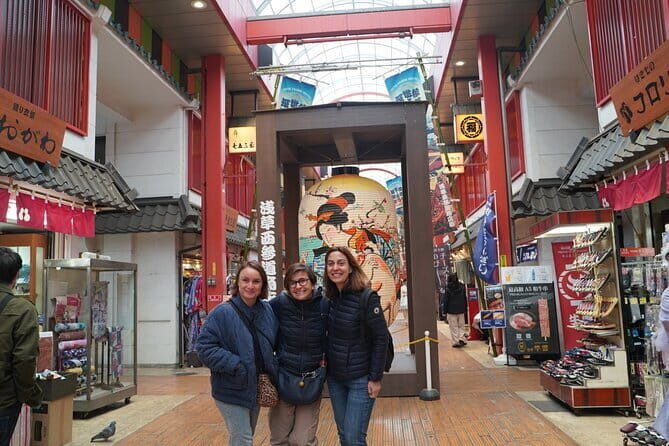
Right after Kaminarimon, you move onto Nakamise Shopping Street, the classic strip that leads toward Senso-ji. This is where you’ll see rows of shops selling traditional snacks, souvenirs, and small crafts. It’s also where first-timers often get overwhelmed—too many items, too many smells, and not enough context.
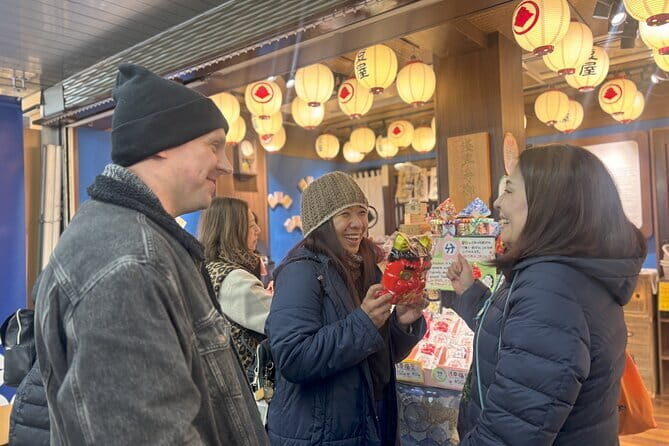
This is where a guide earns their fee. They can help you sort the street into categories: what’s meant for quick tasting, what’s aimed at taking home, and what kinds of souvenirs fit the area’s religious and historical identity. One of the nicest details from experience accounts is how guides help people find the right shopping areas afterward, including recommending shops and specific places to look for gifts.
One caution: Nakamise gets crowded, especially around peak visiting times. If you’re sensitive to jostling, keep your bag close and plan to move slowly. You don’t need to race down the street to enjoy it.
Senso-ji Temple: learning etiquette changes everything
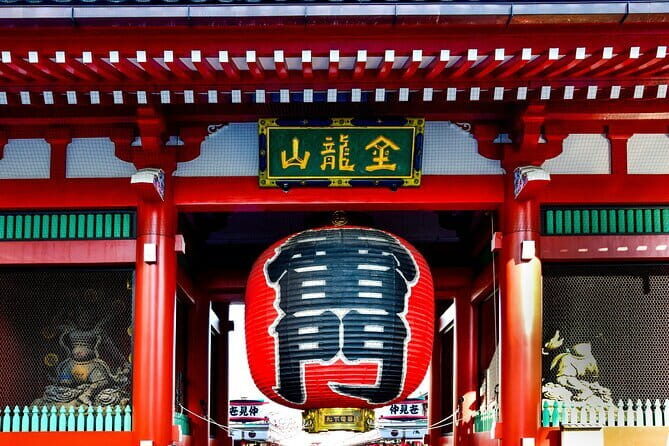
Senso-ji is Tokyo’s oldest temple and one of the city’s most recognizable spiritual sites. It’s dedicated to the goddess of mercy, Kannon, and your guide’s job here is to help you cross from sightseeing into respectful participation.
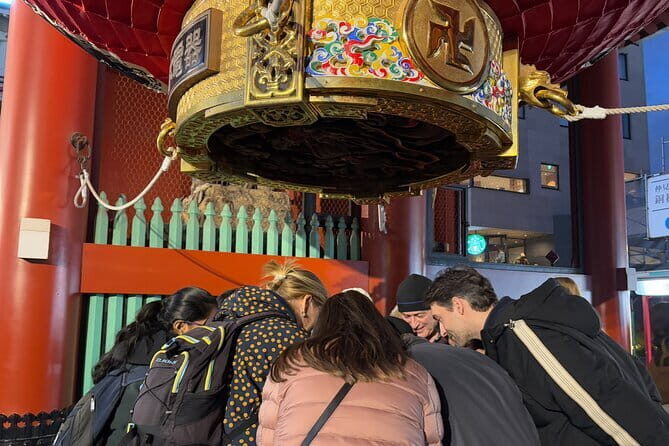
The big win is worship etiquette. Instead of treating the temple like a museum, you learn what worshippers are doing and why—so your visit feels smoother and more confident. Guides like Sachi have been praised for answering questions clearly, and other guides (including Kayoko) helped people pray properly and even get fortunes.
It also helps that your time here is structured. You get enough time to wander and notice details, but not so much that you lose the thread. You’ll also know where to pause for the best sightlines tied to the main gate and the flow of the grounds.
Potential drawback: the temple area can feel busy, and even with guidance, you may need patience for space. If you want quiet photo shots, treat them like a bonus rather than the plan.
More paths into old Tokyo
Hanayashikidori: the nostalgic side street near the temple
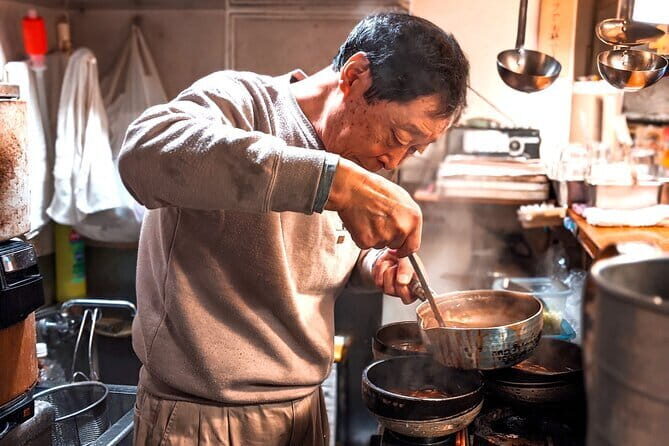
After the main temple stretch, you’ll move into Hanayashikidori, a lively street near Senso-ji associated with Hanayashiki, Japan’s oldest amusement park. This change of pace is underrated. It’s a shift from “religious landmark zone” into “old-school shopping and snack streets,” where you can browse without feeling like every step is a crowd magnet.
What you can expect here is variety: shops, restaurants, and cafés clustered along the street, plus the kind of traditional snacks and local delicacies that make Asakusa feel like a real neighborhood rather than a single attraction. It’s also a nice place to slow down and pick something for later, because you’re not being rushed back to the main gate.
Keep in mind: this stop is shorter than the big anchors, so it’s more about flavor and browsing than deep shopping. If you want to shop seriously, you’ll likely use this as a map point for what you’ll return to on your own.
Hoppy Street: where Asakusa gets more local
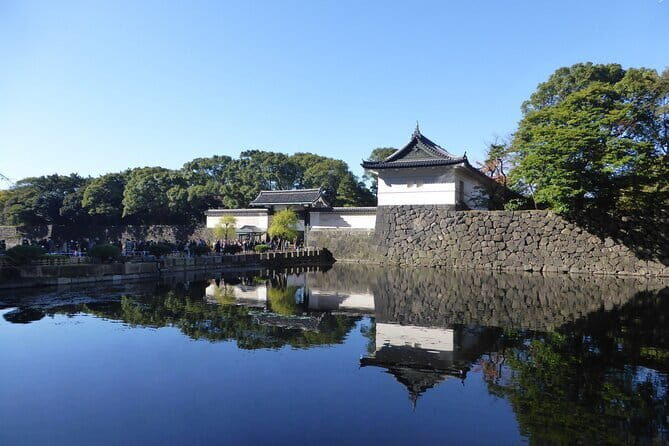
Then comes the part that makes the tour feel more like Tokyo life than a highlight reel—Hoppy Street. This is known for izakayas (Japanese pubs) and their signature local drink called Hoppy. You’ll also see common comfort foods paired with those drinks, like yakitori and oden.
Why this matters: it’s an easy way to understand the area’s after-work and casual social energy. The temple is one side of Asakusa; the food-and-drink streets are the other. Your guide’s historical anecdotes help connect those vibes to what locals have appreciated for a long time, which makes the stop feel less random.
If you’re not planning a full dinner here, that’s fine. Use the walk as reconnaissance: notice menus, pricing styles, and the kind of places you’d actually want to return to. If you’re hungry, it’s also a natural point to decide what you’ll eat next, because you’re already in the right zone for it.
Optional sushi making class: when the add-on is worth it
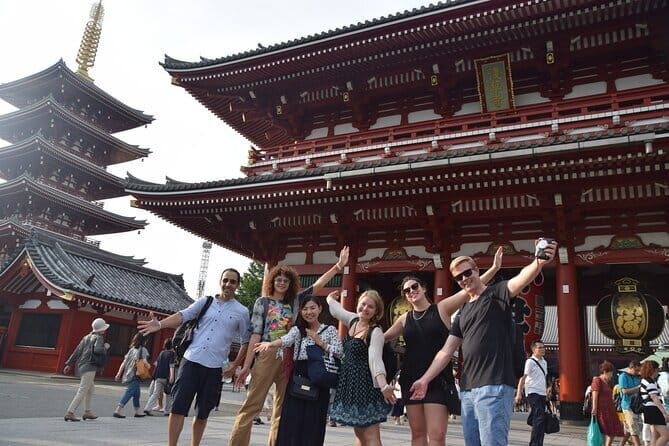
You can add a sushi making option after the walking portion. The class adds 1 hour, and the start times are either 12:30–13:30 or 15:30–16:30 depending on your selection.
This is worth considering if you want a hands-on Tokyo activity that doesn’t require you to book another day or chase another reservation. It pairs well with Asakusa because you’re finishing the spiritual and street-sampling side of the neighborhood and then shifting into something practical you can bring home as a story.
A small planning note: because the class is time-specific, check your day’s schedule so you don’t end up sprinting between lunch plans and class start times. If you like a slower pace, pick the time window that leaves you breathing room.
Price and what you’re really paying for
The price is $35 per person, with duration running roughly 1.5 to 3.5 hours. For a walk this focused, you’re paying mainly for guidance, pacing, and interpretation—not expensive entries. The key stops are free to access, which keeps the math sensible.
Also, this is booked on average about 54 days in advance, and it’s capped at 8 travelers. That’s a real sign it’s meant to stay personal. If you hate big group energy, this format usually feels better than the standard bus-tour approach.
The experience uses a mobile ticket, which is convenient if you don’t want to juggle paper. And because the meeting point is near public transportation and the tour ends back at the start point, it’s easy to stitch into a half-day plan.
One more value point: multiple guide experiences highlight kindness, responsiveness, and the way guides help with questions and photos. That can sound like fluff until you realize how much better your pictures and decisions get when you know where to stand and what to ask.
Who should book this Asakusa experience
I’d book it if you want an organized first look at Asakusa and you care about doing more than just walking past famous places. It’s also a strong choice if you’re the type who asks why something matters—because guides like Andy, Kayoko, Sachi, Sunny (Chiharu), and Yoshiko san have been praised for explaining history and practical etiquette, plus pointing out good food choices in the surrounding areas.
It may be less ideal if you prefer total freedom with zero structure. This tour gives you a route and timing, and while you can usually ask questions and adjust on the way, it won’t feel like a DIY stroll where you decide every turn at the last second.
It’s also a fit for moderate walking days. If your physical fitness is solid and you can handle a couple hours of walking through crowded areas, you’ll be comfortable.
Should you book this Asakusa experience?
Yes, if you’re visiting Asakusa for the first time and you want the fast-track version that still feels thoughtful. The best reason to book is simple: you’ll stand in the right places—starting at Kaminarimon—and you’ll understand what’s happening at Senso-ji instead of treating it like a photo backdrop.
I’d book it especially if you care about etiquette, questions, and getting pointed toward food and shopping that actually fits the neighborhood. The optional sushi making add-on is a nice bonus if you want a hands-on finish to your half-day plan.
Skip it only if you already know the area well and you’d rather wander without a guide.
FAQ
Where does the tour start and end?
The tour starts at the Asakusa Culture Tourist Information Center at 2-chōme-18-9 Kaminarimon, Taito City, Tokyo. It ends back at the meeting point.
How long is the experience?
The walking tour runs about 1 hour 30 minutes to 3 hours 30 minutes, depending on the pace and options chosen.
Is there an optional sushi making class?
Yes. You can add a 1-hour sushi making class after the Asakusa walking tour. Class time slots are 12:30–13:30 or 15:30–16:30.
How much does it cost?
It costs $35.00 per person.
Do I need tickets in advance?
You get a mobile ticket. Confirmation is received at the time of booking.
What fitness level do I need?
You should have a moderate physical fitness level, since it’s an active walking tour.
Is free cancellation available?
Yes. You can cancel for a full refund up to 24 hours before the experience starts.
The Old Tokyo, Toured Properly
More Tour Reviews in Tokyo






Around Senso-ji: More Asakusa Picks

Fresh reviews from around Tokyo






Asakusa Tours, compared.
 ★ 4.8Japanese Dance Cabaret Theater Asakusa-Kaguwa TicketFrom $492,270 reviews
 ★ 4.7Meiji Shrine, Asakusa, Skytree Bus Tour and CruiseFrom $1221,986 reviews
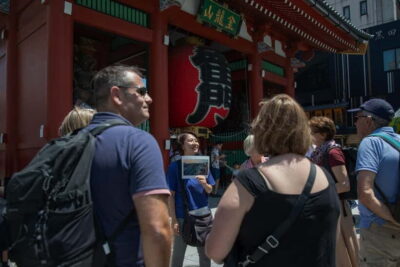 ★ 4.8Asakusa Walking Tour with Sensoji Temple VisitFrom $221,583 reviews
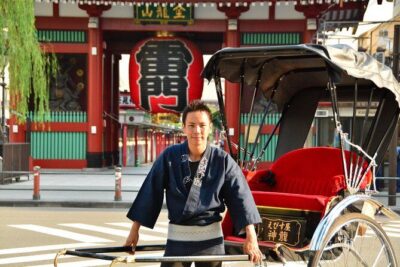 ★ 5.0Tokyo Asakusa Rickshaw TourFrom $421,375 reviews
 ★ 4.5Tokyo Panoramic 1 Day: Meiji Shrine, Asakusa, Odaiba and SKYTREE®From $851,222 reviews
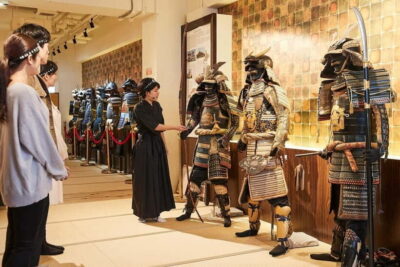 ★ 4.8Samurai Ninja Museum Asakusa: Samurai Sword Lesson & TourFrom $63306 reviews
Asakusa Sightseeing Tour by RickshawFrom $35195 reviews
Asakusa Kimono Dressing and Matcha ExperienceFrom $56173 reviews
★ 4.8Samurai Ninja Museum Asakusa: Samurai Sword Lesson & TourFrom $63306 reviews
Asakusa Sightseeing Tour by RickshawFrom $35195 reviews
Asakusa Kimono Dressing and Matcha ExperienceFrom $56173 reviews
Browse the lists this tour appears in