
Reviewed · SHINJUKU BAR HOPPING
ENJOY-ALL-SHINJUKU《Red Light District Walking》with DEEPest info!
Shinjuku at night feels like two cities at once. This walking tour is built for that split personality: you get a fast route through the area, plus the story behind what you’re seeing, from people who live there.
I like the way the guide focuses on real Tokyo, not just the usual postcard spots. You also get hands-on help for photos, so you’re not just taking pictures—you’re taking the right ones in the right places.
One thing to consider: the topic is Kabukicho, and you’re walking through an entertainment district. If you’d rather avoid that vibe, this may not be the tour for you.
In This Review
- Quick Takeaways
- Entering Shinjuku’s world street by street
- Starting at Shinjuku Tourist Information Center: how the walk flows
- Omoide Yokocho: alley views and where the food stories start
- Kabukicho and the included Kabukicho District access
- Godzilla Road and Head: pop culture as a wayfinding tool
- Shinjuku Golden Gai: tiny doors, big atmosphere
- Shinjuku Kabukicho Noren Street: seeing the district’s rhythm
- Hanazono Shrine: a calmer beat inside the chaos
- Don Quijote Shinjuku Kabukicho: practical browsing in the middle of nightlife
- Toho Cinemas Shinjuku: a recognizable finish line
- Price and value: what $25.04 buys you in 90 minutes
- Guides and personalities: why the stories land
- Should you book this Shinjuku Red Light District walking tour?
- FAQ
- How long is the Red Light District Walking tour?
- Where do I meet the guide?
- What’s included in the price?
- What’s not included?
- How big is the group?
- Can I request a guide in another language?
- What happens if the weather is bad?
- Is free cancellation available?
Quick Takeaways
- 90 minutes that actually fits a packed itinerary with a steady walking rhythm
- Photo help at multiple stops so your shots look planned, not accidental
- Local food and drink recommendations that go beyond the most obvious choices
- Small group energy capped at 20 people, with a tight feel for up to 10
- Convenient, central meeting point at Shinjuku Tourist Information Center
- Food souvenirs included so the tour keeps paying off after you leave Tokyo
Different nights, same neon: more Shinjuku crawls
- Tokyo: Shinjuku Food Tour (13 Dishes at 4 Local Eateries)★ 5.0 · 6,603 reviews
- Tokyo Bar Hopping Tour in Shinjuku (All-You-Can-Drink + Dinner)★ 5.0 · 3,587 reviews
- Tokyo: Shinjuku Food Tour (15 Dishes and 4 Eateries)★ 4.9 · 2,033 reviews
Entering Shinjuku’s world street by street
This tour is designed for people who want Shinjuku in a hurry, but still want substance. It’s not the kind of walk where you see famous landmarks from the outside and call it a day. Instead, you’re walking the streets and learning how they connect to daily life, local history, and the choices people make for food, drinks, and nights out.
The tour’s tone is practical. You’ll hear explanations as you go—why certain streets exist, what role entertainment areas play, and where locals tend to go for meals and drinks. The promise is simple: don’t experience only the surface. Tokyo is famous for sights, but the real fun is understanding the culture and routine hiding behind them.
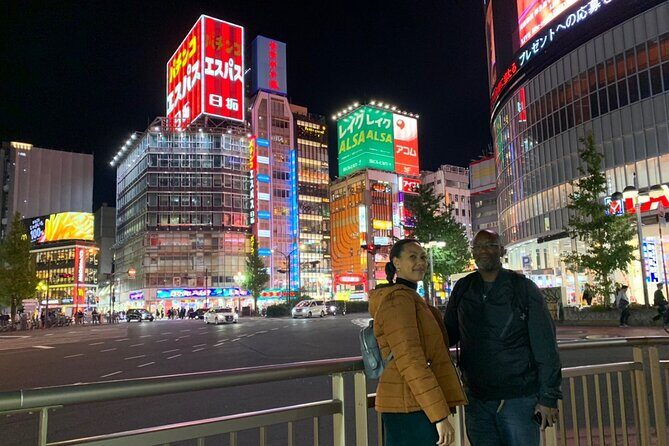
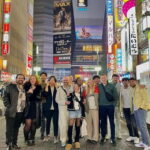
And yes, you’ll get picture stops in places the guide expects most first-time visitors miss. That matters in Shinjuku, where neon, crowds, and sign clutter can make it hard to aim your camera and understand where you are.
Starting at Shinjuku Tourist Information Center: how the walk flows
You meet at Shinjuku Tourist Information Center (3-chōme-37-2 Shinjuku). The tour ends back at the same place, which keeps things easy when you’re mapping the rest of your evening.
The duration is about 1 hour 30 minutes, and that time is used tightly. There’s no long sit-down segment, no “wait while someone buys a snack” marathon, and no winding route that burns daylight. It’s a speedy walk, but you’re not rushed through explanation. The goal is to keep you oriented and informed as you move.
Group size stays controlled. The activity can accommodate up to 10 people, and the maximum for the tour is listed as 20. Either way, you’ll feel more like you’re walking with a guide than getting herded like a number.
Also, there’s no air-conditioned vehicle included. This is a walking tour, so in hot or humid weather you’ll want to plan for comfort: bring water, and dress for a fast stroll.
Omoide Yokocho: alley views and where the food stories start
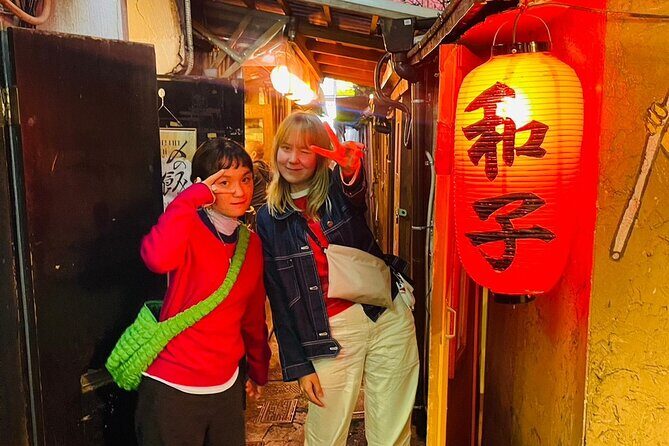
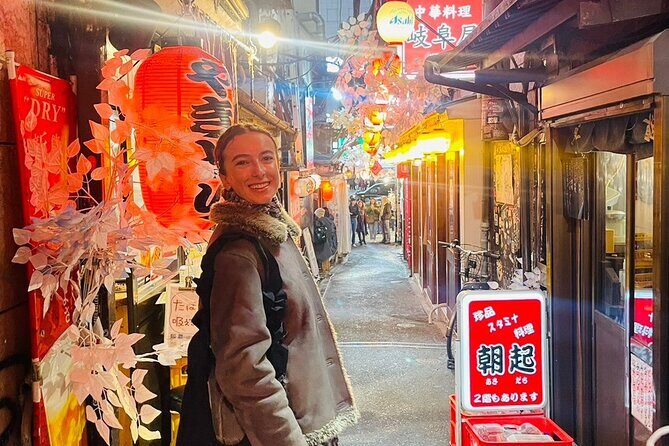
Omoide Yokocho is the kind of place that turns your brain on. Narrow lanes, a block of small eateries, and a strong sense that people come here for atmosphere as much as meals.
In a short tour window, this stop does two jobs. First, it grounds you in what makes Shinjuku feel like Shinjuku: compact choices, easy access, and a street layout built for short visits and repeated returns. Second, it’s the starting point for the tour’s food-and-life angle. You’ll hear recommendations and context that help you understand what you’re seeing, instead of just walking past it.
Photo-wise, alleys are tricky because you’re always tempted to shoot too wide. The guide helps you frame shots so you capture signage, lane depth, and the “you are here” feeling without turning the picture into a blur of neon.
Kabukicho and the included Kabukicho District access
Kabukicho is the entertainment center of Shinjuku, and this tour treats it as more than a scary word on a map. You’ll learn the reasoning behind the district layout and the way people move through it—what attracts crowds, how the area organizes itself, and why it’s so visually intense.
The tour includes entry/admission for Kabukicho District. The practical benefit: you don’t have to figure out what to pay for or where to line up when you’re already in motion. It’s one less distraction while you’re trying to follow the guide and absorb the stories.
This stop also helps you understand what kind of night you’re stepping into. If your idea of Shinjuku is only shopping and daytime transit, Kabukicho gives you the other half: nightlife culture, people-watching, and the social rhythm of the area.
One consideration: because Kabukicho is busy and visually loud, it’s smart to listen first and take photos second. The guide’s explanations help you know what you’re looking at before you freeze it on your camera.
Tokyo at walking pace, a few more ways
Godzilla Road and Head: pop culture as a wayfinding tool
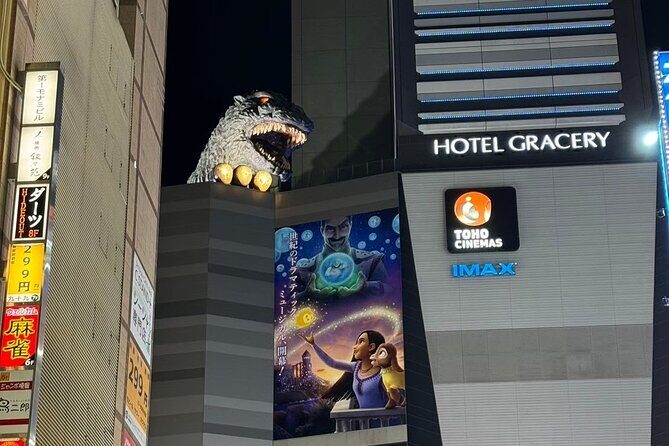
Then you hit Godzilla Road and the Godzilla Head area. This is one of those Shinjuku “anchors” that helps you mentally map the district. Even if you’re not a die-hard fan, the landmark makes the surrounding streets make more sense.
What I like about this kind of stop is that it works for both kinds of travelers. If you love pop culture, you’ll enjoy the presence of the character. If you just want navigation and context, it still gives you an orientation point.
And because the tour includes photo help, this is usually a good moment to ask the guide how to shoot it. With Shinjuku’s crowds and lighting, standing in the wrong spot can ruin the picture. A guide can point out the angle that keeps the background from swallowing your subject.
Shinjuku Golden Gai: tiny doors, big atmosphere
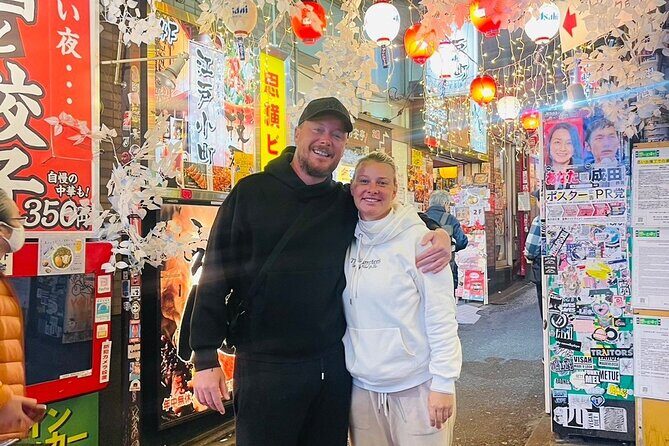
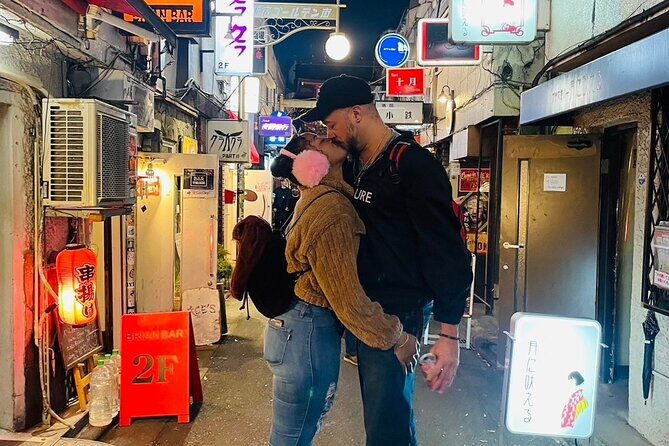
Golden Gai is famous for a reason, but the best part of this stop is not the label. It’s how you feel the scale when you’re actually standing there—small entrances, dense streets, and bar culture that seems designed for short, social visits.
This is also where the tour’s “local realities” approach matters. The guide’s stories turn Golden Gai from a checklist item into something you can interpret: why the lanes are like they are, why people choose these narrow spaces, and how that fits into the larger Shinjuku nightlife pattern.
If you’re the type who likes taking photos but also wants to understand what you’re photographing, Golden Gai is a strong match. You’ll get enough context to know what matters, even if you don’t step inside every doorway.
Shinjuku Kabukicho Noren Street: seeing the district’s rhythm
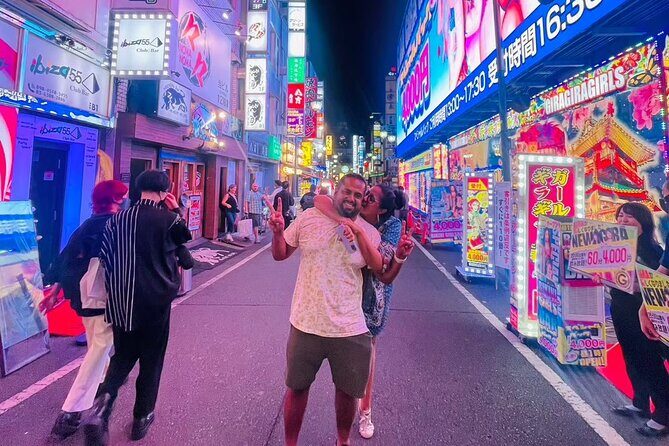
Next comes Shinjuku Kabukicho Noren Street. The word noren refers to the curtain-like shop fronts you’ll see in Japan, and this street is a visual lesson in how businesses announce themselves and guide foot traffic.
This stop is useful because it teaches you to read street design. You start noticing patterns: what storefronts signal, how people line up, and how the street feels different from the open squares elsewhere in Shinjuku. That kind of street literacy makes your own independent wandering afterward much easier.
Photo-wise, noren streets are ideal for vertical framing. The guide’s help with composition makes a difference here because the background can be distracting. You want clean lines and readable signage, not just a wall of random lights.
Hanazono Shrine: a calmer beat inside the chaos
Hanazono Shrine adds contrast. After Kabukicho’s entertainment energy, the shrine gives your brain a pause button. It’s not only a scenic break—it also changes the tone of the stories you’re hearing.
This kind of stop is important because it prevents the tour from feeling like a nonstop neon sprint. In a 1.5-hour experience, contrast helps you remember more. It also helps you notice Tokyo as more than entertainment districts. Religious spaces are part of daily culture, even when the city around them is loud.
If you want a moment to breathe, reflect, or just reset your senses, this is the stop.
Don Quijote Shinjuku Kabukicho: practical browsing in the middle of nightlife
Don Quijote is one of those Tokyo stores that can be fun even if you don’t plan to shop much. Here, it works as a practical detour in the tour’s final stretch.
Why it’s worth including: it’s a place where you can quickly grab travel-friendly items or snacks without turning your night into a separate mission. In a short tour, having one real-world resource stop can save time later.
Also, the guide’s recommendations connect the storefront world to what you’ve been learning all along—where to eat, where to drink, and how to make your Shinjuku night more enjoyable and efficient.
Toho Cinemas Shinjuku: a recognizable finish line
Toho Cinemas Shinjuku is a familiar, solid landmark and a good way to wrap the walk. It gives you a clear sense of where you are relative to the rest of Shinjuku, which matters because Shinjuku’s transit can feel like a maze.
By the time you reach the end, you’re not just tired—you’re oriented. That’s the tour’s real value: getting your bearings fast and leaving with ideas for your next steps.
Price and value: what $25.04 buys you in 90 minutes
At about $25.04 per person, the value is in the mix. You’re paying for:
- a Japanese local guide with on-the-street storytelling
- photo help during the walk
- included Kabukicho District admission
- food souvenir items you can take home
- and a tight route that doesn’t waste time on generic sightseeing
This matters for one big reason: Shinjuku can eat time. The district is easy to walk through, but it’s harder to understand. A guide turns confusion into context, and context into better choices.
Booking timing also matters. The tour is often reserved around 37 days in advance on average. That usually means the best time slots can fill up, especially for popular evenings. If you’re building a Tokyo plan, I’d book early and then adjust the rest of your itinerary around it.
Guides and personalities: why the stories land
The reviews attached to this tour point to a consistent pattern: the guides bring both information and personality, and the tour moves quickly because the explanations feel natural, not like a lecture.
Names you’ll see associated with this experience include Manaka, Dan, Suemi, and Aki. The common thread across those guides is a balance of history and current-day tips, plus a friendly style that keeps the walk from feeling stiff. It’s also why the tour tends to feel like a fast, fun way to learn Shinjuku instead of a formal group activity.
If you like asking questions, this is a good format. The tour encourages you to clarify what you’re curious about—food choices, where locals go, and what to expect from Tokyo’s nightlife culture.
Should you book this Shinjuku Red Light District walking tour?
Book it if you want a short, guided orientation to Shinjuku and Kabukicho, plus practical food and nightlife context. It’s also a strong fit if you’re camera-ready and want help making photos actually look good.
Skip it if you’d rather avoid entertainment-district vibes or if you need quiet, nature-style sightseeing. This is a city-walk tour, and the district’s energy is part of the point.
If you do book, go in with a simple mindset: listen for the why, take photos when the guide says it’s the right angle, and use the recommendations to plan at least one meal or drink after the walk.
FAQ
How long is the Red Light District Walking tour?
The tour runs for about 1 hour 30 minutes.
Where do I meet the guide?
You meet at Shinjuku Tourist Information Center, 3-chōme-37-2 Shinjuku, Shinjuku City, Tokyo 160-0022, Japan. The tour also ends back at the meeting point.
What’s included in the price?
The tour includes hidden souvenirs, photos taken during the tour, exploration of the real city of Shinjuku with a Japanese local guide, and entry/admission for Kabukicho District.
What’s not included?
An air-conditioned vehicle is not included.
How big is the group?
The experience can accommodate up to 10 people, and it lists a maximum of 20 travelers.
Can I request a guide in another language?
Spanish, Italian, and Korean are listed as available if you contact before booking.
What happens if the weather is bad?
This experience requires good weather. If it’s canceled due to poor weather, you’ll be offered a different date or a full refund.
Is free cancellation available?
Yes. You can cancel up to 24 hours in advance for a full refund. If you cancel less than 24 hours before the start time, the amount paid is not refunded.
Tokyo on Foot: More Walks
More Tour Reviews in Tokyo






Shinjuku After Hours: The Other Crawls

Fresh reviews from around Tokyo






Shinjuku Bar Hopping, compared.
 ★ 5.0Shinjuku Food Tour (13 Dishes at 4 Local Eateries)From $866,603 reviews
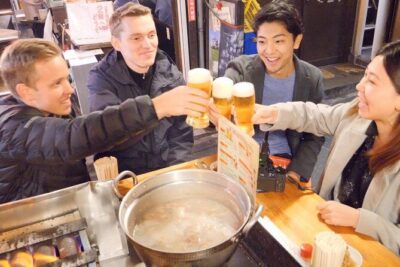 ★ 5.0Tokyo Bar Hopping Tour in Shinjuku (All-You-Can-Drink + Dinner)From $1063,587 reviews
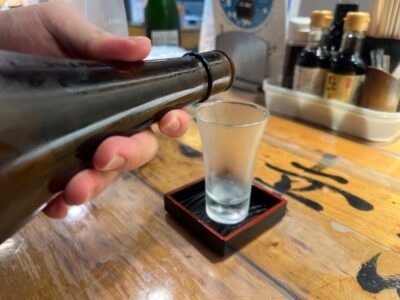 ★ 4.9Shinjuku Food Tour (15 Dishes and 4 Eateries)From $852,033 reviews
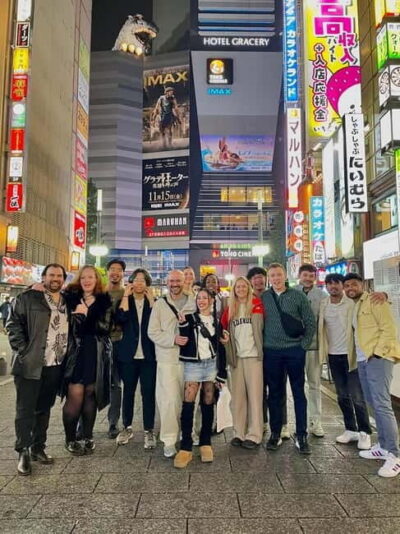 ★ 4.9Shinjuku Local Bar and Izakaya Guided Walking TourFrom $341,794 reviews
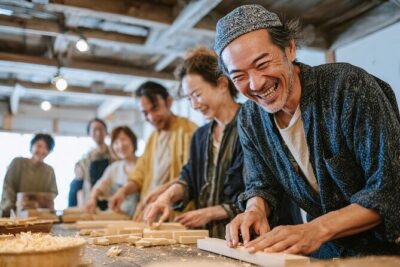 ★ 5.0Tokyo Shinjuku Chopsticks Making ClassFrom $201,763 reviews
 ★ 5.0Tokyo Shinjuku Sumo Show & Experience with PhotoFrom $791,750 reviews
 ★ 5.0Tokyo Night Foodie Tour in Shinjuku – Seasonal Sushi, Wagyu BeefFrom $1111,161 reviews
 ★ 4.8Sumo Show and Experience in ShinjukuFrom $691,001 reviews
Browse the lists this tour appears in