
Reviewed · WALKING TOURS
Discover Tokyo: 3-Hour Private Guided Photo Walking Tour
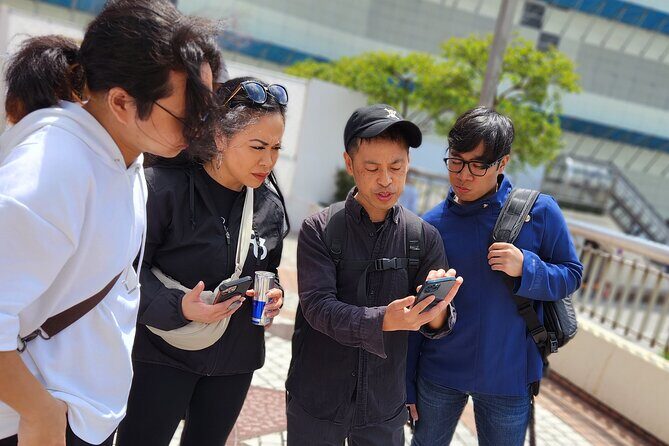
Tokyo photos get way better with a plan. This private 3-hour walk helps you slow down, look longer, and learn why certain angles work in real Tokyo streets. I like that you can choose the neighborhood (Shibuya, Shinjuku, Akihabara, Odaiba, and more) and match the vibe with a morning or nighttime session. I also like that it’s truly private, so your guide can coach your shots instead of herding you around.
The most rewarding part is the personalized instruction tied to where you’re standing—hidden shrines, alley scenes, and iconic spots like Shibuya Crossing get treated like a classroom with street noise. One possible drawback: this is still a walking tour, and you’ll get more out of it if you’re comfortable moving at a steady pace and changing spots often.
In This Review
- Key things that make this tour worth your time
- A Tokyo photo walk that teaches you how to see
- Choose Shibuya, Shinjuku, Akihabara, or Odaiba (and go morning or night)
- Shibuya: alleys, hidden shrines, rooftop parks, and crossing energy
- Akihabara: electronics, maid-café culture, and anime-ready streets
- Odaiba: modern angles, water-and-city views, and street-level hidden spots
- Shinjuku: Godzilla energy, Golden Gai texture, and Kabukicho tower shots
- What your guide (Bunga) actually helps with
- Price and value: $114.31 for 3 hours, and how to get your money’s worth
- Practical matters that affect your results
- Should you book this Tokyo private photo walking tour?
- FAQ
- How long is the Tokyo photo walking tour?
- How much does it cost?
- Is this tour private or group-based?
- Where do you meet, and where does it end?
- Which neighborhoods can I choose?
- Do I choose morning or nighttime?
- What’s included in the price?
- What’s not included?
- What should I do about cancellation?
Key things that make this tour worth your time
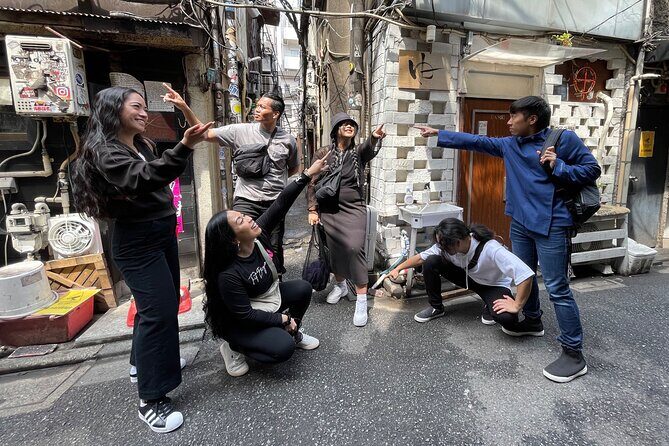
- Private coaching that targets your photo results, not just sightseeing
- Pick your area and time: Shibuya, Shinjuku, Akihabara, Odaiba, plus morning or nighttime
- Real street variety: back alleys, hidden shrines, rooftop parks, and major landmarks
- Built for better photos fast with practical tips you can use right away
- A guide who works the details, including humor and hands-on encouragement (Bunga is highly praised)
- Good value for a focused shoot, especially if you’re booking back-to-back tours
Tokyo at walking pace, a few more ways
- Tokyo Tsukiji Fish Market Food and Culture Walking Tour★ 5.0 · 3,184 reviews
- Tokyo: Shinjuku Local Bar and Izakaya Guided Walking Tour★ 4.9 · 1,794 reviews
- Tokyo: Tsukiji Fish Market Food and Walking tour★ 5.0 · 1,724 reviews
A Tokyo photo walk that teaches you how to see
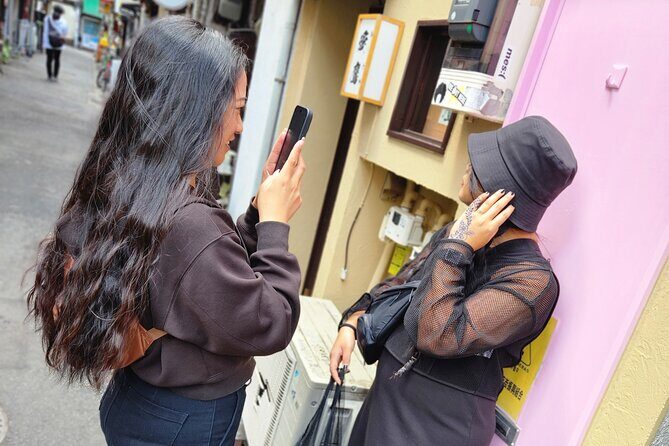
Tokyo can look like one big camera-ready postcard. But if you only shoot what’s in front of you, your photos can feel flat. This kind of private guided photo walk fixes that. You get a focused route and, more important, guidance on how to frame the scene so it looks like what you actually felt in the moment.
I like that the tour is built around street photography. You’re not waiting for perfect conditions or a museum ticket. You’re learning to work with foot traffic, reflections, layered signs, and sudden mood shifts from one street corner to the next.
And yes, you’ll still get the famous stuff. Shibuya Crossing and the station area are on the menu. But you also get the stuff most people walk past: side streets, little shrine pockets, and elevated viewpoints where Tokyo suddenly snaps into a clean composition.
Choose Shibuya, Shinjuku, Akihabara, or Odaiba (and go morning or night)
The big decision is simple: you choose the neighborhood you want to explore. Options include Shibuya, Shinjuku, Akihabara, Odaiba, and more. That matters because Tokyo photography is less about one “best” spot and more about matching your subject to the light and energy you want.
You also choose the time of day. Morning is calmer and often easier for clearer walking shots. Night turns Tokyo into a light-and-shadow playground where reflections and signage can do a lot of the heavy lifting. Either way, you’ll be working the streets with a photographer’s eye rather than guessing.
A tip for your planning: pick your neighborhood based on what you want your photos to say.
- If you want motion, crowds, and layered urban signage, Shibuya is the obvious choice.
- If you want movie-poster energy and neighborhood textures, Shinjuku delivers.
- If you want playful pop-culture details, Akihabara is fun to photograph.
- If you want water-and-sky angles and big views, Odaiba fits.
If you can swing it, the tour also suggests booking two back-to-back tours for a longer, more varied photo story across different neighborhoods.
Shibuya: alleys, hidden shrines, rooftop parks, and crossing energy
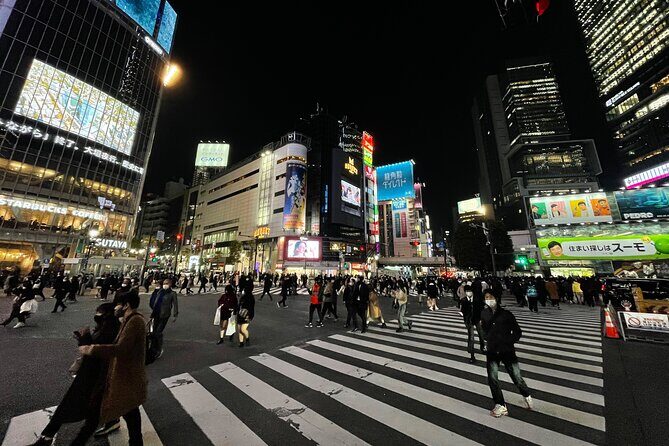
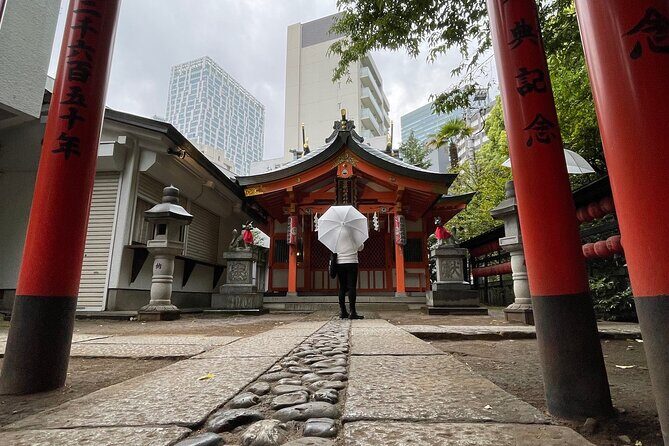
Shibuya is where Tokyo looks most like Tokyo. For a Shibuya-focused walk, expect a mix that goes beyond the main intersection. You’ll move through back alleys and find quieter pockets that still feel unmistakably Shibuya. The tour approach is to help you photograph the city from multiple angles—east side to west side around the station—so your set of images doesn’t all look like the same scene.
One of the most useful parts here is how you’ll “read” the area. The route is designed to help you spot compositions in places you might normally ignore: narrow lanes, small shrine areas, and elevated spots such as rooftop parks where you can look back across the district.
If you’re shooting on a smartphone, this is where coaching really helps. Many people point their camera at the loudest landmark and end up with a busy photo that’s hard to understand. With a guide, you learn how to separate subject from clutter—using lines, edges, and framing to make the scene feel intentional.
Also, this is the kind of neighborhood where you can end up chasing small details without even noticing you’re doing it. That’s good. Tokyo rewards close looking.
Akihabara: electronics, maid-café culture, and anime-ready streets
Akihabara is basically Tokyo’s funhouse. You get electronics and the neighborhood’s pop-culture identity, including maid-café culture and the anime vibe that spills out onto the streets.
Photographically, that means a lot of opportunities for strong color, signage, and character-driven scenes. The challenge is the same one anywhere in Tokyo with heavy visual noise: how do you frame it so the image looks clean and readable?
That’s where the guide’s photo coaching becomes the point of the tour. You’ll learn how to decide what the “main character” of your shot is. Sometimes that means photographing signage from an angle that reduces glare. Other times it’s stepping back to include a human scale element so the scene doesn’t become just a wall of text.
If you want a photo set that feels playful but still well-composed, Akihabara is a solid pick. It’s also a great choice if you enjoy photography that’s more about mood and personality than postcard landscapes.
More days made easy by a guide


Odaiba: modern angles, water-and-city views, and street-level hidden spots
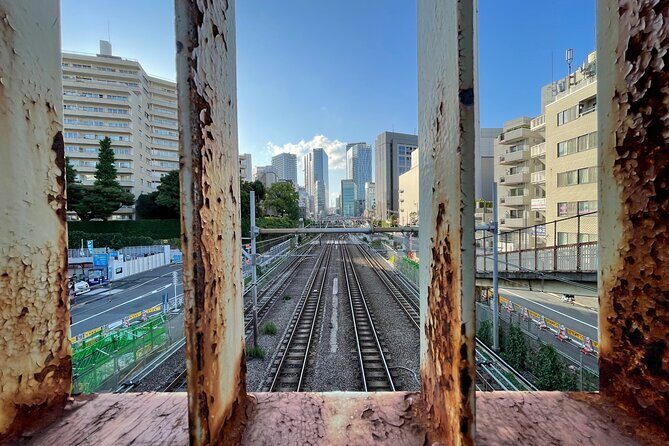
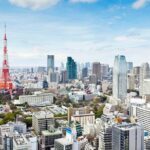
Odaiba shifts the look of Tokyo. Instead of dense arcade-like streets, you get a modern, open feel with photo opportunities that can include sky and water views—plus unique spots and hidden areas worth walking to.
This stop is a good match for photographers who like structure: buildings, long sightlines, and scenes where you can make the geometry work for you. It’s also good for people who want variety within a single tour. Even if you start the morning in a crowd-heavy district, Odaiba gives your photo set a different rhythm and visual texture.
If you’re planning for nighttime shooting, Odaiba can be a nice contrast to the LED intensity of places like Shibuya. Night photography is often about deciding whether you want high-energy chaos or cleaner, calmer light patterns. Odaiba tends to lean toward the second option.
Shinjuku: Godzilla energy, Golden Gai texture, and Kabukicho tower shots
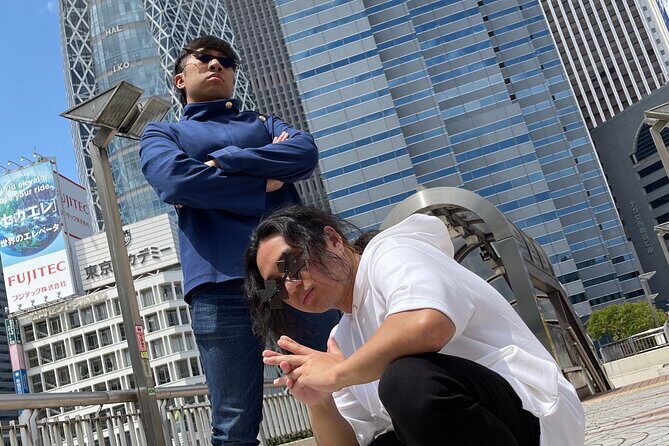
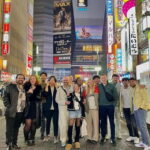
Shinjuku is where Tokyo becomes dramatic. A Shinjuku-focused route can include the Godzilla area, Golden Gai, and views around Kabukicho tower territory.
The photography here is about texture and story. Golden Gai is especially suited to street photography because it’s full of small-scale scenes—tight spaces, atmospheric lighting, and alley feel. The main drawback risk in Shinjuku is shooting too wide. If you include too much, your images can turn into a swirl. The guide’s job is to help you pick a focal point so your photos look like you meant them.
And yes, Shinjuku is also good for iconic landmarks, including the kind of tower views people recognize instantly. But the best photos tend to come when you combine those big references with smaller alley moments that show what the neighborhood feels like at street level.
A practical mindset: in Shinjuku, keep an eye out for repeating shapes—signs, window grids, alley lines. Those patterns help you compose images that look coherent even when the scene is busy.
What your guide (Bunga) actually helps with
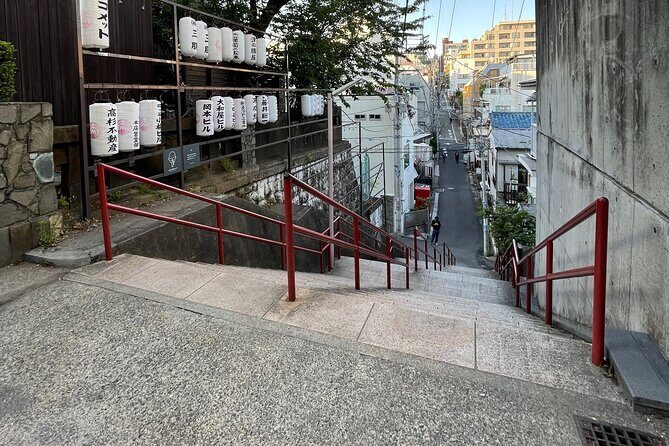
The guide behind this tour is bunga, and in reviews you’ll also see the name written as Munga. Either way, the theme is consistent: the guide has an eye for spots and a teaching style that turns your camera into a tool, not a random button.
Here’s what that coaching usually means in practice during a street photo walk:
- You get help choosing better angles instead of only aiming at famous backdrops
- You learn quick improvements you can use immediately at the next corner
- You get encouraged to try variations—same subject, different framing—so you leave with stronger results
In the reviews, the guide is praised for showing lots of good spots and for offering easy, expert-level photography tips that change how people shoot. There’s also a recurring note about humor and a fun vibe. That matters more than it sounds. Street photography is easier when you’re not stressed about getting it wrong every minute.
And it’s not just photos in isolation. In at least one Shibuya walk, the guide guided the group toward a tasty local treat like rainbow pancakes. Snacks aren’t included, so you’re paying for food on your own, but the walking route can still lead you to those little rewards that make the day feel complete.
Price and value: $114.31 for 3 hours, and how to get your money’s worth
At $114.31 per person for a 3-hour private walking tour, you’re paying for three things:
1) a guide who adapts to your neighborhood choice and your photo goals
2) the time it takes to walk to multiple shooting angles
3) personalized instruction, which is the hardest thing to get on a normal group tour
Is it expensive? It can be, depending on how many people are in your party. But the private format is the value driver. If you’d rather spend a morning learning how to take better photos than spending it guessing at the right settings and hoping for luck, this price can feel fair.
The other value angle is pacing. You’re not trapped in a “see everything” itinerary. You’re focusing on a specific photo story within Tokyo—whether that’s Shibuya street motion, Akihabara pop details, or Shinjuku alley texture.
One more pricing thought: if you love the idea of stitching a full photo narrative across multiple neighborhoods, the idea of booking two back-to-back tours can make the whole experience feel like a mini-photo workshop weekend inside the city.
Practical matters that affect your results
This is a walking tour with moderate physical fitness required. You should expect steady movement and enough time on your feet to actually position yourself for shots. Tokyo can be forgiving because there are constant transit options nearby, but for a 3-hour session, you’ll still be doing real street walking.
The tour uses a mobile ticket, and all fees and taxes are included. Snacks are not included, and tips are optional. The tour starts at Hachiko Square near Shibuya Station (2 Chome-1 Dogenzaka, Shibuya, Tokyo 150-0043) and ends back at that same meeting point.
What to bring:
- Your camera or phone, plus whatever you use for quick adjustments
- A fully charged device (especially if you’re shooting at night)
- Comfortable shoes (you’re walking from shot to shot)
- A small plan for what you want your photo set to look like (crowds, neon, alleys, views)
Also note: service animals are allowed, and the meeting area is near public transportation, which makes it easier to slot into a busy Tokyo day.
Should you book this Tokyo private photo walking tour?
Book it if you want better photos and you like learning in the real world. This works best if you care about framing, angles, and street-level storytelling, and you want a guide to steer you toward places you’d likely miss—or at least miss at the right time and viewpoint.
Skip it (or reconsider the neighborhood choice) if you mainly want a relaxed stroll with zero coaching. This tour’s value is the guidance. If you won’t use that, you’re paying for something you might not need.
One smart strategy: choose the neighborhood that matches the photos you actually want to keep. Shibuya is for motion and neon. Shinjuku is for drama and alley texture. Akihabara is for pop-culture detail. Odaiba is for cleaner views and modern angles. Pick your story first, then book.
If that’s your mindset, this private 3-hour walk can turn a Tokyo day into a set of images that feels intentional.
FAQ
How long is the Tokyo photo walking tour?
It’s about 3 hours.
How much does it cost?
The price is $114.31 per person.
Is this tour private or group-based?
It’s private. Only your group participates.
Where do you meet, and where does it end?
You meet at Hachiko Square (2 Chome-1 Dogenzaka, Shibuya, Tokyo 150-0043, Japan) and it ends back at the meeting point.
Which neighborhoods can I choose?
You can choose the neighborhood you want to explore, including options such as Shinjuku, Shibuya, Akihabara, Odaiba, and more.
Do I choose morning or nighttime?
Yes. You can pick between nighttime or morning street photography tours.
What’s included in the price?
All fees and taxes are included.
What’s not included?
Snacks are not included, and tips are optional.
What should I do about cancellation?
You can cancel for a full refund if you cancel up to 24 hours in advance of the experience start time.
Tokyo on Foot: More Walks
More Tours in Tokyo





More Tour Reviews in Tokyo




Fresh reviews from around Tokyo






Walking Tours, compared.
 ★ 5.0Tokyo Tsukiji Fish Market Food and Culture Walking TourFrom $993,184 reviews
 ★ 4.9Shinjuku Local Bar and Izakaya Guided Walking TourFrom $341,794 reviews
 ★ 5.0Tsukiji Fish Market Food and Walking tourFrom $301,724 reviews
 ★ 4.8Asakusa Walking Tour with Sensoji Temple VisitFrom $221,583 reviews
 ★ 4.9Tsukiji Fish Market Guided Walking TourFrom $221,397 reviews
 ★ 4.7Tokyo Castle & Imperial PalaceーShogun Walking TourFrom $231,068 reviews
 ★ 4.9Imperial Palace Japanese History Walking TourFrom $32987 reviews
 ★ 4.7Dark Side of Tokyo Shinjuku Red Light Walking TourFrom $29862 reviews
Browse the lists this tour appears in