
Reviewed · SHINJUKU BAR HOPPING
Discover the History of Shinjuku Gyoen – Private Walking Tour
Shinjuku Gyoen tells layered stories. This private tour walks you through one of Tokyo’s most scenic parks with expert historical commentary tied to the buildings and garden design. You’ll move from former power centers to calmer public paths, all while learning what changed and why.
I really like the way the route spotlights specific structures, including the Former Imperial Rest House (Kyū Yōkan Gokyūsyo), not just pretty scenery. Another highlight for me is the photo-friendly guidance—your guide will point out angles and offer practical options so you get great shots without fuss.
One thing to plan for: admission isn’t included, so your total cost will be a bit higher once you buy the park ticket.
In This Review
- Key highlights at a glance
- Why Shinjuku Gyoen beats a regular park visit
- Meeting at Shinjuku Gate: what the 2-hour private format feels like
- Stop 1: Shinjuku Gyoen grounds and the Former Western-style Rest House
- Tropical greenhouse time: a break from the typical garden stroll
- Imperial Rest House (Kyū Yōkan Gokyūsyo) and why it changes the whole mood
- Goryōsho Pavilion: the view stop that makes the walk click
- Traditional Japanese gardens: what you should notice as you walk
- Photo-friendly guidance from guides like Mao and Yu
- Price and value for $50, plus what admission changes
- Who this tour suits best (and who might pass)
- Should you book this Shinjuku Gyoen private walking tour?
- FAQ
- How long is the Shinjuku Gyoen private walking tour?
- Where does the tour start?
- Is this a private tour or a group tour?
- Is the park admission ticket included in the price?
- What ticket format will I receive?
- Is there free cancellation?
- Is the tour suitable for people with moderate fitness levels?
Key highlights at a glance
- Private guide attention for a focused 2-hour walk through the grounds
- Former Western-style and imperial rest houses that explain changing eras in the park
- Tropical greenhouse time to break up the garden stroll with something distinctive
- Goryōsho Pavilion views that help you understand why visitors linger here
- Guides like Mao and Yu are praised for patience, clear English, and help getting photos
Different nights, same neon: more Shinjuku crawls
- Tokyo: Shinjuku Food Tour (13 Dishes at 4 Local Eateries)★ 5.0 · 6,603 reviews
- Tokyo Bar Hopping Tour in Shinjuku (All-You-Can-Drink + Dinner)★ 5.0 · 3,587 reviews
- Tokyo: Shinjuku Food Tour (15 Dishes and 4 Eateries)★ 4.9 · 2,033 reviews
Why Shinjuku Gyoen beats a regular park visit
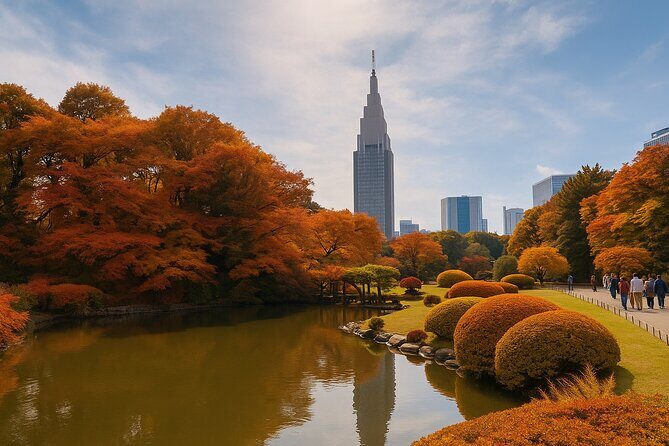
Shinjuku Gyoen looks like a park first. But with a guide on your side, it turns into a timeline you can walk through. You’re not just passing trees and ponds. You’re seeing how the same grounds shifted roles—from a feudal lord’s estate to an imperial garden, and later to a public space.
That matters because Tokyo has a habit of hiding its past in plain sight. In Shinjuku Gyoen, the clues are built into the place: rest houses, pavilions, and greenhouse design choices that reflect who owned the land and what they valued. A regular self-guided stroll can be beautiful, but it often stays surface-level. This tour pushes past the postcard view and helps you read the park like a story.
And it stays practical. You get a set walking route, you stay within the most notable sections, and you don’t waste time guessing what’s important once you’re inside.
Meeting at Shinjuku Gate: what the 2-hour private format feels like
Your tour starts at Shinjuku Gyoen Shinjuku Gate at 11 Naitōmachi, Shinjuku City. That’s a smart choice because it puts you right where you want to be—at the entrance—so you’re not spending the first part hunting for the right turn.
The tour runs about 2 hours, and it’s private, meaning only your group participates. For me, that’s a big quality-of-life upgrade in a busy city. You can ask questions at a comfortable pace, and if you’re the type who stops for photos often, your guide can accommodate it without turning it into a race.
You’ll also want to expect a moderate walking pace through park paths. Nothing extreme is described, but it is a garden setting with distances between structures. Bring water, wear shoes you’d trust on uneven ground, and you’ll feel good from start to finish.
Stop 1: Shinjuku Gyoen grounds and the Former Western-style Rest House
Your first major experience inside the park is the cluster of historic facilities that set the theme of the visit: how the estate developed over time. You’ll spend time around the Former Western-style Rest House, along with the other landmark buildings in the grounds.
Why this stop is worth your time: the rest houses aren’t random buildings dropped into a green space. They’re evidence of changing tastes and political power. Western-style architecture in Japan isn’t just a look; it often signals a specific era’s connection to modernization and international influence. A guide helps you see the difference between a decorative facade and a meaningful historical statement.
What to watch for while you’re there:
- The overall layout and how the building relates to the surrounding paths
- Any design details the guide points out that help explain the era
- How this area sets you up for the next “phase” of the park’s story
If you like history that you can physically stand next to, this is a strong start.
Tropical greenhouse time: a break from the typical garden stroll
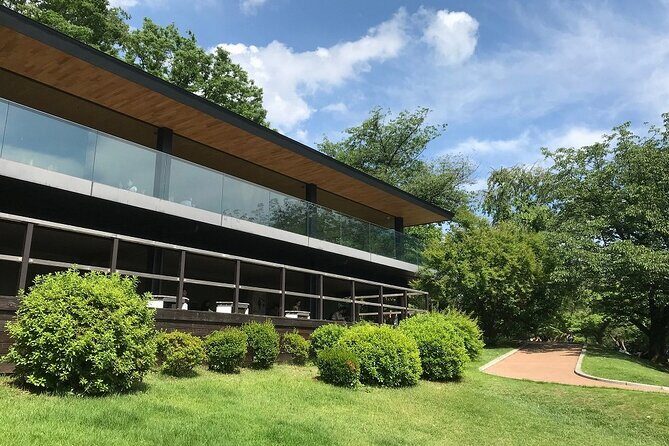
One of the most distinctive parts of the tour is the greenhouse, described as tropical. This is where the experience gets a little unexpected—in a good way. Instead of only outdoor garden scenes, you get an enclosed space that changes the atmosphere quickly.
Greenhouses do two things well for visitors. First, they give you a “show-and-tell” environment where plant variety is the point, not just background scenery. Second, they contrast with outdoor garden design, which makes it easier to understand why garden management mattered to the people who shaped Shinjuku Gyoen.
Practical tip: treat the greenhouse portion as its own micro-experience. If you like taking photos, you’ll likely want to slow down here, because light and angles can be different than outside.
Tokyo at walking pace, a few more ways

Imperial Rest House (Kyū Yōkan Gokyūsyo) and why it changes the whole mood

Later in the walk, you’ll reach the Former Imperial Rest House, listed as Kyū Yōkan Gokyūsyo, and this is one of the anchors of the tour. This is where the tone shifts from garden beauty to the feel of an official residence.
Even if you don’t know the details of the era, you can usually sense it in the design: the seriousness of the building presence and how the surrounding grounds are arranged. With a guide, you connect that feeling to a clear explanation of what the park became under imperial use—and how that later helped shape its transformation into a public garden.
I like this stop because it gives context. You stop seeing the park as a single entity. You start seeing it as successive layers—different owners, different priorities, and different rules for how people should experience the grounds.
Goryōsho Pavilion: the view stop that makes the walk click
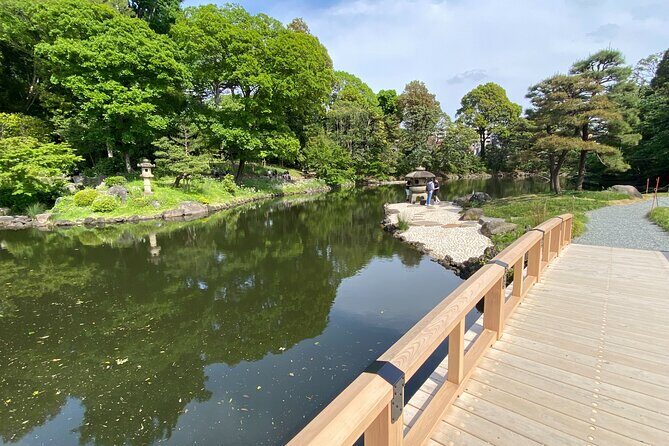
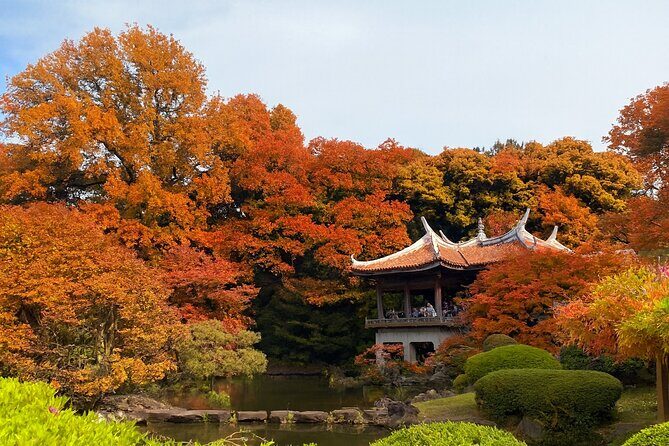
Another named highlight is the Goryōsho Pavilion. The pavilion matters because pavilions are designed for specific moments: pausing, looking, and appreciating the garden with intention.
In a tour like this, a pavilion stop is also an organizing tool. It helps you mentally map the grounds—where you’ve been, what kind of space you’re in, and why a certain area is a focal point. It also makes the park feel less like a blur of paths.
If you’re planning your visit around photos, this is often the kind of stop where the guide’s advice pays off fast: where to stand, what direction to frame, and which small details to include so your photo tells a story instead of just showing greenery.
Traditional Japanese gardens: what you should notice as you walk
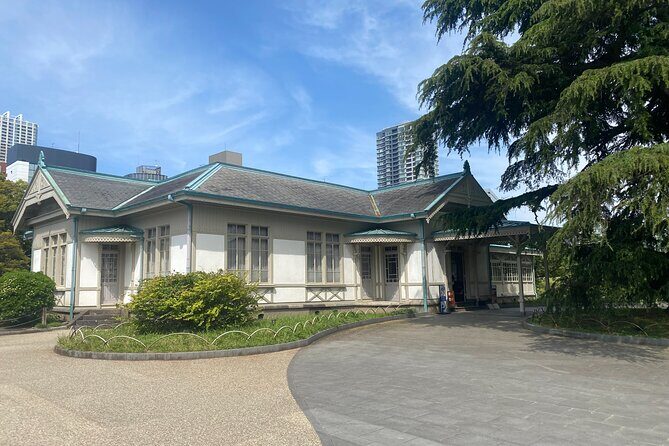
Within Shinjuku Gyoen, you’ll also explore traditional Japanese gardens located in the park. This part is valuable because it shows how Japanese garden design works as a craft—not just as decoration.
Even without deep knowledge, you’ll get more out of the experience if you pay attention to these elements:
- The way paths guide your sightline
- How water and garden structures work together
- How the design creates a sense of order while still feeling natural
The guide’s historical commentary helps connect design choices to the park’s evolution. That turns your walk into a “why this looks this way” experience, which is the difference between enjoying a place and really understanding it.
Photo-friendly guidance from guides like Mao and Yu
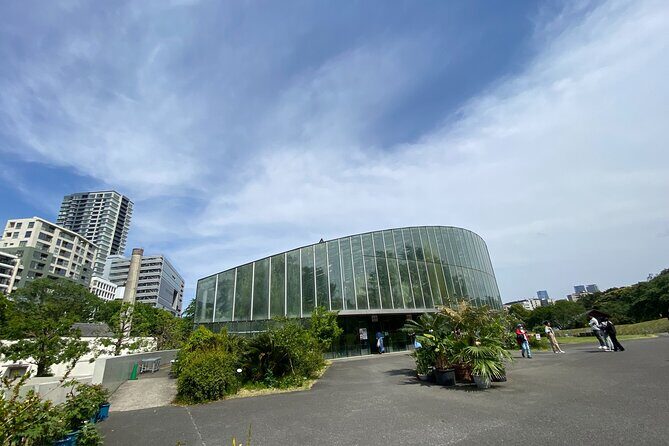
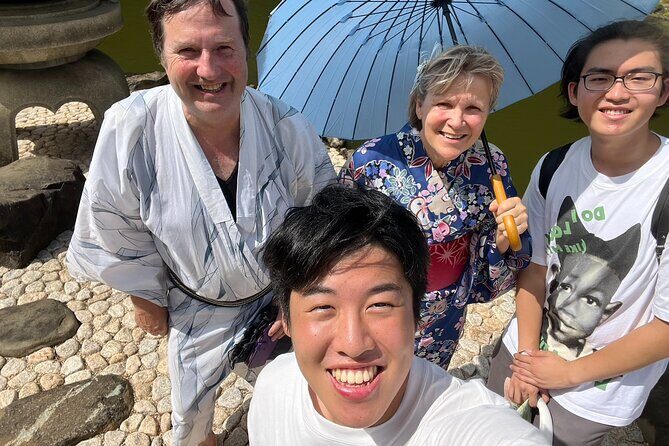
One of the most consistently praised parts of this tour is the guide’s help with photos and pacing. People mention guides such as Mao and Yu for being patient, taking time, and giving clear directions. Yu is specifically noted for excellent English and for being adaptable with plans.
Here’s how that turns into real value for you:
- You’re not stuck taking one bad angle and moving on.
- You’ll get options for where to stand without feeling rushed.
- If you have a specific priority—photos, questions, a slower pace—you can ask, and the guide can respond.
For solo travelers or couples who want great shots but don’t want to manage a self-guided scavenger hunt, this is a big deal. It also helps if your Japanese is limited. A good guide keeps the experience moving in your language, while still explaining meaningful details.
Price and value for $50, plus what admission changes
The tour is priced at $50.00 per person. For a private, guide-led 2-hour walk in a major Tokyo park, that’s fairly straightforward value—especially because the guide isn’t just showing you where to go. You’re getting historical context tied to specific landmarks: rest houses, the greenhouse, and pavilion areas.
There’s one financial catch: admission ticket isn’t included. That means your real total cost will be the tour price plus the park entry. If you’re comparing options, make sure you include that. It’s the difference between thinking you’re paying for a garden stroll and actually paying for a guided “history you can walk next to.”
The tour also lists mobile ticket and group discounts. If you’re traveling with friends or family, it can be a way to make the private feel more cost-friendly.
Who this tour suits best (and who might pass)
This tour is a strong match if you:
- Want historical context tied to real places inside the park
- Prefer a private experience with time for photos and questions
- Appreciate specific landmarks like Kyū Yōkan Gokyūsyo and the greenhouse
It may be less ideal if you:
- Want a long, unguided wandering day with no structure
- Don’t care about history and only want general scenery
- Mind extra costs from admission not included
Because it’s described for moderate physical fitness, most people who can comfortably walk around a park should be fine. It’s not set up as a hardcore hike, but it is a walk.
Also, this is noted as a service animals allowed experience, and it’s near public transportation. That’s useful if you’re planning a low-stress stop during a Tokyo itinerary.
Should you book this Shinjuku Gyoen private walking tour?
Book it if you want your visit to feel like more than a pretty walk. For $50, you’re paying for guided interpretation of key landmarks—rest houses, the greenhouse, and pavilion stops—plus real-time help with photos and pacing from guides like Mao or Yu.
Skip it if you only want nature time and don’t want to pay extra for a guide, especially since admission is separate. In that case, you could enjoy Shinjuku Gyoen on your own with a map and a little reading.
My rule of thumb: if history and photo help sound like your kind of travel, this tour is a good use of a couple hours in Tokyo. If you’re strictly scenery-only, you’ll likely be happier doing it independently.
FAQ
How long is the Shinjuku Gyoen private walking tour?
The tour is about 2 hours.
Where does the tour start?
It starts at Shinjuku Gyoen Shinjuku Gate, 11 Naitōmachi, Shinjuku City, Tokyo 160-0014, Japan.
Is this a private tour or a group tour?
This is a private tour/activity. Only your group will participate.
Is the park admission ticket included in the price?
No. The admission ticket is not included.
What ticket format will I receive?
The tour uses a mobile ticket.
Is there free cancellation?
Yes, there is free cancellation. You can cancel up to 24 hours in advance for a full refund.
Is the tour suitable for people with moderate fitness levels?
Travelers should have a moderate physical fitness level. Service animals are allowed, and the meeting point is near public transportation.
More Tours in Tokyo





More Tour Reviews in Tokyo




Shinjuku After Hours: The Other Crawls



Fresh reviews from around Tokyo






Shinjuku Bar Hopping, compared.
 ★ 5.0Shinjuku Food Tour (13 Dishes at 4 Local Eateries)From $866,603 reviews
 ★ 5.0Tokyo Bar Hopping Tour in Shinjuku (All-You-Can-Drink + Dinner)From $1063,587 reviews
 ★ 4.9Shinjuku Food Tour (15 Dishes and 4 Eateries)From $852,033 reviews
 ★ 4.9Shinjuku Local Bar and Izakaya Guided Walking TourFrom $341,794 reviews
 ★ 5.0Tokyo Shinjuku Chopsticks Making ClassFrom $201,763 reviews
 ★ 5.0Tokyo Shinjuku Sumo Show & Experience with PhotoFrom $791,750 reviews
 ★ 5.0Tokyo Night Foodie Tour in Shinjuku – Seasonal Sushi, Wagyu BeefFrom $1111,161 reviews
 ★ 4.8Sumo Show and Experience in ShinjukuFrom $691,001 reviews
Browse the lists this tour appears in