
Reviewed · SHINJUKU BAR HOPPING
Matcha Making Experience in Shinjuku
Matcha has a way of slowing you down. This Shinjuku experience is a hands-on lesson where you learn how to prepare matcha and understand the rituals behind it, without having to hunt down tools or recipes first. I love that you don’t need to bring anything because equipment and ingredients are provided. I also love that the class includes the kind of clear, practical commentary that makes the tea ceremony feel understandable, not mysterious.
The possible drawback is simple: with an activity length of about 1 hour, you’ll learn the basics and taste what you make, but you won’t become a master in one session. So go in with the right goal: a skill you can repeat at home, plus a deeper feel for why matcha matters in Japan.
In This Review
- Key Matcha-Making Takeaways for Shinjuku
- A One-Hour Matcha Skill in the Middle of Tokyo
- What You Learn: From Matcha Powder to a Proper Whisk
- The Value Behind the Price (About $32.66): Why It Feels Fair
- What’s Included (and Why It Matters Once You’re There)
- Getting to the Start Point in Shinjuku
- Your Matcha Session: What the Class Feels Like
- The Stops Along the Way: Senso-ji, Tokyo Tower, and Yokohama Views
- Senso-ji Temple: A Strong Culture Anchor
- Tokyo Tower: Iconic and Easy to Picture
- Yokohama Landmark Tower Sky Garden: Big Views Without Guesswork
- Who This Tour Suits Best
- Practical Tips to Get More Out of It
- Should You Book This Matcha Making Experience?
- FAQ
- How long is the matcha making experience?
- What is the price per person?
- Do I need to bring anything for the class?
- What’s included with the matcha?
- What’s the group size like?
- What happens if weather is bad?
Key Matcha-Making Takeaways for Shinjuku
- No equipment shopping: everything you need for whisking and tasting is included
- Bamboo whisk technique: you’ll use a chasen to prepare your tea properly
- Ritual context: the instructor connects the steps to the history and traditions of matcha
- Sweet pairing included: you taste matcha with delicious sweets, not just plain tea
- Small group size: capped at 20 travelers, so it doesn’t feel like a lecture hall
Different nights, same neon: more Shinjuku crawls
- Tokyo: Shinjuku Food Tour (13 Dishes at 4 Local Eateries)★ 5.0 · 6,603 reviews
- Tokyo Bar Hopping Tour in Shinjuku (All-You-Can-Drink + Dinner)★ 5.0 · 3,587 reviews
- Tokyo: Shinjuku Food Tour (15 Dishes and 4 Eateries)★ 4.9 · 2,033 reviews
A One-Hour Matcha Skill in the Middle of Tokyo
If you want a Tokyo experience that isn’t just photos, this is a solid choice. Matcha is one of those things that sounds easy until you try it—then you realize the details matter: whisking style, texture, and how the tea is meant to be served. In this class, you get the process explained and then you do it.
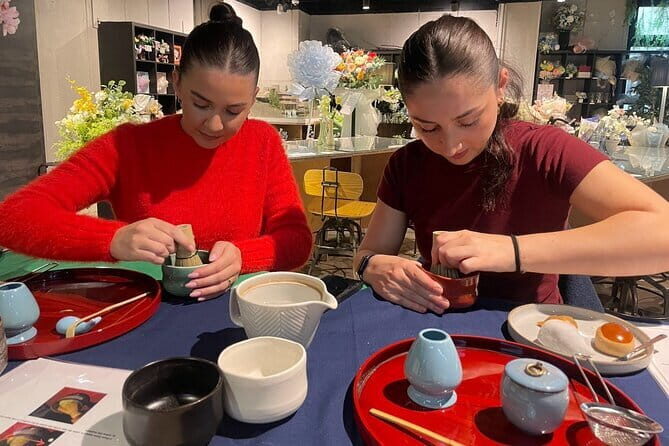
I like that this isn’t positioned as a vague cultural talk. You actually learn how to prepare matcha using a bamboo whisk, and then you get to drink the result. That hands-on payoff is the real value, especially for people who don’t want to spend time searching for the right supplies on their own.
What You Learn: From Matcha Powder to a Proper Whisk
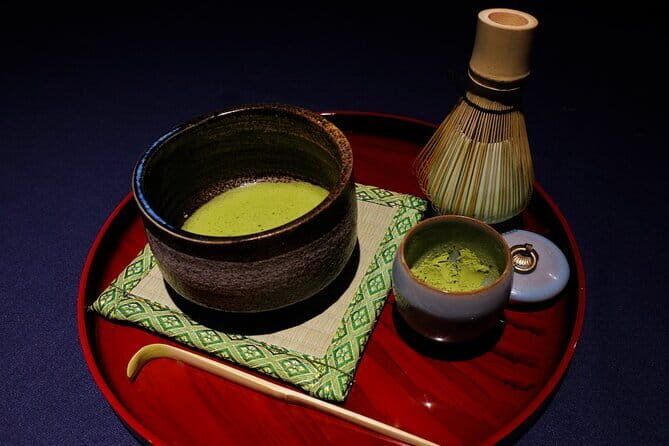
Matcha is powdered green tea, and in Japan it’s strongly tied to formal tea ceremony traditions. The class focuses on learning how to prepare matcha the traditional way, starting with the basic steps and moving into the technique you need to whisk it correctly.
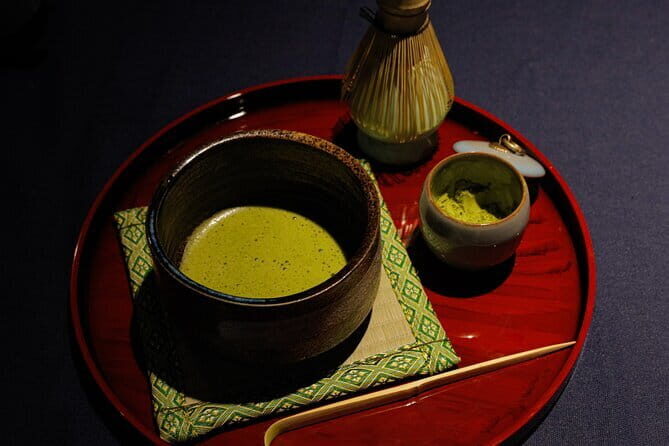
The highlight here is the bamboo whisk—called a chasen—and the method for using it. You’re not just watching someone else do it. You’ll get guided instruction so you can make your own cup and understand what you’re doing while you do it.
I also appreciate that the lesson includes more than procedure. You get fascinating commentary about the history and rituals of matcha, so the technique has meaning. When you know the why behind the steps, the experience sticks with you after the class ends.
The Value Behind the Price (About $32.66): Why It Feels Fair
At $32.66 per person, this class sits in the mid-range for Tokyo activities. What makes it feel reasonable is what’s included: equipment, ingredients, and sweet pairings are covered, which removes the common problem of paying for an experience and then paying again for the basics.
You also get a meaningful cultural activity that’s close to practical. Instead of spending your time on an attraction you can replicate later with a search, you leave with a repeatable skill. If you’ve ever tried to make matcha at home and wondered why it didn’t come out the way you expected, this kind of guided starting point is where the value really lands.
Add in the small-group limit (maximum 20 travelers) and you can expect a calmer pace than you’d get with a huge crowd. That matters when the activity involves hands-on technique—quick questions and corrections are easier when the group isn’t too large.
What’s Included (and Why It Matters Once You’re There)
This experience is built for convenience. You don’t need to bring anything because the class provides both the tools and the matcha ingredients. That’s a big deal in Tokyo, where “bring your own” requirements can turn a fun idea into a last-minute errand run.
You’ll also get a cup of tea paired with delicious sweets. Even if you’re not a sweets person, that pairing is part of how matcha is meant to be experienced in many settings. It helps the taste land better and makes the tasting portion feel like a real ritual rather than a quick sip.
Finally, it’s a mobile-ticket format. That tends to make arrival smoother, especially when you’re juggling trains and neighborhoods.





Getting to the Start Point in Shinjuku
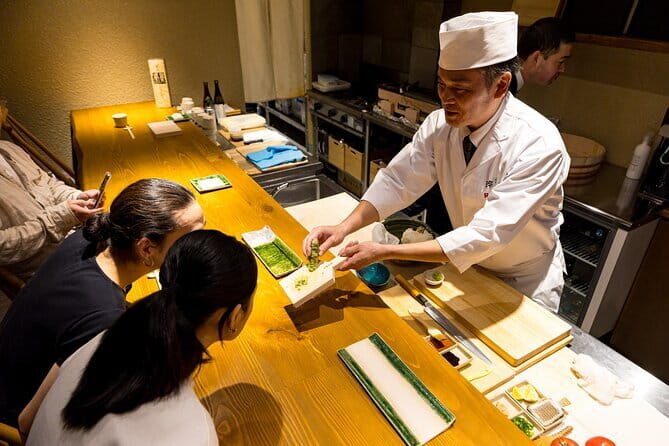
The meeting point is at a building address in Shinjuku City, Shinjuku—Shinjuku 3-chōme, on the 4th floor of the 6th Sanwa Building (第6三和ビル 4階), located at 6-7 Shinjuku. The start is described as a house with flowers, which can be a helpful landmark when you’re navigating in a dense area.
From a practical standpoint, the class is marked as near public transportation. In Tokyo, that usually means you’re not committing to a long walk or a complicated transfer. Still, I’d plan to arrive a few minutes early, because elevators, small building entrances, and floor numbers can take a second to confirm.
Your Matcha Session: What the Class Feels Like
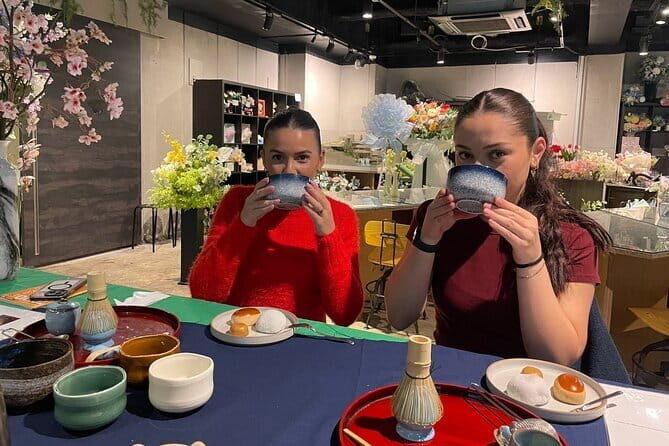
You can think of the session as a guided loop: learn, practice, taste. First, you get the context—why matcha is special and how the rituals shape the experience. Then you move to the physical skill: whisking with the chasen.
Next comes the best part. You taste the matcha you made. That’s where you connect everything you learned to something your senses can judge right away. And since sweets are included, your tasting moment isn’t just technical—it’s also enjoyable.
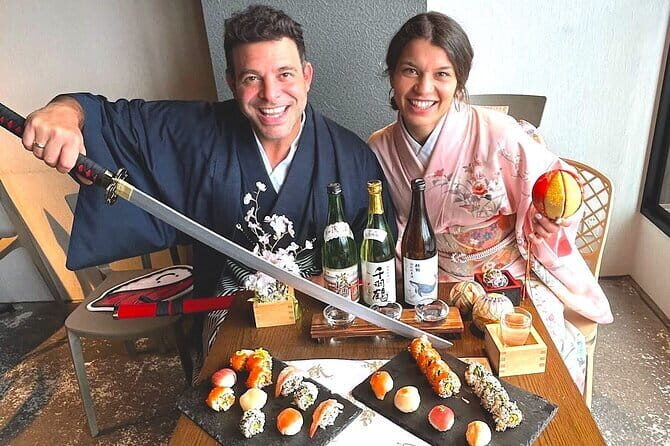
One review highlight that stood out to me is the authenticity factor from the instructor. An instructor dressed in a kimono adds a visual sense of occasion, which makes the lesson feel more like a lived tradition than a quick workshop.
The Stops Along the Way: Senso-ji, Tokyo Tower, and Yokohama Views
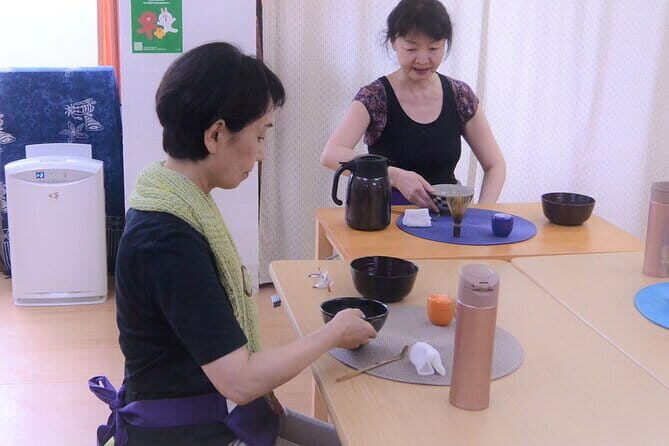
This experience includes a set of destination stops that frame your day with classic Tokyo landmarks. You’ll have time connected to Senso-ji Temple first, then Tokyo Tower, and also Yokohama Landmark Tower Sky Garden.
Here’s why those stops work well alongside a matcha lesson. Matcha is often tied to ceremony and mindset—slowing down, paying attention, and respecting the ritual. Visiting landmarks known for their cultural presence and iconic viewpoints gives you contrast: you get the quiet skill and then the big-picture Tokyo feeling.
A quick practical note: since the provided details don’t spell out exact timing for each stop, treat them as part of the overall experience flow rather than assuming you’ll control every minute like a self-guided day. If you love a structured plan, you’ll likely enjoy that. If you want total freedom, you may prefer a different format.
Senso-ji Temple: A Strong Culture Anchor
Senso-ji Temple is one of the city’s most recognized temple experiences, and being there in person is a reminder that Japanese culture isn’t just museum material. It’s lived, practiced, and visible.
Pairing that setting with a matcha class is smart. You’re not only learning about ritual—you’re also standing near where ritual shows up in everyday tourism and city life.
Tokyo Tower: Iconic and Easy to Picture
Tokyo Tower is one of the easiest landmarks to understand in a single glance: it’s part of the city’s visual identity. Even if you’ve seen it in photos a hundred times, it lands differently when it’s real and you’re close enough to feel the scale.
For me, the best use of a landmark like this is to reset your pace. You finish your hands-on matcha learning, then you get a view-based break that helps your day feel more complete.
Yokohama Landmark Tower Sky Garden: Big Views Without Guesswork
The Sky Garden at Yokohama Landmark Tower is included as a viewpoint stop, which gives you a higher perspective beyond the street-level Tokyo feeling. If you like seeing how neighborhoods and city lines spread out, this kind of stop is a good fit.
Just remember: a viewpoint stop can be weather-dependent. If visibility is poor, the experience is still interesting, but it won’t hit the same way as a clear day.
Who This Tour Suits Best
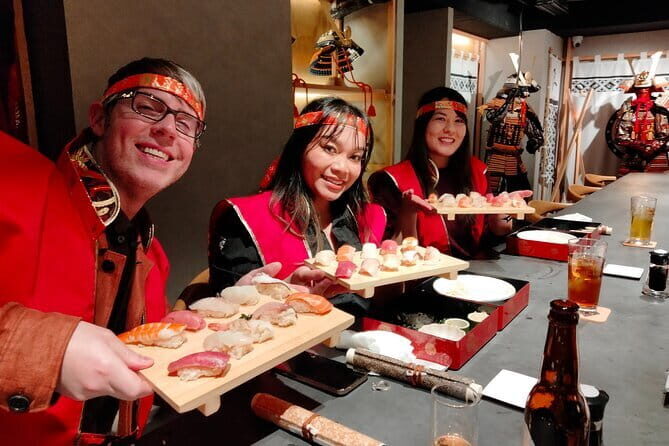
This is a great fit if you want Japanese culture that you can actually take home. You’ll get a skill you can repeat—whisking matcha with the right approach—and you’ll understand the ritual context so it doesn’t feel random later.
It also suits people who like structured experiences but don’t want a long day. With a matcha session around 1 hour, you get a focused activity without eating your entire schedule.
If you’re a total beginner with no tea-culture background, you’re in the right place. The class is designed around instruction, and you’re not expected to arrive knowing what to do.
Practical Tips to Get More Out of It
Even though everything is provided, a little preparation will make your session smoother.
- Arrive on time: small classrooms and hands-on timing can start promptly.
- Ask about texture and whisking: if the instructor explains the goal, you’ll taste the difference.
- Treat the sweets as part of the ritual: don’t skip them. They’re included for a reason.
- Bring water and patience for the day flow: if you’re also visiting landmarks before or after, your schedule might feel brisk.
If you’re the kind of traveler who loves learning a specific skill—something you can do again later—this class will likely feel like your best use of time in Shinjuku.
Should You Book This Matcha Making Experience?
Book it if you want a compact, hands-on cultural activity that includes everything you need. The biggest reasons to choose it are the provided equipment and ingredients, the guided whisking with a chasen, and the fact that you get to taste what you make with sweets included. The small group size (up to 20) also makes it easier to feel connected to the lesson rather than just observing.
Skip it only if your main goal is classic sightseeing time with lots of flexibility. Because this is centered on instruction, you’ll get the most satisfaction when you’re there for the matcha process, not just for the landmarks.
If you’re planning a Tokyo trip and want one experience that’s both enjoyable and repeatable, this one is an easy yes.
FAQ
How long is the matcha making experience?
The experience lasts about 1 hour.
What is the price per person?
It costs $32.66 per person.
Do I need to bring anything for the class?
No. Equipment and ingredients are provided, so you don’t need to bring anything.
What’s included with the matcha?
You’ll learn how to prepare matcha with a bamboo whisk, and you’ll enjoy your cup of tea with delicious sweets included.
What’s the group size like?
The class has a maximum of 20 travelers.
What happens if weather is bad?
The experience requires good weather. If it’s canceled due to poor weather, you’ll be offered a different date or a full refund. You can cancel for a full refund up to 24 hours before the experience starts.
More Tour Reviews in Tokyo



Shinjuku After Hours: The Other Crawls

Fresh reviews from around Tokyo






Shinjuku Bar Hopping, compared.
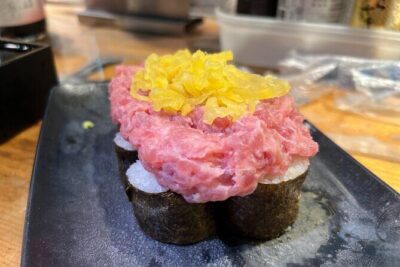 ★ 5.0Shinjuku Food Tour (13 Dishes at 4 Local Eateries)From $866,603 reviews
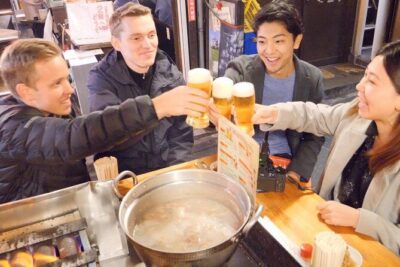 ★ 5.0Tokyo Bar Hopping Tour in Shinjuku (All-You-Can-Drink + Dinner)From $1063,587 reviews
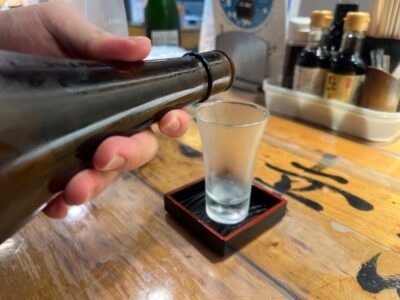 ★ 4.9Shinjuku Food Tour (15 Dishes and 4 Eateries)From $852,033 reviews
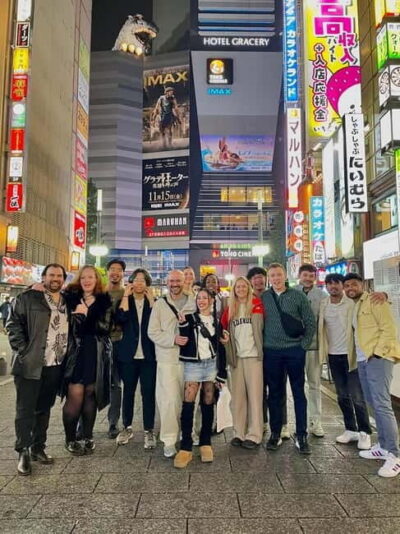 ★ 4.9Shinjuku Local Bar and Izakaya Guided Walking TourFrom $341,794 reviews
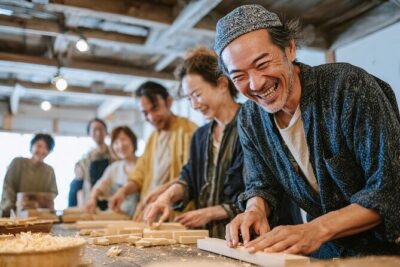 ★ 5.0Tokyo Shinjuku Chopsticks Making ClassFrom $201,763 reviews
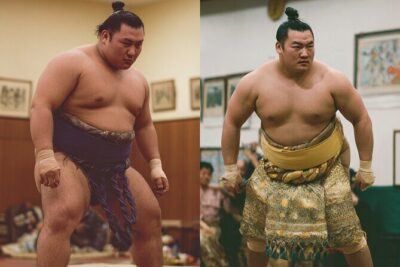 ★ 5.0Tokyo Shinjuku Sumo Show & Experience with PhotoFrom $791,750 reviews
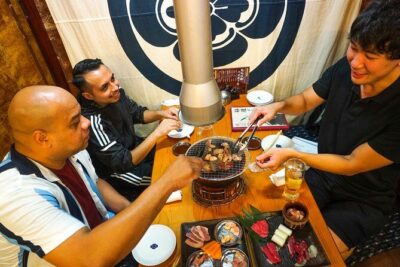 ★ 5.0Tokyo Night Foodie Tour in Shinjuku – Seasonal Sushi, Wagyu BeefFrom $1111,161 reviews
 ★ 4.8Sumo Show and Experience in ShinjukuFrom $691,001 reviews
Browse the lists this tour appears in