
Reviewed · TSUKIJI FISH MARKET TOURS
Classic Tsukiji Food Tour
First-time Tsukiji has a rhythm all its own. This morning walking tour focuses on the outer Tsukiji Fish Market area, where you can graze on local bites while learning how food traditions formed in this neighborhood over 100 years ago. You’ll also stop at shrines and end with a sweet snack, so the tour isn’t only about fish.
I really like two things here: the small-group size (up to 10 people) and the way the guides make it feel human, not rushed. In particular, names like Asami, Jordan, and Asha come up in the guides’ style, with people describing an informative approach that still feels warm and welcoming.
One consideration: this is built around seafood and the market morning pace, so if you do not eat seafood, this one is not a fit. It’s also a good idea to bring cash since credit cards are often not accepted for market purchases.
In This Review
- Key highlights you’ll care about
- Tsukiji at 8:30am: the outer market’s best argument
- Meeting at Turret Coffee Tsukiji: coffee first, questions ready
- Stop-by-stop: what each part of the walk is really doing
- Turret Coffee Tsukiji: local specialties you can’t easily copy later
- Tsukiji Hongan-ji: a short pause that changes the mood
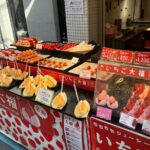
- Tsukiji Outer Market: tastings, seasonal bites, and learning how to read the stalls
- Tsukiji Fish Market area: seeing what’s still great after the wholesale move
- Namiyoke Inari Shrine: a sweet finish with cultural closure
- The breakfast: one meal that justifies the price
- How the guide style affects your whole morning
- Food rules: vegetarian, pescatarian, gluten free, and who should skip
- Practical tips for an easier Tsukiji morning
- Price and logistics: why the details matter
- Who should book this classic Tsukiji food tour?
- Should you book it?
- FAQ
- How long is the Classic Tsukiji Food Tour, and when does it start?
- What’s included in the $231 price?
- Is this tour vegetarian or gluten free friendly?
- Do I need cash for purchases during the tour?
- Is it family-friendly, and what about kids?
- What happens if the weather is bad?
Key highlights you’ll care about
- 3 hours in the outer market area at a practical start time of 8:30am
- Breakfast plus tastings: one drink included and a full Tsukiji specialty seafood breakfast
- Shrine stops at Tsukiji Hongan-ji and Namiyoke Inari Shrine for a cultural reset
- Small groups (max 10) make it easier to ask questions as you walk
- Seasonal bites and a sweet Japanese snack at the end help you finish satisfied, not just full of facts
Still hungry? More Tsukiji breakfasts and market walks
- Tokyo Tsukiji Fish Market Food and Culture Walking Tour★ 5.0 · 3,184 reviews
- Tokyo: Tsukiji Fish Market Food and Walking tour★ 5.0 · 1,724 reviews
- Tokyo: Tsukiji Fish Market Guided Walking Tour★ 4.9 · 1,397 reviews
Tsukiji at 8:30am: the outer market’s best argument
Tsukiji can feel overwhelming fast. The big headline is the wholesale fish market move, but the practical truth is this: the surrounding streets still act like a living food neighborhood, especially early in the day. This tour takes you through the outer sections, which is where you’ll find specialty vendors, quick shop-and-go eating, and the kind of everyday food culture that lasts even when headlines change.
What makes this setup work is timing and pacing. You’re in the market zone in the morning, when you can see food being prepared and sold with less chaos than later. You’re also walking with a guide who helps you connect what you’re seeing to food traditions that have been going for generations.
And yes, it is a food tour. But it’s also a morning lesson on how Tokyo’s seafood world thinks. I like that it doesn’t treat fish as a theme park. It frames the market as work, craft, and routine.
Meeting at Turret Coffee Tsukiji: coffee first, questions ready
The tour meets at Turret Coffee Tsukiji (2-chōme-12-6 Tsukiji, Chuo City). The start time is 8:30am, and you end at the same place, which makes it easier to plan the rest of your day without complicated transfers.
Before you even reach the densest parts of the market streets, you begin with a drink. Starting with coffee matters more than you might expect. You’re about to walk, sample, and listen, and caffeine helps you keep your attention on what the guide points out instead of doing the sleepy shuffle.
This is also where the group dynamic kicks in. With a max of 10 people, you’re not stuck watching a guide from the back of a crowd. You can ask quick questions about what you’re tasting, what a vendor is known for, and how certain foods are prepared.
Stop-by-stop: what each part of the walk is really doing
Turret Coffee Tsukiji: local specialties you can’t easily copy later
At the first stop, you get that initial drink and a taste of Tsukiji specialties from the area. The idea here is simple: the tour sets your expectations for what Tsukiji is about, then builds from there. If you only wander on your own, you might end up eating random convenience food. With this structure, you get guided toward what the neighborhood does best.
Even if you already know you like seafood, you’ll likely appreciate the way the guide frames the flavors. You’re learning how the market’s food culture connects to everyday Japanese eating, not just to rare ingredients.
Other plates worth crossing Tokyo for


Tsukiji Hongan-ji: a short pause that changes the mood
Next comes Tsukiji Hongan-ji. This is one of those stops that can feel brief on paper, but it helps in real life. Markets are noisy and fast, and a shrine stop gives your brain a reset. It also adds context: Tsukiji has always been more than commerce. It’s a place where people mix work life with tradition.
You’ll have this moment as part of the flow, not as a random detour. It’s the kind of cultural stop that keeps the tour from feeling like one long food sprint.
Tsukiji Outer Market: tastings, seasonal bites, and learning how to read the stalls
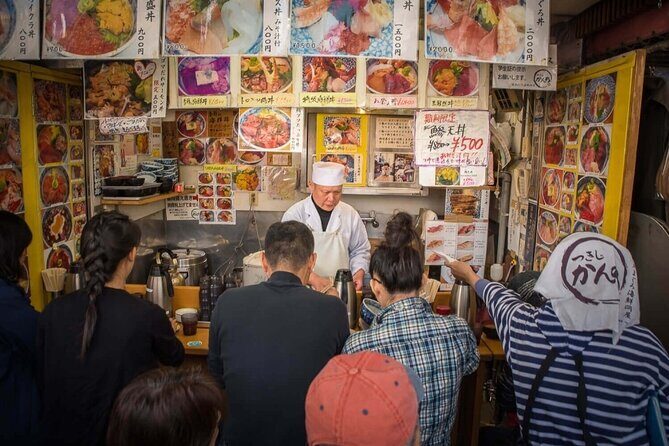
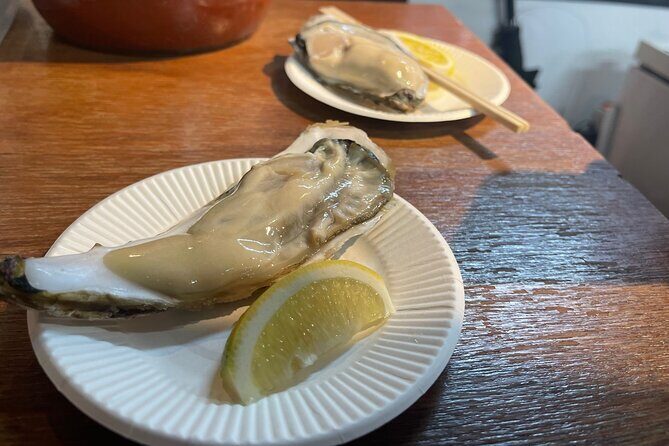
This is the core walk. You spend time exploring the specialty fish market area, with a focus on vendors who stayed in the neighborhood rather than moving away. The tour also includes a special tasting break with seasonal bites.
Here’s what you’ll gain beyond the food: the guide helps you notice patterns. You start seeing which stalls feel more like wholesale specialists, which places are built for quick morning consumption, and how the market’s categories make sense when you’re standing in the lanes.
Practical tip: wear shoes you can move in. The outer market routes are walkable, but they’re still market streets. You’ll likely step around other shoppers, stumble into tight spaces, and keep your pace steady so you don’t miss tastings.
Also remember the cash rule. If you want souvenirs or extra snacks, bring cash. Credit cards are not generally accepted for many market purchases, and that can turn a fun plan into an awkward stop.
Tsukiji Fish Market area: seeing what’s still great after the wholesale move
You’ve probably heard that wholesale vendors moved, and that headline can confuse first timers. This portion of the tour clarifies it. You still get a look at the Tsukiji Fish Market area as a food zone, including delicious restaurants and market shops, some with histories that go back a long way.
What I like about the tour here is that it avoids pretending everything is exactly as it was decades ago. Instead, you focus on what remains: people, food, and the daily energy around seafood.
And if you’re curious what you might see, one review notes seeing blowfish alive. You might catch similar standout moments depending on what’s on display that day, but the big takeaway is that you’re still in a place where seafood is real work, not just a photo backdrop.
Namiyoke Inari Shrine: a sweet finish with cultural closure
The last stretch includes Namiyoke Inari Shrine (Namiyoke Inari Jinja), with a short visit. This is another quick tradition stop, and it works like a bookend. By the time you reach this shrine, you’ve already sampled savory bites and learned how the market fits into local life.
Then the tour ends with a sweet Japanese snack. It’s a nice close because you go from salt and ocean flavors to something lighter. You also get that sense of finishing your morning like a local would, not leaving the market with only half a stomach and no plan.
The breakfast: one meal that justifies the price
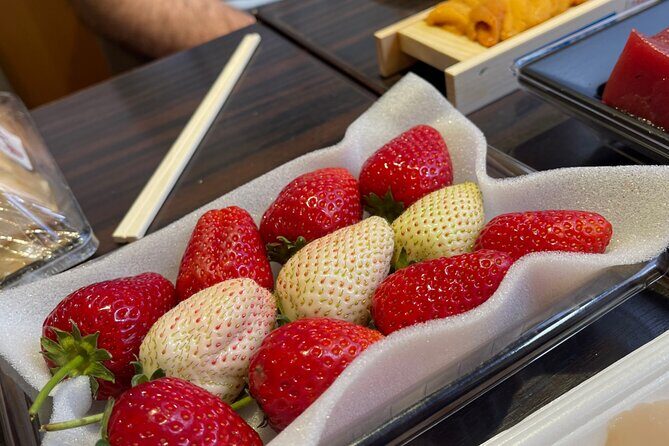
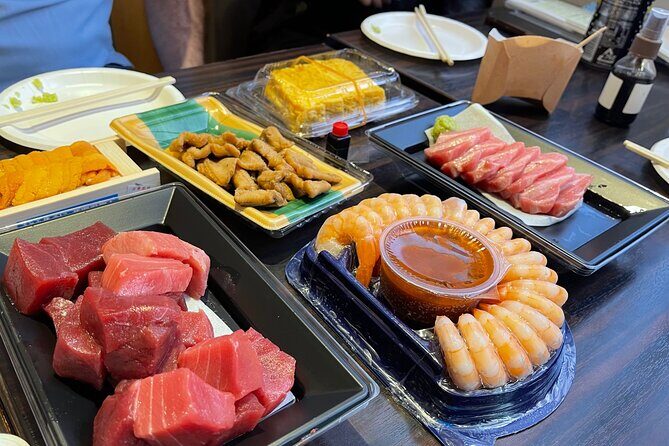
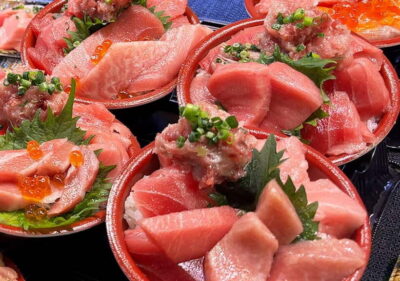
You get a full Tsukiji specialty seafood breakfast. Add in one drink included, and the tour stops being just walking and snacking. It turns into a structured morning meal where you’re paying for both food and guidance.
Let’s talk value in plain terms. At $231 per person for about three hours, you’re not just buying ingredients. You’re paying for:
- an English-speaking guide to steer you through what matters
- access to tastings and a full breakfast setup
- a route that helps you avoid wandering blindly in the market lanes
- a small group experience so the guide can actually interact
If you plan to do Tsukiji on your own, it can be hard to know what to eat quickly, what to skip, and how to manage allergies or dietary limits. Here, the structure handles those questions for you.
How the guide style affects your whole morning
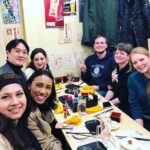
This tour stands out for guide quality. People highlight a guide who explains in a way that makes you feel comfortable asking questions. Names like Asami, Jordan, and Asha show up in feedback, with descriptions that include being treated like family and feeling both welcomed and educated.
That matters, because markets punish confusion. If you don’t know what something is, you can easily end up with the wrong portion, the wrong flavor, or a missed tasting opportunity. A guide smooths the process, so you’re not just eating. You’re learning while you eat.
Also, because group size is capped at 10, you’re more likely to get individual attention when you’re unsure. That small-group difference is one of the biggest reasons this kind of tour feels worth it.
Food rules: vegetarian, pescatarian, gluten free, and who should skip
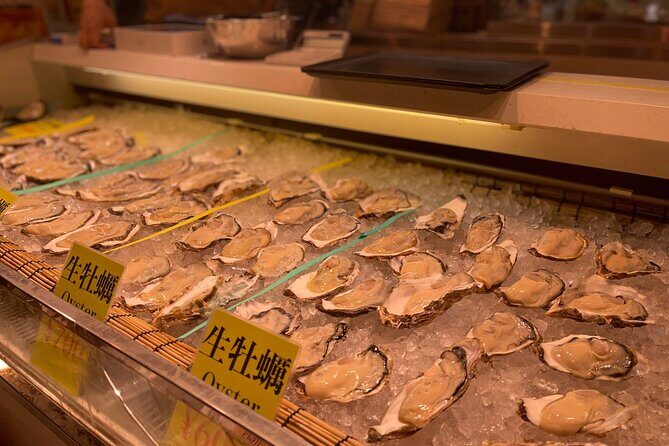
The tour supports several dietary needs: vegetarian, pescatarian, and gluten free options are listed. There’s also a clear note that it’s not recommended for vegans and not for people who want no seafood.
So if you’re pescatarian or you can handle seafood-based selections in the mix, you’re likely in the right place. If you’re strict vegan or you do not want seafood at all, you may feel like the tour is fighting your preferences instead of serving them.
One more practical point: the market environment is what it is. Even with dietary options, you’ll want to tell the guide what you need, and be ready for adjustments. A small group can sometimes mean faster communication, which helps.
Practical tips for an easier Tsukiji morning
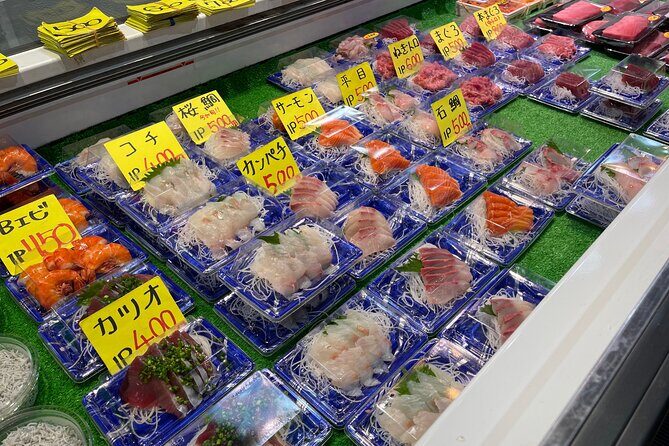
Here’s how to get the best experience out of a morning like this.
- Bring cash for extra purchases. Market credit-card acceptance can be spotty, especially for small stalls.
- Wear comfortable walking shoes. You’re touring market streets and making quick stops.
- Plan to stay light with bags. The route is walkable, but you’ll be moving often.
- Have a moderate fitness level. The tour is active, and it’s not a long sit-down meal day.
- Take weather seriously. The tour requires good weather, and you may be offered a different date or a full refund if it’s canceled due to poor conditions.
If you’re traveling with kids, it is described as family-friendly. Children must be accompanied by an adult, and for kids 10 and above, a passport information copy is required.
Price and logistics: why the details matter

The booking timing is pretty normal for a popular morning tour: it’s listed as commonly booked around 34 days in advance on average. That’s your hint to plan early if you want a morning that fits your schedule.
You also get a mobile ticket, which is convenient. And the meeting point and end point are the same address, which keeps the day simple. That’s a small detail that saves stress.
The tour is also guided by a local English-speaking guide, and it’s capped at 10 travelers. Those two details explain why the experience reads as both educational and friendly, rather than like a fast conveyor belt through stalls.
Who should book this classic Tsukiji food tour?
This tour is a strong match if you want:
- a first-time Tsukiji plan that doesn’t require market guesswork
- a morning food experience with tastings and a real meal
- an English-speaking guide who can explain what you’re eating and seeing
- a smaller group (max 10) that keeps questions possible
- support for vegetarian, pescatarian, or gluten-free needs
It may not be the best pick if you:
- do not eat seafood at all
- dislike walking during morning market hours
- want a purely self-guided shopping trip with lots of free time
Should you book it?
If you’re trying to get the most from a limited Tokyo morning, I think this is the kind of tour that earns its cost. The combination of outer market walking, shrine stops, tastings, and a full seafood breakfast is a smart package. The small group size plus a guide style that aims to be both helpful and welcoming is also a big deal.
Book this if you like structure, you want food you can actually use after your trip, and you’d enjoy learning how Tsukiji food culture works day to day. Skip it if your diet excludes seafood or you want zero walking and maximum free wandering.
FAQ
How long is the Classic Tsukiji Food Tour, and when does it start?
The tour runs about 3 hours and starts at 8:30am. The meeting point is Turret Coffee Tsukiji, and you end at the same location.
What’s included in the $231 price?
The tour includes one drink, a full Tsukiji specialty seafood breakfast, and a local English-speaking guide.
Is this tour vegetarian or gluten free friendly?
Yes. Vegetarian, pescatarian, and gluten free options are listed as available. It is not recommended for vegans and it’s not for people who want no seafood.
Do I need cash for purchases during the tour?
Yes. If you plan to buy souvenirs or extra food, bring cash since credit cards are not generally accepted in the market.
Is it family-friendly, and what about kids?
It’s described as family-friendly. Children must be accompanied by an adult, and for kids 10 and above, a passport information copy is required.
What happens if the weather is bad?
This tour requires good weather. If it’s canceled due to poor weather, you’ll be offered a different date or a full refund. You can cancel up to 24 hours in advance for a full refund as well.
More Tours in Tokyo




More Tour Reviews in Tokyo




Back to the Market: More Tsukiji Tours


Fresh reviews from around Tokyo






Tsukiji Fish Market Tours, compared.
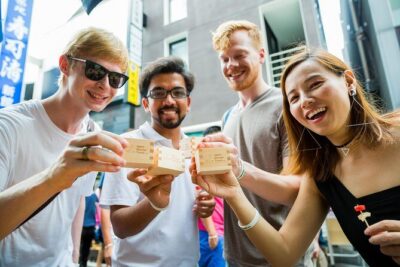 ★ 5.0Tokyo Tsukiji Fish Market Food and Culture Walking TourFrom $993,184 reviews
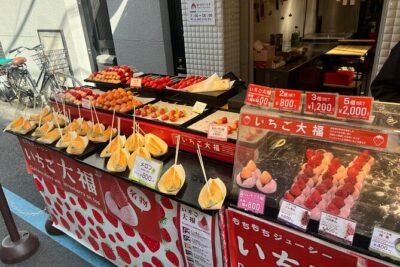 ★ 5.0Tsukiji Fish Market Food and Walking tourFrom $301,724 reviews
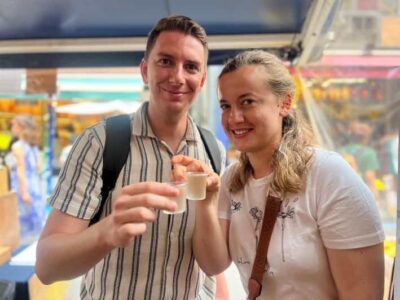 ★ 4.9Tsukiji Fish Market Guided Walking TourFrom $221,397 reviews
 ★ 5.0Tokyo Sushi Making Class in Tsukiji with Professional ChefFrom $491,177 reviews
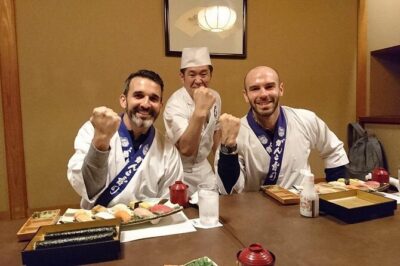 ★ 5.0Tsukiji Fish Market Guided Tour and Sushi Making with Pro ChefFrom $104775 reviews
★ 4.7Tsukiji Fish Market Food and Culture Walking TourFrom $96757 reviews
★ 5.0Tsukiji Fish Market Guided Tour and Sushi Making with Pro ChefFrom $104775 reviews
★ 4.7Tsukiji Fish Market Food and Culture Walking TourFrom $96757 reviews
 ★ 5.0Tsukiji Fish Market: Street Food & Culture Walking TourFrom $33669 reviews
 ★ 5.0Tsukiji Fish Market Small-Group Food Walking TourFrom $87621 reviews
Browse the lists this tour appears in