

Reviewed · WALKING TOURS
Christmas Magic in Tokyo! Private & Family-Friendly Walking Tour
Tokyo feels personal with the right guide. This private walking tour lets you steer the day toward what you actually care about, with a custom route and family-friendly walking pace. It’s designed for connection, not a stamp-collection checklist, so you can slow down for kids or linger if something catches your eye.
I especially like the way the guide adapts the plan to your group. On one family day, Sakura shaped the route around teen interests, mixing video games and claw, street food, an authentic sushi stop, and even anime-style photo fun. One small catch: transportation fees aren’t included, so you may still pay for trains between areas, depending on how you want to move around.
In This Review
- Key highlights worth knowing
- Private walking tour value: what makes it feel worth $450
- Custom route setup: how you steer the day
- The itinerary in plain terms: Uenokoen to Meiji Jingu
- Stop 1: Uenokoen (Ueno Park) for nature + context
- Stop 2: Ginza for polished city life
- Stop 3: Shibuya for energy and iconic intersections
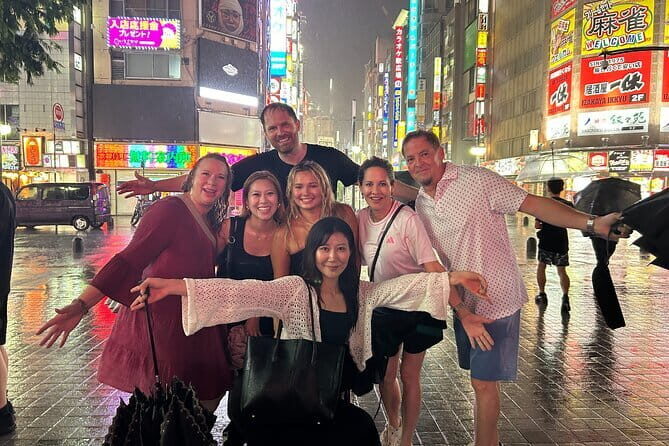
- Stop 4: Shinjuku (Kabukicho) for neon nightlife flavor
- Stop 5: Tsukiji Jogai Market for food-focused street energy
- Stop 6: Asakusa for traditional atmosphere and classic Tokyo sights
- Stop 7: Meiji Jingu for quiet forest calm
- How the guide helps beyond the route
- Pickup, mobile tickets, and day-of communication that actually helps
- Price and logistics: what’s included and what you’ll pay separately
- Who this tour suits best (and where it may not)
- Should you book Christmas Magic in Tokyo?
- FAQ
- How long is the tour?
- How big is the group for this private tour?
- Is hotel pickup included?
- Are entrance fees included?
- How do you contact the guide on the day of the tour?
- What is the cancellation policy?
Key highlights worth knowing
- You choose the themes (food, temples, anime, fashion, and more) and the guide builds the day around them
- Your pace is the plan so families with toddlers can keep it comfortable
- Real guide energy like Sakura’s teen-centered fun or Ran’s accommodating approach for very young kids
- Classic Tokyo neighborhoods in one loop: Ueno, Ginza, Shibuya, Shinjuku, Tsukiji, Asakusa, and Meiji Jingu
- Free admission stops built in (most listed areas are free), with optional paid attractions handled separately
- WhatsApp day-of contact plus a mobile ticket to keep things smooth
Tokyo at walking pace, a few more ways
- Tokyo Tsukiji Fish Market Food and Culture Walking Tour★ 5.0 · 3,184 reviews
- Tokyo: Shinjuku Local Bar and Izakaya Guided Walking Tour★ 4.9 · 1,794 reviews
- Tokyo: Tsukiji Fish Market Food and Walking tour★ 5.0 · 1,724 reviews
Private walking tour value: what makes it feel worth $450
At $450 per group (up to 10 people), this tour can be a surprisingly good deal in Tokyo—if you pack the group size. For example, if you have:
- 10 people: $45 each
- 6 people: $75 each
- 4 people: $112.50 each
So the math depends on your travel style. If you’re a family, a couple, or a small circle of friends who like planning that flexes, you’re paying for time and decision-making power. You’re not just buying a route—you’re buying someone local who can read your group and adjust on the fly.
That matters in Tokyo. A huge part of the city is knowing how to move through it without wasting hours. With this tour, you’re walking at your own pace, and you’re not stuck following a rigid script. The guide also gives you recommendations for the rest of your stay, which often ends up being the hidden value: you come away with a smarter second day, not just a great first one.
Another reason I like this setup: it’s private. That means your kid’s meltdown can be handled without derailing strangers’ schedules. It also means you can ask questions that don’t fit neatly into a tour script. Ran, for example, was described as very accommodating on a family outing with three kids under 3 and a pregnant wife—exactly the kind of day where flexibility isn’t a luxury. It’s the point.
Custom route setup: how you steer the day
The tour is built for customization. You choose the areas and themes, and the guide tailors both the route and the pace around you. That can sound like marketing until you think about what “custom” changes in practice.
Here’s what it changes for you:
- If your group loves food, the guide can bias the route toward snack streets and market energy.
- If your family wants calm, the guide can favor parks and shrine areas where you can pause without feeling rushed.
- If you’re into anime or pop culture, you’ll get photo-friendly stops and theme connections instead of only traditional sights.
- If you’ve got toddlers or strollers, you can set expectations early and avoid a forced marathon.
The “walk at your own pace” part is especially important. Tokyo walking can be fast and continuous. With a private guide, you can slow it down and still keep momentum. You can stop to look. You can take breaks. You can spread the day out a bit—because the tour duration is listed as roughly 4 to 8 hours.
That range is not random. It’s a signal that your guide can stretch or tighten the schedule depending on the group. Want a half-day highlights tour? You can. Want more time for photos, snacks, or a second look at a neighborhood? You can also do that.
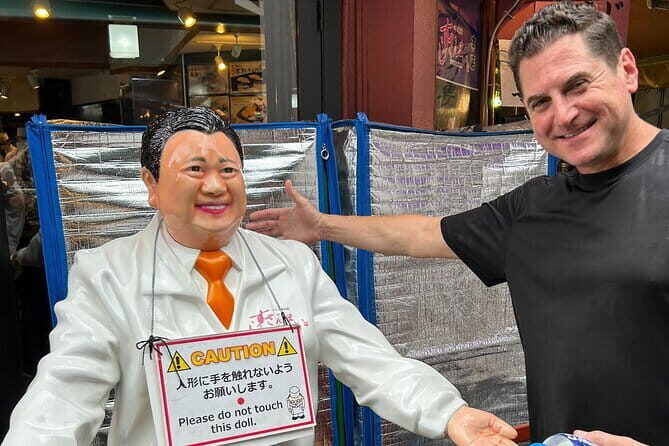
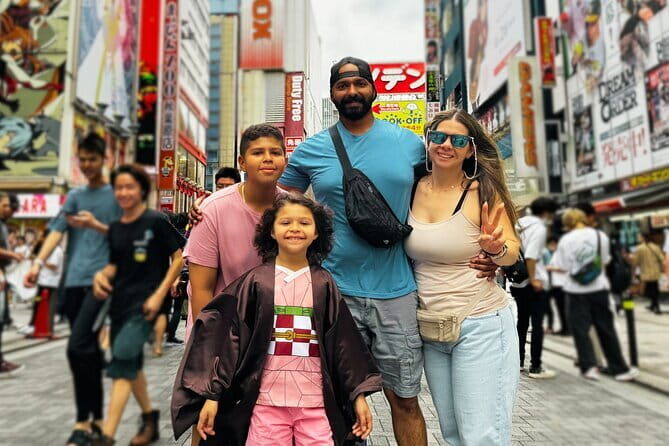
If you’re traveling with teens, this customization often lands well because it respects their preferences. Sakura’s teen-focused day reportedly worked because the guide actually built around what the kids were excited about—video games and claw, street food, and anime fun photos. That’s the difference between attending a Tokyo experience and actually having one.
The itinerary in plain terms: Uenokoen to Meiji Jingu
This day strings together seven key Tokyo areas. Several listed stops are free to enter, which helps keep the spending predictable. Still, you should plan for optional purchases, snacks, and any paid attractions you decide to add (entrance fees to paid attractions aren’t included).
Below is what each stop is good for, plus what to watch for so you’re not surprised.
Stop 1: Uenokoen (Ueno Park) for nature + context
You start at Ueno Park, with about an hour here. This is a smart opener because it gives you an easy reset after travel: greenery, space to breathe, and a sense of Tokyo beyond storefronts.
What you’ll enjoy:
- A calmer start that helps everyone, including kids, settle into the day
- A natural spot to learn how different parts of the city fit together
What to consider:
- Parks can still get crowded at peak times, and winter weather can make standing around less fun. Bring layers and be ready for stairs or uneven paths depending on where you wander.
More private options with your own guide


Stop 2: Ginza for polished city life
Next is Ginza, Tokyo’s upscale shopping and cultural district. You’ll get a short stretch here (about 30 minutes), which works well because Ginza is best experienced with a guide’s context: what you’re looking at, why it’s famous, and how to navigate without feeling lost.
What you’ll enjoy:
- A different Tokyo “mood” compared to older neighborhoods
- Easy people-watching and stylish streets
What to consider:
- Ginza is geared toward shoppers. If you’re trying to avoid luxury spending, focus on streets, architecture, and window browsing rather than stores.
Stop 3: Shibuya for energy and iconic intersections
Then you head to Shibuya, one of Tokyo’s most energetic districts. Expect about 30 minutes here, including time around Shibuya Crossing.
What you’ll enjoy:
- The instant wow-factor of one of the world’s most famous pedestrian crossings
- A strong feel for modern Tokyo street life
What to consider:
- This is a crowd magnet. If you have very small kids, you’ll want to plan for slower movement and extra buffer time just to get through the busiest moments.
Stop 4: Shinjuku (Kabukicho) for neon nightlife flavor
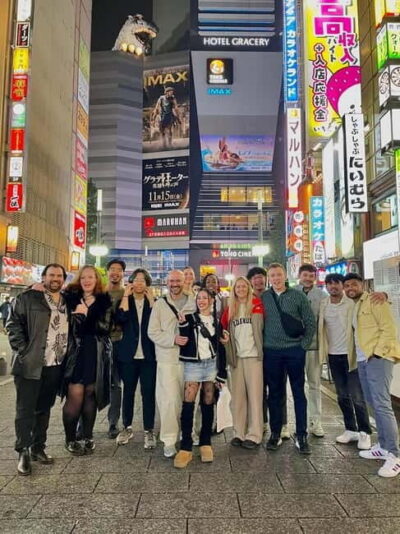
Your short visit to Shinjuku focuses on Kabukicho, known for bright neon lights and nightlife. With only about 30 minutes, it’s more about atmosphere than deep sightseeing.
What you’ll enjoy:
- A snapshot of Tokyo’s after-dark personality, even if you’re there earlier in the day
- Lots of photo angles and quick stops for street-level impressions
What to consider:
- It’s lively and intense. If your group prefers quiet, treat this stop like a short taste, not a long hangout.
Stop 5: Tsukiji Jogai Market for food-focused street energy
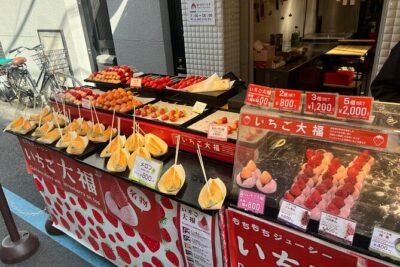
Tsukiji Jogai Market is a great mid-to-late stop for food lovers. The inner wholesale market has moved, but the outer market stays active and practical—exactly what you want on a walking tour.
What you’ll enjoy:
- A strong food-scented Tokyo moment
- The kind of place where a guide can help you choose snacks that make sense for your tastes and comfort level
What to consider:
- It can be busy and narrow. If you’re traveling with strollers or toddlers, you’ll want to keep the pace tight and avoid getting stuck in slow-moving bottlenecks.
This is also where personalization often pays off. In a teen-focused day with Sakura, street food played a big role, and a sushi meal was part of the fun. Even if you don’t go for a full meal, this area is where you can taste Tokyo without needing a reservation right away.
Stop 6: Asakusa for traditional atmosphere and classic Tokyo sights
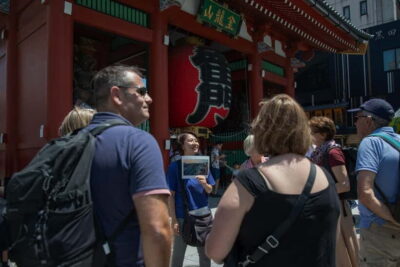
Then comes Asakusa, known for its traditional atmosphere and cultural landmarks. You’ll spend about 30 minutes here, with Senso-ji Temple as the star.
What you’ll enjoy:
- A clear contrast to the neon-heavy stops earlier
- A sense of Tokyo’s everyday tradition, not just staged photos
What to consider:
- Crowds. This is one of those places where a guide helps because it’s easy to drift into the densest areas unless you know where to aim your attention.
Stop 7: Meiji Jingu for quiet forest calm
Your final stop is Meiji Jingu Shrine, about 30 minutes. This is a peaceful reset in a large wooded area—one of the best ways to end a walking day because it lowers the noise level.
What you’ll enjoy:
- A calm, respectful atmosphere
- A “slow down” ending that feels like a reward, not a rushed finish
What to consider:
- Winter air can feel sharp even in shade. Bring a light warm layer, and don’t plan to sprint out at the end. This is the best place to take your last photos without stress.
How the guide helps beyond the route
A private guide’s job is not just leading you from A to B. The best part is what happens while you walk—little course corrections, quick explanations, and practical advice that saves you time later.
Here’s how that shows up in this experience:
- You’ll get personalized recommendations for the rest of your trip, so your remaining days don’t rely only on luck.
- You get restaurant reservation support if you want help booking. That’s useful if your group has dietary needs or you want to avoid last-minute scrambling.
- You can ask questions in real time, which helps you understand what you’re seeing instead of memorizing facts.
Two guide examples from real experiences really explain the value:
- Sakura apparently built a teen-centered day that kept everyone engaged, including video games and claw, street food, authentic sushi, and anime-themed photo fun. That’s how you keep older kids from zoning out.
- Ran reportedly handled a family outing with three children under 3 and a pregnant wife with real accommodations. That kind of care makes a big difference when the plan needs to bend.
Pickup, mobile tickets, and day-of communication that actually helps
The tour offers hotel pickup, plus a mobile ticket. Those two pieces matter because Tokyo can be confusing for first-timers, especially if you’re juggling directions, subway maps, and multiple family needs.
You’ll also use WhatsApp for day-of communication. That’s a practical heads-up: make sure you can access it on your phone, with a working connection. It’s not just for messaging; it’s how the guide coordinates your meeting and keeps the day moving.
One more detail worth noting: the tour is near public transportation and is private, so you only share the day with your group. Service animals are allowed as well.
Also, confirmation is provided at booking time. If you like to travel with fewer surprises, that’s a good sign.
Price and logistics: what’s included and what you’ll pay separately
Let’s break it down without sugarcoating.
Included:
- Hotel pickup
- Local English guide
- Tour customization
- Restaurant reservation support if needed
- Personalized recommendations for the rest of your Japan trip
Not included:
- Transportation fees for both guide and guest
- Food and personal expenses
- Entrance fees to paid attractions
The key idea: this tour is priced for guide time and route design. You’re still responsible for getting around in the way your day requires, and for meals/snacks. The good news is that most stops listed are free to access, so you likely won’t face major entry-cost surprises.
Since the duration can run up to around 8 hours, you’ll also want to think about energy and food. Even if the stops are free, hunger isn’t. Build snack breaks into your plan, and use the guide to steer you toward places that fit your comfort level.
Who this tour suits best (and where it may not)
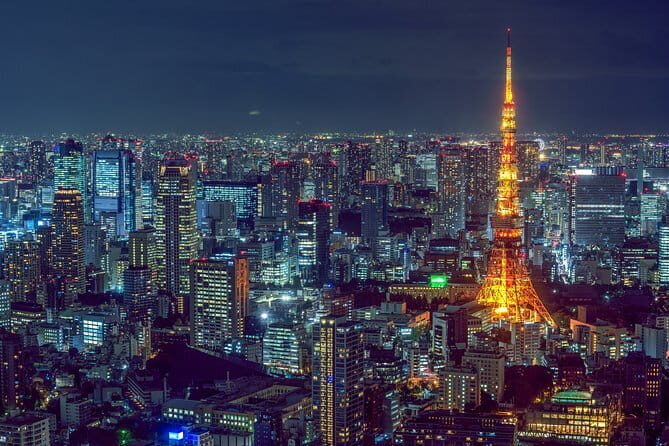
This tour is a great fit if you want:
- A family-friendly day with flexible pacing
- A private experience where teens still feel included
- A route that mixes classic Tokyo with modern neighborhood energy
- A guide who helps you plan the rest of your trip, not just the walk
It’s especially well-suited for groups like the ones mentioned in experiences you can learn from:
- Families with toddlers who need frequent pauses and a calm rhythm
- Families with teens who want fun, food, and photo moments tied to their interests
- Couples who want to see more than one “side” of Tokyo without planning every detail
Where it might be less ideal:
- If you hate walking for several hours. Even with flexibility, it’s still a walking tour.
- If you want completely planned, fixed-time stops with zero decision-making. Customization is the whole point, so the day will feel more personal and less scripted.
Also, the title references Christmas Magic. The provided plan is built around neighborhoods and landmarks, so your holiday feel will likely come from the season’s general atmosphere in the areas you visit, not from guaranteed ticketed events.
Should you book Christmas Magic in Tokyo?
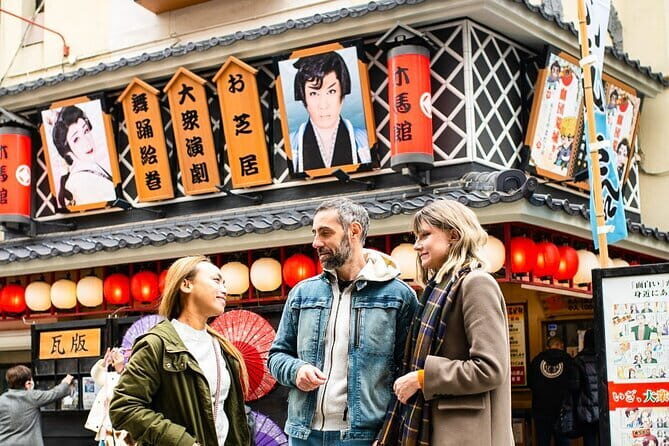
I’d book it if you want a private, custom Tokyo day that works for families and keeps everyone engaged. The best reason is simple: you’re not locked into a rigid route, and you can tailor the theme to your group. That’s what turns “seeing Tokyo” into an actual shared experience.
I’d think twice if your budget is tight per person and you’re traveling as just one or two people, because the $450 group price only feels lighter when you fill out the group size. Also, if your group needs very low walking or fully indoor time, you’ll want to manage expectations.
If you’re in the sweet spot—family, group of friends, or couples who like guidance and flexibility—this is one of the cleaner ways to stitch together several iconic Tokyo neighborhoods in a way that still feels personal.
FAQ
How long is the tour?
It runs about 4 to 8 hours, depending on your pace and the route you choose.
How big is the group for this private tour?
It’s private, and the pricing is for a group of up to 10 people.
Is hotel pickup included?
Yes, hotel pickup is included.
Are entrance fees included?
Most stops listed are free, but entrance fees to paid attractions are not included.
How do you contact the guide on the day of the tour?
You’ll download WhatsApp for day-of communication, since it’s used for contact.
What is the cancellation policy?
You can cancel for a full refund up to 24 hours before the experience starts. If you cancel less than 24 hours before, the amount paid is not refunded.
Tokyo on Foot: More Walks


More Tours in Tokyo




More Tour Reviews in Tokyo




Fresh reviews from around Tokyo






Walking Tours, compared.
 ★ 5.0Tokyo Tsukiji Fish Market Food and Culture Walking TourFrom $993,184 reviews
 ★ 4.9Shinjuku Local Bar and Izakaya Guided Walking TourFrom $341,794 reviews
 ★ 5.0Tsukiji Fish Market Food and Walking tourFrom $301,724 reviews
 ★ 4.8Asakusa Walking Tour with Sensoji Temple VisitFrom $221,583 reviews
 ★ 4.9Tsukiji Fish Market Guided Walking TourFrom $221,397 reviews
 ★ 4.7Tokyo Castle & Imperial PalaceーShogun Walking TourFrom $231,068 reviews
 ★ 4.9Imperial Palace Japanese History Walking TourFrom $32987 reviews
 ★ 4.7Dark Side of Tokyo Shinjuku Red Light Walking TourFrom $29862 reviews
Browse the lists this tour appears in