
Reviewed · CALLIGRAPHY EXPERIENCES
Authentic Japanese calligraphy class in Tokyo! Kanji your name
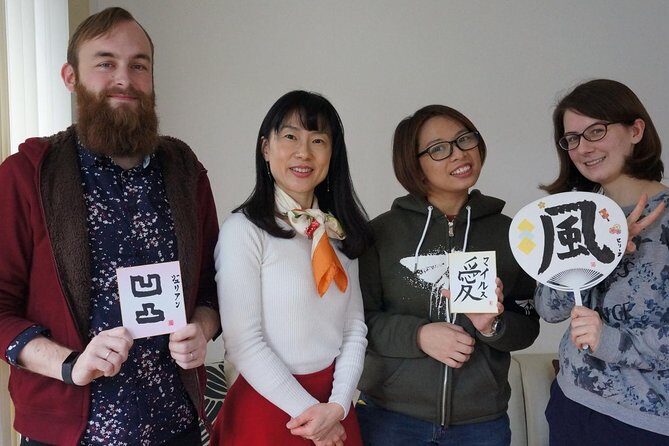
A brush, a quiet room, and one name in kanji. This private class is interesting because you don’t just watch—you practice in a local’s home with step-by-step coaching. You’ll also get a true cultural peek at Japanese traditions through a hands-on calligraphy lesson that ends with something you can keep.
I especially love the one-to-one guidance you get, with careful explanations and repeated practice when you need it. I also like that you’re taught the basics that actually make calligraphy work—posture and how to hold the brush—not just how to copy a finished example. The only real drawback to consider is that there’s no private transportation, so you’ll want to plan your own way to the meeting spot near Yoga Station.
In This Review
- Key Things to Know Before You Book
- Why This Kanji Your Name Calligraphy Class Feels Different in Tokyo
- Meeting Near Yoga Shrine: Easy to Reach, Residential to Navigate
- In the Home Studio: What Happens After You Arrive
- What You Learn: Writing Systems, Tools, Posture, and Brush Basics
- Your One-to-One Lesson: From First Stroke to a Finished Piece
- The Supplies You Get: Tools, Colored Paper, and What You Can Take Home
- Price and Value: Is $56 a Good Deal for Tokyo?
- Who This Class Is Best For (and Who Might Want Something Else)
- Practical Tips So You Don’t Stress Out
- Cancellation, Timing, and Small Real-World Notes
- Should You Book This Kanji Your Name Calligraphy Class?
- FAQ
- What is the duration of the calligraphy class?
- Where does the class meet in Tokyo?
- Is this a private class or a group class?
- What will I be able to write during the lesson?
- Does the price include materials and tools?
- Can I take my calligraphy work home?
- Is transportation included?
- Is the activity in a local home?
- Is public transportation nearby?
- What is the cancellation policy?
Key Things to Know Before You Book
- Private, one-to-one lesson with an English-speaking teacher you can ask questions directly
- In-home setting in an instructor’s residence, not a studio with a class conveyor belt feel
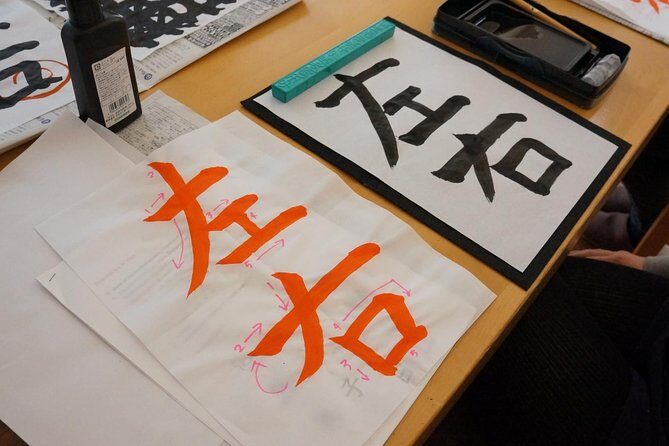
- You learn the fundamentals: tools, posture, and brush handling before you write
- You’ll produce a keepsake on traditional paper, plus practice materials and supplies are included
- Meeting at Yoga Shrine area in Setagaya, so build in time to find the address
- Good value at $56 since tools and consumables are part of the fee
More ink on paper
- Tokyo: Calligraphy on Kanji Fan & Scroll with Drink★ 5.0 · 210 reviews
- Let’s experience calligraphy in YANAKA, Taito-ku, TOKYO !!★ 5.0 · 127 reviews
- Tokyo: Calligraphy Workshop & Original T-Shirt Creation★ 4.9 · 105 reviews
Why This Kanji Your Name Calligraphy Class Feels Different in Tokyo
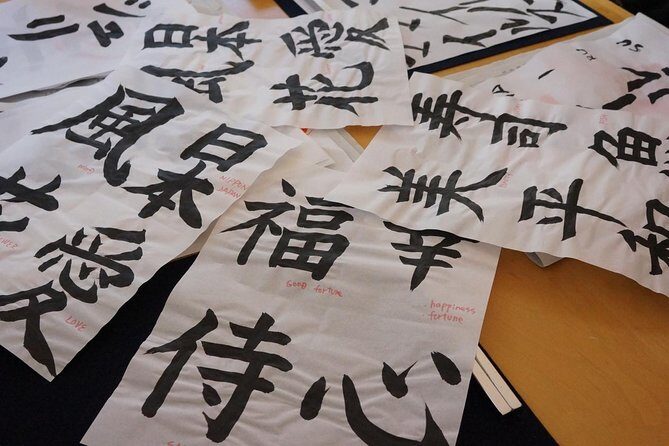
Tokyo has no shortage of things to do, but a calligraphy lesson in a real home hits a different note. You’re not moving through a checklist of attractions—you’re learning a craft that depends on focus, control, and patience.
The structure matters for you. This isn’t just let’s make something pretty; it starts with the basics: writing systems, the calligraphy tools you’ll use, and how to set your body and hands for clean strokes. Then you get to create a word or character on traditional paper, so you leave with a piece that feels personal.
Meeting Near Yoga Shrine: Easy to Reach, Residential to Navigate
The class starts at the address listed for Yōga Sta.2 Chome-39 Yoga, Setagaya City. It’s near public transportation, which helps a lot when you’re planning a day around other stops.
Because the lesson takes place in a local home, you’ll want to treat it like an appointment, not a drop-in. Residential areas can be a little tricky to locate without a map link or navigation app, so I’d give yourself a little buffer time to arrive calm. Once you’re there, you can expect the experience to settle into a slower, more personal pace.
In the Home Studio: What Happens After You Arrive
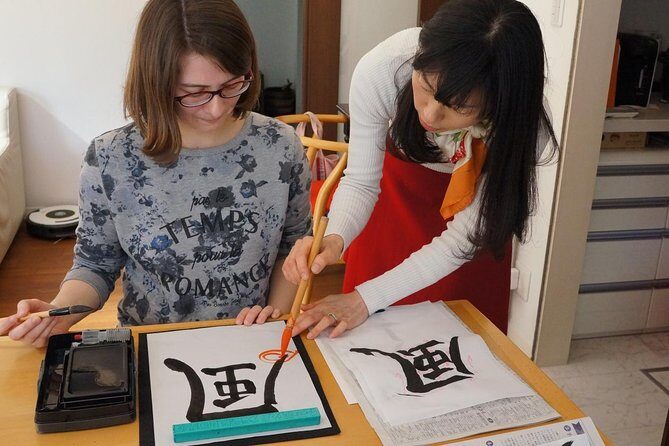
After you meet near Yoga Shrine, you’ll move into the lesson space at the instructor’s home. That’s one of the biggest reasons this class gets strong ratings—it’s not staged like a commercial workshop. The room setup supports teaching, showing you how the brush moves and what your posture should feel like.
This setting also makes cultural explanations easier. The teacher can talk through traditions and context while you’re working, so your learning sticks beyond the final piece of paper. If you like experiences that feel human and not rushed, this format is a good match.
What You Learn: Writing Systems, Tools, Posture, and Brush Basics
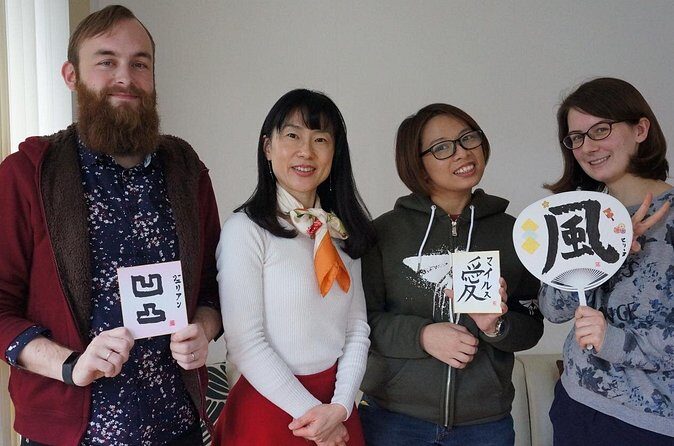
You’ll cover several core parts that matter more than people expect. First up is understanding different writing systems and where calligraphy fits into Japanese writing. Then you’ll learn the calligraphy tools and how to use them correctly.
Next comes the part that often feels intimidating until someone shows you: posture and how to hold the brush. You’ll get guidance on positioning so your arm and wrist can move smoothly. With one-to-one attention, you can correct small issues early rather than struggling through later.
This is also where the class becomes practical. Instead of getting only a finished example to copy, you’re taught the mechanics behind the look—so if you want to practice later, you know what to work on.
More things to make with your own hands


Your One-to-One Lesson: From First Stroke to a Finished Piece
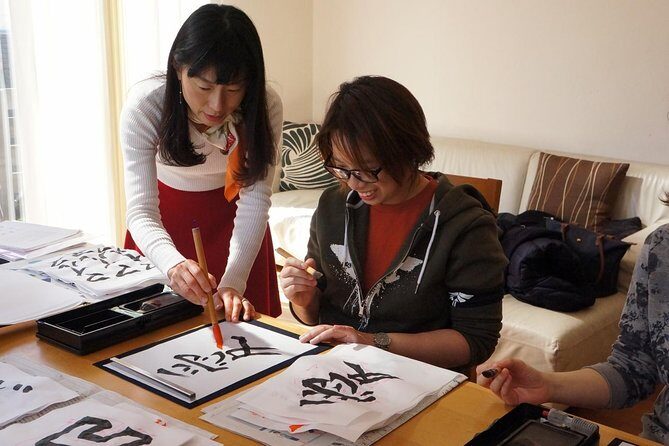
The heart of the class is simple: you write. You’ll create a word or character on Japanese traditional paper, guided step-by-step. That “step-by-step” part isn’t fluff. In calligraphy, small hand adjustments change how a stroke lands, so careful instructions help you feel the difference right away.
Because the lesson is private, you can move at your pace. The teaching style you’ll likely get here is patient and structured, with explanations repeated as needed until you understand what you’re doing. One-to-one time also means you can ask questions without feeling like you’re slowing down a group schedule.
You also get materials that support learning, including paper for practice. That’s important because practicing on the side lets you experiment with stroke pressure and timing without fear. Then, when you write your final piece, you’ve already done the awkward part.
The Supplies You Get: Tools, Colored Paper, and What You Can Take Home
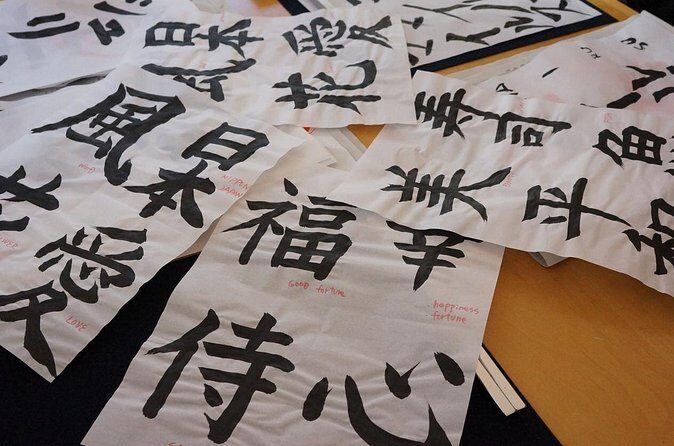
The price includes a lot of the things you’d otherwise need to buy. You’ll receive the calligraphy tool, colored paper (or a fan), practice paper, and consumable supplies, plus consumption tax. That means you’re not showing up and suddenly realizing you need extra items.
You’ll be able to take your calligraphy creations home. For most people, this is the main payoff: a tangible souvenir that isn’t just a photo. It’s also more than a craft—when you write something tied to your name, you get a personal connection to the characters and the effort behind the strokes.
Price and Value: Is $56 a Good Deal for Tokyo?
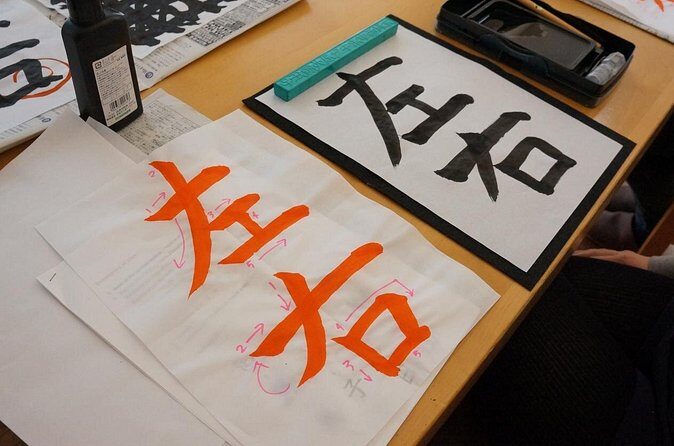
At $56 for about 1.5 hours, this class is priced like a hands-on workshop that keeps costs contained. The value comes from what’s included: tools, paper, consumables, and the teacher time for a private session.
Many activities in Tokyo charge separately for entry, materials, and instruction. Here, the instruction is the product, and the materials are built into the fee. That’s especially helpful if you want to try calligraphy without turning it into a shopping trip.
Also, the teaching style seems designed for real learning, not just a quick experience. The strong emphasis on careful technique—posture, brush handling, and practice—means you’re more likely to finish with something you feel proud of, even if you’ve never done calligraphy before.
Who This Class Is Best For (and Who Might Want Something Else)
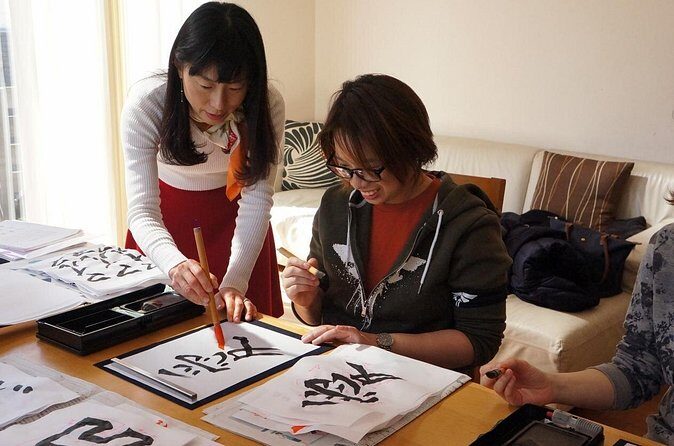
This is a great fit if you want a cultural activity that doesn’t require prior knowledge. The class is designed so most travelers can participate, and the private setup means you can ask questions and get corrections.
It’s also ideal if you like experiences that feel personal. A private home lesson tends to feel more relaxed and conversation-friendly, including time to talk about Japanese culture while you work. If you’re traveling with friends or celebrating something, the instructor is known for making the moment feel special.
If you prefer busy, high-energy activities or you dislike quiet hands-on work, you might find the pacing slower than you want. Calligraphy is deliberate, and the value is in the focus—so it’s best when you’re ready to slow down a bit.
Practical Tips So You Don’t Stress Out
Go with the mindset that you’re learning technique, not just producing a perfect final piece. Even if your strokes aren’t “finished” on the first try, practicing on the provided paper helps you get the feel for brush control.
Wear comfortable clothing. Posture matters in calligraphy, and you’ll be more relaxed if you can sit and move comfortably for the lesson. You don’t need anything special in advance since the tools and materials are included.
If you’re sensitive about finding the address, plan extra time. The meeting point is in a residential area near public transportation, and that’s usually easy, but it’s still worth arriving early so you can settle in without rushing.
And plan your transportation accordingly. Since private transportation isn’t included, you’ll want to rely on public transit (or your own arrangements) to get to the Yoga Station area.
Cancellation, Timing, and Small Real-World Notes
The experience is set for about 1 hour 30 minutes. That’s long enough to learn the basics and finish a piece, but short enough to fit into a Tokyo day without wiping you out.
If you need schedule flexibility, the policy allows free cancellation up to 24 hours in advance for a full refund. If you’re booking during a busy season, it’s still worth confirming timing quickly after booking so you can plan transit.
Also keep an eye on language comfort. Maki is known for speaking very English clearly, and instruction is careful and step-by-step, which reduces stress for non-Japanese speakers.
Should You Book This Kanji Your Name Calligraphy Class?
If you want one memorable Tokyo activity that’s genuinely hands-on, I’d book this. The private instruction, the patient teaching style, and the fact that you’ll create a keepsake in your own handwriting make it a smart use of time. It’s also a solid cultural choice because you’re learning the craft’s core mechanics, not just copying an art sample.
Book it especially if:
- you want something more personal than a typical sightseeing stop
- you like crafts where practice improves the result
- you want to take home a piece connected to your name
Skip it only if:
- you strongly prefer group classes or fast-paced activities
- you don’t want to handle transit on your own to a residential meeting point
If you’re on the fence, think about the souvenir you’ll still care about in a few months. This is the kind of experience where you end up with a paper piece you can display and remember, because you were the one making it.
FAQ
What is the duration of the calligraphy class?
The lesson lasts about 1 hour 30 minutes.
Where does the class meet in Tokyo?
The start point is near Yōga Sta.2 Chome-39 Yoga, Setagaya City, Tokyo 158-0097, Japan.
Is this a private class or a group class?
This is a private tour/activity, so only your group participates.
What will I be able to write during the lesson?
You’ll be able to write a word or character on Japanese traditional paper.
Does the price include materials and tools?
Yes. The experience fee includes calligraphy tools, colored paper (or a fan), practice paper, consumable supplies, and consumption tax.
Can I take my calligraphy work home?
Yes, you take your calligraphy creations home with you.
Is transportation included?
No. Private transportation is not included.
Is the activity in a local home?
Yes. The lesson takes place in an atmospheric setting—a local’s home.
Is public transportation nearby?
Yes. The meeting point is near public transportation.
What is the cancellation policy?
You can cancel for a full refund up to 24 hours in advance. If you cancel less than 24 hours before the start time, the amount paid is not refunded.
Make Something to Take Home

More Tour Reviews in Tokyo






Brush and Ink: More Calligraphy Hours

Fresh reviews from around Tokyo






Calligraphy Experiences, compared.
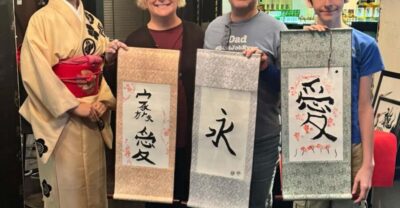 ★ 5.0Calligraphy on Kanji Fan & Scroll with DrinkFrom $53210 reviews
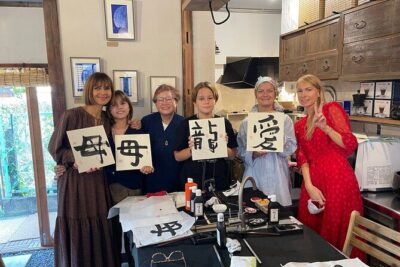 ★ 5.0Let’s experience calligraphy in YANAKA, Taito-ku, TOKYO !!From $75127 reviews
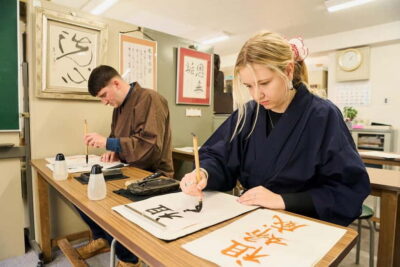 ★ 4.9Calligraphy Workshop & Original T-Shirt CreationFrom $30105 reviews
★ 5.0Calligraphy Workshop & Original T-Shirt CreationFrom $3380 reviews
★ 4.9Calligraphy Workshop & Original T-Shirt CreationFrom $30105 reviews
★ 5.0Calligraphy Workshop & Original T-Shirt CreationFrom $3380 reviews
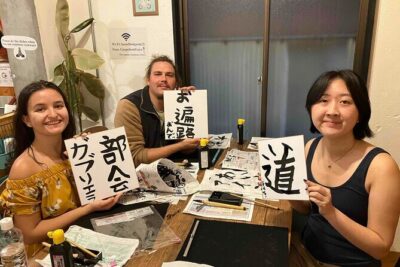 ★ 5.0Calligraphy Culture SHODO Experience in TokyoFrom $3366 reviews
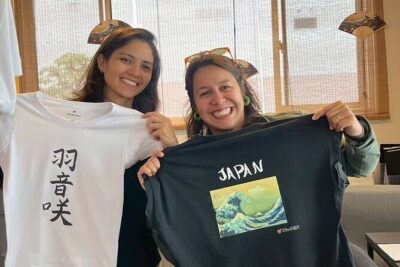 ★ 5.0Tokyo Asakusa:Calligraphy & Make T-shirt ActivityFrom $5862 reviews
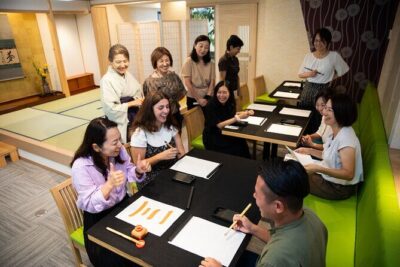 ★ 5.0Asakusa Calligraphy Workshop Craft Your Own Art in TokyoFrom $4054 reviews
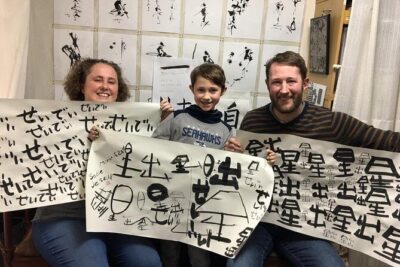 ★ 5.0Tokyo Japanese Calligraphy Experience with a Master ArtistFrom $9235 reviews
Browse the lists this tour appears in