
Reviewed · CYCLING TOURS
3h Tokyo E-Bike Tour: Hidden Gems, and Local Life with guide
Tokyo looks better from the street.
This 3-hour PM e-bike tour is built for people who want real Tokyo texture fast, from Akihabara pop culture corners to the calmer river-area vibe around Ryogoku. I like that the electric assist makes the ride feel straightforward, and I also like the rhythm of photo pauses plus guide commentary so you’re not just moving through neighborhoods, you’re actually seeing them.
The main thing to consider is physical comfort: you do need to be ready for steady cycling on city streets, even if the assist helps a lot. Also, there’s no food included, so you’ll want to plan a snack or meal before or after.
In This Review
- Key takeaways before you pedal
- Why a 3-Hour E-Bike Tour Works for Tokyo First-Timers
- Getting Rolling: E-Assist Bikes and Small-Group Safety
- Meeting Up at Cycling Holiday Tokyo: What You’re Given
- The Route: Akihabara to Nihonbashi by Bike
- Stop-by-Stop Details: What to Watch For at Each Neighborhood
- Akihabara photo stop: pop culture edges and bright street scenes
- The short local visit: a brief look beyond the main trail
- Kappabashi Street free time: kitchen tools and maker energy
- Asakusa free time: the classic district pace
- Ryogoku photo stop: sumo area atmosphere
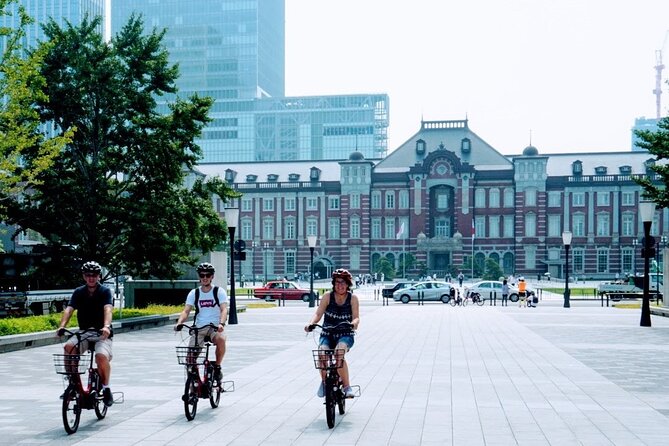
- Nihonbashi photo stop: an Edo-period classic moment
- Price and Value: Is $61 for 3 Hours a Good Deal?
- The Guide Factor: Why Commentary Changes the Ride
- Practical Tips to Make the Ride Feel Effortless
- Who This Tour Suits Best (and Who Might Reconsider)
- Should You Book This Tokyo E-Bike Tour?
- FAQ
- What’s the duration of the Tokyo e-bike tour?
- How many people are in the group?
- Is the tour guided in English?
- Are helmets provided?
- What should I wear for the tour?
- Is food included?
- What weather items are included?
- Where do I meet the tour?
Key takeaways before you pedal
- Electric assist that keeps you cruising without feeling like you’re fighting Tokyo’s hills.
- Small group size (6 or fewer) for easier pacing and a more comfortable flow through traffic.
- Photo stops with guide commentary so you get context, not just snapshots.
- A route that mixes big-name sights and local streets in one afternoon loop.
- Weather support with simple rain gear, plus gloves in winter or cooling products in summer.
- English-speaking guide guidance focused on staying together and riding safely.
More of Tokyo by bike
- Tokyo Guided Small-Group Biking Tour★ 5.0 · 1,250 reviews
- Tokyo Great Cycling Tour★ 5.0 · 811 reviews
- Tokyo Top Highlights 3h Guided E-bike Tour★ 5.0 · 714 reviews
Why a 3-Hour E-Bike Tour Works for Tokyo First-Timers
Tokyo is huge, and a first trip can feel like you’re always rushing. A short guided ride fixes that. In three hours, you get a stitched-together view of several neighborhoods, and you’re walking less while still seeing plenty of street life.
This tour is also ideal if you don’t want the full-on theme-park version of sightseeing. You hit famous areas, but you also get time for side streets and slower moments where normal city activity shows up—shops opening, people commuting, small storefronts and signage that you’d likely miss if you only rode trains.
And because it’s electric assist, your brain can focus on what’s around you instead of on your breathing rate. That matters when you’re trying to take photos and follow directions at the same time.
Getting Rolling: E-Assist Bikes and Small-Group Safety
The bikes are the whole point here. The electric assist means you can move smoothly even if you’re not an experienced cyclist. You’ll still steer, brake, and pedal, but the assist helps you keep a steady pace without turning the afternoon into a workout.
The small-group setup matters too. With 6 people or fewer, it’s easier for the guide to manage spacing and turns. You’re less likely to get separated, and stopping for photo moments stays orderly. One of the strongest themes tied to this tour is that the guide keeps an eye on the group in traffic, which is exactly what you want when you’re exploring by bike.
Meeting Up at Cycling Holiday Tokyo: What You’re Given
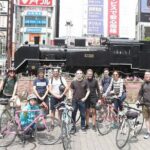
You’ll meet at Cycling Holiday Tokyo, with the bikes lined up in front of the shop. Staff are there, standing by, so you shouldn’t be left guessing what to do.
The essentials are included:
- E-assist bicycle rental
- Helmet rental (wear it)
- English-speaking guide
- Insurance
- Simple rain gear
- Simple gloves for winter
- Cooling products for summer
The practical takeaway: you can pack lighter. You don’t have to bring rain protection, and in warm or cold seasons you get the basic comfort support. The only big personal item you control is your clothing and hair—plan to wear comfortable riding clothes, and bring a hairstyle that works with a helmet.
The Route: Akihabara to Nihonbashi by Bike
This PM tour is designed as a smooth line through Tokyo’s contrasts. You start with electric, image-heavy energy, then move toward more traditional downtown atmosphere.
It runs in the afternoon (1:30pm to 4:30pm), and it follows a route that pairs:
- a photo-first stop in Akihabara
- short local street time with a brief “hidden” area visit
- a craft and tools shopping street pause at Kappabashi
- more open-ended time in Asakusa
- a photo stop near Ryogoku
- a quick final classic-downtown moment around Nihonbashi
You end back at Cycling Holiday Tokyo, so the day stays simple. You’re not figuring out where to go next after the ride.
More days made easy by a guide

Stop-by-Stop Details: What to Watch For at Each Neighborhood
Akihabara photo stop: pop culture edges and bright street scenes
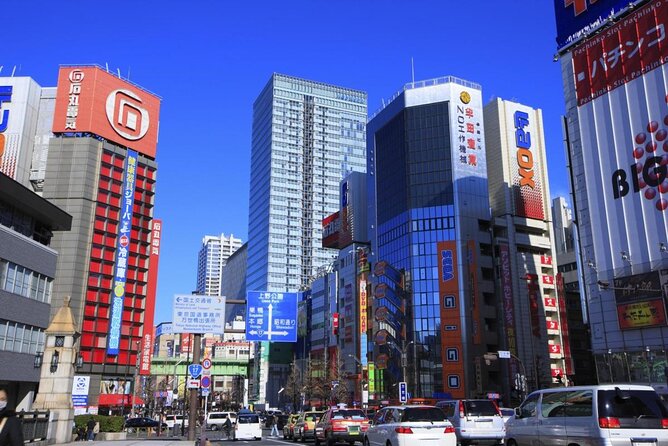
You begin with Akihabara, and the first stop is a photo moment. The value here is orientation. Even if you’ve heard of Akihabara, seeing it at street level helps you understand the scale—signs, storefronts, and the constant motion of people passing through.
How to use this stop well: take photos, but also look around for street details. You’ll spot the kinds of shops and signage that define the area, and your guide’s commentary helps translate what you’re looking at without turning it into a lecture.
A consideration: this is the busiest stop in spirit, so if you’re trying to shoot without crowd interference, keep your posture calm and be ready to move when the group does.
The short local visit: a brief look beyond the main trail
Next comes a short visit—about 10 minutes—to a lesser-noticed area. This is where a guided bike tour earns its keep. Trains and walking tours often stick to the most obvious corridors. A quick detour like this helps you notice smaller streets and everyday life.
Use the time for one job: slow your eyes down. Look for the texture of the blocks—how stores front the sidewalk, how people walk, and what the street feels like when you’re not standing in the most photographed spot.
A consideration: the stop is short, so you won’t see every possible side street. Keep expectations realistic and focus on taking in the feeling.
Kappabashi Street free time: kitchen tools and maker energy
Then you’re at Kappabashi Street for about 15 minutes of free time. This is a practical Tokyo neighborhood in a very specific way—kitchen-related shops and the kind of tool culture that food-focused travelers love.
Why this stop works in the tour: it’s close enough to the main route to keep momentum, but it gives you personal choice. If you want to browse, you can. If you just want a few photos or a quick look at how the shops present their wares, you can do that too.
The drawback is time. Fifteen minutes is tight for serious shopping, so think of it as a sampler stop. If you fall in love with a store, you’ll probably want to return later on your own with more time.
Asakusa free time: the classic district pace
You’ll reach Asakusa, and you get free time here. This is one of the most satisfying parts of a guided ride because you can step off the bike and simply walk a bit—without worrying about route planning.
Asakusa’s value in this context is variety. You’ve already seen tech-and-brand intensity in Akihabara. Now you’re shifting toward a more traditional downtown feel. Even if you don’t go into major attractions, just being in the area helps you understand why people include Asakusa on Tokyo itineraries.
A consideration: free time means different people will do different things. Keep an eye on the guide’s timing cues so you don’t get left behind when the group remounts.
Ryogoku photo stop: sumo area atmosphere
You’ll get a Ryogoku photo stop for about 10 minutes. This is tied to the sumo area theme, and the point isn’t just taking a picture—it’s capturing the district vibe and how the area presents itself.
Use this stop like a snapshot with context. Stand where you can see the street flow, then listen to the guide’s notes during the stop so the neighborhood doesn’t feel random. You’ll get more meaning from those two minutes of commentary than from another angle of the same photo.
Nihonbashi photo stop: an Edo-period classic moment
Your final highlight is Nihonbashi, with a short photo stop (about 5 minutes). The route frames this as a built-in-Edo-period area, around 400 years old, which helps explain why this part of Tokyo still feels like “downtown” in a different sense than modern zones.
Because the stop is brief, keep your strategy simple:
- Take the shot you want quickly
- Then look up. Street-level photos miss the layout signals that tell you you’re in a historic trading and movement center.
Price and Value: Is $61 for 3 Hours a Good Deal?
At $61 per person for a 3-hour guided e-bike tour, the value is in what’s bundled and what you avoid.
You get:
- an e-bike rental
- a helmet
- an English-speaking guide
- insurance
- rain gear and seasonal comfort items
You’re also buying time. Three hours is long enough to cover multiple neighborhoods by bike, but short enough to fit into a first-time schedule without turning your whole day into “transport logistics.”
The best way to think about it: if you would otherwise spend hours figuring out connections, deciding where to start, and walking between far-apart areas, this tour compresses that effort. You’re paying for guidance, pacing, and the ability to move smoothly across Tokyo’s grid without over-tiring yourself.
The Guide Factor: Why Commentary Changes the Ride
The bike is easy. The guide makes it meaningful.
Across the experience, what stands out is that guides handle two things at once: storytelling and safety. You’ll hear commentary when the group stops, and you’ll get direction while riding so you stay together. Multiple guide names have been associated with this style, including Jo, Ted, and Ninja, and the common thread is careful attention to traffic and the group’s comfort.
For you, that means the ride feels both fun and controlled. You’re not stuck in “watch me” mode. You’re also not left alone with a map and a hope.
Practical Tips to Make the Ride Feel Effortless
A few small choices will make the tour feel smoother:
- Wear comfortable clothes for riding. Think movement, not fashion.
- Plan your hairstyle so you can wear a helmet easily.
- Bring your phone for photos, but keep your attention on the guide cues during stops.
- If you hate riding in the rain, don’t worry too much—simple rain gear is included.
One more tip: your best photos will come when you pause correctly. Don’t rush your shot. Let the moment settle, listen to the guide’s note, then frame.
Who This Tour Suits Best (and Who Might Reconsider)
This tour is a strong fit if you:
- are a first-time visitor who wants structure
- like mixing famous stops with street-level neighborhoods
- want a guided photo rhythm rather than a self-paced marathon
- feel comfortable riding a bicycle at a normal city pace
You might reconsider if you:
- don’t feel confident riding a bike for the duration
- want long shopping sessions at one place (the free times are short)
- need a strictly slow, stop-at-every-corner style day
Should You Book This Tokyo E-Bike Tour?
If you want a Tokyo afternoon that feels organized without feeling rigid, this is a great pick. The combination of easy e-bike riding, small group pacing, and stops that mix pop culture, traditional downtown atmosphere, and practical shopping streets makes it a high-value way to see more than just one neighborhood.
Book it if your goal is: move through Tokyo smoothly, get real street context, and come away with photos that actually make sense. Skip it if you’re looking for a long shopping trip or a slow walking-only experience. For most first-timers, though, this is the kind of tour that helps the city click quickly.
FAQ
What’s the duration of the Tokyo e-bike tour?
The tour lasts 3 hours.
How many people are in the group?
It’s a small group limited to 6 participants or less.
Is the tour guided in English?
Yes, the guide speaks English.
Are helmets provided?
Yes. Helmet rental is included, and you should wear it.
What should I wear for the tour?
Wear comfortable clothes for riding a bicycle. Also choose a hairstyle that lets you wear a helmet.
Is food included?
No. Food and drinks are not included, so you’ll need to buy them separately.
What weather items are included?
You get simple rain gear. In winter, simple gloves are included, and in summer, cooling products are included.
Where do I meet the tour?
You meet at Cycling Holiday Tokyo, where the bicycles are lined up in front of the store and staff are standing.
Tokyo on Two Wheels

More Tours in Tokyo




More Tour Reviews in Tokyo




Fresh reviews from around Tokyo






Cycling Tours, compared.
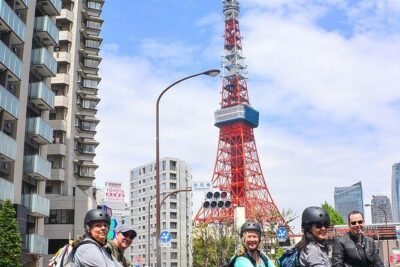 ★ 5.0Tokyo Guided Small-Group Biking TourFrom $1061,250 reviews
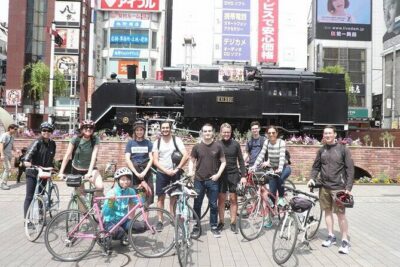 ★ 5.0Tokyo Great Cycling TourFrom $99811 reviews
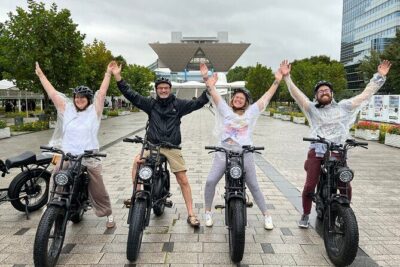 ★ 5.0Tokyo Top Highlights 3h Guided E-bike TourFrom $63714 reviews
3-Hour Bike or E-Bike City Highlights TourFrom $45435 reviews
★ 5.0Tokyo Top Highlights 3h Guided E-bike TourFrom $63714 reviews
3-Hour Bike or E-Bike City Highlights TourFrom $45435 reviews
 ★ 5.0Tokyo West-Side Cycling & Food TourFrom $99214 reviews
 ★ 5.03-Hour Bike/E-Bike Tour of the City’s HighlightsFrom $63209 reviews
 ★ 5.0Small Group Cycling Tour in TokyoFrom $66184 reviews
 ★ 5.03-Hour Tokyo Private E-Bike Tour Starting from Your HotelFrom $145117 reviews
Browse the lists this tour appears in