
Reviewed · SUMO SHOWS
1.5 Hour VIP Sumo Event in Tokyo
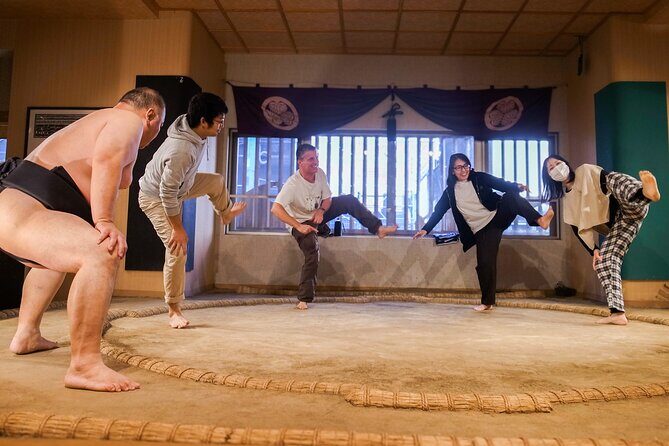
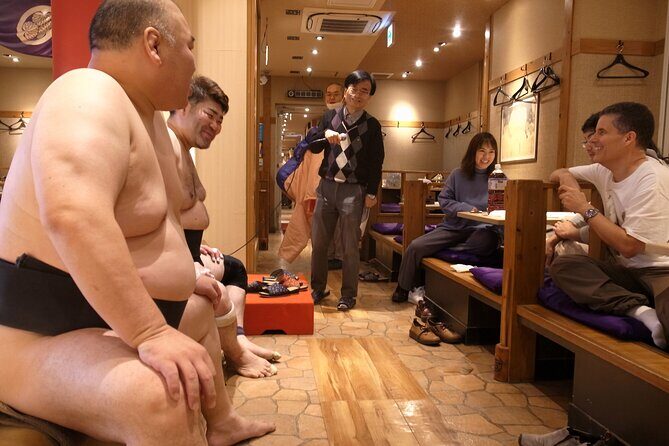
Sumo is usually something you watch from the sidelines. This time, you get active and step into the action. You’ll learn the basics of sumo history, rules, and technique and then try your own moves with former pro wrestlers in a small group. It’s set up to be fun, photo-friendly, and beginner-safe.
I like two things a lot. First, you don’t need any prior experience—this is built for people starting at zero. Second, the event is led by ex-rikishi who can explain what matters and keep it light, ending with time for your questions.
One thing to consider: you’re in a ring setting, so the experience is about participation, not just watching. Also, the meeting spot can be easy if you use the provided map pin carefully, and you’ll want to arrive with enough time to get oriented.
In This Review
- Key Things You’ll Notice (Before You Go)
- Why This VIP Sumo Session Feels Different Than Just Watching
- The 90 Minutes: What Happens From Ryogoku Area to Back Again
- 1) Meet Near Ryogoku Station (and get your bearings fast)
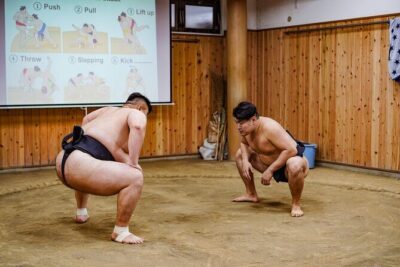
- 2) Learn the rules, techniques, and cultural significance
- 3) Practice sumo exercises (the beginner stage that matters)
- 4) Get in the ring and challenge a former wrestler
- 5) Photos, then a question-and-answer wrap-up
- What “VIP” Really Means Here (And Who It Fits Best)
- The best fit
- The trade-off
- Price and Value: What You’re Really Paying For
- Practical Tips That Make the Difference on the Day
- Use the exact meeting location pin
- Bring a beginner mindset
- Plan your tournament ticket separately
- Take photos during the moments they set aside
- Should You Book This VIP Sumo Event in Tokyo?
- FAQ
- How long is the VIP sumo event?
- What time does the event start?
- Where is the meeting point?
- Is the event conducted in English?
- Do I need any sumo or wrestling experience?
- Does this include a ticket to the sumo tournament?
- What is the group size limit?
- What is the minimum age for children?
- Can I cancel for a full refund?
Key Things You’ll Notice (Before You Go)
- You’ll go from briefing to ring practice in about 90 minutes
- Small group size (max 20) means more chances to participate
- Former pro wrestlers show techniques and take your questions
- Lots of photo moments during demonstrations and in-ring time
- English instruction makes the rules and culture easier to follow
- No tournament ticket included, so you’ll plan that separately
More chances to sit ringside
- Tokyo: Sumo Show and Dining Experience★ 4.8 · 2,742 reviews
- the SUMO show★ 5.0 · 1,960 reviews
- Tokyo Shinjuku Sumo Show & Experience with Photo★ 5.0 · 1,750 reviews
Why This VIP Sumo Session Feels Different Than Just Watching
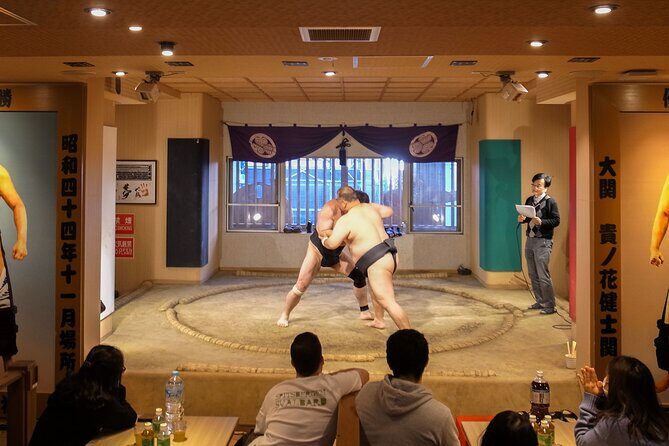
Tokyo has plenty of sumo options, but most are built around spectatorship. This one is different because the format is hands-on. You start with context—what sumo is, why it’s taken so seriously, and how the rules shape the action—then you move into drills and short bouts in the ring.
For you, that means the event becomes something you can remember beyond photos. Instead of only learning what a match looks like, you’ll understand why wrestlers move the way they do: the positioning, the timing, and the basic ideas behind effective push-pull and footwork. You’ll also be able to connect what you learn to a real tournament later, because the logic is built into the session.
The “VIP” angle is less about fancy extras and more about access: you get ring time and you’re close enough to ask questions. With a cap of 20 people, it’s not a cattle-line experience. I also like that the activity is structured so kids can join, with the event specifically noted as suitable for children aged eight and above—and also listing a minimum age of five (as long as they’re registered and paid).
The 90 Minutes: What Happens From Ryogoku Area to Back Again
The event starts at 9:30 am and runs for about 1 hour 30 minutes, ending back at the meeting point. It’s paced so you’re never stuck waiting forever, but you’re also not rushed. Here’s the flow you can expect.
1) Meet Near Ryogoku Station (and get your bearings fast)
Your meeting point is listed as 1-chōme-1-2 Kamezawa, Sumida City, Tokyo 130-0014, Japan. The area is conveniently near public transportation, and this is one of the reasons the session works so well in a morning plan. If you’re coming from central Tokyo, it’s usually manageable as a quick add-on day activity.
Practical tip: arrive a bit early and use the map pin/link tied to the exact meeting location. If you show up right at start time, you might feel stress rather than excitement—especially because you’re looking for a specific spot, not just a general neighborhood landmark.
2) Learn the rules, techniques, and cultural significance
Before you touch anything, you get the basics: how sumo matches work, what to pay attention to, and what the traditions mean. The goal here is simple—you should leave understanding the sport in plain terms, not memorizing a rulebook.
In the same early phase, you’re also taught how training fits together. You’ll hear about the purpose behind movements and why certain rituals exist. Even if you’ve never followed sumo before, this part helps your later ring time make sense instead of feeling like random wrestling for laughs.
Worth weighing up alongside this Tokyo pick:



3) Practice sumo exercises (the beginner stage that matters)
Then comes the “try it” portion. You’ll practice sumo exercises—movement drills that set you up for what happens next. This is where a lot of value lives for first-timers: you learn the fundamentals in a safe, guided way.
You might not become a wrestler by the end of the session (no one expects that), but you should feel like you gained usable basics: how to hold your stance, how to use your body position, and how to think about balance and leverage.
4) Get in the ring and challenge a former wrestler
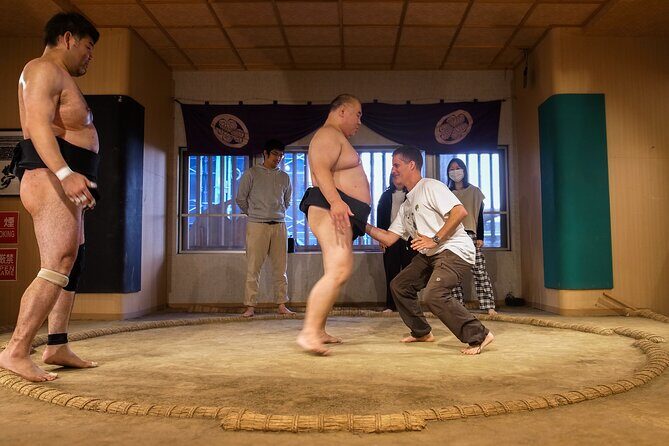
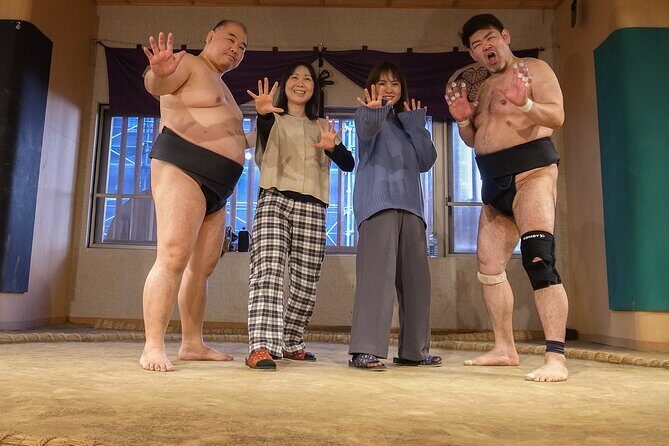
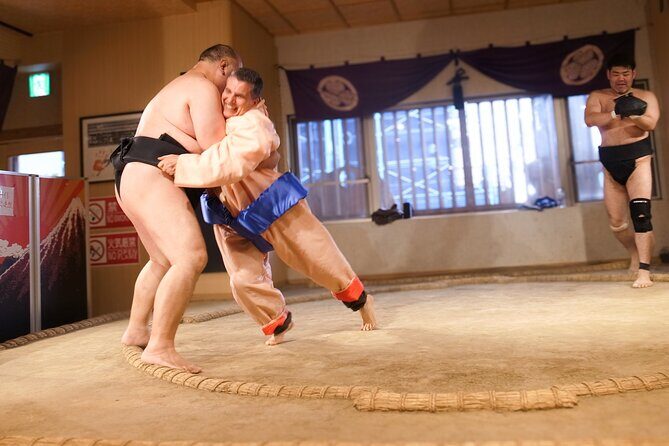
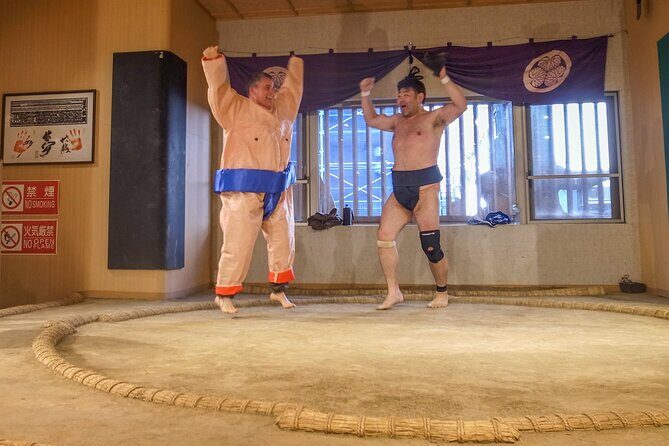
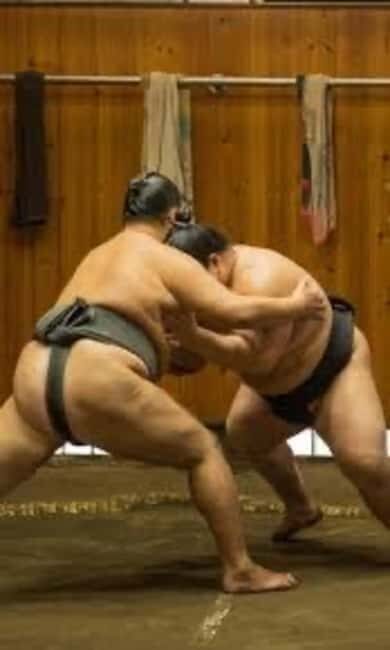
The main event is the moment you’ve been waiting for: you’ll get into the ring and challenge a former pro wrestler. Because the group is small (max 20), people get their turn, including kids who meet the minimum age requirements.
This part is interactive and photo-friendly. Expect demonstrations, then your turn, then quick reset instructions so everyone can participate. If you’re traveling with kids, this is often the highlight because it feels more like an unforgettable activity than a performance.
5) Photos, then a question-and-answer wrap-up
You’ll have time for photo opportunities during the demonstration and in-ring moments. The session ends with a Q&A so you can ask sumo-related questions. This is a smart final step: it turns the information you heard into something personal. You’ll also catch details you may not know to ask until you’ve seen the basics.
Also note: the activity is conducted in English, which matters. Sumo has a lot of terminology and tradition—having it explained in a straightforward way makes the whole experience click.
What “VIP” Really Means Here (And Who It Fits Best)
This event is built for people who want more than a ticket to a spectacle. You’re paying for guided context and hands-on access to former rikishi.
The best fit
I think this works especially well if you:
- Are new to sumo and want a fast, friendly intro
- Want something active that still feels cultural
- Are traveling with family, including kids old enough to participate
- Plan to attend a sumo tournament later and want to understand what you’ll see
Doing this before a tournament is a strong combo. You’ll recognize basic tactics and understand why wrestlers chase specific positions. Even when you don’t know the names of fighters, you’ll know what’s happening and why the match turns.
The trade-off
If you want to sit quietly and watch other people wrestle, this may feel too participatory. The structure is designed around participation—you’ll do drills and get ring time—so it’s not only a viewing event.
One more thing: the event does does not include a ticket to the sumo tournament. So if your plan is to watch matches that day, you’ll need to arrange the tournament entry separately.
Price and Value: What You’re Really Paying For
At $114.78 per person, this isn’t a budget activity. But it has several components that justify the cost when you look at the structure.
You’re paying for:
- A small-group cap (20 max), which directly affects your time and chances to participate
- English instruction, so the cultural and technical parts are understandable
- Former pro wrestlers doing live demonstrations and interaction
- In-ring participation, which is the biggest differentiator vs watch-only tours
- Photo opportunities plus a Q&A period
Compare that to tours that mostly provide a front-row seat to demonstrations. Those can be cheaper, but you miss the learning curve of practicing basics and asking questions. Here, your money turns into an experience you can do—not only observe.
Timing also plays into value. The session is about 90 minutes, so you can fit it into a morning without sacrificing an entire day. And because bookings can fill, it’s smart to book ahead—this is noted as commonly booked about 35 days in advance.
Practical Tips That Make the Difference on the Day
A few habits will help you get the most out of the session.
Use the exact meeting location pin
The meeting spot is a specific address in Kamezawa, Sumida City. Even if you’re near Ryogoku, don’t rely only on general directions. Plan to arrive early and follow the map pin so you’re not hunting around when you should be warming up.
Bring a beginner mindset
You don’t need sumo experience. Still, treat the session like a mini sports clinic. Listen carefully during the brief explanations, then copy the stance and movement cues. You’ll have more fun if you focus on doing the basics well.
Plan your tournament ticket separately
Since this does not include a tournament ticket, map out your day accordingly. If you’re going to attend sumo bouts later, this is a great pre-game primer—but don’t assume your VIP sumo pass covers entry to the tournament.
Take photos during the moments they set aside
You’ll have photo opportunities during the demos and ring time. Don’t wait until the last minute. If you want a family set of photos (especially with kids who are excited to participate), capture them when the group pauses for pictures.
Should You Book This VIP Sumo Event in Tokyo?
I’d book it if you want to understand sumo and you’re okay with getting hands-on. The combination of English-led explanation, former rikishi instruction, and actual in-ring participation is what turns this into a standout Tokyo morning.
Skip it if your goal is mostly passive viewing. Also remember: there’s no tournament ticket included, so you’ll need a separate plan if you’re aiming to watch bouts the same day.
If you’re the type who likes interactive cultural experiences, this is a strong match—especially for families, first-timers, and anyone planning to attend sumo later.
FAQ
How long is the VIP sumo event?
It runs for about 1 hour 30 minutes.
What time does the event start?
The start time is 9:30 am.
Where is the meeting point?
The meeting point is at 1-chōme-1-2 Kamezawa, Sumida City, Tokyo 130-0014, Japan, near public transportation.
Is the event conducted in English?
Yes, the event is conducted in English.
Do I need any sumo or wrestling experience?
No sumo or other wrestling experience is necessary.
Does this include a ticket to the sumo tournament?
No. The activity does not include a ticket to the sumo tournament.
What is the group size limit?
The event has a maximum of 20 travelers.
What is the minimum age for children?
The minimum age for children is listed as 5 years old. The activity also notes that kids aged eight and above can participate, and children must be registered and paid for.
Can I cancel for a full refund?
Yes. Free cancellation is available up to 24 hours in advance of the experience start time for a full refund.
More VIP in Tokyo
More Tour Reviews in Tokyo






More Mornings with the Wrestlers
Fresh reviews from around Tokyo






Sumo Shows, compared.
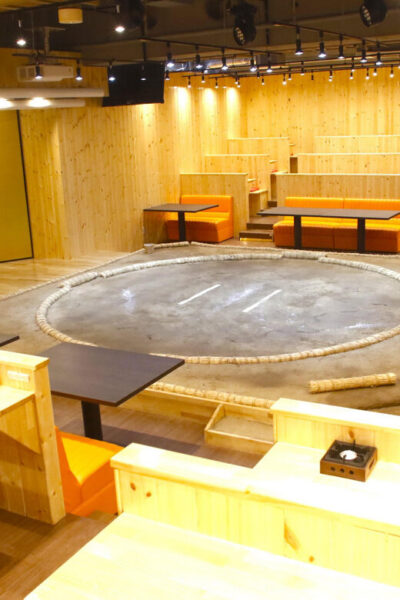 ★ 4.8Sumo Show Experience with Chicken Hot Pot and a PhotoFrom $1036,678 reviews
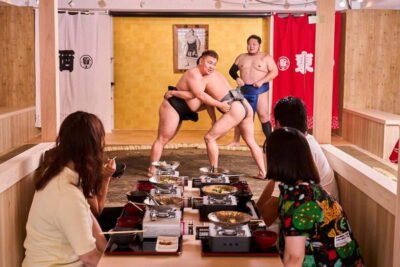
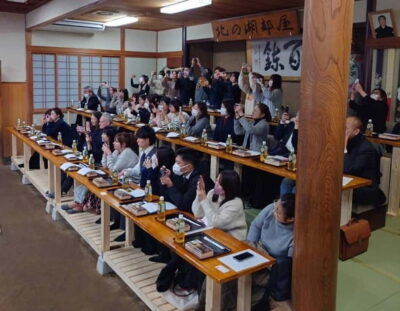 ★ 4.8Sumo Show and Dining ExperienceFrom $792,742 reviews
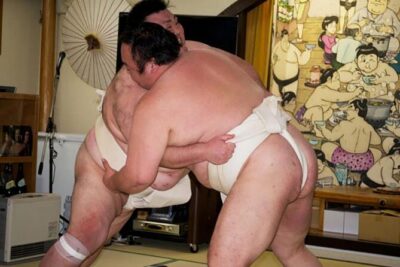 ★ 5.0the SUMO showFrom $891,960 reviews
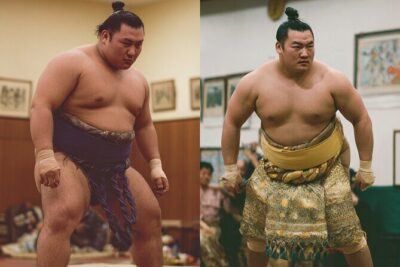 ★ 5.0Tokyo Shinjuku Sumo Show & Experience with PhotoFrom $791,750 reviews
 ★ 4.8Sumo Show and Experience in ShinjukuFrom $691,001 reviews
 ★ 5.0Authentic Sumo Experience in Tokyo: Enter the SanctuaryFrom $171603 reviews
 ★ 4.8Tokyo Sumo Experience: Chanko & Mochi with a Former ProFrom $103567 reviews
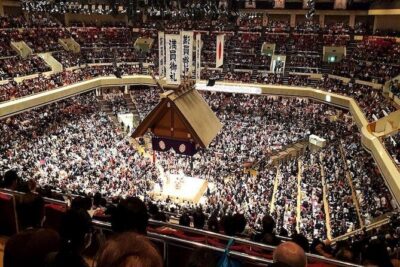 ★ 5.0Ultimate Sumo Tournament: Tokyo, Osaka, Nagoya, FukuokaFrom $184468 reviews
Browse the lists this tour appears in