
Reviewed · SUSHI MAKING CLASSES
【Private】Premium Fish filletting sushi making course
If you love sushi, this feels different. You start with the hardest part first: filleting fish in the Edomae tradition. This private 3-hour premium workshop is led by a sushi master with experience at a Michelin-starred restaurant, plus fully bilingual staff to keep the pace smooth and questions welcome.
Two things I’d pick out right away: the hands-on focus on professional knife work, and the way the class builds from fish prep into cutting neta and shaping nigiri with three different preparations. One thing to consider is that this is a higher-priced experience for a short session, so it’s best if you want technique and craft, not just a quick taste.
In This Review
- Key Highlights Before You Go
- Fish Filleting First: Why This Edomae Class Feels Like Real Skill
- The 3-Hour Flow at A-PULSE AZABU Studio (What Happens When)
- Step one: Professional guidance and first contact with the fish
- Step two: Classic fish prep, like marinating, curing, and aging
- Step three: Cutting neta topping slices with precision
- Step four: Shaping nigiri with three different preparations
- Step five: Photographing and savoring what you made
- Knife Work, Comfort, and Why Beginners Can Actually Keep Up
- Fish Quality and Rice Seasoning: How Freshness Shows Up in Your Bite
- Three Nigiri Preparations: The Lesson You’ll Use After You Leave
- Price and Value: Why $260.61 Can Make Sense for This Style of Class
- Who This Private Course Fits Best (And Who Might Want Something Else)
- Meals Included: What You Get Beyond the Sushi Lesson
- Should You Book This Fish-Filletting Sushi Making Course?
- FAQ
- How long is the sushi making course?
- Is this a private class or shared group?
- Where does the course meet in Tokyo?
- What time does the class start?
- What is included in the price?
- Are alcoholic beverages included?
- What will I learn during the class?
- Can the course focus on rice preparation or specific skills?
- What is the cancellation policy?
Key Highlights Before You Go
- Fillet whole fish first: You learn the craft at the source, not just the finished nigiri.
- Knife work shown up close: Expect precise motion and careful guidance on cutting and handling.
- Fish prep skills beyond slicing: You practice classic methods like marinating, curing, and aging.
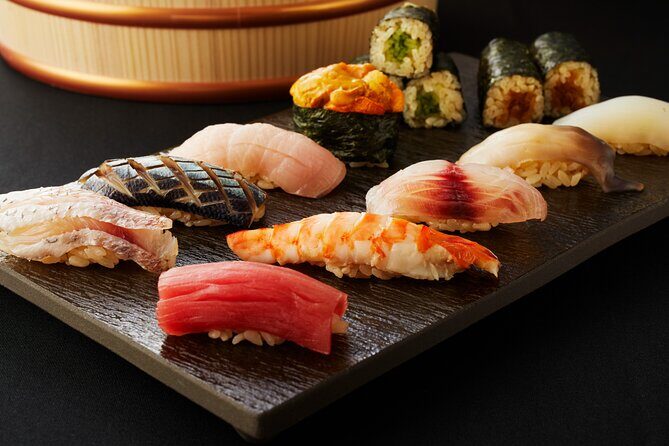
- Three nigiri preparations: You shape and eat what you make, so the lesson sticks.
- Bilingual coaching in a private setting: Communication stays easy, even for first-timers.
- Restaurant-grade ingredients: Fresh fish, properly seasoned rice, and quality produce make the results consistent.
More private options with your own guide
- Tokyo 6hr Private Tour with Government-Licensed Guide★ 5.0 · 3,902 reviews
- Private Tour to Mt. Fuji and Hakone (Fully Licenced Operator)★ 5.0 · 1,910 reviews
- Tokyo Customized Private Tour (Must See Places in 1 Day)★ 5.0 · 1,499 reviews
Fish Filleting First: Why This Edomae Class Feels Like Real Skill
Tokyo has sushi classes that teach plating and rolling. This one aims higher: it teaches the reasoning behind taste, starting with fish preparation. In Edomae sushi, the magic isn’t only in how pretty the nigiri looks. It’s in how the ingredients are treated—cutting, conditioning, and timing—so each piece carries the right texture and flavor.
I like that the workshop frames technique as a mindset, too. You’re not just learning steps. You’re learning why cutting technique, ingredient balance, and seasonality change the outcome. That matters because sushi isn’t one recipe. It’s a system that adapts to what’s fresh and in season.
Also, the format is private, which changes everything. You’re not watching a demo while trying to squeeze in one question. With bilingual staff guiding you the whole time, you can ask about a cut, the angle of a blade, or how to shape nigiri without feeling rushed or lost.
The 3-Hour Flow at A-PULSE AZABU Studio (What Happens When)
The class runs about 3 hours and starts at 12:00 pm at A-PULSE AZABU STUDIO in Nishiazabu, Minato City. It ends back at the same meeting point. You’ll use a mobile ticket, and the location is near public transportation, so you’re not trapped in a taxi-only situation.
Here’s the practical rhythm you should expect.
Step one: Professional guidance and first contact with the fish
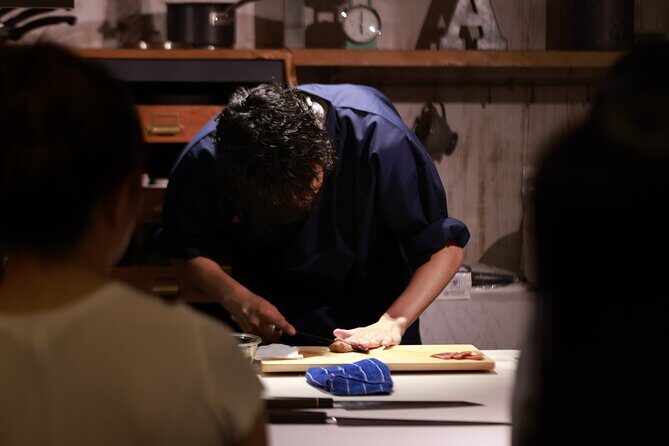
You begin with the central idea of the course: preparing fish using traditional knife techniques. Even before your hands are fully involved, you get to watch professional work up close. This is where the class shows its “premium” side. The instructor demonstrates how smooth, controlled knife movement stays consistent—because inconsistency shows up later in texture.
Then you move into filleting whole fish. This is a big deal. When you fillet the fish yourself, you understand what the chef is selecting—thickness, grain, and how much trimming affects the final bites.
Step two: Classic fish prep, like marinating, curing, and aging
After filleting, you prepare the fish with classic methods. The workshop includes techniques such as marinating, curing, and aging. These aren’t just “flavoring steps.” They’re about texture and balance.
For example, curing and aging can reduce harshness and smooth the eating experience. Marinating can shape flavor without overpowering the fish. The class ties these methods back to the goal: turning raw fish into proper sushi neta.





Step three: Cutting neta topping slices with precision
Once your fish is prepared, you move into cutting sushi neta—the topping slices. This is where the earlier knife training pays off. A “pretty” cut won’t fix a cut that’s uneven in thickness. Thickness affects how the topping melts on rice, how it holds together, and how the flavor lands.
You also learn how cutting precision supports ingredient balance and seasonality. The course is explicitly designed around the idea that the same technique can still need adjustment depending on what you’re working with.
Step four: Shaping nigiri with three different preparations
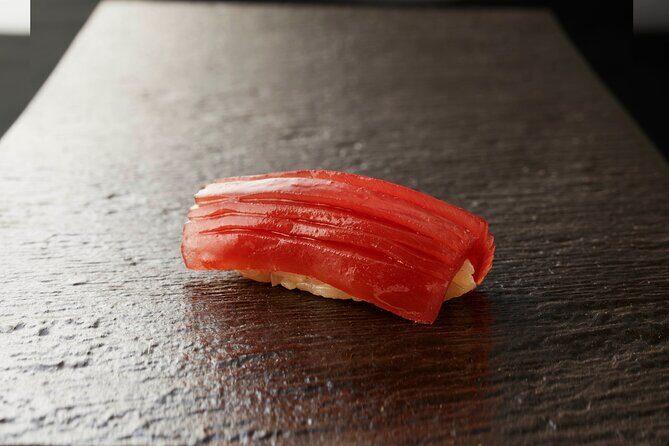
Next comes the part many people come for: forming nigiri by hand. You’ll work with three different preparations. That’s important because nigiri is not one single style. Texture and handling vary, and the rice-to-fish balance changes based on how the topping is prepared.
You’ll also learn a key principle: shaping should be controlled, not forceful. The goal is a firm, elegant form that eats cleanly.
Step five: Photographing and savoring what you made
Finally, you photograph and savor your handcrafted sushi. This isn’t just an end-of-class snack. It’s the moment where you can actually compare what you did earlier—filleting, curing, cutting, and shaping—and feel how each step affects taste and texture.
Knife Work, Comfort, and Why Beginners Can Actually Keep Up
This class is built for people who want real technique, including first-time learners. The structure matters. You’re guided step by step, and you can ask questions while you work, not after you’re done.
One useful detail from the experience style: the class doesn’t just throw you into advanced skills with no support. You get basics like rice preparation and knife handling as you progress, so you build confidence instead of guessing. That pacing is a big reason the experience tends to work well even if you’ve never made nigiri before.
Still, here’s the honest consideration: learning knife handling takes focus. Fish filleting isn’t hard in theory, but it’s physical and requires attention. If you’re the type who hates getting your hands messy or you’re nervous about sharp tools, you’ll want to mentally prep for concentration time.
The upside is that staff are there to keep you safe and moving. And because it’s private, you can slow down when you need to without feeling like you’re holding up a group.
Fish Quality and Rice Seasoning: How Freshness Shows Up in Your Bite
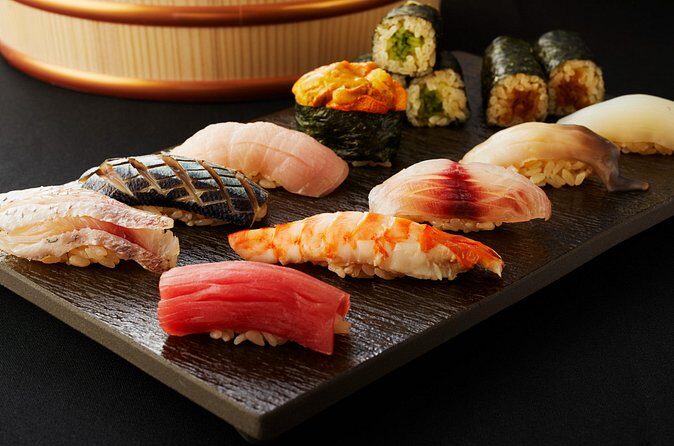
A premium sushi class lives or dies on ingredients. Here, the fish quality is treated like part of the curriculum, not a background detail. The fish is described as directly sourced from ports or from Toyosu, and it’s conditioned carefully for your experience. Conditioning matters because fish doesn’t taste the same right out of the supply chain.
The rice also gets serious attention. People talk about rice that’s perfectly seasoned, and that’s not a small thing. Nigiri is rice plus topping plus handling. If rice seasoning is off, your balance is off, even if your cutting is flawless.
When you get quality ingredients and you then learn the craft steps that support them, the final result becomes more consistent. You’re not relying on luck or restaurant magic. You’re seeing how good fish and proper rice handling create a clean bite—often with flavors that feel subtle rather than loud.
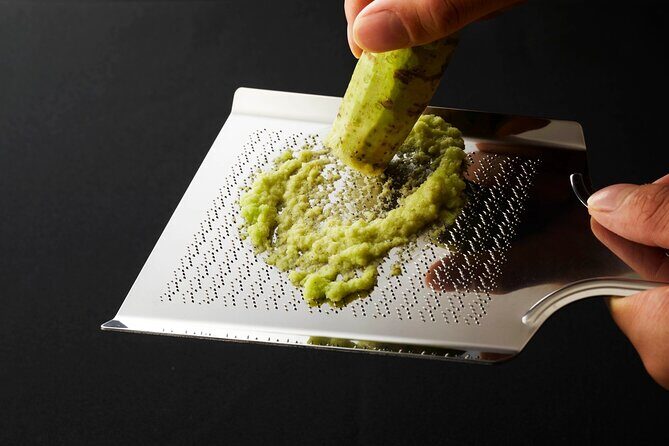
You’ll also work with vegetables that are crisp and colorful as part of the meal provided. That rounds out the experience so it feels like a full food lesson, not only a single technique segment.
Three Nigiri Preparations: The Lesson You’ll Use After You Leave
The standout value for me is that you don’t just learn one nigiri shape and call it done. You learn three different preparations. That gives you a framework.
Once you understand what changes between preparations—how the fish topping behaves, how rice should be handled, and how thickness affects the bite—you start to see sushi more clearly when you eat it later. You’ll notice texture differences faster. You’ll understand why some nigiri feels lighter or more delicate. You’ll also appreciate why chefs adjust technique based on the ingredient in front of them.
This is the kind of class that sticks because it links each technique to an outcome you can taste. Then you do the final step: you eat what you made. That turns notes into memory.
Also, the class includes time to photograph. I’m not saying you’ll become a sushi photographer. But the chance to pause and look at your own work helps you learn. You can spot what you fixed, what you still want to refine, and what feels right in hand.
Price and Value: Why $260.61 Can Make Sense for This Style of Class
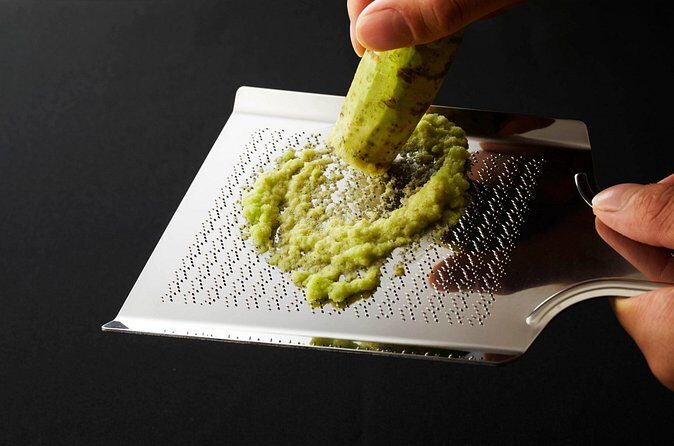
At $260.61 per person, this isn’t a bargain workshop. It’s premium pricing. But you’re not just paying for instruction. You’re paying for a specific set of things that are expensive in a real craft environment:
- Private setting: You’re one group, not a shared class where the instructor can’t give tight feedback.
- High-skill content: Filleting fish and cutting sushi neta require time, focus, and materials.
- Bilingual guidance: Not everyone can make technique teaching smooth across language barriers. Here, the staff are fully bilingual.
- Restaurant-level instruction: The sushi master has experience at a Michelin-starred restaurant, and the class style reflects that level of care.
There’s also a practical demand signal: it’s booked on average about 9 days in advance, so it’s not a “wait for a last-minute deal” situation. If you want a spot, planning helps.
So how do you decide if it’s worth it for you? If your goal is to learn craft—knife work, fish prep methods like curing and aging, and hand-formed nigiri—then the price can be justified. If you mainly want a casual foodie experience, you might find this better as a once-in-a-while specialty.
Who This Private Course Fits Best (And Who Might Want Something Else)
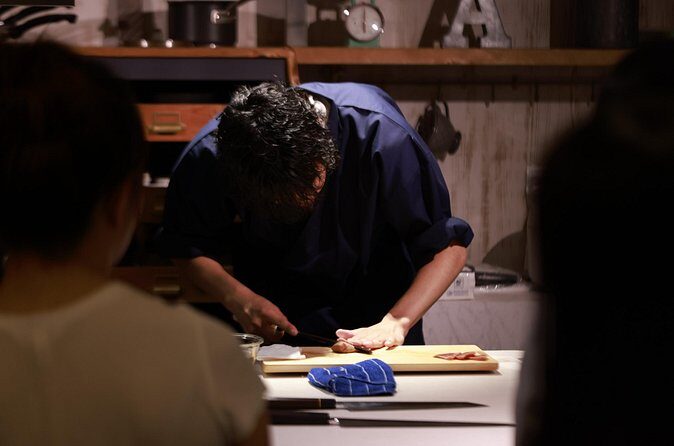
This class is a strong match if you:
- want a real Edomae approach, not just assembling sushi
- like skill-based cooking classes where you practice the hard part
- enjoy learning why technique changes flavor and texture
- want a private session with bilingual staff so you can ask questions freely
It may be less ideal if you:
- want a mostly relaxed class with minimal knife work
- expect a broad “tour of sushi” across many styles and stations (this course is tightly focused on fish prep and nigiri)
- are uncomfortable with the physical reality of hands-on fish work
If you’re traveling solo and value your time, private also means you’re not waiting your turn. And if you’re traveling with a partner or small group, you get the same one-on-one attention, just shared.
Meals Included: What You Get Beyond the Sushi Lesson
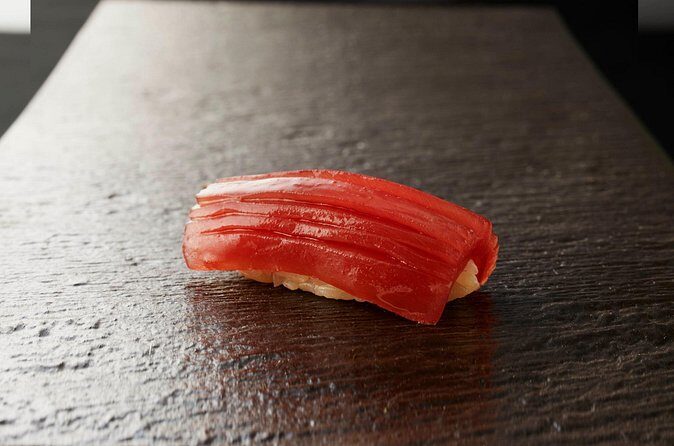
Meals are included. That’s valuable because it turns the session into a full experience rather than a stand-alone activity where you eat right before and then disappear.
You also have the chance to photograph and then savor your handcrafted sushi at the end. That eating time is part of the learning loop. It’s when you catch the difference between what you meant to do and what you actually did.
Alcoholic beverages are not included, and additional drinks are optional with extra charge. If you plan to drink, budget for it ahead of time so the experience stays smooth.
Should You Book This Fish-Filletting Sushi Making Course?
I’d book it if you care about technique and you want the real foundation of Edomae sushi: filleting, curing/aging, cutting neta, then shaping nigiri by hand. The private setup and bilingual guidance make it approachable for beginners without turning it into a watered-down demo.
I’d skip or switch classes if you’re hunting for the cheapest sushi-making option or you want something more casual and less knife-focused. For short sessions, value depends on how much you want to practice. This is built for practice.
If you do book, come ready to concentrate for three hours. Bring a curious attitude. You’ll leave with more than sushi photos—you’ll leave with a clearer sense of how craft and ingredient care create the taste of Tokyo sushi.
FAQ
How long is the sushi making course?
It runs for about 3 hours.
Is this a private class or shared group?
It’s a private tour/activity, so only your group participates.
Where does the course meet in Tokyo?
The meeting point is A-PULSE AZABU STUDIO, 3-chōme-8-18 Nishiazabu, Minato City, Tokyo 106-0031.
What time does the class start?
The start time is 12:00 pm.
What is included in the price?
Meals are included.
Are alcoholic beverages included?
No. Alcoholic beverages are not included, though additional drinks may be available for an extra charge.
What will I learn during the class?
You’ll learn fish filleting, fish prep methods such as marinating, curing, and aging, cutting precise neta topping slices, and forming nigiri sushi with three different preparations.
Can the course focus on rice preparation or specific skills?
Yes. The course can be customized to include rice preparation or adapted to focus on the specific skills you’re most interested in.
What is the cancellation policy?
You can cancel for free up to 24 hours in advance for a full refund. If you cancel less than 24 hours before the start time, you will not be refunded. Changes within 24 hours of the start time aren’t accepted.
Just Your Group: Private Options



More Tour Reviews in Tokyo



Fresh reviews from around Tokyo






Sushi Making Classes, compared.
 ★ 5.0Sushi Making Tokyo Roll and Authentic Japanese Sushi ClassFrom $593,971 reviews
 ★ 5.0Tokyo Sushi Making Class in Tsukiji with Professional ChefFrom $491,177 reviews
 ★ 5.0Tsukiji Fish Market Guided Tour and Sushi Making with Pro ChefFrom $104775 reviews
 ★ 4.9Tsukiji Fish Market Sushi Making Class with Pro ChefFrom $63506 reviews
 ★ 5.0Tokyo Tsukiji Fish Market Tour and Sushi Making LessonFrom $99390 reviews
 ★ 5.0Popular Sushi Making Class near Tokyo TowerFrom $87229 reviews
 ★ 5.03-Hour Small-Group Sushi Making Class in TokyoFrom $72166 reviews
 ★ 5.0Tokyo Sushi Making Experience & Japanese Cooking ClassFrom $59150 reviews
Browse the lists this tour appears in