
Reviewed · WALKING TOURS
Tokyo walking tour around Imperial Palace and Tokyo Station
Tokyo can feel like a maze.
This walk is a clean line through it: from the big-city geometry of Tokyo Station to the stone-and-iron calm of the Imperial Palace outer gates. You’ll also pass through the Marunouchi business core and stop inside the Japan Post building area around KITTE, so you get both street-level scenes and framed views.
Two things I really like about this experience are the mix of architecture and viewpoint changes, and the fact that the guide helps you move efficiently. Guides like Mikio, Masahito, and Miho are praised for being flexible with the plan, tailoring the route to your preferences, and keeping kids and teens engaged. One consideration: it’s only 2 hours and you’ll cover several landmarks on foot, so comfortable shoes matter and you’ll want to keep your pace.
If you’re in the Marunouchi/Tokyo Station area and want an organized orientation to Tokyo’s core history and design, this tour gives you structure without turning the day into a checklist. But if you’re hoping for palace interior access or long, slow strolling, this isn’t that kind of tour—it stays at the outer areas and gates.
In This Review
- Key highlights that make this tour worth your time
- The route that links Tokyo Station to Imperial Palace in one simple loop
- Meeting near Tokyo Station: quick start, low stress
- Marunouchi and Tokyo Station stops: where you get the big-picture orientation
- KITTE and the Japan Post building: framing Tokyo Station like a pro
- Meiji Seimei Kan: a longer stop that rewards patient looking
- Nijubashi Bridge: the Imperial Palace moment that hits hardest
- Sakuradamon Gate and the final stretch to Kasumigaseki
- Imperial Palace outer gardens: what you see without needing special access
- Price and value: is $49 for 2 hours a good deal?
- Who this tour suits best (and who should pick something else)
- Booking check: make sure the timing fits your day
- Should you book this Tokyo Station to Imperial Palace walking tour?
- FAQ
- How long is the Tokyo walking tour around the Imperial Palace and Tokyo Station?
- What is the price per person?
- Where do I meet the guide?
- What are the key places the tour includes?
- How big is the group?
- What languages are the guides?
- Where does the tour finish?
Key highlights that make this tour worth your time
- Small group of up to 4 means you’re not stuck in a crowd shuffle
- Japan Post building/KITTE views give you a different angle of Tokyo Station
- Marunouchi + Tokyo Station landmarks connect modern downtown to older city planning
- Meiji Seimei Kan stop adds a photogenic, era-of-architecture pause
- Nijubashi Bridge + Sakuradamon deliver the most dramatic “palace edge” moments
- Expert guide time is built into each stop, so you get context while you walk
Tokyo at walking pace, a few more ways
- Tokyo Tsukiji Fish Market Food and Culture Walking Tour★ 5.0 · 3,184 reviews
- Tokyo: Shinjuku Local Bar and Izakaya Guided Walking Tour★ 4.9 · 1,794 reviews
- Tokyo: Tsukiji Fish Market Food and Walking tour★ 5.0 · 1,724 reviews
The route that links Tokyo Station to Imperial Palace in one simple loop
This is a smart tour design: it takes the route most people want to walk anyway and adds guidance, timing, and context. You start near Tokyo Station, work through Marunouchi (the financial and shopping district area), then finish at Kasumigaseki Station. Along the way you hit the main Imperial Palace perimeter views: Nijubashi Bridge and Sakuradamon Gate, plus time at the Imperial Palace Outer Garden area from the outside.
The biggest payoff is that you’re not just looking at famous spots—you’re learning how they connect. The area around Marunouchi and Tokyo Station was shaped by development tied to Mitsubishi Corp since 1890, which helps you understand why Tokyo’s downtown feels planned and monumental rather than random. Your guide weaves that background into what you see as you walk.
Meeting near Tokyo Station: quick start, low stress
You’ll meet at the Police Box near Tokyo Station Marunouchi South Exit, at 1-9-1 Marunouchi, Chiyoda-ku, Tokyo 100-0005. It’s an easy anchor point, and starting right by Tokyo Station is useful if you’re arriving by train and want your first Tokyo moment to be guided.
Because the group is limited to 4 participants, the flow tends to feel more like a coordinated walk than a mass tour. That matters when you’re moving through areas like Marunouchi where sidewalks, crosswalks, and building entrances can get tricky. A smaller group also makes it easier for the guide to adjust if you want more photo time or you’re keeping an eye on where your legs will feel it most later.
Marunouchi and Tokyo Station stops: where you get the big-picture orientation
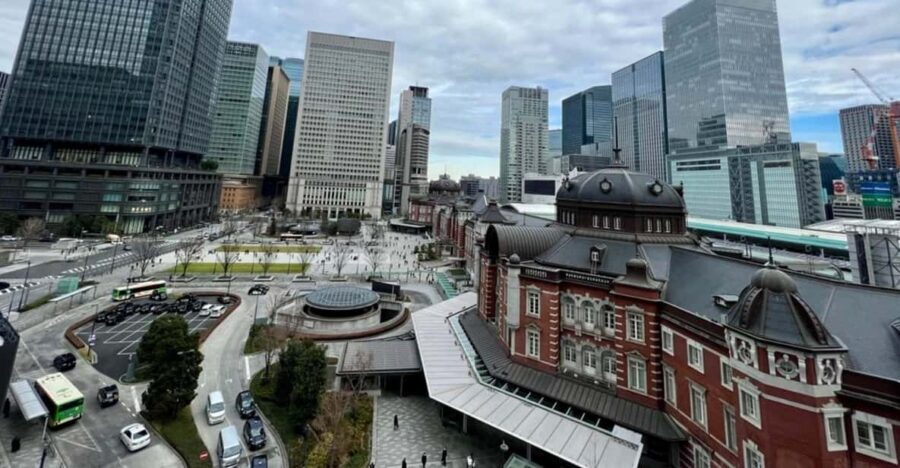
The tour kicks off with Tokyo Station and moves into the Marunouchi district. You’ll get around 10 minutes at Tokyo Station and then another 10 minutes at the Marunouchi Building. Those short blocks are deliberate. They give you time to look without turning the experience into a long architectural lecture.
Here’s what you can take away from these early stops:
- Tokyo Station is the “how Tokyo moves” moment. Even if you don’t need the train right now, seeing the main hub early helps you understand how the city funnels people into neighborhoods.
- Marunouchi’s design language is intentional. Wide sightlines, office towers, and major public-facing buildings create a sense of order. It’s a different feel from many older-feeling neighborhoods in Tokyo.
If you’re the kind of traveler who likes getting your bearings fast, these first parts are a win. I like that the tour doesn’t waste time; it starts with the area most visitors orbit, then builds outward toward the palace perimeter.
KITTE and the Japan Post building: framing Tokyo Station like a pro
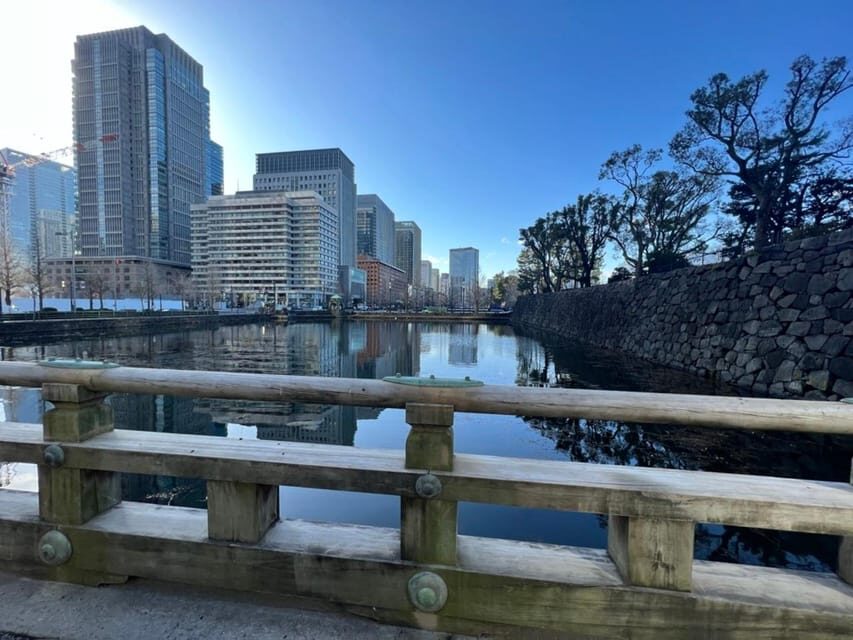
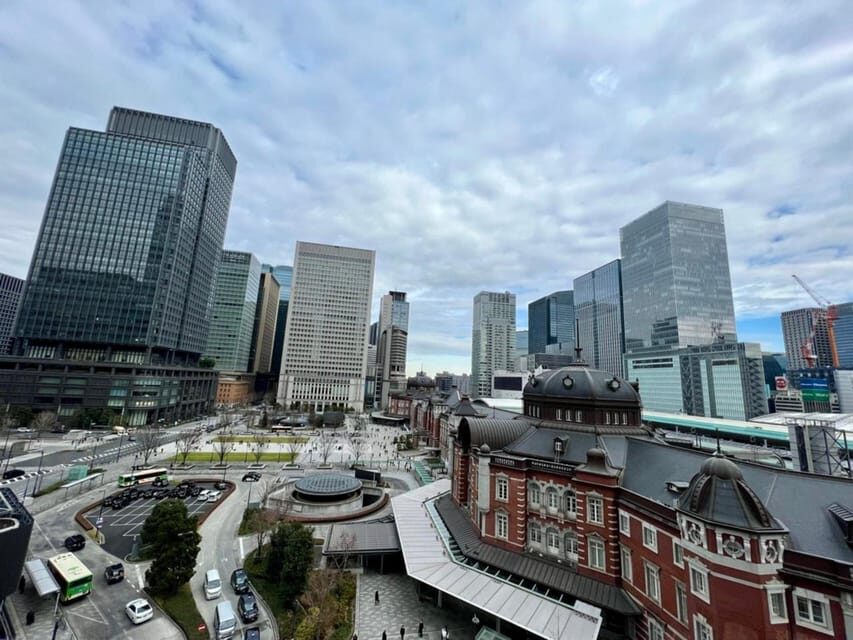
Next is KITTE Marunouchi, with about 15 minutes here. The standout detail in this stop is the view of Tokyo Station from the Japan Post building (KITTE). That’s valuable because it flips your perspective: instead of admiring Tokyo Station from street level, you see it through a more deliberate frame.
This is also the moment where the tour feels like it’s teaching you how to see, not just where to stand. Tokyo Station from above or from inside can look more like a designed centerpiece. It helps you notice symmetry, the way the station complex relates to surrounding corridors, and how the business district wraps around it.
Practical tip: if you’re into photos, take a quick look both from where you first enter and from a nearby vantage point. The tour gives you time, but you still want to spend your minutes smart.





Meiji Seimei Kan: a longer stop that rewards patient looking
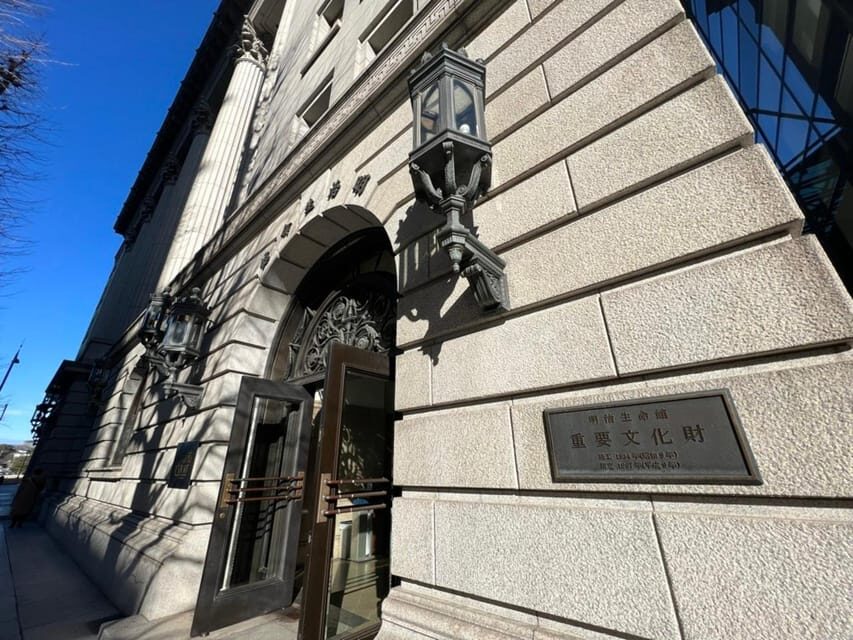
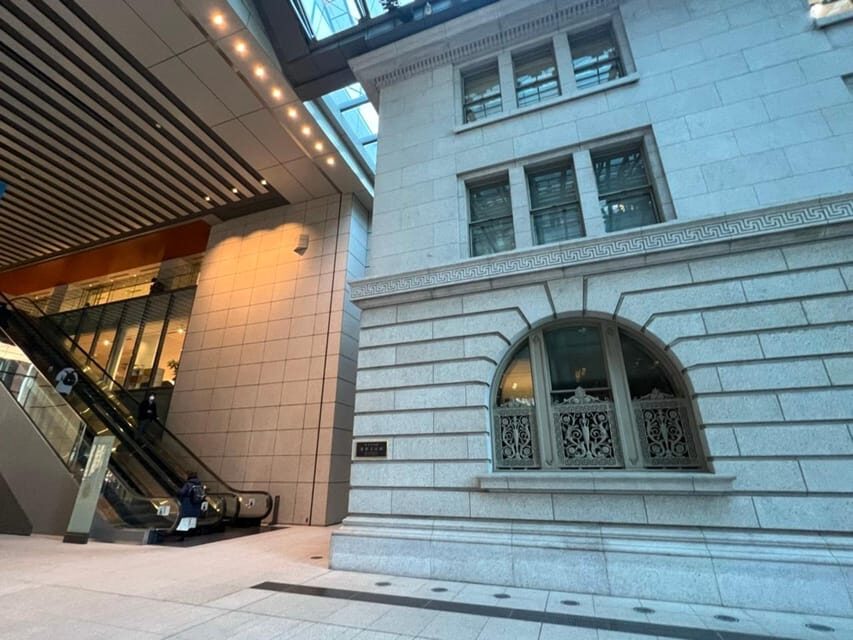
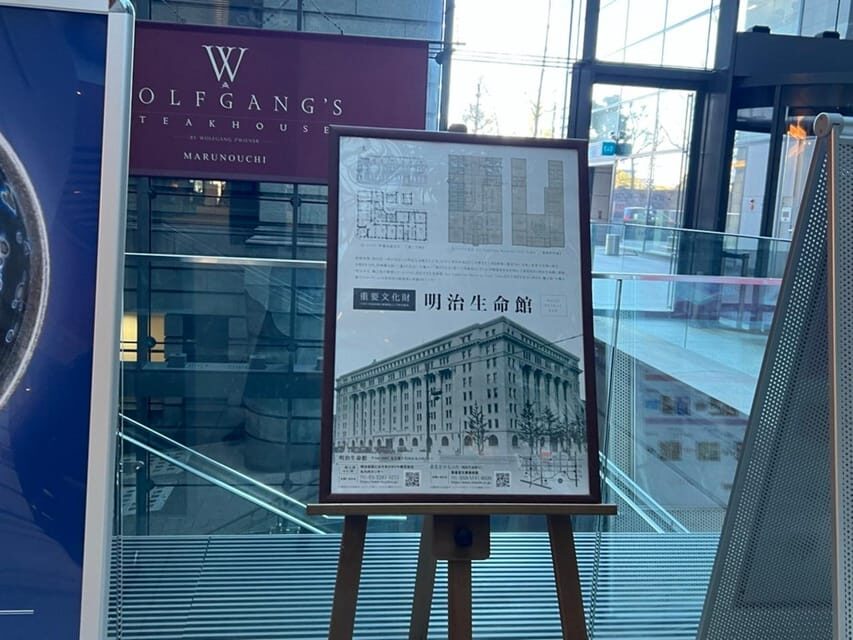
You’ll spend about 30 minutes at Meiji Seimei Kan. This is one of the longer segments, and that longer timing usually means the guide expects you to slow down and actually notice details.
Why I think this stop matters: it’s a change of pace from pure sightseeing. Meiji Seimei Kan adds a different architectural mood inside the same downtown zone. When a tour includes a full half-hour at a building like this, it usually means you’ll get context—how the building fits the era and why it’s still a recognizable part of Tokyo’s core city identity.
Another subtle benefit: with 30 minutes, you can step back, compare what you saw outside Tokyo Station, and then connect it to this building’s character. This is where you start to feel how Marunouchi’s old-meets-new planning plays out in physical form, not just in stories.
Nijubashi Bridge: the Imperial Palace moment that hits hardest
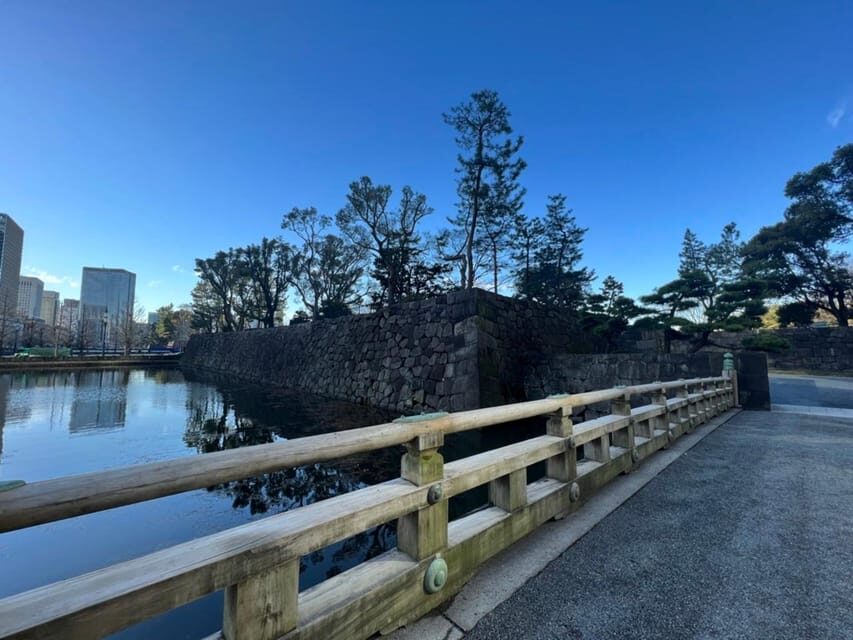
Then comes Nijubashi Bridge, with 30 minutes. This is the dramatic heart of the experience: the Front Gate area of the Imperial Palace. The bridge is iconic for a reason. From this viewpoint you feel the palace edge as more than a background—it becomes a focal point that anchors the whole walk.
The guide’s role here is especially important because the value isn’t only visual. Your guide explains the bridge’s storied history and connects the stone-and-iron structure to Japanese architectural tradition. Even if you’ve seen photos before, a live explanation helps the bridge make sense in a larger historical frame.
Practical consideration: this is the part where many visitors want photos. You’ll want to give your guide a moment to explain first, then shift for pictures. If you’re traveling with kids or teens, this is also a great stretch break—30 minutes helps everyone reset without the tour feeling rushed.
Sakuradamon Gate and the final stretch to Kasumigaseki
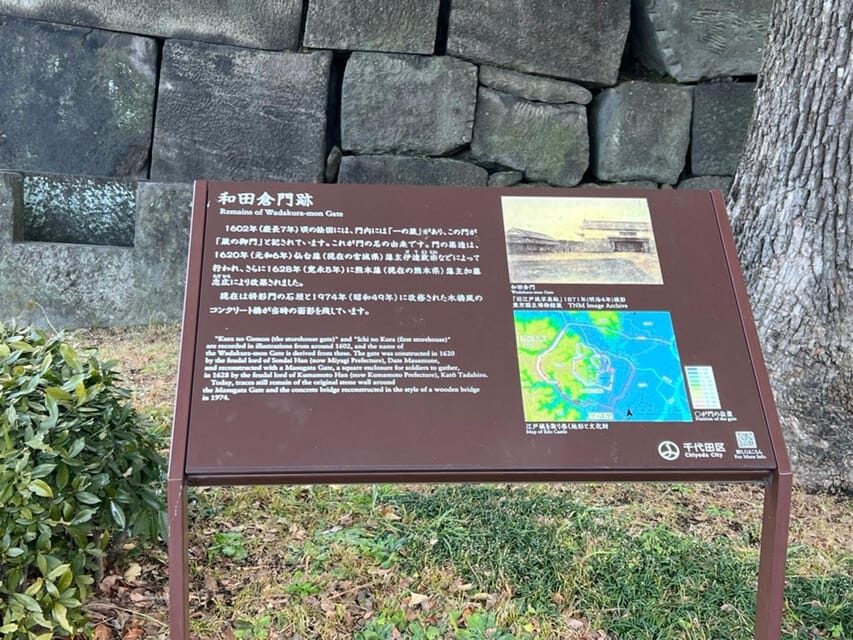
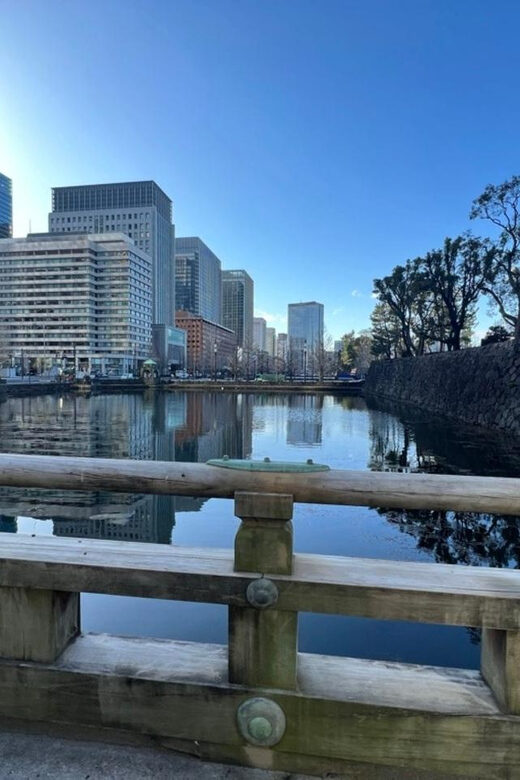
After Nijubashi, you’ll head to Sakuradamon Gate, with about 25 minutes. This completes the palace perimeter story from a different angle than the bridge area alone. It’s also a smoother transition into the end of the walk, because after this you finish at Kasumigaseki Station.
Finishing at Kasumigaseki is a practical choice. It’s close to the same city-core zone where many hotels and offices cluster, so it’s easier to keep moving after the tour. If you plan to grab dinner or continue exploring that side of the city, you’re not forced to backtrack all the way to Tokyo Station.
Imperial Palace outer gardens: what you see without needing special access
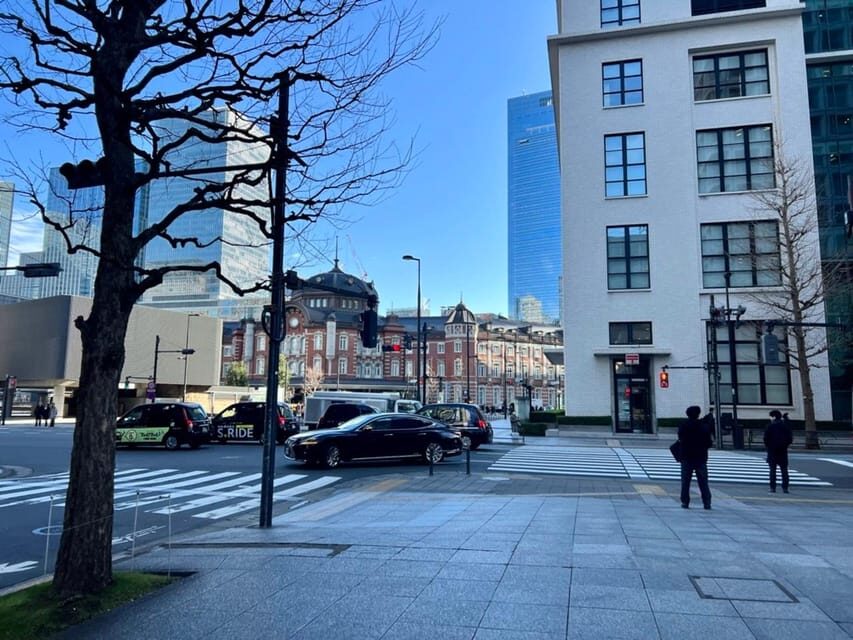
You’ll also get time at the Imperial Palace Outer Garden area, but in an outside, perimeter way. That matters because the Imperial Palace grounds can be confusing for first-time visitors. This tour helps you experience the key edges—where the views are strongest and the gates/bridges are the most meaningful—without you wandering around guessing what’s open, what’s nearby, and what route actually makes sense.
If your goal is calm, historical atmosphere at the city’s center, this portion delivers. You’ll get the contrast: busy Marunouchi energy to a more restrained palace-edge setting.
Price and value: is $49 for 2 hours a good deal?
At $49 per person for a 2-hour guided walk, you’re paying mainly for three things: a guide, a tight route plan, and timed stops at the right spots.
Here’s why the price can work well:
- Small group (max 4): fewer people means more direct attention. That’s often where walking tours justify their cost.
- Time at the best-photo and best-view points: you’re not spending that 2 hours wandering between landmarks.
- Context on what you’re seeing: the guide’s explanations at the palace areas and architecture stops add value beyond just location names.
Compared to self-guided wandering, the tour saves you effort figuring out where to go and helps you understand why these specific places matter. Compared to a bigger group tour, the smaller size often means the experience feels more personal.
If you’re traveling solo, a guided walk like this is also a great value because you can ask questions on the spot rather than relying on guesswork.
Who this tour suits best (and who should pick something else)
This tour is a strong match for:
- First-time visitors who want a clear orientation to Tokyo Station + Imperial Palace perimeter
- People staying near Marunouchi, Tokyo Station, or in the Chiyoda area
- Families with teens who still want history but need it explained in a way that stays fun—this is specifically praised in guide feedback
- Anyone who likes architecture and wants viewpoint changes, not just street-level walking
You might choose something different if:
- You’re expecting access inside the palace buildings (this is focused on outer areas, bridges, and gates)
- You need a slow, relaxed pace with lots of stop-and-sit time
Booking check: make sure the timing fits your day
Because the tour is 2 hours, think of it as a foundation block. Do it earlier in your Tokyo stay if possible. After this, you’ll understand how Tokyo’s core districts link together, so later exploring feels easier.
Also, plan around where you’ll be after. The tour ends at Kasumigaseki Station, so check your next activity location and transit route ahead of time.
Should you book this Tokyo Station to Imperial Palace walking tour?
I’d book it if you want an efficient, high-contrast walk through Tokyo’s most central landmarks, with a guide who’s praised for being flexible and for tailoring the experience to your group. The combination of Tokyo Station/MARUNOUCHI architecture, KITTE/Japan Post framed views, and the payoff at Nijubashi Bridge and Sakuradamon Gate makes this one of those tours that helps your whole day click into place.
Skip it only if you’re specifically hunting for palace interior access or you don’t enjoy walking between several major points within a short window.
FAQ
How long is the Tokyo walking tour around the Imperial Palace and Tokyo Station?
The tour lasts 2 hours.
What is the price per person?
The price is $49 per person.
Where do I meet the guide?
Meet in front of the Police Box near the Tokyo Station Marunouchi South Exit at 1-9-1 Marunouchi, Chiyoda-ku, Tokyo 100-0005.
What are the key places the tour includes?
The tour includes Tokyo Station, Marunouchi Building, KITTE Marunouchi, Meiji Seimei Kan, Nijubashi Bridge, Sakuradamon Gate, and time around the Imperial Palace Outer Garden.
How big is the group?
It’s a small group limited to 4 participants.
What languages are the guides?
The tour is offered with a live guide in Japanese and English.
Where does the tour finish?
The tour finishes at Kasumigaseki Station.
Tokyo on Foot: More Walks




More Tours in Tokyo


More Tour Reviews in Tokyo



Fresh reviews from around Tokyo






Walking Tours, compared.
 ★ 5.0Tokyo Tsukiji Fish Market Food and Culture Walking TourFrom $993,184 reviews
 ★ 4.9Shinjuku Local Bar and Izakaya Guided Walking TourFrom $341,794 reviews
 ★ 5.0Tsukiji Fish Market Food and Walking tourFrom $301,724 reviews
 ★ 4.8Asakusa Walking Tour with Sensoji Temple VisitFrom $221,583 reviews
 ★ 4.9Tsukiji Fish Market Guided Walking TourFrom $221,397 reviews
 ★ 4.7Tokyo Castle & Imperial PalaceーShogun Walking TourFrom $231,068 reviews
 ★ 4.9Imperial Palace Japanese History Walking TourFrom $32987 reviews
 ★ 4.7Dark Side of Tokyo Shinjuku Red Light Walking TourFrom $29862 reviews
Browse the lists this tour appears in