
Reviewed · GUIDED
Tokyo Small Group Tour with Guide
Tokyo feels big on day one. This small-group walking tour gives you the route and the context, not just a phone full of pictures. I especially like how the guide handles navigation and keeps the day moving at a sensible pace. I also like the mix of landmarks, from historic Asakusa temples to the fast-moving lights of Shibuya Crossing. One drawback: it’s a lot of walking, so comfortable walking shoes are non-negotiable.
You’ll start at 9:00 am at Starbucks Coffee – Kokyo Gaien Wadakura Fountain Park. The group max is 15 travelers, which makes it easier to hear answers and ask real questions as you go. Guides on this tour are often praised by name—Mary, Coral, Tomas, Daniel, and Suzana—so you can expect your commentary to be a big part of the value.
In This Review
- Key Things That Make This Tokyo Small-Group Tour Worth It
- Getting Your Bearings in Tokyo Without Playing Tour-Guide to Yourself
- Imperial Palace East Gardens and Nijubashi Bridge: The Start That Sets the Tone
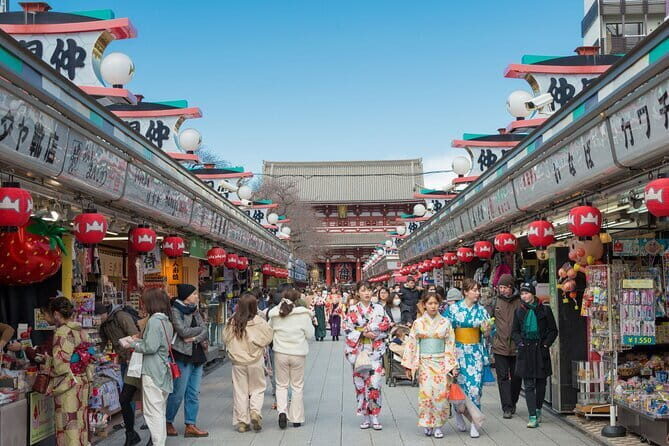
- Asakusa and Senso-ji Temple: Old Tokyo Energy on Nakamise-dori Street
- Harajuku Station: People-Watching With Cultural Translation
- Shibuya Crossing on Foot: The World’s Most Famous Crosswalk Moment
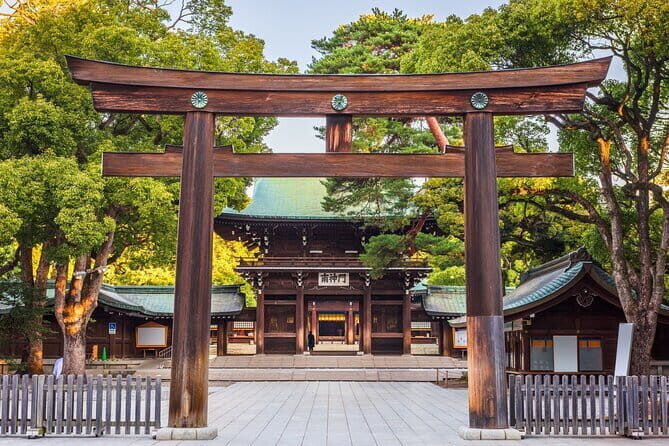
- Meiji Jingu Shrine: A Quiet Reset After the City Noise
- Guides Make or Break It: Why This Tour Feels Personal
- Walking Day Reality Check: How to Show Up Comfortable
- Price and Value: What You’re Really Paying for at $99
- When Weather Changes the Plan, You’ll Still Be Covered
- Should You Book This Tokyo Small-Group Tour?
- FAQ
- How long is the Tokyo Small Group Tour with Guide?
- How much does the tour cost?
- How many people are on the tour?
- Where do I meet the guide?
- What time does the tour start?
- Which stops are included?
- Are admission tickets included?
- Where does the tour end?
- Is the tour mostly walking?
- What happens if the weather is bad or I cancel?
Key Things That Make This Tokyo Small-Group Tour Worth It
- A tight 7–8 hour route that covers Imperial Palace, Asakusa, Harajuku, Shibuya, and Meiji Jingu
- Group size capped at 15 so you’re not just standing in a crowd listening to strangers
- Free admission listed for all the main stops, so you’re paying for time with a guide
- Photo-friendly “signature moments” like Nijubashi Bridge views and Shibuya Crossing at pedestrian pace
- Expect real walking—over 20,000 steps has happened on this kind of day for some groups
More days made easy by a guide
- Tokyo 6hr Private Tour with Government-Licensed Guide★ 5.0 · 3,902 reviews
- Tokyo: Shinjuku Local Bar and Izakaya Guided Walking Tour★ 4.9 · 1,794 reviews
- Tokyo: Private City Highlights Tour with Local Guide★ 4.8 · 1,433 reviews
Getting Your Bearings in Tokyo Without Playing Tour-Guide to Yourself
Tokyo can overwhelm you fast. Train transfers, station exits, and neighborhood names all blur together. This tour is built for the first-timer problem: you want to see key sights and understand what you’re looking at, without spending your morning planning.
The structure helps. You start in central Chiyoda, then work your way through East/old Tokyo, then onward into the trendier youth-and-shopping zones, and finally to Shibuya and a major shrine. In practical terms, that means fewer wasted minutes tracing directions and more minutes watching Tokyo do its thing.
Also, you’re not stuck with a huge herd. With a maximum of 15 travelers, you can move as a group and still hear explanations. That matters in Tokyo, where signage is everywhere but meaning isn’t always obvious if you don’t know what to notice.
Imperial Palace East Gardens and Nijubashi Bridge: The Start That Sets the Tone
Your tour kicks off at Starbucks Coffee – Kokyo Gaien Wadakura Fountain Park at 9:00 am. It’s a clear, easy meeting point, and it puts you in the right neighborhood to begin with the Imperial side of Tokyo.
The first major stop is the East Gardens of the Imperial Palace, tied to the Edo Castle Ruin area. This is where Tokyo’s modern city planning meets its older power structure. You’ll spend about an hour here, and one highlight is the views from Nijubashi Bridge.
What I like about starting here is the pacing. You go from the meet point into open space and calmer visuals before traffic noise and crowds take over later. If you’re the kind of traveler who likes to understand how Tokyo’s story is organized (instead of just checking boxes), this opening stop gives you a framework. It’s also a good place to learn the difference between what you see in a garden and what that setting used to mean historically.
Keep in mind: even though the garden stop is shorter, you’ll still walk to viewpoints and move with the group. Wear shoes you can walk in all day, not just “today shoes.”
Asakusa and Senso-ji Temple: Old Tokyo Energy on Nakamise-dori Street
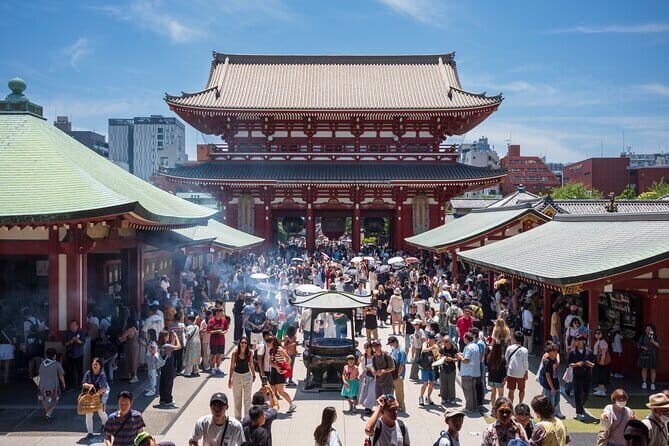
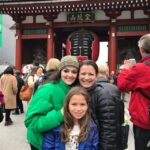
Next comes Asakusa, and it’s one of the best choices for an orientation day. The center of gravity here is Senso-ji, described as Tokyo’s oldest Buddhist site, and it lives up to that label with sheer atmosphere.
You’ll spend about 3 hours in this area, including a walk down Nakamise-dori, one of Asakusa’s most lively street corridors. This is where you’ll notice the contrast that makes Tokyo fun: faith and tradition in the same frame as modern tourist habits—people taking photos, families strolling, and shops doing their thing.
This stop works particularly well with a guide because the questions you’ll have are easy but hard to answer alone: Why this style? Why this place? What should you pay attention to when you’re standing right in front of the temple?
If you like cultural context, this is where it pays off. Some guides are praised specifically for explaining customs and belief systems in a way that makes you feel like you understand what you’re seeing. In Asakusa, that kind of explanation turns a temple visit from sightseeing into understanding.
Admission is listed as free for this stop, which is a nice bonus. You still spend real time here, though, so treat it like a real block on your day—not a quick photo stop.
Harajuku Station: People-Watching With Cultural Translation

After Asakusa, you head toward Harajuku Station for about 1 hour 30 minutes. Harajuku is famous for fashion, music, and youth culture energy. The tour keeps it practical: you get time to wander around the area without feeling like you’re trapped in a long line or stuck at a single viewpoint.
This is also a good spot for your guide to add meaning. Without guidance, Harajuku can be mostly an image stream. With guidance, you start noticing how styles, street behavior, and local identity show up in the everyday flow of the neighborhood.
I like that this portion of the day doesn’t try to be everything at once. You’re not expected to shop for hours. Instead, you get time to observe and snap photos, then move on. That helps if you have limited energy or you want the day to stay balanced.
Admission is listed as free here too, so your cost is really about your guide time and the walking route that gets you from one iconic zone to the next.





Shibuya Crossing on Foot: The World’s Most Famous Crosswalk Moment
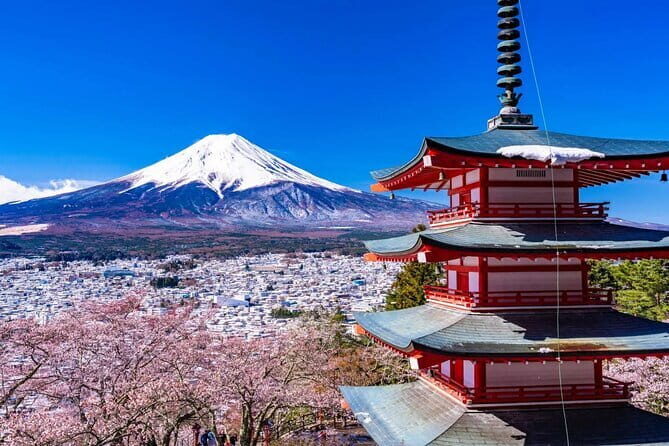
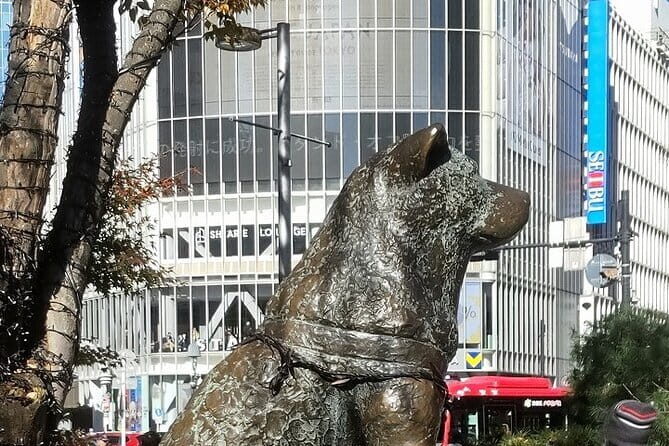
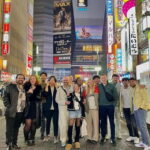
Then you hit Shibuya Crossing, one of Tokyo’s most recognizable scenes. You’ll spend about 30 minutes here, and the tour ends at Shibuya Station after watching the crossing in action.
Even with only half an hour, this stop can feel like a full event. The crossing is all about timing: you watch the crowd pulse as the pedestrian signals change. It’s a great break in the tour because you’re not just walking—you’re observing how the city manages movement at high speed.
A practical note: Shibuya is crowded. You’re doing this on a guided schedule, but you still need to be ready for dense foot traffic and lots of camera phones. Keep moving with the group, and don’t get stuck filming for 20 minutes when the light shifts.
Also, plan for a full day by the time you reach Shibuya. Some groups end up at very high step counts by late afternoon, and this stop is often part of that total. Comfortable shoes pay off again.
Meiji Jingu Shrine: A Quiet Reset After the City Noise
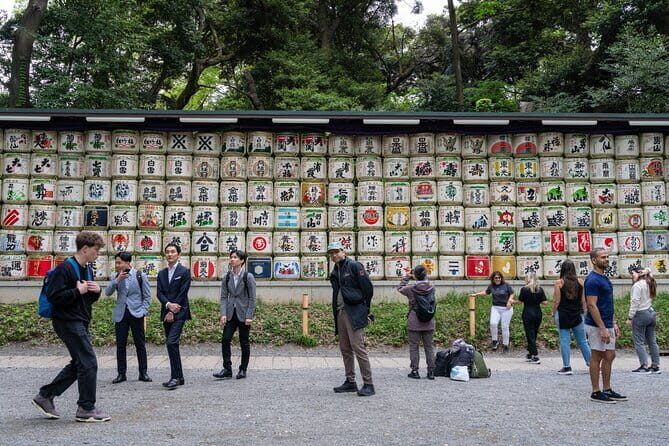
The last big sightseeing stop is Meiji Jingu Shrine, about 1 hour 30 minutes. It’s described as the most famous Shinto shrine, and the experience tends to feel like a reset after the urban buzz.
This is where your guide’s commentary matters again. Shrine visits aren’t just about buildings and photos. You want to understand what the place is for, how people behave there, and what the key elements represent. Some guides on this tour are praised for explaining customs and beliefs in plain language, which helps you feel respectful and not clueless.
Meiji Jingu also gives your legs a different kind of pacing. It’s still walking, but it feels less like a street crawl and more like moving through a dedicated space. If you’re trying to end your orientation day with a calm, memorable contrast, this is a strong closer.
Admission is listed as free here as well. That’s part of what makes the pricing feel fair: a guided day with multiple major stops, without stacking entrance fees.
Guides Make or Break It: Why This Tour Feels Personal
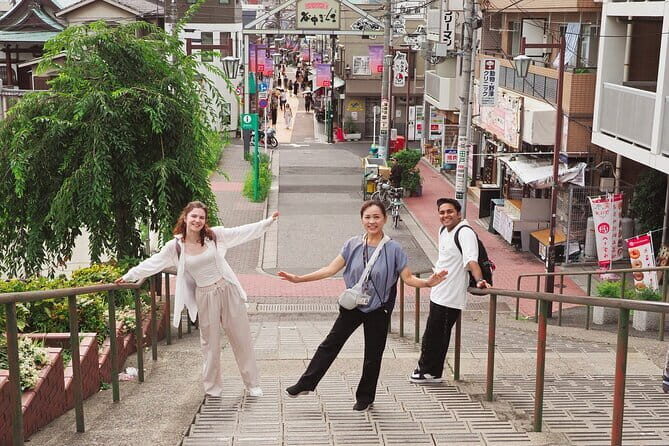
The headline for this experience is small-group touring with a hand-picked guide. But what that means on the ground is simple: you’re walking with someone who can interpret Tokyo, not just point at it.
Different guide names pop up in positive feedback—Mary, Coral, Tomas, Daniel, and Suzana—and the common thread is the way they connect history and daily life. Some guides are praised for going above and beyond, and others for giving background that turns a list of sights into a story about Japan itself.
I especially value guides who explain customs and belief systems. In a country where daily etiquette can look subtle to outsiders, a short explanation can change how you experience a whole stop. You’re not guessing. You’re understanding what you’re looking at.
And because the group max is 15, you’re more likely to get attention if you ask a question that pops up in the moment. That’s not guaranteed on every group tour.
Walking Day Reality Check: How to Show Up Comfortable
This is not a sit-and-watch tour. It’s a walking route with a considerable amount of walking and a requirement for moderate physical fitness.
One practical datapoint from this kind of day: over 20,000 steps has happened for a group. That doesn’t mean you’ll all hit that exact number, but it does mean you should plan your day like you’re going to earn your photos.
What you can control:
- Wear comfortable walking shoes
- Be ready for long standing and street movement in crowded areas like Shibuya
- Keep your energy for the late stops; Shibuya and Meiji Jingu both come after you’ve been walking a while
Also, the tour is marked as near public transportation, but you’ll still walk between neighborhoods as part of the design.
If you’re someone who wants minimal walking or you struggle with long distances on foot, this may not be the best fit.
Price and Value: What You’re Really Paying for at $99
At $99 per person, this tour isn’t “cheap,” but it also isn’t just buying entry tickets. Your money covers a hand-picked expert guide and the efficiency of having someone else do the navigation and sequencing.
The value sweet spot is this:
- Multiple major landmarks across very different parts of Tokyo
- Listed admission as free at the key stops
- A group capped at 15, which usually means better interaction than big-bus touring
If you planned this yourself, you’d still spend time figuring out where to go, how to connect neighborhoods, and what to notice once you arrive. This tour sells you a shortcut through all that friction. The guide commentary is the part that tends to feel worth it most, especially if it’s your first time in Japan.
So yes, $99 is a fair price for a guided day that hits the big-name sights in a logical order—without piling on admission costs.
When Weather Changes the Plan, You’ll Still Be Covered
Tokyo’s weather can swing. This tour requires good weather. If it’s canceled due to poor conditions, you’ll be offered a different date or a full refund. That’s exactly the kind of policy you want for a walking tour.
Because your start time is fixed at 9:00 am, it’s smart to pick a day when you’re not already committed to something else later. A flexible afternoon helps.
Should You Book This Tokyo Small-Group Tour?
I’d book this if you’re:
- In Tokyo for a short time and want an efficient orientation day
- A first-time visitor who likes explanations, not just photos
- Comfortable with a full day of walking and want key highlights in one go
- Interested in both old Tokyo (Asakusa, Senso-ji) and modern Tokyo (Harajuku, Shibuya Crossing)
I might skip it if you:
- Want a lighter, low-walking experience
- Have limited stamina for an all-day route
- Prefer to wander without any structured stops
If you’re on the fence, remember what this tour is best at: reducing planning stress while still giving you meaningful context at each stop.
FAQ
How long is the Tokyo Small Group Tour with Guide?
The tour runs about 7 to 8 hours.
How much does the tour cost?
It costs $99.00 per person.
How many people are on the tour?
The group is limited to a maximum of 15 travelers.
Where do I meet the guide?
Meet at Starbucks Coffee – Kokyo Gaien Wadakura Fountain Park, 3-1 Kōkyogaien, Chiyoda City, Tokyo 100-0002, Japan.
What time does the tour start?
The start time is 9:00 am.
Which stops are included?
You’ll visit the East Gardens of the Imperial Palace, Asakusa (Senso-ji area), Harajuku Station, Shibuya Crossing, and Meiji Jingu Shrine.
Are admission tickets included?
Admission is listed as free for the listed stops.
Where does the tour end?
The tour ends at Shibuya Station (after watching Shibuya Crossing).
Is the tour mostly walking?
Yes. There is a considerable amount of walking, and comfortable walking shoes are strongly recommended.
What happens if the weather is bad or I cancel?
The tour requires good weather. If it’s canceled due to poor weather, you’ll be offered a different date or a full refund. You can cancel for a full refund up to 24 hours before the experience starts.
Easier with a Guide

More Tours in Tokyo

More Tour Reviews in Tokyo



Fresh reviews from around Tokyo






Guided, compared.
 ★ 5.0Tokyo 6hr Private Tour with Government-Licensed GuideFrom $1553,902 reviews
 ★ 4.9Shinjuku Local Bar and Izakaya Guided Walking TourFrom $341,794 reviews
 ★ 4.8Private City Highlights Tour with Local GuideFrom $1061,433 reviews
 ★ 4.9Tsukiji Fish Market Guided Walking TourFrom $221,397 reviews
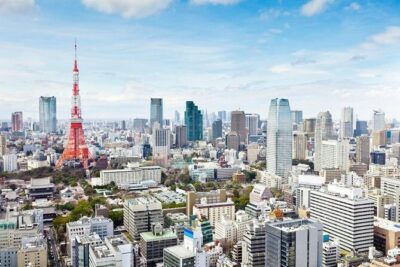 ★ 5.0Tokyo 4hr Private Tour with Government-Licensed GuideFrom $1091,394 reviews
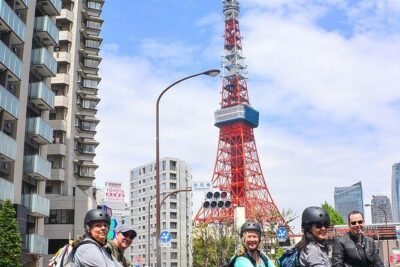 ★ 5.0Tokyo Guided Small-Group Biking TourFrom $1061,250 reviews
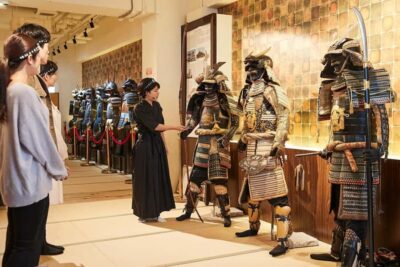 ★ 4.6Samurai Ninja Museum Guided tour and ExperienceFrom $271,010 reviews
 ★ 5.0Tsukiji Fish Market Guided Tour and Sushi Making with Pro ChefFrom $104775 reviews