
Reviewed · FOOD & DRINK
Authentic Japanese tea tasting session: sencha, matcha, gyokuro
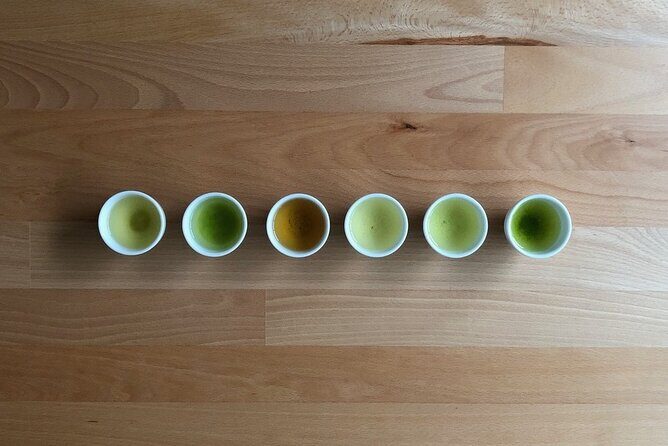
Japanese tea tasting can feel simple until you taste it side by side. In this small Tokyo session at ShiZen Tea Experience, you’ll sample a lineup of 12 Japanese teas and learn what makes styles taste different, including sencha, matcha, and gyokuro. I love how the format turns a confusing menu into clear comparisons you can actually remember.
Second, I like that the host, Yosuke, keeps it practical: you get guidance on how each tea is made and why grades exist, and you’ll use a handout to track what you’re noticing. One possible drawback: this is built around tasting and each cup may include caffeine, so if you’re sensitive, tell them before the session.
In This Review
- Quick hits you’ll care about
- Where ShiZen Tea Experience fits into your Tokyo day
- A tasting class, not a formal tea ceremony
- What Yosuke’s approach does for your tasting notes
- Sencha, matcha, gyokuro: the three anchors of your flavor map
- Daily tea vs premium tea: how to notice what your money buys
- Regional and historical context that helps you shop in Tokyo
- Timing, group size, and how to prepare for the best experience
- Price and value for $90.80 in a premium tea world
- Should you book this tea tasting?
- FAQ
- What types of Japanese tea will I taste?
- Is this experience a tea ceremony?
- How long is the tea tasting session?
- Where is the meeting point in Tokyo?
- How big is the group?
- If I’m sensitive to caffeine, what should I do?
Quick hits you’ll care about
- Small-group experience (max 4) means more Q&A and time to ask why a tea tastes the way it does
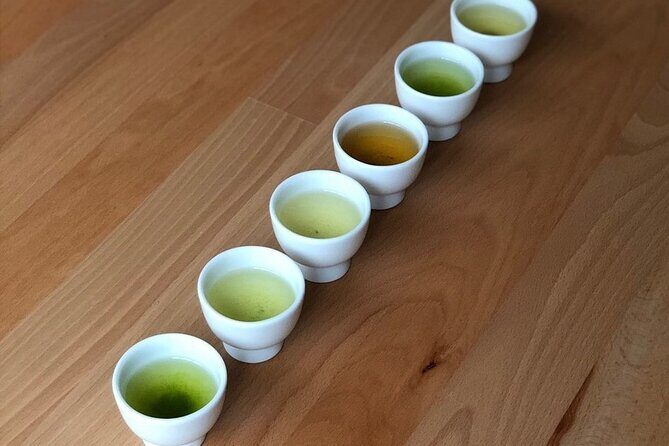
- 12-tea tasting lineup helps you compare everyday styles against higher-end premium teas
- Not a tea ceremony: this is production, history, and flavor-focused
- Temperature and plantation clues are part of the learning, so you understand what affects the cup
- A multi-page handout helps you keep notes during the tasting
Other plates worth crossing Tokyo for
- Tokyo: Shinjuku Food Tour (13 Dishes at 4 Local Eateries)★ 5.0 · 6,603 reviews
- Tokyo Tsukiji Fish Market Food and Culture Walking Tour★ 5.0 · 3,184 reviews
- Tokyo: Shinjuku Food Tour (15 Dishes and 4 Eateries)★ 4.9 · 2,033 reviews
Where ShiZen Tea Experience fits into your Tokyo day
This starts at ShiZen Tea Experience in Koto City (Morishita): 2-chōme-283 森下TMマンション 202. The session time is 1:30 pm, and it ends back at the meeting point, so it’s easy to slot in between other plans without guessing where you’ll end up.
You’ll also get a mobile ticket, which cuts down on fumbling with paper confirmations. And with a maximum of 4 travelers, the pace is calmer than big group tastings, which matters when the guide is explaining production details while you’re sipping.
Tip: since this is close to public transportation, I’d plan to arrive a little early so you’re not rushing. Tea doesn’t reward stress.
A tasting class, not a formal tea ceremony
The big promise here is clear: you’re not doing a choreographed tea ceremony. Instead, you’re focused on taste, how tea is produced, and the history behind the styles you sample.
That changes the whole feel. You can expect more “why this tastes different” than “how to perform it.” And because the lineup includes both daily and premium options, you’ll see how the price connects to what ends up in your cup.
Also, the session is designed to make comparisons natural. When you taste several teas in sequence, you stop thinking of green tea as one thing. It becomes a spectrum—different leaf styles, different processing choices, different flavor directions.
What Yosuke’s approach does for your tasting notes
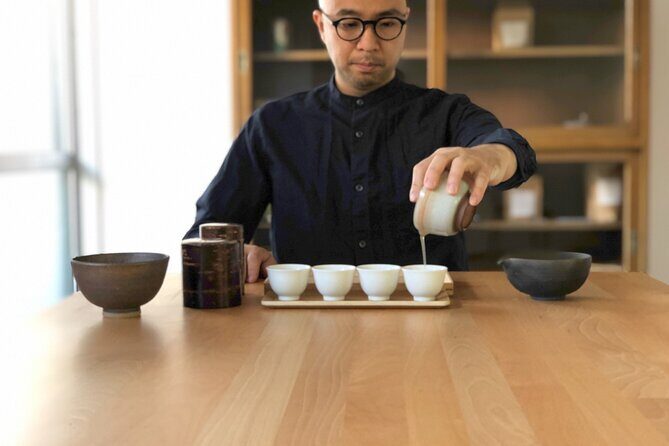
You’ll want an organizer at your table, not a lecture from across the room. The host, Yosuke, runs a structured, methodical tasting, and you can feel that in how each cup is prepared and explained.
One standout learning tool is the handout—a multi-page guide you can follow as each tea is served. It’s the kind of thing that helps you keep your brain from going blank halfway through, especially if you’re new to Japanese green tea.
You’ll also get practical pointers tied to the tea itself, like the temperature used for each style and where the tea is grown. Those details matter because tea flavor changes when temperature and leaf source change. It’s not just about “quality” in the abstract.
If you like wine tastings, this will feel familiar in the best way: small samples, guided observation, and time to ask questions.
Sencha, matcha, gyokuro: the three anchors of your flavor map
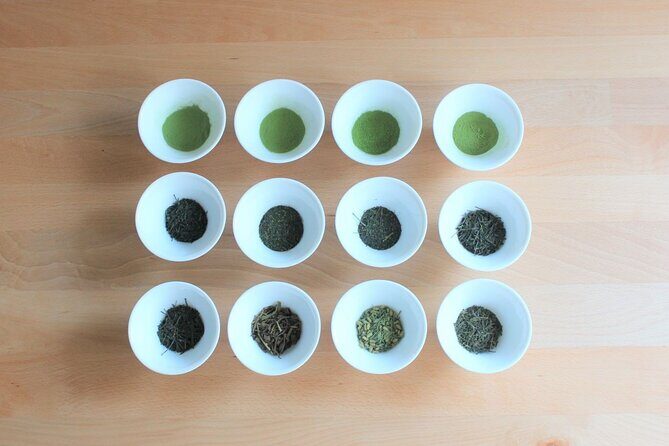
Even if you don’t know Japanese tea terminology yet, the session gives you anchors. Sencha, matcha, and gyokuro are part of the tasting focus, and they’re useful because they represent different production paths.
Sencha is the daily workhorse for many green tea drinkers. It often feels bright and grassy, with a balance that can go from gentle to assertive depending on grade. In a guided comparison setting, sencha helps you calibrate what “normal” green tea taste can be.
Matcha is different because of how it’s made and consumed. Instead of steeping whole leaves and drinking the liquor, matcha involves grinding shade-grown tea into a fine powder and mixing it into water. The experience gives you a way to connect that process to the cup’s texture and flavor character.
Gyokuro sits in the premium conversation for good reason. It’s known for a softer, richer direction compared with many everyday green teas, and it often highlights sweetness-like notes alongside umami. When you taste it in sequence with other styles, you start to understand why “premium” isn’t just marketing.
You’ll learn the production logic and history behind these types, and that turns your memory from vague to specific. Next time you see “sencha grade,” “gyokuro,” or “ceremonial vs culinary matcha,” you’ll have a framework to interpret it.





Daily tea vs premium tea: how to notice what your money buys
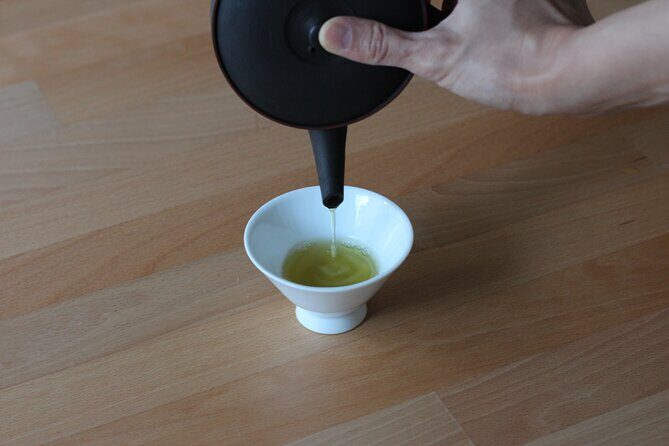
One of the smartest moves in this tasting is the mix of everyday and premium tea at the same time. That lets you compare what changes when quality rises, instead of asking your palate to guess after the fact.
Premium teas you might not find everywhere, including options that are special even for locals, are part of the program. The point isn’t to brag about rarity. It’s to show how leaf selection, processing choices, and handling practices can shape aroma, bitterness, sweetness-like tones, and the lingering aftertaste.
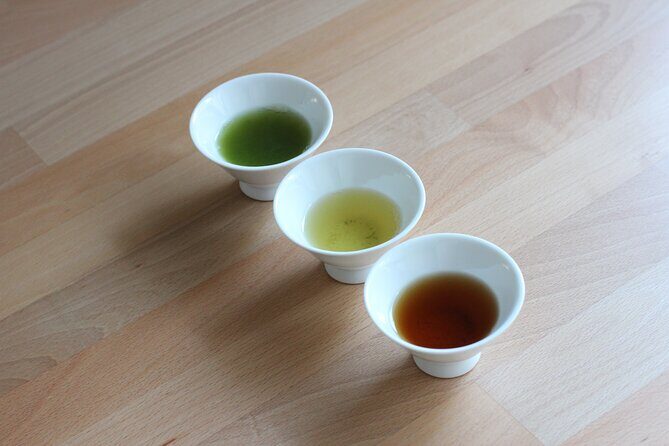
When you taste lower-priced daily teas next to higher-end ones, you’ll likely notice differences in:
- how clean or rounded the flavor feels
- how quickly bitterness shows up (or doesn’t)
- how long the tea flavor stays after swallowing
Don’t worry if you can’t label everything. The guided format helps you build instincts, and the handout helps you connect words to flavors as you go.
Regional and historical context that helps you shop in Tokyo
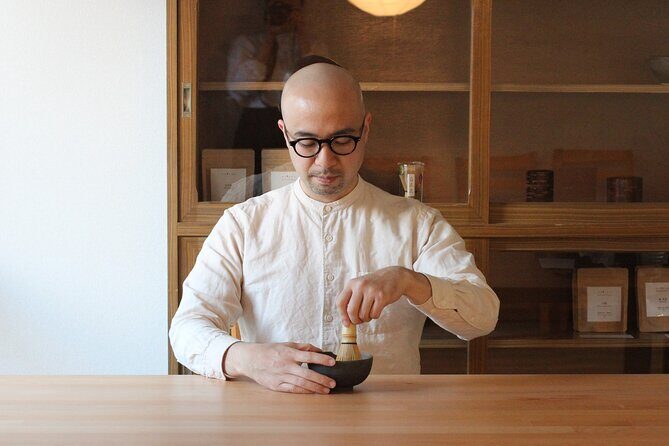
This session doesn’t treat tea as a bottled curiosity. It ties what you drink to how it’s made and its historical background, including how different production choices create different styles.
You’ll also get regional context, like the idea that growing locations and cultivation methods affect the tea you end up steeping. Even without knowing the Japanese tea geography cold, you’ll learn what kinds of clues matter when reading labels or asking for recommendations in tea shops.
The practical payoff: after this, you should be able to walk into a Tokyo tea counter and talk in terms that make sense. Instead of saying, I like green tea, you’ll have more specific preferences you can name—such as wanting a softer, sweeter direction, or liking a crisp, straightforward style.
That’s a big deal in a city where menus can feel overwhelming. This tasting gives you a private cheat sheet, without you having to memorize a textbook.
Timing, group size, and how to prepare for the best experience
The session runs about 1 hour 30 minutes, and that’s a good length. Long enough to get through multiple teas with explanations, short enough that you won’t feel exhausted halfway.
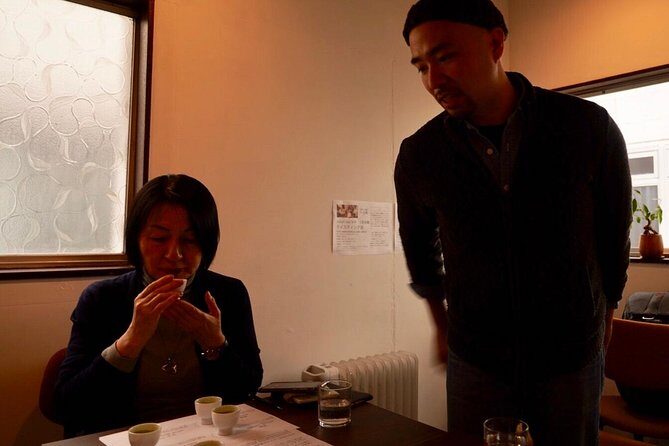
With a max group of 4, you’ll get attention. That’s especially helpful if you’re the type who asks questions when you’re curious. The host answers questions and keeps the flow organized, so your questions don’t derail the class.
About caffeine: the organizer asks you to inform them if you’re caffeine sensitive before the session. If you’re sensitive, this is your chance to adjust your plan around it. Tea tastings are usually small samples, but caffeine sensitivity is personal, so it’s smart to mention it.
What to bring? Just your appetite for learning. You don’t need special gear. Do come with an open mind, because tea people love to talk about tiny differences, and the best part is learning how those differences add up.
Price and value for $90.80 in a premium tea world
At $90.80 per person for about 90 minutes, this isn’t bargain-basement tourism. The value comes from what you’re buying: guided sampling of multiple tea types, production and history explanations, and structured tasting support via a handout.
Think of it as paying for a translator between the tea world and your palate. If you were to buy a similar number of teas on your own, you’d likely spend money quickly and still feel unsure what you were tasting.
The timing also suggests demand. It’s commonly booked about 16 days in advance, which hints that people plan this into their Tokyo schedule and don’t want to gamble on last-minute availability.
If you enjoy food education—like wine tastings, chocolate workshops, or hands-on market lessons—this usually fits your style. If you mainly want sight-seeing and you’re not that into learning by sipping, you might find it less satisfying.
Should you book this tea tasting?
Book it if you want a clear, practical introduction to Japanese tea. You’ll get a guided comparison across multiple styles, including sencha, matcha, and gyokuro, plus premium options that show you what higher grades actually taste like. The small max-4 group and the organized Yosuke-led approach make it easy to ask questions without feeling rushed.
Skip it if you’re looking for a traditional tea ceremony experience with strict etiquette and performance. This one is taste-and-process focused, not ceremony theater.
One last decision check: if you’re caffeine sensitive, message the organizer beforehand. If you’re not sure how you’ll react, plan your afternoon accordingly. Tea is delicious, but your body sets the rules.
FAQ
What types of Japanese tea will I taste?
You’ll taste multiple Japanese teas focused on green tea, including sencha, matcha, and gyokuro. The session is designed around tasting 12 different types.
Is this experience a tea ceremony?
No. It’s not a tea ceremony. It’s focused on taste, how the tea is produced, and its history.
How long is the tea tasting session?
It lasts about 1 hour 30 minutes.
Where is the meeting point in Tokyo?
You meet at ShiZen Tea Experience, 2-chōme-283 森下TMマンション 202, Koto City, Morishita, Tokyo 135-0004.
How big is the group?
The experience has a maximum of 4 travelers.
If I’m sensitive to caffeine, what should I do?
Inform the organizer before the session if you’re caffeine sensitive.
Eat Your Way Round Tokyo



More Tour Reviews in Tokyo



Fresh reviews from around Tokyo






Food & Drink, compared.
 ★ 5.0Shinjuku Food Tour (13 Dishes at 4 Local Eateries)From $866,603 reviews
 ★ 5.0Tokyo Tsukiji Fish Market Food and Culture Walking TourFrom $993,184 reviews
 ★ 4.9Shinjuku Food Tour (15 Dishes and 4 Eateries)From $852,033 reviews
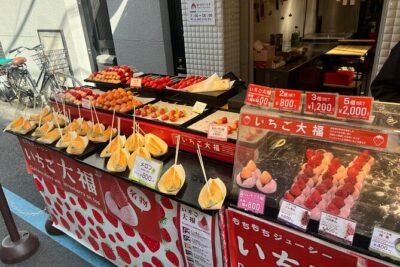 ★ 5.0Tsukiji Fish Market Food and Walking tourFrom $301,724 reviews
 ★ 5.0Eat and Drink Like a Local: Tokyo Ueno Food Tour-Taverns&RamenFrom $95957 reviews
 ★ 5.0Shibuya Food Tour (13 dishes and 4 Eateries)From $77770 reviews
★ 4.7Tsukiji Fish Market Food and Culture Walking TourFrom $96757 reviews
★ 5.0Shibuya Food Tour (13 dishes and 4 Eateries)From $77770 reviews
★ 4.7Tsukiji Fish Market Food and Culture Walking TourFrom $96757 reviews
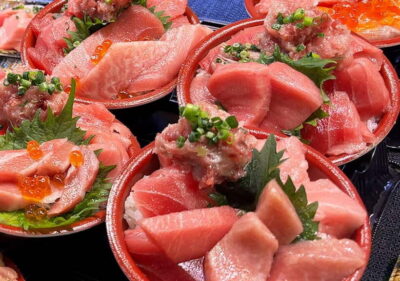 ★ 5.0Tsukiji Fish Market: Street Food & Culture Walking TourFrom $33669 reviews
Browse the lists this tour appears in