
Reviewed · MT FUJI DAY TRIPS
Private Car Tour to Mt. Fuji Lake Kawaguchiko or Hakone
Fuji looks simple on a postcard. It is not. I love how this is a private, guided day built around the best Fuji angles, and I love the mix of shrines, lakes, and optional Aokigahara caves for a day that feels more like Japan than a checklist. The only real drawback: if clouds move in or roads get jammed, you may have to adapt fast and sometimes the peak is shy.
What makes it work for you is the structure plus choice. This is a customizable day (you pick about 4 to 6 sites from a long menu), with hotel pickup/drop-off, an air-conditioned minivan, and a local guide who can adjust timing as the weather and crowds shift. On the flip side, this is not a stop-the-clock tour: you’ll want to show up ready to trade a little spontaneity for better positioning.
In This Review
- Key things that make this Fuji-and-Hakone day worth your time
- How a Private Car Day Around Fuji Cuts the Stress Fast
- Choosing Kawaguchiko or Hakone: Two Different Moods, Same Fuji Energy
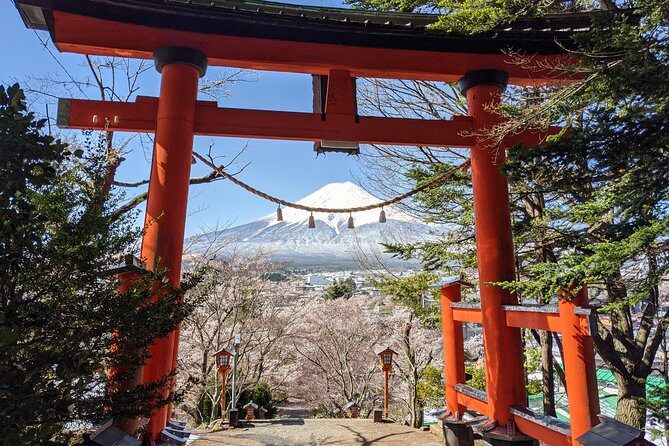
- Arakura Sengen Shrine and the Chureito Pagoda Fuji Frame
- Five Lakes and the Kawaguchiko Core: Where Fuji Shows Up Most
- Aokigahara Caves: The Darker, Stranger Side of the Fuji Region
- Mt. Fuji 5th Station: Worth Considering, But Time-Sensitive
- Lake Views From the Ropeway, Plus Oshino’s Street-Food Magic
- If You Choose Hakone: Ropeway, Owakudani, Shrine, and Lake Ashi
- Seasonal Swaps: Flowers, Strawberries, Gems, Wineries, and Shiraito Falls
- Price and Logistics: What You’re Actually Paying For
- Should You Book This Private Fuji and Hakone Day?
- FAQ
- How long is the Mt. Fuji Lake Kawaguchiko or Hakone private tour?
- How many people can be in a group?
- Where is pickup and drop-off provided?
- Is Mt. Fuji 5th Station included?
- Which stops are free versus ticketed?
- Can I choose between the Kawaguchiko route and the Hakone route?
- Can the itinerary be customized?
- Are entrance fees, meals, and lunch included?
- What should I know before going to hot springs if my plan includes them?
- What happens if weather affects visibility of Mt. Fuji?
Key things that make this Fuji-and-Hakone day worth your time
- Private group of up to 8 with hotel pickup, drop-off, and one bottled water per person
- Arakura Sengen Shrine + Chureito Pagoda views, designed for the classic Fuji framing
- Lake Kawaguchiko and Oshino Hakkai stops that give you both lakeside vibes and historic Fuji spring ponds
- Aokigahara cave options (Ice Cave, Wind Cave, Bat Cave) for a totally different side of the Fuji region
- Hakone add-on flexibility: Hakone Ropeway, Owakudani, Lake Ashi cruise, and a Hakone shrine stop
- Seasonal choices in Yamanashi like moss phlox, fruit tastings, flowers, and waterfalls (based on timing)
Other routes to the mountain, compared
- Mt Fuji & Hakone Cruise, Drum Show Bullet Train 1 Day from Tokyo★ 4.0 · 7,413 reviews
- Tokyo Mt Fuji 5th St & Hakone Cruise Bus Tour w/Bullet Train★ 4.4 · 5,024 reviews
- From Tokyo: Mount Fuji Full-Day Sightseeing Trip★ 4.5 · 4,970 reviews
How a Private Car Day Around Fuji Cuts the Stress Fast
A Fuji trip from Tokyo sounds straightforward until you hit real life: transfers, waiting lines, and the nagging worry that you’ll miss the mountain because you chose the wrong connection. This private format removes a lot of that friction. You get round-trip transport in an air-conditioned minivan and a guide to handle the order of stops so you’re not constantly asking where to go next.
The best part is pacing. You’re not locked into a rigid script of “arrive, photo, depart.” Instead, you can shape your day around what matters: classic views, quiet viewpoints, nature stops, or themed side trips. I also like that you’re given a mobile ticket and a professional local team, since day trips depend on smooth logistics as much as they depend on sights.
One thing to keep in mind: this is a long day (about 10 to 11 hours). That’s normal for getting out to Fuji and staying long enough to enjoy multiple areas, but plan on a calm start, comfortable shoes, and a jacket. The region can feel cooler near lakes and around caves.
Choosing Kawaguchiko or Hakone: Two Different Moods, Same Fuji Energy
This experience is built around either the Mt. Fuji + Lake Kawaguchiko area or Hakone. They feel different, and your choice should match your travel style.
If you want Fuji-focused scenery, lakes, and that postcard feeling, you’ll lean Kawaguchiko. Think shrine lookouts, flower seasons, and pond scenery like Oshino Hakkai. It’s the “watch Fuji, then explore Fuji culture” approach.
If you want more variety and that volcanic-meets-art vibe, Hakone is the move. You can add the Hakone Ropeway, go to Owakudani for volcanic views and famous black eggs, and cruise Lake Ashi (including an option that resembles the pirate ship style). Then you can finish with shrines, parks, and even Odawara’s castle area.
Either way, the tour’s strength is that you’re not forced into a single flavor. You select around 4 to 6 sites from the available list, and the guide can help you pick the mix that fits your timing and weather.
Arakura Sengen Shrine and the Chureito Pagoda Fuji Frame
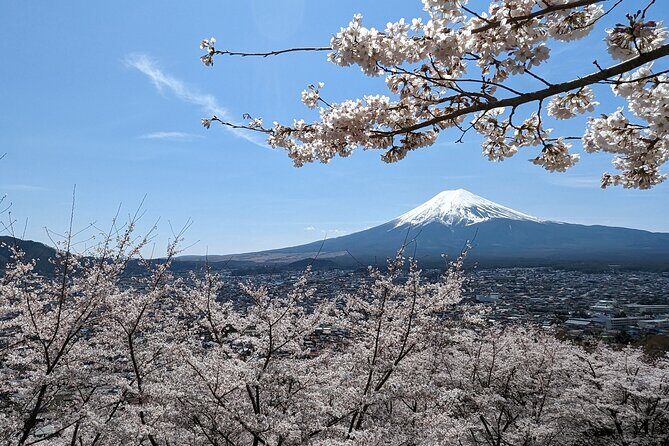
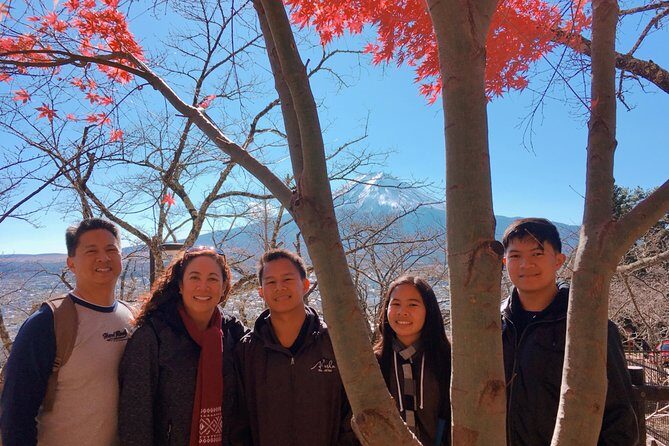
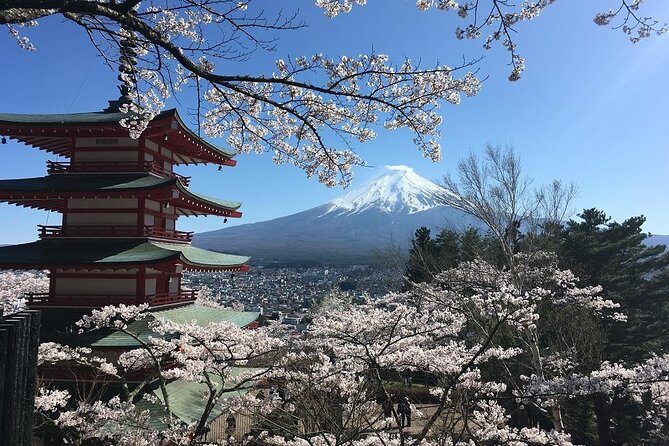
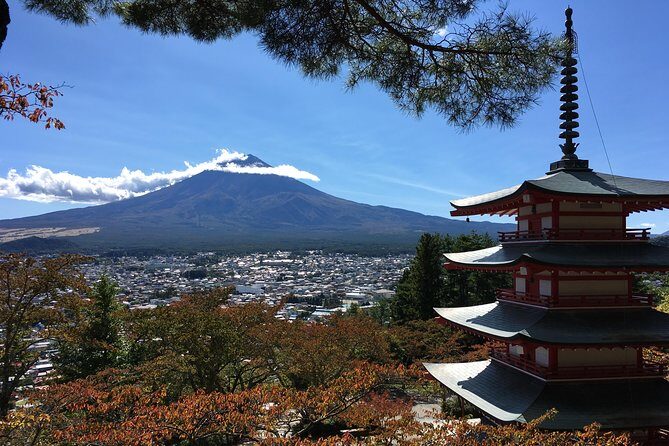
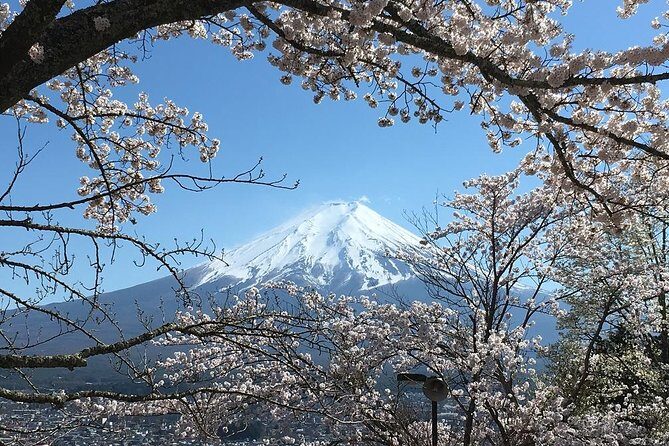
This is where the day starts to feel real. At Arakura Sengen Shrine, you get Mt. Fuji framed by the famous scenery: a viewpoint connected to the shrine and the classic visual partner of the region, the pagoda setup. It’s specifically aimed at showing you Fuji from a best-angle spot, and it’s also a World Heritage area.
The quick rhythm makes sense. You get time to step into position, watch how the view changes as clouds shift, and still have daylight left for the rest of the day. There are multiple overlapping viewpoints here, including:
- Chureito Pagoda for that iconic photo angle
- Arakurayama Sengen Park for another panoramic shot from the same shrine grounds
These parts are admission-free, so you’re not burning your budget just to get the mountain shot.
Practical tip: bring a lens cloth or wipes. If it’s humid, lakes and lakeside air can create haze on glasses. The difference between a sharp photo and a foggy one is sometimes just one wipe and a few minutes of waiting for the wind to clear.
Five Lakes and the Kawaguchiko Core: Where Fuji Shows Up Most
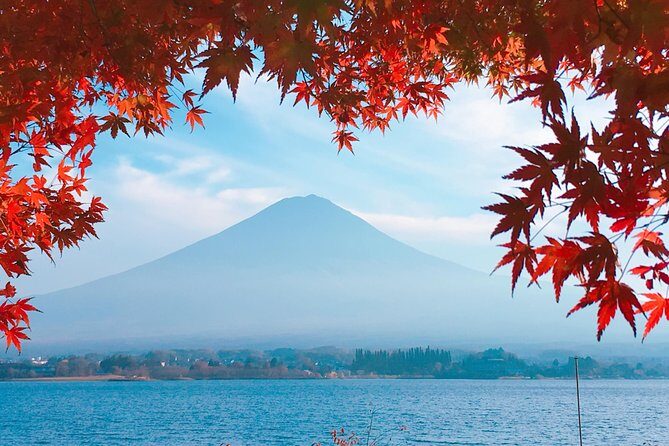
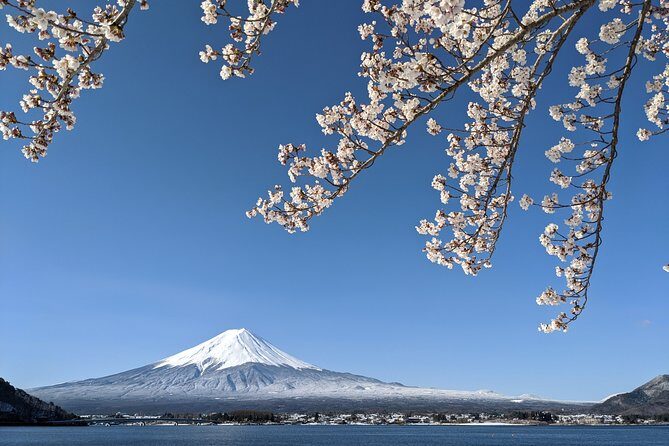
After the shrine viewpoint, the day turns into lake time. This is the part many people come for: Lake Kawaguchiko, with multiple chances to see Fuji and feel the rhythm of the area.
Key stops here include:
- Fujisan World Heritage Center: a short video and visual explanation of the Fuji region rituals and meaning
- Kitaguchi Hongu Fuji Sengen Jinja Shrine: a major shrine tied to the northern side of the Fuji cultural path
- Fuji Oishi Hana Terrace and Oishi Park: seasonal flowers, with a known reputation for lavender
- Saiko Iyashi no Sato Nemba: a preserved old village with straw-roof homes and craft-focused atmosphere
- Oshino Hakkai: eight ponds formed from Mt. Fuji snowmelt water, plus street food and shopping around the site
I like this structure because you get variety without whiplash. You’re not just chasing one photo spot. You’re building a picture of how Fuji fits into daily life, worship, and seasonal change.
One more time-saver: the itinerary is designed with short photo windows and flexible timing. Some stops are longer depending on queue and your pace, like the music museum or ropeway-style views later in the day, but the “anchor” parts around shrines and ponds stay efficient.
More Hakone loops, ropeways and lake crossings

Aokigahara Caves: The Darker, Stranger Side of the Fuji Region
If you’ve only seen Fuji from bright viewpoints, Aokigahara can be a surprise. These optional cave stops (like Narusa wa Ice Cave, Fugaku Wind Cave, and Saiko Bat Cave) add an underground layer to the day.
Here’s what matters for you:
- Expect short durations (often 15 to 30 minutes each), so you’re not losing the whole day.
- You’ll want appropriate clothing for cave conditions. Even when it’s warm outside, caves can feel cooler and damp.
- These stops are not included in the free category; admission is not listed as included, so you should expect extra small costs.
Also, Aokigahara has that strong cultural reputation, so the vibe can feel intense compared with lake promenades. The payoff is that you get something you’re unlikely to find near Tokyo in the same way.
One safety-minded point: if anyone in your group has mobility limitations, caves can be uneven. The tour is described as something most travelers can participate in, but this is the part where you’ll want to assess comfort level before committing to all three cave options.
Mt. Fuji 5th Station: Worth Considering, But Time-Sensitive
The 5th Station is the closest by car at around 2,300 meters, and it’s a major “tick” for many Fuji bucket lists. But it comes with two realities.
First, there’s a toll fee of 2,100 yen paid on the spot. Second, access is closed from July to mid-September during climbing season, and also closed in winter. If your travel dates fall outside the open window, your guide will likely swap it for another viewpoint.
If the 5th Station is on your wish list, treat it like a conditional win. Even when it’s open, mountain weather can change quickly. This is where flexibility pays off: if clouds roll in, you’ll still have plenty of other Fuji-view stops that are designed to work even with changing skies.
Lake Views From the Ropeway, Plus Oshino’s Street-Food Magic
Midday often decides whether your Fuji day feels magical or just good. For many people, the “yes, that was worth it” moment comes from getting higher viewpoints without hiking.
The Mt. Fuji Panoramic Ropeway gives you a fast elevation boost above Lake Kawaguchiko, with a view that can include Fuji, lake scenery, and the nearby city. It’s timed as 30 to 90 minutes depending on queue, so it’s smart to plan around potential waiting.
Then the day continues into Oshino Hakkai territory. This is one of those places where the experience is both visual and social. The ponds are serene, but the surrounding area often includes street food and shopping. If you want a break from photos, this is a good place to slow down and snack.
A practical move: bring cash or a payment method you can rely on for non-included admissions and small purchases. The tour includes certain essentials, but entrance fees, many museum tickets, and most food are not included.
If You Choose Hakone: Ropeway, Owakudani, Shrine, and Lake Ashi
Hakone can turn your Fuji day from “mountain day” into “mountain + drama.” The itinerary options are built around rising and falling terrain and changing views.
Some of the top add-ons include:
- Hakone Ropeway: a top viewing point around 1,350 meters
- Owakudani Valley: volcanic activity, with the famous black eggs tradition (often described as adding extra years)
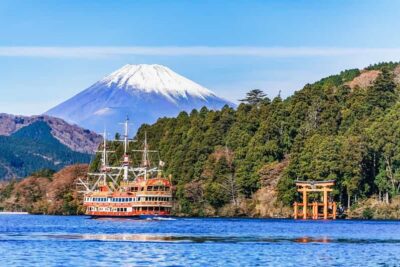
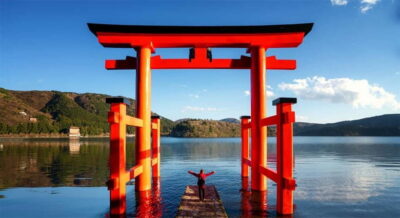
- Hakone Shrine / Kuzuryu Shrine: a powerful shrine with a known tori gate photo scene
- Hakone Open-Air Museum: outdoor sculptures with photos allowed
- Lake Ashi sightseeing cruise: an option that resembles the pirate-ship style, plus a more normal cruise if you want less crowd energy
- Odawara Castle and Edo-period look at samurai and ninjas at the nearby museum area
If you love variety, Hakone is a strong pairing with Kawaguchiko, too. If you only pick one “Fuji day flavor,” choose based on your mood: Kawaguchiko for lakeside culture and classic Fuji framing, Hakone for volcanic views, art space, and cruise scenery.
Also note: the tour data includes hot spring rules, which implies you may have the option to include hot springs in your chosen schedule (especially within Hakone-related selections). If you go, remember the basic etiquette: no tattoos or body paint, men’s and women’s tubs are separate, and you’re expected to bring the right bathing gear since bathing suits and towels restrictions are spelled out.
Seasonal Swaps: Flowers, Strawberries, Gems, Wineries, and Shiraito Falls
One reason this tour gets booked a lot in advance (often around two months) is that timing matters in Japan. The tour list includes seasonal choices across the region around Yamanashi and Mt. Fuji.
Depending on when you go, you might be able to add:
- Shibazakura (moss phlox) around mid-April through late May at Fuji Motosu resort (photogenic carpet-style color)
- Fruit stops in Yamanashi, including options with reservation needs
- All-you-can-eat sweet strawberries for about 30 minutes (as described)
- Wineries across Yamanashi (over 80 mentioned in the list), with tastings available if you request
- Shiraito Falls near Lake Kawaguchiko, known for a wide cascade and listed as part of the Fujisan Cultural Site, plus a round-trip time that’s longer (plan for about 2 hours)
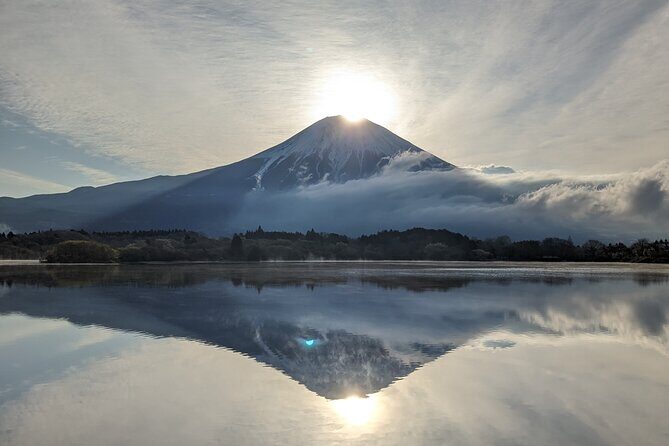
Then there are seasonal flower parks like Yamanakako Hananomiyako Park, which includes different seasonal flower displays and a winter photo moment sometimes described as Diamond Fuji.
This is where working with your guide helps. If you tell them what month you’re visiting and what you care about most, they can steer you toward the best seasonal match and keep travel time reasonable inside a 10 to 11 hour window.
Price and Logistics: What You’re Actually Paying For
At $1,286.89 per group (up to 8 people), you’re not paying for a single entrance ticket. You’re paying for a whole day package:
- hotel pickup/drop-off
- round-trip private transport in an air-conditioned minivan
- a professional private guide (multiple language options)
- one bottled water per person
- and the ability to tailor stops (about 4 to 6)
The value math changes based on your group size. With a full group, you’re dividing the cost in a way that often feels fair compared with piecing together taxis, train tickets, and separate day tours. With fewer people, it can still be worth it, especially if your family includes older adults, people with limited time, or anyone who hates standing in lines.
Also pay attention to what’s not included. Entrance fees for museums and some specialty sites are not included, plus food and drinks and lunch are on you. The list also clearly notes Mt. Fuji 5th Station is not included, with that separate toll fee if you add it when it’s open.
A subtle but important note: the tour schedule is not refundable even if certain spots aren’t fully visible due to weather. Fuji visibility is never 100% guaranteed, so this is a “go for the whole day’s experience” booking, not a “guaranteed peak view” booking.
Should You Book This Private Fuji and Hakone Day?
Book it if you want a day that feels controlled and personal. This tour is built for travelers who value time efficiency, want a local guide to explain what you’re seeing, and like the idea of picking the right mix of Fuji shrines, lake views, and off-the-beaten-path stops like Aokigahara caves.
I’d think twice if your trip dates are tightly focused on one single guaranteed view and you’ll be upset if clouds hide the peak. Since the itinerary still runs and visibility can change, you’re choosing flexibility and experience over a guaranteed photo.
If you do book, come with two things in mind:
1) Pick your priority mood: Kawaguchiko for lakes and classic Fuji angles, Hakone for volcano, art, and cruise drama.
2) Use the guide’s expertise to select about 4 to 6 stops that match the season you’re traveling, so you’re not spending the day between places.
Finally, since the guides and drivers are local professionals and the team communicates quickly, you’re likely to get more out of the day if you message your preferences before pickup and clarify dietary needs (vegetarian options are mentioned). That small step often turns a good Fuji day into a memorable one.
FAQ
How long is the Mt. Fuji Lake Kawaguchiko or Hakone private tour?
It’s listed as about 10 to 11 hours.
How many people can be in a group?
The price is per group up to 8 people.
Where is pickup and drop-off provided?
Hotel pickup and drop-off are included, and the tour is based in Tokyo.
Is Mt. Fuji 5th Station included?
No. Mt. Fuji 5th Station is not included, and if access is available you must pay a toll fee of 2,100 yen on the spot.
Which stops are free versus ticketed?
Many major viewpoints and shrine areas are listed as free (for example Arakura Sengen Shrine, Chureito Pagoda, Arakurayama Sengen Park, Fujisan World Heritage Center, and Kitaguchi Hongu Fuji Sengen Jinja Shrine). Several museums and cave experiences are not included and require admission.
Can I choose between the Kawaguchiko route and the Hakone route?
Yes. The tour offers Mt. Fuji Lake Kawaguchiko or Hakone, and you can select sites from the provided activity options.
Can the itinerary be customized?
Yes. The schedule is described as customizable, and you choose around 4 to 6 sites.
Are entrance fees, meals, and lunch included?
No. Entrance fees, food and drinks, and lunch are not included.
What should I know before going to hot springs if my plan includes them?
Bathing suits and towels are not permitted inside the hot springs. Men’s and women’s tubs are separate, and tattoos or body paint are prohibited.
What happens if weather affects visibility of Mt. Fuji?
The experience requires good weather. If it’s canceled due to poor weather, you’ll be offered a different date or a full refund. If spots are not fully visible due to weather, the tour is not canceled or refunded, and the schedule may change due to weather or traffic.
More Tour Reviews in Tokyo






Hakone, Three More Ways
The Fuji Shortlist: Other Days Out to the Mountain

Fresh reviews from around Tokyo






Mt Fuji Day Trips, compared.
 ★ 4.0Mt Fuji & Hakone Cruise, Drum Show Bullet Train 1 Day from TokyoFrom $1497,413 reviews
 ★ 4.4Tokyo Mt Fuji 5th St & Hakone Cruise Bus Tour w/Bullet TrainFrom $1545,024 reviews
 ★ 4.5From Tokyo: Mount Fuji Full-Day Sightseeing TripFrom $684,970 reviews
 ★ 4.7Mt. Fuji Tour, Hakone Ropeway, Owakudani, Lake AshiFrom $544,002 reviews
 ★ 5.0Private Tour to Mt. Fuji and Hakone (Fully Licenced Operator)From $4971,910 reviews
 ★ 4.9Mount Fuji Full-Day Private Tour from Tokyo (Customizable)From $3931,470 reviews
 ★ 4.0Mt Fuji & Hakone Cruise, Drum Show Bus 1 Day from TokyoFrom $1221,287 reviews
 ★ 4.2From Tokyo: Mt. Fuji & Hakone Tour w/ Return by Bullet TrainFrom $1171,278 reviews
Browse the lists this tour appears in