
Shibuya can feel like one long movie set. This 90-minute walk turns the noise into a plan, starting at Hachiko and building toward Tokyo’s most famous scramble, plus views and side streets a first-timer usually misses.
I especially like how the tour pairs the headline moment (the Shibuya Crossing) with quieter angles that make the district feel livable, not just famous. I also love the local-guide vibe; names like Sakura, Hannah, Mao, and Ayaka show up in real experiences, and the common thread is Q&A, smart pacing, and good photo help. One drawback to consider: the meeting point is busy, and if you don’t spot the Local Guide Stars sign quickly, you may end up waiting a bit.
In This Review
- A tight route with real Shibuya texture
- Key things that make this tour worth your time
- Finding your people at SHIBU HACHI BOX (and why that matters)
- Hachiko to Shibuya Crossing: the moment everyone talks about
- A note for night owls
- Scramble Square: getting views without turning it into a chore
- Nonbei Yokocho: the alley side of Shibuya
- Miyashita Park: a breather that still feels like Tokyo
- Shibuya Center-gai and Mark City: street-level Tokyo layers
- Value and pace: why 90 minutes feels like the sweet spot
- Who this tour suits best
- Should you book this Shibuya highlights walking tour?
- FAQ
- Where is the meeting point?
- What’s the exact address for the tour start?
- How long is the tour?
- What does the tour include?
- What’s not included?
- What languages are available?
- Does the tour run in the rain?
- Is the tour wheelchair accessible?
- How much does it cost?
- Can I get a refund if my plans change?
- Is reserve-and-pay-later available?
A tight route with real Shibuya texture
You’ll walk through some of the most recognizable parts of the area, then break away from the crush to see Shibuya’s everyday patterns: where people hang out, where they snack, and what the streets feel like after dark energy kicks in. The tour runs rain or shine, so you’ll want an umbrella or raincoat ready to go.
More to do within sight of the Crossing
- Official Street Go-Kart in Shibuya★ 5.0 · 3,435 reviews
- Tokyo: Street Kart Experience in Shibuya★ 4.9 · 1,484 reviews
- Shibuya Meltdown Nightlife Tour: All-You-Can-Drink Bar Hopping★ 5.0 · 1,058 reviews
Key things that make this tour worth your time
- Hachiko first: context before you hit the crowd
- Shibuya Crossing on your schedule: less wandering, more clarity
- Scramble Square viewpoints: higher-ground perspective over the scramble
- Nonbei Yokocho: narrow alley atmosphere built around casual eats
- Miyashita Park + street arcades: a breather that still feels young and local
- Guides who help with photos and recommendations: from Sakura to Yuki, people consistently mention this
Finding your people at SHIBU HACHI BOX (and why that matters)
Your tour starts in front of SHIBU HACHI BOX (シブハチボックス), near JR Shibuya Station’s Hachiko Gate and Tokyo Metro Exit A8. The address is 2-1-1 Dogenzaka, Shibuya-ku, Tokyo 150-0043, Japan, and a guide will be holding a Local Guide Stars sign.
This matters because Shibuya is busy even when it’s calm. If you arrive early, you can take a quick look around so you recognize the entrance and the flow of people. If you’re late, you’ll lose time you can’t really get back, since the whole tour is only 90 minutes.
Hachiko to Shibuya Crossing: the moment everyone talks about
The first big payoff is the move from story to spectacle. You’ll start at Hachiko, where your guide shares the history that makes the statue more than a photo stop. That context helps you understand why locals treat this spot like a real landmark, not just a landmark for tourists.
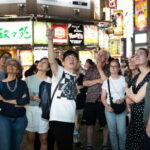
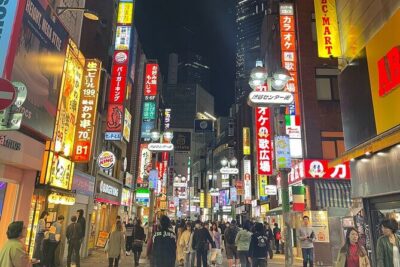
Then comes Shibuya Crossing—Tokyo’s best-known traffic ballet. Expect the scramble you’ve seen in videos, but experienced in real life: crowds moving in coordinated directions, neon and storefronts framing the intersections, and a kind of controlled chaos. Your guide’s job here is practical—help you time the crossing area so you aren’t just stuck facing the thickest part of the crowd.
One smart benefit of this structure: you’re not walking around guessing which direction gets you the best angles. Several guides called out in real experiences (like Tomo, Sota, and Noa) emphasize pacing and photo moments, so you can focus on looking instead of plotting.
A note for night owls
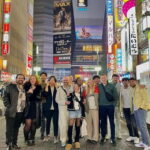
Shibuya is especially energetic after dark, and the tour route is set up so you still get that atmosphere without sprinting from stop to stop. If you’re deciding what time to do this, I’d lean toward your evening slot if you can—Tokyo’s neon mood is half the point.
Tokyo at walking pace, a few more ways

Scramble Square: getting views without turning it into a chore
After the crossing, you’ll head to Shibuya Scramble Square, where the tour time is short but the payoff is sky-high—literally. The experience is built around stunning views of Tokyo, and at least one guide-led experience specifically mentions getting an above-the-crowd look at the crossing from higher ground.
This is where the tour earns its keep. Shibuya at street level is loud and packed. From above, it becomes legible: you can see the geometry, the scale, and how the whole district stitches together. Even if you’re not a big view person, it helps you understand why Shibuya feels so modern and dense.
A practical tip: bring your phone battery habits up a notch. You’ll want it ready for photos and quick reference maps afterward, especially since you’re covering multiple spots in a compact time window.
Nonbei Yokocho: the alley side of Shibuya
Next up is のんべい横丁 (Nonbei Yokocho), an alley known for local eateries. This is the part of Shibuya that feels more human-scale: tighter lanes, casual energy, and a sense of people actually meeting up for food rather than just taking photos.
What I like about this stop is that it gives you contrast. The major landmarks can make Shibuya feel like a theme park for first-timers. Nonbei Yokocho pushes it back toward everyday life, where the focus is snacks, drinks, and conversation.
Also, this is a good moment to ask your guide for next-step advice. In real experiences, guides like Mao and Giovanni are described as offering restaurant recommendations even after the tour. Since food and drinks aren’t included, your best move is to use this alley as a tasting lesson for what you want later.
Miyashita Park: a breather that still feels like Tokyo
Then you shift gears to Miyashita Park, the tour’s built-in pause. It’s described as an urban oasis that young people love, and that theme shows up in how the area feels: less trapped by street walls, more space to reset your senses.
I like using Miyashita Park for two things. First, it’s a chance to catch your breath before the final leg of the walk. Second, it helps you notice the mix of Shibuya identities—fashion and crowds one minute, open-air hangout energy the next.
This is also where your guide’s pacing style matters. Several experiences mention a well-balanced route where air-conditioned breaks may happen as needed to manage weather and comfort. If you’re visiting in summer heat or winter chill, that sort of flexibility can turn the tour from hard work into an easy win.
Shibuya Center-gai and Mark City: street-level Tokyo layers
The back half of the walk goes through Shibuya Center-gai and Shibuya Mark City. These are the places where Shibuya’s personality shows up fast: storefront lights, signage, and the sense that people are here to browse, shop, and hang out.
I’m a fan of this portion because it’s not just about “the famous” anymore. You start noticing rhythms—where foot traffic flows, what kinds of shops dominate, and how different districts inside Shibuya feel like their own neighborhoods. The tour keeps these stops timed so you’re not sprinting, but you’re still moving enough to feel the district change as you walk.
Another practical advantage: your guide can help you translate what you see into decisions. Multiple experiences mention getting guidance on navigating Shibuya, including customs and etiquette tips, and where to eat or what to order. Even if you don’t act on every suggestion, it reduces the stress of figuring out Tokyo on the fly.
Value and pace: why 90 minutes feels like the sweet spot
At $23 per person for a 90-minute guided walk, this is priced like a “smart orientation” tour rather than a long, museum-style day. And that’s exactly how it should feel. Shibuya is huge, and trying to DIY the highlights often turns into time wasted in the wrong direction.
You’re paying for three things:
- a guide to keep you moving through the key spots
- context so landmarks mean something
- a route that balances crowd energy with quieter, street-level Tokyo
In your planning, think of this tour as a foundation layer. If you do it soon after you arrive, you’ll recognize streets later and waste less time. One suggestion that keeps repeating in real guide-led experiences is that the tour works best when you’ve got fresh energy and want to make the most of the area afterward.
One more practical consideration: you’ll be walking. The tour includes a local guide and a walking tour, but it does not include transportation, hotel pickup/drop-off, or food and drinks. Bring water if it’s hot, wear shoes you trust, and plan for one meal or snack after.
Who this tour suits best
This is a strong fit if:
- you’re a first-time visitor to Tokyo and want Shibuya essentials fast
- you like photos but don’t want to spend your time waiting in random spots
- you want an English-speaking (or Japanese-speaking) local guide with answers
- you prefer a short, high-impact route over a long day
If you want zero walking and lots of sitting, or if you’re already a Shibuya expert, you might feel the route is too tight. But for most people, the 90 minutes hits the sweet spot.
Should you book this Shibuya highlights walking tour?
Yes, if your goal is to get your bearings fast in one of the world’s most confusing-but-fun districts. The combination of Hachiko context, the Shibuya Crossing moment, a viewpoint at Scramble Square, and contrast stops like Nonbei Yokocho and Miyashita Park makes this more than a checklist.
Before you go, do two small things: arrive a little early so you can find the Local Guide Stars sign at SHIBU HACHI BOX, and pack for weather since the tour runs rain or shine. If you do that, you’ll leave Shibuya with a clearer map in your head and better ideas for where to eat and wander next.
FAQ
Where is the meeting point?
You’ll meet in front of SHIBU HACHI BOX (シブハチボックス), near JR Shibuya Station Hachiko Gate and Tokyo Metro Exit A8. The guide will be waiting with a Local Guide Stars sign.
What’s the exact address for the tour start?
2-1-1 Dogenzaka, Shibuya-ku, Tokyo 150-0043, Japan.
How long is the tour?
The tour lasts 90 minutes.
What does the tour include?
It includes a walking tour and a local guide.
What’s not included?
Food and drinks are not included, and transportation and hotel pickup/drop-off are not included either.
What languages are available?
The tour is offered in English and Japanese.
Does the tour run in the rain?
Yes. The tour runs rain or shine, so bring an umbrella or raincoat if needed.
Is the tour wheelchair accessible?
Yes, the tour is listed as wheelchair accessible.
How much does it cost?
The price is $23 per person.
Can I get a refund if my plans change?
You can cancel up to 24 hours in advance for a full refund.
Is reserve-and-pay-later available?
Yes. You can reserve now and pay later to keep plans flexible.
More Tours in Tokyo





More Tour Reviews in Tokyo




Still in Shibuya? Keep Going





Fresh reviews from around Tokyo






Shibuya Tours, compared.
 ★ 5.0Official Street Go-Kart in ShibuyaFrom $763,435 reviews
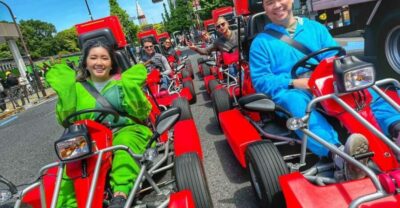 ★ 4.9Street Kart Experience in ShibuyaFrom $741,484 reviews
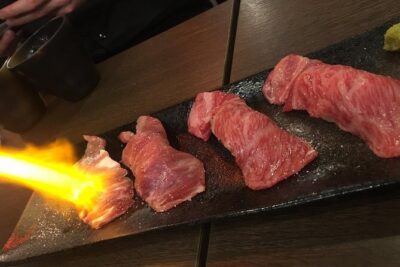 ★ 5.0Shibuya Meltdown Nightlife Tour: All-You-Can-Drink Bar HoppingFrom $1061,058 reviews
 ★ 5.0Shibuya Official Street Go-Kart in Shibuya AnnexFrom $69972 reviews
 ★ 5.0Shibuya Food Tour (13 dishes and 4 Eateries)From $77770 reviews
 ★ 5.0Best of Shibuya Food TourFrom $217612 reviews
 ★ 4.8Shibuya Highlights Walking TourFrom $19601 reviews
 ★ 4.7Premium Go-Kart Tour with Tower & Shibuya CrossingFrom $116528 reviews
Browse the lists this tour appears in