
Reviewed · SAMURAI & NINJA EXPERIENCES
Tokyo Samurai Spirit: Create Sushi & Witness a Samurai Sword Show
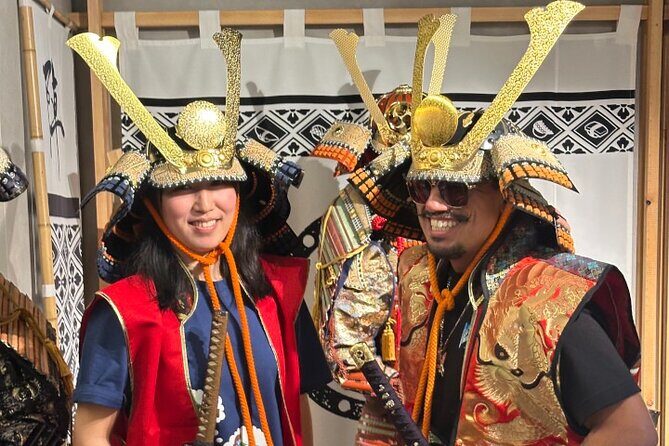
Swords and sushi in one hour. In Asakusa, JIN-ASAKUSA pulls you into a newly built Sengoku-themed world filled with armor, helmets, and swords. I love the hands-on donut sushi concept, and I love that you also get real chef action with dashimaki tamago made right in front of you. One heads-up: this is mainly a short sushi class, so if you’re hunting for a long, full theatrical sword program, you may find the main focus is the food-making.
What makes it work well for most people is the pacing and the support: small groups (max 12), and English-led instruction with Japanese/Chinese/Korean subtitles on monitors. The location is also a big win—right by Asakusa Station and close to Sensoji Temple, with Skytree views from the area.
In This Review
- Key things I’d note before you book
- Entering the Sengoku world at JIN-ASAKUSA in Asakusa
- The 80-minute menu: nigiri, rolled sushi, donut sushi, and dashimaki tamago
- Donut sushi: the fun part you’ll remember
- Nigiri variety: more than one template
- Large rolled sushi demo: watch and then eat
- Dashimaki tamago performance: the heat moment
- How instruction works when English is involved (and subtitles do the heavy lifting)
- The interactive section keeps you from feeling like a spectator
- The samurai sword show atmosphere: armor, swords, and photo-friendly staging
- Timing and flow: what you should expect during the session
- Value check: is $49 worth it for this Asakusa experience?
- Where to fit it into your day in Asakusa (without wasting time)
- Who this sushi-and-samurai class suits best
- Small tips to make the class smoother
- Should you book Tokyo Samurai Spirit: Create Sushi and Witness a Samurai Sword Show?
- FAQ
- What is the duration of the Tokyo Samurai Spirit sushi experience?
- How many people are in the class?
- What sushi items are included?
- Is dessert included?
- Is the class taught in English?
- Will I watch a sushi chef cook as part of the class?
- What drinks are available?
- Where does the experience start and end?
- How close is it to public transportation and major sights?
- Is free cancellation available?
Key things I’d note before you book
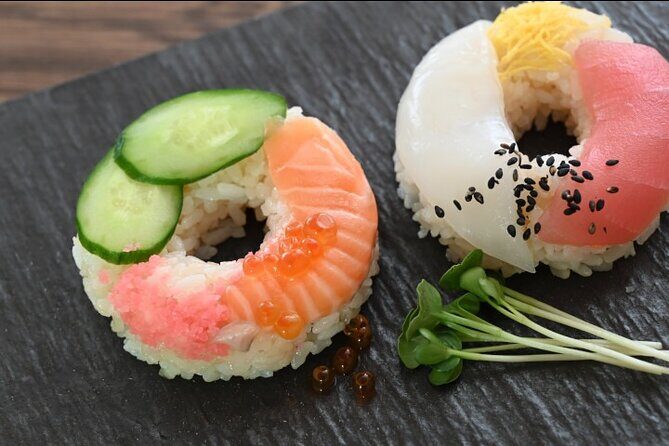
- Donut sushi design time: you decorate a cute, Tokyo-sounding creation you won’t find every day.
- 5 nigiri styles in one session: you don’t just learn basics; you get variety and a fuller tasting set.
- Dashimaki tamago right in front of you: the grilled/served omelet moment adds drama to the class.
- Small group feel (max 12): more personal instruction and less waiting around.
- Sengoku atmosphere built for photos: armor, swords, bamboo, and torch-style set dressing.
More blades, bows and dojo hours
- Tokyo: Samurai Ninja Museum Guided tour and Experience★ 4.6 · 1,010 reviews
- Tokyo: Samurai Sword & Archery Class from Samurai Descendant★ 5.0 · 603 reviews
- Best Samurai Experience in Tokyo★ 5.0 · 458 reviews
Entering the Sengoku world at JIN-ASAKUSA in Asakusa
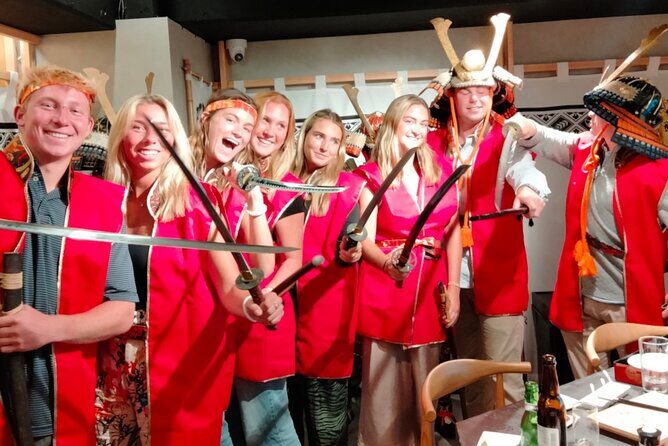
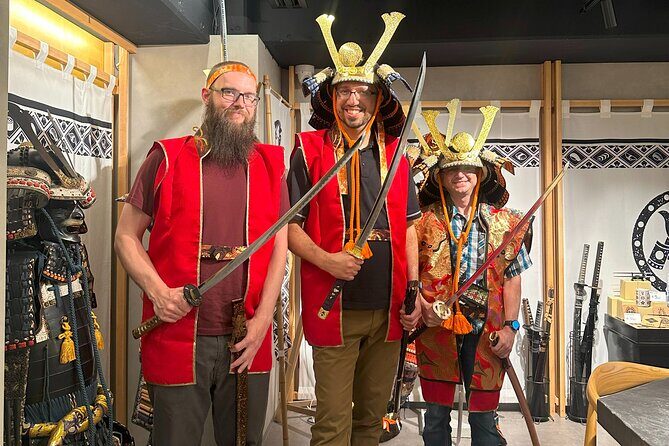
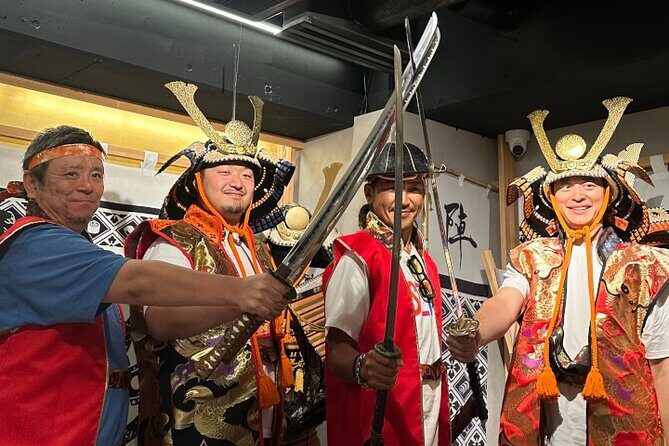
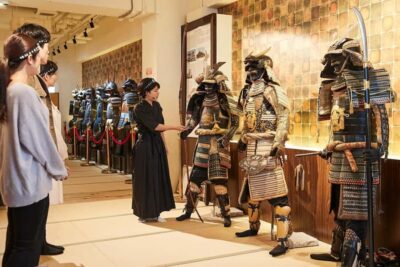
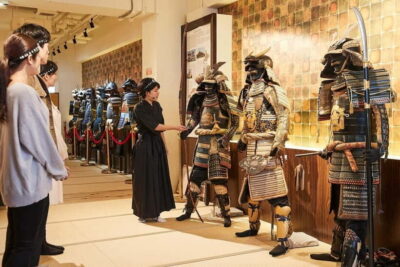
This tour is set up like a themed dining show, but it doesn’t feel like cosplay fluff. The room is built around the Sengoku era vibe—armor, helmets, swords, and the kind of set dressing that makes you look around and take photos without needing to “find the experience.” It’s playful, but it’s also designed for a purpose: keeping you engaged while you learn.
You start at JIN-ASAKUSA 陣-浅草 (on the 4F of CREAL Asakusa Sky View Square). The location matters more than you might think. Asakusa is busy, and having a venue that’s only about a 1-minute walk from Asakusa Station and roughly 3 minutes from Sensoji Temple means you’re not losing half your time to transit.
And because it’s a smaller class (up to 12), the vibe stays focused on the group. That helps if you’re traveling solo and want interaction, or if you’re going with family and want everyone to stay seated and doing something.
Possible snag: the course is fast—about 80 minutes—so you won’t have time to linger on the set for an hour-long photoshoot. If you love scenery, plan to do your extra photos before or after the class.
The 80-minute menu: nigiri, rolled sushi, donut sushi, and dashimaki tamago
This is a full “make and eat” session, not just watching. The included food list tells you what you’re working toward and what you’ll finish with:
- 5 types of nigiri sushi (5 pieces), made by you
- 1 large rolled sushi (you’ll eat one, and there’s also a chef demonstration)
- 1 donut sushi that you design and decorate
- Chef’s large rolled sushi demonstration
- Dashimaki tamago performance (a Japanese rolled omelet moment)
- Dessert included
- Meals include meal costs, service charge, and consumption tax
Here’s why that menu is a good deal for your time. A lot of “sushi experiences” focus on one thing and you’re done. This one gives you multiple textures and styles: nigiri (simple and classic), a big roll (bigger bite and more ingredients), and donut sushi (the playful signature item). Even if you don’t consider yourself a sushi person, the variety makes the whole meal feel like more than one activity.
Donut sushi: the fun part you’ll remember
The donut sushi is the centerpiece. You’ll create it, then decorate it—so you’re not just forming rice and fish. You’re making something that looks like a dessert but eats like sushi. That contrast is half the charm.
It’s also a smart “beginner-friendly” concept. Don’t worry if you’re not a food artist—you’re guided through the process. The value isn’t that you’ll become a master; it’s that you’ll leave with something clearly yours, ready for photos, and still tasty.
Nigiri variety: more than one template
You make five types of nigiri. That matters because it pushes you past the idea of sushi as just one technique. You’ll likely get to experience different touches—shape, topping, and handling—without the pressure of a long training session.
Worth weighing up alongside this Tokyo pick:


Large rolled sushi demo: watch and then eat
You’ll see a chef demonstration for a large rolled sushi, and you also get 1 large rolled sushi as part of the included meal. Watching a skilled hand at work is useful even if you’re not copying every step. It helps you understand what makes a roll different from a simple cut-and-place meal.
Dashimaki tamago performance: the heat moment
The class adds cooking energy with dashimaki tamago. You can expect that it’s prepared right in front of you, which turns the meal into an event rather than just a workshop.
If you like Japanese street-food energy, this is that feeling—watching someone turn ingredients into something you can then eat immediately.
How instruction works when English is involved (and subtitles do the heavy lifting)
The course is conducted mainly in English, and Japanese, Chinese, and Korean subtitles appear on a monitor. That subtitle support is one of the best parts of the design because it reduces confusion without making the experience feel like it’s for only one language group.
In practical terms, it means you can do the hands-on parts even if you don’t catch every phrase. You’re not stuck waiting for full verbal explanation.
The interactive section keeps you from feeling like a spectator
This isn’t a sit-and-watch class. There’s an interactive section where a sushi chef instructs you on how to make sushi. You also have chef demonstrations layered in, including the rolled sushi demo and the dashimaki tamago performance.
From a comfort standpoint, this structure keeps you moving. When you’re done making one piece, you shift to the next. That helps the whole 80 minutes feel smoother and less like one long lesson.
Also, the maximum group size (12) helps with visibility and guidance. If you’ve ever struggled in a big class, you’ll like that this one is designed to keep attention closer.
The samurai sword show atmosphere: armor, swords, and photo-friendly staging
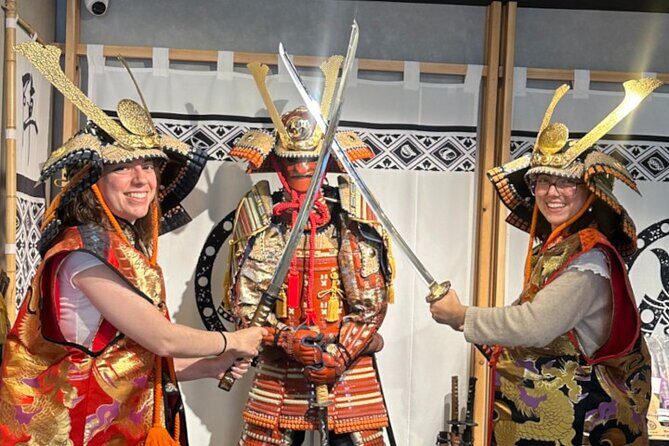
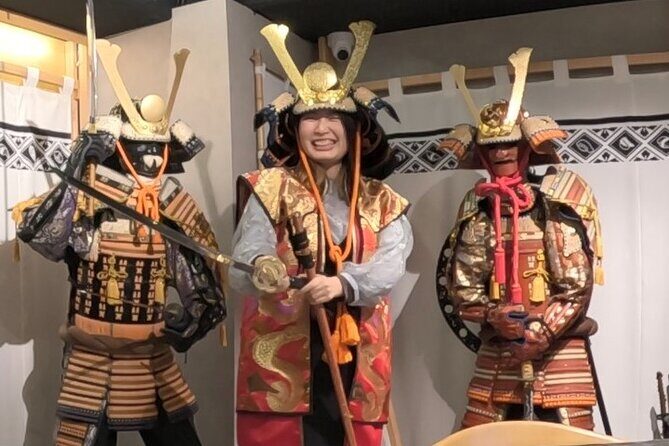
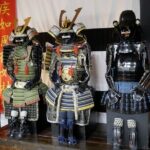
The experience name promises a samurai sword show, and the setting matches that theme. The restaurant is decorated with armor, helmets, and swords, and the whole place is staged to feel like a Sengoku-style world.
What I’d expect you to notice immediately is how much effort goes into the room design: you’re not just eating sushi in a generic restaurant. You’re stepping into a themed space where swords and samurai-inspired gear help create the mood while you learn.
Even the “small” details matter here—people tend to photograph more when the room actually gives them something to frame. The armor and swords offer that instantly. Add in the fact that there’s also music and a show-like flow, and you get a class that feels more like an event than a cooking workshop.
Small consideration: if you’re not into themed décor, it can feel distracting. But if you’re in Asakusa anyway, this is an easy way to tack on something different without needing a full evening of sightseeing.
Timing and flow: what you should expect during the session
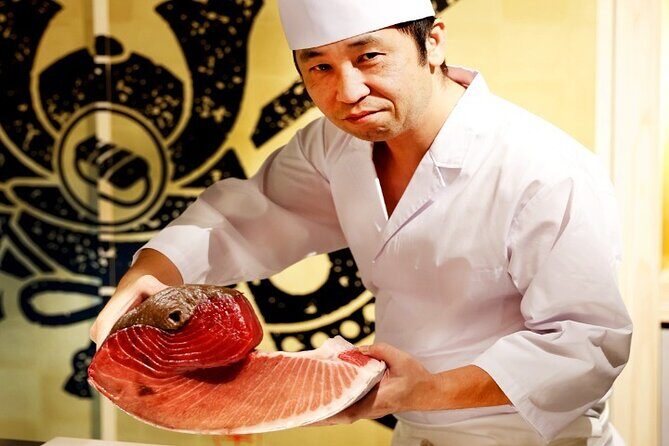
The course runs about 1 hour 20 minutes. That’s short enough to fit into a day of sightseeing, but long enough for you to make and eat multiple items.
While the exact sequence can vary, you should expect a pattern like this:
- You arrive, get orientation, and get the chance to start making sushi pieces.
- You create your nigiri set, then shift to your donut sushi decorating.
- You watch chef-driven moments like the large rolled sushi demonstration and the dashimaki tamago performance.
- You eat what you made and what’s included, plus dessert.
The big advantage of this flow is that you don’t end up with only one “take-home” moment. Instead, you finish with a full set of food and at least one clearly memorable creation—the donut sushi.
Value check: is $49 worth it for this Asakusa experience?
At $49 per person, this sits in the category of “you’re paying for teaching + ingredients + a themed experience,” not just raw food.
Here’s what you’re getting for the price, based on the included items:
- Multiple sushi types you make (not just watch)
- A signature donut sushi
- A large roll you get to eat plus a chef demonstration
- Dashimaki tamago performance right in front of you
- Dessert included
- Meals include taxes and service charge
So the value isn’t only the food. It’s the guided experience: the chef-led instruction, the interactive components, and the Sengoku-set setting that makes the whole time feel like more than cooking at home.
If you love sushi, you’ll appreciate the variety and the fact that it’s hands-on. If you’re new to sushi, the variety helps you taste across styles in a short window, with support.
If you’re traveling on a tight food budget, it’s still a splurge compared to buying a cheap meal in Asakusa. But for the combination of making + eating + show energy, $49 is fairly reasonable for central Tokyo.
Where to fit it into your day in Asakusa (without wasting time)
This is one of those activities that plays well with the rest of Asakusa.
Because you’re near both Asakusa Station and Sensoji Temple, you can plan it before or after temple/souvenir time. If you want maximum convenience, aim to schedule it when you’d otherwise be stuck in the area anyway.
Also, there’s a nice bonus: the location offers a panoramic view of the Skytree. Even if you don’t stop for long views during the class, it’s good to know the area gives you more than just one landmark.
Practical tip: build in a small buffer for wandering. Asakusa streets can slow you down even when you’re close to the station.
Who this sushi-and-samurai class suits best
This tour works especially well for:
- Families who want a structured activity that isn’t too long
- Couples who want something unique besides just eating out
- Solo travelers who like hands-on classes with a small group
- Anyone curious about Japanese culture beyond food, thanks to the samurai/Sengoku theming
If you’re a hardcore sushi nerd chasing advanced technique, the session is short, so you’ll likely treat it as a fun intro and a great meal. If you just want a quick snack, you might find 80 minutes long—this is for people who want the whole experience.
Small tips to make the class smoother
- Show up ready to get hands-on. You’ll be making sushi, so keep your mindset on learning and not perfection.
- Expect a themed room with photo opportunities, but don’t count on unlimited time for pictures.
- If you’re not comfortable with Japanese, rely on the English instruction plus the monitor subtitles (Japanese/Chinese/Korean).
- Wear comfortable clothes. You’ll be seated and working with food.
- Plan to hydrate normally—water and hot Japanese tea are complimentary.
Should you book Tokyo Samurai Spirit: Create Sushi and Witness a Samurai Sword Show?
I’d book it if you want a Tokyo experience that blends hands-on sushi making with a Samurai/Sengoku-styled show atmosphere, in a small group, right where you’ll already be sightseeing.
Skip it (or reconsider) if your top goal is a long, detailed sword spectacle or a deep sushi-rolling masterclass. This is a balanced “learn + make + eat” event, and the time is purposefully tight.
If that sounds like your style, you’ll likely enjoy the short format, the variety on the menu, and the fact that you leave with food you helped create—not just a memory.
FAQ
What is the duration of the Tokyo Samurai Spirit sushi experience?
The course lasts about 1 hour 20 minutes.
How many people are in the class?
The experience has a maximum group size of 12 travelers.
What sushi items are included?
You’re included for 5 types of nigiri sushi (5 pieces), 1 large rolled sushi, and 1 donut sushi, plus a chef’s large rolled sushi demonstration and a dashimaki tamago performance.
Is dessert included?
Yes, dessert is included.
Is the class taught in English?
The course is conducted mainly in English, with subtitles of Japanese, Chinese, and Korean shown on monitors.
Will I watch a sushi chef cook as part of the class?
Yes. You can eat sushi made by a sushi chef, and there is also a dashimaki tamago performance, along with a chef’s large rolled sushi demonstration.
What drinks are available?
Water and hot Japanese tea are complimentary. Alcoholic beverages are not included.
Where does the experience start and end?
It starts at JIN-ASAKUSA 陣-浅草 Japan (CREAL Asakusa Sky View Square 4F) and ends back at the meeting point.
How close is it to public transportation and major sights?
It’s near public transportation, about a 1-minute walk from Asakusa Station and about a 3-minute walk from Sensoji Temple.
Is free cancellation available?
Yes. You can cancel for a full refund up to 24 hours in advance of the experience’s start time.
A Night at a Tokyo Show


More Tour Reviews in Tokyo





The Way of the Sword, Continued

Fresh reviews from around Tokyo






Samurai & Ninja Experiences, compared.
 ★ 4.6Samurai Ninja Museum Guided tour and ExperienceFrom $271,010 reviews
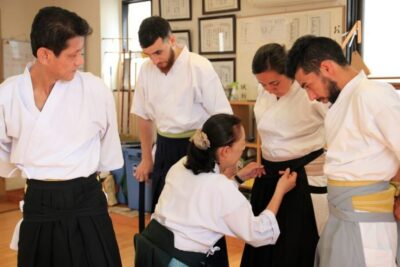 ★ 5.0Samurai Sword & Archery Class from Samurai DescendantFrom $193603 reviews
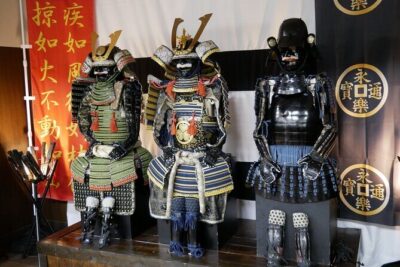 ★ 5.0Best Samurai Experience in TokyoFrom $65458 reviews
 ★ 5.0Ninja Experience (Family Friendly) at Samurai Ninja Museum TOKYOFrom $47441 reviews
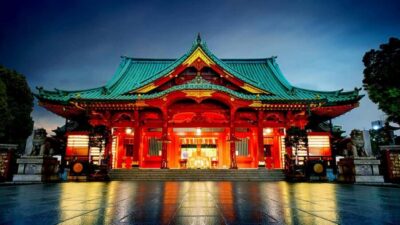 ★ 4.6Samurai Entertainment Night Show in Kanda ShrineFrom $41417 reviews
 ★ 5.0Tokyo Sword Experience – includes Museum Ticket/Ninja ExperienceFrom $84314 reviews
 ★ 4.8Samurai Ninja Museum Asakusa: Samurai Sword Lesson & TourFrom $63306 reviews
 ★ 5.0Samurai Sword Experience (Family Friendly)at SAMURAI MUSEUM TOKYOFrom $65168 reviews
Browse the lists this tour appears in