
Reviewed · SAMURAI & NINJA EXPERIENCES
Tokyo: Samurai Experience with Lunch and Guided Tour
Kagurazaka makes samurai stories feel real. This 4-hour small-group tour pairs a guided walk through Edo-era streets with a hands-on training session (plus kimono rental) that focuses on the basics of samurai movement. You also get a live performance, then finish with lunch and a Kagurazaka treat in an old Japanese house.
I especially like how the guide connects samurai culture to everyday Tokyo places like Shinto shrines and Zen Buddhism. My only real caution is food: you can request a vegetarian lunch, but vegan and gluten-free options are not available on the day, and allergy support is limited.
With a live English guide and a group size capped at 9, the pace stays friendly even if samurai moves look intimidating at first. Just be ready to start on time, and note this tour isn’t suitable for wheelchair users.
In This Review
- Key Things I’d Prioritize
- Why Kagurazaka Is the Right Setting for Samurai Talk
- The Start: Aoyama Flower Market and a Quick Temple Primer
- Kagurazaka Walking Time: Stories, Shrines, and Street-Level Edo Atmosphere
- Samurai Lesson: Kimono Rental and Beginner-Friendly Movement Training
- The Live Samurai Performance: Theater With Skill
- Lunch in a 70-Year-Old House: Vegetarian Works, but Read the Fine Print
- Kagurazaka Treat and Local Snacks: The Fun Way to End the Story
- Guides, Energy, and Why Small Groups Matter
- Price and Value: What $162 Gets You (and Why It’s Not Just a Walk)
- Who This Tour Fits Best
- Should You Book This Samurai Experience?
- FAQ
- How long is the Tokyo Samurai Experience with lunch and guided tour?
- How big is the group, and is the tour in English?
- Where does the tour start?
- What’s included in the samurai training?
- Is lunch included, and can I choose vegetarian?
- What kind of food or sweet do you get during the tour?
- Is hotel pickup or drop-off included?
- What ages can join?
- Is the tour wheelchair accessible?
- What’s not allowed during the tour?
Key Things I’d Prioritize
- Kagurazaka with a local guide: Edo-era streets, samurai homes, and cultural context as you walk.
- Kimono rental + 1 hour training: you practice basic fighting movements and positioning with professional instructors.
- Live Samurai performance: an actual show, not just a lecture.
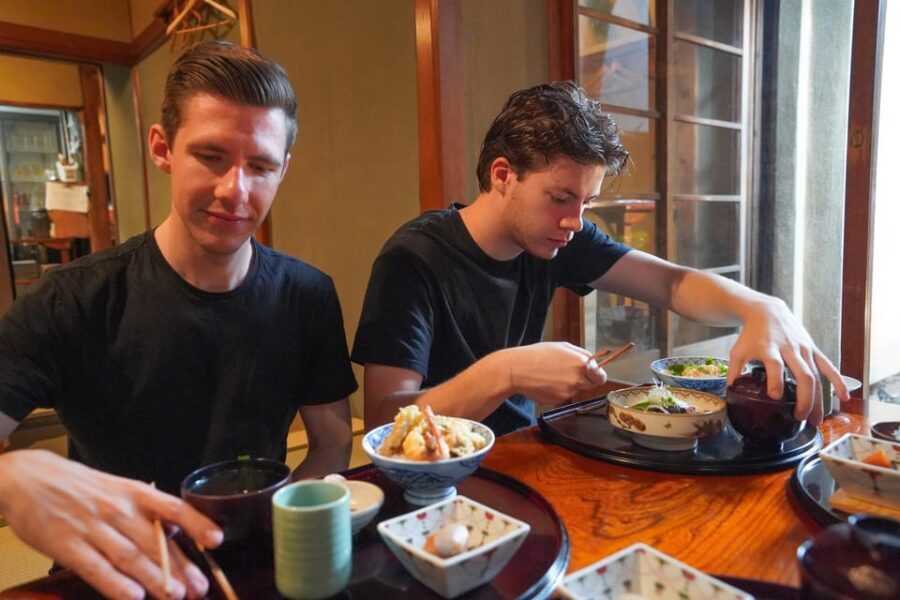
- Lunch in a 70-year-old Japanese house: a former teahouse setting for your meal.
- One included sweet or snack: choose your Kagurazaka treat, from classic options to modern sweets.
- Small group (up to 9): easier photos, more questions, and less rushing.
More blades, bows and dojo hours
- Tokyo: Samurai Ninja Museum Guided tour and Experience★ 4.6 · 1,010 reviews
- Tokyo: Samurai Sword & Archery Class from Samurai Descendant★ 5.0 · 603 reviews
- Best Samurai Experience in Tokyo★ 5.0 · 458 reviews
Why Kagurazaka Is the Right Setting for Samurai Talk
Samurai history in Tokyo can feel abstract if you only see it through posters. Kagurazaka helps fix that. This is a historic part of Honshu where you get an Edo-era neighborhood feel, complete with quiet side streets and the kind of alley rhythm that makes stories stick.
The tour’s best trick is that it doesn’t treat samurai as costumes. The guide explains how the samurai spirit connects to Shinto shrines and Zen Buddhism, and then you see those ideas reinforced through your stops and the way the day is paced. Even if you know the basics, you’ll leave with a clearer sense of what samurai ideals meant beyond battlefield headlines.
And yes, you’ll also get the fun part: training and theater. This isn’t a museum day where you stare at a display and hope it becomes real. It’s built to move—walk, practice, watch, eat—so you learn with your eyes and your body.
The Start: Aoyama Flower Market and a Quick Temple Primer
Your day begins at Aoyama Flower Market (Ecute Edition Idabashi Store), right outside JR Iidabashi Station West Exit. It’s an easy meeting spot if you’re comfortable navigating Tokyo stations, and the staff keeps things straightforward.
Right after you meet up, you stop at Zenkokuji for a short guided visit and sightseeing walk. Even in just about 15 minutes, this works as a useful tone-setter. It gives you the religious and cultural background that supports the samurai themes you’ll hear later—especially the Zen thread. Think of it like warming up before the main lesson.
Practical note: the tour starts on time, and if you’re more than 15 minutes late (or even 10 minutes before the tour start time), you can’t join or reschedule. Tokyo is great, but stations can be busy. Give yourself a little buffer so your day doesn’t start with stress.
Kagurazaka Walking Time: Stories, Shrines, and Street-Level Edo Atmosphere
Once you’re in Kagurazaka, the tour slows down into proper exploration. You’ll spend a big chunk of the day here with a guided walk, sightseeing stops, and a class. This is where the tour’s value shows: the guide doesn’t only name places; they explain why those places matter.
You’ll hear about:
- Samurai life as it relates to the Edo-era neighborhood layout
- How Shinto shrine culture connects to ideas of spirit and discipline
- How Zen Buddhism shaped focus, calm, and training mindsets
The vibe is also very photo-friendly. One of the tour highlights is strolling the deep, narrow streets and catching the atmosphere that makes Kagurazaka feel like a different Tokyo. You also get time for shopping and local snacks, so you can turn sightseeing into a small adventure instead of just moving through.
If you like the idea of learning through walking—rather than sitting still—this portion will feel like the heart of the day.
Samurai Lesson: Kimono Rental and Beginner-Friendly Movement Training
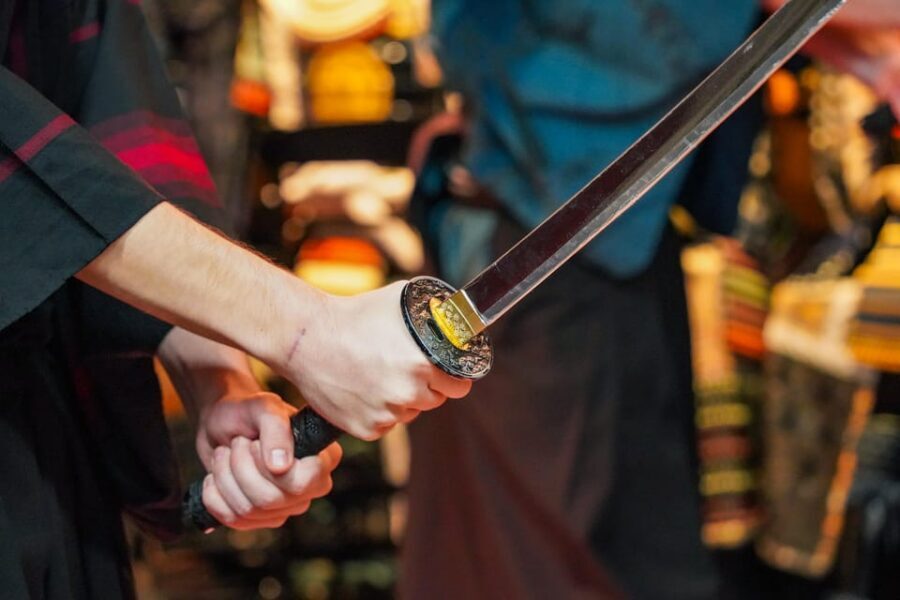
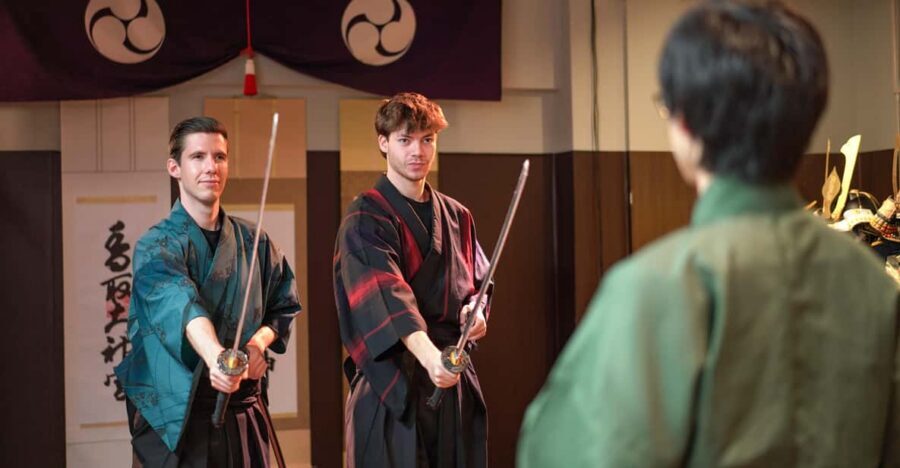
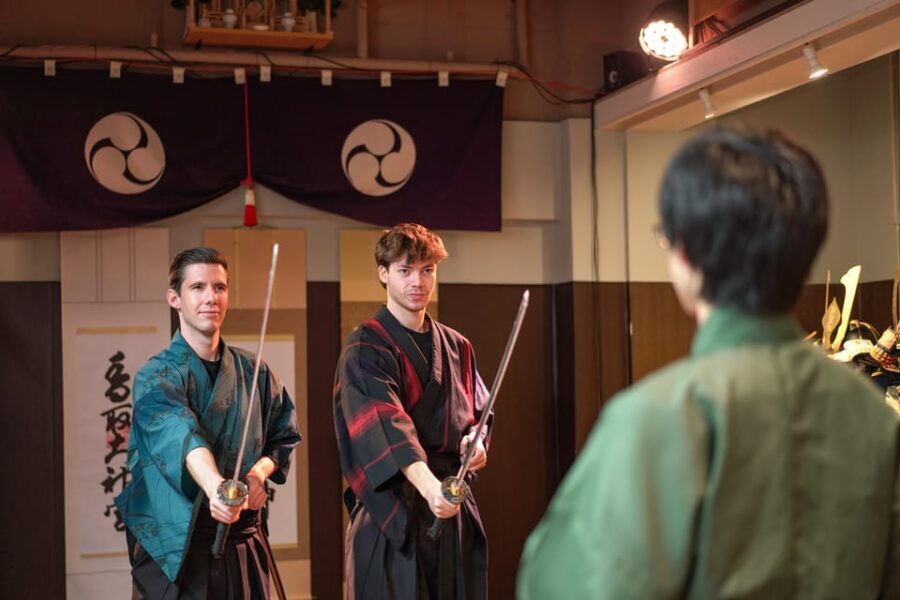
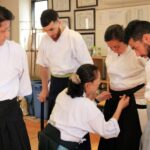
This is the main event: your samurai experience with kimono rental (about 1 hour). You’ll practice the basics of samurai fighting and movements with professional instructors. It’s not “watch only.” You’ll learn steps, build coordination, and run through guided practice so you understand how the movement is supposed to feel.
What I like about this format is how it reduces intimidation. Samurai training can sound intense, but the tour is designed for beginners. You’re guided step-by-step, with support if something feels awkward. That matters if you’re bringing kids or if you’re not sporty. The goal here is participation, not intimidation.
From the experience’s framing, expect instruction that covers both the physical basics and the thinking behind them. You’ll also likely see why the tour pairs history with movement: the guide’s explanations (shrines, Buddhism, Zen) are meant to connect to the discipline side of training.
And for a small-group tour, this part tends to get interactive fast. With a cap of 9 participants, you’re less likely to feel like a number and more likely to get corrections when you need them.
More days made easy by a guide





The Live Samurai Performance: Theater With Skill
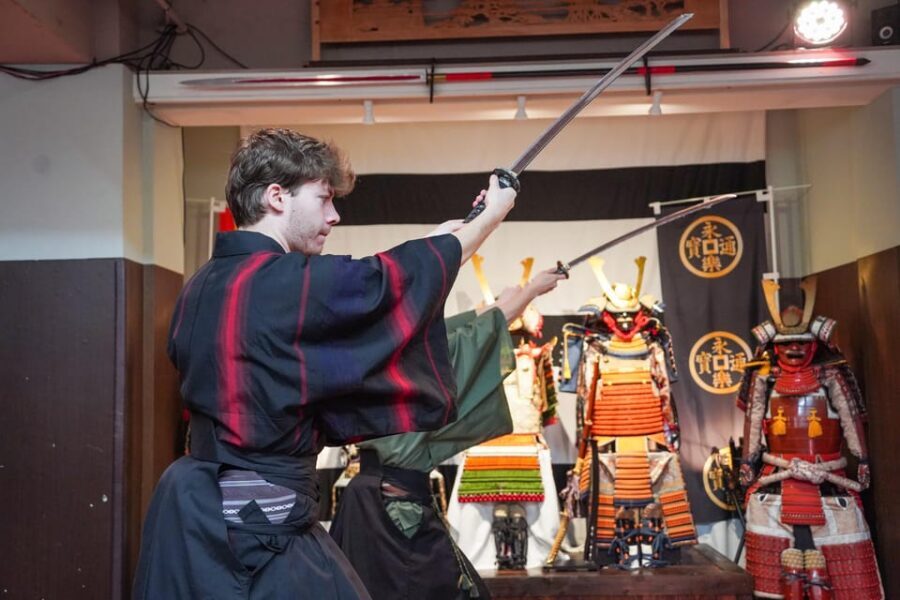
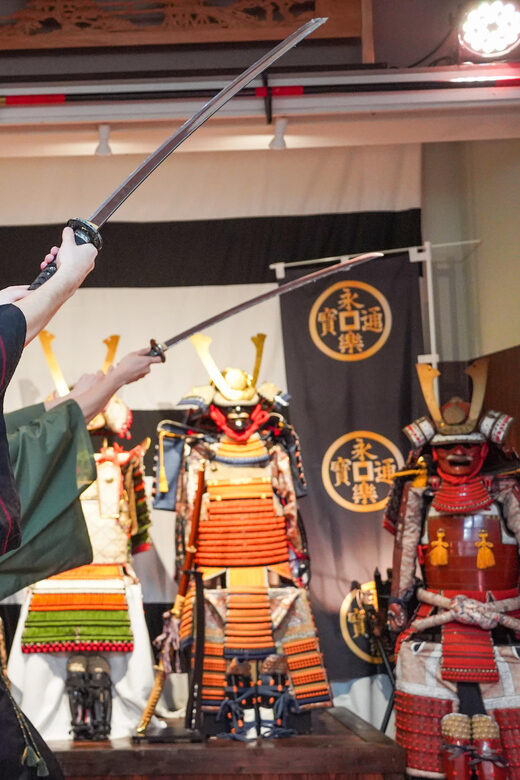
Between training and practice sessions, you’ll also watch a live Samurai performance by professional actors. This is a real bonus if you’re into action and theater, because it turns the “samurai lesson” concept into something visual and dramatic.
Even if you don’t know Japanese stage styles, you can follow what matters: posture, timing, control, and the sharpness of movement. It also helps you understand what your instructors are aiming for when they explain fundamentals during training.
If you’re traveling with kids, this is often the part that lands best. It’s high-energy, and it gives you a break from walking without losing the theme of the day.
Lunch in a 70-Year-Old House: Vegetarian Works, but Read the Fine Print
After your training and sightseeing, you’ll enjoy lunch in an older Japanese house—over 70 years old—described as a former teahouse that once served as a haven for geishas. That’s not just decoration. The setting makes lunch feel like a pause in the story, not an afterthought.
You can choose a vegetarian option in advance, and it’s the only clear dietary option guaranteed by the tour details. Vegan and gluten-free options are not available, and the tour can’t accommodate shellfish allergy requests. Also, the tour notes that they can’t guarantee allergy-free meals because food is prepared in kitchens outside of the provider.
So if you have serious dietary needs, don’t treat this as a safe bet. If you’re vegetarian with no gluten or shellfish issues, you’re in good shape. If you need vegan or gluten-free, you should plan on a different food strategy for the day.
Still, the lunch experience itself is a value anchor. You’re not just paying for a sandwich. You’re paying for: guided time, kimono rental, training instruction, a performance, and a sit-down meal in a meaningful setting.
Kagurazaka Treat and Local Snacks: The Fun Way to End the Story
A simpler part of the day, but one that often becomes memorable: you get one traditional food or sweet to choose during the tour. The options mentioned include things like chimaki and steamed buns, plus modern sweets.
Then later you’ll have a shorter window for local snacks while you continue with guided time and some shopping. This is a good blend if you like tasting as you walk. It keeps momentum without turning the tour into a long snack crawl.
One tip: since the tour includes a treat plus lunch, don’t over-order snacks too early. Save appetite for the moment you’re truly curious. Kagurazaka is the kind of neighborhood where small purchases feel more fun than large ones.
Guides, Energy, and Why Small Groups Matter
The reviews highlight something you’ll feel during the day: the guiding style. Some tours have been led by guides such as Mark, and other groups have mentioned guides like Taka and Naoki. Across those experiences, the pattern is energetic storytelling and a sense of humor, with history tied to what you’re seeing and doing right then.
That matters because samurai culture can go either way—dry lecture or living context. Here, the guide’s job is to connect concepts like Zen discipline and Shinto spirit to the movements you practice. When the guide is engaged, everything feels more coherent.
Small group size (up to 9) is also practical. It makes it easier to ask questions, get your photos, and move through tight streets without feeling crowded. If you want a calmer Tokyo day where you’re not constantly joining and separating from strangers, this format helps.
Price and Value: What $162 Gets You (and Why It’s Not Just a Walk)
At $162 per person, you’re paying for more than a neighborhood tour. This price bundles multiple components that are usually separate:
- Kimono rental plus a full hour samurai experience
- A professional instruction segment for fighting/movement basics
- A live Samurai performance
- A local English guide for about 3.5 hours
- Lunch (with a vegetarian option) and one included treat
- Time in Kagurazaka with sightseeing and snack/street stops
So the value isn’t only in seeing Kagurazaka. It’s in getting guided cultural framing plus physical practice plus a performance. If you’ve done Tokyo tours that are heavy on walking but light on hands-on learning, this one answers that gap.
The only “value hit” I’d flag is dietary limits. If you need vegan or gluten-free, you may end up paying the same price but having to manage food options outside what the tour can support. In that case, the math changes.
If you’re vegetarian and flexible with food, the bundled nature of the day is where you’ll feel like you got your money’s worth.
Who This Tour Fits Best
I think this tour is a strong match for:
- Families with kids age 4+ who want a fun, photo-friendly action + culture day
- People who want samurai context tied to place, not just facts in a guidebook
- Fans of martial arts who want beginner-level movement practice with instructors
- Travelers who like theater as part of learning (the performance is real time)
It’s less ideal if:
- You’re a wheelchair user (the tour isn’t suitable)
- You require vegan or gluten-free meals
- You have strict allergy needs beyond what the tour can support (and even then, allergy-free guarantees aren’t promised)
Should You Book This Samurai Experience?
Yes, if you want a Tokyo day that mixes Kagurazaka street culture, a real hands-on samurai basics lesson, a live performance, and lunch in an older Japanese house. The structure makes it easy to learn without needing previous martial arts experience, and the small group size helps the whole thing feel personal.
Before you book, check two things: your dietary needs (vegetarian is supported; vegan/gluten-free aren’t) and your timing (arrive early, because late arrivals can’t join). If those match, this is the kind of tour that gives you stories you can actually picture later—kimono, movement practice, temple context, and a neighborhood walk that feels like Edo-era Tokyo is still holding the corners together.
FAQ
How long is the Tokyo Samurai Experience with lunch and guided tour?
It runs for about 4 hours.
How big is the group, and is the tour in English?
The group is small, limited to 9 participants, and the live guide speaks English.
Where does the tour start?
You meet in front of Aoyama Flower Market (Ecute Edition Idabashi Store), outside the West Exit of JR Iidabashi Station.
What’s included in the samurai training?
You get a 1-hour samurai experience with kimono rental, plus instruction on the basics of samurai fighting and movements, led by professional instructors.
Is lunch included, and can I choose vegetarian?
Lunch is included, and a Japanese vegetarian option is available if you request it in advance. Vegan and gluten-free options are not available.
What kind of food or sweet do you get during the tour?
You get one traditional food or sweet of your choice during the tour.
Is hotel pickup or drop-off included?
No, hotel pickup and drop-off are not included.
What ages can join?
The tour is open to participants aged 4 and older.
Is the tour wheelchair accessible?
No, it is not suitable for wheelchair users.
What’s not allowed during the tour?
Smoking and alcohol and drugs are not allowed.
More Tours in Tokyo




More Tour Reviews in Tokyo




The Way of the Sword, Continued

Fresh reviews from around Tokyo






Samurai & Ninja Experiences, compared.
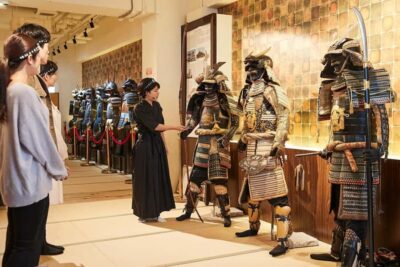 ★ 4.6Samurai Ninja Museum Guided tour and ExperienceFrom $271,010 reviews
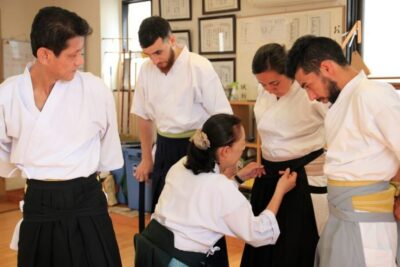 ★ 5.0Samurai Sword & Archery Class from Samurai DescendantFrom $193603 reviews
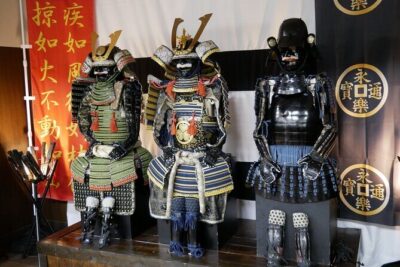 ★ 5.0Best Samurai Experience in TokyoFrom $65458 reviews
 ★ 5.0Ninja Experience (Family Friendly) at Samurai Ninja Museum TOKYOFrom $47441 reviews
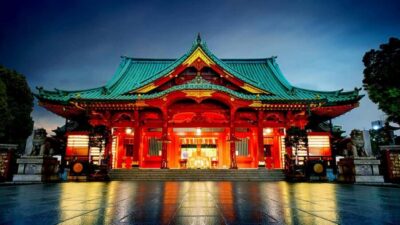 ★ 4.6Samurai Entertainment Night Show in Kanda ShrineFrom $41417 reviews
 ★ 5.0Tokyo Sword Experience – includes Museum Ticket/Ninja ExperienceFrom $84314 reviews
 ★ 4.8Samurai Ninja Museum Asakusa: Samurai Sword Lesson & TourFrom $63306 reviews
 ★ 5.0Samurai Sword Experience (Family Friendly)at SAMURAI MUSEUM TOKYOFrom $65168 reviews
Browse the lists this tour appears in