
Reviewed · IMPERIAL PALACE TOURS
Tokyo: Pvt. Tour – Edo Castle & Imperial Palace East Gardens
Tokyo has a talent for time travel.
This private tour turns that skill into something you can actually use: you’ll walk through Edo Castle ruins and the Imperial Palace East Gardens with an English-speaking guide who puts the place into context. I especially like how the tour focuses on what you can see right now—stone walls, moats, gardens, and the stories behind them—rather than making you decode Tokyo on your own.
One thing to plan around: this is East Gardens access only. You won’t go into the Inner Palace, and there’s a baggage inspection when you enter palace grounds.
In This Review
- Key Highlights You’ll Feel During the Walk
- Meeting at Wadakura Fountain Park: Easy Start, Real Momentum
- Edo Castle Ruins: The Power Behind the Stone Walls
- Ninomaru Garden: Seasonal Flowers and a Slower Way to See Tokyo
- Imperial Palace East Gardens: What You Can See (and What You Can’t)
- The Security Reality: Baggage Inspection and Locker Timing
- Why the Guide Makes This Tour Worth It (From English to Explanations)
- Price and Value: Is $63 for 2 Hours a Good Deal?
- Pacing and What Your Two Hours Will Feel Like
- When This Tour Is the Best Match for You
- Should You Book This Edo Castle and Imperial Palace East Gardens Tour?
- FAQ
- Is this tour inside the Imperial Palace?
- How long is the tour?
- Is the tour private?
- Where do I meet the guide?
- Can I enter the Inner Palace on this tour?
- Will there be a security check?
- What should I do if I plan to buy knives or similar items?
- How should I plan my day around the season?
Key Highlights You’ll Feel During the Walk
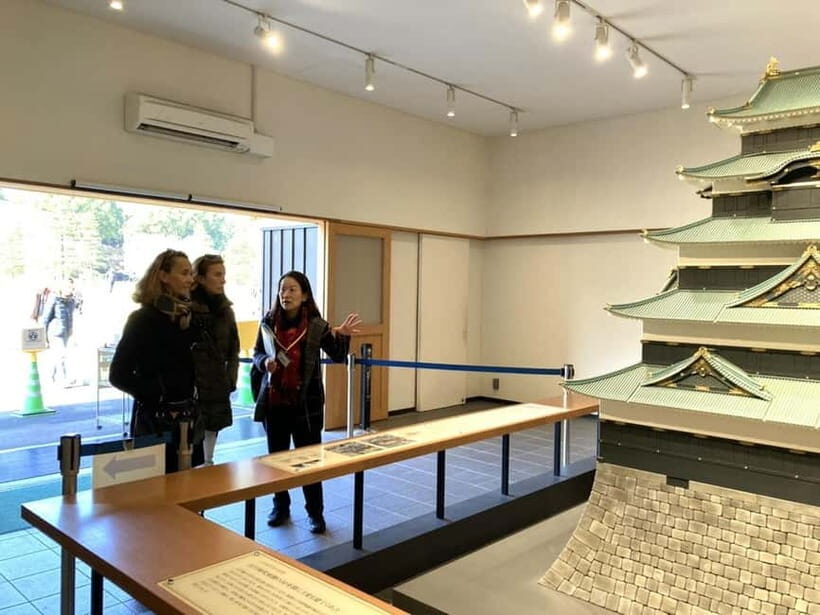
- Edo Castle’s scale, seen up close with stone walls, moats, and the sense of a massive keep
- Ninomaru Garden with seasonal blooms (cherry blossoms in spring, irises in summer, autumn leaves later)
- A quieter pocket of green near major train hubs—easy to reach, easy to enjoy
- A guide that helps you notice what matters through architecture and practical history
- Limited access compared to the full palace grounds since the Inner Palace isn’t included
Before you commit, see how this one stacks up against a few Tokyo favourites:
- Mt Fuji and Hakone 1-Day Bus Tour Return by Bullet Train★ 5.0 · 26,383 reviews
- 1-Day Tokyo Bus Tour★ 5.0 · 14,250 reviews
- Tokyo: teamLab Planets TOKYO Digital Art Museum Entry Ticket★ 4.6 · 9,779 reviews
Meeting at Wadakura Fountain Park: Easy Start, Real Momentum
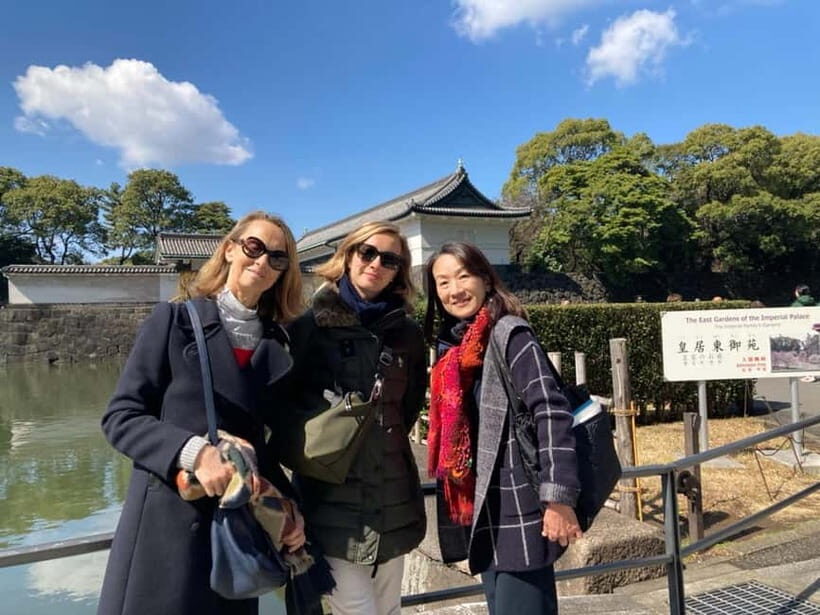
Most Tokyo tours start with good intentions and then lose people in the first 15 minutes. This one starts cleanly. You meet in front of Starbucks in Wadakura Fountain Park, and the guide holds a signboard that says gotcha.
The location is a big part of the value. It’s about a 3-minute walk from Tokyo Metro Otemachi Station exit D2, and roughly a 10-minute walk from Tokyo Station Marunouchi Central exit. That matters because, in Tokyo, you often spend mental energy figuring out transit more than enjoying the place. Here, you’re positioned right at the pulse of the city, but you start with a calm, clear waypoint.
Because it’s a private group and lasts 2 hours, you also avoid the “rush through” feeling that can happen in busy sightseeing blocks. You can keep a comfortable pace while still seeing the key areas without stretching the day.
Edo Castle Ruins: The Power Behind the Stone Walls
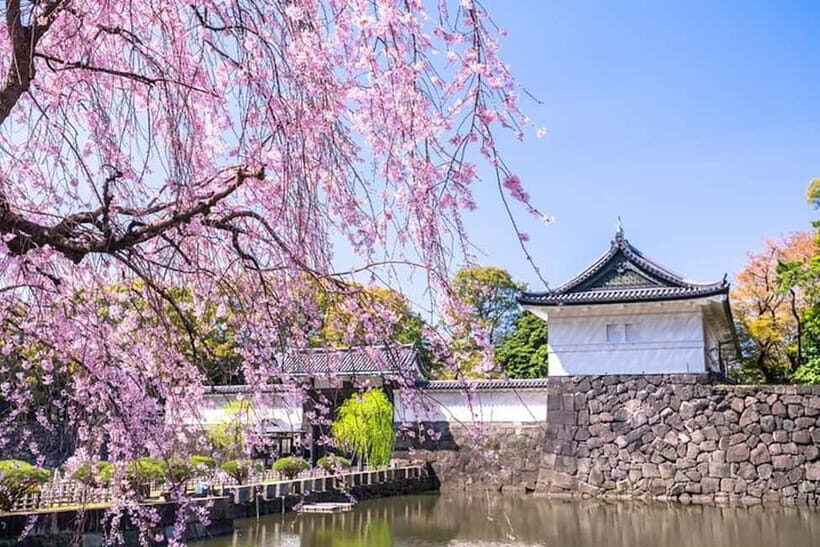
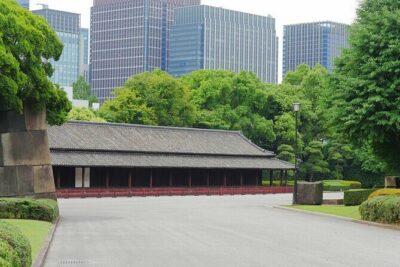
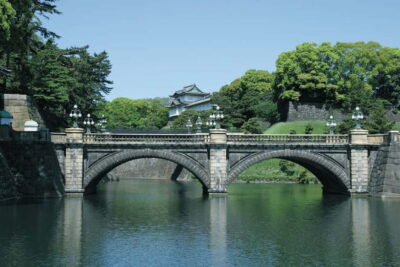
The Edo period is one of those parts of Japanese history that can feel abstract until you stand near the evidence. The tour brings you to Edo Castle ruins, where ancient stone walls, moats, and the overall footprint of the keep help you understand the setting of shogun-era rule.
What I like about this portion is the way it teaches you to look. You’re not just walking past old-looking walls; you’re seeing why they were built the way they were. Moats aren’t decoration. Stone walls aren’t just pretty. They were part of a defensive system and a statement of authority.
This is also where a guide earns their fee. A local who can explain the layout helps you avoid the common trap: spending the time photographing, and then leaving without knowing what you actually captured. On this tour, you’re pushed to connect what you see—stone, water, and structure—with the stories you hear as you walk.
Ninomaru Garden: Seasonal Flowers and a Slower Way to See Tokyo
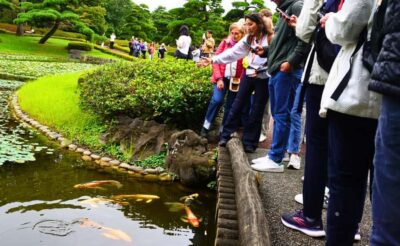
Next comes Ninomaru Garden, a traditional Japanese garden on the grounds tied to the former Edo Castle. This is where the tour shifts gears from “fortress facts” to “walk-and-feel.”
The garden is seasonal, so timing changes what you’ll notice. In spring, the garden can feature cherry blossoms. In summer, you may see irises. In autumn, the focus turns to fall leaves. Even when the timing isn’t perfect, the tour still works because the guide helps you read the garden’s design choices.
I found the practical value here in how people describe the guides. Several guides have been praised for explaining how the garden and palace structures connect—so you don’t just wander pathways without context. For example, you’ll hear about guides like Yuji, Naoko, and Yoshi-san being especially good at turning garden space into a story you can actually follow, even if you’re not a Japan-history expert.
And yes, there can be moments of disappointment if you’re aiming for peak blossoms. One visitor noted cherry blossoms weren’t fully out during their visit, so expect that seasonal timing is real. Still, even off-peak, you’ll get a calm break from the city’s momentum.
Imperial Palace East Gardens: What You Can See (and What You Can’t)
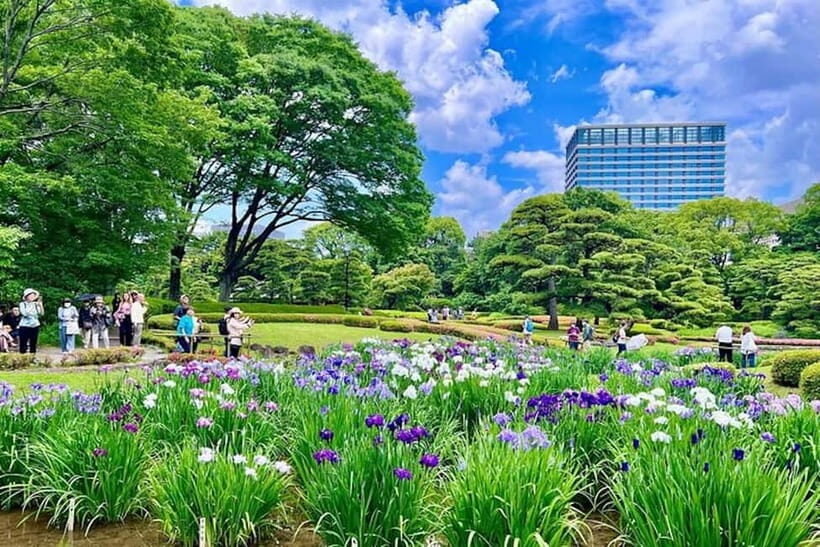
The centerpiece is the Imperial Palace East Gardens walking tour. This is the part that gets people excited for a simple reason: the East Gardens are tied to the area where Edo Castle once stood. You’re effectively moving through layers of Tokyo’s past, and the guide connects those layers as you go.
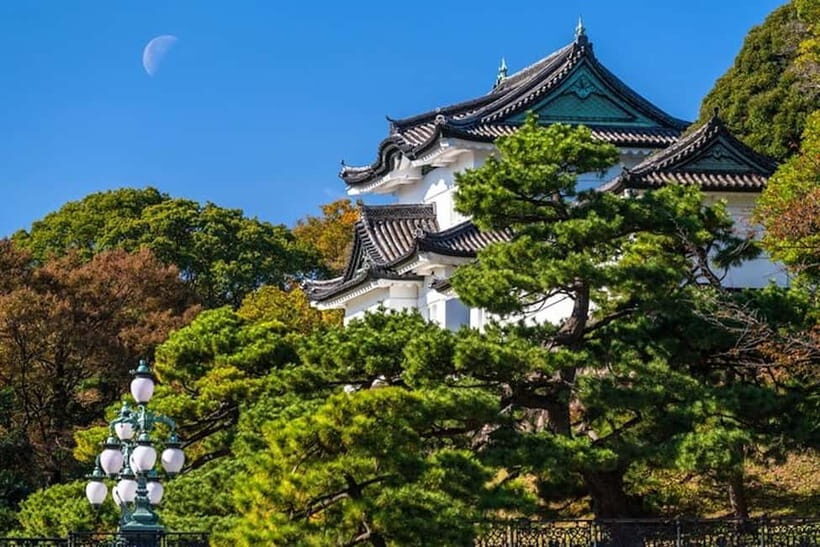
Here’s the important limitation, stated plainly: this tour does not include the Inner Palace, where the Emperor resides. You’ll still cover the East Gardens area with a guide, and you’ll hear stories about the imperial past and the buildings and grounds you can access.
So how do you decide if this limitation matters to you? Ask yourself what you want from the day:
- If you want views of the palace grounds and a guided historical narrative, this works well.
- If you’re specifically chasing access to the Inner Palace buildings, you’ll need a different option.
If you’re flexible, this restriction can actually help the experience feel focused. In two hours, the tour keeps you in the part you can comfortably explore, and the guide’s explanations land better when you’re not constantly being redirected by access rules.





The Security Reality: Baggage Inspection and Locker Timing
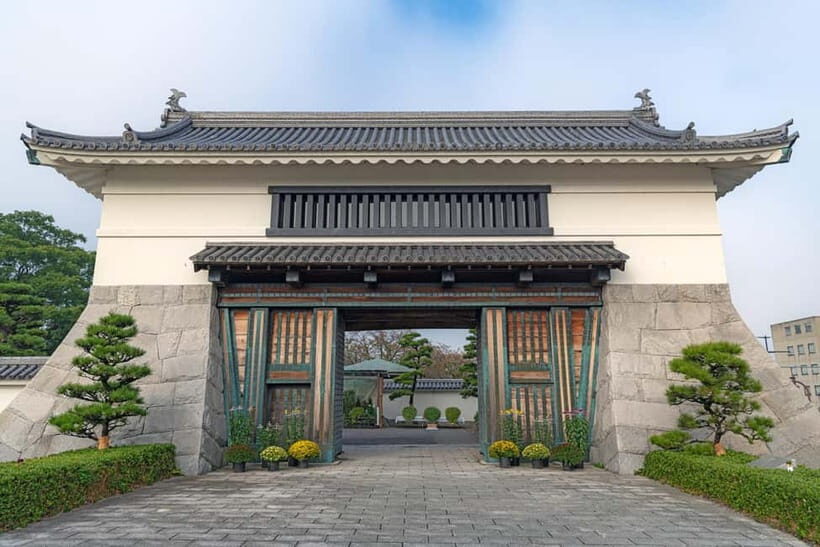
Tokyo rewards preparedness. This tour comes with a security detail you shouldn’t ignore: when you enter the palace grounds, visitors are subject to baggage inspection.
The tour information also includes a very specific tip: if you plan to buy Japanese knives or other items that could be used as weapons at places like Tsukiji or Asakusa, leave them in a coin locker or similar before the meeting. The idea is to prevent trouble on arrival and keep your day from getting paused at the wrong moment.
I recommend treating this as a planning checklist, not a worry. Bring a bag you can manage easily, and if you’re doing shopping around your tour day, do the heavy lifting earlier so you’re not carrying restricted items toward the meeting point.
Also, since this is a short 2-hour walk, you’ll feel every delay. So plan to arrive a little early at Wadakura Fountain Park.
Why the Guide Makes This Tour Worth It (From English to Explanations)
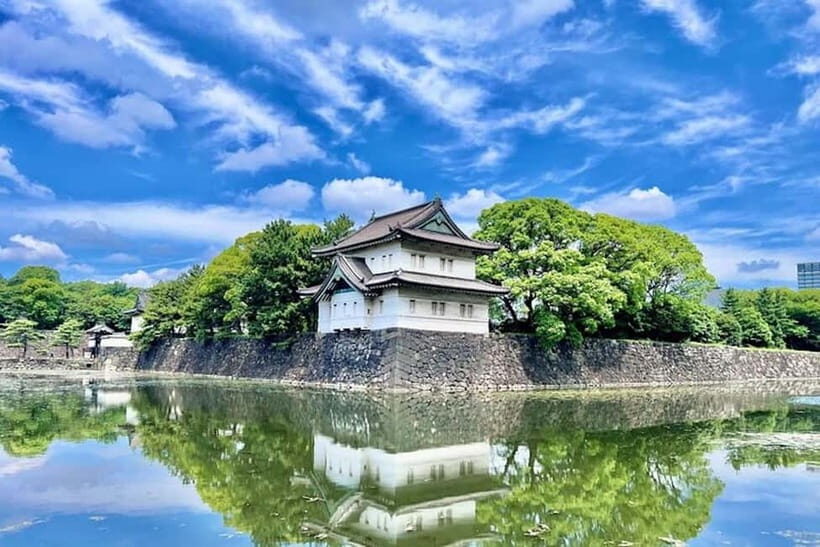
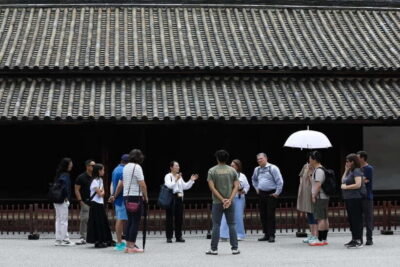
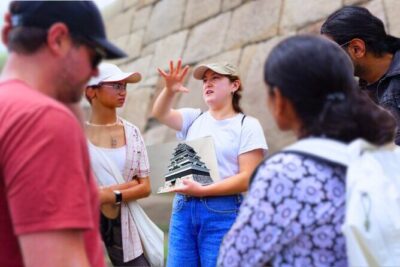
A private tour is only as good as the person holding the thread. The strong feedback here repeatedly points to guide quality: guides have been praised for friendliness, strong English, and explanations that connect details you’d otherwise miss.
Here are a few names that show up in highly rated experiences:
- Hiroshito received standout praise for being kind and delivering a smooth, beautiful tour
- Yoshi-san earned credit for strong English and for sharing interesting facts about garden and palace elements
- Masahito was noted for showing guests at their own pace and getting answers quickly if someone asked something complex
- Mari, Ishida, and Maru were highlighted for being prompt, organized, and easy to follow
- Yuji, Naoko, Chichiro, and David were recognized for strong knowledge, attentiveness, and pacing that works for families
Even beyond names, the consistent pattern is helpful: guides don’t just rattle dates. They translate what you’re seeing—architecture, garden layout, and imperial connections—into an experience you can hold onto.
If you want to make the most of the guide, come with one or two questions in mind. For example: what did the defensive layout mean, or what garden elements are built for seasonal viewing? A good guide will steer you to answers that match what you’re standing in.
Price and Value: Is $63 for 2 Hours a Good Deal?
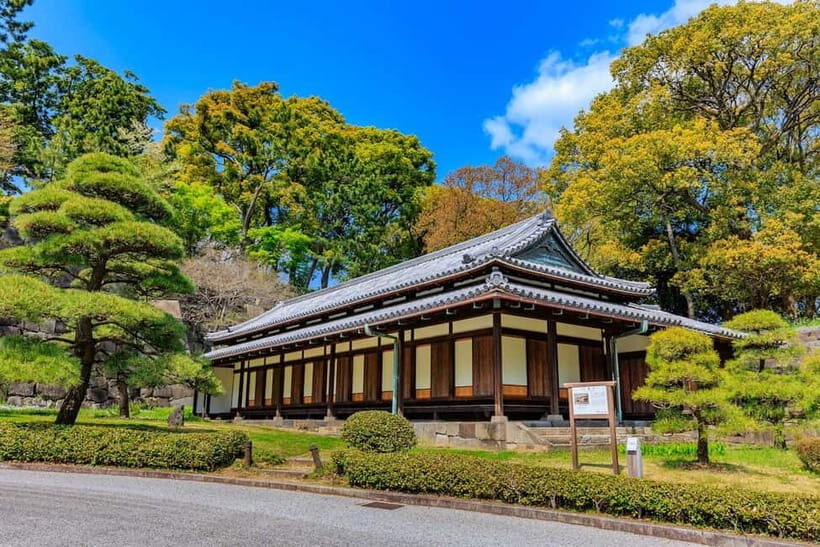
At $63 per person for a 2-hour private guided walk, the value depends on what you’d do instead.
If you’re thinking of going alone, you can absolutely walk the area and read some signage. But you’ll miss the connective tissue: why the walls and moats were placed, how Ninomaru Garden relates to what came before, and how the East Gardens fit into Japan’s imperial story.
You’re also buying time. In Tokyo, being efficient matters. This tour is built around a compact route, a clear meeting point, and a guided pace that aims to prevent “lost-in-translation” sightseeing.
For families, the private setup tends to help a lot. Multiple reviews point to guides pacing well for families and making the time feel coherent and not rushed.
Bottom line: at this price point, I’d call it good value if you care about context. If you’re only after photos and don’t mind reading on your own, you might feel the cost less justified. But if you want the place explained while you’re there, the guide portion is the heart of the deal.
Pacing and What Your Two Hours Will Feel Like
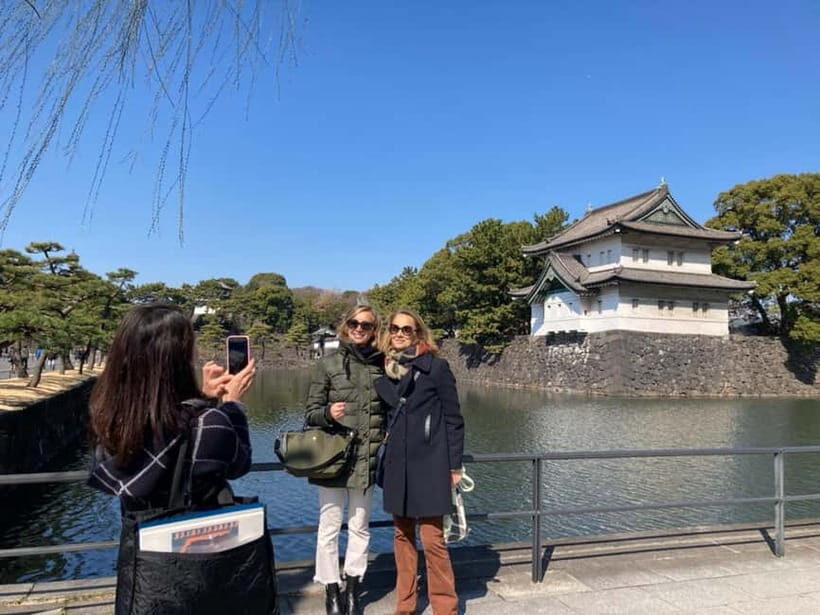
The itinerary is designed for a simple flow: arrive, get oriented, then move through the East Gardens area with the guide explaining each part along the way.
In practice, that means:
- You start at a highly recognizable meeting spot near Otemachi
- You walk through the Edo Castle ruins zone first, which gives you historical grounding
- You shift into the garden experience with Ninomaru Garden
- You finish with imperial-palace East Gardens context—without requiring longer access to restricted areas
Because it’s private and only 2 hours, you’re unlikely to feel exhausted. Still, you should wear comfortable shoes. Garden walking plus uneven ground around historic areas is normal, and you’ll want your feet to be happy so your brain can focus on the stories.
If you’re planning other Tokyo stops on the same day, this tour fits nicely as a “morning reset” or an “early afternoon calm.” It’s not a half-day commitment, and it’s not an all-day endurance event.
When This Tour Is the Best Match for You
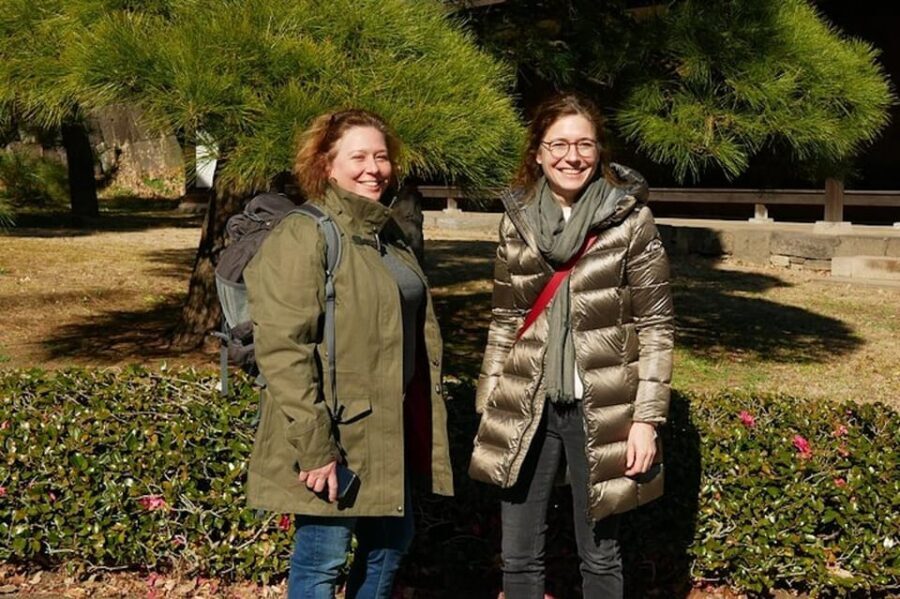
This tour shines if you:
- want an English-guided introduction to Edo Castle ruins and the Imperial Palace East Gardens
- like history that connects to real physical space—stone, water, and garden design
- want a private experience with someone who can answer questions on the spot
It’s also a good choice if you’re visiting Tokyo for the first time and want one carefully guided historic area without turning your day into a transit maze.
If you’re obsessed with maximum palace access or Inner Palace buildings specifically, you’ll likely feel boxed in by the included coverage.
Should You Book This Edo Castle and Imperial Palace East Gardens Tour?
If your goal is to understand what you’re seeing—Edo-era power, garden design, and imperial context—this is an easy yes. The short length, private format, and consistently praised guides (from Hiroshito and Yoshi-san to Yuji and Naoko) make it feel like a guided walkthrough rather than a generic sightseeing stop.
I’d skip or reconsider if you’re set on entering the Inner Palace, because this tour won’t do that. And if you’re the kind of traveler who hates any security checks at all, the baggage inspection note is worth factoring into your comfort level.
If you can accept East Gardens only, bring manageable bags, and show up ready to ask questions, this tour is a strong use of time in central Tokyo.
FAQ
Is this tour inside the Imperial Palace?
No. This tour does not include entry to the Inner Palace, where the Emperor resides.
How long is the tour?
The tour lasts 2 hours.
Is the tour private?
Yes. It’s a private group with an English-speaking guide.
Where do I meet the guide?
Meet in front of Starbucks in Wadakura Fountain Park. Look for the guide holding a signboard that says gotcha.
Can I enter the Inner Palace on this tour?
No. It is not possible to enter the Inner Palace on this tour.
Will there be a security check?
Yes. Upon entering the grounds of the Imperial Palace, visitors are subject to a baggage inspection.
What should I do if I plan to buy knives or similar items?
If you plan to purchase Japanese knives or other items that could be used as weapons, leave them in a coin locker or similar before the meeting.
How should I plan my day around the season?
The garden has seasonal features such as cherry blossoms in spring, irises in summer, and autumn leaves later in the year, so what you see can depend on timing.
More Tours in Tokyo


More Tour Reviews in Tokyo



Fresh reviews from around Tokyo






Imperial Palace Tours, compared.
 ★ 4.9Imperial Palace Japanese History Walking TourFrom $32987 reviews
 ★ 5.0Imperial Palace East Garden and Edo Castle Walking Tour in TokyoFrom $25510 reviews
 ★ 4.8Imperial Palace East Gardens Walking TourFrom $19353 reviews
 ★ 4.5Imperial Palace, Sensō-ji Temple, & Tokyo Tower TourFrom $40339 reviews
 ★ 5.0Tokyo Castle, Imperial Palace, Shogun & Garden Walking TourFrom $31211 reviews
 ★ 4.7Edo Castle & East Garden of the Imperial Palace TourFrom $42112 reviews
 ★ 5.0Tokyo Private Tour! Edo Castle & Imperial Palace East GardensFrom $65105 reviews
 ★ 5.0Imperial Palace, the history of Japan (ENGLISH GUIDE)From $4077 reviews
Browse the lists this tour appears in