
Reviewed · IMPERIAL PALACE TOURS
Tokyo: Edo Castle & East Garden of the Imperial Palace Tour
Time slows down near the Imperial Gardens. This 2-hour walking tour takes you onto the grounds of the old Edo Castle, now the East Garden of the Imperial Palace, with stories that connect emperors, shoguns, and everyday Tokyo to what you’re seeing right in front of you. You meet your guide at Wadakura Fountain Park, and you may end up with a guide like Hiroshi, Yoshi, or Naoko, who keep the pace easy and the details clear.
What I like most is how the tour feels made for real walking time, not museum-time. You’ll get guided garden strolling plus practical historical context, and the experience tends to work well even for mixed groups, including seniors. I also love that the tour doesn’t just point at things; it helps you look—especially around the must-see koi fish moment that gets called out as the magical highlight.
One consideration: you’re not going inside the Imperial Palace, and the East Garden has access limits (it’s closed on Mondays and Fridays). So if you’re chasing a ticket to the inner buildings, you’ll need a different plan—this one is about the East Garden and its Edo-era layers.
In This Review
- Key things to know before you go
- Wadakura Fountain Park: finding your guide without stress
- East Gardens of the Imperial Palace: how Edo Castle echoes in the scenery
- Stories of shoguns and emperors you can actually follow
- The koi fish moment and photo-friendly garden stops
- What you do not get: no Inner Palace entry
- Price and value: $42 for 2 hours in Tokyo
- When this tour fits best (and who will enjoy it most)
- Practical prep: bags, inspections, and avoiding problems
- Should you book the Tokyo Imperial Palace East Garden tour?
- FAQ
- How long is the tour?
- Where do I meet the guide?
- Is it an English guided tour?
- Can I enter the Inner Palace?
- Are the East Gardens open every day?
- Is there a baggage inspection when entering the palace grounds?
- What if I bought Japanese knives or similar items before the tour?
- What’s the cancellation policy?
Key things to know before you go
- Meet at Wadakura Fountain Park for a straightforward start, with your guide holding a sign that says Gotcha.
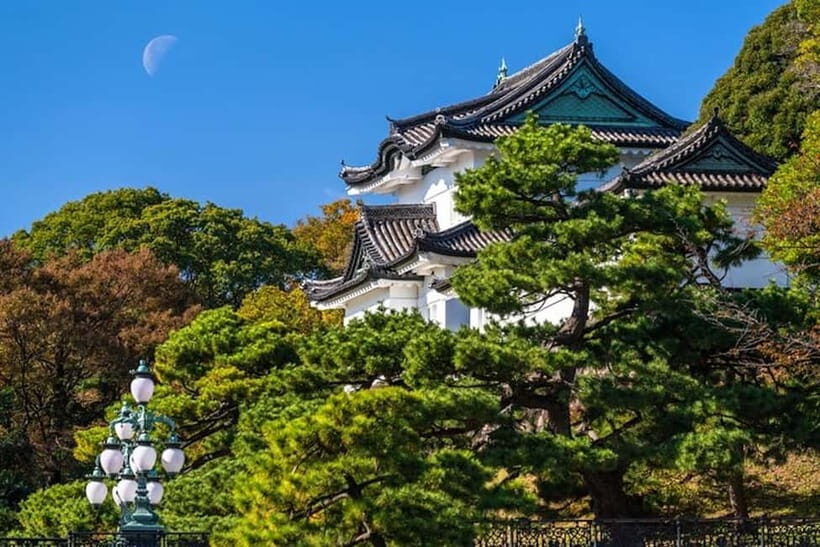
- Edo Castle grounds, translated for you as the East Gardens sit on the former core area where shoguns ruled.
- Slow, story-based pacing so you can absorb details without getting sprinted through.
- Koi fish are the signature stop that the tour specifically calls out as a don’t-miss highlight.
- Guides help with photos and timing—including taking pictures for your group and keeping you from missing key spots.
- No Inner Palace entry means your experience centers on the East Garden area only.
Before you commit, see how this one stacks up against a few Tokyo favourites:
- Mt Fuji and Hakone 1-Day Bus Tour Return by Bullet Train★ 5.0 · 26,383 reviews
- 1-Day Tokyo Bus Tour★ 5.0 · 14,250 reviews
- Tokyo: teamLab Planets TOKYO Digital Art Museum Entry Ticket★ 4.6 · 9,779 reviews
Wadakura Fountain Park: finding your guide without stress
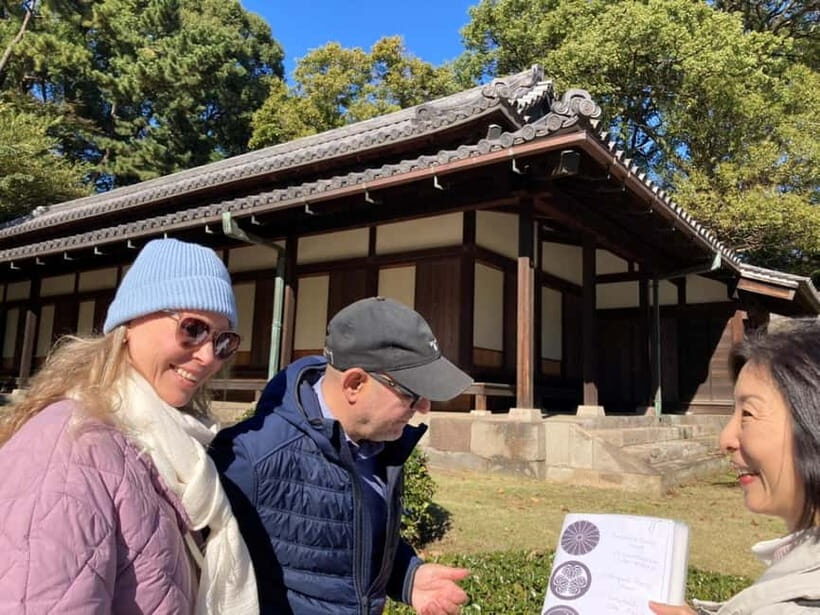
The tour starts at 和田倉噴水公園 (Wadakura Fountain Park). It’s a helpful anchor point because it’s a place you can orient to, rather than trying to track a vanishing meeting spot inside a maze. When you arrive, your guide will be holding a sign that says Gotcha, so you’re not guessing.
For you, the biggest practical advantage here is timing. With a 2-hour tour, the beginning matters. If the start is easy to locate, you spend more of your limited time looking at the garden and less time asking strangers for directions. And given how many guides have been described as patient with different groups, you can expect a calmer start than some faster, more chaotic tours.
One small note to keep in your mental checklist: you’ll be walking on official grounds, so wear shoes you can comfortably keep on for the full stroll. This isn’t a “pop in, snap, pop out” experience. It’s meant to feel unhurried.
East Gardens of the Imperial Palace: how Edo Castle echoes in the scenery
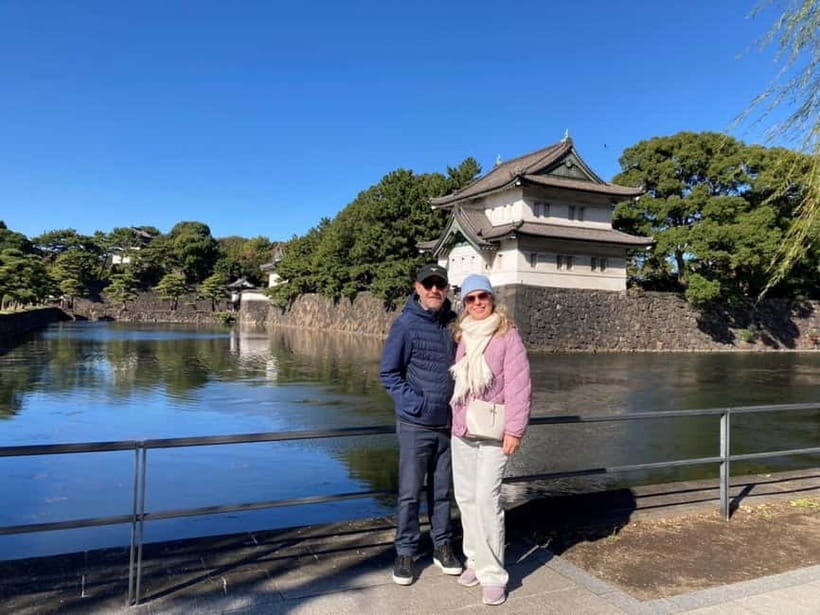
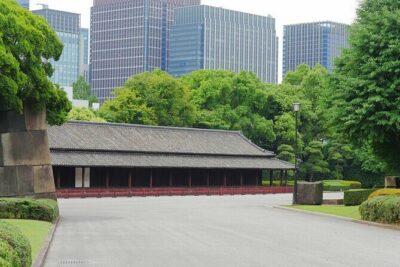
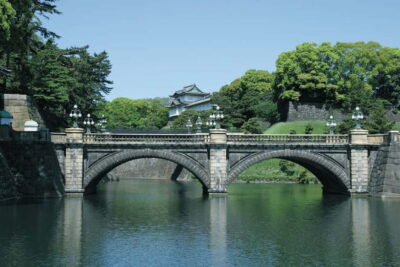
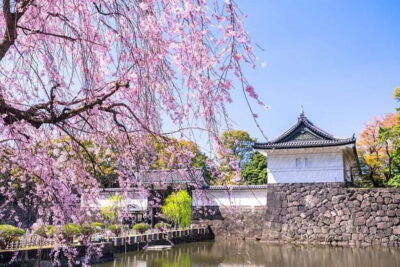
The heart of this tour is the Imperial Palace East Gardens, built on the main grounds of the former Edo Castle. That single fact changes how you experience the place. Instead of treating the garden as just a pretty stop, the tour frames it as a living map of power and transition—where shoguns once ruled and later the Imperial household became central to Japan’s story.
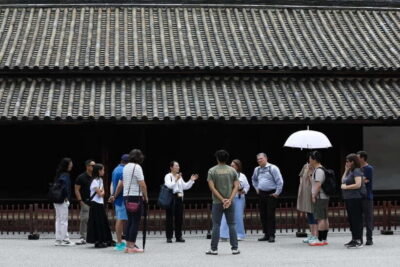
You’ll get guided walking through the East Gardens while your guide links what you see to the bigger picture: how Japanese culture shaped the space, how design choices reflect status and intention, and how the garden setting helped define daily life around the palace grounds.
What I like about this approach for you is that it keeps the garden from becoming “pretty but vague.” You’ll learn what to notice: key views, the way paths guide your sightlines, and why certain spots are worth lingering at. This tour is especially good if you’re not sure what you’re looking at when you visit historic Tokyo sites. A good guide turns confusion into clarity in real time.
And yes, the garden is peaceful, but it’s not quiet in meaning. The tour gives you enough context to understand why this patch of Tokyo has always mattered.
Stories of shoguns and emperors you can actually follow
History tours can go two ways: either they’re a timeline lecture, or they’re just vibes. This one aims for the middle. The tour is described as a leisurely, fun way to learn Japanese history while you walk, and that pacing is exactly what helps the stories stick.
Guides often connect the Edo period and the imperial story to the physical setting around you. You’ll hear explanations that make the shogun-era and imperial-era relationship feel more real, not like separate chapters in a textbook. In practice, that means you’ll likely get a tour style that answers the obvious questions: Who held power here? How did it change? Why does the garden matter?
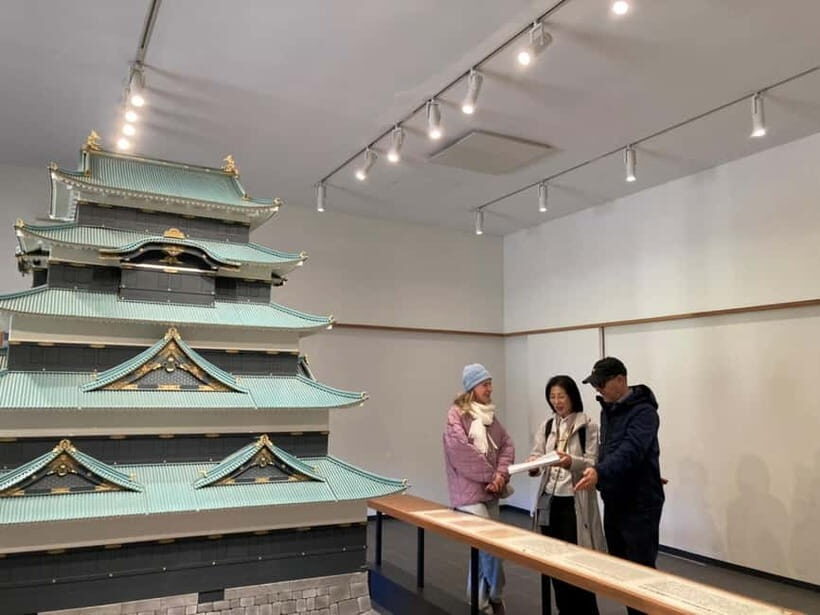
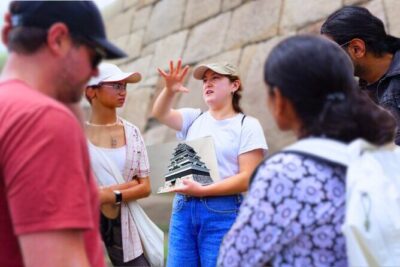
There’s also a “look at this, then understand it” rhythm. Some guides use visual aids and explanations that make it easier to imagine what used to be there, including remnants of older structures and walls that you might see along the route. That kind of guided attention is a big part of why so many people rate this tour highly.
If you end up with a guide such as Shigeru, Hitoshi, or Mikio, you’ll likely notice a pattern: strong English delivery, clear structure, and a willingness to answer questions without making you feel rushed. One guide was also reported as accommodating for seniors and slower walkers, which is the best kind of “adaptation” for a garden tour.
The koi fish moment and photo-friendly garden stops
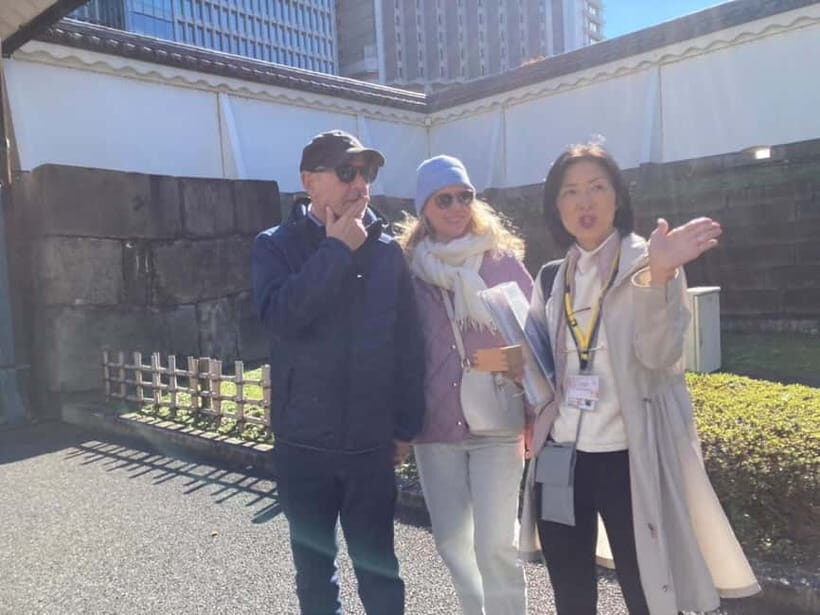
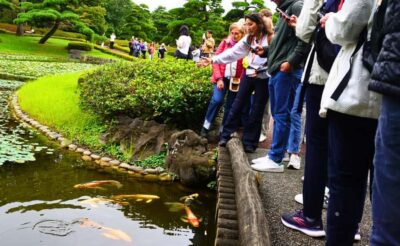
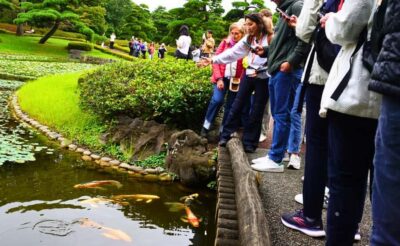
Let’s talk about the highlight that people don’t let you miss: a magical breed of koi fish. The tour explicitly calls out koi as a must-see feature, which tells you the guide expects you to treat it like a real destination, not a quick glance.
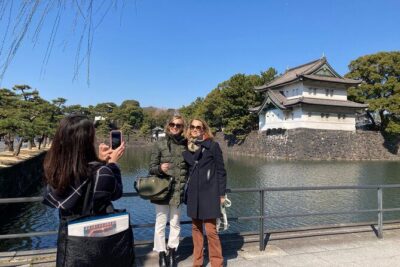
If you care about photos, this is one of those places where a guide can genuinely help. Several descriptions mention guides taking time to help with pictures in the best spots. That matters in Tokyo, where you can easily end up with a great shot that somehow cuts off the view you meant to capture.
The tour’s value here is in direction. Without guidance, you might rush past the exact angle or the exact moment when the koi are most visible. With a guide, you get a nudge toward the moments that match the story of the garden.
And if you love small surprises, the tour tends to include extra touches. Some guides have been reported as walking extra to help people reach the subway afterward, and a few have offered small mementos like origami. Those aren’t guaranteed, but they fit the overall pattern: the experience is meant to end well, not abruptly.





What you do not get: no Inner Palace entry
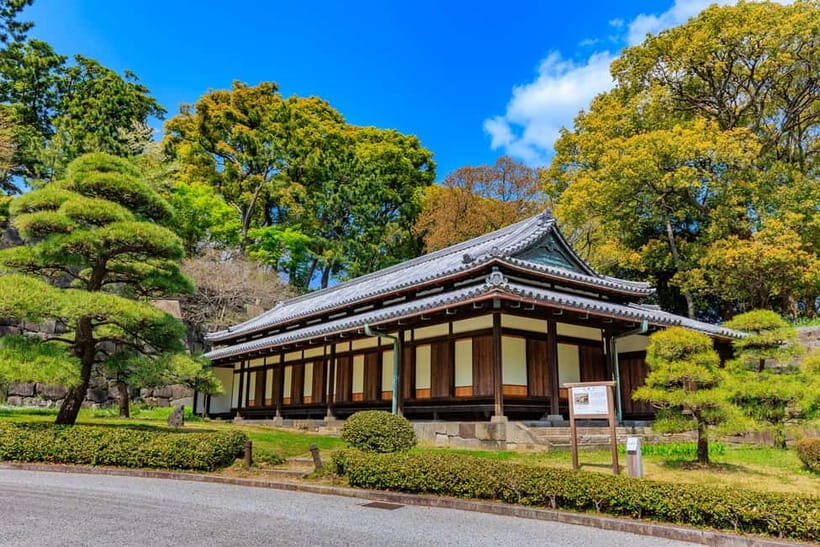
This tour does not go inside the Imperial Palace. You’re limited to the East Garden area, which is great if you want a calm, guided stroll without the unpredictability of trying to enter inner buildings.
Why this matters for your decision: if you’re hoping for the full Imperial Palace interior experience, you’ll feel boxed in. But if you want a focused garden visit with historical interpretation, you’ll likely find this trade-off worth it.
Another key point: the East Garden is closed on Mondays and Fridays. So if your trip lands on one of those days, you’ll need to swap days or choose another Tokyo activity that still scratches the Edo and imperial history itch.
Finally, there’s a practical rule once you enter the palace grounds: baggage inspection. That doesn’t sound exciting, but it’s the kind of thing you want to be prepared for. Keep your daypack manageable so you can move smoothly through the checks.
Price and value: $42 for 2 hours in Tokyo
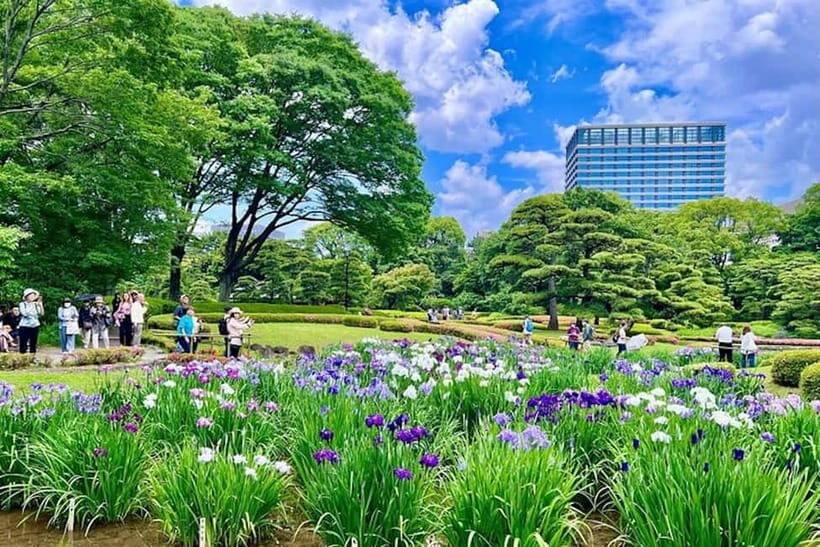
At about $42 per person for a 2-hour guided walk, this isn’t a bargain like a free museum day. But it can be good value because the tour does two high-value things at once:
First, it saves you guesswork. Tokyo’s historic sites are full of details that most people don’t notice on their own. A guide helps you see what matters and gives context as you walk, which turns “I visited a garden” into “I understood why this place mattered.”
Second, it helps you use your time. With only 2 hours, you don’t want long waits, confusing meet-ups, or wandering without a plan. This tour is designed around a clear starting point and a timed garden loop, so your effort goes toward the experience instead of navigation.
One honest consideration: the pricing may feel less compelling if you’re already confident reading Japanese history on your own and you don’t need help spotting the key features. There are people who compare this to longer day trips elsewhere in Japan. If you’re trying to maximize sheer sightseeing hours, you might feel that tension.
But for a first taste of Imperial grounds context—especially paired with the koi fish highlight—this is usually the kind of experience that justifies the ticket.
When this tour fits best (and who will enjoy it most)
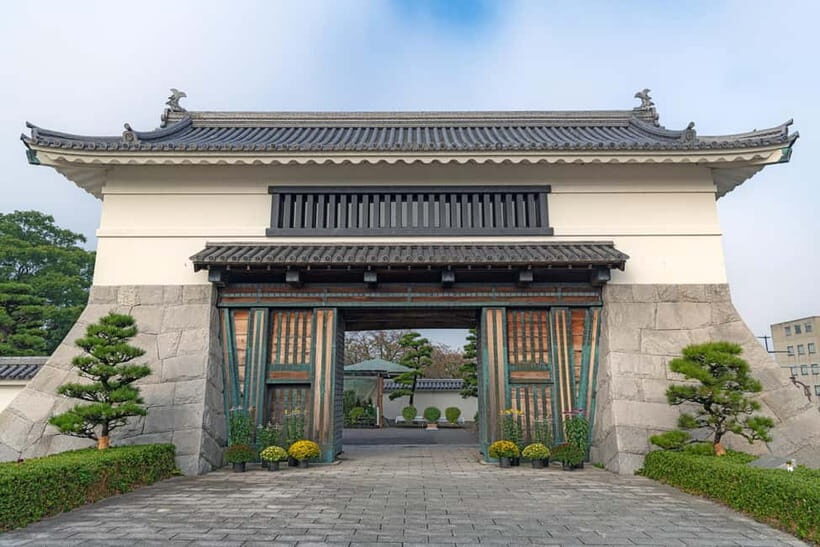
This is a smart choice for you if you want a calm, guided introduction to the Edo-to-imperial story in Tokyo without a hard pace. It’s also a strong fit if you’re traveling with family. One guide was reported as making the stories work even for a child, which tells me the explanations can scale beyond “grown-up lecture mode.”
It can also work for seniors or anyone who wants breaks. Multiple descriptions mention guides adjusting for slower walking and being patient with questions. That’s not something you can guarantee with every tour company in every city, so it’s a meaningful plus here.
And if you’re the type who loves architecture and old walls and the idea of imagining what used to be there, the tour’s focus on the grounds and what remains of older structures can click fast. Even when access is limited to the East Garden, you still come away with a sense of layering—what this land used to be and how it’s used now.
Timing-wise, plan around the closure days. If you’re traveling on a Monday or Friday, you’ll need to avoid disappointment.
Practical prep: bags, inspections, and avoiding problems
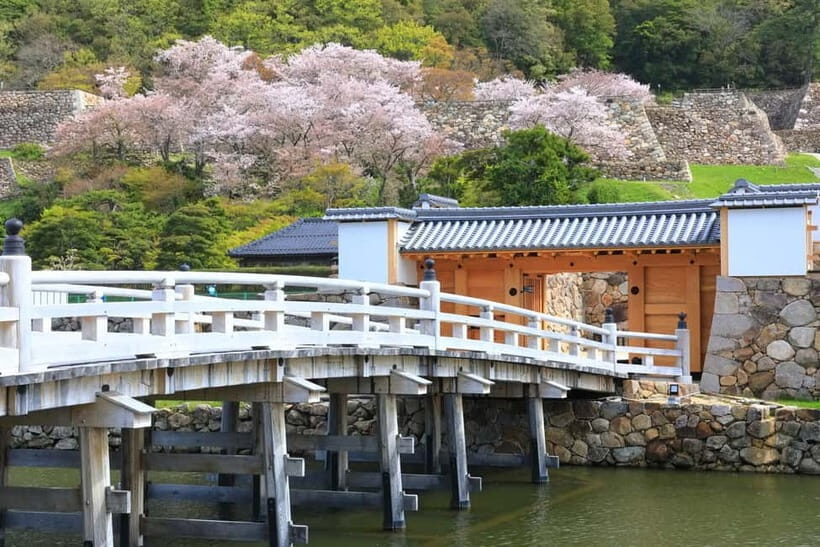
A few “small but important” things can make or break your day.
When you enter the grounds, expect baggage inspection. For a smoother check, keep your daypack tidy and avoid overstuffing it. If you’re traveling with a lot of gear, you’ll likely want to pack smart so you’re not juggling items at the inspection point.
Also, there’s a specific safety note: if you plan to purchase Japanese knives or other items that could be used as weapons at places like Tsukiji or Asakusa, you should leave them in a coin locker or similar before the meeting. That rule is worth taking seriously, because ignoring it can turn a history walk into a bureaucratic headache.
Finally, bring a normal garden-day mindset: comfortable shoes, light layers, and a camera ready. Even though it’s only 2 hours, Tokyo garden paths can add up in walking effort.
Should you book the Tokyo Imperial Palace East Garden tour?
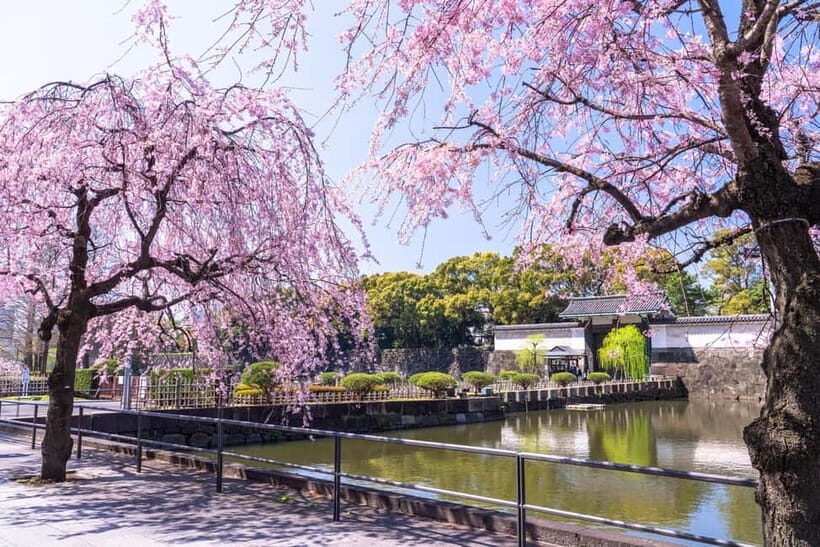
I think you should book this tour if you want a guided walk where context matters—Edo Castle grounds, shogun-and-emperor stories, and a garden experience that’s structured around what you should notice. The strongest reason to go is the combination of slow pacing plus clear explanations, paired with the koi fish highlight and the guide support for photos and questions.
You might skip it if you’re set on entering the Inner Palace buildings (this tour doesn’t do that), or if your dates fall on the East Garden closure days. If you’re already comfortable wandering and reading historic sites on your own, you may feel you could do parts of this independently. But if you want the place to make sense while you’re standing in it, a good guide is exactly what turns “seen it” into “got it.”
If your schedule can handle the Monday/Friday closures and you’re happy with an East Garden-only experience, this is an easy yes.
FAQ
How long is the tour?
The tour lasts 2 hours.
Where do I meet the guide?
Meet in front of the fountain of Wadakura Fountain Park. The guide will be holding a sign that says Gotcha.
Is it an English guided tour?
Yes, the tour includes a live guide in English.
Can I enter the Inner Palace?
No. The tour does not go inside the Imperial Palace.
Are the East Gardens open every day?
No. The East Garden is closed on Mondays and Fridays.
Is there a baggage inspection when entering the palace grounds?
Yes. Visitors are subject to a baggage inspection upon entering the grounds of the Imperial Palace.
What if I bought Japanese knives or similar items before the tour?
The guidance is to leave Japanese knives or other items that could be used as weapons in a coin locker or similar before the meeting.
What’s the cancellation policy?
Free cancellation is available up to 24 hours in advance for a full refund.
More Tours in Tokyo


More Tour Reviews in Tokyo



Fresh reviews from around Tokyo






Imperial Palace Tours, compared.
 ★ 4.9Imperial Palace Japanese History Walking TourFrom $32987 reviews
 ★ 5.0Imperial Palace East Garden and Edo Castle Walking Tour in TokyoFrom $25510 reviews
 ★ 4.8Imperial Palace East Gardens Walking TourFrom $19353 reviews
 ★ 4.5Imperial Palace, Sensō-ji Temple, & Tokyo Tower TourFrom $40339 reviews
 ★ 5.0Tokyo Castle, Imperial Palace, Shogun & Garden Walking TourFrom $31211 reviews
 ★ 5.0Tokyo Private Tour! Edo Castle & Imperial Palace East GardensFrom $65105 reviews
 ★ 5.0Imperial Palace, the history of Japan (ENGLISH GUIDE)From $4077 reviews
 ★ 4.8Pvt. Tour – Edo Castle & Imperial Palace East GardensFrom $6363 reviews
Browse the lists this tour appears in