
Reviewed · HISTORICAL TOURS
Tokyo: Imperial Palace, the history of Japan (ENGLISH GUIDE)
Tokyo’s palace story starts at a fountain. This tour lets you wander the eastern gardens of the former Edo Palace with a guide and see what’s left of the palace world that shaped modern Japan. I really like the calm pace: you’re moving, but the grounds still feel quiet and unhurried, with great photo stops built into the route.
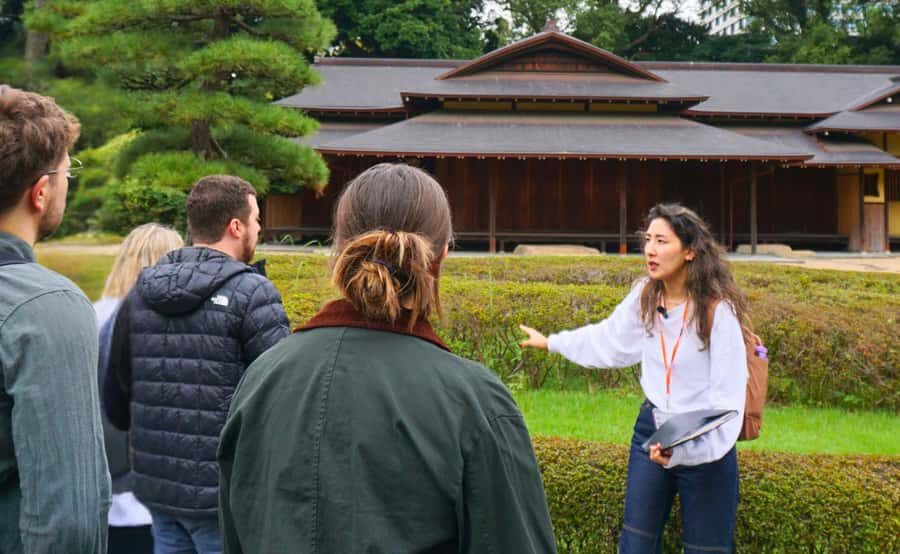
What won me over most was the guide’s Q&A energy. In my experience, guides like Nicolas (Franco-Japanese) don’t just recite facts; they answer questions about Japanese mythology and Japan in general, and they’re happy to talk through details as you walk. The group I was with was small, around five people, which made it easy to ask things and not feel like you’re in a crowd.
One key catch: you’ll get the palace grounds and ruins, but you do not enter the inner palace. Also, the listing information can be a little confusing on language, since the materials mention English in the title while the operator notes French—so confirm what you’ll be hearing before you go.
In This Review
- Key things you’ll notice on this Imperial Palace history walk
- Where You Meet: Starbucks by Wadakuramon Fountain Park
- From Otemon Gate Into the Eastern Gardens
- Edo Castle Ground: Barracks Ruins and the Reason the Main Castle Isn’t There
- Koi Fish Only Found Here, Plus Trees by Prefecture
- Photo Stops That Don’t Feel Like a Photo Tour
- Price and Value: Is $40 Worth It?
- What You Can and Can’t Do: Inner Palace, Rules, and Timing
- Who This Tour Fits Best
- Should You Book This Imperial Palace History Tour?
- FAQ
- Where do I meet the tour?
- How do I get to the meeting point?
- Does this tour include access to the inner palace?
- What language is the guide?
- Is the tour good for photography?
- What’s included in the price?
- What items are not allowed on the tour?
Key things you’ll notice on this Imperial Palace history walk
- Otemon gate + palace grounds: you start at the main gate area (otemon) and work through the eastern garden spaces
- The missing main castle explained: the guide covers why the original castle is gone and what you can still see instead
- Former Edo Castle base: you’ll visit the area tied to the Edo Castle base from more than 350 years ago
- Special koi fish: you get to see a unique breed of koi that’s found here
- Trees by prefecture: you’ll learn how different regional trees fit into the setting
- Photo-ready viewpoints: the route includes spots where the gardens and ruins look their best
More days made easy by a guide
- Tokyo 6hr Private Tour with Government-Licensed Guide★ 5.0 · 3,902 reviews
- Tokyo: Shinjuku Local Bar and Izakaya Guided Walking Tour★ 4.9 · 1,794 reviews
- Tokyo: Private City Highlights Tour with Local Guide★ 4.8 · 1,433 reviews
Where You Meet: Starbucks by Wadakuramon Fountain Park
You’ll start near the Imperial Palace by using Tokyo Station or Otemachi Station as your anchor. From either station, it’s a short walk—about 5 to 10 minutes—to Wadakuramon Fountain Park.
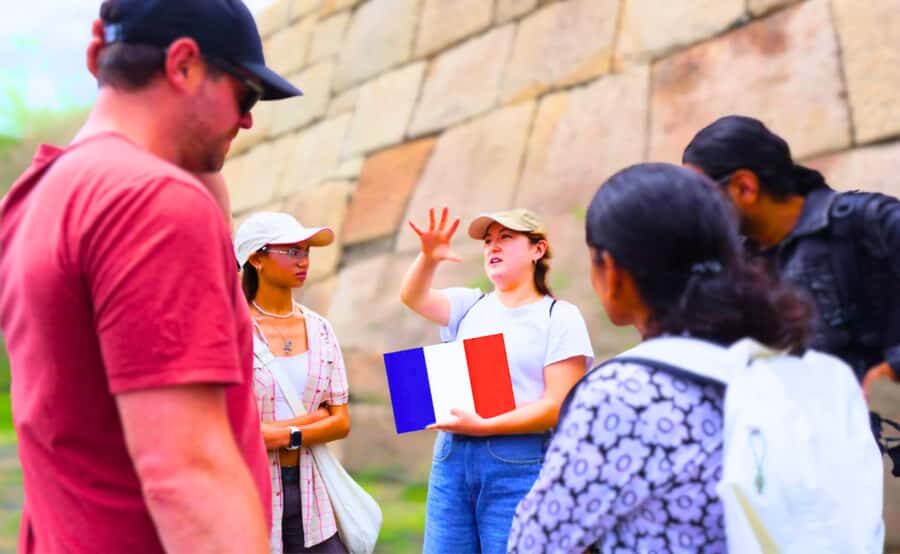
Inside the park, head toward the Starbucks. Your guide is easy to spot: they’ll be waiting near the fountain with a sign for Sunrise Adventure. This matters more than it sounds. The park is busy, and having a clear meeting point keeps your start from turning into a scavenger hunt.
Plan to arrive early enough to be ready on time, because if you’re not there within 10 minutes of the meeting time, the tour starts without you. If you’re traveling with a tight schedule, I’d rather you stand around near the Starbucks for a few minutes than risk missing the group.
From Otemon Gate Into the Eastern Gardens
Once you’re with your guide, you’ll head to the main gate (otemon) and then continue through the grounds as you learn the story of the site. The big idea here is that you’re not touring a museum room. You’re walking through space that has held generations of power—then looking at what’s left after time and rebuilding changed everything.
The tour emphasizes the eastern gardens of the former Edo Palace. That’s a smart choice for first-timers, because gardens give you mood as well as history. In places like this, you can read stone and walls all day, but the plants and layout tell you how people wanted the palace to feel. Expect quiet paths, careful scenery, and stops where your guide points out what you might otherwise miss.
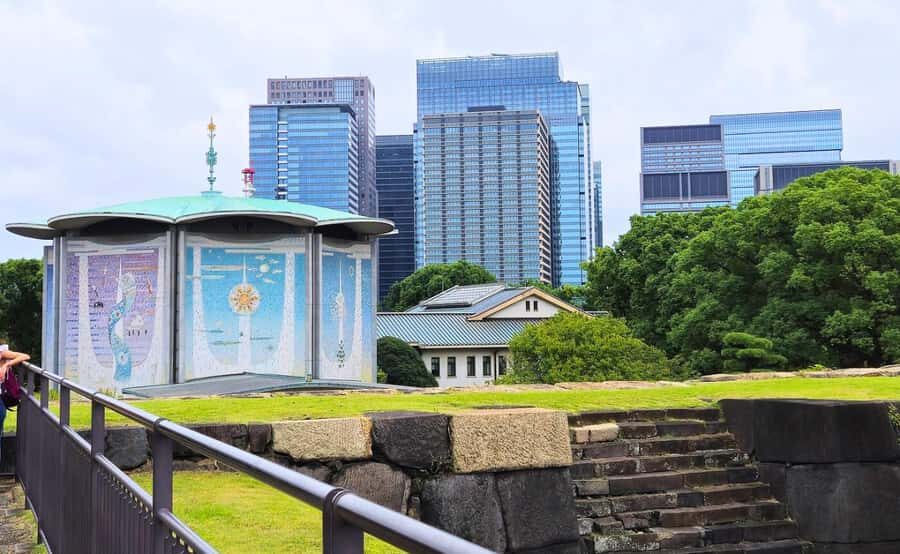
You’ll also have a chance to see a miniature structure connected to the former palace. It’s useful because it helps you picture what stood here when the grand castle life was still in full swing.
Edo Castle Ground: Barracks Ruins and the Reason the Main Castle Isn’t There
This is where the tour earns its “history of Japan” promise. You’ll connect the dots between what happened at Edo Castle and how that world shaped Japan into what you see today.
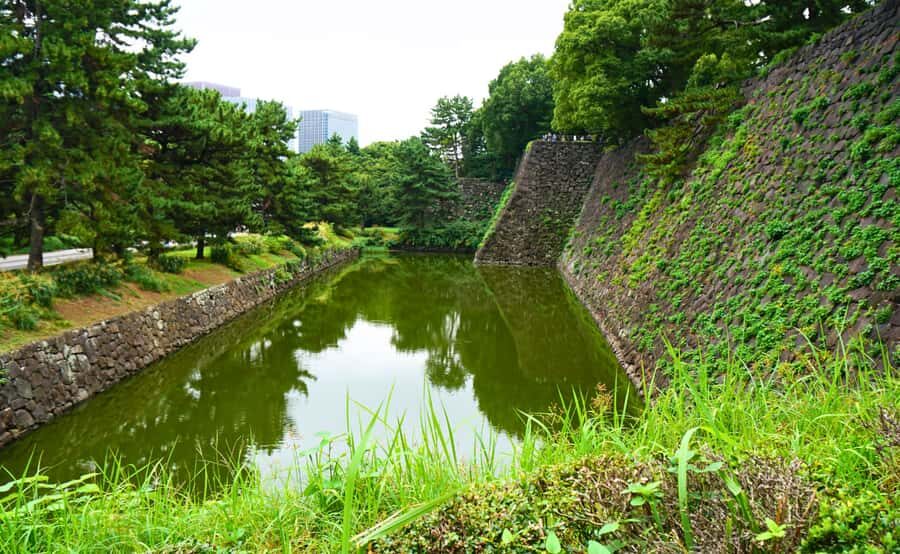
You’ll visit areas tied to the former base of Edo Castle, described as being more than 350 years ago. The payoff is that the ruins don’t feel random. They become clues. Your guide also covers the fact that the main castle no longer exists, and explains the very good reason for that. Even if you know the headline, the explanation is where you’ll understand the logic behind what you’re seeing.
Another highlight is the stop connected to former soldiers’ barracks. Barracks are an easy way to make history feel human. Instead of only thinking about rulers and ceremonies, you start thinking about the everyday reality of people living and training here.
If you want maximum meaning from your walk, keep your attention on what your guide points to: the site’s leftovers are small, but they’re precise.
Koi Fish Only Found Here, Plus Trees by Prefecture
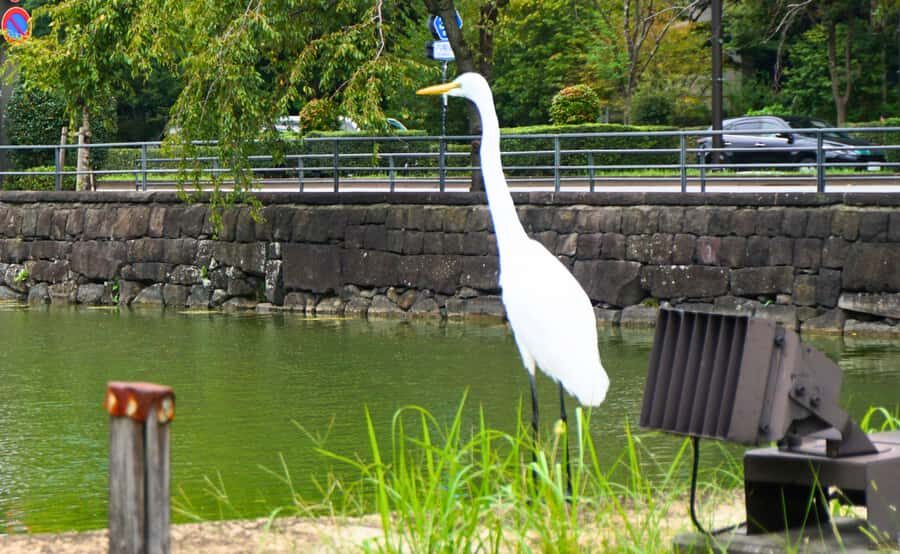
The tour’s nature moments aren’t “bonus scenery.” They’re part of the storytelling.
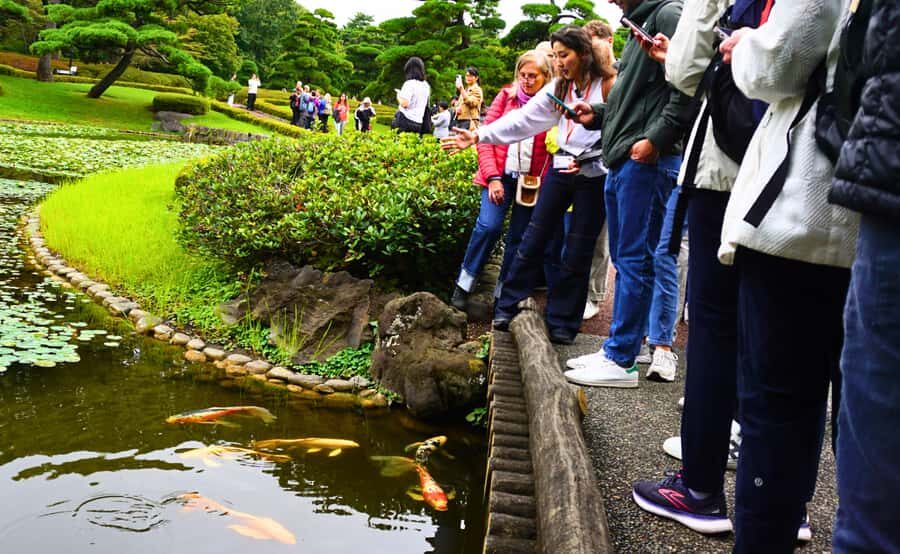
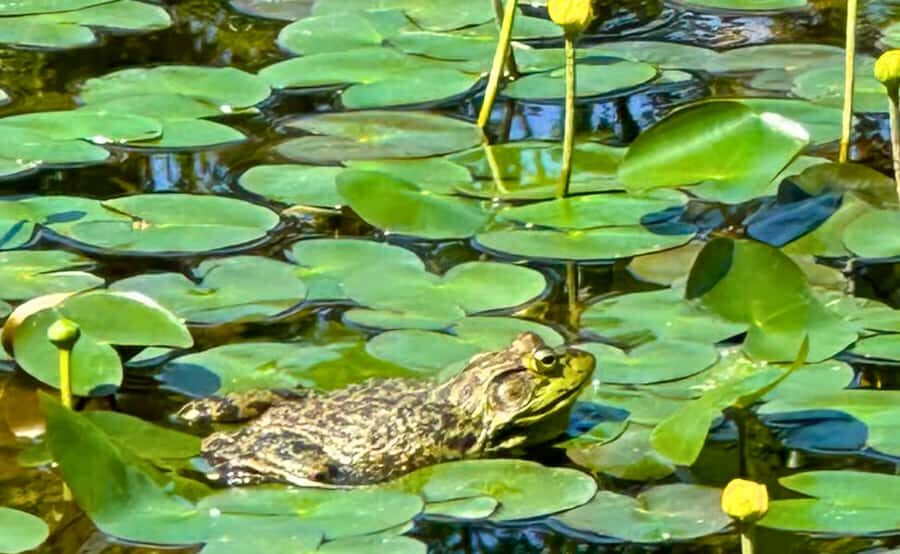
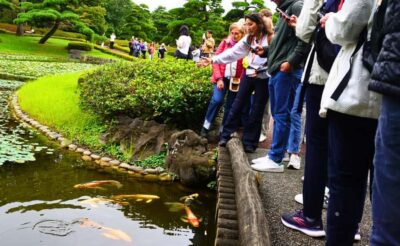
You’ll meet a special kind of koi described as a unique breed that can only be found here. This is the kind of detail that makes a tour worth paying attention to. It’s not just pretty fish. It’s a specific local feature, tied to the place you’re in. When your guide stops to point them out, slow down and actually look. In a garden setting, noticing small things is the whole game.
Then there are the trees from different prefectures of Japan. That’s a quietly brilliant detail: the grounds become a map of the country, not just a snapshot of one location. It helps you understand how the palace setting worked as a symbol—something that was meant to represent more than one city’s identity.
These segments also give you a break from pure walking. If your legs are okay but your brain is tired from names and dates, the garden stop style is what keeps the tour feeling balanced.
More paths into old Tokyo

Photo Stops That Don’t Feel Like a Photo Tour
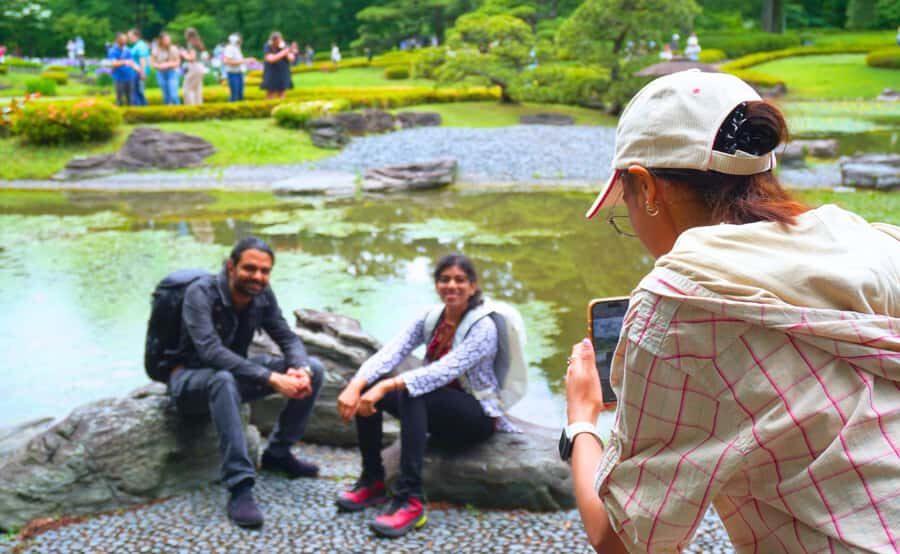
The tour specifically calls out the best spots for taking great photos, and you can see why. Palace grounds are tricky: they’re full of views, but not all views are equally good, and not all angles are equally respectful of the space.
With a guide, you don’t waste time wandering into dead ends. Instead, you get pointed toward angles where gardens, water, ruins, and the general layout look their best. This is also where the miniature palace structure helps. It gives you a clear visual reference you can photograph without needing to imagine the full-scale original.
A practical tip: wear comfortable shoes. You’ll be moving through pathways where you’ll likely stop often—sometimes quickly. The tour’s rhythm is more “walking conversation” than “one long hike,” but it still requires steady footing on garden ground.
Price and Value: Is $40 Worth It?
At $40 per person, this isn’t the cheapest thing in Tokyo. But it also isn’t just a casual stroll. You’re paying for three things that add up:
- A structured walking route through meaningful palace areas (not random sightseeing)
- A guide who can connect the site to the larger story of how Japan changed
- Time on the grounds that you can’t recreate as easily on your own
The value gets even better if you care about explanations. This experience isn’t only about seeing. It’s about understanding why the site looks the way it does and how the pieces—like the missing main castle, barracks ruins, and Edo Castle base—fit into the larger picture.
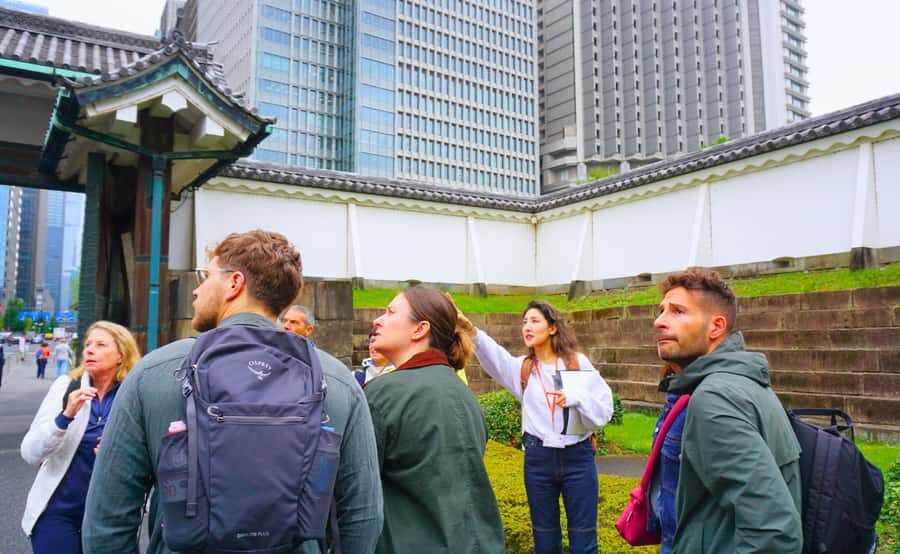
The small-group feel also matters. If your group is around five people, you get more back-and-forth instead of one-way listening. That’s the difference between hearing facts and actually learning.
What You Can and Can’t Do: Inner Palace, Rules, and Timing
This tour focuses on the grounds and ruins, not entry into the center. You do not get access to the inner palace, so don’t plan this as your one shot at seeing everything behind closed doors. If inner access is your top priority, you’ll need a separate option.
There are also site rules you should take seriously. The tour data lists no smoking, no drones, no alcohol or drugs, no littering, and no skateboards. If you’re thinking about showing up with a long lens and planning to fly a drone, skip that. Save your time and energy for the guided viewpoints you’re allowed to use.
Timing is another practical factor. You meet at the fountain-park Starbucks area, then return there after the walk ends. And again: arrive within the time window, or the guide will start without you. For a $40 tour, you want every minute.
Dress for weather. This tour runs in good weather or bad, and the main instruction is simple: wear clothing appropriate for conditions.
Who This Tour Fits Best

I’d put this tour in the “do it early” category if you’re trying to build context for Tokyo’s big landmarks. It works especially well if you want a clearer understanding of Japan’s evolution and how Edo-era power connects to later Japan.
It also suits:
- People who like history but get bored with pure lecture format
- Travelers who enjoy gardens and want them explained, not just photographed
- Anyone who wants a guide who will answer questions (including mythology and Japan in general)
- Small-group fans who prefer conversation over crowd management
If you’re the type who needs to see only the biggest, most famous interior sights, you might feel limited by the fact that the inner palace isn’t part of this visit. But if you’re okay with ruins, grounds, and explanations, it’s a strong match.
Should You Book This Imperial Palace History Tour?
If you want a guided walk that turns Imperial Palace grounds into something understandable, I think this is worth booking. The sweet spot is the combination: history tied to specific locations, plus a garden setting that keeps it calm and visually rewarding.
I’d recommend it if you care about learning why the main castle isn’t there anymore and what the surviving pieces mean—like the Edo Castle base and the barracks area. And if you enjoy asking questions, a guide like Nicolas (with real discussion energy) can make the whole thing feel more personal than a standard sightseeing loop.
Skip it or double-check alternatives if inner palace access is non-negotiable for you, or if your language needs don’t match what the operator confirms. When that’s sorted, this $40 walk is a practical way to get real context without spending the whole day in transit or in lines.
FAQ
Where do I meet the tour?
Meet at a Starbucks inside or right by Wadakuramon Fountain Park, near the Imperial Palace. Your guide will be waiting there holding a sign for Sunrise Adventure.
How do I get to the meeting point?
Use Tokyo Station or Otemachi Station, then walk about 5 to 10 minutes to Wadakuramon Fountain Park.
Does this tour include access to the inner palace?
No. The tour does not include a visit to the inner palace.
What language is the guide?
The additional tour information lists French as the guide language. The tour title also mentions an English guide, so confirm language details when you book.
Is the tour good for photography?
Yes. The tour route includes the best spots for taking great photos, including views around the gardens and palace-area points of interest.
What’s included in the price?
Price includes a historical walking tour with a French guide. It does not include access to the inner palace.
What items are not allowed on the tour?
Smoking, drones, alcohol and drugs, littering, and skateboards are not allowed.
The Old Tokyo, Toured Properly
Easier with a Guide




More Tour Reviews in Tokyo






Fresh reviews from around Tokyo






Historical Tours, compared.
 ★ 4.9Imperial Palace Japanese History Walking TourFrom $32987 reviews
 ★ 5.0Shinjuku Historical Walking Tour & Secret BackstreetsFrom $25530 reviews
 ★ 4.9From Tokyo: Nikko World Heritage Site Private Full-Day TripFrom $483243 reviews
 ★ 5.0Yanaka Historical Walking Tour in Tokyo’s Old TownFrom $81182 reviews
 ★ 5.0Kamakura Historical Walking Tour with the Great BuddhaFrom $98129 reviews
From Tokyo: Nikko World Heritage Sight Full Day Private TourFrom $362127 reviews
★ 5.0Kamakura Historical Walking Tour with the Great BuddhaFrom $98129 reviews
From Tokyo: Nikko World Heritage Sight Full Day Private TourFrom $362127 reviews
 ★ 4.8Yanaka District: Historical Walking Tour in Tokyo’s Old TownFrom $79117 reviews
 ★ 4.8Nikko Heritage & Nature Day Trip from TokyoFrom $39194 reviews
Browse the lists this tour appears in