
Reviewed · SUMO SHOWS
Tokyo: Not a show- a professional sumo practice with experts
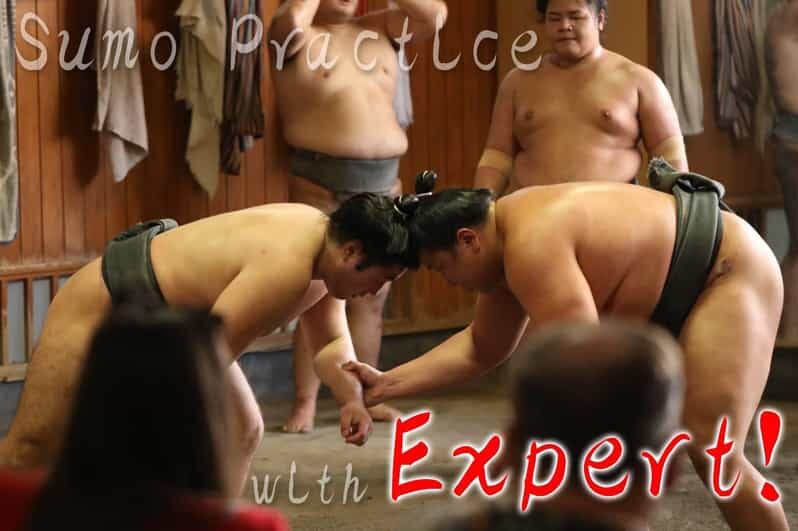
Sumo, up close and not a performance. This tour is interesting because you get special access to a real stable practice—not a staged “show”—and you can see training details up close. I especially like the chance to take photos with the wrestlers and the fact you end with a Q&A led by a long-time sumo specialist who works with the media. One consideration: you’ll be sitting on the floor for the practice, so comfort depends on your legs and hips.
Ryogoku is Tokyo’s sumo neighborhood, and that location makes the day feel connected instead of random sightseeing. I also like that the group is small (up to 10), which makes it easier to hear explanations and ask follow-up questions without feeling rushed. If you’re hoping for constant English narration during the practice itself, manage expectations: the format is more “watch + respectful quiet + questions.”
You’ll start at 両国HANAwaビル, walk a few minutes to the stable, and spend most of your time there. There’s a floor cushion available, and smoking indoors is not allowed. This isn’t built for very young kids either—children under 5 aren’t suitable—so plan accordingly.
In This Review
- Key moments that make this tour worth your time
- Why a real sumo morning practice beats the staged “show” idea
- Ryogoku: the sumo town in Tokyo, and why the neighborhood matters
- Takasago-beya stable visit: what you’ll actually watch for two hours
- The Q&A with a long-time sumo specialist (and how to use it well)
- The short Ryogoku Kokugikan and Edo Noren stops (and what to look for)
- Price and value: is $103 for 3 hours actually fair?
- Logistics you’ll want to plan for before you go
- Who should book this sumo stable practice tour
- Should you book Japan Shine Tour’s sumo practice experience?
- FAQ
- Where is the meeting point for the tour?
- How long is the experience?
- What’s included in the price?
- Is there food or drinks provided?
- Will I be sitting on the floor during the practice?
- Is the tour suitable for young children?
Key moments that make this tour worth your time
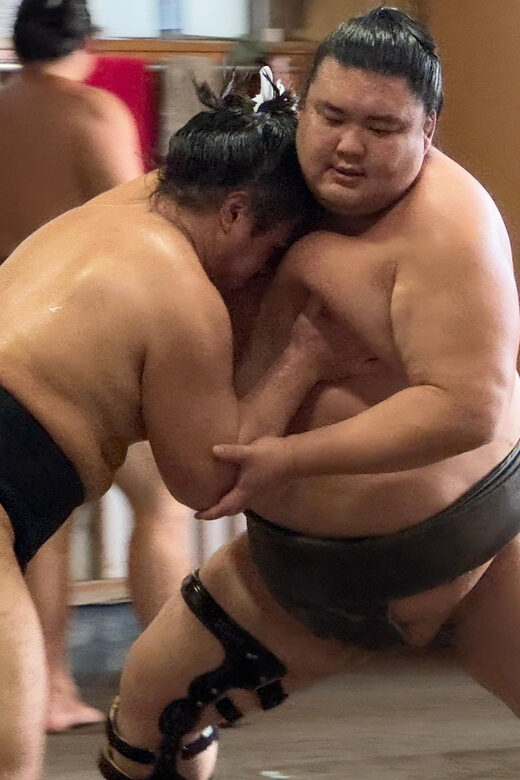
- Takasago-beya stable access: you observe a professional morning session in a real training environment
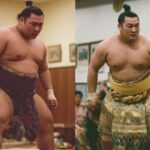
- Photo with a sumo wrestler: you’re not just watching from far away
- Q&A with a long-time sumo expert: you can ask your good questions and get straight answers
- Ryogoku Kokugikan area visit: a short guided look at the arena neighborhood
- Ryōgoku Edo Noren stop + time to wander: a mix of culture and light shopping
More chances to sit ringside
- Tokyo: Sumo Show and Dining Experience★ 4.8 · 2,742 reviews
- the SUMO show★ 5.0 · 1,960 reviews
- Tokyo Shinjuku Sumo Show & Experience with Photo★ 5.0 · 1,750 reviews
Why a real sumo morning practice beats the staged “show” idea
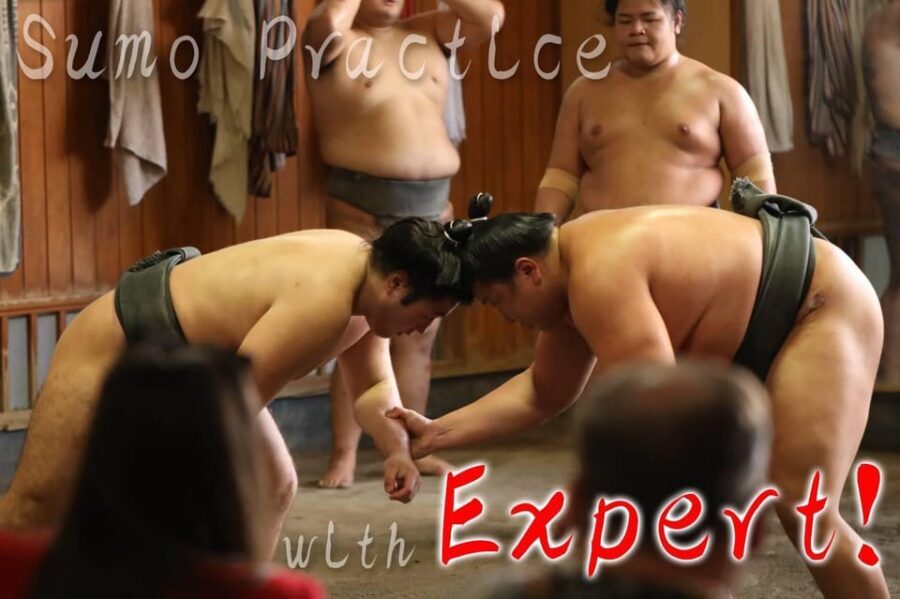
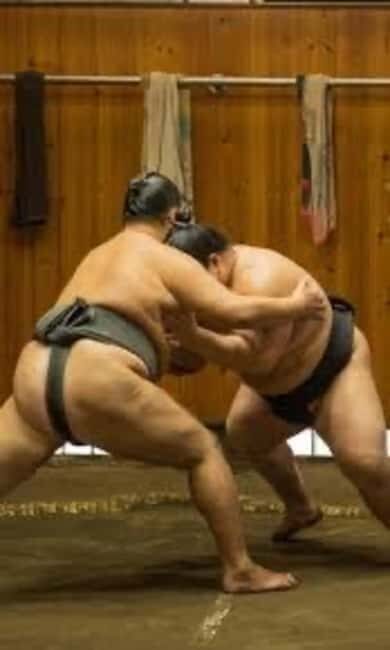
If you’ve seen tourist sumo acts, you know the gap: those are performances built for short attention spans. This experience is built for training day. You’re allowed into a stable setting where the wrestlers are working—warming up, practicing techniques, and moving with serious focus.
That’s the real value. You get to understand sumo as a craft, not a cartoon. The tour also doesn’t try to turn sumo into a mystery novel. Early on, the guide explains key rituals and what you’re seeing, so you’re not just guessing. Then you’re given room for a Q&A with a sumo specialist, which is where most visitors start collecting real “aha” moments.
The other big win is the access. You don’t just stand outside and look in. You’re inside the stable for about two hours, with the chance to take commemorative photos with a wrestler and ask questions after the practice.
Ryogoku: the sumo town in Tokyo, and why the neighborhood matters
Ryogoku is not just a convenient stop—it’s the cultural center of sumo life in Tokyo. The tour uses that fact. Instead of bouncing between unrelated sights, it keeps you in the same sumo zone: you start near the station area, then head into the stable, and later you circle through the Ryogoku Kokugikan and Edo Noren area.
That “stay in one theme” approach matters because sumo has context. The guide can connect what you see inside the stable to what you spot around the arena area. Even the short walking tours help you place sumo in its real setting: training spaces, the event culture around the arena, and the broader neighborhood atmosphere that’s built around this sport.
Practically, this also helps your time. Everything is in manageable distance within a 3-hour window, ending back at 両国駅.
Takasago-beya stable visit: what you’ll actually watch for two hours
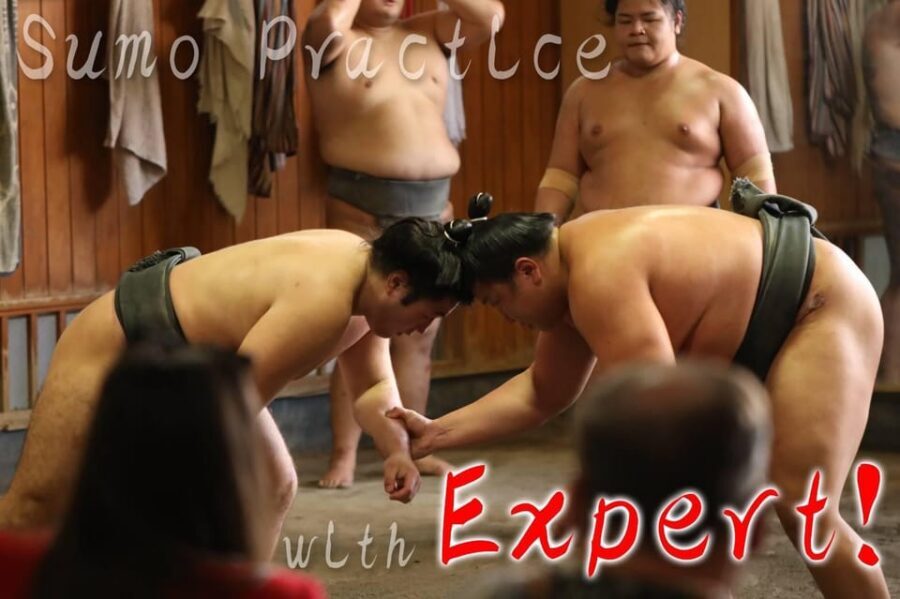
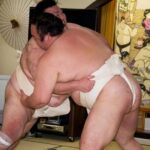
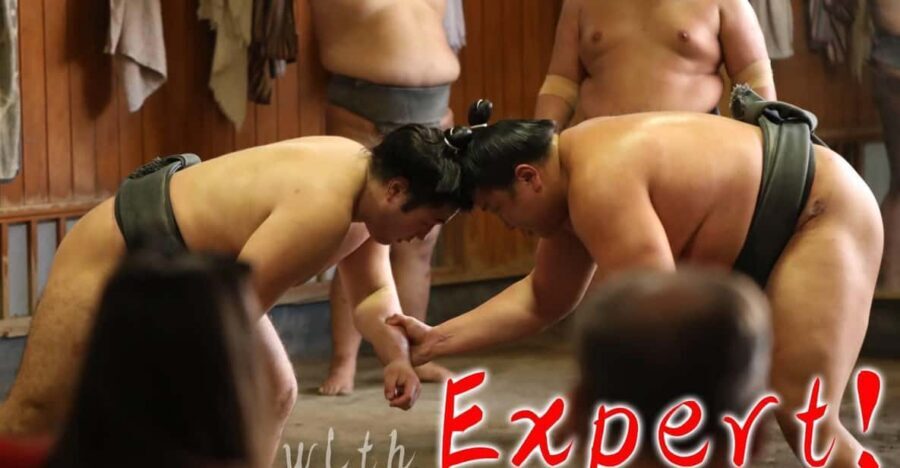
The heart of the day is the visit to Takasago-beya Sumo Stable (about 2 hours on-site). You sit down to watch morning practice, and this is where the “up close” part becomes real. The session is long enough for you to notice patterns: how wrestlers set up, how they repeat training ideas, and how different roles show up during practice.
You’re also not stuck in silence. The English-speaking guide gives context on sumo history and rituals at the start, then you watch with that background in mind. Afterward, the specialist adds more detail in the question time.
One useful reality check: you’re there for training, not for entertainment. You might not get continuous commentary exactly while each drill happens. So if you want certain questions answered—like how tournament ranking works, what particular gestures mean, or how traditions shape training—save the most pointed questions for the guided Q&A block.
Comfort can be the only “gotcha.” Most of your viewing time is from the floor. A floor cushion is available, but your body still needs to handle the posture. If you know you get numb quickly when you sit on the floor, plan for it. (This isn’t a deal-breaker, but it can affect how much you enjoy the last third of the practice.)
The Q&A with a long-time sumo specialist (and how to use it well)
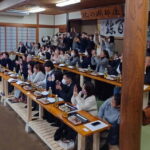
This is where the tour feels most rare. The Q&A isn’t a generic “here’s some background.” The guide is described as a long-time sumo expert with journalism experience, and multiple visitors highlight how easy it is to ask real questions and get thoughtful answers.
One name that comes up in the guide experiences is Shinya-san, described as having strong sums of practical knowledge plus media connections. If you get a guide with that kind of background, you’ll likely hear less “textbook sumo” and more “how it really works” explanations.
How to get the most out of the Q&A:
- Ask about what you observed during practice (specific drills, traditions, or what you noticed in movement)
- Bring one or two questions about tournament structure or wrestler life—so you can convert “cool to watch” into “I understand it”
- If you’re curious about etiquette, ask what visitors often miss (simple rules matter in a stable)
If you’re coming with basic sumo knowledge already, you’ll still benefit. The best part isn’t learning the sport from zero—it’s sharpening what you think you know by connecting it to rituals and training logic.
Worth weighing up alongside this Tokyo pick:

The short Ryogoku Kokugikan and Edo Noren stops (and what to look for)
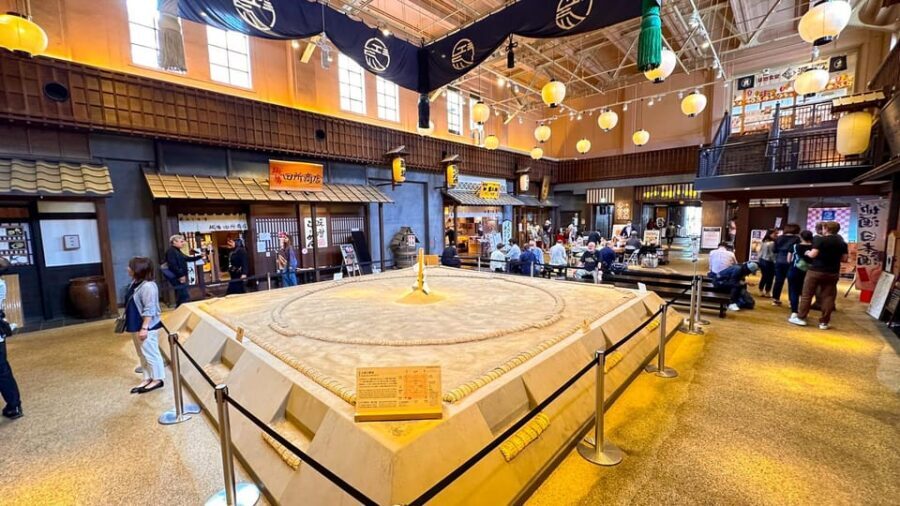
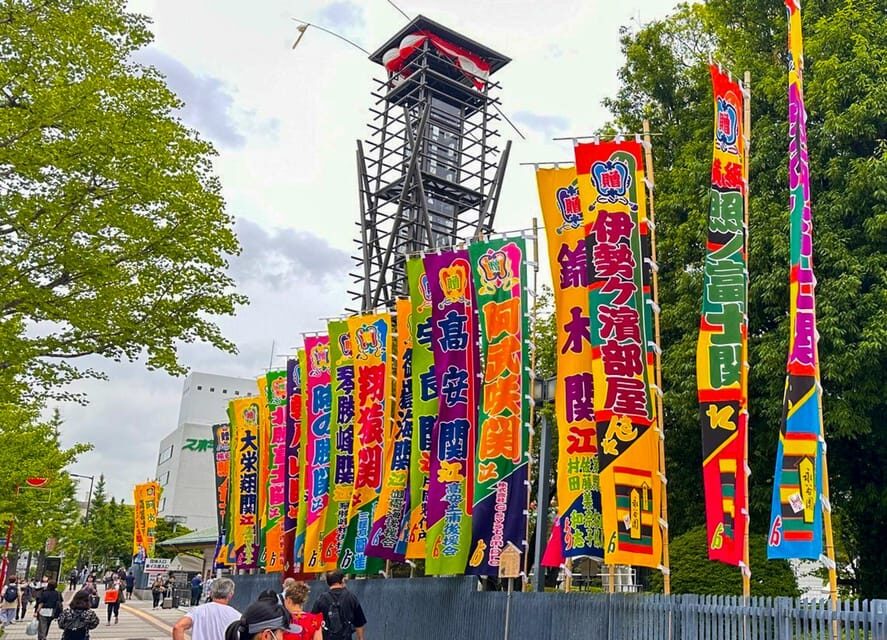
After the stable visit, the tour shifts to the Ryogoku Kokugikan area. You get a guided tour of about 15 minutes. It’s not meant to replace a full arena visit on another day, but it does give you a helpful orientation. You’ll see enough to connect what you learned about tournaments and tradition to the physical place that hosts them.
Next is Ryōgoku Edo Noren, also guided for about 15 minutes. Then you get 30 minutes for shopping and sightseeing. This portion is lighter, and that’s on purpose. It gives you time to stretch your legs, grab something small, and browse without rushing.
What to expect here:
- More cultural context than “big ticket” attractions
- A chance to pick up small sumo-themed souvenirs
- A slower moment after a floor-seating practice
It’s also a good time to reflect on what you saw earlier, because the stable session tends to hit your brain first—then the neighborhood helps it make sense.
Price and value: is $103 for 3 hours actually fair?
At $103 per person for a 3-hour experience, this isn’t a budget activity. But it also isn’t just a walk-and-talk tour. The cost is tied to something that’s genuinely hard to replicate: protected access to a professional sumo stable, with a small group size (max 10) and a guide who can answer questions.
Here’s the value logic I see:
- You’re paying for permission and proximity, not just information
- Photo time with a wrestler isn’t the same as taking pictures outside a venue
- The Q&A component adds “earned learning,” since you can ask your specific questions
If your priority is authenticity, this tends to feel like good value. If your priority is a flashy, animated performance with constant narration, then the price can feel high—because the day is structured around training and etiquette, not stage theatrics.
Logistics you’ll want to plan for before you go
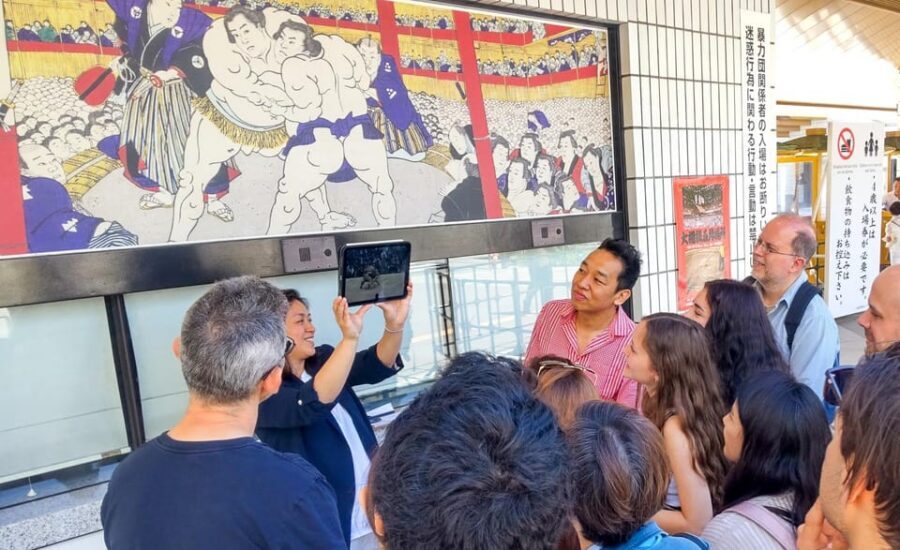
Meeting point is at 両国HANAwaビル, and the easiest transit cue is the Toei Oedo Line at Ryogoku Station (E12), Exit A2 (ground level). It’s listed as about a 5-minute walk from the JR Ryogoku Station east exit, and the operator contacts you with more details before your tour date.
Also note:
- You’ll be on foot for short segments (including the walk to the stable).
- The group stays small (up to 10), which helps you feel more “part of the process” and less like a crowd.
- Included basics: English-speaking guide, photo with a sumo wrestler, and Q&A with a sumo expert.
- Not included: tip, drink, and food.
A small practical tip: wear something that handles cool mornings. Even in Tokyo, stable practice can feel like “watching a living routine,” not sitting in a heated theater.
Who should book this sumo stable practice tour
Book it if you:
- Want the real thing instead of staged tourist sumo
- Like rituals and want explanations that tie directly to what you see
- Enjoy asking questions and getting answers from a specialist
- Are comfortable sitting on the floor for a while
Skip or reconsider if you:
- Have trouble with floor seating for 90+ minutes (even with a cushion)
- Want a loud, entertainment-style program with nonstop commentary during drills
- Are bringing kids under 5 (not suitable)
It also works well when you can’t get tournament tickets. Instead of feeling like you missed your sumo chance, this gives you a training-day look at the sport’s discipline.
Should you book Japan Shine Tour’s sumo practice experience?
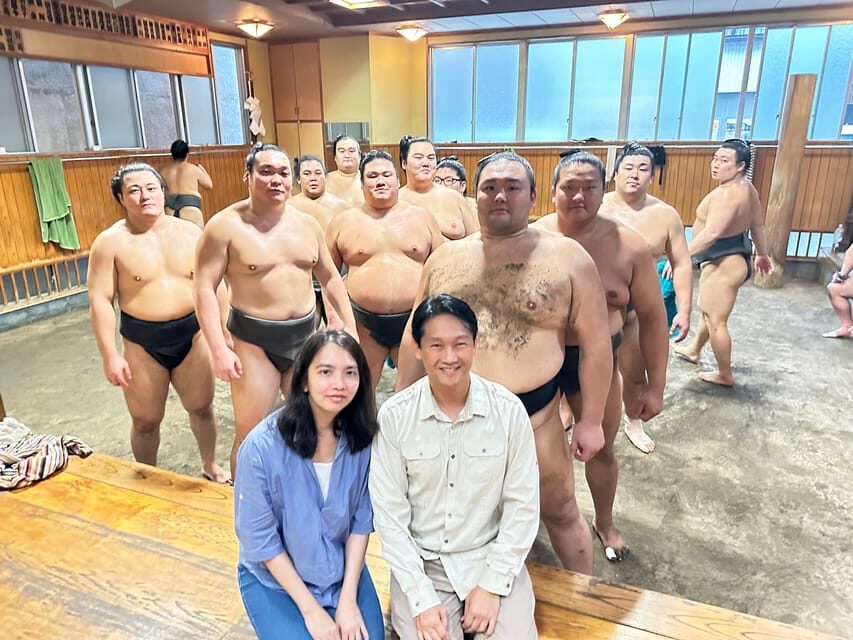
My take: if you want sumo as a real discipline, this is the kind of tour that makes Tokyo feel deeper. The combination of stable access, close viewing, a wrestler photo moment, and a Q&A led by a journalism-experienced sumo specialist is exactly the formula that turns “I watched sumo” into “I understand sumo.”
Before you book, be honest about seating. If you can handle floor time, you’ll probably feel you got far more than a sightseeing stop. If floor seating is a problem for you, you may still enjoy the context and the guide, but your body could steal the fun.
FAQ
Where is the meeting point for the tour?
The meeting point is 両国HANAwaビル. You can reach it via Toei Oedo Line Ryogoku Station (E12), Exit A2 (ground level), and it’s about a 5-minute walk from the JR Ryogoku Station east exit.
How long is the experience?
The tour duration is 3 hours.
What’s included in the price?
It includes an English-speaking guide, a photo with a sumo wrestler, and a Q&A with a long-time sumo expert.
Is there food or drinks provided?
No. Food and drinks are not included.
Will I be sitting on the floor during the practice?
Yes. Customers sit on the floor to watch sumo, but a floor cushion is available.
Is the tour suitable for young children?
No. It is not suitable for children under 5 years.
A Night at a Tokyo Show

More Tour Reviews in Tokyo





More Mornings with the Wrestlers
Fresh reviews from around Tokyo






Sumo Shows, compared.
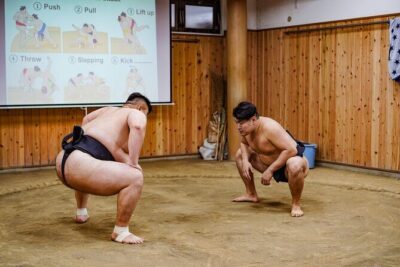
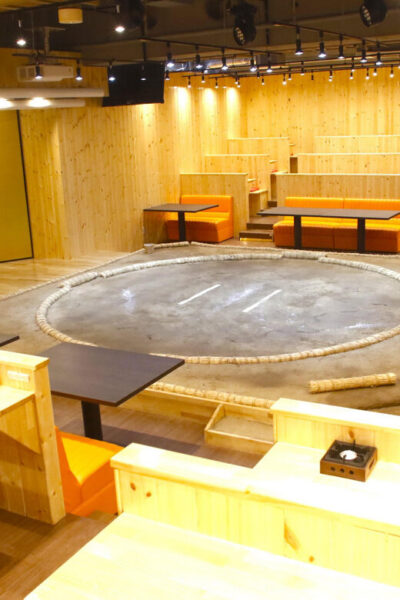 ★ 4.8Sumo Show Experience with Chicken Hot Pot and a PhotoFrom $1036,678 reviews
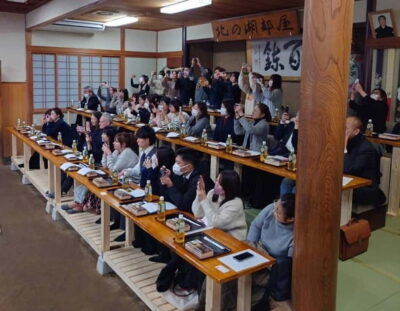 ★ 4.8Sumo Show and Dining ExperienceFrom $792,742 reviews
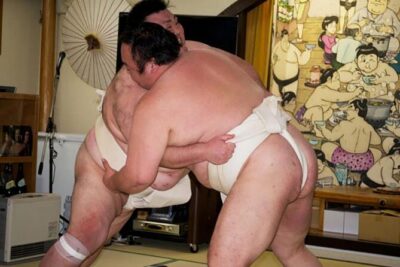 ★ 5.0the SUMO showFrom $891,960 reviews
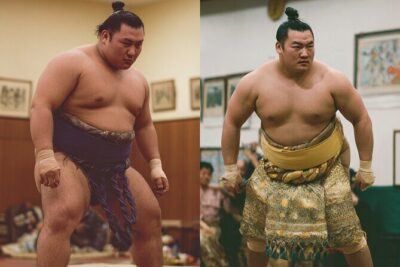 ★ 5.0Tokyo Shinjuku Sumo Show & Experience with PhotoFrom $791,750 reviews
 ★ 4.8Sumo Show and Experience in ShinjukuFrom $691,001 reviews
 ★ 5.0Authentic Sumo Experience in Tokyo: Enter the SanctuaryFrom $171603 reviews
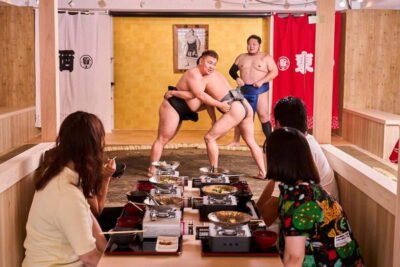 ★ 4.8Tokyo Sumo Experience: Chanko & Mochi with a Former ProFrom $103567 reviews
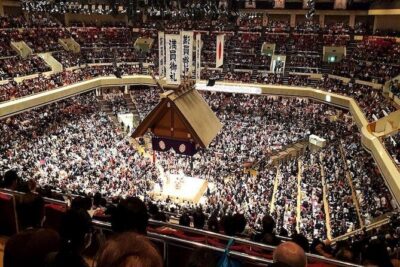 ★ 5.0Ultimate Sumo Tournament: Tokyo, Osaka, Nagoya, FukuokaFrom $184468 reviews
Browse the lists this tour appears in