
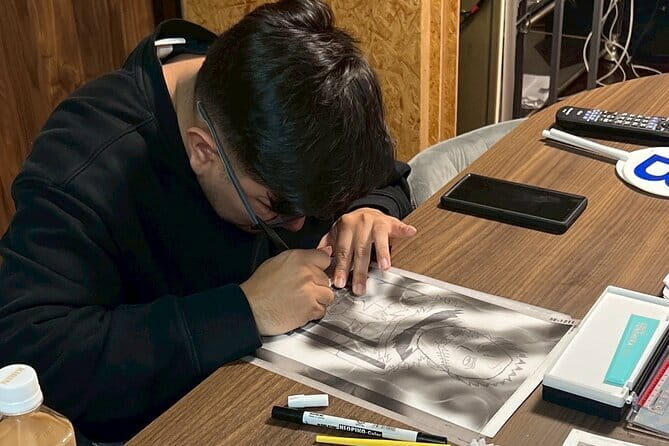
Reviewed · WORKSHOPS
Tokyo Manga Drawing Experience Pro Artist Workshop & MangaHistory
Turn manga lines into your own keepsake.
This small-group workshop is a fun way to learn manga drawing step by step and leave with original artwork you can actually frame. I like the hands-on pace and the fact you’re taught right through pencil, ink, and shading. One thing to consider: if you only want to watch and never pick up a pen, the value will feel weaker.
You can choose a morning, afternoon, or evening class, and you get all the drawing tools, plus drinks and snacks. The session is about 3 hours, with the workshop centered around a single meeting point in Hiroo (Shibuya). It’s also capped at 6 people, which matters because real instruction takes time, not just motivation.
In This Review
- Key things that make this workshop worth your time
- Finding the Workshop Start: Lawson in Hiroo, Shibuya
- Manga Drawing With a Pro: what you get in 3 hours
- What happens before you draw: manga history and character basics
- The core of the class: pencil sketching to finished shading
- Pencil sketching: getting the layout right
- Inking: turning your sketch into clean manga lines
- Shading and depth: making your character pop
- Choosing a character or creating your own story
- Small-group attention: why the group size really matters
- Tools, drinks, snacks, and the take-home souvenir factor
- Price and value: is $100 a fair deal for 3 hours?
- Logistics that matter day-of: mobile ticket and location
- Who this workshop is best for (and who might not love it)
- Should you book the Tokyo Manga Drawing workshop?
- FAQ
- Do I need drawing experience to join?
- How long is the workshop?
- Are the drawing tools provided?
- Is the group small?
- Where is the meeting point?
- Is private transportation included?
Key things that make this workshop worth your time
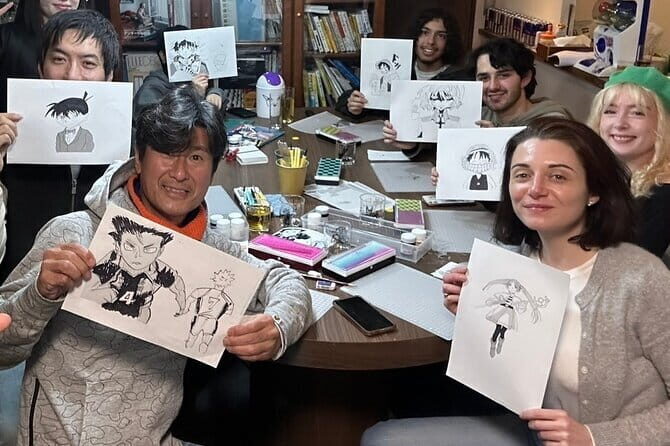
- Small group size (up to 6) for more direct feedback while you draw
- All tools and materials provided, so you can show up light and start fast
- A pro artist-led process from idea-building to final shading
- A short manga history overview, plus examples of famous artists and works
- You choose your character or create something original
- Take-home finished art as a real souvenir, not just a photo
More things to make with your own hands
- Sushi Making Tokyo Roll and Authentic Japanese Sushi Class★ 5.0 · 3,971 reviews
- Tokyo Shinjuku Chopsticks Making Class★ 5.0 · 1,763 reviews
- Chopstick Making Workshop in Ginza★ 4.8 · 1,366 reviews
Finding the Workshop Start: Lawson in Hiroo, Shibuya
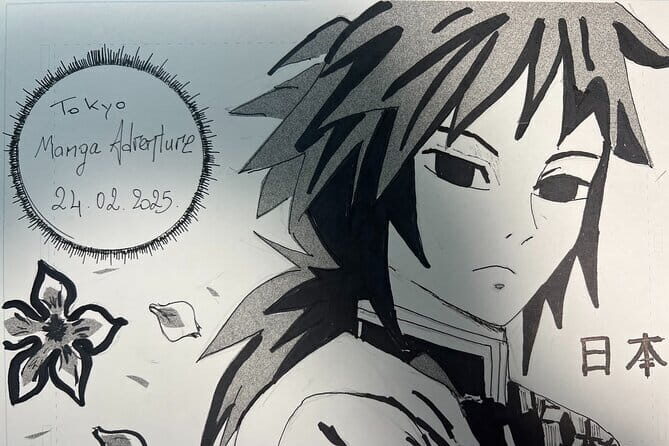
Your class begins back at the meeting point, near public transportation in Hiroo (Shibuya). The address is Lawson 1-chōme-16-3 Hiroo, Shibuya, Tokyo 150-0012. That’s helpful because Lawson stores are easy to spot, and it reduces the stress of hunt-and-peck navigation.
A practical tip: give yourself a little buffer to locate the exact entrance area and get settled before drawing starts. Once you’re seated, the best part of the workshop is the steady, guided flow—so arriving a few minutes early helps you jump in without feeling rushed.
Manga Drawing With a Pro: what you get in 3 hours
This is a 3-hour, small-group workshop focused on creating a manga piece you’ll take home. No experience is needed, and the instructor’s job is to help you produce something you can feel proud of, even if manga drawing is new to you.
I like that the workshop is structured around actual steps, not vague inspiration. You’re guided through building a character concept, then executing it with traditional tools. And since the group is kept to 6 people, you’re more likely to get real-time corrections rather than waiting your turn.
You’ll also be taught to use the tools properly. That sounds basic, but it’s a big deal for results. When you know how to handle the pens and shading approach, the final look improves fast.
What happens before you draw: manga history and character basics
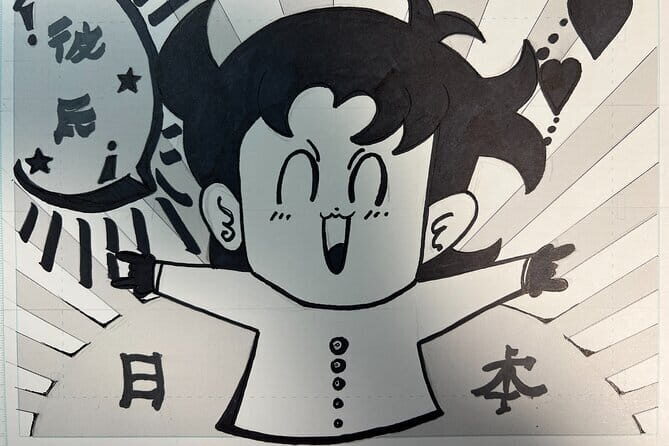
Before you start inking and shading, you get a quick intro to manga history and famous artists and works. The goal isn’t to turn it into a lecture marathon. It’s more like giving you a mental toolbox so your drawing decisions make sense.
Then you shift into concepting: you choose a character (or pick a direction for your own creation), and the instructor helps you work on key foundations like:
- composition (where things go on the page)
- expressions (how emotion shows on the face)
- poses (how body language reads in manga style)
This matters because manga drawing is not only about line quality. It’s about making a character communicate quickly and clearly, with believable intent.
The core of the class: pencil sketching to finished shading
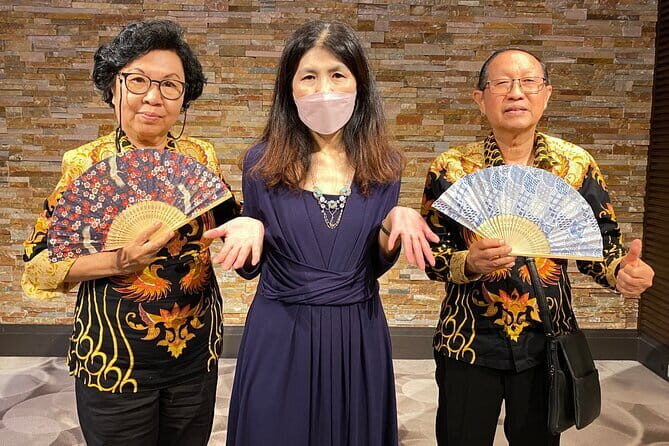
The workshop walks you through each traditional step of manga creation. You’ll move through pencil sketching, inking, and then adding shading and depth. The pro artist stays by your side so you can ask questions while you’re working, not after you’ve already committed to a mistake.





Pencil sketching: getting the layout right
In the beginning, your focus is on getting the drawing plan down. This is where composition and pose advice really pays off. When the sketch holds together, the rest of the process becomes smoother.
If you’re worried about starting too slowly, don’t. The whole class is designed for beginners, so the guidance is part of the pacing.
Inking: turning your sketch into clean manga lines
Next comes inking. This is usually the step where people feel the most pressure, because ink is less forgiving than pencil. But you’re taught how to use the tools and follow the steps with support.
A small-group setting helps here. If your line weight, spacing, or strokes feel off, you can get immediate correction.
Shading and depth: making your character pop
Then you add shading to create depth. This is the part that makes the drawing look finished and manga-like, even if your first draft isn’t perfect. The instructor’s guidance helps you avoid the common problem of shading that looks random instead of intentional.
By the end, you’ll have a complete piece with the right level of contrast and character presence.
Choosing a character or creating your own story
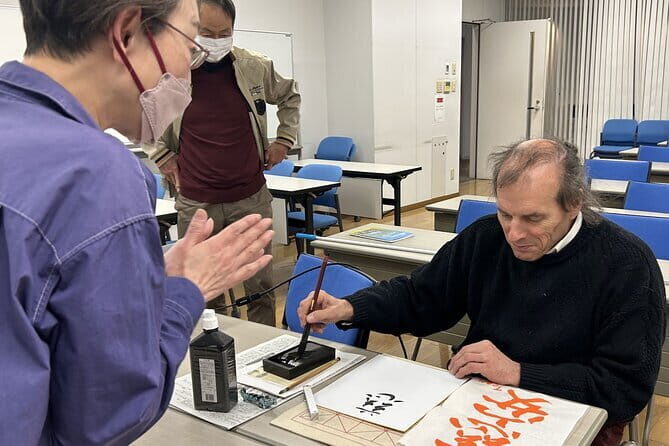
One of the better parts of this workshop is your freedom. You can choose any character you want, or you can create your own original work. During the session, the instructor helps you develop your ideas into something that fits on the page and reads the way manga does.
If you’re choosing an existing character, you’ll still be making creative choices: pose, expression, and how the composition frames the character. If you’re creating something original, you’re practicing a similar set of skills—just with more inventing.
You also build a story concept with the instructor. Even if it’s simple, this piece of structure makes the drawing feel like your work, not a copy exercise.
Small-group attention: why the group size really matters

The class caps at 6 travelers, which is rare for hands-on art instruction. With more people in the room, you’d spend time waiting. With a smaller group, the instructor can check your work more often and guide you as you progress through each step.
That’s also why this feels like more than a “craft” session. It’s instruction that responds to what you’re actually drawing in front of you. Based on the experience feedback, the staff tends to be courteous and friendly, and that tone matters when you’re learning a skill that’s new to you.
Tools, drinks, snacks, and the take-home souvenir factor
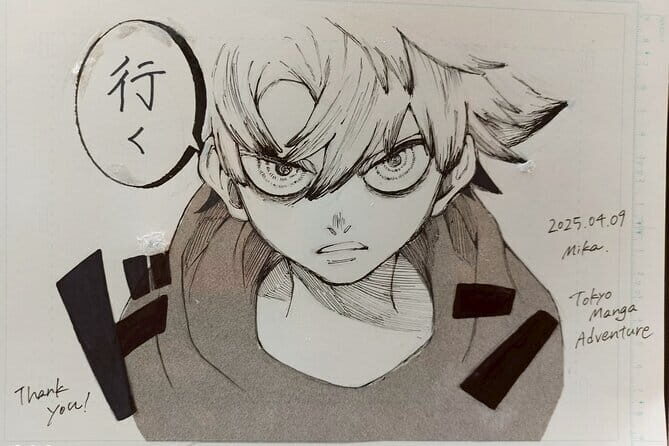
All drawing tools and materials are provided. That means you don’t have to track down pens, ink, paper, or specialty supplies before your class. For a trip, that’s a quiet convenience win.
You’ll also get drinks and snacks, which helps you stay focused during the full 3 hours. Food breaks can turn a class day into a time sink; this setup keeps the session moving while still giving you small comfort.
Most importantly, you take your finished artwork home. This is the souvenir that lasts. A photo fades fast. A drawing you made yourself becomes a story you can carry into your next trip memory.
Price and value: is $100 a fair deal for 3 hours?
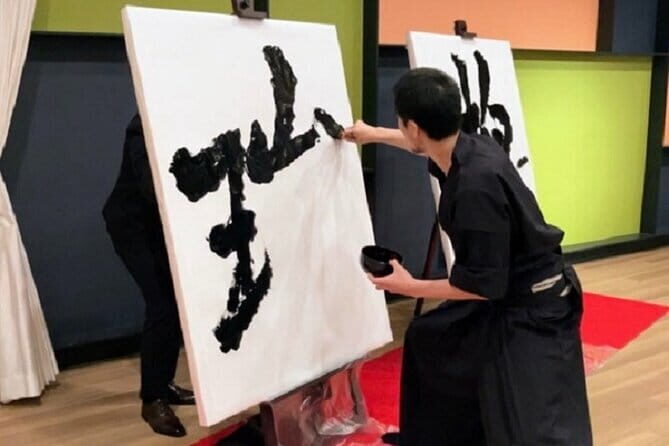
At $100 per person for about 3 hours, this isn’t a random bargain workshop, but it can be good value if you want real guidance and a finished result.
Here’s why the value makes sense:
- You get a pro-led, step-by-step process from sketch to shading
- Tools are included, so you’re not adding extra shopping costs
- Small group size increases the odds you’ll get useful feedback
- You leave with the finished piece, which replaces the usual “ticket for nothing” feeling
If your goal is only a quick activity while passing through Shibuya, you might feel you’re paying for instruction time. But if you actually want to learn how manga drawing works and produce something you’re proud to keep, the price aligns with what you’re receiving.
Also, classes are often booked in advance (on average about 28 days). That’s a sign this is a popular use of time, not a filler activity.
Logistics that matter day-of: mobile ticket and location
You’ll use a mobile ticket, so have it accessible on your phone before you head to Lawson. The workshop ends back at the meeting point, which keeps your planning simple.
Private transportation is not included, so you’ll want to rely on public transit. The good news is the meeting area is described as near public transportation.
Who this workshop is best for (and who might not love it)
This suits you if:
- you’re a beginner who wants structure and support
- you want a creative souvenir that you actually made
- you like manga culture and want a short introduction to manga history and famous works
- you value small-group attention over a crowd setting
It may not be the best fit if you’re not interested in drawing at all. Even though no experience is necessary, the workshop is still built around you doing the work, not just watching the instructor demonstrate.
It’s also a smart choice if you want a scheduled, 3-hour activity that stays focused. Tokyo offers endless things to do, but this one gives you a clear outcome.
Should you book the Tokyo Manga Drawing workshop?
I’d book it if you want a hands-on Tokyo memory with tangible value: a finished page that reflects your effort. The small group size, the pro instruction, and the fact that tools plus snacks are included make this feel like an efficient use of time.
I’d think twice only if you dislike structured creative lessons or if drawing doesn’t sound like your kind of fun. But if you’re even slightly curious about how manga characters get built—pose, expression, composition—this class gives you the mechanics, not just the fandom.
If you can, reserve ahead. When bookings start filling (often about a month out on average), you’ll be happier locking in a morning, afternoon, or evening slot that fits your schedule.
FAQ
Do I need drawing experience to join?
No experience is needed. The workshop provides instruction step by step and supports beginners.
How long is the workshop?
It lasts about 3 hours.
Are the drawing tools provided?
Yes. All drawing tools and materials are provided, along with drinks and snacks.
Is the group small?
Yes. The maximum group size is 6.
Where is the meeting point?
Start at Lawson 1-chōme-16-3 Hiroo, Shibuya, Tokyo 150-0012, Japan, and the activity ends back at the meeting point.
Is private transportation included?
No. Private transportation is not included.
Make Something to Take Home



More Tour Reviews in Tokyo



Fresh reviews from around Tokyo






Workshops, compared.
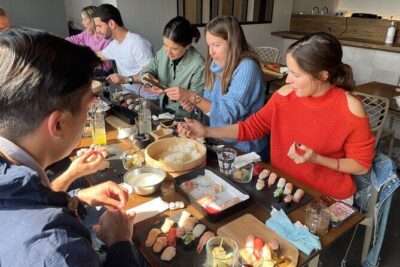 ★ 5.0Sushi Making Tokyo Roll and Authentic Japanese Sushi ClassFrom $593,971 reviews
 ★ 5.0Tokyo Shinjuku Chopsticks Making ClassFrom $201,763 reviews
 ★ 4.8Chopstick Making Workshop in GinzaFrom $251,366 reviews
 ★ 5.0Tokyo Sushi Making Class in Tsukiji with Professional ChefFrom $491,177 reviews
 ★ 5.0Ramen & Gyoza Cooking Class in Tokyo with Local Supermarket VisitFrom $122823 reviews
 ★ 5.0Matcha Making Class in Tokyo with Authentic Japanese Sweets SetFrom $21744 reviews
 ★ 5.0Samurai Sword & Archery Class from Samurai DescendantFrom $193603 reviews
 ★ 4.9Tsukiji Fish Market Sushi Making Class with Pro ChefFrom $63506 reviews
Browse the lists this tour appears in