
Reviewed · WORKSHOPS
Tokyo Keen Japanese Knife and Sashimi Workshop
Learning Japanese knife skills is more fun than it sounds. This small-group workshop in Tokyo pairs expert knife technique with a real cooking class where you slice sashimi and build your own bowl. You start with the why behind Japanese knives, then get time at the cutting board so you can feel the difference in your hands.
I love that the lesson is practical, not just theory. You’re taught how a Japanese knife is made and how sharpening works on a whetstone, then you sharpen and cut, step by step. The lunch is also part of the payoff: you make sashimi zuke-don and actually eat what you prepare.
One consideration: the session is about 2 hours, so it won’t turn you into a master—think of it as a fast, confidence-building start. Also, you’ll be served sake tasting as part of the experience, so if you don’t drink, just plan to skip it.
In This Review
- Key points you’ll care about before you go
- Two hours of cutting skills and a lunch you make yourself
- Where the workshop happens: Kappodo’s Tokyo D kitchen studio
- First: how Japanese knives are made and what customs to know
- Knife skills in the real world: demonstration, practice, then more practice
- Sharpening on a whetstone (and why it changes your knife life)
- Sashimi cutting: technique you can reuse at home
- Zuke-don cooking class: rice bowls with marinated sashimi
- Who teaches you: Chef Naoya and translator Hiromi
- Price and value: what $130.78 buys you in practice
- What to wear and how to get the most out of it
- Who should book this workshop (and who might think twice)
- Should you book the Tokyo Keen Japanese Knife and Sashimi Workshop?
- FAQ
- How long is the Tokyo Keen Japanese Knife and Sashimi Workshop?
- What’s included in the class?
- Is it a small group workshop?
- Will I be able to cut sashimi myself?
- Do I need to have knife experience before booking?
- Can I cancel for a full refund?
Key points you’ll care about before you go
- Small group size (max 8) means you get more hands-on coaching and time to practice.
- You sharpen on a whetstone, even if it’s your first time, with instructor help.
- You cut sashimi with a Japanese knife, so you understand sharpness and technique the real way.
- Your lunch is included: the bowl you make plus miso soup, and drinks.
- Chef Naoya and translator Hiromi help make the lesson feel clear and comfortable in English or Japanese.
- You get a certificate and a 10% shop discount on workshop day at the 1F shop.
More things to make with your own hands
- Sushi Making Tokyo Roll and Authentic Japanese Sushi Class★ 5.0 · 3,971 reviews
- Tokyo Shinjuku Chopsticks Making Class★ 5.0 · 1,763 reviews
- Chopstick Making Workshop in Ginza★ 4.8 · 1,366 reviews
Two hours of cutting skills and a lunch you make yourself
This is the kind of class that changes how you look at food in Japan. Most “food experiences” are about watching. Here, you’re doing. You learn how Japanese knives are designed to perform, then you practice the specific movements that make clean cuts possible—especially on sashimi.
The timing also works. You get the knife skills first, when you can still focus on technique. Then the cooking portion flows naturally as ingredients come together. When you eat, it’s not just a meal; it’s proof you learned something.
And yes, you’ll be hungry. That’s why lunch is built in. The class includes the bowl you make, miso soup, and drinks, so you’re not scrambling for dinner afterward.
Where the workshop happens: Kappodo’s Tokyo D kitchen studio
You meet at Kappodo H.Q / Tokyo D kitchen Studio, in Minato City near Nishiazabu. The address given is DKビル, 2-chōme2112, 106-0031 Tokyo, Japan.
This matters because it signals the format: you’re not traveling around the city for a “tour” of multiple stops. It’s a focused, studio-style workshop where you’ll have tools, aprons, and an instruction setup ready for you.
The activity ends back at the meeting point, so you can plan the rest of your day with less guesswork. Also, it’s described as near public transportation, which is a real bonus in Tokyo where door-to-door costs can add up.
First: how Japanese knives are made and what customs to know
The workshop starts with an explanation of Japanese knives—how they’re made and the culture and customs around them. This isn’t random knife-nerd trivia. It’s the foundation for why the sharpening and cutting techniques matter.
Japanese knives are known for performance, but the key lesson is that they work best when you treat them the right way. You’ll get context on what makes Japanese knives different in the first place, and you’ll hear about the “why” behind respectful knife handling and care. That kind of background makes the hands-on parts easier to understand, instead of feeling like a set of tricks you’ll forget the moment you leave.
You also get a chance to settle in before you start cutting. In a class like this, that early structure helps. You’re not just thrown into sharp objects—you’re guided into using them.
Knife skills in the real world: demonstration, practice, then more practice
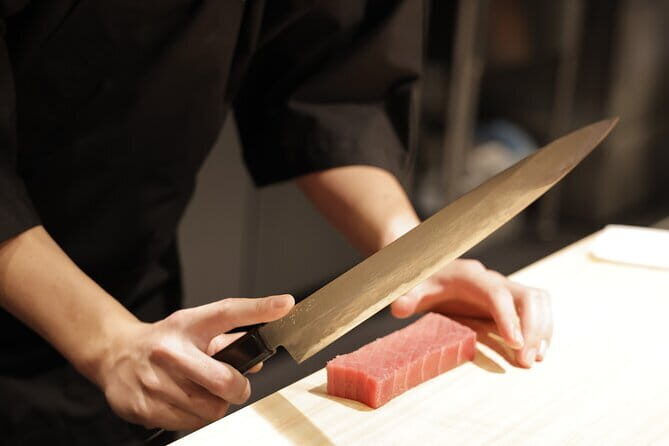
After the intro, you watch an expert demonstration of knife work. Then the most important part: you actually use a Japanese knife to cut sashimi.
This is where you learn the difference between “sharp” as a word and sharpness as a physical experience. A blade that’s truly set up for sashimi cuts differently from the knives many visitors are used to. The angle, pressure, and rhythm all matter. With guidance, you get to try those movements rather than mimicking without feedback.
The workshop is set up for comfort too. The experience is described as friendly to foreigners, and the instructors are described as patient. You’re not expected to be perfect on day one. The class is designed so you can adjust as you go.
Also, you’ll be cutting while the session includes other steps like sharpening. That keeps the flow active and stops the class from turning into an all-watch lesson.





Sharpening on a whetstone (and why it changes your knife life)
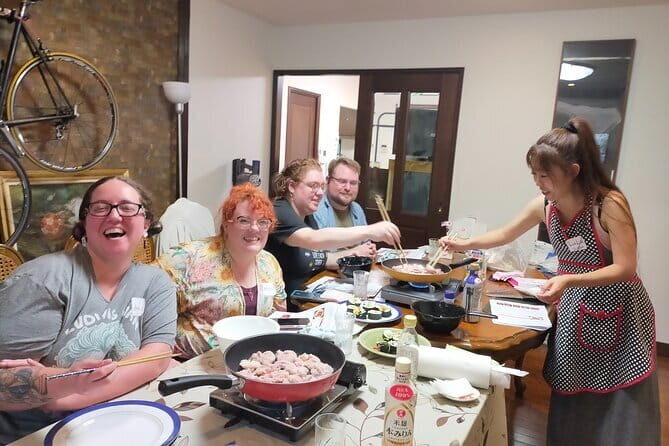
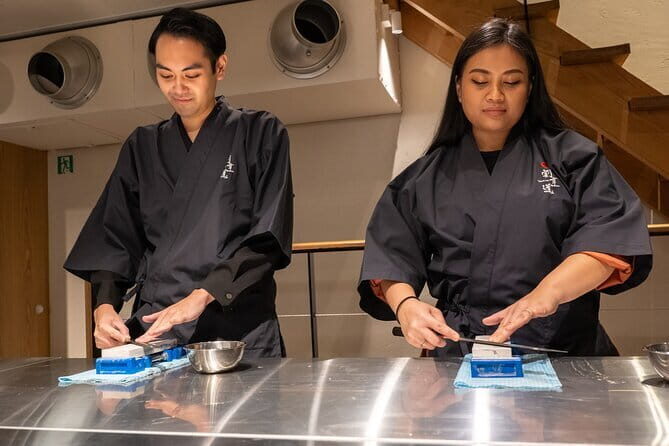
One of the most praised parts of this workshop is learning to sharpen a Japanese knife using a whetstone. That’s a big deal because sharpening is the skill that protects your results.
Here’s what you should expect: you’ll learn how sharpening works while the tuna is marinating. The timing is smart. You stay engaged, and you get an important “in-between” skill while you wait for the ingredients.
You might be surprised by how much of knife performance is about maintenance. Even if you start with a good knife, it won’t perform at its best without the right edge. Sharpening isn’t just for professionals—it’s what lets home cooks keep up restaurant-level cutting.
And if this is your first time: the instructor helps you. You’re not just handed a whetstone and told to figure it out. You’ll learn how to work the stone and how to approach the edge in a way that makes sense.
Think of this portion as the “real-life tool” you take home. In a single evening, you get a skill you can practice again and again—long after the meal is finished.
Sashimi cutting: technique you can reuse at home
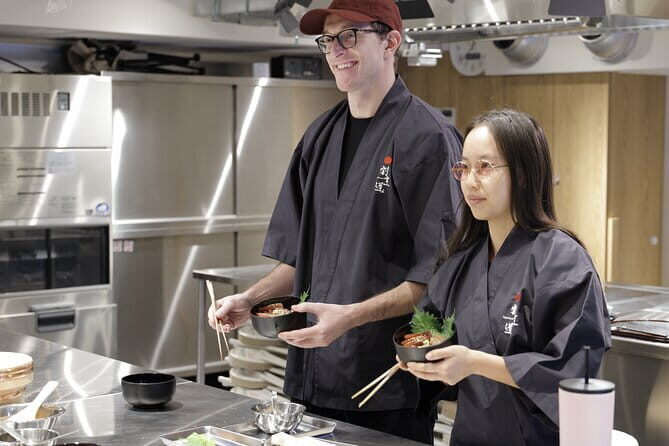
The workshop gives you more than one moment with the knife. You observe technique, then you cut sashimi yourself. That combination is valuable because it shows you what “good” looks like right before you try.
Sashimi cutting is often described as simple, but it’s not casual. The texture is delicate. The cut needs to be clean enough to keep the fish looking good and tasting right. And it needs to avoid mangling the flesh.
As you work, you’ll learn how sharp the knife is and how to use it effectively. That practical feedback is what you can reuse later. You can take the movements you’re taught and apply them when you’re preparing fish at home (or when you’re buying sashimi and slicing it yourself).
One more thing: the class doesn’t just focus on cutting. It connects knife work to cooking. That’s why, when you eat, it still feels like you’re learning.
Zuke-don cooking class: rice bowls with marinated sashimi
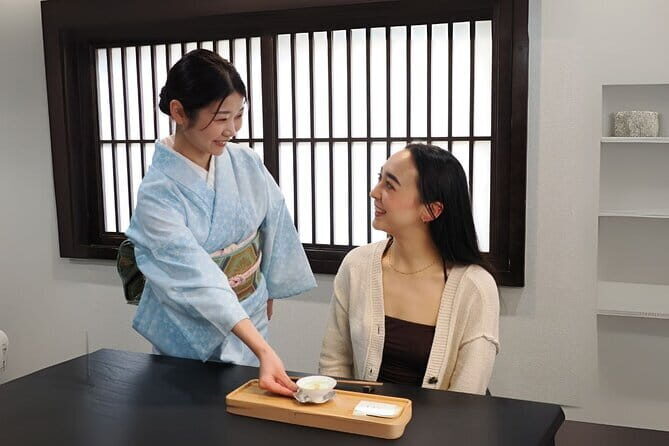
Next up is the cooking portion, where you make zuke-don. Zuke-don is rice topped with marinated sashimi. Tuna is often used, but the fish can vary depending on availability.
The lesson includes cutting and preparation steps, then you’ll build your bowl. While the tuna is marinating, you sharpen the knife. Once that’s done, the cooking part moves toward the finish: you prepare your rice bowl and top it with the marinated fish.
You end with lunch: you’ll enjoy the tuna bowl you made and miso soup. Drinks are included as well.
This part is especially good value for the money because you don’t just get a snack. You get a full, satisfying Japanese meal that connects directly to the knife skills you practiced earlier in the class. It’s hard to explain until you do it, but your brain tends to remember the technique better when it tastes good right afterward.
You can also taste an original sake from Kappodo. If you like trying local food-and-drink pairings, that’s a nice extra. If you’d rather not drink alcohol, you can still enjoy the rest of the meal without it.
Who teaches you: Chef Naoya and translator Hiromi
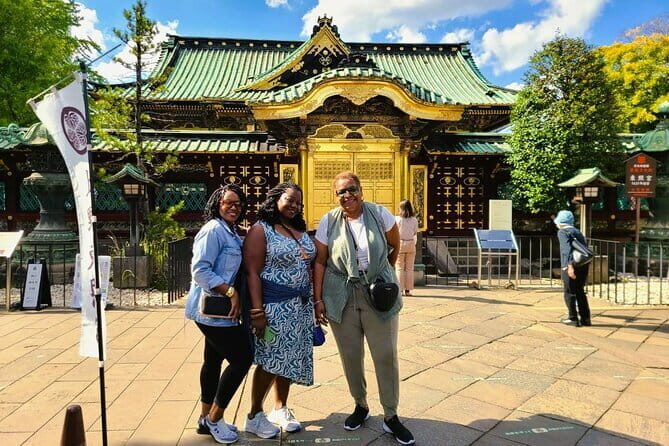
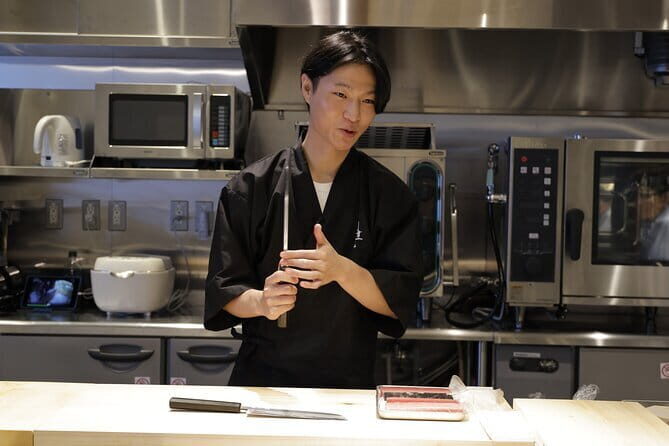
A big reason the class feels smooth for English-speaking visitors is the teaching team. The chef is Naoya, and the translator is Hiromi. Having an interpreter who supports the instruction makes a knife workshop far less stressful.
You’ll also get a sense that the instructors are used to working with visitors who may be holding a Japanese knife for the first time. Multiple people describe the class as engaging, professional, and patient. That combination matters, because the most common frustration in workshops is being rushed or not getting clear correction.
In this class, the pace seems designed to help you get it right, with practice built in.
Price and value: what $130.78 buys you in practice
Let’s talk about the price with clear eyes. At $130.78 per person for an experience listed at about 2 hours, you’re paying for three things:
1) Hands-on knife time, including sharpening on a whetstone and cutting sashimi.
2) A complete lunch, including miso soup and drinks, plus a sake tasting.
3) Instruction and equipment, since tools and aprons are included and a tour guide is provided.
When you break it down, you’re not just paying for entertainment. You’re paying for coaching on a skill that normally takes more time to learn. Also, small-group size (max 8) helps keep the per-person attention strong.
You’ll also get a certificate of participation, plus 10% off items at the 1F shop on the same day of your workshop visit. That’s a practical perk if you’re the kind of traveler who buys a Japanese knife accessory or kitchen item while you’re there.
One note on expectations: it’s still short. You’ll leave with a working understanding and muscle memory for basic sashimi cutting and whetstone sharpening steps, not full mastery. If you want months of training, you’ll need more practice afterward. But as a first “real” knife workshop, it’s a solid start.
What to wear and how to get the most out of it
The class includes aprons and tools, so you don’t need special gear. Still, I recommend dressing in comfortable layers. Kitchen environments can be warm, and you’ll be moving between instruction and hands-on work.
Most importantly: bring your curiosity. This is not a class where you can show up thinking you already know knives. Japanese cutting technique is different from what many visitors are used to. If you stay open and patient with yourself while you practice, you’ll get more out of the session.
Also, consider your appetite. You’ll be cutting and cooking, then you’ll eat what you made. If you normally skip breakfast or arrive overly full from an early meal, you may feel less satisfaction at lunch.
Who should book this workshop (and who might think twice)
This is a great fit if you:
- Want a hands-on food experience rather than a passive one
- Care about cooking technique and want skills you can reuse at home
- Like learning with a clear teacher and translator support
- Enjoy Japanese food culture, especially knife-related customs and craftsmanship
It may be less perfect if you:
- Are only looking for a sightseeing-style Tokyo experience (this is mostly in one studio)
- Get nervous around sharp tools, even with instruction
- Want a long, multi-session path to mastery (this is a fast 2-hour intro)
Should you book the Tokyo Keen Japanese Knife and Sashimi Workshop?
If you want value, authenticity, and something truly practical, I think this workshop is worth your time. You get a rare combo: knife sharpening on a whetstone, hands-on sashimi cutting, and a meal that’s directly tied to what you learned. And with Chef Naoya and translator Hiromi, the instruction is set up to feel accessible, not intimidating.
My quick decision rule: book it if you’d enjoy learning a real skill more than taking photos. If you want technique you can reuse, this is the kind of experience you’ll remember when you’re cooking later.
If you’re on the fence, ask yourself one question: do you want to leave with a story, or do you want to leave with a skill? For most people, this class delivers both.
FAQ
How long is the Tokyo Keen Japanese Knife and Sashimi Workshop?
It runs for about 2 hours.
What’s included in the class?
You get all tools and aprons, lunch (the tuna bowl you make), drinks, a tasting of Kappodo original sake, a tour guide, and a certificate of participation. You also get a 10% discount at the 1F shop on the same day.
Is it a small group workshop?
Yes. The maximum group size is 8 travelers.
Will I be able to cut sashimi myself?
Yes. You’ll watch knife skills demonstrated and then use a Japanese knife to cut sashimi as part of the hands-on session.
Do I need to have knife experience before booking?
No. The workshop includes learning how to sharpen a Japanese knife on a whetstone, and you’ll be helped even if it’s your first time.
Can I cancel for a full refund?
You can cancel for a full refund up to 24 hours before the experience start time. If you cancel less than 24 hours before, the amount paid is not refunded.
Make Something to Take Home


More Tour Reviews in Tokyo



Fresh reviews from around Tokyo






Workshops, compared.
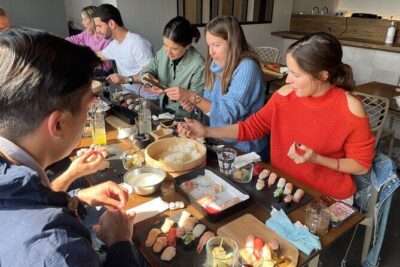 ★ 5.0Sushi Making Tokyo Roll and Authentic Japanese Sushi ClassFrom $593,971 reviews
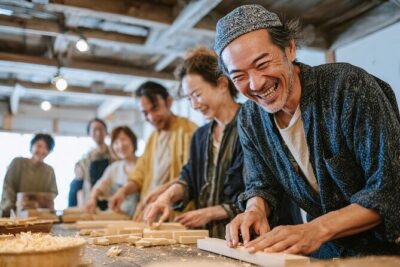 ★ 5.0Tokyo Shinjuku Chopsticks Making ClassFrom $201,763 reviews
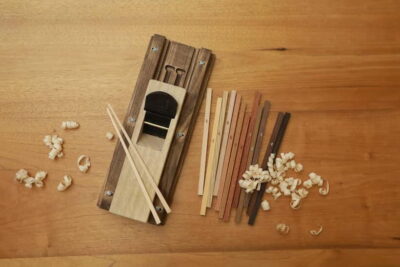 ★ 4.8Chopstick Making Workshop in GinzaFrom $251,366 reviews
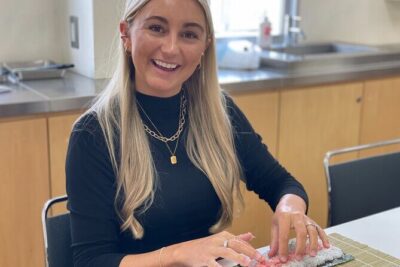 ★ 5.0Tokyo Sushi Making Class in Tsukiji with Professional ChefFrom $491,177 reviews
 ★ 5.0Ramen & Gyoza Cooking Class in Tokyo with Local Supermarket VisitFrom $122823 reviews
 ★ 5.0Matcha Making Class in Tokyo with Authentic Japanese Sweets SetFrom $21744 reviews
 ★ 5.0Samurai Sword & Archery Class from Samurai DescendantFrom $193603 reviews
 ★ 4.9Tsukiji Fish Market Sushi Making Class with Pro ChefFrom $63506 reviews
Browse the lists this tour appears in