
Reviewed · WORKSHOPS
Tokyo/Ikebukuro Manga drawing workshop by pro-Manga artists
Tokyo turns into a sketchbook for two hours.
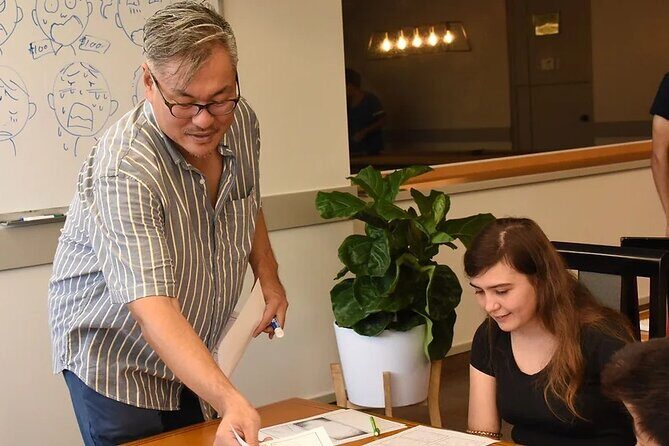
If you want a hands-on way to understand Japanese pop culture, this Ikebukuro class does it fast. You sit with a professional manga artist, choose a course level, and walk through the manga-making process—story structure, panel layout, and character design—so you end up with an original piece you can actually take home.
Two things I especially like about this workshop are the focus on small-group questions (max 8 people) and the built-in souvenirs: you receive an original clear file plus a set of three custom postcards right after class. One thing to keep in mind: you’ll need to match the course level to your comfort level, or you may feel rushed if you choose Advanced when you’re still learning the basics.
In This Review
- Key Reasons This Class Feels Worth Your Time
- Manga Dojo Tokyo: Why Ikebukuro Works So Well
- Price and What You’re Actually Paying For
- Pick Your Level: Beginner, Intermediate, Advanced
- Beginner
- Intermediate
- Advanced
- What Happens in Class: The Manga Process, Not Just Copying
- ① Experience Drawing Manga
- ② Turn Your Travel Memories into Manga
- ③ Guidance by a Professional Manga Artist
- ④ Create Your Own Original Character
- Small-Group Energy: Why You’ll Learn Faster
- Materials and Included Souvenirs That Actually Matter
- Timing in Your Tokyo Day: Easy Before or After Plans
- Who This Workshop Is Best For
- Should You Book This Manga Drawing Workshop?
- FAQ
- FAQ
- How long is the manga drawing workshop?
- How many people are in the class?
- What course levels are available?
- Is anything included in the price besides instruction?
- Do I need to bring my own drawing supplies?
- What’s not included?
Key Reasons This Class Feels Worth Your Time
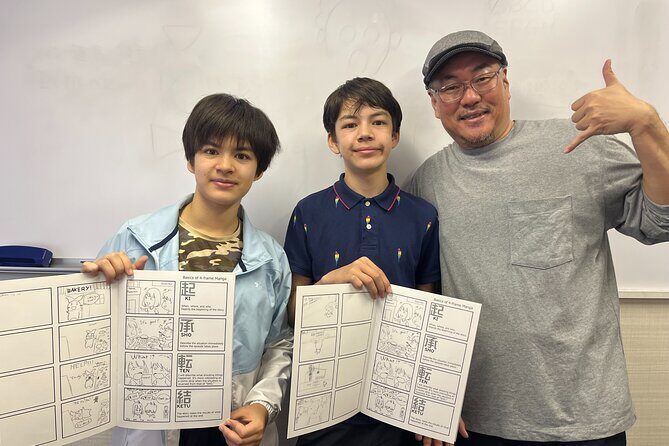
- Pro-Manga Artist Instruction: You learn techniques from a practicing professional, not a casual demo.
- Pick Beginner, Intermediate, or Advanced: Your course can match your drawing stage.
- Small Group Size (Up to 8): More time for questions and feedback.
- Real Manga Workflow: You practice how manga pages are planned, not just how to draw one character.
- Take-Home Art, Plus Postcards: The souvenirs are part of the experience, not an afterthought.
More things to make with your own hands
- Sushi Making Tokyo Roll and Authentic Japanese Sushi Class★ 5.0 · 3,971 reviews
- Tokyo Shinjuku Chopsticks Making Class★ 5.0 · 1,763 reviews
- Chopstick Making Workshop in Ginza★ 4.8 · 1,366 reviews
Manga Dojo Tokyo: Why Ikebukuro Works So Well
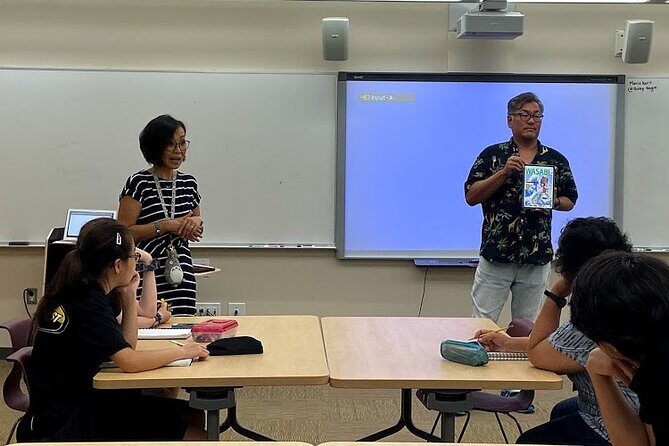
Ikebukuro is one of those parts of Tokyo that’s easy to plug into a day. You get a central meeting point, and the workshop is short enough that you can still explore before or after without feeling like your schedule is glued together.
The location is at Manga Dojo Tokyo, 170-0013 Tokyo, Toshima City, Higashiikebukuro, 1-chōme316 三昌ビル 602. That’s helpful because you can plan your day around a real address, not a vague “near the station” idea. And since it’s near public transportation, you won’t need to build a complex travel puzzle just to get to the start.
The class itself is designed around one simple goal: make manga creation approachable in a limited time. Two hours sounds short, but it’s long enough for real practice, especially with step-by-step guidance and a small group setting.
Price and What You’re Actually Paying For
At $114 per person for about 2 hours, this isn’t a “cheap activity.” But it also isn’t just a ticket for someone to talk while you watch. You’re paying for three main things:
1) Professional technique
You’re taught by a professional Japanese manga artist, which changes the whole experience. You’re not copying a style blindly; you’re learning methods used to build manga pages and characters.
2) Materials that reduce friction
All equipment is included: screen tones, pens, and comic paper. That matters in Tokyo, where buying the right supplies can be a hassle (and often costs more than you expect). Having tools ready means you start drawing sooner and worry less.
3) Custom souvenirs tied to your output
You get an original clear file plus a set of three postcards after the class. If you like collecting meaningful travel keepsakes, this is more satisfying than generic store-bought swag because it’s connected to what you create.
If you’re choosing between “pay for a tour” and “pay for a skill,” I’d treat this as the second option. Even if you’re not trying to become an artist, the value comes from leaving with something you made, with guidance you couldn’t easily replicate on your own.
Pick Your Level: Beginner, Intermediate, Advanced
A lot of drawing classes fail when they assume everyone is starting at the same place. This one fixes that with three course levels:
Beginner
This is the best match when you’re new to drawing or manga conventions. The focus is on getting you moving through the process without getting stuck on perfection.





Intermediate
This level fits if you already know basic drawing. You’ll likely spend more time building structure—how panels work together, and how character ideas translate cleanly onto a page.
Advanced
If you’re already comfortable drawing manga-style characters or you’re aiming for a more ambitious output, Advanced gives you room to push further. Just make sure you can handle the pace, because you’ll be working toward a final creation in a limited time.
If you’re bringing younger children, the workshop notes that you should choose the course level most suitable for them. That’s a good sign: they’re thinking about the real-world difference between adult attention spans and kid energy.
What Happens in Class: The Manga Process, Not Just Copying
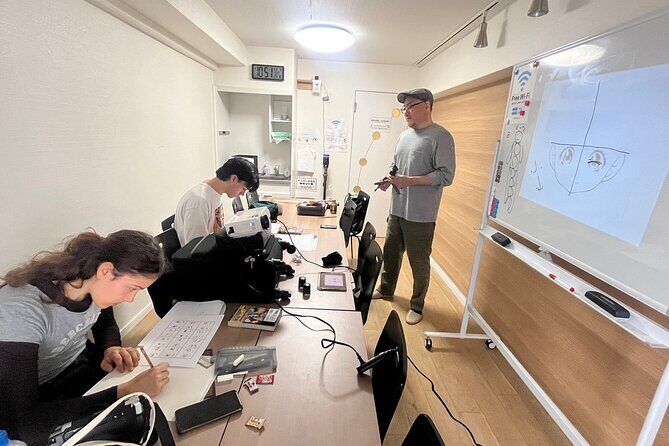
Even though the workshop is only about two hours, it’s organized around the steps manga artists use to build pages. You’ll learn the manga creation workflow, including:
- Story structure
Even if your story is simple, you’re learning how a manga idea becomes a sequence.
- Panel layout
Panels aren’t random squares. You learn how to organize the action so it reads clearly.
- Character design
This is where manga personality shows up—expressions, proportions, and the small visual cues that make a character feel real.
Then you choose one of the workshop formats:
① Experience Drawing Manga
If you want the full “how manga is made” experience, this is the one. You’re working through the overall process—from the narrative plan to the panel structure and character creation.
② Turn Your Travel Memories into Manga
This is a fun choice if you’re already thinking about your Japan moments. You can convert travel episodes into manga form while learning through Japanese culture. The result tends to feel personal because the subject comes from your own trip.
③ Guidance by a Professional Manga Artist
This option highlights the mentorship angle. You’re getting the charm of manga culture plus real technique from a professional instructor—exactly what you’d want if you’re serious about learning, not just finishing a souvenir.
④ Create Your Own Original Character
This one focuses on originality, especially chibi-style characters. You’ll use reference samples, then combine elements to design a character that’s uniquely yours. It’s one of the best options if you want your final piece to feel playful and unmistakably personal.
Small-Group Energy: Why You’ll Learn Faster
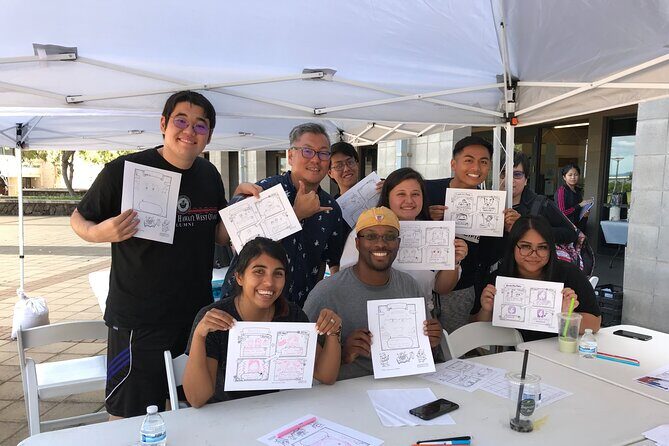
The class has a maximum of 8 travelers, which is why it works. In a larger room, you get one blanket explanation and then you’re left guessing. Here, you have more chances to ask questions while you’re actually stuck.
That matters because drawing problems are usually immediate. You don’t need a lecture after you finish—you need help right when you’re deciding how to place a panel, adjust proportions, or make an expression read on the page.
This is also why the workshop feels like it teaches more than just drawing. You end up understanding how manga artists think: start with structure, then build personality into characters.
Materials and Included Souvenirs That Actually Matter
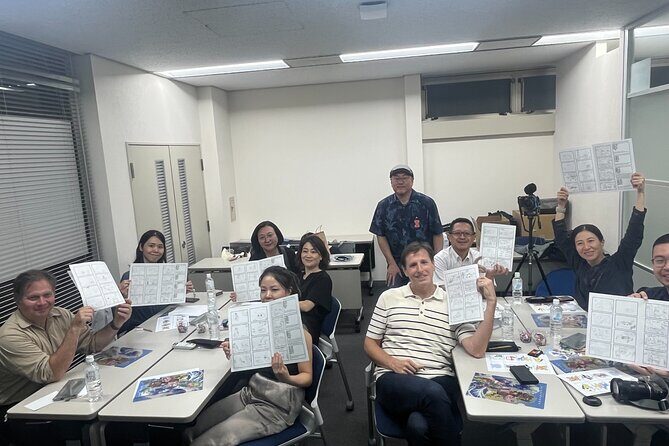
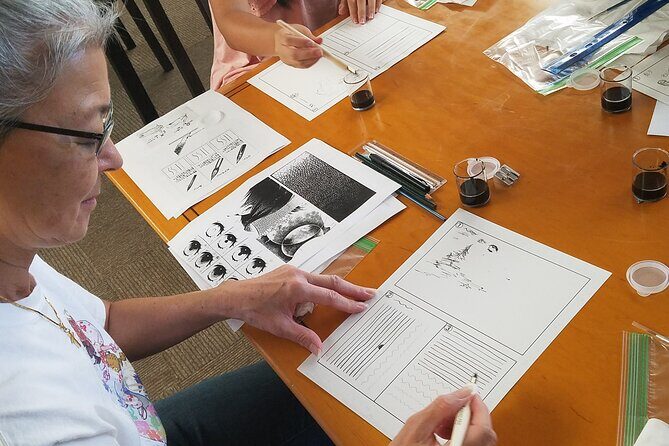
One of the smartest parts of this experience is that it includes the tools. You don’t have to bring anything. You’re provided with:
- Screen tones
- Pens
- Comic paper
That’s important because screen tones are a big part of manga texture. If you’ve never used them, you’ll get a real taste of what makes manga shading look manga-like instead of like a sketch copied from the internet.
You also receive after class:
- MANGA DOJO TOKYO original clear file
- A set of three postcards
These are small items, but they’re high-value because they’re tied to your creation. If you like sending postcards back home, you’re not just mailing a scenic photo—you’re sharing the art you made in Tokyo.
One small downside to note: bottled water and snacks aren’t included. If you’re the type who gets thirsty while working, plan to buy a drink nearby before class.
Timing in Your Tokyo Day: Easy Before or After Plans
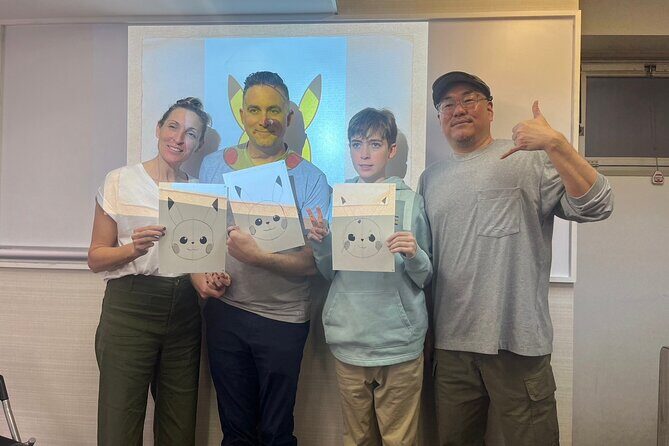
The duration is listed as about 2 hours, and the meeting place is near public transportation. That combination is ideal for fitting into your schedule.
Here’s how I’d think about timing:
- If you’re arriving in Tokyo that day, you’ll likely appreciate the workshop as a low-stress activity. It’s structured, you’ll be guided, and you’ll be done while the rest of the city still feels open.
- If you’re already in Ikebukuro, this can serve as a creative break between shopping or museum time.
- If you want to maximize your day, do the workshop first so you still have energy to explore afterward while your brain is in “creative mode.”
And because the class is in a central part of the city, you can build walking routes around the neighborhood without feeling like you’re commuting forever.
Who This Workshop Is Best For
This class is a great fit if:
- You want an authentic Tokyo experience that’s not just photo stops.
- You like hands-on learning and feedback.
- You enjoy manga and want to understand the mechanics behind it.
- You’d like a structured creative activity even if you’re not an artist.
It’s especially well-suited to mixed groups. One of the strongest strengths of the small size is that the workshop can handle different comfort levels, so you can do it with someone who’s never drawn and someone who already knows the basics.
You might want to think twice if:
- You only want a passive activity or you’re looking for a long sightseeing itinerary.
- You’re expecting a lecture-only cultural explanation with no drawing time.
- You’re very sensitive to spending your only two hours working quietly at a desk.
Should You Book This Manga Drawing Workshop?
If you’re deciding whether this is “worth it,” here’s the simple way to judge it: choose it if you want a skill you can take home, plus high-quality guidance, within a short timeframe.
For the price, the workshop is strongest when you care about three things: learning from a professional, having supplies provided, and taking home actual souvenirs tied to your work. The small group size (up to 8) is the factor that likely makes the difference between a fun doodle session and a genuinely satisfying learning experience.
So I’d recommend booking if you want an easy-to-schedule, creative Tokyo activity where you leave with something tangible—and you don’t have to worry about bringing materials or figuring out what to draw.
FAQ
FAQ
How long is the manga drawing workshop?
It’s about 2 hours.
How many people are in the class?
The group is capped at a maximum of 8 travelers.
What course levels are available?
There are three course levels: Beginner, Intermediate, and Advanced.
Is anything included in the price besides instruction?
Yes. The workshop includes manga drawing equipment such as screen tones, pens, and comic paper, plus an English guide and souvenirs: an original clear file and a set of three postcards.
Do I need to bring my own drawing supplies?
No. The workshop provides the equipment you need for manga drawing.
What’s not included?
Bottled water and snacks are not included.
Make Something to Take Home



More Tour Reviews in Tokyo



Fresh reviews from around Tokyo






Workshops, compared.
 ★ 5.0Sushi Making Tokyo Roll and Authentic Japanese Sushi ClassFrom $593,971 reviews
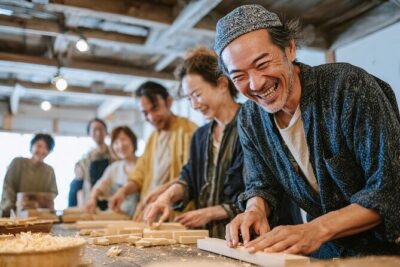 ★ 5.0Tokyo Shinjuku Chopsticks Making ClassFrom $201,763 reviews
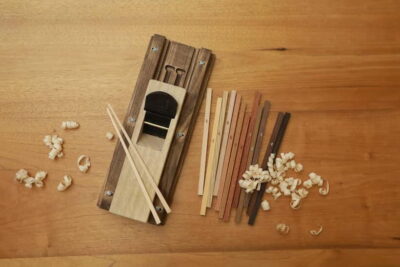 ★ 4.8Chopstick Making Workshop in GinzaFrom $251,366 reviews
 ★ 5.0Tokyo Sushi Making Class in Tsukiji with Professional ChefFrom $491,177 reviews
 ★ 5.0Ramen & Gyoza Cooking Class in Tokyo with Local Supermarket VisitFrom $122823 reviews
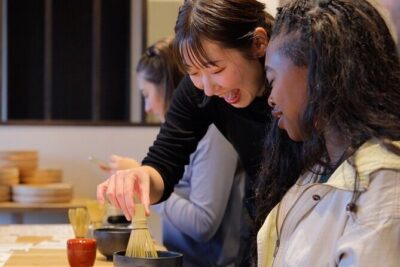 ★ 5.0Matcha Making Class in Tokyo with Authentic Japanese Sweets SetFrom $21744 reviews
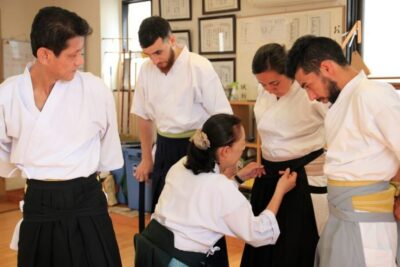 ★ 5.0Samurai Sword & Archery Class from Samurai DescendantFrom $193603 reviews
 ★ 4.9Tsukiji Fish Market Sushi Making Class with Pro ChefFrom $63506 reviews
Browse the lists this tour appears in