
Reviewed · ASAKUSA TOURS
Tokyo History: Sensoji Temple & Asakusa District Private Tour
Asakusa feels like stepping back in time. This private walking tour links Kaminarimon, Hozomon, and Senso-ji Temple with clear stories about how Tokyo’s old streets connect to the city you see today. I especially like two things: you get one-on-one attention that you can shape to your pace, and you also include a small offering at Senso-ji, which turns the temple visit into something more meaningful than a quick look.
The one thing to plan around is the walking pace. It’s about 3 hours on foot through crowded temple streets and side lanes, and the tour notes a moderate fitness level—so comfortable shoes really matter, especially if you want to linger for photos.
In This Review
- Key Highlights You’ll Actually Feel During This Tour
- Why Asakusa and Senso-ji Still Matter in Tokyo
- 3 Hours, One Simple Route: How the Walk Works
- Nakamise Street and Kaminarimon: Snacks, Souvenirs, and Arrival Energy
- Hozomon and Age Manju: A Temple Snack That Fits the Moment
- Senso-ji Temple: Oldest Roots, Incense Smoke, and the Included Offering
- Asakusa Hanayashiki Streets: Melon Pan and the Backstreet Feeling
- Edo Taito Traditional Crafts Center: Watching Tokyo’s Maker Culture
- Kappabashi Street for Food Models: The Most Fun “How Is This Made?” Stop
- Guides and Flexibility: Why the Private Format Changes Everything
- Price and Value: What You’re Paying For at $139.63
- Who This Tour Suits Best (and When to Skip It)
- Should You Book This Tokyo History Tour?
- FAQ
- Is this a private tour?
- How long is the tour?
- Where does the tour start?
- Does the tour include Senso-ji Temple and Nakamise Street?
- Are there any paid admission tickets for the stops?
- What’s included in the price?
- What is not included?
- Is there a mobile ticket?
- How do I get there?
- Can I cancel for free?
Key Highlights You’ll Actually Feel During This Tour
- Private guide, just you and them: No “stand here, follow the group” shuffle.
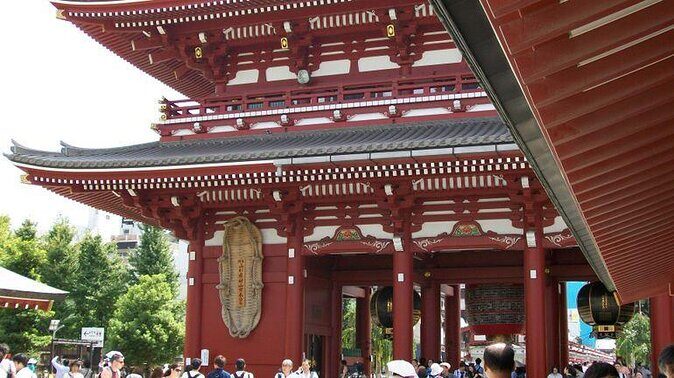
- Kaminarimon to Hozomon in the right order: Gate-to-gate flow makes the temple complex easy to understand.
- Age manju stop with flavor choice: A simple snack moment that fits naturally into temple-land foot traffic.
- Senso-ji’s incense and included offering: You’ll know what you’re seeing before you step deeper.
- Asakusa side streets beyond the main crowd: Hanayashiki area streets and traditional craft stops add texture.
- Kappabashi for food-model craft and tools: Great for the practical shopper and the curious eater.
More mornings around Senso-ji and the old town
- Tokyo: Japanese Dance Cabaret Theater Asakusa-Kaguwa Ticket★ 4.8 · 2,270 reviews
- Tokyo: Asakusa Walking Tour with Sensoji Temple Visit★ 4.8 · 1,583 reviews
- Tokyo Asakusa Rickshaw Tour★ 5.0 · 1,375 reviews
Why Asakusa and Senso-ji Still Matter in Tokyo
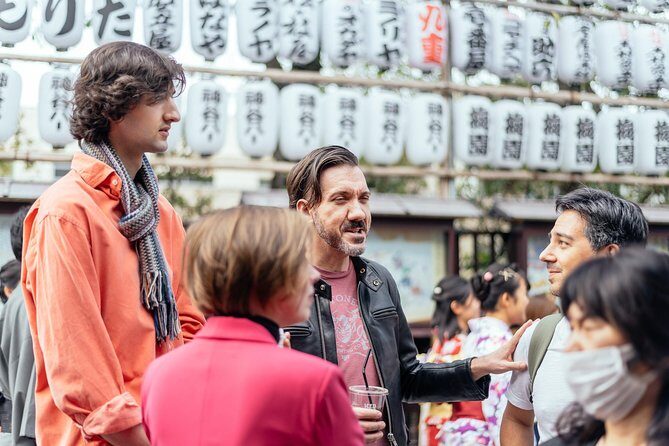
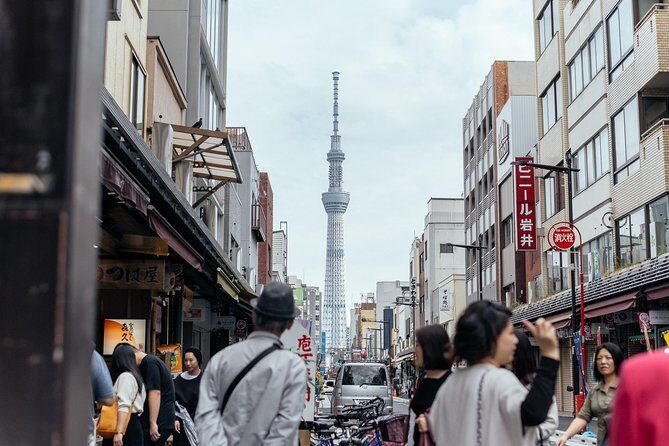
If you’re trying to understand Tokyo, Asakusa is a smart place to start. This part of the city keeps older rhythms: gates with lanterns, temple grounds with incense smoke, and shopping streets built around generations of daily life. The tour’s focus is history, but it’s not taught like a lecture. You walk the spaces, then your guide ties each stop to the bigger story of how the capital formed its identity.
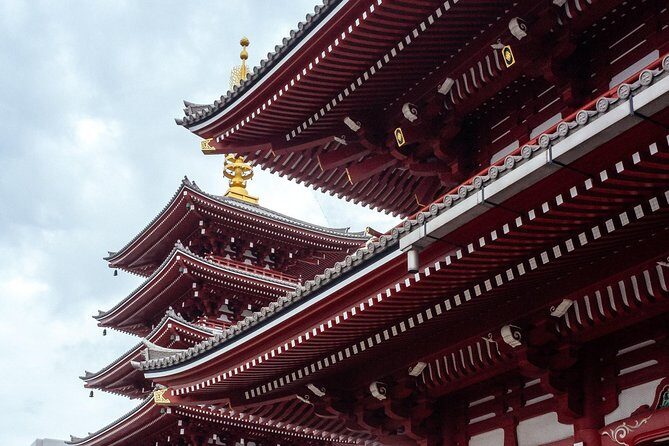
Senso-ji is the anchor. The tour frames it as Tokyo’s oldest temple, dating back to 628. That kind of time depth changes how you read the crowds. Instead of seeing only people and cameras, you start noticing the layers: the rituals, the layout, and why certain shops sit where they do.
3 Hours, One Simple Route: How the Walk Works
This is scheduled for about 3 hours, and the itinerary is built like a path you can follow without stress. You start at 2-chōme-16-11 Kaminarimon, Taito City, Tokyo 111-0034, and the tour ends back at the same meeting point. There’s no hotel pickup, so you’ll want to arrive at the start area ready to walk.
One practical advantage: the stops are close enough that you don’t spend your limited time transferring around Tokyo. Another is the private format. Since it’s just you and your guide, you can slow down for a closer look at the lanterns, skip a shop window if it isn’t your thing, or spend a bit more time at the temple grounds.
Nakamise Street and Kaminarimon: Snacks, Souvenirs, and Arrival Energy
You kick things off on Nakamise Shopping Street, right by the Kaminarimon area. The tour has you pass through a colorful gate with traditional lanterns and statues, then stroll along a street where shopping has been happening since the 18th century.
This is a great first stop because it sets expectations. Nakamise is where you’ll see:
- souvenir rows and small specialty shops
- street-food style treats
- a steady flow of locals and visitors moving as one
The tour gives you about 20 minutes here, and admission is free. That’s long enough to get oriented and taste something if you want, but not so long that it drains the rest of your afternoon.
If you’re the type who likes order, this start helps. You’re not wandering blindly; you’re building context before you enter the next gate.
Hozomon and Age Manju: A Temple Snack That Fits the Moment
Next comes Hozomon, the stop that mixes cultural rhythm with a very practical experience: your guide brings you to a store where you can try an age manju in your chosen flavor. After that, you follow your local host through the second gate that leads into the temple area.
That snack step matters more than it sounds. It slows the whole experience down by one notch. You’re not just rushing from photo point to photo point—you’re learning the pace of temple street life, where a small food stop is part of the journey.
This segment is also about 20 minutes and free to visit. It’s a clean reset before the bigger moment: stepping into Senso-ji Temple proper.
More private options with your own guide


Senso-ji Temple: Oldest Roots, Incense Smoke, and the Included Offering
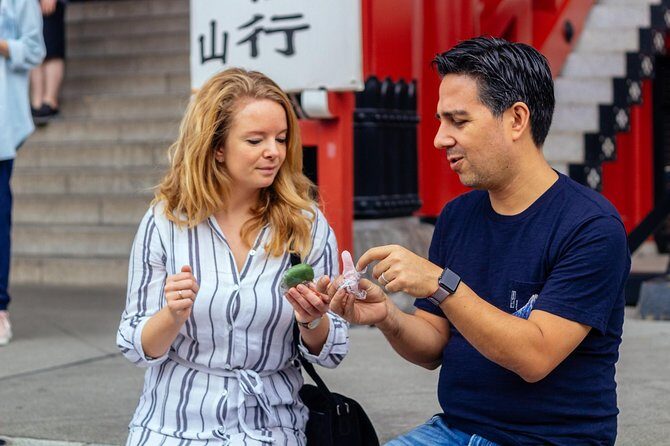
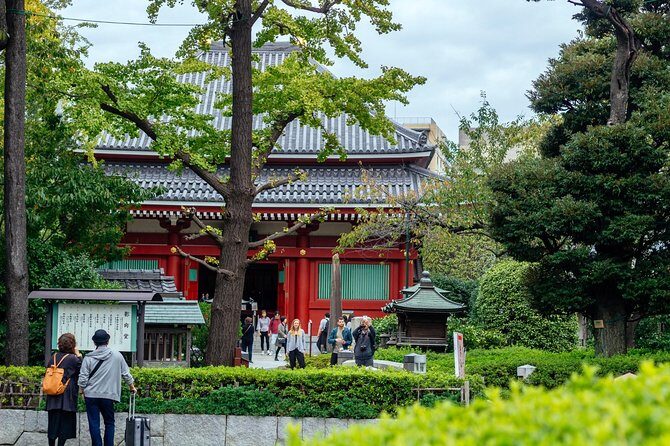
Now for the main event: Senso-ji Temple itself. The tour points out its deep roots, with a founding date of 628. Whether you’re into temple architecture or not, this stop gives you a sense of scale—Senso-ji isn’t a “one generation landmark.” It’s a place that has seen repeated eras of Tokyo.
Here’s what you can expect on the ground:
- incense smoke in the air before you go further in
- the feeling of arriving at a major spiritual center
- a chance to connect with the temple moment through the included ritual
The itinerary emphasizes the incense experience, with the idea that the smoke wafts over you as part of the atmosphere before you enter. Then the tour includes a small offering for you to make at the temple.
That included offering is one of the best value touches in the whole tour. It isn’t just “see the temple.” You get a guided moment that helps you understand what you’re doing and why people do it.
Your time here is about 20 minutes. It’s enough to take it in without losing your whole morning to crowds.
Asakusa Hanayashiki Streets: Melon Pan and the Backstreet Feeling

After Senso-ji, the tour shifts from major temple space to narrower neighborhood streets, walking toward Asakusa Hanayashiki. This stop is short—about 15 minutes—but it adds a different kind of Tokyo flavor.
The tour highlights a nearby area famous for freshly made melon pan bread. It’s a small, specific food cue that helps you picture the neighborhood instead of treating the area like a museum set.
You also get the “backstreet” feel here: narrow ways, side-shop storefronts, and that sense that life continues around the famous sights.
If you like authentic street texture, this stop is worth it. If you’re only after iconic landmarks, you might feel it’s a smaller moment—but it still balances the tour nicely.
Edo Taito Traditional Crafts Center: Watching Tokyo’s Maker Culture
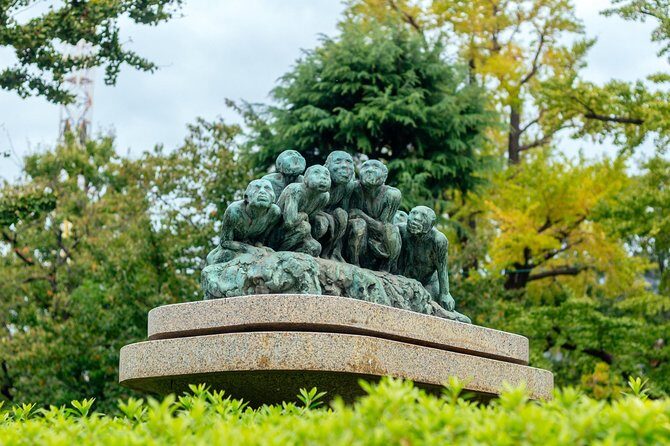
Next is Edo Taito Traditional Crafts Center (also referenced as the Edo Shitamachi Traditional Crafts Museum). This is where the tour gets practical in a different way: you start thinking about the skills and objects that shaped everyday life.
You spend about 15 minutes here. The highlight is seeing items made by Tokyo’s creative artisans, and if you visit on the weekend, you may even see someone performing the craft in front of you.
Even without a live demo, craft museums like this can be a fast way to understand a place. You stop seeing souvenirs as random buys and start seeing them as connected to trades, local materials, and older patterns of making.
It’s a good stop for travelers who enjoy:
- handmade goods
- process over packaging
- learning how local traditions turn into modern products
Kappabashi Street for Food Models: The Most Fun “How Is This Made?” Stop
After craft culture, you move to something very Tokyo: Kappabashi Street (Kappabashi Dogugai). This is the street known for the practical artistry behind restaurant food models—the fake dishes you see displayed in windows.
The tour includes two Kappabashi Street stops, each about 15 minutes, both focused on the same main idea: exploring how these dish-model displays are created.
This is one of my favorite kinds of stops because it’s instantly visual and oddly fascinating. You’ll likely find yourself thinking:
- How do they make it look so real?
- What materials are used?
- Who buys these models and how often do restaurants change them?
Even if you’re not shopping big, it’s a fun educational detour. And if you do shop, you’ll be walking into the street with an explanation in your head, so you know what you’re looking at.
Guides and Flexibility: Why the Private Format Changes Everything
This tour’s structure is fixed, but the delivery isn’t. It’s a private tour, meaning only you and your local guide. That matters in Tokyo, where crowds can build fast around temple approaches and shopping streets.
The guiding style seems to lean toward flexibility. In the tour experience, different guides are highlighted for being able to handle requests and adapt when plans shift. For example, guides like Abu are described as flexible with requests, while Shelina and Gülay are praised for kindness and for making the experience work around what people need in the moment.
Names that come up in the experience include William, Carlos, RamKy, and Gulay—and the common thread is that they connect history and culture to what you’re seeing, not just facts on a page.
If you want the route to be more snack-forward, more photo-forward, or more history-forward, the private setup is the tool that lets you do that.
Price and Value: What You’re Paying For at $139.63
At $139.63 per person for about 3 hours, the big question is value. For a private walking tour, you’re paying for:
- a private guide (one-on-one attention)
- guided entry-style flow through temple gates and shopping streets
- an included offering at Senso-ji
- carbon-offset coverage noted as CO2 Neutral
Is it the cheapest way to see Senso-ji? No. But it’s also not trying to be. The value comes from reducing friction. Instead of you trying to piece together what each gate and street means, you get a guide who can explain the “why” while you’re standing right there.
Also, since tickets and admissions are listed as free for the stops, you’re not dealing with extra entry costs. That helps the price feel more straightforward.
If you’re traveling solo or in a small group, the private format can feel especially worth it. If you’re the kind of traveler who enjoys museums and walking tours with context, you’ll likely get your money’s worth faster. If you already know the history and just want photos, you might find a self-guided wander is cheaper.
Who This Tour Suits Best (and When to Skip It)
This tour is a strong fit if you want:
- Senso-ji with context (not just a quick hit)
- temple streets plus shopping plus craft culture
- a guided pace you can adjust
- a small ritual moment through the included offering
It’s also ideal if you like tasting and looking as you go. Stops include age manju, plus the melon pan area, and you’ll pass through the sort of streets where you can spot sweet treats and street snacks.
You might choose something else if:
- you dislike walking and prefer point-to-point transfers
- you’re only interested in one landmark and don’t want extra stops
- you already know all the basics and want maximum free time for independent exploring
For most people, though, this is a good first-day or early-stay tour in Tokyo’s east side.
Should You Book This Tokyo History Tour?
If your goal is to understand Asakusa beyond the postcard angle, I’d book it. The combination of Senso-ji, gate-to-gate flow, and add-on stops like Edo Taito crafts and Kappabashi food models makes the 3 hours feel intentional.
It’s especially worth booking if you’ll appreciate a guide who can answer questions and adjust to your needs—because in Tokyo, that can turn a crowded afternoon into a smooth one. And the included offering at Senso-ji is a smart touch that adds meaning without adding hassle.
If you’d rather read signs at your own pace, then self-guided exploration might work. But if you want the story explained while you’re standing in the exact place where it happened, this one is a solid choice.
FAQ
Is this a private tour?
Yes. It’s a private tour/activity with only you and your local guide.
How long is the tour?
The duration is about 3 hours.
Where does the tour start?
The start location is 2-chōme-16-11 Kaminarimon, Taito City, Tokyo 111-0034, Japan.
Does the tour include Senso-ji Temple and Nakamise Street?
Yes. It includes Nakamise Shopping Street (Kaminarimon) and Senso-ji Temple.
Are there any paid admission tickets for the stops?
The itinerary lists admission ticket costs as free for each listed stop.
What’s included in the price?
Included items are the private guide, CO2 neutral carbon-offsetting, and an offering at Sensoji temple.
What is not included?
Hotel pick-up and drop off are not included. Food and beverages are not listed as inclusions (other than the included offering at the temple).
Is there a mobile ticket?
Yes, the tour includes a mobile ticket.
How do I get there?
The tour is noted as being near public transportation.
Can I cancel for free?
Yes. You can cancel up to 24 hours in advance for a full refund.
More Tours in Tokyo




More Tour Reviews in Tokyo




Around Senso-ji: More Asakusa Picks


Fresh reviews from around Tokyo






Asakusa Tours, compared.
 ★ 4.8Japanese Dance Cabaret Theater Asakusa-Kaguwa TicketFrom $492,270 reviews
 ★ 4.7Meiji Shrine, Asakusa, Skytree Bus Tour and CruiseFrom $1221,986 reviews
 ★ 4.8Asakusa Walking Tour with Sensoji Temple VisitFrom $221,583 reviews
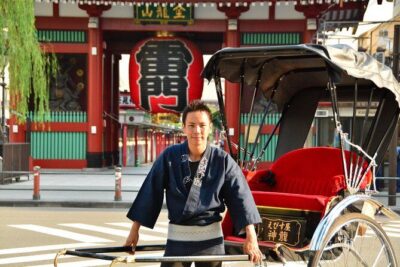 ★ 5.0Tokyo Asakusa Rickshaw TourFrom $421,375 reviews
 ★ 4.5Tokyo Panoramic 1 Day: Meiji Shrine, Asakusa, Odaiba and SKYTREE®From $851,222 reviews
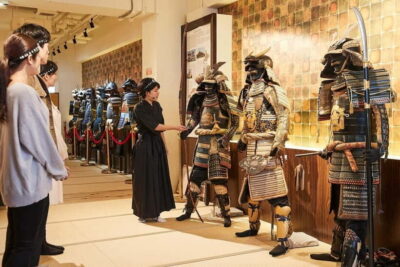 ★ 4.8Samurai Ninja Museum Asakusa: Samurai Sword Lesson & TourFrom $63306 reviews
Asakusa Sightseeing Tour by RickshawFrom $35195 reviews
Asakusa Kimono Dressing and Matcha ExperienceFrom $56173 reviews
★ 4.8Samurai Ninja Museum Asakusa: Samurai Sword Lesson & TourFrom $63306 reviews
Asakusa Sightseeing Tour by RickshawFrom $35195 reviews
Asakusa Kimono Dressing and Matcha ExperienceFrom $56173 reviews
Browse the lists this tour appears in