
Reviewed · DESSERT TOURS
Tokyo: Hama-rikyu Gardens tour with Japanese Tea & Sweets
Hama-rikyu feels like a quiet time machine. This 90-minute experience pairs a guided walk through Edo-period design with a matcha tea ceremony room stop, so you get both the why and the taste. I love that the guide focuses on the garden’s meaning, not just what’s pretty, and I also like that you sit down for sweets while you enjoy the scenery.
My favorite parts are the chance to understand two signature garden styles—Karesansui (dry landscape) and Kaiyushiki (circular garden)—and the relaxed pace of a small group capped at 4. One thing to consider: the walking portion is shorter than you might expect (about 30 minutes of guided time), so if you want a long, self-guided wander, you’ll need to plan extra time.
In This Review
- Key Things I’d Prioritize in This Tour
- Edo-Era Garden Meets Tea-Time Relaxation
- The Garden Styles You’ll Actually Notice (Karesansui + Kaiyushiki)
- Karesansui (Dry Landscape Garden)
- Kaiyushiki (Circular Garden)
- The Edo-Period Backstory (And Why It Matters on the Ground)
- Your Walking Portion: What 30 Minutes of Guided Time Does Well
- The Tea Ceremony Room: Matcha and Sweets as Part of the Garden Story
- Timing and Flow: How the 90 Minutes Adds Up
- Price and Value: Is $85 Reasonable for This Mix?
- Meeting Points and Drop-Offs: Keep It Simple
- Who This Tour Fits Best (And Who Might Feel Under-Satisfied)
- Practical Tips to Get More From Your Visit
- Should You Book Hama-rikyu Gardens With Japanese Tea & Sweets?
- FAQ
- How long is the Hama-rikyu Gardens tour with Japanese tea and sweets?
- What’s included in the tour price?
- Is the tour in English?
- How big is the group?
- Where does the tour start and where does it end?
- Do I need to pay right away, and can I cancel?
Key Things I’d Prioritize in This Tour
- Karesansui + Kaiyushiki explained clearly, with you seeing how the design works
- Tea room break with matcha green tea and Japanese sweets included
- Small group (up to 4), which makes questions and conversation easier
- English live guide focused on history and garden design background
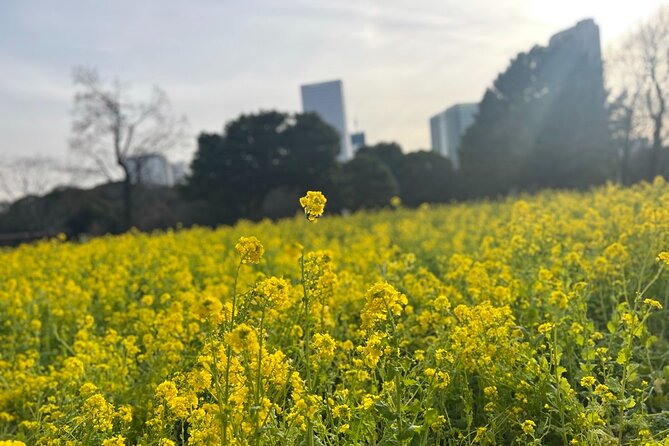
- Seasonal garden viewing, with plants and trees changing through the year
- Two start options (Otemon Bridge) and two drop-off points (Shiodome Station)
Worth weighing up alongside this Tokyo pick:
- Make Traditional Nerikiri Sweets & Matcha experience in Shibuya★ 5.0 · 130 reviews
- Private Mochi Sweets Making class near Shibuya area★ 5.0 · 93 reviews
- Japanese Traditional Sweets making and Tea Ceremony★ 4.7 · 50 reviews
Edo-Era Garden Meets Tea-Time Relaxation
Hama-rikyu Gardens is the kind of place that makes you slow down on purpose. One moment you’re walking along carefully designed paths, and the next you’re pausing in a tea setting that fits the garden’s mood. The tour hits both sides—history and nature, plus a food-and-drink moment that isn’t tacked on.
What makes it work so well is the timing. You don’t get rushed through every corner, but you also don’t lose the structure of a guided experience. The format is basically: a guided introduction to the garden, then a tea ceremony room break where you can settle your brain.
And yes, you’re going to see plenty to photograph. The garden’s design is meant to be viewed from different angles, so even small stops can feel like new “frames.”
The Garden Styles You’ll Actually Notice (Karesansui + Kaiyushiki)
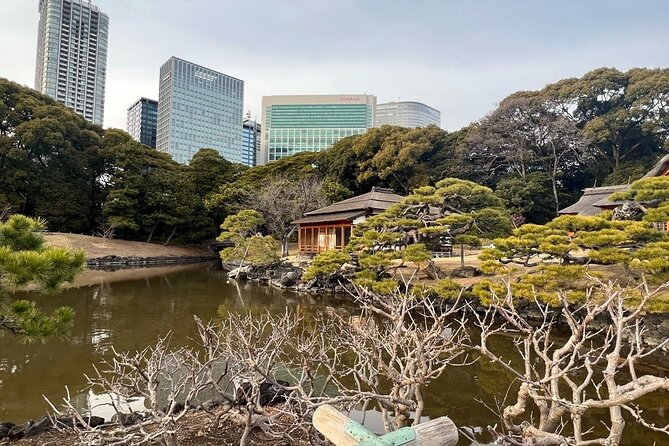
Hama-rikyu is known for two standout styles inside the grounds: Karesansui and Kaiyushiki. Even if you’ve never studied Japanese gardens before, the guide’s job is to help you read what you’re looking at.
Karesansui (Dry Landscape Garden)
Karesansui gardens use stone arrangements and raked lines to suggest water, islands, or movement—without relying on actual streams or ponds. In a lot of places, this style can look like “just rocks” until someone explains the intent. With this tour, you’ll get context for what the patterns and layout are trying to communicate.
I like that this doesn’t require any special knowledge from you. The design is visual and quiet, and once you understand the idea, you’ll start seeing meaning in what used to look abstract.
Kaiyushiki (Circular Garden)
Kaiyushiki is built so that your experience changes as you move around. The “circular” concept matters because it encourages a changing viewpoint—like the garden is giving you multiple perspectives in one visit.
This is a big reason the tour feels satisfying even with a short guided portion. You won’t just walk from A to B. You’ll get a sense of how the garden is composed to guide your sight and attention.





The Edo-Period Backstory (And Why It Matters on the Ground)
The garden traces back to the Edo period, and the tour guide’s explanations focus on the background of the garden’s design. That might sound like textbook history, but it changes how you experience the place.
When you know this garden’s design language came from Edo-era thinking, you notice details differently. You start asking practical questions like: Why is this view framed? Why does this arrangement feel intentional? Why would someone create a space meant for specific viewing moments?
This is also where the guide’s personality can really shape the experience. In past groups, English-speaking hosts have been praised for explaining history with energy—examples include guides named Hiro and Mr. Ito. Another guide, Ayaku, was noted for being friendly and eager with her explanations. I’d take that as a strong sign that the tour style is meant to be conversational, not lecture-y.
Your Walking Portion: What 30 Minutes of Guided Time Does Well
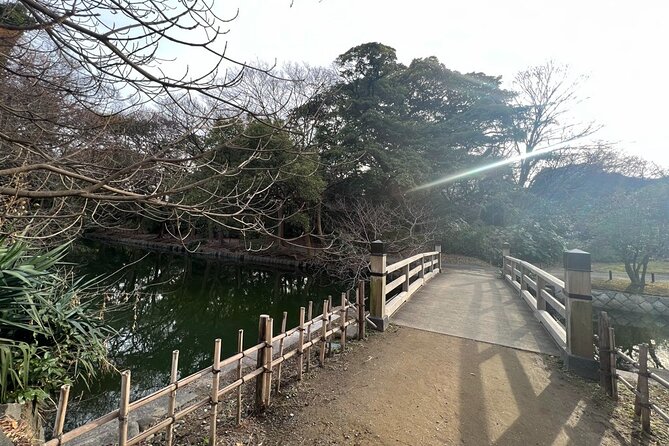
You’ll have about 30 minutes for the guided portion inside Hama-rikyu Gardens. That’s long enough to orient you and point out the main features, but short enough that the tea stop still feels like a natural reset.
Here’s what you should do with your time:
- Listen for the guide’s cues on where to stand and what to notice.
- Don’t be afraid to ask simple questions like what a feature is meant to represent.
- Take photos, but also look up between shots—Japanese gardens can reward slow, steady scanning.
Possible drawback: if you love gardens and want a deeper, self-paced meander, 30 minutes can feel like an introduction rather than the whole experience. My advice is to treat this as a guided foundation. If you want more, plan a little extra time before or after so you can roam with your new context.
The Tea Ceremony Room: Matcha and Sweets as Part of the Garden Story
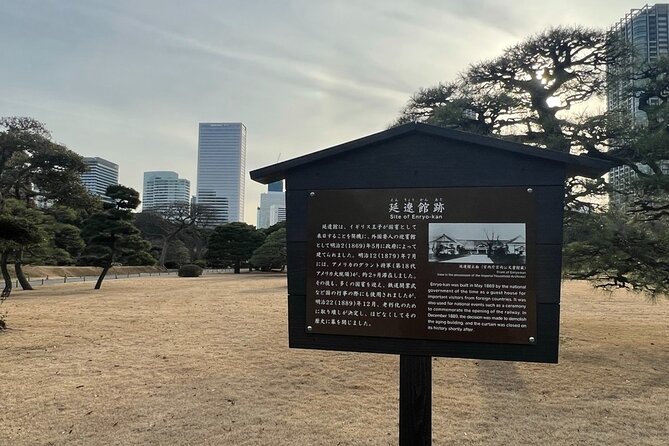
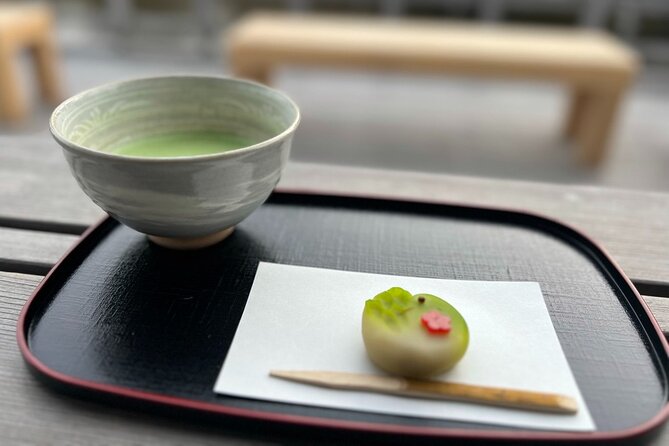
The best “sit down” moment comes next: the tea ceremony portion lasts about 1 hour and includes matcha green tea and Japanese sweets. This isn’t just a snack break. It’s timed to match the garden vibe—quiet, considered, and meant for slower senses.
Tea in Japan is a cultural practice, but in a garden setting it also becomes something else: a way to pause your walking brain. The garden is designed for viewing, and the tea stop gives you a chance to keep viewing without rushing.
What you’ll likely enjoy most here is the pairing of flavors with atmosphere. The matcha experience is often memorable because it connects you to a very Japanese taste profile, and the sweets give you variety while you sit and watch the surroundings.
If you like matcha desserts or matcha-flavored drinks, you’ll probably find the tea room stop hits your personal taste preferences nicely. Also, because the tea and sweets are included in the price, you’re not juggling extra costs or searching for a café later.
Timing and Flow: How the 90 Minutes Adds Up
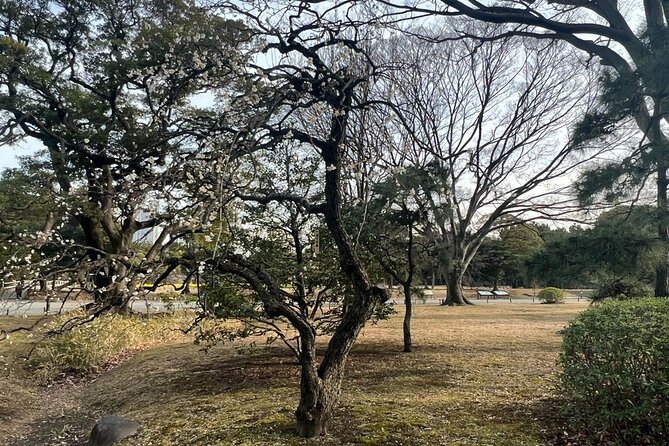
This is a 90-minute tour overall, and the itinerary is built around two main chunks:
- Guided garden walk: about 30 minutes
- Tea ceremony room experience: about 1 hour
That structure is part of the value. You’re not spending your whole visit walking, then still needing to find food. You’re not just doing tea with a quick glance at a garden. You get a compact blend, which is great if Tokyo days already feel packed.
You’ll also want to use the full time intelligently:
- Before the garden walk, arrive with a curious mindset. Ask your guide about what makes Hama-rikyu distinct.
- During tea, slow down. Don’t just consume. Look around while you sip, since the whole point is enjoying the scenery as you’re served.
Price and Value: Is $85 Reasonable for This Mix?
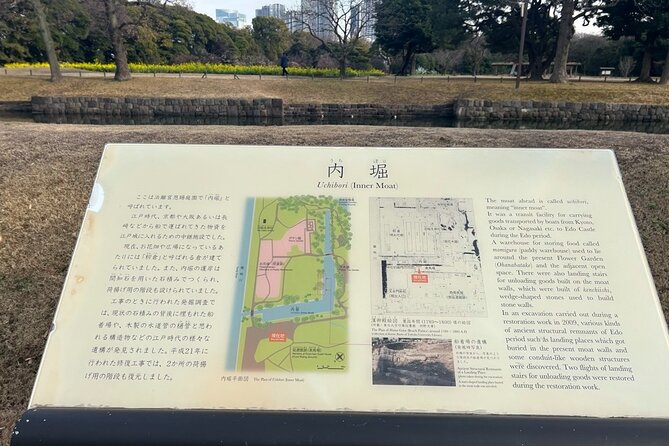
At $85 per person, this isn’t the cheapest garden stop—but it is priced like a guided, included-experience tour. The value comes from three things you don’t have to manage yourself:
- A live English guide
- A structured garden introduction (not just a map and hope)
- Included matcha and Japanese sweets
If you tried to recreate this alone, you’d likely spend time on planning (finding the right entry routes, figuring out which garden features are worth focusing on, then adding a tea stop). Even if the garden itself is easy to access once you’re there, the guide’s explanations about design style—especially things like Karesansui and Kaiyushiki—are what you’re really paying for.
So for me, the “is it worth it?” question becomes: do you want context, or do you just want pretty scenery? If you want context, the price makes sense. If you’re mainly there for long wandering and independent pacing, you might decide you can do it cheaper on your own.
Meeting Points and Drop-Offs: Keep It Simple
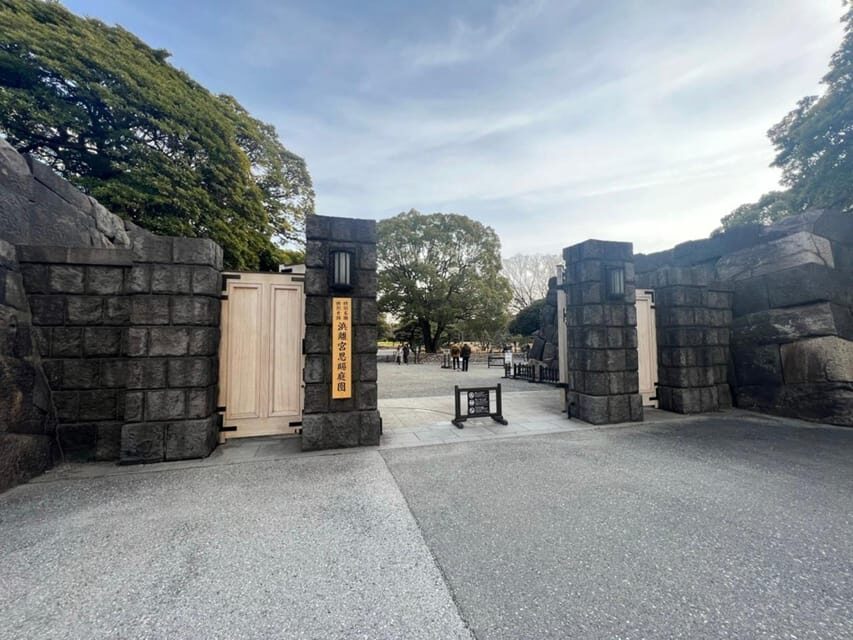
The tour offers two starting options involving Otemon Bridge (大手門橋), and it uses Shiodome Station (汐留駅) as a drop-off point. Your exact meeting point can vary based on which option you book.
Practical tip: Tokyo streets can be confusing at speed. I’d arrive a few minutes early, check the meeting details for your specific option, and use nearby landmarks to orient yourself before the group gathers.
Also, because you’ll be walking, wear comfortable shoes. This is a garden setting, and the experience is better when your feet aren’t fighting you.
Who This Tour Fits Best (And Who Might Feel Under-Satisfied)
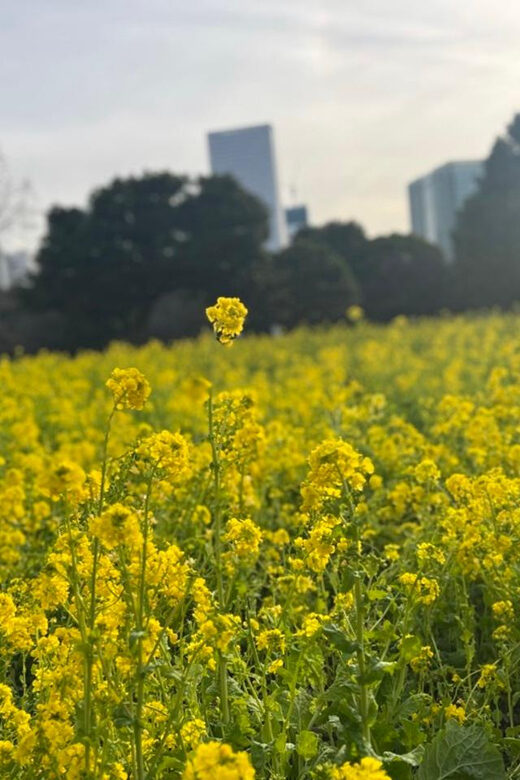
This tour is a strong fit if you want a focused cultural experience without turning your day into a logistics project.
You’ll likely enjoy it most if:
- You like learning the meaning behind what you’re seeing
- You enjoy tea culture and want an included matcha moment
- You prefer small groups where you can ask questions
- You like a balanced blend of nature + cultural explanation
You might feel less satisfied if:
- You want hours of unguided wandering (this includes about 30 minutes guided walking)
- You’re looking for a hands-on workshop style activity beyond tea and sweets (the data here points to observation + tasting with the ceremony room)
Practical Tips to Get More From Your Visit
A few small moves make a big difference:
- Use the guide’s explanations to pick where to stand. Japanese gardens often reward a specific viewing angle.
- Take photos after you understand what you’re photographing. It changes what you aim for.
- If you’re visiting for seasonal plants and flowers, don’t just rush to the most obvious spots. Ask the guide what’s especially worth noticing right now.
- Plan your day so you’re not sprinting afterward. Tea makes you slow down; let that be part of the experience.
Should You Book Hama-rikyu Gardens With Japanese Tea & Sweets?
I’d book it if you want a guided garden experience with real cultural context and an included tea-room break. The combination of Edo-period design, clear explanations about Karesansui and Kaiyushiki, and matcha + Japanese sweets makes this a tidy, high-value choice for a time-pressed Tokyo day.
I wouldn’t book it as strongly if your top priority is long, self-paced wandering. In that case, consider adding extra independent time before or after so you can explore beyond the guided portion.
FAQ
How long is the Hama-rikyu Gardens tour with Japanese tea and sweets?
The full experience is about 90 minutes, including a guided garden walk and a tea ceremony room session.
What’s included in the tour price?
Matcha green tea and Japanese sweets are included, along with a live English-speaking tour guide.
Is the tour in English?
Yes, the live tour guide provides the tour in English.
How big is the group?
It’s a small group limited to 4 participants.
Where does the tour start and where does it end?
You’ll start from options that include Otemon Bridge (大手門橋), and you’ll finish with drop-off options at Shiodome Station (汐留駅). The exact meeting point can vary depending on the option booked.
Do I need to pay right away, and can I cancel?
You can use Reserve now & pay later, and you can cancel up to 24 hours in advance for a full refund.
More Dessert Tours in Tokyo






More Tours in Tokyo


More Tour Reviews in Tokyo



Fresh reviews from around Tokyo






Dessert Tours, compared.
 ★ 5.0Matcha Making Class in Tokyo with Authentic Japanese Sweets SetFrom $21744 reviews
 ★ 5.0Make Traditional Nerikiri Sweets & Matcha experience in ShibuyaFrom $60130 reviews
 ★ 5.0Private Mochi Sweets Making class near Shibuya areaFrom $7993 reviews
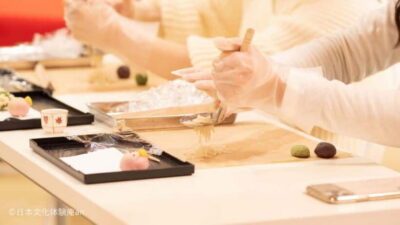 ★ 4.7Japanese Traditional Sweets making and Tea CeremonyFrom $1850 reviews
 ★ 5.0Tokyo Local Food Tour: Noodles, Skewers, Dumplings, SweetsFrom $7448 reviews
 ★ 5.0Mochi Matcha Gluten Free Japanese Sweets Class near Shibuya areaFrom $11226 reviews
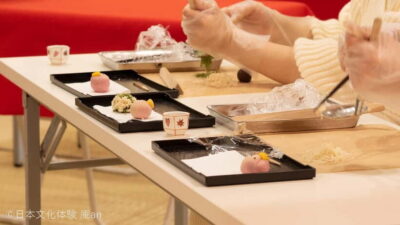 ★ 4.6Two Types of Japanese Sweets Making and Tea CeremonyFrom $2826 reviews
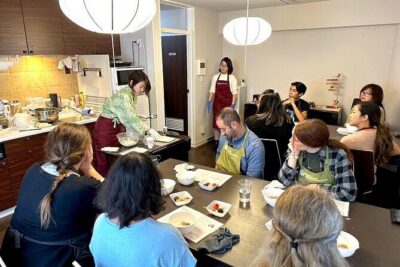 ★ 5.0Japanese Sweets (Mochi & Nerikiri) making at a Private studioFrom $9122 reviews
Browse the lists this tour appears in