
Reviewed · FULL-DAY
Tokyo: Full-Day Japanese Garden Private Guided Tour
Good gardens beat random wandering. This private, fully guided Tokyo garden day is built for picking the right spots for your mood, then moving efficiently between them. I love that you can tailor the route, or let your licensed guide handle the plan, and that the day blends classic garden design with Tokyo’s living culture around it. For example, guides like Yoshi and Hiro are praised for planning timing well—especially when sakura crowds hit—and for sharing extra ideas beyond the gardens. One thing to watch: you’ll still be on your feet a lot, and entrance fees and food are not included, so the total day cost can creep up.
A private guide also means you’re not stuck with a generic loop. The best part is the hands-on context: why these spaces look the way they do, and how different garden styles show up in the same city. At the same time, one review did mention a stop being closed and more transit time than expected—so go in with flexible expectations and confirm what’s working that day with your guide.
In This Review
- Key highlights at a glance
- A private garden walk through Tokyo’s different styles
- How the 6-hour plan works (and how you can customize it)
- Imperial Palace Garden: a calm start with real Tokyo authority
- Meiji-Jingu Shrine and the teahouse-pond kind of quiet
- Harajuku lunch: letting your guide handle the people-power
- Shinjuku Gyoen Garden: where Tokyo stacks styles in one visit
- Optional add-ons across Tokyo: pick your garden personality
- Price and value: what $151 per person really buys
- Practical tips to keep the day smooth
- Should you book this Tokyo garden tour?
- FAQ
- How long is the Tokyo Japanese Garden private tour?
- Is this tour private or shared?
- Where do you meet your guide, and is pickup included?
- What languages are the guides available in?
- Can I customize the garden route?
- Is the tour wheelchair accessible?
- Do entrance fees and food cost extra?
- How do you travel during the tour?
- When is the booking confirmed, and what about cancellations?
Key highlights at a glance
- Licensed local guides who communicate ahead of time and adjust to your pace
- Customizable garden route using options across Tokyo (not just one park)
- A classic sequence that often blends Imperial Palace calm, Meiji-Jingu quiet, and Shinjuku Gyoen variety
- Efficient sightseeing thanks to a guide who can route around crowds (a big win in blossom season)
- Real dining help in Harajuku, not just a hand-wavy suggestion
- Rain-or-shine planning, with a private format that makes detours easier
More days made easy by a guide
- Tokyo 6hr Private Tour with Government-Licensed Guide★ 5.0 · 3,902 reviews
- Tokyo: Shinjuku Local Bar and Izakaya Guided Walking Tour★ 4.9 · 1,794 reviews
- Tokyo: Private City Highlights Tour with Local Guide★ 4.8 · 1,433 reviews
A private garden walk through Tokyo’s different styles
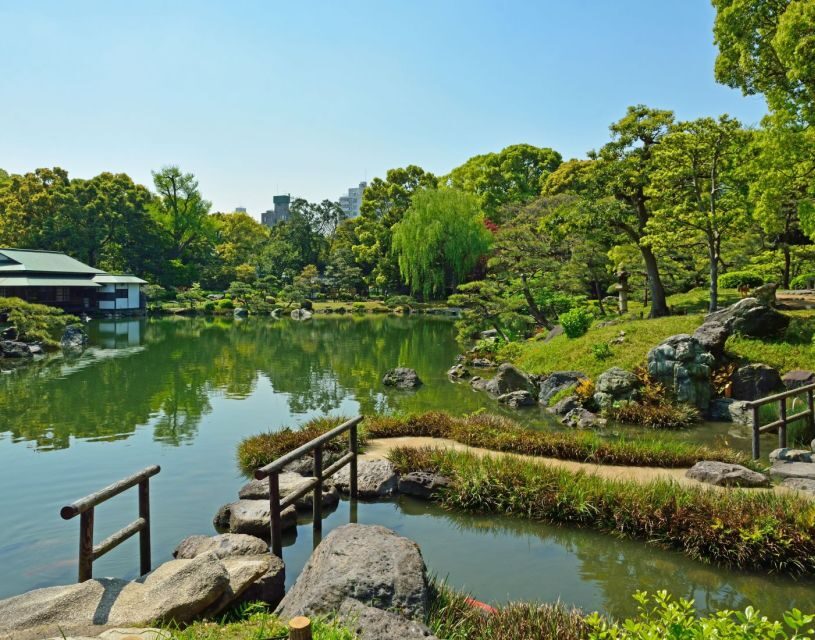
Tokyo can feel like a menu: fast, bright, and always moving. A garden day flips that. Instead of speed, you get pacing—walk slowly, stop often, and learn to read the small details that Japanese garden designers work so hard to create.
This tour is built around one smart idea: Tokyo has many garden traditions living side by side. In one day, you can go from stately and formal to shaded and reflective, then land in a larger garden that groups multiple Western-influenced design styles in one place. That variety is exactly why it works as a half-day format. You’re not trying to do everything Tokyo has to offer. You’re choosing a clear garden story—and letting your guide help you make it coherent.
You’ll also get something practical: a guide who can set expectations and solve friction. In the feedback, Yoshi stood out for timing and communication, Kumi for steering people toward places off the main tourist checklist, and Tachi for keeping the day flexible. Even when you’re not sure what you want, that kind of guidance can turn a tough day of logistics into a smooth one.
The tour runs 6 hours, and it’s private, so you’re not negotiating with a group about where to stop for photos or how long you want to linger beside a pond. It’s especially good if you’d rather spend time watching how water, stone, and trees work together—than spending time herding yourself through crowds.
How the 6-hour plan works (and how you can customize it)
The format is simple: meet your guide at your hotel or at a station you choose. The guide will be waiting about 10 minutes before pickup time. Then you build your garden route together. Sometimes that means your guide chooses the best sequence based on your interests. Sometimes it means you steer the day and swap stops until it feels right.
Transport is handled during the tour by public transportation or taxi if you wish. Walking is part of the experience, and it’s very much a day for comfortable shoes. If you want extra transport beyond walking, that can come with additional cost.
Here’s what customization realistically means in this context:
- If you love traditional Japanese garden design, you’ll likely lean toward Imperial Palace-area gardens, shrine-adjacent quiet spaces, and pond-focused stops.
- If you like design comparisons, you can ask for the broader mix—Japanese-style alongside formal French and English-style sections.
- If you’re visiting around spring blossoms, ask your guide about the order that helps you see blooms with fewer bottlenecks.
One note: entrance fees are not included, so you’ll want to plan for them. Your guide can help you decide what’s worth paying for during your route, but the money part still needs your attention.
Also, this experience operates rain or shine. Gardens don’t vanish in the rain, but your comfort matters. Bring layers and plan on slower walking.
Imperial Palace Garden: a calm start with real Tokyo authority
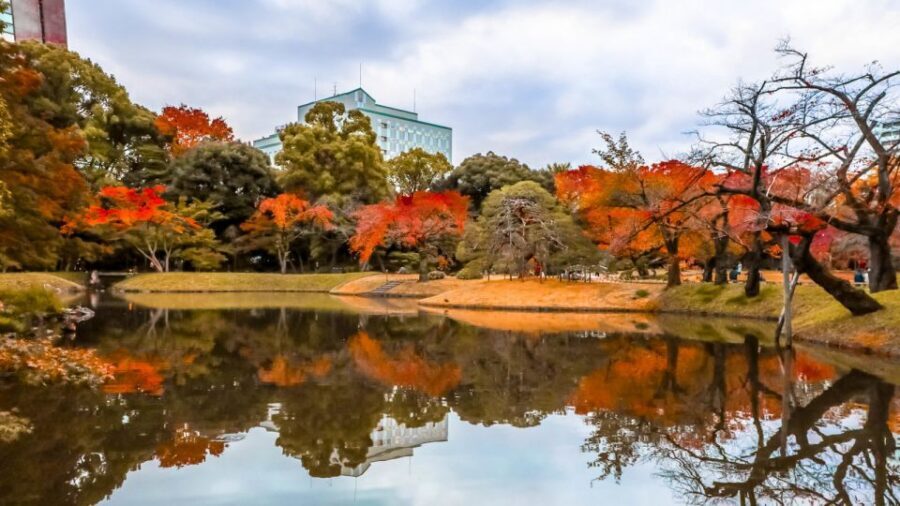
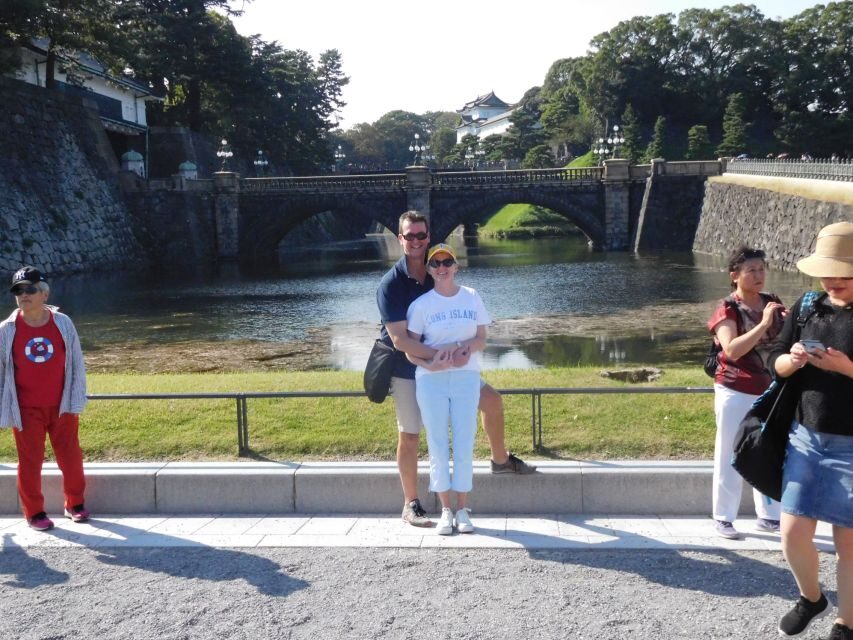
A common way this tour begins is at the garden of the Imperial Palace. If you’ve only seen the city from busy streets, this stop resets your brain fast.
Expect a stately Japanese-style garden walk—open enough to feel composed, quiet enough to feel like the day has dropped its volume. The Imperial Palace area is a strong first move because it gives you a “baseline” style. Once you’ve seen that kind of structure, the rest of the gardens make more sense. You start noticing how designers use layout, framing, and seasonal planting to control what you see as you move.
This early stop also helps with pacing. It’s a good time of day to get your bearings before you hit a larger, more crowded garden later.
Potential drawback: if your day starts late, you can run into peak visitor flow. That’s when a guide’s routing matters. Feedback praised guides like Hiro for handling high-crowd periods efficiently, which can be a big deal if you’re traveling during sakura time.
Meiji-Jingu Shrine and the teahouse-pond kind of quiet
After the Imperial Palace garden, the tour often shifts toward the Meiji-Jingu area. This part of the day leans into atmosphere: shrine grounds plus garden design that prioritizes calm, shade, and reflective walking.
In the example route, you’d move on to Meiji-Jingu Shrine, then continue to a quieter garden space with a charming teahouse and pond. That pairing is more than a pretty postcard. It’s the functional heart of many Japanese garden experiences: water as a visual anchor, and the teahouse element as a reminder of how people used to use these spaces socially and seasonally.
If you’re the type who loves small shifts—steaminess in the air, a different soundscape under trees, a pond that changes how light behaves—you’ll like this middle section.
Potential drawback: this is also where your timing can get stretched if the route depends on train schedules or walking pace. One disappointing experience mentioned too much time in transit and a rushed feeling in parts of the day. The fix is simple: tell your guide your pace and your must-sees early. If you care more about staying in gardens than catching every transit link, say so.
More private options with your own guide



Harajuku lunch: letting your guide handle the people-power
Lunch is planned around Harajuku in the example itinerary, and that choice is practical. Harajuku gives you options—lots of places to eat—so you’re not stuck scanning the street for one likely spot while your legs quietly revolt.
More importantly, private guidance can turn lunch from a scramble into an efficient reset. One review highlighted Kumi taking her group to one of her favorite Romain restaurants, with food that hit the right notes. That’s the value you’re paying for: you get local taste, not just a generic suggestion.
What you should do: decide what you want your lunch to accomplish. Do you need something quick and light to keep walking? Or do you want a sit-down break to recover? Food and drinks aren’t included, so you’ll pay for your own meal, but your guide’s help can make choosing much less stressful.
Also, remember that Harajuku can be busy. If you want a quieter lunch window, ask your guide to pick a time that avoids the worst rush.
Shinjuku Gyoen Garden: where Tokyo stacks styles in one visit
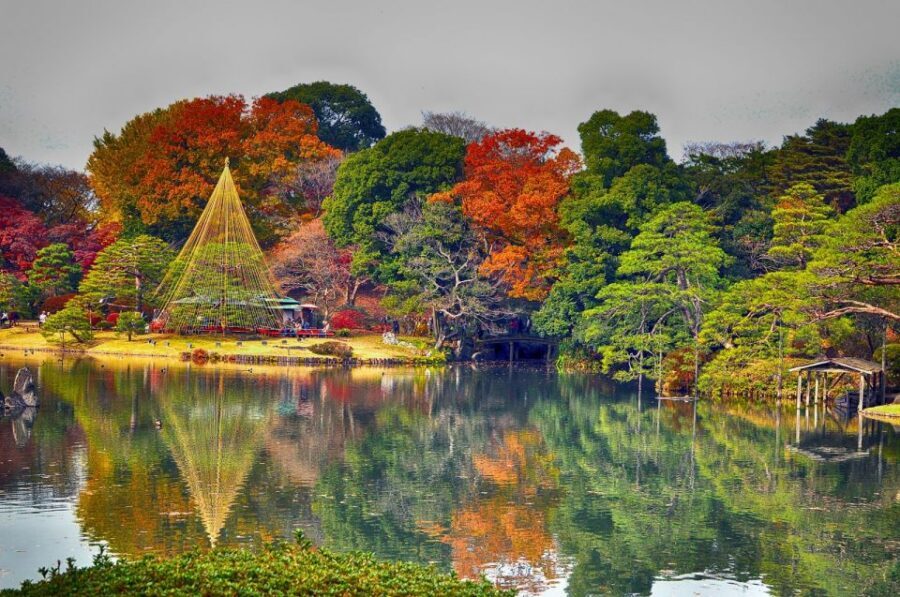
Shinjuku Gyoen Garden is the kind of stop that makes a garden tour feel worth it. The reason is variety. The example route describes the park as a large space with multiple design sections, including a typical Japanese garden, a formal French garden with roses, and an English-style garden.
That mix is powerful because it lets you compare design logic. Japanese garden planning often guides your movement and views through intentional framing. Formal French sections tend to feel more structured—symmetry and order in how you experience the grounds. English-style sections often create a different sense of openness and softer edges.
Even if you’re not a garden nerd, you can feel the design differences fast. You’ll start to see the same themes—water, pathways, planting layout—show up with different rules.
Why this stop is often a tour centerpiece: it’s one place where you can satisfy multiple tastes without spending your whole day switching to entirely different neighborhoods.
A practical note: Shinjuku Gyoen can be crowded during peak seasons. That’s where a guide’s timing helps. One review specifically called out Hiro’s efficiency during peak blossom time, with better routing than doing it alone.
Optional add-ons across Tokyo: pick your garden personality
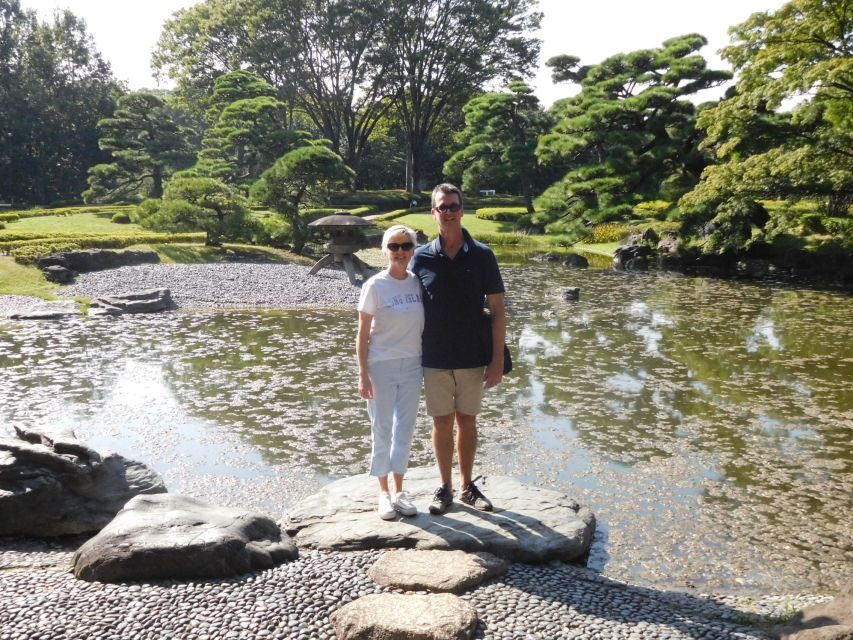
This tour isn’t limited to one fixed checklist. After the core garden sequence, your guide can suggest additional stops depending on your interests and the day’s flow. The options listed for the tour include:
- Koishikawa Korakuen Garden
- Hama Rikyu Gardens
- Yoyogi Park
- Rikugien Garden
- Ueno Park
- Koishikawa Botanical Garden
- Kiyosumi Teien Garden
- Former Shiba Rikyu Gardens
- Nezu Museum
- Happo-en Garden
How to choose among them without getting overwhelmed:
- Want more traditional garden structure? Lean toward Korakuen, Rikugien, Kiyosumi Teien, or Hama Rikyu.
- Want plants and plant variety as a theme? A botanical garden option makes sense.
- Want a softer, park-like break that still feels Japanese? Ueno Park or Yoyogi Park can work well between bigger garden stops.
- Like art and culture paired with gardens? Nezu Museum could be worth considering.
One caution: a disappointing experience mentioned a later garden being closed. Gardens can close for maintenance or events. It doesn’t mean the tour is unreliable—it just means you should treat the day as adaptable. Your guide is there to swap plans when needed.
Price and value: what $151 per person really buys
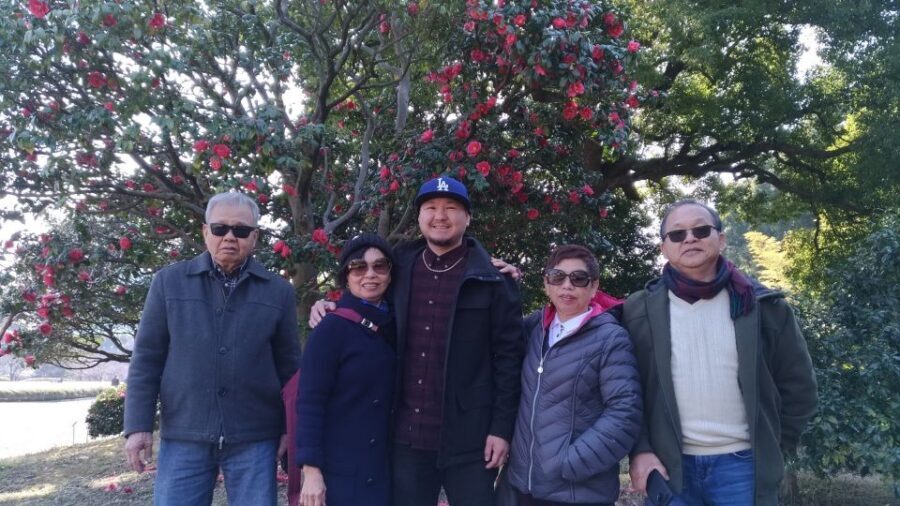
At $151 per person for a 6-hour private tour, the value comes less from “admission” and more from time saved and choices made for you.
Here’s what you’re buying:
- A licensed local guide who can explain what you’re seeing and adjust the route to your preferences
- A private format where you don’t have to compromise on pace
- Pickup from your hotel or a requested station (within reasonable walking distance)
- Help with transport decisions during the day (public transit, or taxi if you want)
What you’re not buying: food, drinks, and entrance fees. You also pay any public or private transportation costs during the tour, beyond what’s included as part of the guiding service. That’s normal in Tokyo, but it does affect your total spend.
So the smart way to think about the price is this: if you’d otherwise spend hours figuring out which gardens to prioritize, and if you want a guide who can route you efficiently during crowd-heavy times, this cost can feel fair. If you’re traveling with someone who will happily plan and rearrange schedules on their own, the value depends on how much explanation and pacing you want from a local.
Based on the higher ratings, the standout value is the guide’s ability to make the day match what you came for. Yoshi’s communication and pace-tuning, Tachi’s customization, and Yoko’s alignment with what people wanted to learn are the kind of results you feel in your feet and your schedule.
Practical tips to keep the day smooth
A garden tour is mostly about comfort and control. A few smart moves help a lot:
- Wear shoes you trust. You’ll be walking and moving between garden areas, and you don’t want blisters to “review” your day for you.
- Tell your guide your must-sees. If you have one or two gardens that matter most, say them early. If your priority is slow walking and photos, say that too.
- Plan your day with entrance fees in mind. Since they’re not included, check what you might pay for on your selected route.
- Budget for lunch separately. Food and drinks aren’t included, so plan for your own meal, and let your guide steer the choice if you want an easier decision.
- Accept that closures happen. One experience described a garden being closed and time spent transiting. The private format helps because your guide can try to swap options, but nothing is guaranteed.
- Bring a weather-friendly layer. Rain or shine means you’ll still go out. Tokyo weather can change fast.
Also, the tour is available in English and Japanese. If you speak some Japanese, you might enjoy adding small questions. Even with only English, the guides in this program are set up to explain what you’re seeing clearly.
Should you book this Tokyo garden tour?
Book it if you want a day that feels calmer and more intentional than the usual Tokyo checklist. You’ll likely love it if you care about Japanese garden design styles, want a route that matches your pace, and appreciate a guide who can talk through history and culture while also solving logistics.
Skip or rethink it if you’re trying to do a very packed, high-tempo day with lots of extra stops. Even at 6 hours, this is still a walking-and-gardens format. It’s also best when you’re okay paying for entrances and meals separately.
If your timing puts you in sakura season, I’d lean toward booking. The guidance about efficient routing through crowds is a real advantage, not a small perk. And if you’re the type who wants your day built around your interests—rather than a fixed itinerary—this private setup is exactly the point.
FAQ
How long is the Tokyo Japanese Garden private tour?
It lasts 6 hours.
Is this tour private or shared?
It’s a private group experience.
Where do you meet your guide, and is pickup included?
Your guide can pick you up from your accommodation on foot (if within reasonable distance) or from a train station you request. The guide will be waiting about 10 minutes before your scheduled pickup time.
What languages are the guides available in?
The live tour guide is available in English and Japanese.
Can I customize the garden route?
Yes. The tour is fully customizable, and you can choose gardens based on your preferences or let your guide handle itinerary planning.
Is the tour wheelchair accessible?
Yes, it is wheelchair accessible.
Do entrance fees and food cost extra?
Yes. Food and drinks are not included, and entrance fees are not included.
How do you travel during the tour?
The tour is conducted by public transportation or taking a taxi if you wish. Walking is also part of the experience, and other transport can be arranged at additional cost.
When is the booking confirmed, and what about cancellations?
The tour is not confirmed until your guide contacts you, usually within 7 days. If a guide isn’t available, updates continue and they search for a guide until 24 hours before the tour. Cancellation is listed as non-refundable, but if you cancel 24 hours before the start of the tour, no cancellation fees apply.
Easier with a Guide




More Tours in Tokyo




More Tour Reviews in Tokyo




Fresh reviews from around Tokyo






Full-Day, compared.
 ★ 4.5From Tokyo: Mount Fuji Full-Day Sightseeing TripFrom $684,970 reviews
 ★ 4.9Mount Fuji Full-Day Private Tour from Tokyo (Customizable)From $3931,470 reviews
 ★ 5.0Tokyo Private Full-Day Tour by Car or VanFrom $321684 reviews
 ★ 4.7From Tokyo: Must-Visit Mount Fuji Highlight Full-Day TourFrom $69532 reviews
 ★ 4.5Mt. Fuji, Hakone Full-Day Private Tour with English Driver GuideFrom $495458 reviews
 ★ 4.8From Tokyo: Mount Fuji Full-Day Customizable Private TourFrom $483451 reviews
 ★ 5.0Nikko Full-Day Private Tour with Government-Licensed GuideFrom $155259 reviews
Mount Fuji Full Day Sightseeing Tour from TokyoFrom $67243 reviews
★ 5.0Nikko Full-Day Private Tour with Government-Licensed GuideFrom $155259 reviews
Mount Fuji Full Day Sightseeing Tour from TokyoFrom $67243 reviews