
Reviewed · NIKKO DAY TRIPS
Nikko Full-Day Private Tour with Government-Licensed Guide
Nikko is magical, even on a tight schedule.
This private full-day trip is built for real choice: you meet your licensed English guide near Nikko Station, then shape a route around what you care about instead of being stuck on rails with a big group. You’ll focus on 3–4 key sights in and around Nikko’s UNESCO shrine area and its wild mountain scenery, with the guide handling timing and on-the-ground logistics.
Two things I really like: first, it’s genuinely intimate—only your group goes, so you can ask questions and change plans without feeling rushed. Second, the tour logic is practical. You’re walking for the core pieces, using local transit or taxis when needed, and the day is designed to fit the rhythms of the area. I’ve seen guides like Yumi, Yoko, and Yoshii Kenichi earn standout notes for flexibility and clear communication ahead of time.
One consideration: it’s a walking-focused day, and it’s not a ticket-inclusive all-in tour. Entrance fees and transportation are on you, so you’ll want comfortable shoes and some cash ready.
In This Review
- Key things that make this Nikko tour worth your time
- Why Nikko feels easier with a licensed English guide
- Price and logistics: what you’re paying for (and what you’ll still handle)
- Meeting at Nikko Station and building a smarter route
- Toshogu and the Tokugawa mausoleums: where Nikko’s UNESCO magic starts
- Nikko Tosho-gu Shrine
- Rinnoji Temple
- Rin’nōji Taiyū-in (Mausoleum of Iemitsu)
- Nikko Futarasan Shrine
- Waterfalls and Lake Chuzenji: the nature half of Nikko’s equation
- Kegon Falls
- Lake Chuzenji
- Kirifuri Waterfall
- Akechidaira Observation Area
- Senjogahara Field, Kanmangafuchi Abyss, and the best short walks
- Senjogahara Field
- Kanmangafuchi Abyss
- Kirifuri Highlands angle
- Rinnoji and Tamozawa Imperial Villa: a softer side of power
- Nikko Tamozawa Imperial Villa Memorial Park
- Kanmangafuchi + villa combo
- Shinkyo Bridge, the botanical garden, and smaller stops that still land
- Shinkyo Bridge
- Nikko Botanical Garden
- Kanaya Hotel History House
- How much you can see in 6 hours (and what I’d prioritize)
- If you’re shrine-focused
- If you’re nature-focused
- If you want a balanced day
- If weather could spoil your plans
- Should you book this Nikko private tour?
- FAQ
- Where do we meet the guide for this Nikko tour?
- How long is the tour?
- How many stops or attractions will we visit?
- Is the tour mostly walking?
- Are entrance fees included?
- Do I need cash?
- Is lunch included?
- Is free cancellation available?
- Is this tour private?
Key things that make this Nikko tour worth your time
- Private and flexible: you choose 3–4 sites from the area and the route adjusts to your interests
- Meet near Nikko Station: you don’t waste time figuring out where to start
- Licensed local English guide: you get explanations that make the shrines and nature snap into focus
- Big contrast in one day: ornate Tokugawa sites plus waterfalls, lakes, and quiet footpaths
- Timing matters: guides are used to working around weather and transport delays
- You’ll plan around tickets and transit: bring cash for buses/taxis and expect some paid admissions
Why Nikko feels easier with a licensed English guide
Nikko can be a lot. The main shrine area draws crowds, and the surrounding nature is spread out enough that a DIY day can turn into a chain of “what time is the bus again?” moments.
With this format, I like that the guide turns Nikko into an actual itinerary you can follow. You start at Nikko Station and then move with a plan that’s responsive. Some guides in recent days built in extra help when weather changed or transport ran late, which matters because Nikko has a way of throwing curveballs—rain, snow, or just heavy weekend traffic.
And because it’s private, you can move at your pace. Want more time at the carvings? Fine. Want fewer stops and more photos? Fine. Want to focus on nature first and shrines later? The route is customizable for that kind of decision.
Price and logistics: what you’re paying for (and what you’ll still handle)
At $155.86 per person for about 6 hours, you’re paying mainly for three things: a licensed English guide, a private day tailored to you, and route management in a place where timing can be tricky.
What you should plan to handle yourself:
- Transportation fees (including taxis if you choose them)
- Entrance fees for many sights
- Lunch and personal expenses
Also, this is described as a walking tour, with pickup on foot within a designated area. That’s not a problem if you come prepared, but it does mean you should pack for walking and expect some uneven ground and stairs around shrine complexes and viewpoints.
One tip worth taking seriously: in a past experience, someone advised having at least 10,000 JPY for buses and entrance fees. That’s not a promise, but it’s a smart buffer for a day where admission tickets add up and you may switch between public transit and taxi depending on time and weather.
Meeting at Nikko Station and building a smarter route
The day is designed so you don’t spend your first hour in Nikko “figuring it out.” You meet the guide on foot within a designated area around Nikko—commonly at or near Nikko Station—then you set off.
Here’s the practical rhythm I’d expect:
- You’ll choose 3–4 attractions from the options.
- The guide plans the order based on walking needs, transit connections, and how much time each spot realistically takes.
- You’ll likely spend longer at UNESCO shrine sites and temple buildings (because there’s a lot to see and photograph), then mix in waterfalls/lakes/overlooks to keep the day varied.
In real life, the best plan is the one you can actually complete without sprinting. Nikko’s main attractions are not hard to recognize, but they can take time. That’s why choosing fewer high-impact stops is often smarter than trying to do everything.
Toshogu and the Tokugawa mausoleums: where Nikko’s UNESCO magic starts

Most Nikko days should include the Tokugawa core, and this tour’s options make it easy. If you only pick one “iconic” cluster, pick this one.
Nikko Tosho-gu Shrine
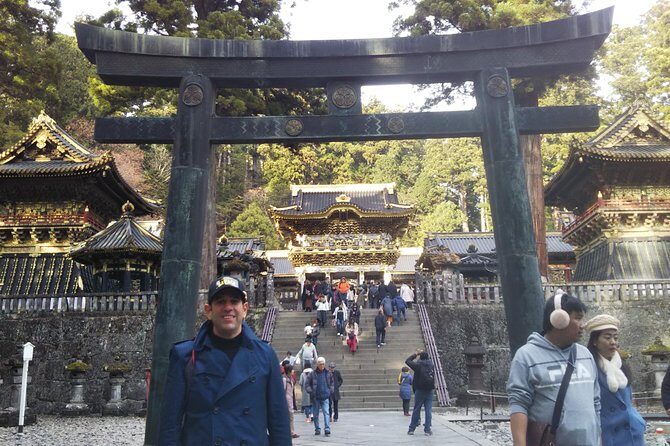
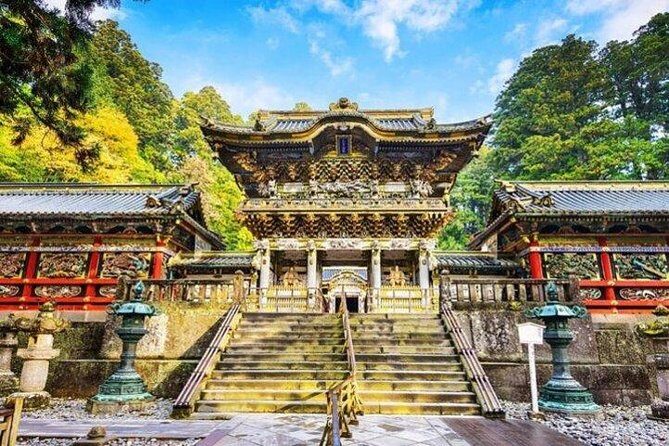
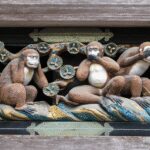
Toshogu is the headline. It’s the final resting place of Tokugawa Ieyasu, the founder of the Tokugawa Shogunate, plus nearby shrines and temple spaces. The guide’s job here isn’t just to list buildings—it helps you understand what you’re looking at and why people treat this place like a major pilgrimage.
What to watch for:
- The shrine complex rewards slow looking. Don’t just rush to the famous structures.
- Weather can change your vibe fast. Snow or rain can make the carved structures feel even more dramatic.
A small drawback: this area can get crowded, and that can affect how long you want to stand at specific points.
Rinnoji Temple
Rinnoji is one of Nikko’s most important temples, founded by the monk Shodo Shonin in the 8th century. If you want Nikko that feels more grounded and spiritual (less “showpiece” than Toshogu’s most famous sections), Rinnoji is a great choice.
A benefit of including it: you get a broader picture of Nikko beyond the Tokugawa spotlight.
Rin’nōji Taiyū-in (Mausoleum of Iemitsu)
Taiyuin is the mausoleum complex of Tokugawa Iemitsu, the third Tokugawa shogun, and it’s described as lavish and architecturally similar in layout to Toshogu. If you’re interested in how power and religion were visually expressed, this stop adds depth.
Nikko Futarasan Shrine
Futarasan sits next to Toshogu, but it’s older and less flashy by comparison. It was founded in 782, again connected to Shodo Shonin’s role in introducing Buddhism to Nikko.
This is the “older layer” stop. It’s ideal if you like contrasting eras in the same walk.
How to choose here:
If you love monumental shrines, go for Toshogu plus one of the mausoleum/temple stops (Taiyuin or Rinnoji). If you want contrast, add Futarasan for the older shrine feeling and less showy atmosphere.
Waterfalls and Lake Chuzenji: the nature half of Nikko’s equation
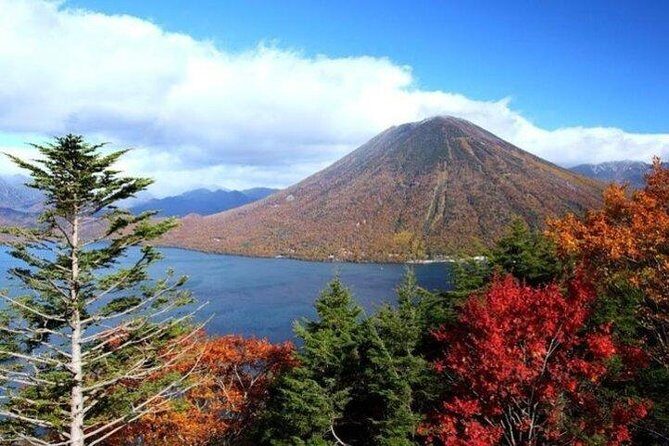
Nikko isn’t only shrines. It’s also mountains, lakes, and waterfalls that feel like a switch flips from city chaos to fresh air.
Kegon Falls
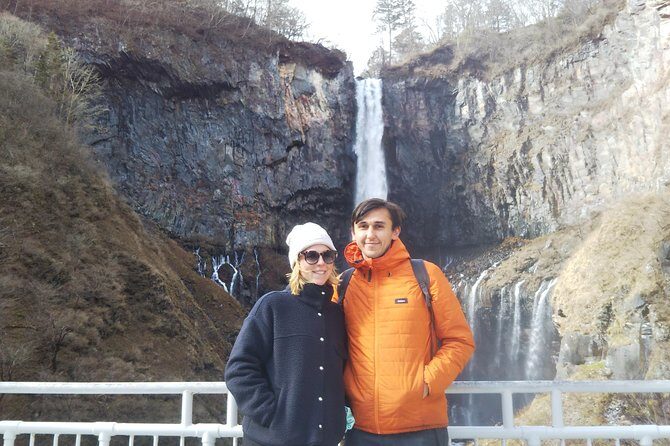
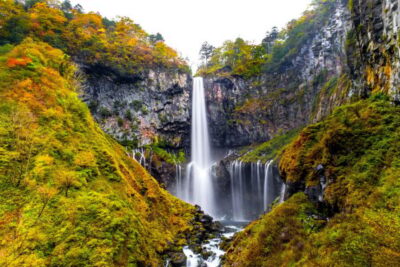
Kegon is Nikko’s most famous waterfall, fed by water from Lake Chuzenji and dropping about 97 meters straight down. There’s even a special lift to reach the viewing spot, which helps if you don’t want to spend too much time on foot just getting to the viewpoint.
Time-wise, this is usually a shorter stop, which is perfect for a 6-hour day: you get a big payoff without turning it into an all-day hike.
Lake Chuzenji
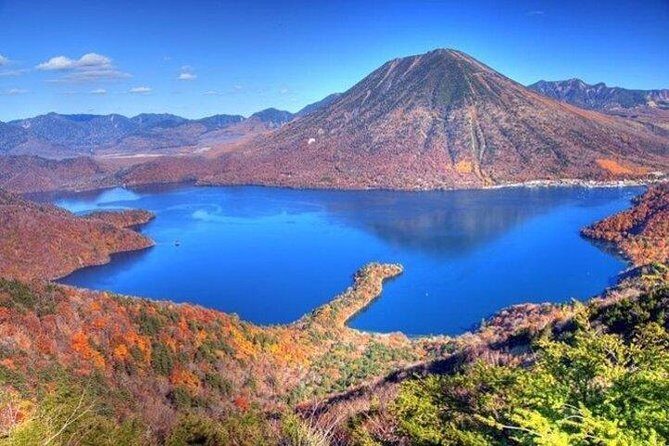
Lake Chuzenji is the largest lake in Tochigi, framed by about 25 kilometers of nature. It used to be a summer resort for foreigners in the late 1800s and early 1900s, and the area includes villas tied to those early days. Even if you don’t have time for a long walk, the views here help rebalance the day.
One practical note: Lake Chuzenji pairs best with a waterfall stop, because the two connect through the story of water and landscape.
Kirifuri Waterfall
Kirifuri is a 75-meter high two-tiered waterfall a few kilometers northeast of the shrine area. Like Kegon, it’s a short, scenic payoff that fits the “pick 3–4 sites” structure.
Akechidaira Observation Area
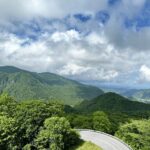
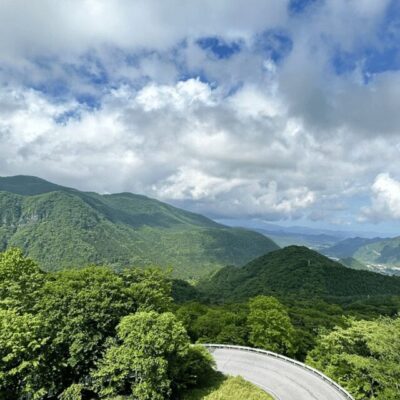
If you want the “lookout moment,” Akechidaira Plateau offers sweeping views over the winding road with a dramatic mountain backdrop. There’s a ropeway to the observation platform, so you can get height without turning the day into a hike-fest.
How to choose nature stops:
If you want the biggest waterfall shot, go Kegon. If you want two waterfall moments, add Kirifuri. If you want calm scenery to contrast the busy shrine area, include Lake Chuzenji and cut down on one of the other sites.
Senjogahara Field, Kanmangafuchi Abyss, and the best short walks
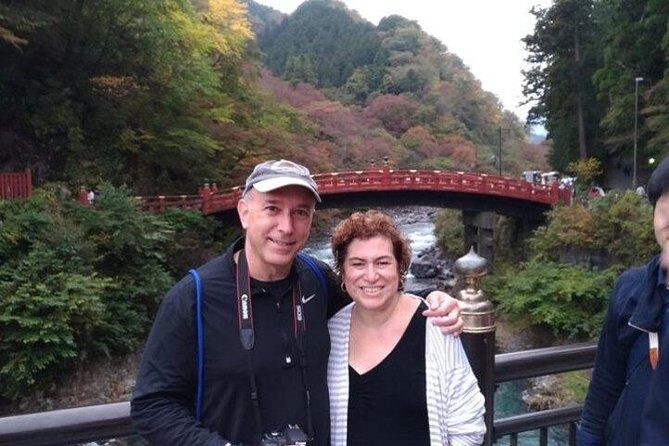
These are the places where Nikko’s nature feels like it belongs to you for a moment, not just to tourists with photo requests.
Senjogahara Field
Senjogahara translates to battlefield. The idea here is mythical: a battlefield where gods of Mount Nantai and Mount Akagi fought over nearby lakes. You might find this stop more enjoyable if you like folklore and “story geography”—places where a legend gives the scenery extra meaning.
Kanmangafuchi Abyss
Kanmangafuchi Abyss is a gorge formed by an eruption of Mount Nantai. It’s only a few hundred meters long, which makes it a very realistic add-on even in a tight schedule. You can enjoy it from a riverside walking trail.
This is also one of the stops that fits people who want something outdoors without committing to a long hike.
A small drawback: because it’s a riverside trail, it can feel damp or slippery depending on weather.
Kirifuri Highlands angle
While Kirifuri is the waterfall option, the surrounding highlands setting is part of the appeal. If your day includes an observation area like Akechidaira, the “height views” combo can work well.
Rinnoji and Tamozawa Imperial Villa: a softer side of power
If you’ve had enough of ornate carving for one day (rare, but it happens), Nikko can also slow down.
Nikko Tamozawa Imperial Villa Memorial Park
Tamozawa Imperial Villa was erected in Nikko in 1899 and blends Edo-era and early Meiji-era architectural styles. It includes 106 rooms, and parts of a residential villa were used in the Nikko construction. If you like historical buildings that feel lived-in rather than ceremonial, this is a great counterpoint to shrine complexes.
Kanmangafuchi + villa combo
This pairing is strong if you want “nature first, then culture,” because the abyss gives you a walk, then the villa gives you a change in pace and a different kind of history.
Shinkyo Bridge, the botanical garden, and smaller stops that still land
Some Nikko stops are short, but they matter because they connect the whole experience. These are good when you’re trying to squeeze in 3–4 sites without turning the day into a sprint.
Shinkyo Bridge
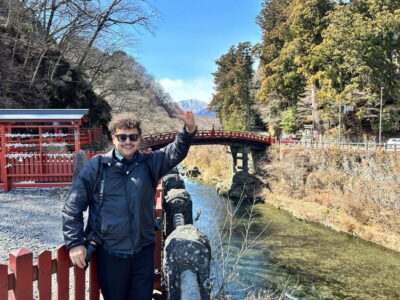
Shinkyo Bridge, the sacred bridge at the entrance to the shrine and temple area, belongs technically to Futarasan Shrine. It’s ranked as one of Japan’s three finest bridges, and it’s also a simple “front door” moment—great for photos and a mental reset between major buildings.
Time-wise, it’s efficient. Emotion-wise, it hits.
Nikko Botanical Garden
The Nikko Botanical Garden is owned and maintained by the University of Tokyo. That detail matters because you can expect a serious approach to plants rather than a casual garden stop.
This is a good choice if your group likes nature beyond waterfalls—especially when weather limits longer walking plans.
Kanaya Hotel History House
The Kanaya Hotel History House is a historical building that served as the predecessor of the celebrated Kanaya Hotel. It’s open to the public, making it a practical “history artifact” stop if you want something indoors or semi-indoor between outdoor sights.
How much you can see in 6 hours (and what I’d prioritize)
Since you’re selecting 3–4 attractions, you win by focusing. Here’s a simple way to pick based on what you like, not just what’s famous.
If you’re shrine-focused
Choose:
- Nikko Tosho-gu Shrine
- Rin’nōji Taiyū-in or Rinnoji
- Futarasan Shrine or Shinkyo Bridge for an “entry moment”
You’ll see the Tokugawa story clearly and still have room for a calm connector stop.
If you’re nature-focused
Choose:
- Kegon Falls
- Lake Chuzenji
- Kanmangafuchi Abyss or Kirifuri Waterfall
This mix gives you waterfall drama, lake atmosphere, and a short riverside walk.
If you want a balanced day
Choose:
- Toshogu
- Kegon Falls
- Shinkyo Bridge
- plus one flexible nature or lookout option like Akechidaira Plateau
This is the pattern that helps even people who feel shrine fatigue.
If weather could spoil your plans
Build in at least one “easy adjust” option:
- Shinkyo Bridge (quick and symbolic)
- Tamozawa Imperial Villa (structure-focused)
- Botanical Garden (less exposed)
Some guides also adapt route order when snow, rain, or delays show up, so your day stays intact.
One tip I really like from real-world experience: if you’re visiting on a weekday, your chances improve for less time stuck in lines and traffic. If you’re stuck with a weekend, build extra patience into your plan.
Should you book this Nikko private tour?
Book it if you want a day that feels controlled without being rigid. This tour is a strong value when you care about:
- Avoiding crowd pressure and keeping your group’s pace
- Getting clear explanations at Toshogu and the Tokugawa sites
- Mixing shrines with waterfalls and lake scenery without doing logistics math all day
- Handling weather or timing changes with a guide who can adjust
Skip (or consider a lighter DIY approach) if you dislike walking days, or if you’d rather fully own the route with no guide shaping the timing. Also, if you’re on a strict budget for entrances and transit, you’ll want to plan those costs early since many admissions and transportation pieces aren’t included.
If you’re choosing between seeing “a lot” and seeing the right “3–4” places well, this is built for the second option—and Nikko rewards that mindset.
FAQ
Where do we meet the guide for this Nikko tour?
You’ll meet your guide near Nikko Station, within a designated area on foot.
How long is the tour?
The tour runs for about 6 hours.
How many stops or attractions will we visit?
The tour is customizable around 3–4 attractions chosen from the available sights.
Is the tour mostly walking?
Yes. It’s described as a walking tour, with pickup on foot, so you should plan for walking during the day.
Are entrance fees included?
No. Admission tickets are not included, and you should expect to pay entrance fees at many of the sites.
Do I need cash?
Yes. The tour notes that you should bring cash for public transportation or taxis.
Is lunch included?
No. Lunch is not included.
Is free cancellation available?
Yes. You can cancel up to 24 hours in advance for a full refund.
Is this tour private?
Yes. It’s a private tour, meaning only your group will participate.
More Tours in Nikko


More Tour Reviews in Nikko
North Again: More Nikko Trips
Nikko Day Trips, compared.
 ★ 4.6Nikko: Kegon Falls, Lake Chuzenji & Toshogu TempleFrom $891,577 reviews
 ★ 4.5Nikko Toshogu Shrine and Kegon Waterfall TourFrom $841,266 reviews
 ★ 4.9From Tokyo: Nikko World Heritage Site Private Full-Day TripFrom $483243 reviews
 ★ 4.3Nikko: Edo Wonderland Edomura Cultural Theme Park TicketFrom $35205 reviews
From Tokyo: Nikko World Heritage Sight Full Day Private TourFrom $362127 reviews
★ 4.3Nikko: Edo Wonderland Edomura Cultural Theme Park TicketFrom $35205 reviews
From Tokyo: Nikko World Heritage Sight Full Day Private TourFrom $362127 reviews
 ★ 4.9Nikko – Beautiful Full-Day Personal and Private TourFrom $364119 reviews
 ★ 5.0Chartered Private Tour – Tokyo to Nikko, Toshogu, Edo WonderlandFrom $1,286105 reviews
 ★ 4.8Nikko Heritage & Nature Day Trip from TokyoFrom $39194 reviews
Browse the lists this tour appears in