
Reviewed · WORKSHOPS
Tokyo: Edo Kiriko Traditional Glass Carving Class
That first sparkle is the whole point. This hands-on Edo Kiriko glass carving class lets you create a small piece of Japan’s famous traditional glass craft to take home, starting from a blank design choice and ending with something you made yourself. I also like how the instructor supports you step by step, and how you get to choose your glass color and pattern instead of getting a cookie-cutter souvenir. The main thing to consider is that transportation isn’t included, so you’ll need to handle getting yourself to Asakusa.
You’ll start at Sokichi, a shop that’s about a 30-second walk from Asakusa Station. You’ll then be escorted to the classroom, where the tone is calm and focused—so even if your drawing skills are more stick figures than Edo masterpieces, you’re still in the right place. Expect 90 minutes total, plus instruction in English and Japanese, with the chance to work at your own level.
In This Review
- Key things I’d bank on before you go
- Edo Kiriko glass carving: what you’re really learning in 90 minutes
- Where the class starts: finding Sokichi near Asakusa Station
- What’s included (and what you’re bringing yourself)
- Picking your glass: clear, blue, pink, or yellow
- Step-by-step: how the class day usually flows
- 1) Arrive and settle into the workspace
- 2) Choose your design and decide what to put where
- 3) Practice before your final cuts
- 4) Your main carving: where accuracy matters
- 5) Finish and take your artwork home
- The instructor factor: support you can actually feel
- Value check: is $30 worth it?
- Who should book this class
- Quick tips so you get the most out of your session
- Should you book this Edo Kiriko class?
- FAQ
- How long is the Edo Kiriko glass carving class?
- Where does the class start?
- Is transportation included?
- What is included in the price?
- What do I choose during the class?
- Do I need to have experience cutting glass?
- What should I bring?
Key things I’d bank on before you go

- Choose your glass and pattern: pick from more than 20 glass options and dozens of pattern samples.
- Color options included: clear glass plus colored varieties in blue, pink, and yellow.
- You get real instruction: a lecturer guides your cutting technique with traditional methods.
- Take-home artwork: you finish with an original glass piece you can proudly pack and carry.
- Small-group feel: the class is set up so you can get support while you work through accuracy challenges.
More things to make with your own hands
- Sushi Making Tokyo Roll and Authentic Japanese Sushi Class★ 5.0 · 3,971 reviews
- Tokyo Shinjuku Chopsticks Making Class★ 5.0 · 1,763 reviews
- Chopstick Making Workshop in Ginza★ 4.8 · 1,366 reviews
Edo Kiriko glass carving: what you’re really learning in 90 minutes

Edo Kiriko is a traditional style of Japanese cut glass known for crisp lines and patterned sparkle. In this class, you’re not just making something decorative—you’re learning how the cutting is controlled so the pattern actually reads the way it should. The workshop is built around a lecturer guiding you through the traditional technique, while you carve your own selected design into the glass you pick.
You’ll be working through the “how,” not only the “what.” That matters because glass cutting is less about talent and more about accuracy. Even in the most beginner-friendly setup, the tricky part is lining up your etching and cuts so your final piece looks sharp, not wobbly. The good news is that the class is designed so you can choose a beginner level or an expert level depending on how you want to challenge yourself.
Where the class starts: finding Sokichi near Asakusa Station
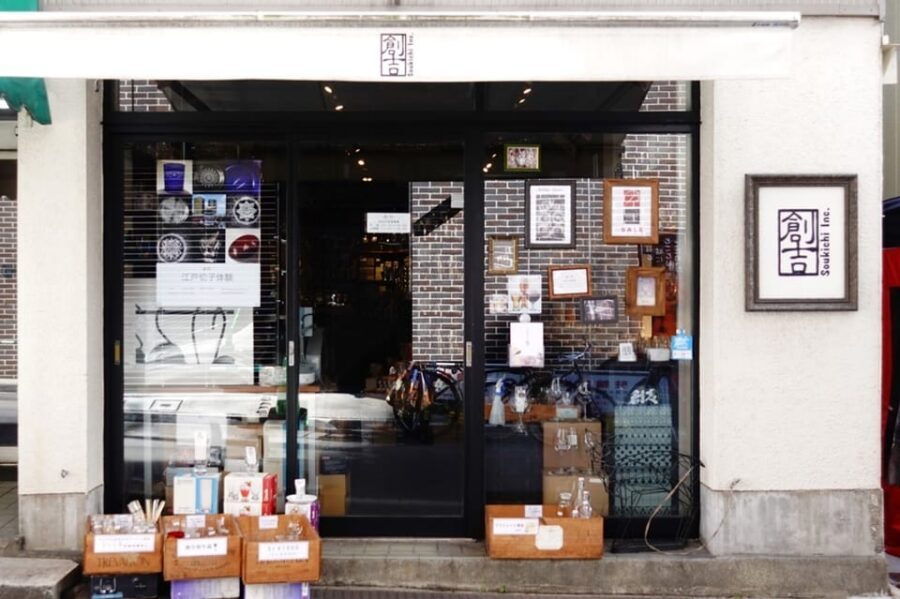
The meeting point is Sokichi. From Asakusa Station, plan for a short walk—about 30 seconds by foot—then look for the shop. When you arrive, talk to a staff member. They’ll escort you to the room for your class, which makes it easier than wandering around for a door number.
This location is one of the biggest practical perks. If you’re already in Asakusa for temples or street food, the class fits neatly into your day without requiring a long transit mission. One nice detail: the classroom is described as quieter than the surrounding area, so you get a break from Tokyo’s constant motion.
What’s included (and what you’re bringing yourself)
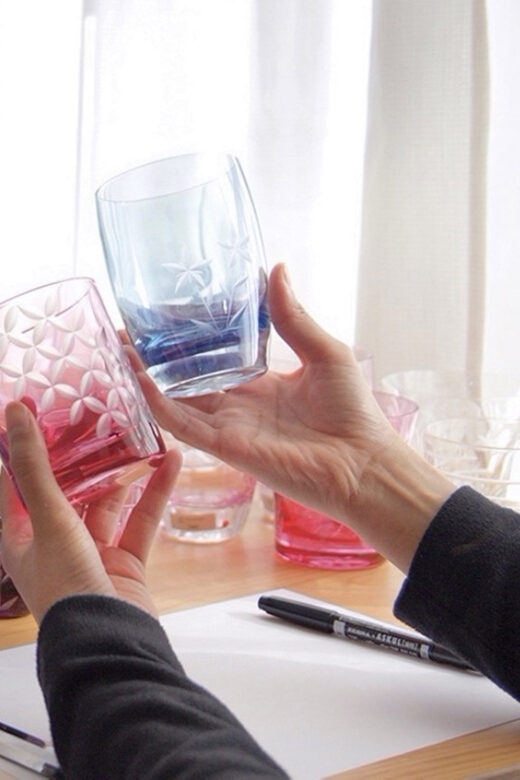
The class includes the glass carving workshop itself, a lecturer, and the colored glass options. In other words, you’re not expected to bring materials or pay extra for the cutting setup.
You should bring a hair tie. It sounds small, but it matters because you’ll be focused on precise work and you don’t want hair getting in the way.
What’s not included is transportation. So if you’re hopping around Tokyo, factor in the travel time to Asakusa and plan how you’ll get home afterward.
Picking your glass: clear, blue, pink, or yellow
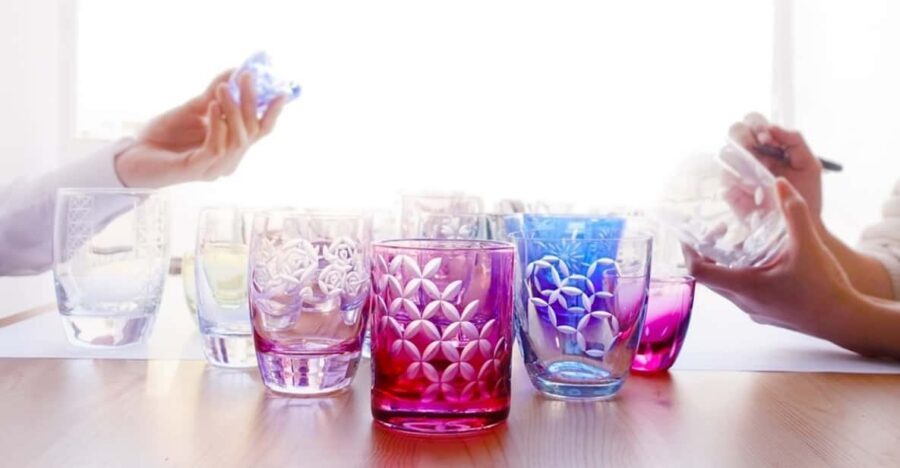
The workshop gives you real choice. You can select from 6 types of glass total: clear options plus colored options in blue, pink, and yellow. You’ll also be choosing from multiple pattern directions—meaning your design isn’t just one template.
How this helps you: color changes how the cut lines show up. Clear glass often looks crisp and reflective. Colored glass can make the pattern feel more vivid and gift-ready. If you’re unsure, consider which color matches the vibe you want—playful and bright, or classic and understated.
Also, the class is set up so you can work on different difficulty levels. That’s useful if you’re going with someone who’s more confident with detail work than you are. You can still leave with a piece you feel proud of.





Step-by-step: how the class day usually flows
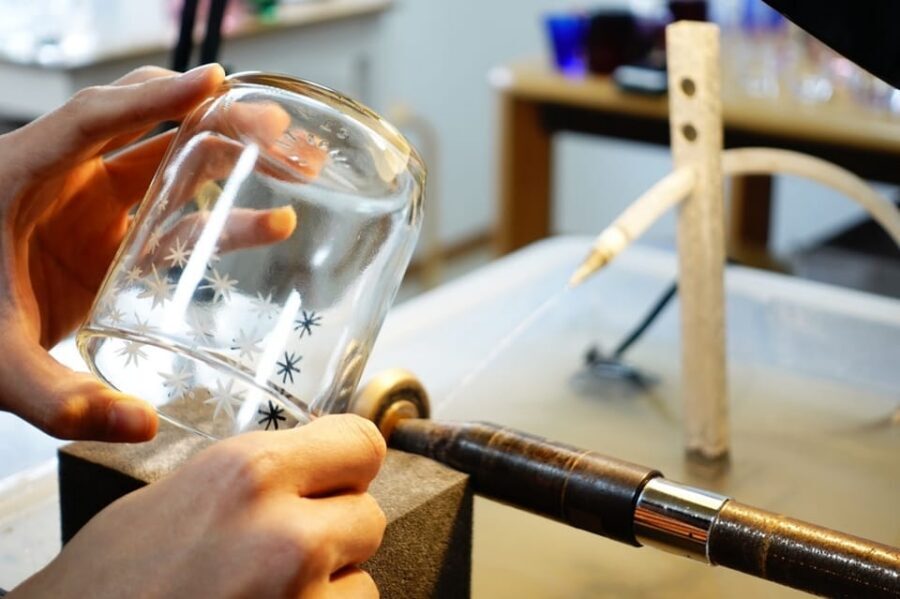
Even though the exact order depends on your instructor’s pacing, the structure is consistent and practical.
1) Arrive and settle into the workspace
You’ll meet up at Sokichi, get escorted to the room, and start with the setup. Plan to use the early minutes to get comfortable with the tools and the cutting station. If the group is small, you’ll feel that shift quickly: less waiting around, more hands-on time.
2) Choose your design and decide what to put where
You’ll select a design pattern from the provided sample options and pair it with the glass you want to use. This step isn’t trivial—choosing a pattern that fits your comfort level affects how stressful accuracy feels later.
One helpful detail: your instructor can explain how designs can look differently on different glasses. That means you’re not locked into a choice that only works on one surface type. You’re making a decision based on how the final piece is likely to appear.
3) Practice before your final cuts
You’ll usually start with practice—small cutting trials that help you get the motion right. In one class experience, practice pieces were used before moving on to the final glass. If you’ve never cut glass before, this is a relief. It turns the first moment of the class from guesswork into training.
This is also where instructors earn their keep. With a patient guide, you learn what “good” looks like, not just what to do. You’ll get corrections that help your cuts follow the intended lines.
4) Your main carving: where accuracy matters
Once you move onto your actual design, the work becomes about control. The most common challenge is keeping your cuts accurate enough that the pattern doesn’t look uneven.
Here’s the good part: even if your first attempt isn’t perfect, the instructor’s feedback helps you adjust while you still have time. In one example, the instructor refined an etching to correct crooked lines, and the final glass still felt like it was truly yours—not mass produced.
5) Finish and take your artwork home
At the end, you take home your finished glass piece. This is the part that makes the class feel like a real souvenir, not a throwaway craft.
Because you’re taking something physical and personal, it works well as a memory of Tokyo beyond the standard photos. You’ll also appreciate it more later when you’re not rushing through the moment and you finally see the details.
The instructor factor: support you can actually feel
The instruction quality is a major reason this class scores so highly. Names mentioned include Ze, who’s described as kind, patient, and thorough, with English skills that make the lesson clear and doable.
I like workshops where the teacher doesn’t just demonstrate and walk away. Here, the guidance is described as calm and supportive—especially during the moments when accuracy gets tricky. That’s where beginners usually need the most help, and where the class earns its value.
Even if you’re comfortable with crafts, you’ll likely pick up technique tips that make your final piece cleaner than your first instinct.
Value check: is $30 worth it?
At $30 per person for 90 minutes, this is a straightforward value proposition if you care about making something tangible. You’re paying for:
- the instructor-led technique,
- the class-time guidance,
- and the glass materials for your final piece.
You’re not just buying a souvenir in a shop. You’re learning the skill enough to walk away with something you can point to later and say, I made that. And because the workshop is near Asakusa Station, your time cost is usually reasonable even on a packed Tokyo day.
The only “cost” that can sneak in is your effort. Glass carving asks for focus and patience. If you hate precision tasks or you’re rushing because you have tight plans, you might find the accuracy part stressful. If you can slow down for 90 minutes, the value feels very real.
Who should book this class
This is especially good for:
- first-timers who want an authentic craft experience,
- couples or solo travelers who want something hands-on without being physically demanding,
- anyone who likes design choices—color and pattern selection matter here.
It’s also a good choice if you want a calm break from Tokyo crowds. The class takes place in a focused room with instruction that keeps the pace manageable.
Quick tips so you get the most out of your session
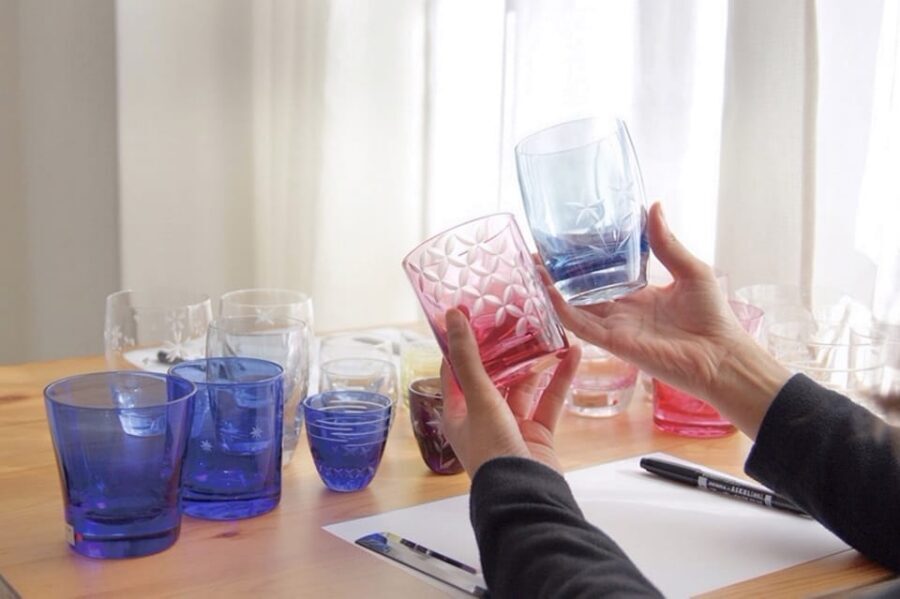
- Choose a pattern that matches your comfort level with detail. You can still go for something beautiful without going maximum-complexity.
- Bring a hair tie so you can focus on your cuts.
- Expect practice time. The first attempt is supposed to teach your hands.
- If you’re unsure about glass color, listen for guidance on how designs look on different glasses, then decide with confidence.
Should you book this Edo Kiriko class?
Yes, I think you should—if you want a meaningful, take-home Tokyo craft and you’re okay spending 90 minutes on precision work. The combination of pattern choice, real instruction, and a finished artwork makes it hard to beat for $30, especially when it’s right by Asakusa Station.
Skip it only if you’re uncomfortable with careful handwork or you can’t handle the fact that transportation is on you. Otherwise, this is exactly the kind of activity that turns a trip memory into something you still have months later.
FAQ
How long is the Edo Kiriko glass carving class?
The class lasts 90 minutes.
Where does the class start?
Start at Sokichi. It’s about a 30-second walk from Asakusa Station. Staff will escort you to the room.
Is transportation included?
No. Transportation is not included, so you’ll need to get to the meeting point on your own.
What is included in the price?
The price includes the glass carving class, a lecturer, and colored glass.
What do I choose during the class?
You choose your favorite color and pattern from provided samples, and you can select from clear and colored glasses (including blue, pink, and yellow).
Do I need to have experience cutting glass?
No. The class is described as beginner-friendly, and you can choose a beginner level or an expert level.
What should I bring?
Bring a hair tie.
Make Something to Take Home



More Tour Reviews in Tokyo



Fresh reviews from around Tokyo






Workshops, compared.
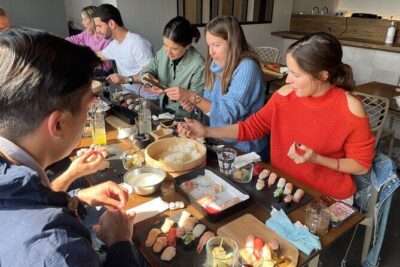 ★ 5.0Sushi Making Tokyo Roll and Authentic Japanese Sushi ClassFrom $593,971 reviews
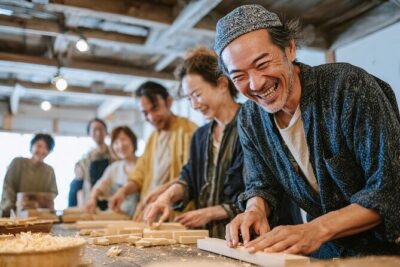 ★ 5.0Tokyo Shinjuku Chopsticks Making ClassFrom $201,763 reviews
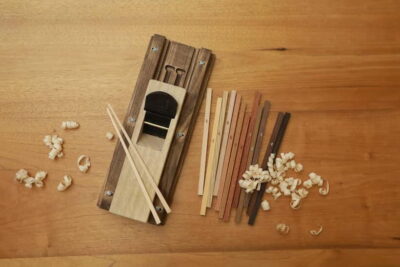 ★ 4.8Chopstick Making Workshop in GinzaFrom $251,366 reviews
 ★ 5.0Tokyo Sushi Making Class in Tsukiji with Professional ChefFrom $491,177 reviews
 ★ 5.0Ramen & Gyoza Cooking Class in Tokyo with Local Supermarket VisitFrom $122823 reviews
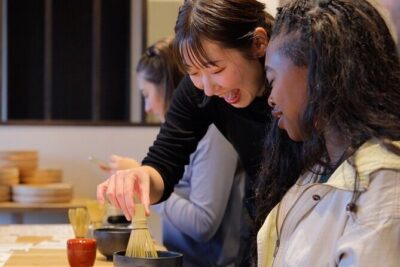 ★ 5.0Matcha Making Class in Tokyo with Authentic Japanese Sweets SetFrom $21744 reviews
 ★ 5.0Samurai Sword & Archery Class from Samurai DescendantFrom $193603 reviews
 ★ 4.9Tsukiji Fish Market Sushi Making Class with Pro ChefFrom $63506 reviews
Browse the lists this tour appears in