
Reviewed · CITY TOURS
Tokyo City Tour by Private Car & English guide
Tokyo is big, but your plan won’t be. A private car with an English guide turns scattered sights into one easy day. I especially like the comfort of an air-conditioned vehicle plus the fact that you can dodge a lot of transit stress and crowds, with guides I’ve seen referenced such as Hadi and Zubi.
This tour also works because it stacks major neighborhoods in a smart order, so you spend more time looking around than figuring out lines and transfers. One thing to watch: the big viewing stops are extra, since you choose Skytree or Tokyo Tower and their entrance fees are not included (also lunch is on you).
In This Review
- Quick hits before you book
- Why a private Tokyo highlights car tour makes sense
- Pickup, comfort, and how the 8–9 hour day actually plays out
- Asakusa’s Senso-ji and Nakamise shopping street: old Tokyo first
- Skytree or Tokyo Tower: choosing the sky view that fits your mood
- Meiji Jingu: a shrine in the forest that slows your day down
- Tsukiji Outer Market: street-food lunch energy without the guesswork
- Odaiba and Shibuya: Tokyo Bay views then the famous crossing
- Imperial Palace East Gardens: an optional calm center
- Tokyo Tower vs Skytree: how the route balances modern icons
- Price and value: what $445 for up to 6 people really buys
- English, flexibility, and one real potential drawback
- Who should book this tour?
- Should you book Dream Tours Japan’s private Tokyo city tour?
- FAQ
- How long is the Tokyo City Tour by Private Car?
- What does the $445 price include?
- What’s not included in the tour price?
- Do I need to choose between Skytree and Tokyo Tower?
- Is pickup offered?
- What is the cancellation policy?
Quick hits before you book
- Private, air-conditioned transport for up to 6 people, so your group moves together.
- A day of Tokyo highlights across Asakusa, Harajuku-area shrine grounds, Tsukiji, Tokyo Bay, and Shibuya.
- Skip the train maze with a dedicated driver who handles the getting-there math.
- Tower choice matters: pick Skytree or Tokyo Tower, with both entrance fees separate.
- Built-in flexibility based on group pace, with breaks and time to wander when you want it.
More days made easy by a guide
- Tokyo 6hr Private Tour with Government-Licensed Guide★ 5.0 · 3,902 reviews
- Tokyo: Shinjuku Local Bar and Izakaya Guided Walking Tour★ 4.9 · 1,794 reviews
- Tokyo: Private City Highlights Tour with Local Guide★ 4.8 · 1,433 reviews
Why a private Tokyo highlights car tour makes sense
Tokyo is efficient, but it is also huge. If you only have one day and you want temples, shopping streets, markets, and iconic views without a spreadsheet of subway transfers, this style of tour is practical.
The big win is that you get a private vehicle plus an English-speaking guide. That means you’re not standing at the edge of platforms counting stops, or trying to decode signage while dragging a bag and hoping you’re headed the right way.
You also get a clean rhythm to the day. The route goes from classic old Tokyo to modern skyline moments, then into the energy of Shibuya. That mix is hard to reproduce solo in one afternoon, unless you’re okay with a lot of backtracking.
Pickup, comfort, and how the 8–9 hour day actually plays out
The tour runs about 8 to 9 hours, which is long enough to feel like a real Tokyo day, not a rushed highlight montage. With a small group (up to 6), the car stays comfortable, and you don’t feel stuck waiting on dozens of strangers.
I like that the vehicle includes air-conditioning, and the plan includes parking fees plus fuel surcharge—details that matter in Tokyo where metered taxi rides can add up fast. Many guides I’ve seen referenced also show up with small helpful extras, like water and phone charging, which can save you when you’re out all day.
Here’s the practical tip: wear shoes that can handle temple steps, market lanes, and waterfront walking. Even with a car between stops, Tokyo sightseeing is still mostly on foot.
Asakusa’s Senso-ji and Nakamise shopping street: old Tokyo first
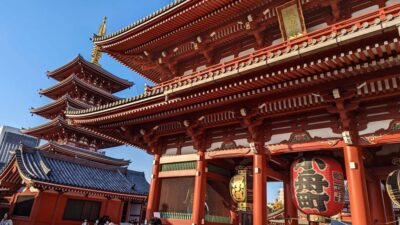
Starting at Senso-ji Temple is a smart move because it sets the emotional tone right away. This is one of Tokyo’s most famous temples, and the experience hits a different speed than modern districts.
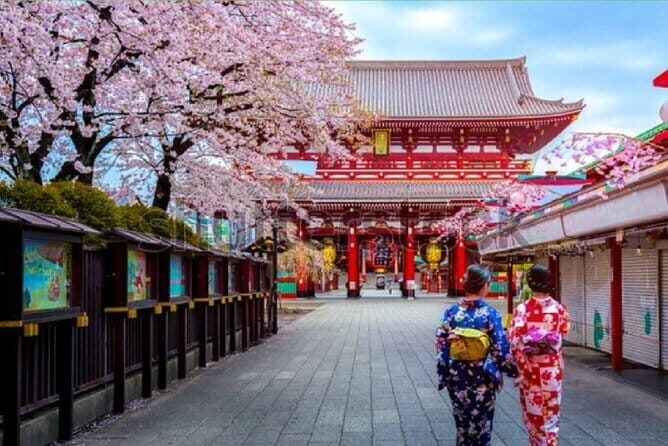
What I like about this stop is the blend of sacred and snackable. You can wander the area around the temple, and it’s a natural place to try street food like dango (mini mochi balls) and agemanju (deep-fried sweet bean filled mochi). The temple time here is about 1 hour, and that’s enough to see the main sights without sprinting.
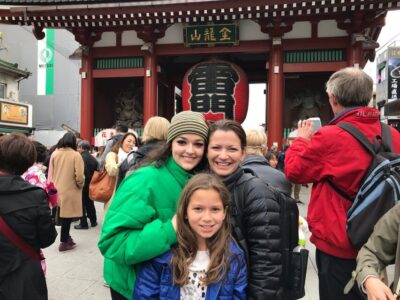
Right after that, you move into Nakamise Shopping Street, the pedestrian stretch from Kaminarimon (Thunder Gate) to Hozōmon (Treasure-House Gate). This is a short walk, about 250 meters, but it’s packed with crafts and souvenirs. If you’re the type who likes to bring home something small and meaningful, this is a good place to browse.
Practical consideration: Nakamise and nearby temple paths can get crowded. The value of the private setup is that you can time your arrival and move out when it makes sense, instead of being trapped in a herd and waiting your turn.
Skytree or Tokyo Tower: choosing the sky view that fits your mood
You get to choose one tower: Tokyo Skytree or Tokyo Tower. This matters because both are separate from the included attractions, and the entrance fees aren’t part of the price.
Tokyo Skytree is listed as a highlight at about 1 hour. It’s known for being Japan’s highest tower and for its huge height of 637 meters. The upside is the view: you may be able to catch a clear skyline moment that includes distant scenery when conditions cooperate. If you want the modern Tokyo postcard, Skytree is the more current-feeling option.
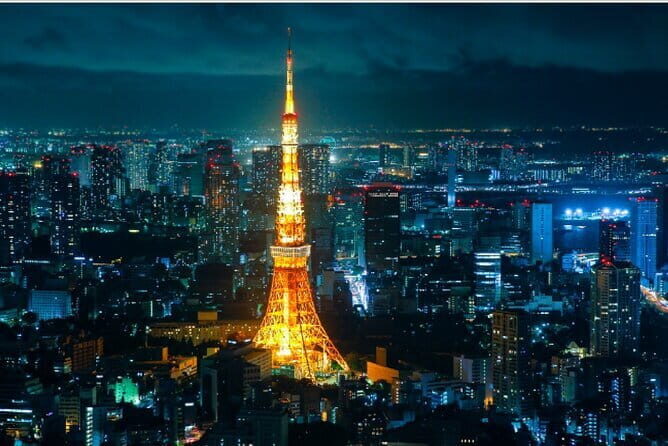
Tokyo Tower is an alternative and is described as having retro charm. It was Tokyo’s top broadcasting landmark until 2010, and the stop here is also about 1 hour. If your taste leans toward classic design and a more old-school skyline vibe, you might prefer it.
Budget note: Skytree entrance is listed as 3400 yen, and Tokyo Tower is 1500 yen. Both are also subject to whatever ticket rules apply on the day, so it helps to plan for that extra cost instead of being surprised mid-trip.
Bigger sweeps: other Tokyo city tours

Meiji Jingu: a shrine in the forest that slows your day down
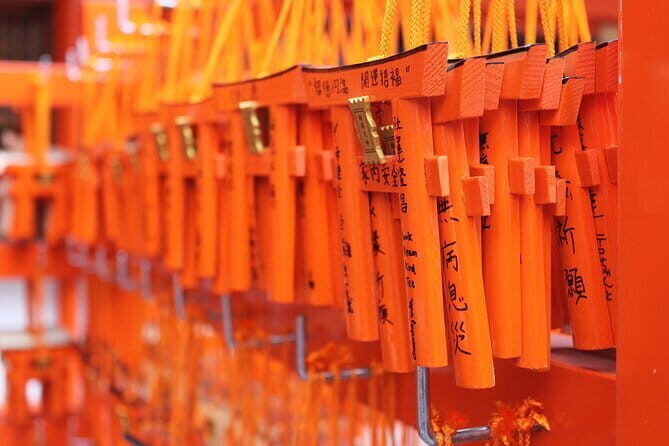
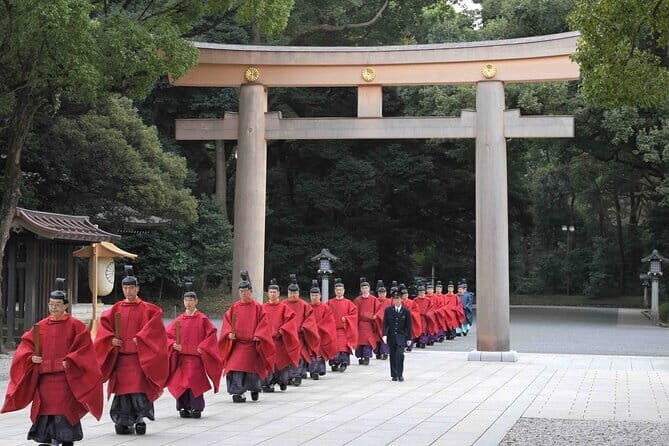
After the older-city energy of Asakusa, Meiji Jingu feels like a gear shift. This shrine is dedicated to the deified spirits of Emperor Meiji and Empress Shoken, and it was completed in 1920.
What makes this stop special for most people is the setting. You’re not just walking past stone and gates—you’re stepping into a shrine-area environment that feels shaded and calmer than the surrounding city. Your time here is about 1 hour, which is enough to walk, pause, and actually notice what you’re seeing.
Practical tip: Go with slower steps. If you treat Meiji Jingu like a quick photo stop, you’ll miss the point. The value of having a guide is that you can ask what the key traditions mean, and you’ll understand why people pause at certain spots.
Tsukiji Outer Market: street-food lunch energy without the guesswork
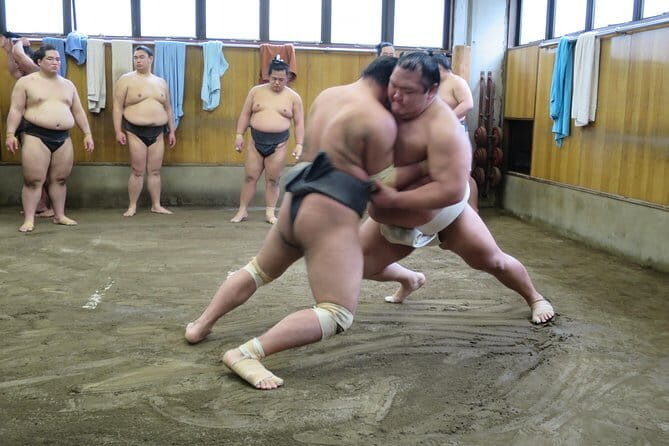
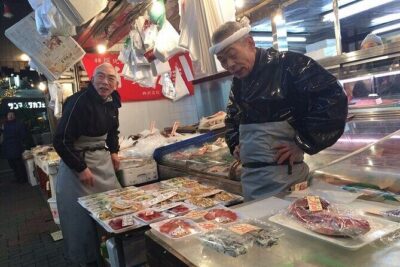
Tsukiji Fish Market is really about the Outer Market atmosphere—street food stalls, small eateries, and a buzz that makes it feel like a living food district rather than a single building of displays. Your time here is about 1 hour, and this is where you’ll probably want your stomach on board.
The market is known as one of the best fish markets in the world, and it’s a place where you can find both raw and cooked options. The listing also points out that lunch is typically the move here, which is honest because lunch is not included in the tour price.
I like that this is a guided stop because ordering can be intimidating if you don’t read Japanese labels. Even if you don’t need translation, having the guide help with figuring out what to try can save time and reduce the risk of wasting money on something you don’t like.
If you’re traveling with kids, older parents, or anyone with a sensitive schedule, tell your guide your eating pace. With a private car, you’re not stuck waiting for a group lunch.
Odaiba and Shibuya: Tokyo Bay views then the famous crossing
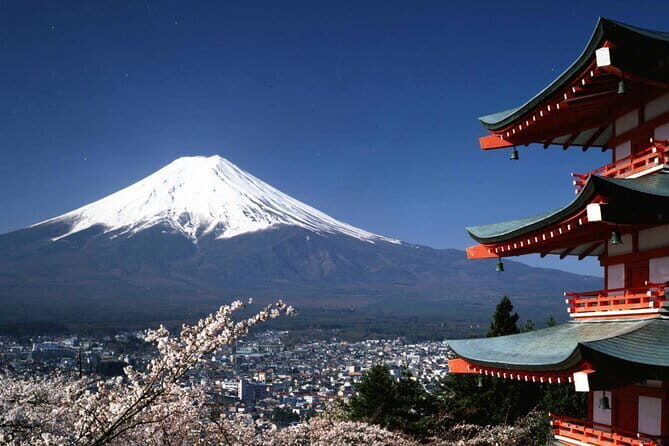
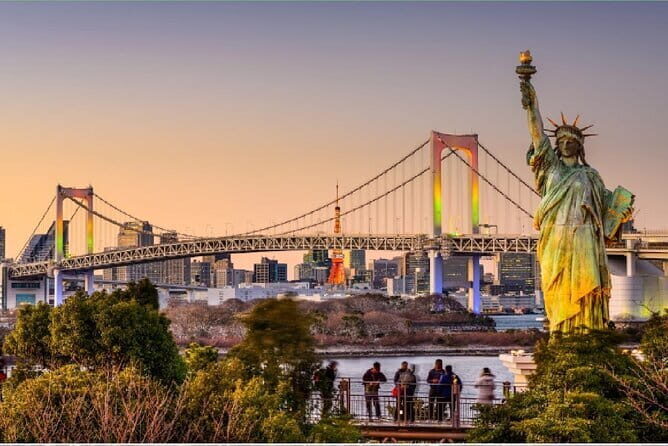
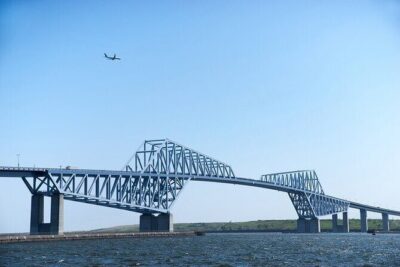
From Tsukiji, you head toward Odaiba, a popular shopping and entertainment district on a man-made island in Tokyo Bay. It started as small fort islands (daiba means fort) built in the late Edo period, and that “layered history in a modern setting” feeling is part of what makes Odaiba fun.
You get about 1 hour here. If you’re into seaside vibes, camera time, and wide-open views, this is a good stretch of the day. If you’re more focused on traditional culture, you can treat Odaiba as a breather before the next adrenaline hit.
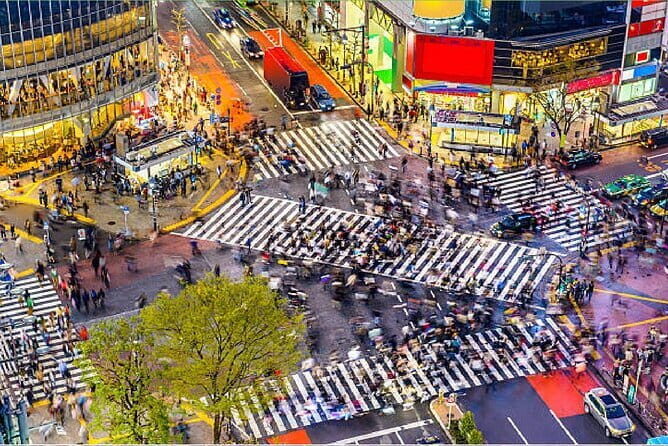
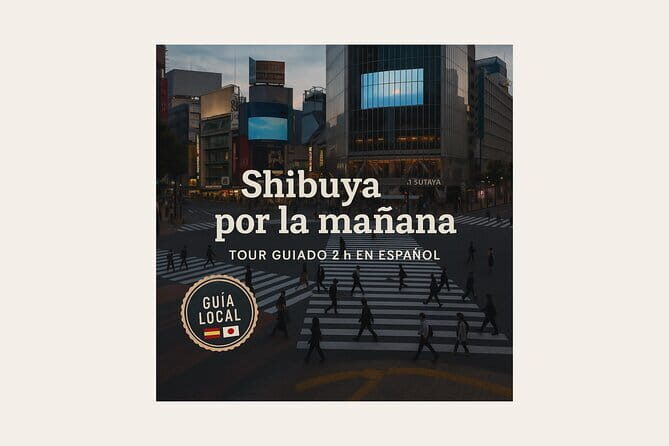
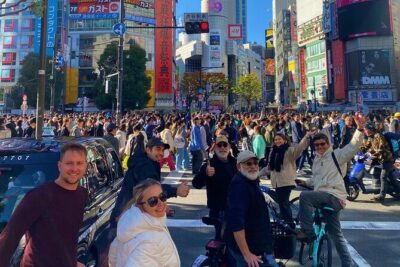
Then comes Shibuya Crossing, the intersection that’s shown in movies and media. It’s also one of those places where seeing it in real life feels different than watching it on a screen. Time here is also about 1 hour, and you can enjoy it in a way that matches your pace—watch from a good spot, cross when it feels right, then step back to reset.
I’ll add one practical note: crossings are crowded. Let the guide recommend when to cross or where to pause for photos so you’re not fighting foot traffic.
Imperial Palace East Gardens: an optional calm center
This stop is marked as optional: The East Gardens of the Imperial Palace (Edo Castle Ruin). It’s described as a place where you can feel the Edo-period atmosphere, surrounded by natural space.
You get about 1 hour here, and it’s a nice option if you want one more historic pause before the day ends. It also breaks up the modern intensity of Shibuya and the shopping areas.
If you want to keep the day focused on the big-ticket sights, you can skip this. If you like history and gardens, it’s a good “slow down” moment.
Tokyo Tower vs Skytree: how the route balances modern icons
Because you choose one tower, the schedule effectively flexes around that decision. If you pick Skytree, you’re likely leaning more toward a modern mega-viewpoint. If you pick Tokyo Tower, you’re selecting retro skyline vibes.
In both cases, you’re getting a clear skyline anchor for the day. That’s not a small thing in Tokyo: the city is so visually different block to block that having one “big view” stop helps you connect the rest of what you saw.
Also, if your priority is photos, tell your guide. Some guides are known for helping capture pictures and suggesting timing. It’s worth asking before you set out where they think the best angles will be.
Price and value: what $445 for up to 6 people really buys
The listed price is $445 per group, up to 6 people. That means your effective cost per person can be roughly $74 if you max out the group size.
Now, what does that cover? You get:
- Private transportation in an air-conditioned vehicle
- Parking fees and a fuel surcharge
- Pickup offered and a mobile ticket
What it does not cover:
- Lunch
- Skytree entrance (3400 yen) or Tokyo Tower entrance (1500 yen)
- Tour time at each free attraction is included, but tickets for the towers are separate
Here’s the value logic I’d use: if you were to pay for taxis across multiple neighborhoods, plus pay for separate guide time, you’d likely spend more for less. The private car also reduces the “Tokyo tax” of time. In a city where travel can eat half a day if you’re not careful, that time saved can be worth more than the sticker price.
One more practical point: the price is per group. If you’re traveling with a family of four, or a couple plus friends, this is often a strong choice. If you’re solo, you’ll want to compare it to other ways of booking.
English, flexibility, and one real potential drawback
Most guides are described as friendly, attentive, and helpful with explanations and pacing. Names that show up include Hadi, Zubi, Ali, Mohd/Mohid, Sath, and Sekii (spelling varies).
One concern to be aware of: English clarity can vary. There’s at least one note about it being difficult to understand. If strong English is your top requirement, consider messaging ahead with what you want most—history explanations, food help, or practical navigation.
The good side is that the private format makes it easier to adjust. One thing I like about private guiding is the ability to tweak stop order and timing based on what your group cares about—like spending more time for family photos or skipping a site you’ve already seen.
Also, communication can be handled by messaging apps. I’ve seen mentions of coordinating pickup and details via WhatsApp, which is helpful if you’re managing jet lag or meeting up with multiple family members.
Who should book this tour?
This works best if you:
- Have limited time and want a full Tokyo highlight day
- Don’t want to wrestle with train transfers
- Travel with families, older relatives, or mixed ages who need comfort and flexibility
- Want a guide to help with the details at major stops, especially food and cultural context
It’s also a good option after a long flight. A private car and a planned route can take the edge off the first day in a new country.
Should you book Dream Tours Japan’s private Tokyo city tour?
I’d book this tour if your goal is a high-coverage Tokyo introduction with less stress. The combination of a private, air-conditioned car, a tight set of iconic stops, and free-time pacing adds up to solid value—especially for groups up to six.
Skip it only if:
- You want an ultra-deep, slow museum-and-backstreets style day
- You can’t spend extra on the tower ticket you choose
- You’re comfortable navigating Tokyo entirely on your own without help
One small plus: cancellation is free up to 24 hours before start time, so you have room to adjust if your schedule changes.
If you’re ready to see a lot of Tokyo in one day without turning it into a logistics project, this is a strong pick.
FAQ
How long is the Tokyo City Tour by Private Car?
It runs about 8 to 9 hours.
What does the $445 price include?
The tour price covers a private air-conditioned vehicle, fuel surcharge, and parking fees. It also includes transportation between the main stops and the services of an English guide.
What’s not included in the tour price?
Lunch is not included. Tokyo Skytree entrance (3400 yen) is not included, and Tokyo Tower entrance (1500 yen) is not included.
Do I need to choose between Skytree and Tokyo Tower?
Yes. You’ll choose one tower between Tokyo Skytree and Tokyo Tower.
Is pickup offered?
Yes, pickup is offered, and the tour uses a mobile ticket.
What is the cancellation policy?
You can cancel for a full refund up to 24 hours before the tour starts. If you cancel within 24 hours, the amount paid is not refunded.
Easier with a Guide

More Tours in Tokyo




More Tour Reviews in Tokyo




Fresh reviews from around Tokyo


City Tours, compared.
 ★ 4.8Private City Highlights Tour with Local GuideFrom $1061,433 reviews
3-Hour Bike or E-Bike City Highlights TourFrom $45435 reviews
★ 4.8Private City Highlights Tour with Local GuideFrom $1061,433 reviews
3-Hour Bike or E-Bike City Highlights TourFrom $45435 reviews
 ★ 4.8Sumo Morning Practice Tour at Sumida CityFrom $116308 reviews
 ★ 4.5Private Haneda Airport (HND) to Central Tokyo City TransferFrom $119260 reviews
 ★ 5.03-Hour Bike/E-Bike Tour of the City’s HighlightsFrom $63209 reviews
 ★ 5.0Small Town in the Big City: Tasting Tokyo’s KichijojiFrom $195195 reviews
 ★ 4.5Private departure transfer from Tokyo city to Tokyo Haneda Airport(HND)From $118123 reviews
Kamakura Walking Tour – The City of ShogunFrom $35100 reviews
★ 4.5Private departure transfer from Tokyo city to Tokyo Haneda Airport(HND)From $118123 reviews
Kamakura Walking Tour – The City of ShogunFrom $35100 reviews
Browse the lists this tour appears in