
Reviewed · FOOD & DRINK
Small Town in the Big City: Tasting Tokyo’s Kichijoji
Tokyo tastes better with a plan.
This Kichijoji food tour threads together old-school yakitori stops, a classic department-store basement food hall, and street-side bites in one compact neighborhood. I especially like how it’s small-group focused (up to 6 people), and how the menu feels like a real Tokyo mix, not just a list of tourist snacks. One possible drawback: it’s a walking-and-snacking loop, so if you want lots of downtime or slow wandering, you may find the pace a bit busy.
You’ll start by getting your bearings in Kichijoji, the kind of Tokyo area that feels local even when you’re surrounded by people. I also appreciate the hands-on, human touch—my favorite thing is how the tour builds toward meeting a multi-generation senbei maker. The tour is best when you show up hungry and open to eating in different styles, from gleaming food halls to street stalls.
In This Review
- Key Highlights You’ll Actually Notice
- Kichijoji: Tokyo’s Small-City Feeling in One Neighborhood
- Starting at Kichijōji Station: Getting Oriented Fast
- Stop 1 in Kichijoji: Old-School Yakitori and the Local Shopping Pulse
- Stop 2 Near Inokashira Onshi Park: Depachika Food Halls Like a Local Ritual
- Shotengai Street Food: Yakitori Skewers and Octopus Balls
- The Senbei Moment: Three Generations of Rice-Cracker Craft
- Your Guide Experience: Enthusiasm That Actually Helps You Taste
- What’s Included in the $195 Price (and What You’ll Cover)
- Group Size and Pace: Up to 6 People, About 6 Hours
- Who This Tour Suits Best (and Who Might Skip It)
- Should You Book Small Town in the Big City: Tasting Tokyo’s Kichijoji?
- FAQ
- How long is the tour?
- How many people are in the group?
- What’s included in the price?
- Where does the tour start?
- Is transportation included?
- What if the weather is bad or I need to cancel?
Key Highlights You’ll Actually Notice
- Up to 6 people means easier conversations and quicker help understanding what you’re tasting.
- Kichijoji’s shotengai atmosphere feels lived-in, not staged for visitors.
- Depachika food-hall browsing is part of the show, from pickles and fruit to a sushi stop locals favor.
- Street-side yakitori and octopus balls give you that stop-and-smile Tokyo rhythm.
- Meeting three generations of a senbei family maker turns snacks into a story you can repeat later.
Other plates worth crossing Musashino for
- Small Town in the Big City: Tasting Tokyo’s Kichijoji★ 5.0 · 195 reviews
- The 10 Tastings of Tokyo With Locals: Private Street Food Tour★ 5.0 · 48 reviews
- Small Town in the Big City: Tasting Tokyo’s Kichijoji★ 5.0 · 16 reviews
Kichijoji: Tokyo’s Small-City Feeling in One Neighborhood
Kichijoji is the trick: it’s in Tokyo, but it doesn’t act like Tokyo. The vibe is more neighborly than flashy, which matters on a food tour. When a place feels familiar, it’s easier to taste with your senses instead of your camera.
You’ll also avoid the common problem with big-city tours: traveling across town for one meal. Here, the focus stays tight. That helps you compare flavors and styles without spending half the time commuting, and it keeps the day moving at a comfortable rhythm—especially since the whole experience is about 6 hours.
Starting at Kichijōji Station: Getting Oriented Fast
The tour begins back at Kichijōji Station, with the meeting point listed at 2 Chome-1 Kichijoji Minamicho, Musashino, Tokyo 180-0003, Japan. That’s a practical setup: you can plug into Tokyo’s public transit system and show up without a private transfer.
From the start, the goal is simple—get you oriented in the neighborhood and set you up to understand what you’re eating. Instead of only handing you food, the tour builds context: what you’re seeing on the street, how Japanese daily eating works, and why certain treats show up in regular routines.
Stop 1 in Kichijoji: Old-School Yakitori and the Local Shopping Pulse
Kichijoji kicks off with the kind of food stop most visitors only stumble into by accident. You’ll move through the neighborhood’s food culture in a way that feels like you’re hanging out with someone who knows where people actually go—especially when it comes to yakitori.
This is also where the tour’s theme becomes clear: you’re not only chasing famous dishes. You’re sampling the local ecosystem—small eateries, department-store shine, and street treats—all wrapped together in one day. For you, that means you’ll get a fuller picture of Tokyo eating, not just a highlight plate.
Practical tip: wear comfortable shoes. The experience is short enough that you’ll want to keep up, but long enough that your feet will notice if you’re in the wrong footwear.
Stop 2 Near Inokashira Onshi Park: Depachika Food Halls Like a Local Ritual
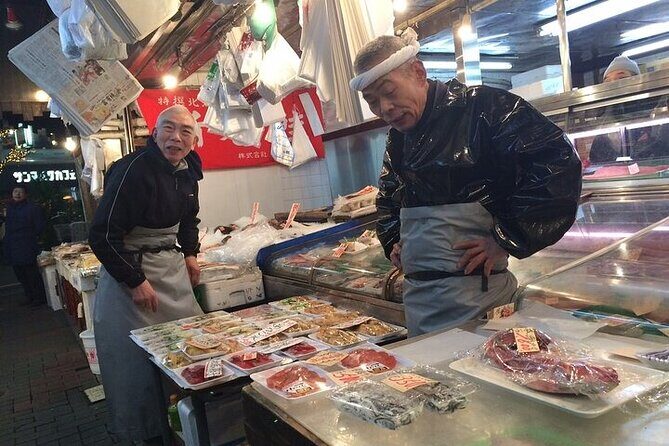
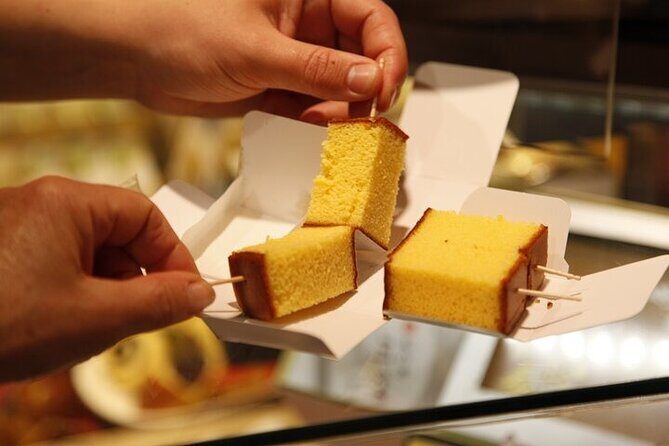
A big reason to do a Kichijoji food tour is the chance to experience a depachika—the department store basement food hall that functions like a playground for Japanese snacks and meals. This stop is built around browsing and tasting, so you get to see how food is presented, packaged, and chosen in real life.
Here’s what you can expect in the food hall world:
- You’ll encounter highly prized pickles and fruit.
- You’ll spot the aisle of Japanese junk food—yes, the playful stuff that locals buy for snacking.
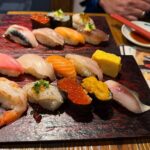
- Then you’ll reach a sushi bar choice among locals, where the vibe shifts from browsing to eating.
This part of the tour is valuable because it teaches you how Tokyo food shopping works. It’s not just eating; it’s learning the logic behind what’s displayed and why. If you’ve only experienced sushi as a single, formal restaurant meal, this is a way to see sushi as a daily option too.
Also, the depachika setting can be a relief on a hot or rainy day. Even though the tour is best in good weather, having a major indoor anchor helps keep the day from becoming a weather disaster.

Shotengai Street Food: Yakitori Skewers and Octopus Balls
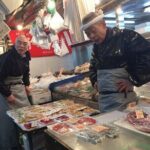
After the food hall, the tour swings back toward the neighborhood’s everyday energy: the shotengai, the busy shopping street where people pop out for daily needs. This is where you rub elbows with locals, and it changes the whole feel of the day.
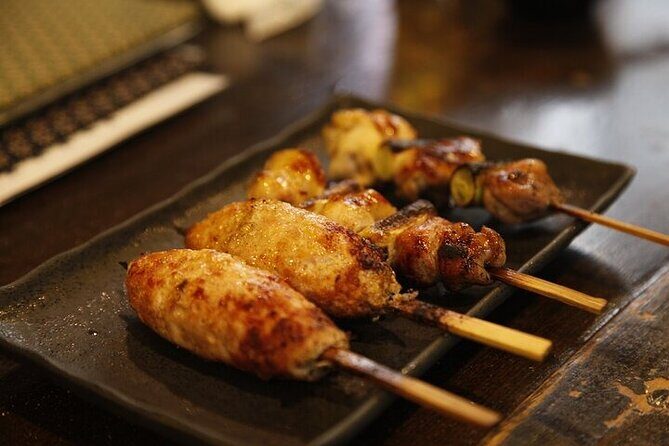
The tour includes street-side tastings such as:
- Yakitori skewers, served in that straightforward, grab-it-and-enjoy-it style
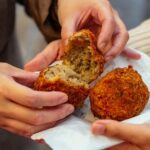
- Octopus balls, prepared and served street-side
I like that this isn’t only about eating. You also learn basics of Japanese cuisine while you taste, so the food doesn’t feel like random bites. You can connect flavors to the way people actually think about meals: fast, fun, and easy to share.
One consideration: street food can move fast, and some bites are best eaten immediately. If you’re the type who wants to photograph, read every label slowly, and savor for ten minutes per bite, you might need to balance your pace with the group’s flow.
The Senbei Moment: Three Generations of Rice-Cracker Craft
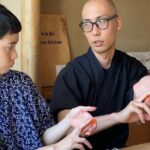
The standout human touch on this tour is the stop connected to an artisanal senbei family maker. The experience includes meeting a family that represents three generations of senbei craft. That’s the kind of detail that turns a snack into something you’ll remember longer than the taste.
Why this matters for you: senbei is one of those foods that can seem simple until you see the care behind it. When you connect the food to a real family process—hand skills, tradition, and the way it’s passed down—you stop thinking of snacks as disposable.
From the reviews, you can also see why this part hits. People rave about discovering an original rice cracker and loving how the guide connects it to the people behind it, not just the product.
Your Guide Experience: Enthusiasm That Actually Helps You Taste
The experience is led by Culinary Backstreets Walks, and the tone matters here. One name that shows up clearly in the positive feedback is Phoebe. Her standout qualities—being patient and enthusiastic about her passions—make a difference when you’re tasting unfamiliar things.
That’s not a small detail. When you’re in Japan and the menu is new to you, you’ll enjoy the tour more if someone helps you understand what matters: texture, salt level, whether something is meant to be eaten warm, and what to notice in each bite.
If you like tours where the guide does more than escort you, this style tends to land well.
What’s Included in the $195 Price (and What You’ll Cover)
At $195 per person, this tour isn’t the budget choice. But it also isn’t overpriced in a way that feels wasteful—because the day is built around multiple tastings and a real meal.
Included items:
- Coffee and/or tea
- Snacks
- Bottled water
- Lunch
When you compare that to what you’d pay on your own—multiple small tastings, plus lunch, plus drinks—the price starts to make sense. The value isn’t just the food. It’s the way the food is sequenced, and the fact that someone keeps it organized while you focus on sampling and learning.
Not included:
- Private transportation
So you’ll be using public transit and walking on your own for anything beyond what’s built into the route. Luckily, the meeting point is near public transportation, so you should be able to get there smoothly.
Group Size and Pace: Up to 6 People, About 6 Hours
This tour caps at 6 travelers. I like that number because it usually means you can ask questions without waiting your turn. It also makes the group easier to manage around busy food halls and shopping streets.
The total time is about 6 hours, which is long enough to get variety but not so long that you’re stuck in one place all afternoon. Expect a day where you’re continuously tasting and walking—more like a guided neighborhood food story than a single “sit down and eat” meal.
Who This Tour Suits Best (and Who Might Skip It)
This is a great fit if you:
- want to taste Tokyo through one neighborhood instead of hopping across the city
- enjoy mixing styles—food hall to street stall to classic local bites
- like learning while you eat, not just collecting food items
It may be less ideal if you prefer:
- heavy downtime between stops
- a strictly formal dining experience (this day is more snack-forward and street-friendly)
- a tour that includes private transportation (it doesn’t)
If you’re traveling with a foodie mindset and want variety without complicated planning, you’ll likely find it hits the sweet spot.
Should You Book Small Town in the Big City: Tasting Tokyo’s Kichijoji?
I’d book it if you want a Tokyo food day that stays grounded in real neighborhood habits—depachika browsing, shotengai street energy, and a senbei family craft stop that adds heart to the eating. The small group size and the mix of classic and modern treats make it feel efficient and fun, not rushed and gimmicky.
I’d think twice if you hate walking, want guaranteed slow pacing, or expect the tour to include private transport. Also, since the experience depends on good weather, it’s smart to plan a bit of flexibility in your schedule.
If you can show up hungry, comfortable on your feet, and ready to learn as you taste, this one’s a strong bet.
FAQ
How long is the tour?
The tour lasts about 6 hours.
How many people are in the group?
The group size is limited to a maximum of 6 travelers.
What’s included in the price?
The tour includes coffee and/or tea, snacks, bottled water, and lunch.
Where does the tour start?
It starts at Kichijōji Station (2 Chome-1 Kichijoji Minamicho, Musashino, Tokyo 180-0003, Japan). It ends back at the meeting point.
Is transportation included?
No. The tour does not include private transportation.
What if the weather is bad or I need to cancel?
The experience requires good weather. If it’s canceled due to poor weather, you’ll be offered a different date or a full refund. You can also cancel for free up to 24 hours in advance for a full refund.
The Whole City in a Day
Eat Your Way Round Musashino
More Tour Reviews in Musashino
Fresh reviews from around Musashino

Food & Drink, compared.
 ★ 5.0Shinjuku Food Tour (13 Dishes at 4 Local Eateries)From $866,603 reviews
 ★ 5.0Tokyo Tsukiji Fish Market Food and Culture Walking TourFrom $993,184 reviews
 ★ 4.9Shinjuku Food Tour (15 Dishes and 4 Eateries)From $852,033 reviews
 ★ 5.0Tsukiji Fish Market Food and Walking tourFrom $301,724 reviews
 ★ 5.0Eat and Drink Like a Local: Tokyo Ueno Food Tour-Taverns&RamenFrom $95957 reviews
 ★ 5.0Shibuya Food Tour (13 dishes and 4 Eateries)From $77770 reviews
★ 4.7Tsukiji Fish Market Food and Culture Walking TourFrom $96757 reviews
★ 5.0Shibuya Food Tour (13 dishes and 4 Eateries)From $77770 reviews
★ 4.7Tsukiji Fish Market Food and Culture Walking TourFrom $96757 reviews
 ★ 5.0Tsukiji Fish Market: Street Food & Culture Walking TourFrom $33669 reviews
Browse the lists this tour appears in